
21 min 34 sec
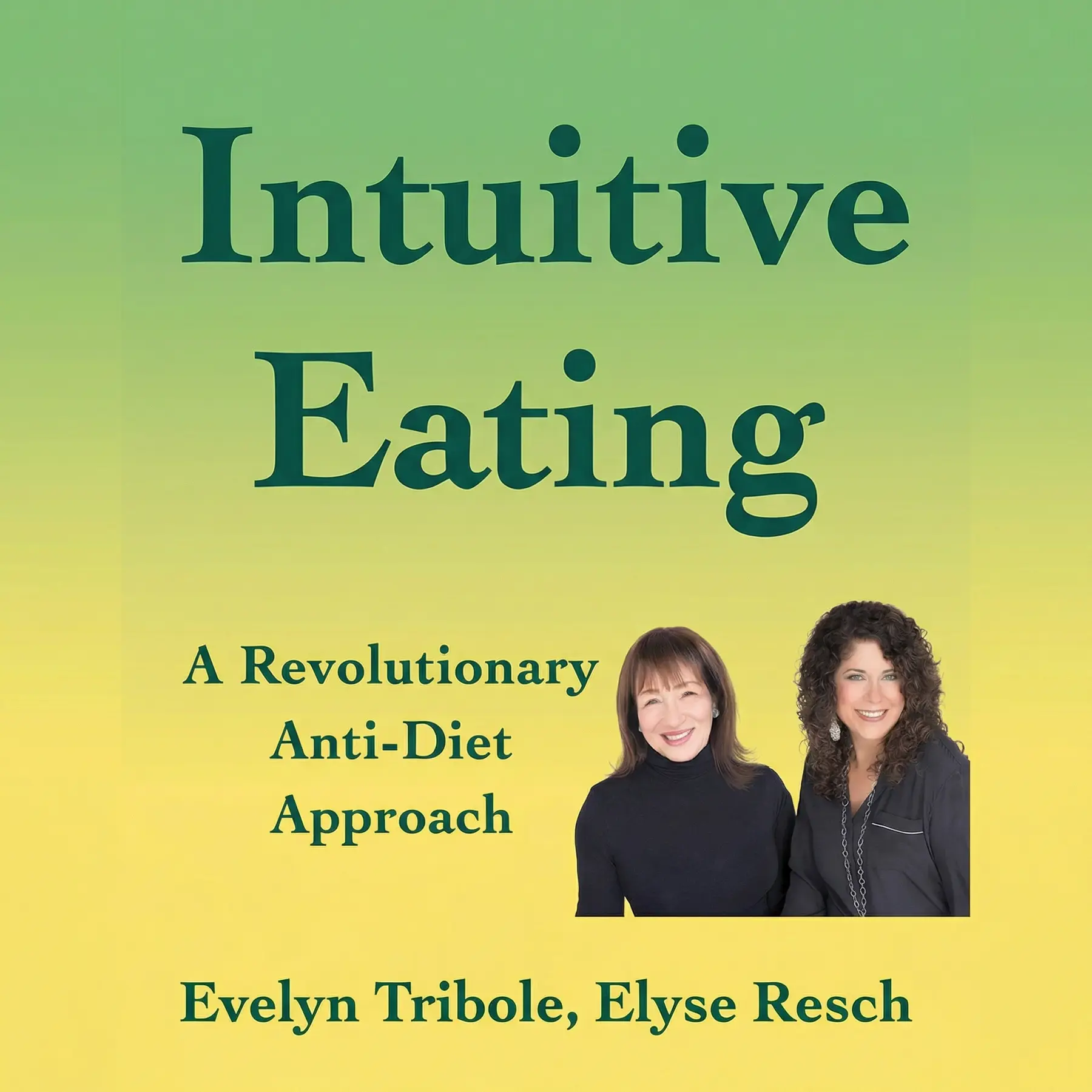
Intuitive Eating: A Revolutionary Anti-Diet Approach
Break free from the cycle of restrictive dieting and rediscover your body's natural wisdom. This guide teaches you how to reject diet culture, honor your hunger, and find genuine satisfaction in eating.
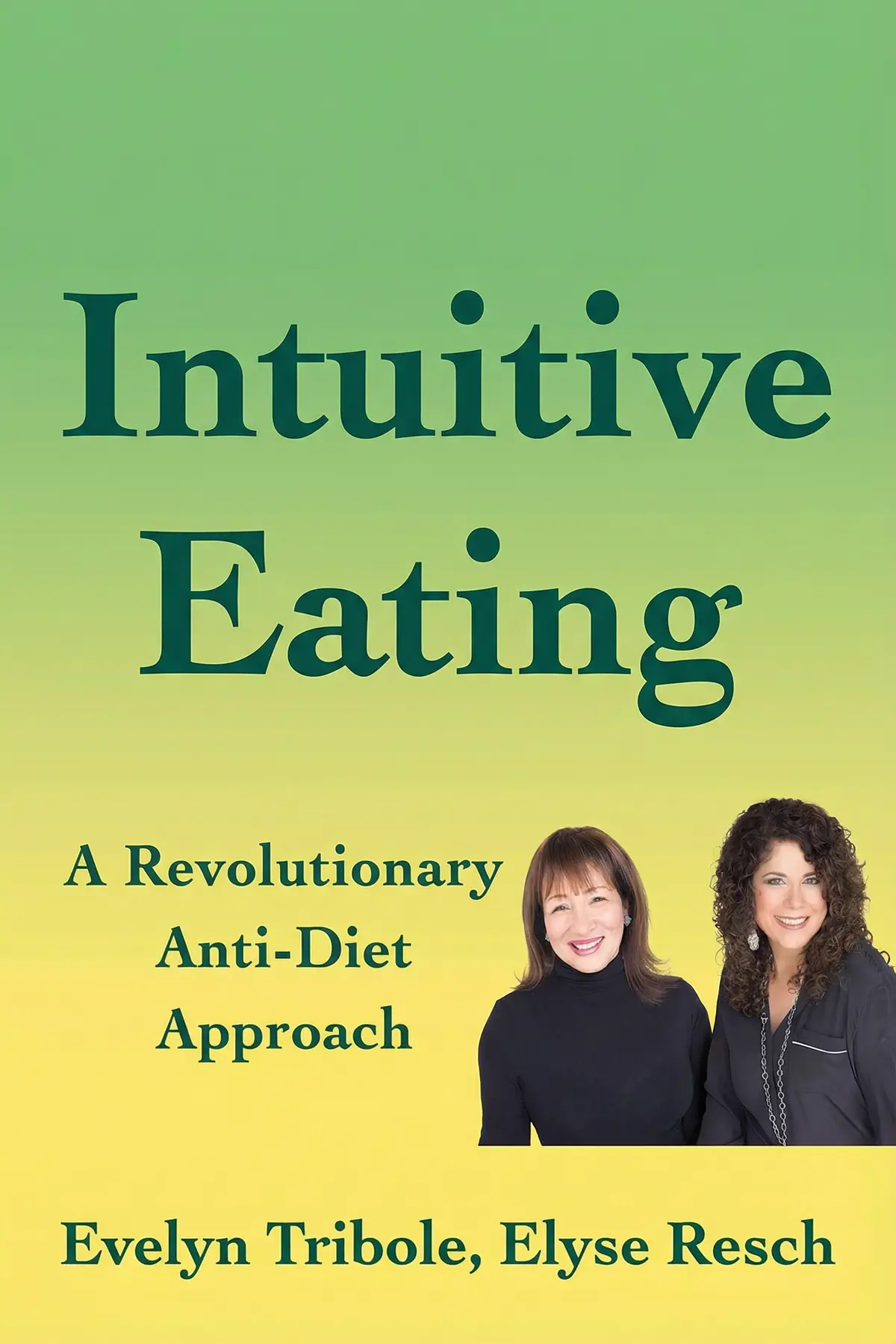
Table of Content
1. Introduction
2 min 20 sec
We live in an age where information about nutrition is more accessible than it has ever been. We have detailed food labels, advanced apps that track every micro-nutrient, and a constant stream of news regarding the latest metabolic breakthroughs. Logically, this should mean we are the healthiest generation in history. Yet, we are witnessing a global rise in weight-related health issues and a pervasive, collective anxiety regarding what we put on our plates. Why is it that despite our massive libraries of nutritional knowledge, the average person feels more lost than ever when sitting down to dinner?
The answer is as surprising as it is frustrating. One of the primary culprits behind our modern struggle with food is the very thing we are told will save us: the diet. For decades, we have been sold the idea that health is found through restriction, willpower, and external rules. But what if the diet industry isn’t the solution? What if it’s actually the problem? The truth is that dieting often damages our fundamental relationship with food. It turns meals into moral battlegrounds and transforms our bodies’ natural signals into enemies to be defeated. Instead of making us healthier, the constant cycle of restriction and indulgence often leaves us more neurotic, less satisfied, and physically worse off than when we started.
It is time for a different approach—one that doesn’t come from a pill, a program, or a pre-packaged meal plan. This is where we enter the world of intuitive eating. This philosophy suggests that the most sophisticated nutritional expert isn’t found in a textbook or a trendy blog; that expert is already inside you. By learning to tune back into your own biology, you can move away from the chaos of the diet world and toward a place of peace and sustainable health.
In the following segments, we will explore the biological reality of why diets fail and how your brain reacts to deprivation. We will look at what a group of hungry rats and a controlled study from the 1940s can teach us about binge eating. We will also rediscover the innate wisdom that toddlers possess and learn how to silence the judgmental ‘food police’ living in our heads. Most importantly, you will learn how to start trusting yourself again.
2. The Failure of the Diet Industry
2 min 44 sec
Discover why the massive weight-loss industry continues to grow even as its methods fail most people, and learn about the surprising long-term effects of restrictive eating habits.
3. The Biological Rebound of Deprivation
2 min 43 sec
Explore the fascinating science behind how our bodies view dieting as a threat to survival, leading to inevitable cycles of hunger and overconsumption.
4. Reconnecting with Your Inner Toddler
2 min 28 sec
Learn how children naturally manage their energy needs and how you can use a simple scale to begin honoring your own physical hunger signals.
5. Breaking the Emotional Cycle of Restriction
2 min 27 sec
Examine the damaging psychological loop of ‘virtue’ and ‘guilt’ that diets create and how to escape the ‘what-the-hell’ effect.
6. Making Peace by Legalizing All Foods
2 min 25 sec
Discover the counterintuitive secret to reducing cravings: giving yourself unconditional permission to eat whatever you want.
7. Challenging the Internal Food Police
2 min 16 sec
Learn to identify and silence the critical inner voice that enforces arbitrary diet rules, and replace it with biological facts and self-compassion.
8. The Art of Satiety and Mindful Satisfaction
2 min 22 sec
Discover how to listen for the subtle signals of fullness and why enjoying your food is actually a vital part of a healthy metabolism.
9. Conclusion
1 min 49 sec
The journey toward intuitive eating is ultimately a journey of reclamation. It is about taking back your power from an industry that profits from your insecurity and returning to the innate wisdom you were born with. We have seen that dieting is a flawed system that ignores our biological reality, triggers a famine response, and traps us in an exhausting cycle of guilt and deprivation. By rejecting these external rules and learning to honor our own signals of hunger and fullness, we can finally achieve the health and peace of mind that diets only ever promised.
As you move forward, remember that this is a practice, not a destination. You are unlearning years of cultural conditioning, and that takes time. To keep yourself on track, try to implement a regular ‘check-in’ with yourself. Periodically ask: ‘Am I choosing this food because I truly enjoy it, or am I trying to be a “health martyr”?’ ‘How does my body feel after this meal—am I more energetic or more tired?’ ‘Do I still trust myself to have a treat without it turning into a binge?’ If you answer these questions with honesty and compassion, you will find it much easier to maintain your autonomy.
Intuitive eating doesn’t mean you stop caring about nutrition; it means you start caring about how nutrition actually feels in your unique body. It allows you to enjoy a holiday feast and a simple salad with the same level of mental ease. When you stop fighting your body, you free up a massive amount of mental and emotional energy that can be used for the things that truly matter in your life. You deserve to have a relationship with food that is characterized by trust, pleasure, and genuine well-being.
About this book
What is this book about?
Intuitive Eating offers a transformative departure from the traditional diet industry, which often relies on deprivation and shame. Instead of following rigid external rules about what, when, and how much to eat, this approach encourages you to reconnect with your internal biological cues. It explores the psychological and physiological reasons why diets fail and how they can actually damage your metabolism and mental health. The book provides a framework of principles designed to help you make peace with food. You will learn to distinguish between physical hunger and emotional triggers, give yourself unconditional permission to eat, and rediscover the joy of satiety. The ultimate promise is a sustainable, healthy relationship with your body and food, allowing you to eat for both nourishment and pleasure without the burden of guilt or the stress of constant calorie counting.
Book Information
About the Author
Evelyn Tribole
Evelyn Tribole is a distinguished dietitian and author based in California, where she operates a food counseling practice. She has served as a representative for the American Dietetic Association and was the featured nutrition expert on the ABC television program Good Morning America. Elyse Resch is a California-based private nutritionist with over three decades of professional experience. She is an expert in the fields of eating disorders, preventative nutrition, and the intuitive eating framework.
Ratings & Reviews
Ratings at a glance
What people think
Listeners describe the material as transformative and educational, helping them tune into their physical hunger signals and foster a healthier bond with eating. Furthermore, it offers valuable support for those impacted by diet culture; one listener highlighted how the text clarified their own damaging eating patterns. On the other hand, the writing style and scientific foundation get a variety of reactions, as some consider it a simple read whereas others struggle with the text, and some value the principles while others view it as lacking scientific backing. Finally, views regarding weight loss vary, with some liking that the focus remains off weight reduction while others point out that this is not a diet book.
Top reviews
Gioia
This book changed everything for me. After years of calorie counting and feeling like a failure, the concept of "rejecting the diet mentality" felt like a breath of fresh air. It’s not just about food; it’s about reclaiming your mental space from a culture that profits off your insecurity. I particularly appreciated the section on "honoring your hunger" because I realized I hadn't actually felt true hunger in a decade. While some of the science felt a bit light in places, the psychological impact is undeniable. It's a must-read if you’re tired of the restrict-binge cycle. Truth is, I finally feel like I can trust my body again.
Show moreFon
After decades of hopping from Keto to Paleo, I was exhausted. This book didn't give me a new list of "bad" foods; instead, it gave me permission to stop fighting myself. The chapter on "coping with your emotions with kindness" was a total epiphany for me, as I never realized how much of my eating was just a distraction from stress. It’s a dense read and might feel repetitive to some, but the depth is necessary to unlearn years of bad habits. Personally, I found the evidence against dieting both shocking and incredibly validating. It's about time we stopped blaming our willpower for a system that is designed to fail.
Show morePan
Finally got around to reading this "anti-diet" bible, and it lived up to the hype. I've always struggled with "food police" thoughts, labeling myself as "good" or "bad" based on my lunch. The authors use a very compassionate, clinical tone to dismantle these harmful beliefs. I loved the focus on "movement" rather than "exercise," shifting the goal from burning calories to actually enjoying how your body feels when it moves. It’s a process, not a quick fix, and the book treats the reader like a capable adult. Not gonna lie, I wish I had read this in my twenties before wasting so much time on fad diets.
Show moreOrathai
Not what I expected at all, but in a good way. I thought this would be another "eat when you're hungry" pamphlet, but it's a deep dive into the psychology of how we view our bodies. The authors are RDs, and their expertise shows in how they handle the nuances of satiety and emotional eating. I struggled a bit with the "Respect Your Body" chapter—accepting your genetic blueprint is hard in a world obsessed with thinness—but it was exactly what I needed to hear. It’s an easy read but a difficult practice. Got to say, this book provided the peace of mind I've been searching for for years.
Show moreSamira
Ever wonder why toddlers can stop eating halfway through a cookie while adults struggle to put the box down? Tribole and Resch explain this phenomenon brilliantly by highlighting how we lose our innate "biological wisdom" due to external rules. I found the 10 principles easy to follow, especially the idea of "gentle nutrition" which doesn't feel like a punishment. However, I’ll admit the term "play food" is a little cringey and the writing feels very mid-90s at times. Still, the core message is solid. If you can get past the slightly dated tone, there’s a lot of common sense here that we’ve collectively forgotten.
Show moreYothaka
Picked this up on a recommendation from my therapist, and I think it’s a solid resource for anyone struggling with food obsession. I love the idea of "challenging the food police" in my own head and finally stopping the "last supper" bingeing habit that always follows a restrictive diet. That being said, I sometimes felt the authors were a bit too dismissive of the reality of hyper-palatable, processed foods. Can I really "intuitively" eat a bag of chips that was engineered in a lab? To be fair, the book helped me find a lot more peace at the dinner table, which is a huge win. It’s not a magic pill, but it’s a much more sustainable way of living than counting every single calorie.
Show morePenelope
Wow, what a paradigm shift. The most radical advice here is to throw away the scale, which felt terrifying at first but has been the most liberating thing I've ever done. This isn't a weight-loss book, and the authors are very clear about that, which might frustrate people looking for a quick fix. My only gripe is that it feels a bit repetitive in the middle sections, and some of the "eating personality" labels felt a bit silly. Regardless, the focus on "satisfaction" over "restriction" is something I think everyone needs to hear. It’s about feeling your fullness and actually enjoying what’s on your plate.
Show moreSoontorn
From a clinical perspective, I find this approach to be a necessary counter-balance to the modern "grind" culture. The 10 principles offer a structured way to rebuild a broken relationship with food without the typical rigidity of a meal plan. I particularly like Principle 5: Discover the Satisfaction Factor. We often forget that food should be pleasurable! My only critique is that the book can be a bit wordy and could have been condensed by about 50 pages. But the core philosophy—that your body knows what it needs—is something I’m now incorporating with my clients. It's a sensible, long-term approach for mental health.
Show moreTim
Look, I appreciate the sentiment of "Intuitive Eating," and it definitely helped me lower my anxiety around "forbidden" foods, but I do have some reservations. On the positive side, the 10 principles provide a great framework for anyone recovering from the restrict-binge cycle, and the writing is very accessible. However, I found the scientific sections a bit dated and occasionally the authors seem to brush off the fact that they have built a massive, profitable industry around this "anti-industry" message. Is it better than a restrictive diet? Absolutely. But is it the perfect solution for every body type? I'm not convinced. It’s a great starting point for healing, but you still need common sense.
Show moreSom
The chapter on "making peace with food" is where they lost me completely. While I agree that diets are frustrating, suggesting that we should give toddlers unlimited access to processed "play foods" alongside dinner is just irresponsible in today's environment. We live in a world of aggressive food marketing and sugar-laden snacks that are engineered to hit a "bliss point" and disrupt our hormones; telling people to just "listen to their bodies" while eating junk is a recipe for disaster. Frankly, it ignores the biological reality of how these foods work. If you're looking for logic and nutritional science, you might be disappointed. This felt more like a "feel-good" manifesto than a health guide.
Show moreReaders also enjoyed

AUDIO SUMMARY AVAILABLE
Listen to Intuitive Eating in 15 minutes
Get the key ideas from Intuitive Eating by Evelyn Tribole, plus 5,000+ more titles in English and Thai.
- 5,000+ titles
- Listen as much as you want
- 7-day free trial
- Cancel anytime







