
20 min 47 sec
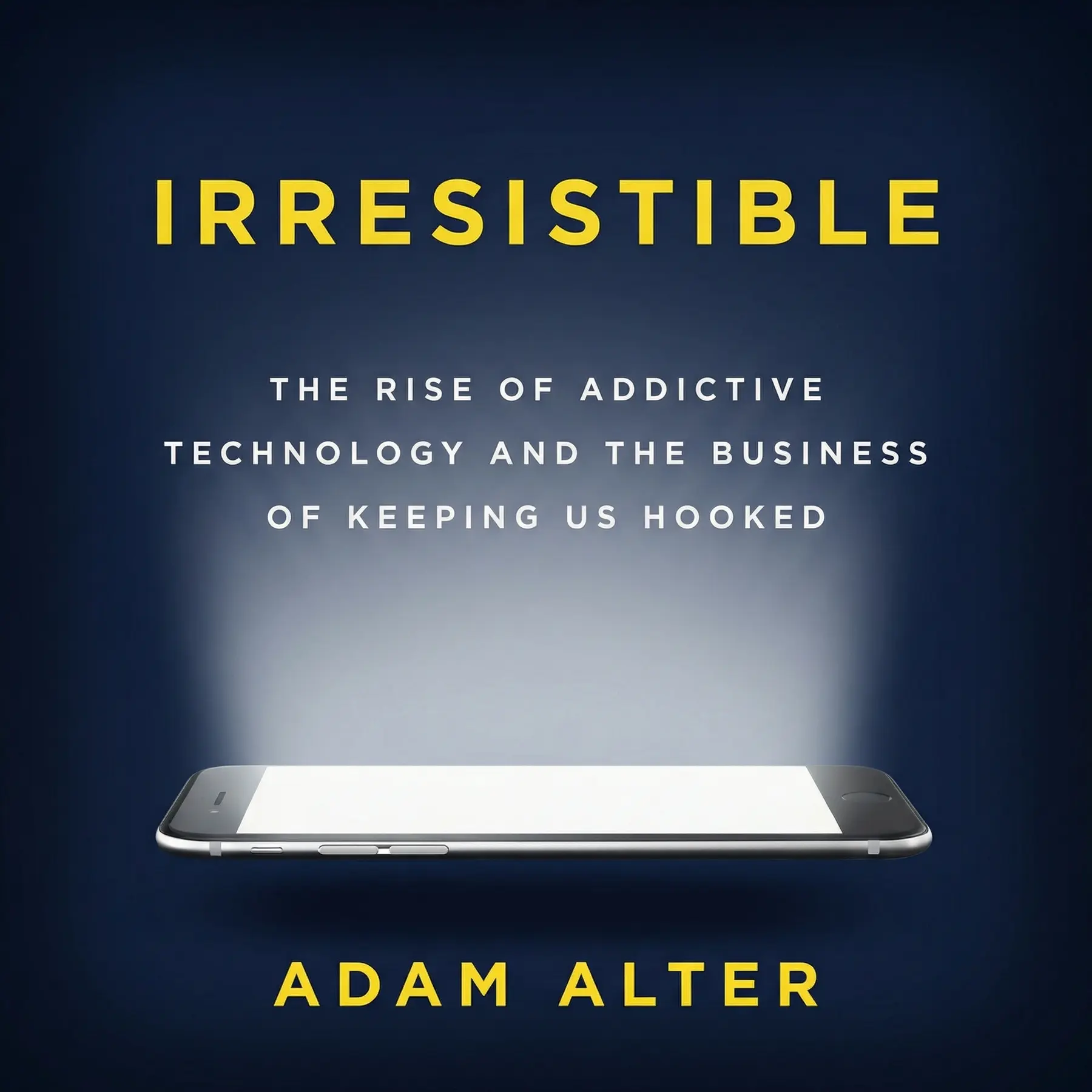
Irresistible: The Rise of Addictive Technology and the Business of Keeping Us Hooked
By Adam Alter
Irresistible explores the rise of behavioral addiction in the digital age, examining how technology is engineered to keep us hooked and providing strategies to regain our mental and social well-being.
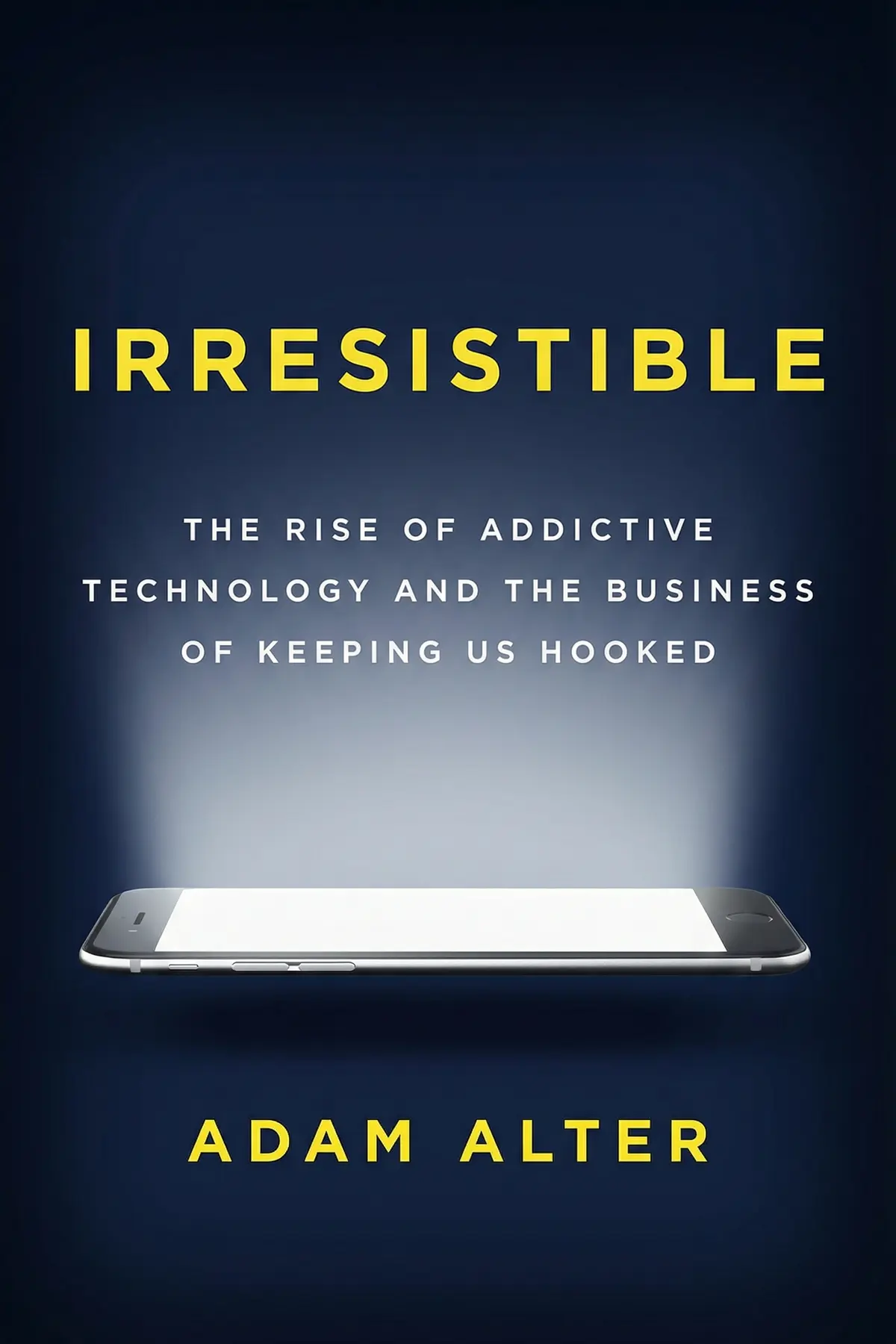
Table of Content
1. Introduction
1 min 39 sec
In the modern world, we are rarely more than an arm’s length away from a glowing screen. Whether it’s the first thing we check in the morning or the last thing we see before we close our eyes at night, the smartphone has become a digital appendage. But have you ever paused to ask why it’s so difficult to simply look away? Why does a single notification bubble have the power to derail our focus, and why do we feel a pang of anxiety when we realize we’ve left our phone in another room? This isn’t just a matter of poor self-discipline; it is the result of a profound shift in how technology is designed and how our brains respond to it.
In this exploration of our digital habits, we are going to look at the concept of behavioral addiction. We’ll see how the same neurological pathways that make drugs so dangerous are being activated by the apps and games we use every day. We aren’t just using these tools; we are often being consumed by them. This summary will guide you through the hidden mechanics of the digital world, from the psychological tricks used by software developers to the biological impact of blue light on our health.
Our journey will take us from the battlefields of Vietnam to the research labs where pigeons were taught to gamble, all to understand why we find our devices so irresistible. By the end, you’ll not only understand the science of why you’re hooked, but you’ll also have the practical tools to start pushing back. We will establish a throughline: that while technology is engineered to capture us, we have the capacity to redesign our lives and reclaim our attention. It’s time to understand the cost of our connectivity and learn how to find balance in an age of constant distraction.
2. The Discrepancy Between Perception and Digital Reality
2 min 06 sec
We often believe we have our screen time under control, but the data tells a much more startling story about our daily habits.
3. The Power of Context in Behavioral Habits
2 min 26 sec
Your environment plays a much larger role in your habits than you might realize, often outweighing personal willpower.
4. The Biological Toll of Digital Engagement
2 min 06 sec
Engaging with screens doesn’t just change your mood; it alters your brain chemistry and disrupts your body’s vital functions.
5. The Productivity Paradox of Constant Communication
2 min 09 sec
The urge to respond to messages instantly might feel like efficiency, but it’s actually sabotaging your ability to do deep work.
6. Variable Rewards and the Gamble of Validation
2 min 12 sec
Social media platforms utilize the same psychological mechanics as slot machines to keep you coming back for more.
7. The Human Compulsion to Seek Hardship
2 min 02 sec
Even when given the chance to relax, humans often seek out challenges or even pain to avoid the discomfort of boredom.
8. The Impact of Screens on Developing Minds
2 min 09 sec
The rise of digital childhood is fundamentally changing how the next generation develops essential social skills like empathy.
9. Strategies for Breaking the Digital Loop
2 min 17 sec
Willpower alone is rarely enough to beat an addiction; the key is to replace harmful routines with healthier alternatives.
10. Conclusion
1 min 41 sec
As we reach the end of this exploration into the world of behavioral addiction, the picture is clear: we are living in a landscape specifically engineered to capture our attention and hold it hostage. From the dopamine loops of social media to the blue light that disrupts our sleep, technology has found its way into the deepest parts of our biology and psychology. We have seen how our environments shape our habits, how the myth of multitasking destroys our productivity, and how our children’s social development is being stunted by the lure of the screen.
But the throughline of this journey isn’t one of despair; it’s one of empowerment. Understanding the mechanics of addiction is the first step toward breaking free from it. We now know that our struggle with technology isn’t a sign of personal failure, but a predictable response to a powerful stimulus. The solution lies in taking back control of our environments.
Your actionable takeaway for today is to start small. Look at your internet browser right now. Are you one of those people with a dozen tabs open? Try closing all of them except for two. Focus on the one task that truly matters, and let the rest wait. This simple act of narrowing your focus is a rebellion against the fragmented, distracted world that technology tries to pull us into. Turn off the notifications that you don’t absolutely need. Reclaim your bedroom as a sanctuary for sleep, not a digital playground. By making these intentional choices, you can ensure that technology remains a tool that serves your goals, rather than an irresistible force that dictates your life. The world outside the screen is waiting, and it’s time to look up.
About this book
What is this book about?
We live in an era where our pockets contain devices more powerful than the computers that sent men to the moon, yet these miracles of engineering have a dark side. This book uncovers the psychological and neurological mechanisms that make smartphones, social media, and video games so hard to put down. It moves beyond the idea that addiction is a moral failing, instead showing how specific design choices—like the 'like' button or the infinite scroll—trigger the same pleasure centers in our brains as chemical substances. Through fascinating studies and real-world examples, the narrative explores the heavy toll these digital habits take on our sleep, our productivity, and our children’s ability to feel empathy. More than just a warning, it offers a path forward, teaching us how to restructure our environments and habits to live more intentionally. The promise is a life where we use technology as a tool, rather than letting it use us, reclaiming our time and our connection to the physical world.
Book Information
About the Author
Adam Alter
Adam Alter, PhD, teaches psychology at New York University’s Stern School of Business. His ideas and research on social psychology have made him a sought-after consultant for a number of businesses, including Google and Microsoft. He’s written for such publications as the New York Times and WIRED. His previous book is the bestseller Drunk Tank Pink.
Ratings & Reviews
Ratings at a glance
What people think
Listeners find this work both captivating and a necessary read, particularly for 21st-century parents, featuring persuasive data on tech dependency and fresh perspectives on behavioral addiction. The prose is skillfully crafted, and listeners view the subject matter as deeply pertinent to their generation. Although the book offers an excellent exploration into the world of behavioral addiction, listeners point out that it lacks practical solutions.
Top reviews
Soontorn
This book is a wake-up call for anyone who feels tethered to their smartphone. Adam Alter dives deep into why our gadgets are designed to be impossible to put down. I found the section on how Steve Jobs and other tech titans didn't even let their own kids use iPads particularly chilling. It really makes you rethink the educational value we attribute to these devices. The research is compelling and the writing is accessible, though it left me wanting more concrete steps to break the cycle. Frankly, it’s essential reading for modern parents who are trying to navigate this landscape without losing their minds. We are essentially living in a giant social experiment where the rules change every day, and Alter is one of the few voices providing a clear map of the terrain.
Show morePawinee
After hearing about how tech titans treat their own products, I knew I had to read this. Alter delivers a stinging critique of the modern digital landscape that is impossible to ignore. I was particularly moved by the discussion on how children learn empathy through face-to-face interaction, and how that's being eroded by screens. The book isn't just about phones; it’s about the human condition and our vulnerability to feedback loops. Personally, I think this should be required reading for every high school student and educator. It’s a brilliant, slightly scary, but ultimately necessary exploration of the world we’ve built for ourselves. The way he connects ancient Roman history to modern app design is nothing short of masterful.
Show moreTaweesak
Finally got around to reading this and I’m genuinely glad I did. The Don't break the streak concept finally explains why I feel such irrational pressure to finish mundane tasks on my phone. Alter has a gift for taking complex psychological concepts—like the Zone of Proximal Development—and showing exactly how they are used to keep us scrolling. It’s a fascinating, if somewhat alarming, look at how our social reward systems have been hijacked by silicon valley. While it lacks a magic pill for fixing our addictions, simply knowing how the machinery works makes it easier to resist. Every page offers a new insight into why our modern life feels so frenetic. This is a must-read for the 21st century.
Show moreAnong
Ever wonder why that little red notification bubble feels like a shot of adrenaline? Alter explains the neuroscience of behavioral addiction with such clarity that you’ll never look at Instagram the same way again. The truth is, these apps are engineered to exploit our biological need for social validation. I was fascinated by the discussion of stopping rules and how they have been systematically removed from our digital lives. Unlike a book that ends or a newspaper that has a final page, the bottomless feed ensures we never find a natural place to pause. While the book is heavy on the why and a bit light on the how-to, the insights into dopamine loops are worth the price alone. It’s a great dive into the mechanics of the 21st-century brain.
Show moreRatthapong
Picked this up because I’ve been feeling like my attention span is shrinking to the size of a TikTok video. Alter’s analysis of the Zeigarnik Effect—that psychological tension we feel with unresolved tasks—really hit home for me. It explains why cliffhangers in games and streaks on Snapchat are so effective at keeping us hooked. The writing is incredibly smooth, making complex psychological theories feel like casual conversation. I did feel that some of the examples, like the Tetris history, went on a bit long, but the overall message is powerful. It’s a sobering look at how a thousand engineers are on the other side of the screen working to break your willpower. You will definitely feel the urge to put your phone in a drawer after finishing this.
Show moreAndrei
As a parent in the digital age, I found this research both fascinating and terrifying. Alter doesn't just blame a lack of willpower; he points out that we are fighting against billion-dollar industries. The concept of nomophobia or the fear of being without a mobile phone felt all too real as I read this. I appreciated the distinction between substance addiction and behavioral patterns like exercise or shopping. My only real gripe is that the solutions chapter felt a bit rushed compared to the deep dive into the problems. Still, the insights into how near-wins keep us gambling with our time are eye-opening. Personally, I found the chapter on the Dollar Auction Game to be a brilliant illustration of how we get trapped in losing battles.
Show moreCooper
Wow, I didn't expect to feel so targeted by a non-fiction book on technology. I’ve always thought of myself as someone with decent self-control, but seeing the metrics on how we engage with likes was a reality check. The way Alter describes our brains being pickled by these rewards makes so much sense. I loved the section on the butt-brush effect and how subtle environmental cues dictate our behavior without us even realizing it. It’s a very readable book that manages to be academic without being dry. If you’re looking for a step-by-step detox guide, you might be disappointed, but for understanding the why, it’s top-tier. It really highlights how the illusion of progress sustains us in destructive digital loops.
Show moreChloe
The chapter on the Zeigarnik Effect was easily the highlight for me, but the rest of the book felt a bit uneven. Alter spends a lot of time warning us about the dangers of metrics and gamification, only to suggest gamifying our own lives as a solution in the final chapters. It felt slightly contradictory to me. Not gonna lie, I was hoping for more practical, everyday tips that don't involve donating to a political party I hate just to wake up on time. The anecdotes about World of Warcraft and Tetris were fun cocktail-party facts, but they didn’t always feel new. It’s a good introduction to the topic, but seasoned tech-critics might find it a bit repetitive. A decent read, just not the life-changing manual I expected.
Show moreHazel
To be fair, much of what Alter discusses here has been covered in various long-form articles over the last few years. If you follow tech news closely, the anecdote about tech titans keeping their kids away from screens won't be news to you. I also found some of the statistical claims a bit shaky, especially when he describes small percentage shifts as dramatic. However, the writing style is very engaging and he does a great job of synthesizing different fields of study into a cohesive narrative. It’s a solid 3-star read that serves as a good entry point for someone who isn't already obsessed with the attention economy. It just didn't quite provide the breakthrough insight I was looking for, despite the compelling research presented.
Show moreAroha
Look, I wanted to love this because the topic is so timely, but I struggled with the scientific rigor. The author often presents experimental results as absolute proof when they actually seem like statistical flukes or minor differences. For instance, claiming a dramatic improvement for a group that only gained a few points more than the control seems misleading. Also, the irony of using the same addictive metrics he decries to propose solutions in the final chapter was distracting. I felt like the book was more of a collection of interesting stories rather than a solid scientific argument. It’s fine for a casual reader, but if you’re looking for deep neurological evidence or actual peer-reviewed substance, you might find it a bit thin and overly anecdotal.
Show more
Readers also enjoyed
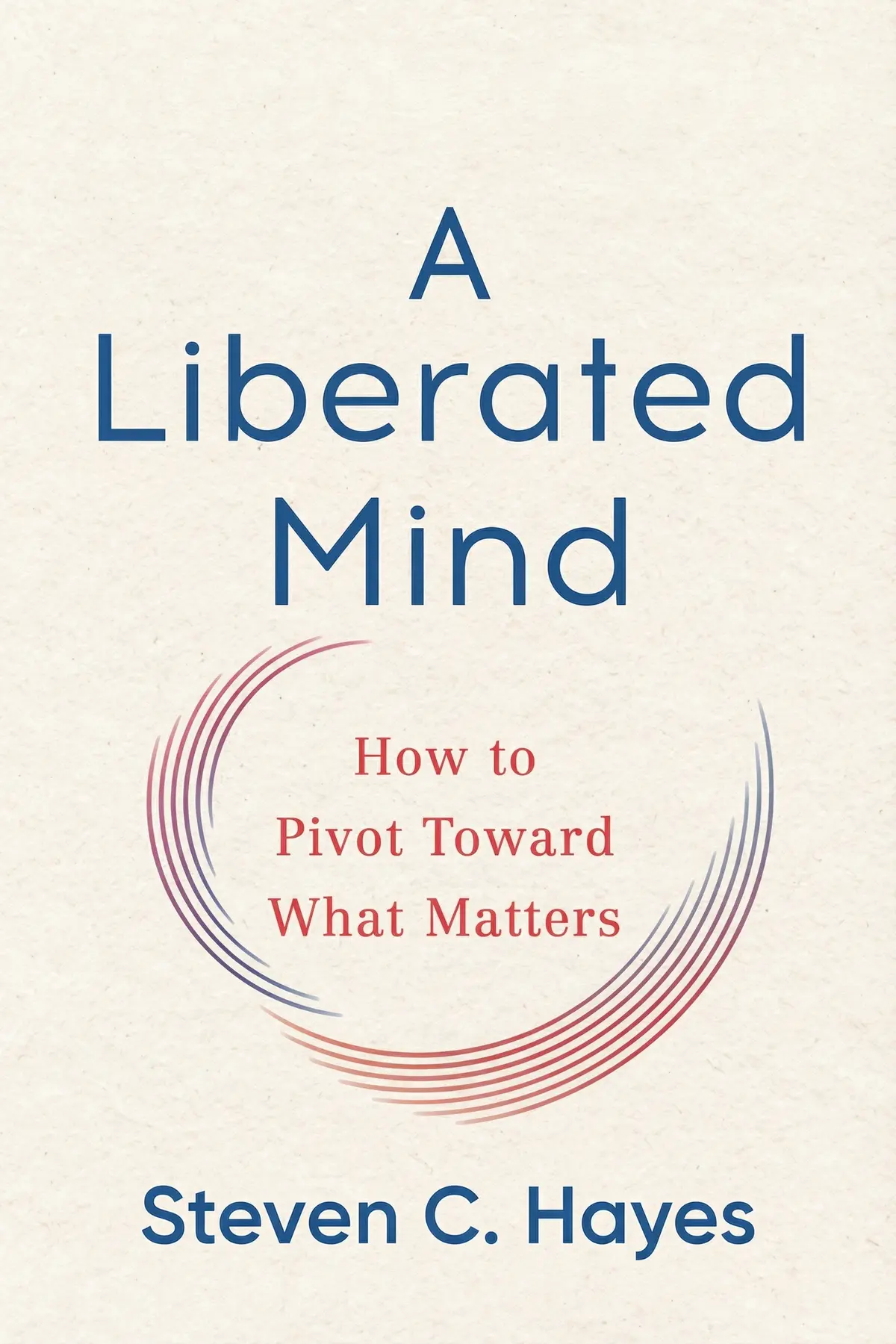
A Liberated Mind: How to Pivot Toward What Matters
Steven C. Hayes
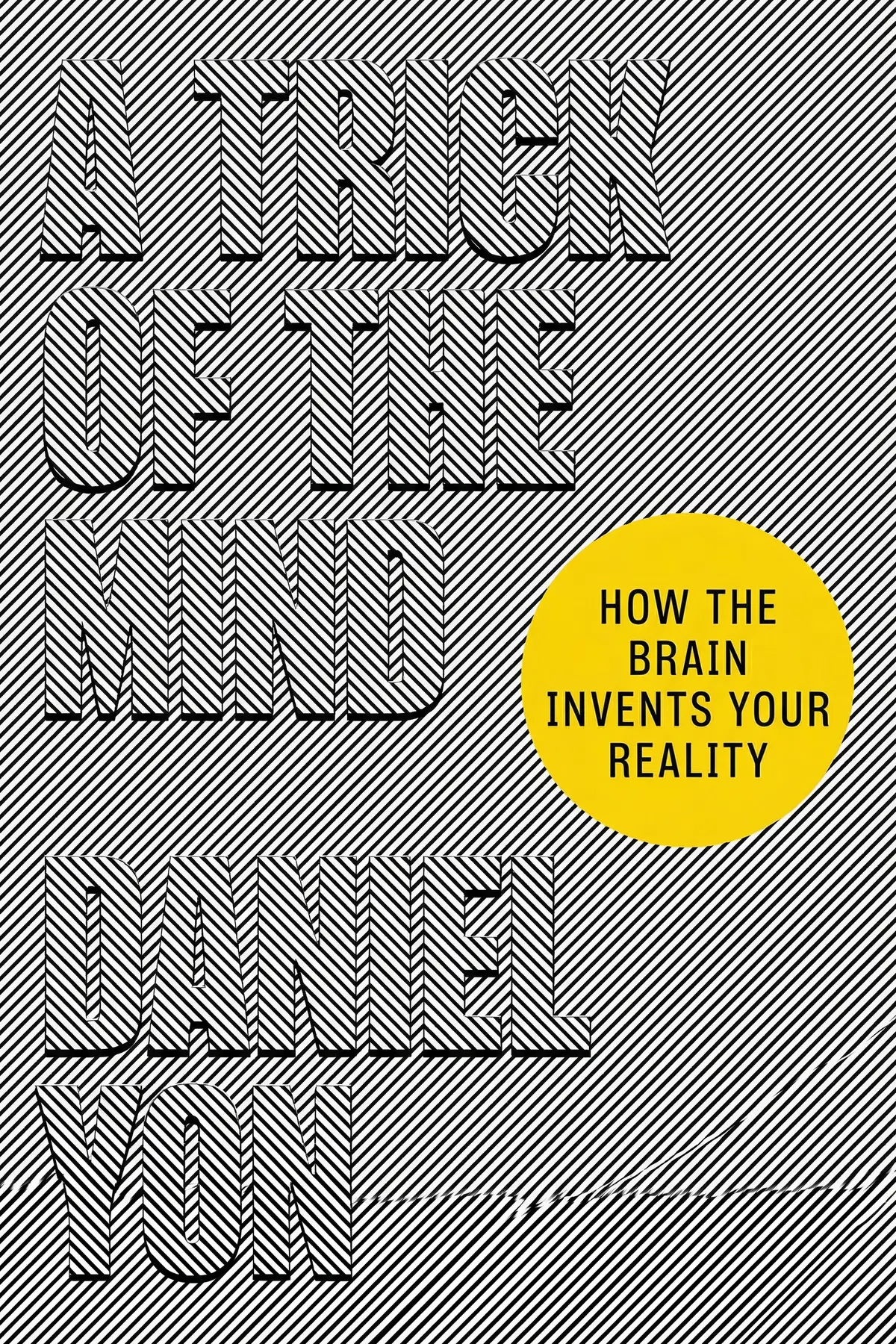
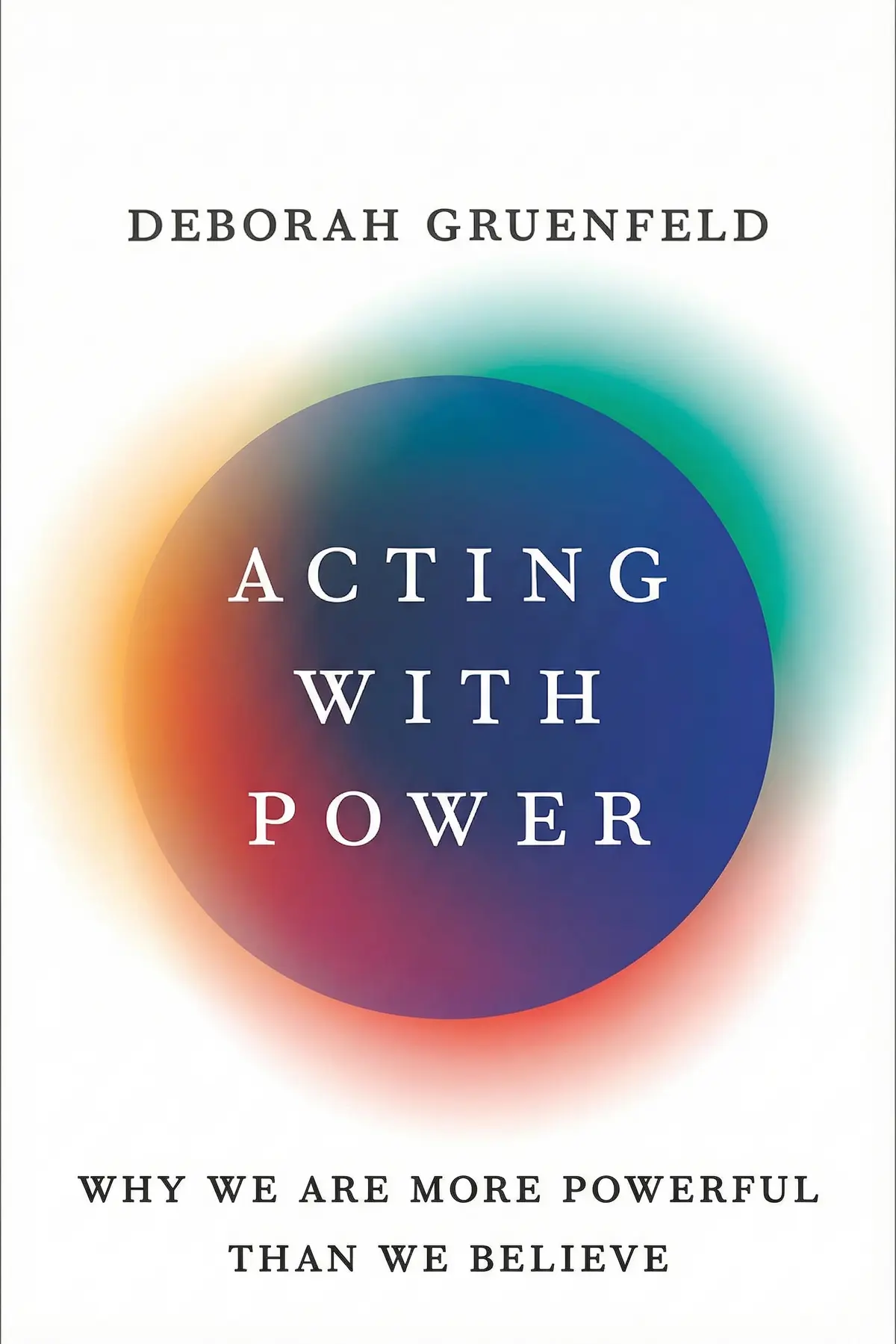
Acting with Power: Why We Are More Powerful Than We Believe
Deborah Gruenfeld
21 Lessons for the 21st Century
Yuval Noah Harari
AUDIO SUMMARY AVAILABLE
Listen to Irresistible in 15 minutes
Get the key ideas from Irresistible by Adam Alter, plus 5,000+ more titles in English and Thai.
- 5,000+ titles
- Listen as much as you want
- 7-day free trial
- Cancel anytime







