

23 min 41 sec
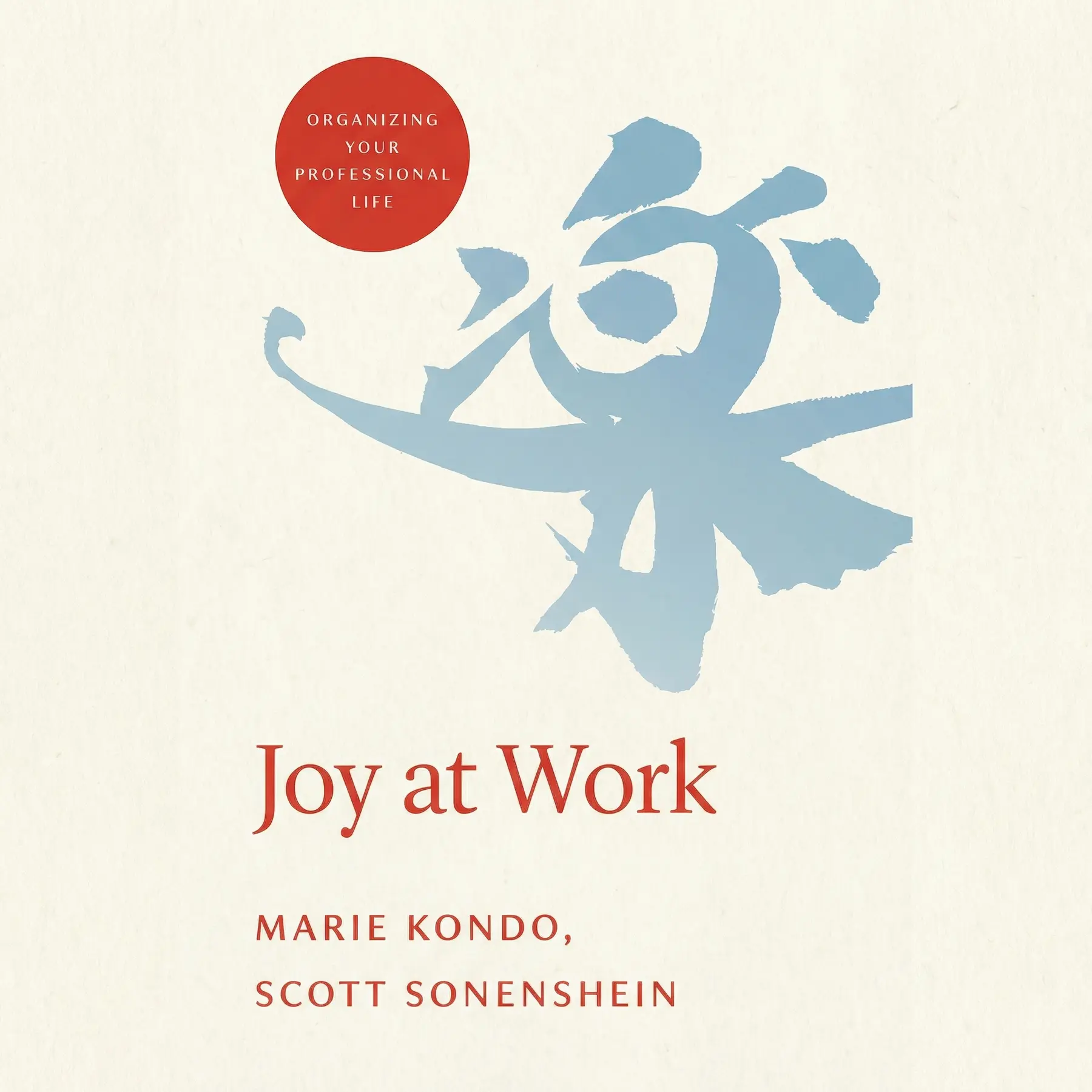
Joy at Work: Organizing Your Professional Life
Discover how the KonMari Method transforms your professional life. This guide explores decluttering physical workspaces, digital environments, and schedules to boost productivity and rediscover genuine satisfaction in your daily career.
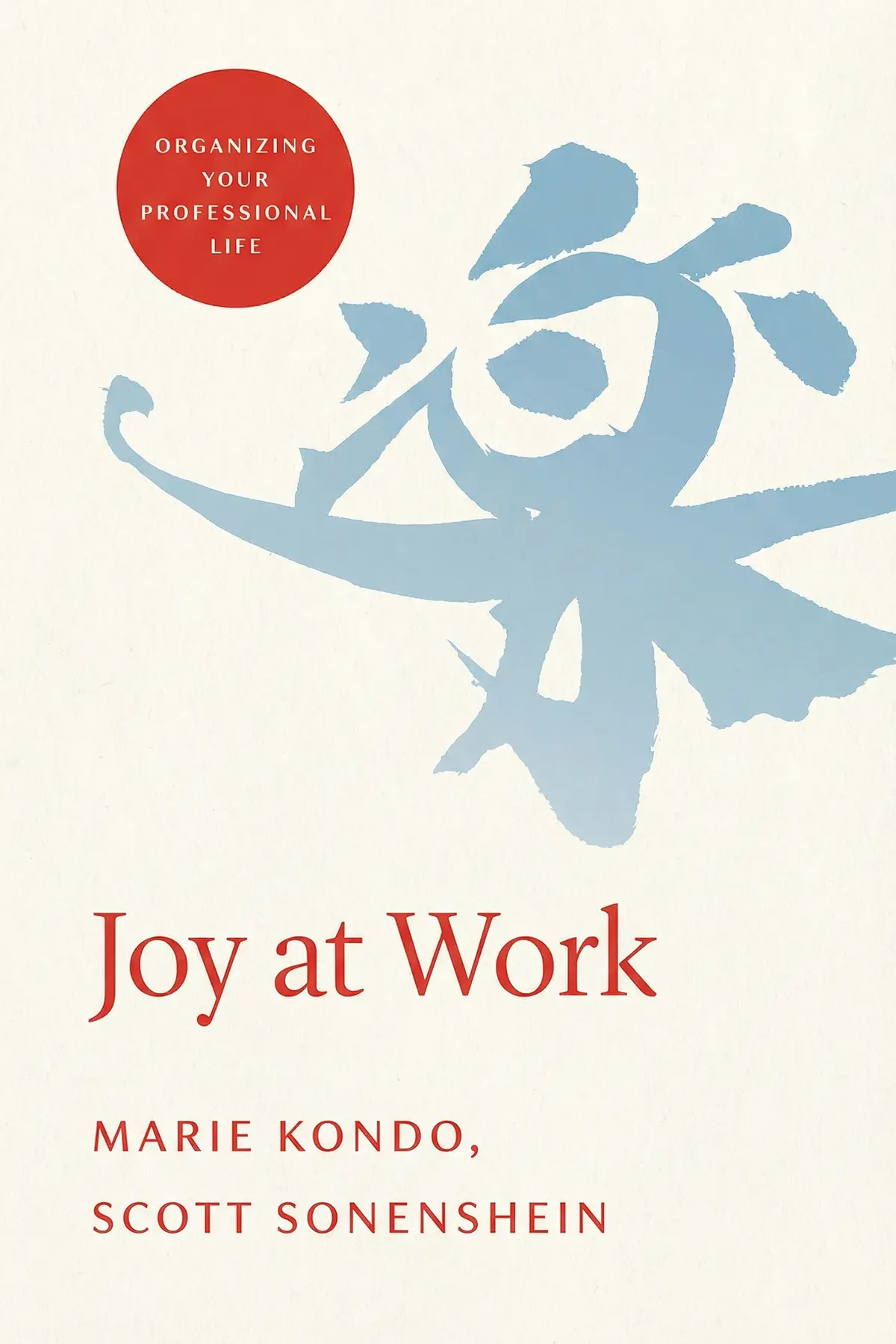
Table of Content
1. Introduction
2 min 03 sec
Most of us have heard of the global phenomenon surrounding the KonMari Method. For years, Marie Kondo has been helping people reclaim their homes from the chaos of clutter, teaching them to only keep items that truly spark joy. But there is a frontier many of us neglect, a place where we spend the vast majority of our waking hours: the workspace. Whether you are working from a home office, a corporate cubicle, or a shared studio, the environment in which you perform your professional duties has a profound impact on your mental state and your career trajectory.
Interestingly, this journey actually began in the office. Long before she was a household name, Kondo was working in human resources for a Japanese firm, helping her colleagues bring order to their desks. She realized early on that a tidy workspace was the foundation for a productive life. This summary explores the intersection of Kondo’s tidying philosophy and Scott Sonenshein’s organizational research. We are going to look at why a messy desk is more than just an eyesore—it’s a drain on the global economy and your personal well-being.
We will walk through the specific steps of tidying your physical environment, from books to those pesky miscellaneous supplies known as ‘komono.’ But we won’t stop at the physical. We’ll dive into the digital realm, tackling the mountain of emails and files that cloud our focus. Finally, we’ll look at how to tidy the intangible: our schedules, our meetings, and our professional networks. By the end of this journey, you’ll see that organizing your work life isn’t about being a perfectionist; it’s about making room for the work that actually matters and finding a sense of joy in the process.
2. The High Price of Professional Clutter
2 min 37 sec
Think your messy desk is harmless? Discover the shocking financial and psychological costs of office disorganization and how it shapes your career’s future.
3. The Foundation of Physical Tidying: Books and Papers
2 min 58 sec
Master the first steps of the KonMari workspace transformation by learning how to categorize and keep only what truly serves your career goals.
4. Confronting Komono and Sentimental Items
2 min 28 sec
Delve into the challenging world of miscellaneous supplies and emotional attachments to create a workspace that truly reflects your present self.
5. Decluttering the Digital Landscape
2 min 13 sec
Your computer screen is a workspace, not a storage unit. Learn how to apply KonMari principles to your virtual desktop and file system for total mental clarity.
6. Reclaiming Your Focus from Digital Interruptions
2 min 25 sec
Break the cycle of endless emails and notifications. Learn why constant checking kills your concentration and how to set boundaries that protect your time.
7. Tidying the Intangible: Schedules and Decisions
2 min 19 sec
A clean desk is useless if your calendar is a mess. Discover how to apply ‘spark joy’ to your daily tasks and learn the art of the strategic ‘no.’
8. Revitalizing Meetings and Team Dynamics
2 min 08 sec
Unproductive meetings are the clutter of the corporate world. Learn how to audit your team interactions and bring purpose back to your collaborative time.
9. Maintaining a Joyful Workspace for the Long Haul
2 min 35 sec
Sustainability is the key to true organization. Discover the daily rituals and mindset shifts needed to keep your work life inspired and your network meaningful.
10. Conclusion
1 min 55 sec
The transition from a chaotic, cluttered professional life to one of order and joy is not merely about having a clean desk. It is about a fundamental shift in how you view your time, your tools, and your goals. By applying the KonMari Method to your physical workspace, you remove the barriers that cause daily frustration and wasted time. By extending those principles to your digital life and your schedule, you reclaim the mental bandwidth necessary for true creativity and deep focus.
Remember, the goal is to visualize your ideal professional life and then ruthlessly eliminate anything that doesn’t help you realize that vision. Whether it’s a book that no longer represents your interests, a digital file that has outlived its usefulness, or a meeting that drains your energy, letting go is an act of self-respect. It makes room for the projects, people, and objects that actually matter.
As an actionable step starting today, take a look at your professional network. Instead of trying to collect as many LinkedIn connections as possible, pick three people this week to have a genuine, deep conversation with. Offer your help, share your current challenges, and listen truly to theirs. By focusing on high-quality connections rather than a high quantity of contacts, you tidy your social professional circle and build a foundation of mutual support. Your work life is a significant part of your human experience; by choosing to fill it with joy and purpose, you aren’t just becoming more productive—you’re becoming more fulfilled. Keep your vision in mind, stay grateful for the tools that serve you, and don’t be afraid to clear the way for the brilliant career you deserve.
About this book
What is this book about?
Joy at Work brings the world-renowned organization principles of Marie Kondo to the professional sphere, co-authored with organizational expert Scott Sonenshein. The book addresses a common modern ailment: the overwhelming clutter of messy desks, overflowing inboxes, and endless, unproductive meetings. By applying the signature KonMari philosophy of 'sparking joy' to the office, the authors provide a framework for clearing out the physical and mental noise that hinders success. This summary explores how to systematically sort through office supplies, digital files, and even professional relationships to create a workspace that reflects your true goals. It goes beyond simple cleaning, offering a strategy for reclaiming your time and energy. The promise is a more focused, creative, and joyful work life where your environment supports your aspirations rather than burying them under a mountain of paperwork and notifications.
Book Information
About the Author
Marie Kondo
Marie Kondo is a global tidying expert and author of the bestseller The Life-Changing Magic of Tidying Up. Her KonMari Method has transformed homes worldwide and inspired a hit Netflix series. Scott Sonenshein is a Professor of Management at Rice University with a PhD in organizational behavior. An expert on creativity and resourcefulness, his work has been featured in the Harvard Business Review and the New York Times, and he is the author of the book Stretch.
Ratings & Reviews
Ratings at a glance
What people think
Listeners find the book to be useful and perceptive, with one listener noting how it elaborates on familiar strategies without being repetitive. They characterize it as a pleasant and highly accessible read, appreciating the organizational advice, while one listener highlights its ability to help manage finer subjects like social media. However, the book receives mixed feedback regarding its continuity and value for money.
Top reviews
Pooja
Reading Marie’s prose is like a deep exhale for my cluttered brain. I didn't realize how much my digital life was weighing me down until I sat down with the chapters on electronic tidying and social media management. We spend so much time curating our physical homes, yet our phones are absolute graveyards of "just in case" apps and unread notifications that serve no purpose. Personally, the way she frames "gratitude" for even the most mundane office supplies changed my morning routine entirely. It isn’t just about the aesthetic of a minimalist desk; it’s about creating a mental environment where creativity can actually breathe. Even if some of the corporate advice on team dynamics feels a bit optimistic for the average worker, the overall vibe is incredibly soothing. It’s the perfect weekend read for anyone feeling burnt out by the constant noise of the modern workplace.
Show moreOm
Wow, I didn't think a book about office supplies could be this motivating. Marie Kondo’s enthusiasm for organization is absolutely contagious, and I found myself cleaning out my desk drawers halfway through the third chapter. To be fair, this isn't going to fix a career you hate, but it provides a great toolkit for making your daily environment much more bearable. The tips for digital organization, especially regarding social media and old emails, were exactly what I needed to hear. It’s a super practical guide that feels very relevant for the modern, white-collar worker. If you’re a fan of her previous work, you will definitely dig this new professional focus. It reminds us that our work lives deserve as much care and attention as our homes. Everything about this book sparked joy for me!
Show morePan
Finally got around to this one because my home office was starting to look like a disaster zone. To be fair, if you’ve already read Kondo’s first book, the core philosophy isn’t going to shock you, but applying it to a cubicle or a digital inbox feels surprisingly fresh. I especially appreciated the sections on managing your physical tools, like finding a pen that actually makes you want to write. Some people might find it a bit "woo-woo," but there's a certain logic to surrounding yourself with things that don't drain your energy. It’s an incredibly quick read that doesn't overstay its welcome. While it doesn't solve the problem of having a boss who doesn't "spark joy," it definitely makes the eight hours you spend at your desk feel more intentional and less like a chaotic chore. The book is very practical for anyone who feels buried under piles of unnecessary paperwork.
Show moreSuthida
As someone who manages a small team, I found several of the later chapters surprisingly insightful regarding how we communicate. While the first half focuses heavily on the "tidying" we've come to expect from the KonMari method, the second half tackles the finer subjects of social media and project management. Truth is, our digital workspaces are often more cluttered than our physical ones, and the framework for discarding unnecessary tasks was a wake-up call. I don't agree with every single point—some of the advice on avoiding "pointless" tasks feels a bit risky for junior employees—but the overall message of intentionality is strong. It’s a great resource for anyone looking to streamline their workflow and stop letting their inbox dictate their entire day. The writing is clear, concise, and easy to digest over a couple of lunch breaks.
Show moreSukit
After hearing so much buzz, I expected something more revolutionary, but I still walked away with a few great takeaways for my daily routine. The book is an incredibly easy read, which I appreciated since I usually don't have the mental energy for dense business manifestos after a long day. Not gonna lie, I was concerned this would be a rehash of her earlier tidying tips, but the authors managed to apply the philosophy to professional hurdles in a way that feels distinct. The focus on "joy" might sound cheesy to some, but it’s really just about being mindful of how you spend your time and energy. I especially liked the part about creating a "power spot" at your desk with one or two items that make you smile. It’s a small thing, but it actually makes a difference when you’re staring down a deadline.
Show moreManop
The collaboration between Kondo and Sonenshein creates an interesting tension between eastern mindfulness and western productivity. While Kondo focuses on the joy of physical objects, Sonenshein brings a much-needed layer of realism regarding how teams actually function in a corporate hierarchy. Frankly, it’s not always possible to skip a meeting just because it doesn't "spark joy," but the book encourages you to at least question why you're there. I found the advice on reducing unnecessary decisions to be particularly helpful for managing mental fatigue during long work weeks. My only real gripe is that it feels very geared toward a specific type of office worker, often ignoring those in service or manual labor roles. Still, for the intended audience, it’s a solid read that helps you reclaim some agency over your workspace. The chapters on team functioning were particularly strong and offered real value.
Show moreSam
The book feels like a conversation between two very different people that doesn't always harmonize perfectly. You have Marie Kondo focusing on the tactile joy of your workspace, and then Scott Sonenshein diving into the grit of organizational psychology and meeting culture. To be fair, the advice on skipping useless meetings is great in theory, but in a real-world corporate setting, it’s rarely that simple for someone who isn't the boss. I found the sections on digital clutter to be the most practical, especially since most of us are drowning in emails that serve no purpose other than to create anxiety. It’s a decent guide for white-collar professionals, but it lacks the groundbreaking impact of her original work. It’s worth a skim if you can borrow it from the library, though I’m not sure I’d buy a permanent copy.
Show moreKwan
Ever wonder why your home office feels so suffocating even when the rest of the house is clean? I picked this up during a particularly rough stretch of working from home, and it did help me realize I was hoarding paper files I haven't touched in years. However, the book struggles to bridge the gap between "having a nice desk" and "actually enjoying your job." It eventually sneaks in some lines about how fulfillment comes from the tasks themselves, but it takes a long time to get there. Personally, I found the chapters on networking and business cards a bit dated given how much the professional world has changed recently. It’s a bit of a mixed bag; there are a few gems hidden among a lot of filler about folding your cables. It’s helpful if you’re a mess, but mostly common sense for everyone else.
Show moreAdam
Is it just me, or is this basically a blog post stretched into 200 pages? The title promised a revolutionary way to find "joy" in my career, but it mostly just told me to throw away my old business cards and clean my monitor. Look, I’m an organized person by nature, so being told that a clean desk equals a clear mind feels like a redundant piece of advice I've heard since grade school. The collaboration with Scott Sonenshein tries to bring in some academic weight regarding meetings and decision-making, yet those parts felt disconnected from Kondo’s whimsical style. It frankly feels like the authors are reaching for content to justify the price tag. If you aren't a high-level white-collar executive with a massive paper trail, you probably won't find much value here besides a reminder to tidy up your desktop icons.
Show moreRoo
What a massive disappointment. I was expecting deep insights into finding fulfillment in a difficult career path, but instead, I got told that my stapler needs to make me happy. Frankly, the idea that a clean desk is the primary solution to workplace burnout is insulting to anyone dealing with actual systemic issues or toxic management. It feels incredibly out of touch with the reality of the modern economy, especially for anyone who isn't sitting in a climate-controlled office with a personal assistant. I literally felt my blood pressure rising as I read suggestions about thanking my computer for its service. If you have even a shred of common sense regarding organization, skip this and save your money. It’s a classic case of a brand being stretched too thin over a topic it doesn't fully grasp. One star for the nice cover art, but that’s it.
Show moreReaders also enjoyed
AUDIO SUMMARY AVAILABLE
Listen to Joy at Work in 15 minutes
Get the key ideas from Joy at Work by Marie Kondo, plus 5,000+ more titles in English and Thai.
- 5,000+ titles
- Listen as much as you want
- 7-day free trial
- Cancel anytime







