
14 min 50 sec
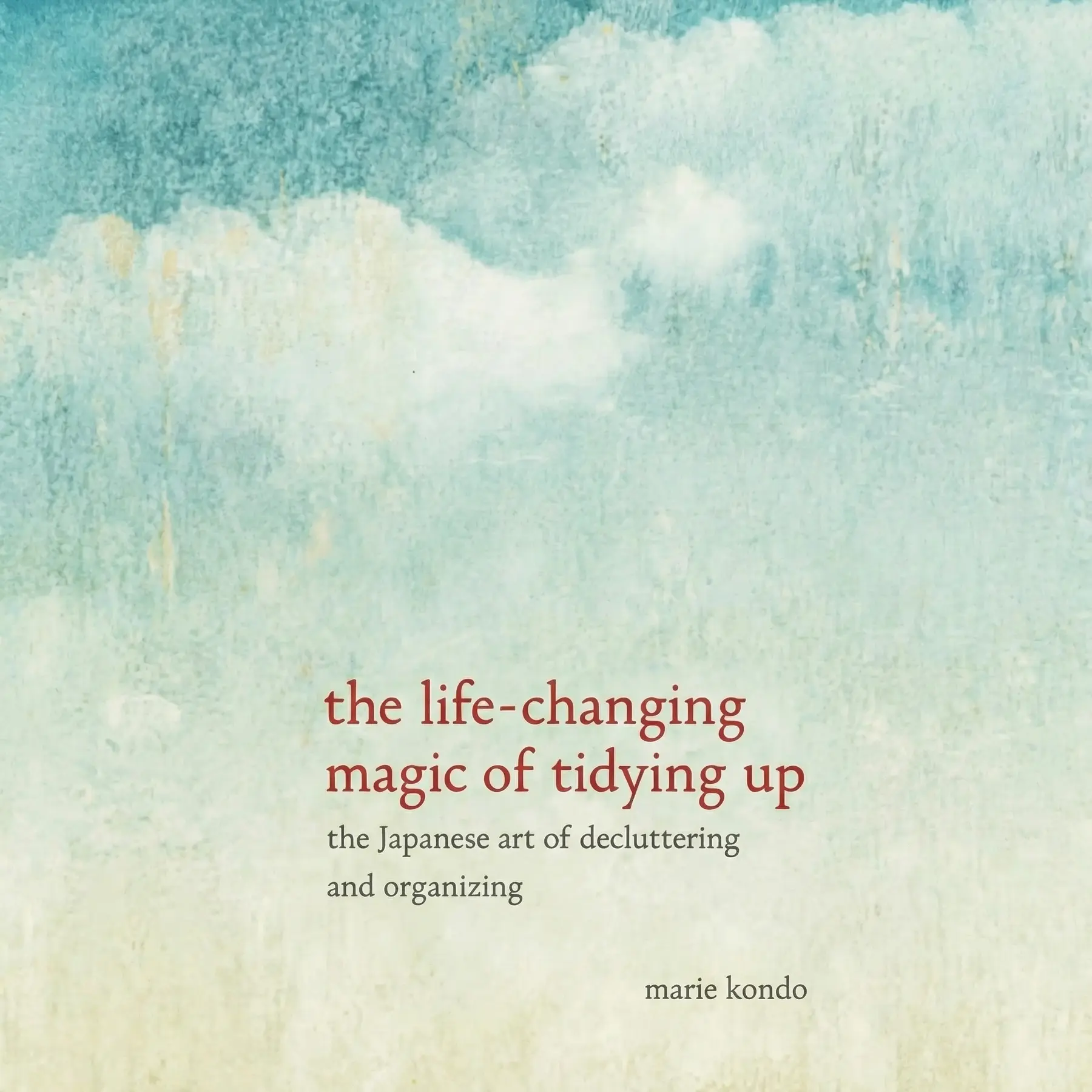
The Life-Changing Magic of Tidying Up: The Japanese Art of Decluttering and Organizing
By Marie Kondo
Discover the KonMari method, a revolutionary approach to decluttering that focuses on keeping only items that spark joy. Transform your living space and mindset through intentional organization and the art of letting go.
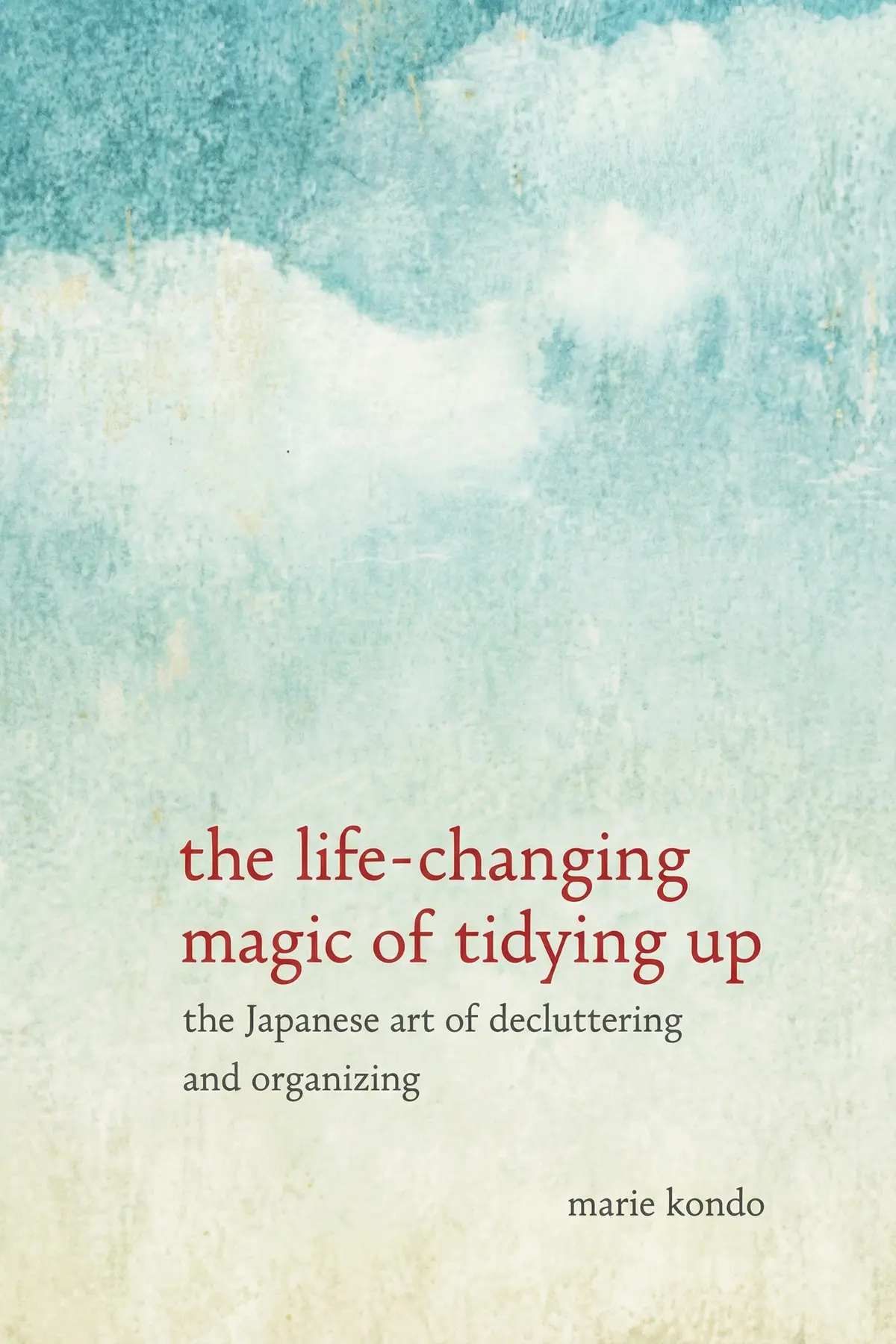
Table of Content
1. Introduction
1 min 20 sec
Have you ever looked around your living room and felt a sense of quiet exhaustion? Many of us view tidying as a never-ending cycle of moving piles from one corner to another, a chore that provides only temporary relief before the clutter inevitably returns. But what if the way we think about our belongings is fundamentally flawed?
In this exploration of Marie Kondo’s philosophy, we move beyond simple cleaning tips to uncover a method that treats tidying as a ritual of self-discovery. This isn’t just about making your house look like a magazine spread; it’s about aligning your physical surroundings with the person you want to become. By drawing on her years of experience, including time spent as an attendant at a Shinto shrine, Kondo suggests that our homes are living spaces that respond to how we treat them.
Throughout this journey, we will explore the KonMari method—a process that asks you to stop focusing on what to throw away and instead focus on what you want to keep. We’ll look at why tidying is a one-time event rather than a daily struggle, how the way you fold your clothes can make you feel lighter, and why saying goodbye to a book you never read is actually a way of honoring your true interests. By the end, you’ll see that when you put your house in order, you are actually putting your life in order, creating a space where you can finally breathe, think, and pursue your dreams with clarity.
2. Starting with a Vision
1 min 36 sec
Before you pick up a single item, you must define the life you want to lead. Success in tidying begins with a vivid mental picture of your ideal environment.
3. The Spark Joy Criterion
1 min 41 sec
Forget the rules about how long it’s been since you used something. Instead, learn to listen to your body’s physical reaction when you touch your belongings.
4. Detoxing the Mind and Body
1 min 49 sec
Tidying is a physical and psychological cleanse. As you clear out the stagnant energy in your home, you may find your body reacting in unexpected ways.
5. Respecting the Life of Objects
1 min 49 sec
Your belongings are not just static products; they are part of your life story. Treating them with gratitude changes how you interact with the world.
6. Tidying as a One-Time Life Event
1 min 43 sec
The idea that you must tidy every day is a myth. If done correctly, a comprehensive tidying marathon only needs to happen once in your lifetime.
7. Confronting the Past and Future
1 min 48 sec
Sentimental items and old documents are often the biggest hurdles. Learning to let go of these is the key to moving forward with clarity.
8. The Decisiveness of Order
1 min 43 sec
A tidy home doesn’t just look better; it makes you a faster, more confident decision-maker in all areas of your life.
9. Conclusion
1 min 21 sec
The journey through the KonMari method reveals a simple but life-altering truth: the things we own should serve our happiness, not the other way around. By committing to a thorough, category-based tidying marathon, you do more than just clean a room; you perform a ritual of self-discovery that clarifies your values and sharpens your intuition.
We have seen that tidying begins with a vision, moves through a physical and emotional detox, and ends with a home that is a sanctuary of joy. The process of holding each item and asking if it sparks joy is a practice in mindfulness that filters out the noise of the past and the anxieties of the future. When you finally let go of the things that have served their purpose—whether they are old clothes, unread books, or sentimental trinkets—you create the space necessary for new opportunities to enter your life.
As you move forward, remember that your home is a living reflection of your internal state. Treat your belongings with gratitude, give every item a home, and don’t be afraid to strive for perfection in your surroundings. The peace, clarity, and decisiveness you find in a tidy house will follow you out the door and into every other aspect of your life. Start today by picking up one item and asking yourself that vital question: does this spark joy? If the answer is yes, keep it close. If not, thank it and let it go. Your ideal life is waiting just beneath the surface of the things you no longer need.
About this book
What is this book about?
The Life-Changing Magic of Tidying Up explores the profound connection between our physical environment and our internal well-being. Marie Kondo introduces the KonMari method, a unique system that moves away from traditional room-by-room cleaning. Instead, she advocates for tidying by category and, most importantly, keeping only those possessions that truly resonate with the heart. This summary provides a roadmap for a total life reset. You will learn why visualizing your ideal lifestyle is the essential first step and how the act of discarding can be a form of meditation. Beyond just finding a place for your keys, this approach promises to sharpen your decision-making skills and clear the mental fog caused by excess belongings. By treating your possessions with respect and gratitude, you can create a sanctuary that supports your future goals rather than anchoring you to the past.
Book Information
About the Author
Marie Kondo
Marie Kondo has spent more than half her life helping people transform their cluttered homes into tidy reflections of their ideal lives. Her professional services and courses are so popular in Japan that people wait three months just to get an appointment. Her books have sold over two million copies and been the subject of a TV movie.
Ratings & Reviews
Ratings at a glance
What people think
Listeners describe the content as accessible and simple to implement, lauding the clear-cut strategies for clearing clutter and getting organized. Many value the book’s transformative influence and encouraging message, while one listener mentions that it feels distinct from standard organizational manuals. It also delivers practical guidance and enhances the ability to categorize belongings, with one review drawing attention to its perspective on human psychology.
Top reviews
Willow
Wow, I never expected a book about cleaning to feel like a therapy session. Most organization guides just tell you to buy more bins, but Kondo digs into the human psychology of why we cling to junk in the first place. This isn't just a list of chores; it’s a mental reset that forces you to face your past attachments. I spent the whole weekend touching every item I own to see if it actually 'sparked joy,' which sounds crazy until you try it. Even my kitchen drawers feel lighter now that I’ve stopped keeping things 'just because.' Her folding technique is genuinely a game-changer for someone who used to just cram shirts into drawers. To be fair, thanking your socks for their hard work felt a bit weird at first. However, once you embrace the mindset, the logic behind the method becomes undeniable. My house finally feels like a place I actually want to live in, rather than a storage unit for my mistakes.
Show moreMalee
Finally got around to reading this, and I’m genuinely annoyed I waited so long. This book is far more than an organizing manual; it is a manifesto for a completely better lifestyle. Kondo’s approach is incredibly easy to follow because she breaks everything down into specific categories rather than rooms. By starting with clothes and ending with mementos, she helps you build the 'joy-checking' muscle gradually. I used to feel so much guilt about throwing things away, but her philosophy on an object's purpose changed my entire outlook. If a book's purpose was just to be bought and half-read, then it has served its role. Truth is, my mental health has improved significantly since I cleared out the physical clutter that was weighing me down. The motivational aspect is the strongest part of the book. It’s not just about tidying; it’s about deciding who you want to be moving forward.
Show morePracha
As someone who has struggled with chronic clutter for years, this feels like a miracle. Marie Kondo understands the human psychology behind hoarding better than almost anyone I’ve ever read. She points out that we cling to things either out of a fear of the future or an attachment to the past. Once I realized that, letting go became so much easier. The book is incredibly motivational because it promises a 'once-in-a-lifetime' tidy rather than a constant cycle of cleaning. I followed her instructions to the letter, even the part about emptying my handbag every single night. Surprisingly, that small ritual has made me much more organized and prepared for the next day. It’s a very different approach from other organizing books that focus on storage solutions. This book focuses on the person, not the stuff, and that makes all the difference in the world.
Show moreJai
Ever wonder why you can never seem to keep your room clean no matter how hard you try? Kondo answers that question by showing that we never actually learned how to tidy in the first place. This book is a life-changing guide that treats tidying as a special event rather than a daily chore. The prose is light and very easy to follow, making the daunting task of sorting through decades of life feel manageable. I love the idea that your possessions want to be useful and that keeping them buried in a closet is actually unkind to them. It sounds silly until you start seeing your home through that lens. Now, every time I open my closet, I feel a genuine sense of peace. The KonMari method is straightforward and produces immediate, visible results that keep you motivated. It’s the only organization system that has ever actually stuck for me.
Show morePrapaiwan
Direct and impactful, this book provides the exact kick in the pants I needed. I’ve read countless articles on decluttering, but nothing compares to the comprehensive logic Kondo presents here. She doesn't just tell you to throw things away; she teaches you how to value what you keep. The concept of the 'sweet spot' for each piece of clothing is something I use every single day now. It turns a boring task into something that feels intentional and even rewarding. Not gonna lie, I was a bit weirded out by the idea of talking to my house, but I’ve found it actually helps me stay mindful. The book is short, punchy, and filled with insights into our emotional relationship with our belongings. If you’re tired of living in a mess and want a permanent solution, this is it. It’s not just about a clean room; it’s about a clear mind.
Show morePongpan
After hearing my friends rave about this for months, I finally caved and bought a copy. The writing is incredibly straightforward, which made it a quick read even for someone with a short attention span. I really appreciated her perspective on books; letting go of things you’ve already read or will never get to is surprisingly freeing. While I’m not quite ready to start talking to my handbags, the core message about intentional living resonated deeply. My closet has never been this organized, and the vertical folding method actually saves a ridiculous amount of space. I do think some of her advice is a bit extreme for people with kids or busy lifestyles. Not everything in life needs to spark a 'thrill of pleasure' to be useful. That being said, the motivational tone kept me moving through the piles of clutter I’ve ignored for years. It’s definitely a unique take compared to the standard 'buy more plastic boxes' advice.
Show moreWatcharee
Picked this up during a particularly messy week, and the timing couldn't have been better. The book is written in a very encouraging way that makes you feel like you can actually conquer the mountain of stuff. I was skeptical about the whole 'spark joy' criteria, but it actually simplifies the decision-making process immensely. Instead of asking 'could I use this?' you ask 'do I love this?' which is a much higher bar to clear. My only real gripe is her stance on things like paperwork and old photos. Some of us need to keep documents for more than just a sense of joy. However, the advice on finding the 'sweet spot' for folding has turned my dresser into a work of art. It’s a very straightforward read that avoids the fluff of most self-help books. If you’re feeling overwhelmed by your environment, this provides a very clear path out.
Show moreOtt
Not what I expected, though there are certainly some gems hidden within the eccentricities. On one hand, the vertical folding technique is a total revelation for drawer management and visibility. On the other hand, the animism and the 'soul of a shirt' stuff is a bit much for my western brain. I found the section on discarding books particularly painful to read as an avid collector. She suggests ripping out pages you like and tossing the rest, which felt like a crime against literature. Look, the book is very easy to read and I finished it in one sitting, but I only took away about thirty percent of the advice. It's a bit repetitive, and some of the case studies felt like they were written for a very specific type of person. If you can filter out the weirdness, you’ll find some helpful tips for simplifying your life. Just don't expect it to magically fix your personality.
Show moreAey
The chapter on books and papers actually made my blood boil. As a lover of history and literature, the suggestion to discard everything that isn't currently making you giddy is offensive. Life is full of things that don't necessarily 'spark joy' but are essential for a functioning, informed existence. I also found her obsession with 'perfection' to be quite stressful rather than calming. Personally, I think a home should look lived-in, not like a sterile museum or a retail display case. The folding methods are okay, I guess, but they take up so much time that it feels counterproductive. Kondo seems to have spent her entire childhood cleaning, which is honestly more sad than inspiring when you think about it. If you want a house that looks like a blank slate, buy this book. If you actually value your memories and your library, maybe skip it.
Show moreRosa
Do you enjoy being told that your socks have feelings? Because that is essentially the premise of this entire book, and I simply can't buy into the hype. I found Kondo’s tone to be bizarrely patronizing; her suggestions often border on the delusional. She expects you to thank your clothes for their service as if they are sentient beings. Frankly, the idea that a potato peeler needs to 'spark joy' is the height of first-world absurdity. I tried the folding method and ended up with a mess of fabric that just falls over whenever I open the drawer. It’s a cult-like obsession with minimalism that ignores the practical reality of needing things like hammers or extra batteries. The advice about getting rid of letters and sentimental items felt cold and spiritually empty to me. If you’re looking for a way to waste a weekend feeling guilty about your possessions, this is the guide for you. To the trash it goes, and no, it did not spark any joy.
Show moreReaders also enjoyed
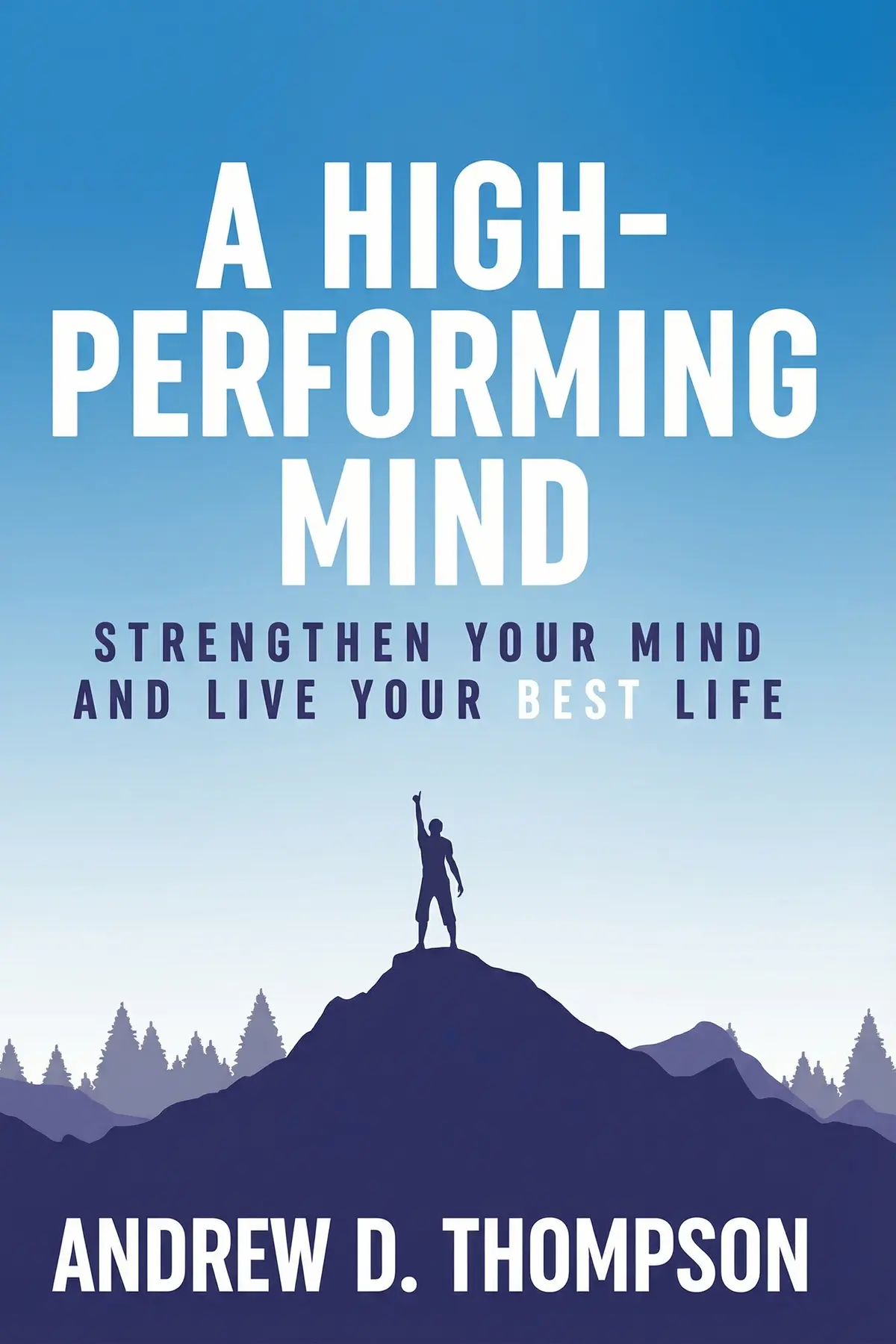
A High-Performing Mind: Strengthen Your Mind and Live Your Best Life
Andrew D. Thompson
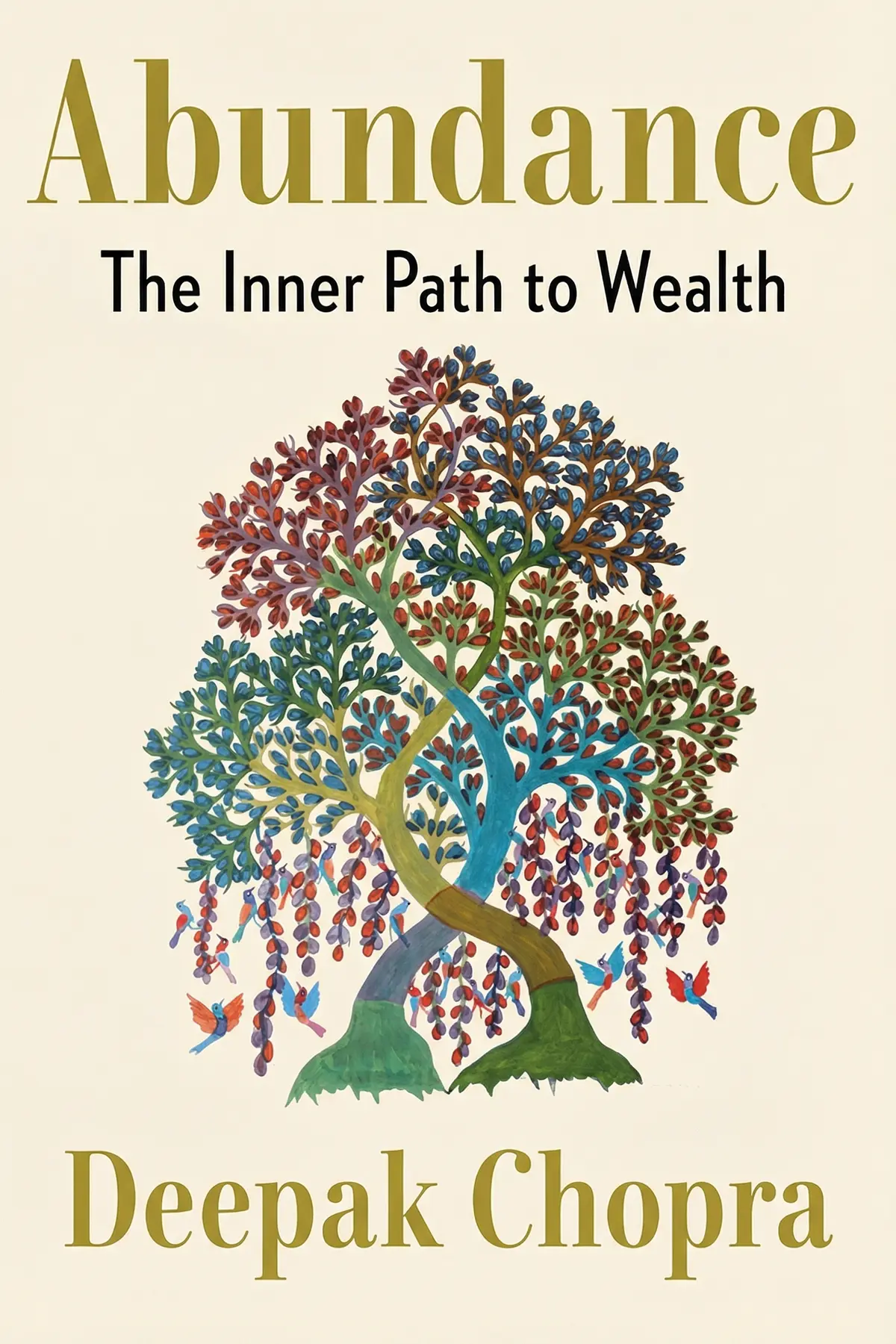
Abundance: The Inner Path to Wealth
Deepak Chopra
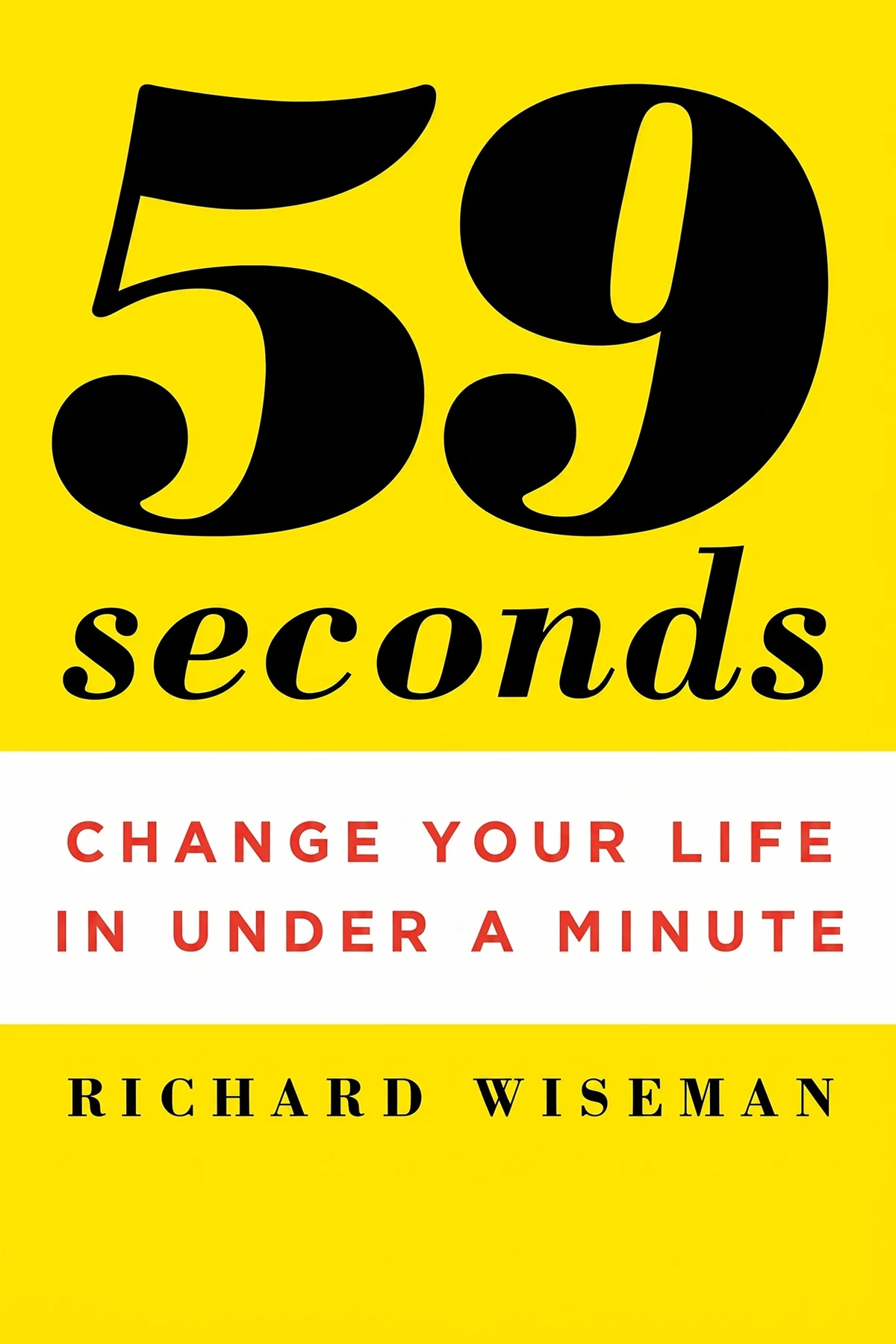
59 Seconds: Change Your Life in Under a Minute
Richard Wiseman
A Guide to the Good Life: The Ancient Art of Stoic Joy
William B. Irvine
AUDIO SUMMARY AVAILABLE
Listen to The Life-Changing Magic of Tidying Up in 15 minutes
Get the key ideas from The Life-Changing Magic of Tidying Up by Marie Kondo, plus 5,000+ more titles in English and Thai.
- 5,000+ titles
- Listen as much as you want
- 7-day free trial
- Cancel anytime







