
17 min 13 sec
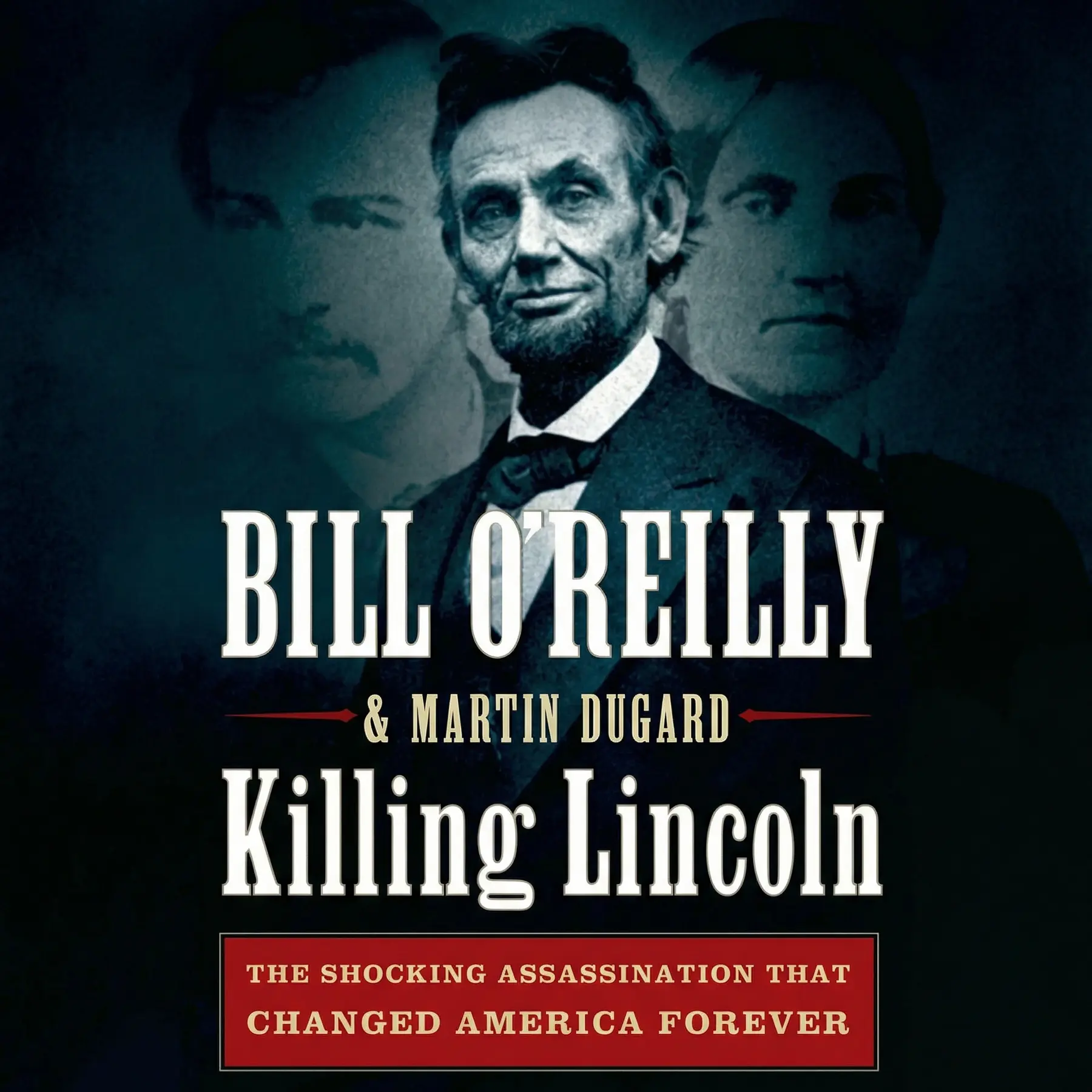
Killing Lincoln: The Shocking Assassination that Changed America Forever
A gripping narrative detailing the final days of the Civil War and the multi-layered conspiracy led by John Wilkes Booth to assassinate President Abraham Lincoln in April 1865.
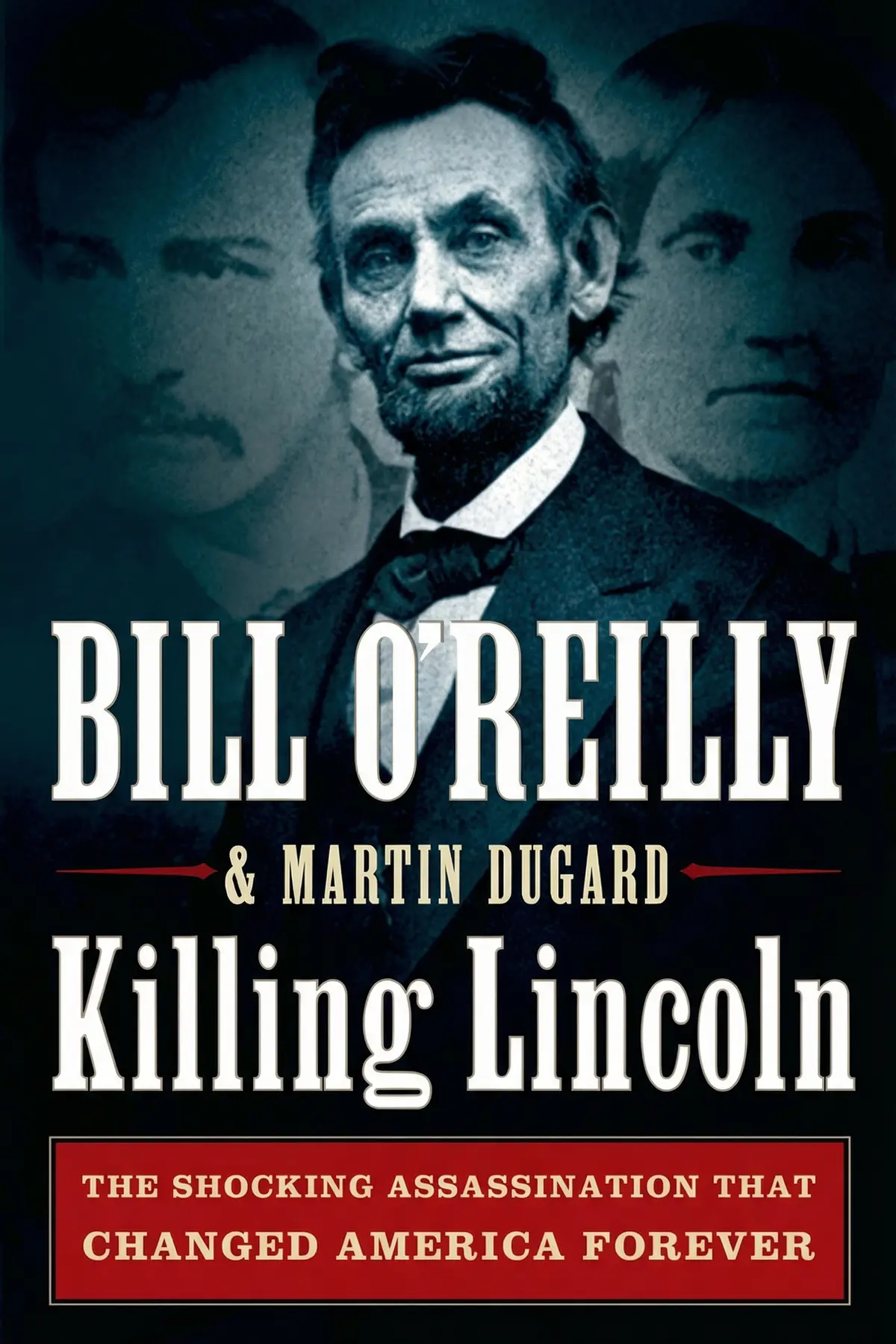
Table of Content
1. Introduction
1 min 19 sec
The end of a war is rarely a clean break. Often, it is a messy, volatile period where the momentum of violence refuses to dissipate even after the treaties are signed. In the American experience, the spring of 1865 was exactly this kind of period—a time of immense transition where the relief of peace collided with the bitter sparks of unresolved hatred. At the center of this storm stood Abraham Lincoln, the sixteenth president of the United States. He was a man who had been physically and emotionally weathered by four years of brutal fratricide, yet he remained focused on a singular goal: the reunification of a fractured country.
Lincoln was an optimist by nature, believing that the wounds of the Civil War could be healed through reconciliation rather than retribution. However, history reminds us that assassination is a frequent byproduct of civil strife. For every person ready to embrace peace, there were others who viewed the war’s end as a call to carry on the struggle by other, more devious means. This narrative follows the throughline of those final days—from the tactical maneuvers on the battlefield to the dark corners of Washington boarding houses where a group of conspirators prepared to change the course of American history. It is a story of missed opportunities, tragic timing, and the immense weight of a leader who stood as the final casualty of the war he fought so hard to end.
2. The Crumbling Foundation of the Confederacy
1 min 50 sec
Discover the desperate final maneuvers of the Confederate army as the Civil War reached its breaking point and the Union prepared for victory.
3. The Strategic Failure at High Bridge
1 min 48 sec
Experience the tension of the final surrender and the tactical errors that led to the end of the Confederate retreat.
4. A Legacy of Constant Peril
1 min 57 sec
Explore the hidden history of threats against Lincoln, showing that the president was a target long before the theater.
5. The Psychology of a Conspirator
1 min 48 sec
Peer into the mind of John Wilkes Booth to understand the toxic convictions that fueled his transition from actor to assassin.
6. A Fateful Evening at Ford’s Theater
1 min 49 sec
Uncover the series of human errors and coincidences that left the president vulnerable on a fateful Friday night.
7. The Coordinated Strike on the Cabinet
1 min 47 sec
Follow the brutal strike against the Secretary of State that happened simultaneously with the theater shooting.
8. The Final Hours of a President
1 min 44 sec
Relive the chaotic moments following the gunshot as a doctor fought to save a leader whose time was running out.
9. The Manhunt and the End of Booth
1 min 53 sec
Trace the final, miserable days of the world’s most wanted man as his dreams of glory turned into a desperate flight for survival.
10. Conclusion
1 min 18 sec
The assassination of Abraham Lincoln remains one of the most transformative moments in the American story, not just because of the violence of the act, but because of what it stole from the future. Lincoln had spent the final months of his life crafting a vision for a peaceful Reconstruction, one based on ‘malice toward none and charity for all.’ With his death, that vision was largely lost, replaced by years of political infighting, bitterness, and the continued suffering of the very people the war was meant to liberate.
This journey through the events of April 1865 shows us that the stability of a nation is often more fragile than we care to admit. It was a combination of high-level conspiracy and low-level human error—a bored guard, a jammed gun, a misplaced flag—that changed the course of a continent. What we can take away from this history is the understanding that the work of healing a divided society is never truly finished. Lincoln’s death marked the end of the Civil War, but it also marked the beginning of a long, difficult struggle to realize the unity he envisioned. As you reflect on these events, consider how the echoes of that period still resonate today, and how the responsibility to move toward reconciliation remains a vital, ongoing task for every generation.
About this book
What is this book about?
Killing Lincoln takes listeners back to the closing weeks of the American Civil War, a time of immense relief and simmering resentment. The book chronicles the parallel paths of President Abraham Lincoln, who sought to mend a broken nation, and John Wilkes Booth, an actor driven by a fanatical devotion to the Southern cause. Through a minute-by-minute recreation of history, the narrative explores the military collapse of the Confederacy, the series of failed plots that preceded the final tragedy, and the shocking security lapses that allowed Booth to strike. It promises a deep dive into the conspiracy that included not just the president, but other high-ranking officials, and the subsequent manhunt that ended in a fiery confrontation. This summary captures the tension of a country at a crossroads, mourning a leader just as it began the difficult journey of reconstruction.
Book Information
About the Author
Bill O’Reilly
Bill O’Reilly is a prominent figure in American media, widely recognized for his tenure as the host of The O’Reilly Factor on Fox News. Beyond his career in political commentary, he has coauthored a successful series of historical books including Killing Kennedy, Killing Reagan, and Killing Jesus. Martin Dugard is an accomplished American journalist and author. He has collaborated extensively with Bill O’Reilly, serving as the coauthor for the popular historical titles Killing Kennedy, Killing Reagan, and Killing Jesus.
Ratings & Reviews
Ratings at a glance
What people think
Listeners find this historical work captivating, as one person remarks that it feels like reading a thriller. Furthermore, the narrative is thoroughly documented with numerous facts, and one listener observes that it transports them directly back to 1865. Beyond that, the prose is accessible and the plot progresses at a rapid pace. Listeners value the descriptive imagery and view the account as an enjoyable lesson in history.
Top reviews
Jiraporn
Imagine being transported directly back to 1865, feeling the tension in the DC air as the Civil War finally winds down. This book manages to do exactly that by ditching the dry, academic tone for something that feels more like a high-stakes thriller. O’Reilly and Dugard have a knack for pacing, moving the story along with short, punchy chapters that kept me up way past my bedtime. The vivid details regarding Lincoln’s daily life and the secret meetings of the conspirators made these historical figures feel like real, breathing people. While some purists might miss traditional footnotes, the immersive experience more than makes up for it. It’s an entertaining history lesson that doesn’t get bogged down in boring minutiae. I felt like I was witnessing the final days of the presidency firsthand.
Show moreMai
Wow, I didn't expect a non-fiction book to be such a page-turner. I’ve gone through plenty of biographies on the 16th president, but this one captures the atmospheric dread of 1865 better than most. The present-tense narrative is a bold choice, yet it works perfectly to create a sense of urgency. You know the ending, of course, but you find yourself wishing someone would just notice the loose ends and stop Booth before he reaches that balcony. It’s well-researched with lots of facts that I hadn’t encountered in my basic history classes. The focus on the hunt for the conspirators afterward was especially gripping and detailed. If you want a history book that reads like a modern suspense novel, this is the one.
Show moreVipawan
Finally got around to reading this, and I was shocked at how much I didn't know about John Wilkes Booth. We always hear about the shot, but the weeks of planning and the various failed plots to kidnap Lincoln were fascinating. The authors do a great job of humanizing the players, from the war-weary Ulysses S. Grant to the arrogant, handsome Booth. The book is packed with vivid details that make the setting of 1865 pop off the page. It’s an easy-to-follow account that doesn’t require a background in history to enjoy. I found myself sharing bits of trivia with my family every night. It’s a high-octane look at a tragedy that changed the course of American history forever.
Show moreCarlos
This should be required reading for anyone who thinks history is just a list of boring dates and names. I picked this up on a whim and ended up finishing it in two sittings because the pacing is so relentless. It puts readers right in 1865, from the smoke of the final battles to the dimly lit hallways of Ford's Theatre. The research is presented in a way that is engaging without being overwhelming. I loved the little details about Lincoln’s premonitions and the absolute incompetence of his security detail. It’s a tragic story, obviously, but it’s told with a level of respect and energy that makes it impossible to put down. Truly a masterful piece of narrative non-fiction.
Show moreTeng
As someone who usually finds history dry, this was a breath of fresh air. The writing style is incredibly easy to follow, making it accessible for readers who aren’t Civil War buffs. Truth is, I was hooked from the first page because the narrative moves so quickly through the events leading up to the Ford's Theatre tragedy. I appreciated how the authors portrayed John Wilkes Booth—not just as a villain, but as a complex, narcissistic actor. My only gripe is that it occasionally feels a bit like a dramatization rather than a strict scholarly account. Still, the research seems solid enough for a general audience. It’s a fast-paced journey that puts you right in the middle of a broken nation trying to find its way back together.
Show moreTariq
Listening to the audiobook version narrated by O’Reilly himself added a layer of intensity I wasn’t prepared for. He brings a certain news-anchor gravity to the prose that fits the thriller vibe they were going for. The story moves quickly, focusing on the tactical movements of the armies and the desperate final days of the Confederacy. I particularly enjoyed the insights into Mary Todd Lincoln’s state of mind and the shocking security lapses at the White House. It's frankly terrifying how accessible the president was back then. While some of the dialogue feels a bit imagined to suit the narrative flow, the overall impact is powerful. It’s an engaging way to consume history while you’re commuting or doing chores around the house.
Show moreBae
Look, whatever you think of the politics involved, the way this is written in the present tense makes the Civil War feel immediate. It strips away the distant, dusty feeling we usually have with the 1800s. I felt the mud of the battlefields and the tension of the cabinet meetings. The authors clearly respect Lincoln’s legacy, but they don't shy away from the chaos and hatred surrounding his administration. It’s an entertaining history lesson that stays focused on the drama of the moment. I did find some of the transitions between chapters a bit jarring, but the sheer momentum of the plot kept me moving. It’s a solid, vivid account of a horrific event that shaped our country's identity.
Show moreTaw
To be fair, there’s a lot of speculation here, but it works perfectly as an entry-level history lesson. The authors have managed to turn a well-known historical event into a suspenseful thriller. I liked the focus on the various conspirators and how close they came to failing multiple times during their escape. It’s a quick, easy-to-follow read that doesn't get bogged down in academic jargon. While I would have liked some footnotes to verify the more dramatic claims, I can’t deny that I was thoroughly entertained. It makes the history feel alive and urgent rather than something stuck in a textbook. Definitely worth a read if you want a fast-paced overview of Lincoln’s final days and the hunt for his killer.
Show moreAir
The storytelling is undeniably gripping, but I have some reservations about the scholarly side. On one hand, the book is a fast-paced ride that makes the Civil War era feel incredibly vivid. On the other hand, the lack of traditional footnotes makes it hard to tell where the hard facts end and the authors' speculation begins. It’s written almost like a string of short, punchy articles, which is great for a quick read but lacks the depth of a serious biography. I’ll admit it kept me entertained, but I couldn't help feeling like I was reading a somewhat simplified version of events. It’s a decent entry point for those new to the subject, but seasoned historians might find it a bit too cinematic for their tastes.
Show morePia
This book feels more like a collection of summarized wiki-articles than a cohesive historical narrative. I wanted to love it because the subject is so vital, but the writing style felt a bit too simplified for my liking. It moves fast, yes, but it drains the nuance out of a very complex era. The way the lead author's name is splashed across the cover in giant font makes it feel more like a branding exercise than a serious attempt at history. To be fair, it’s readable, but the lack of original thought or deep analysis left me wanting more. It's essentially a watered-down recap of better-researched books. If you’re looking for a scholarly look at the assassination, you’d be better off looking elsewhere.
Show moreReaders also enjoyed
A Long Way Gone: Memoirs of a Boy Soldier
Ishmael Beah
A Splendid Exchange: How Trade Shaped the World
William J. Bernstein
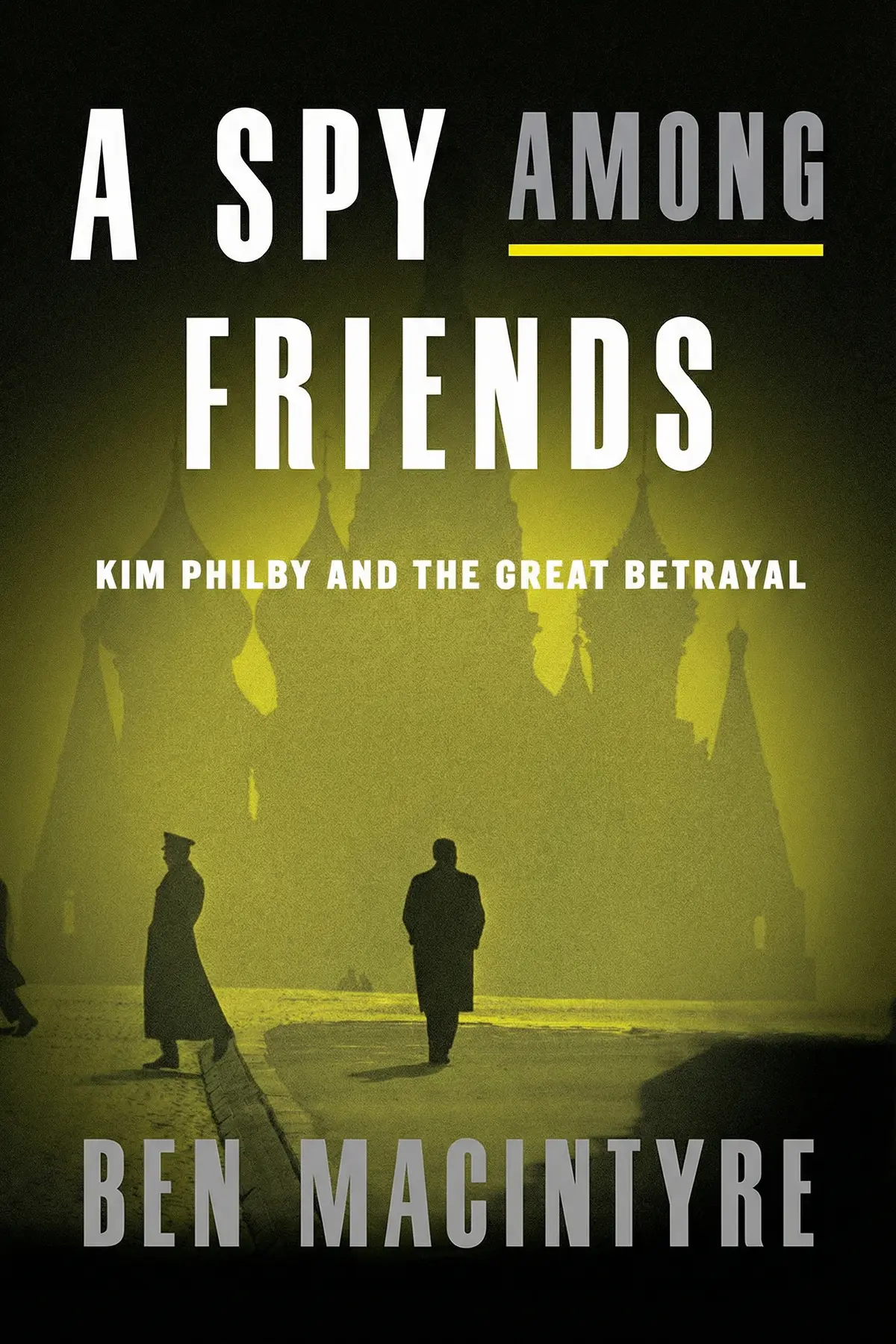
A Spy Among Friends: Philby and the Great Betrayal
Ben Macintyre
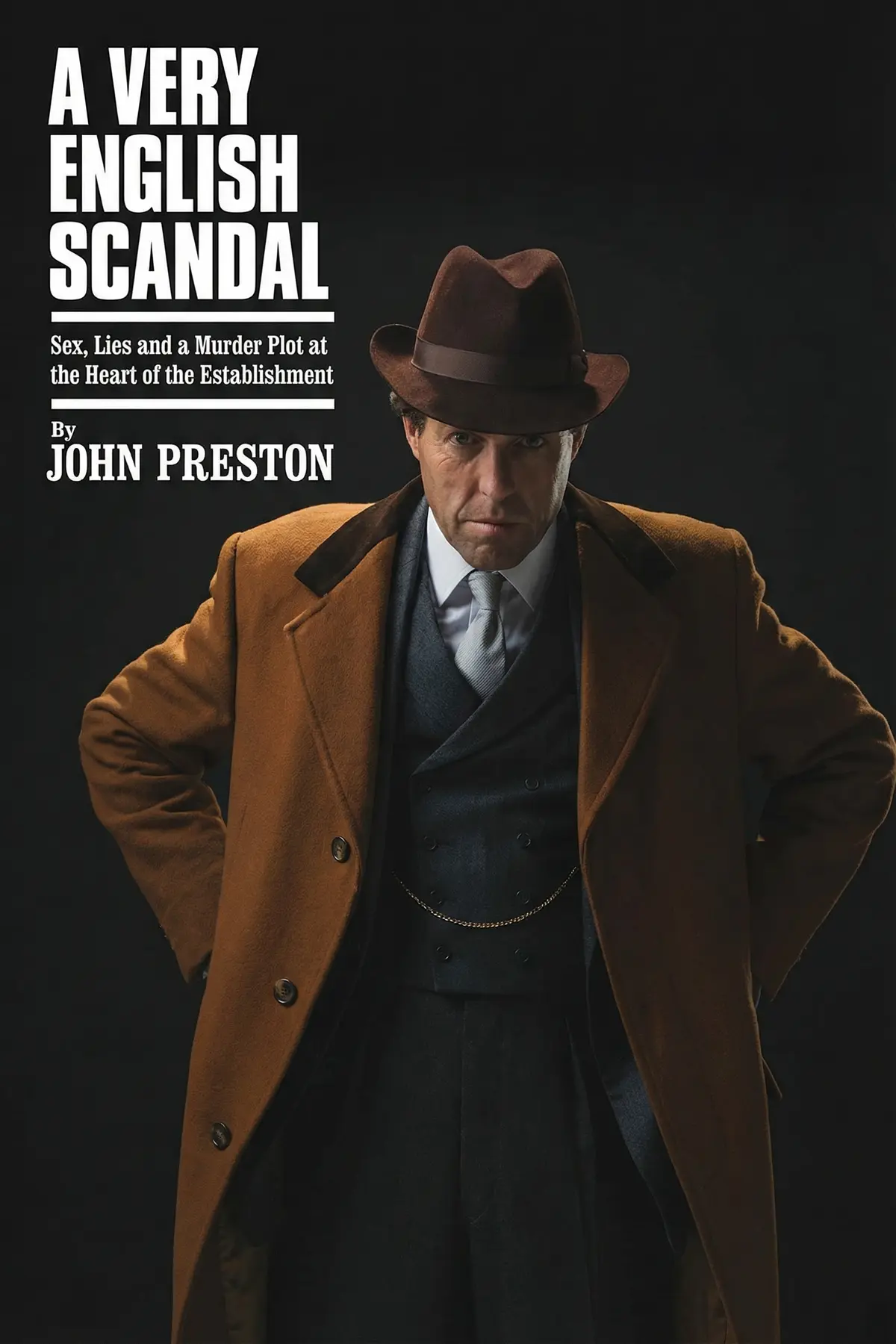
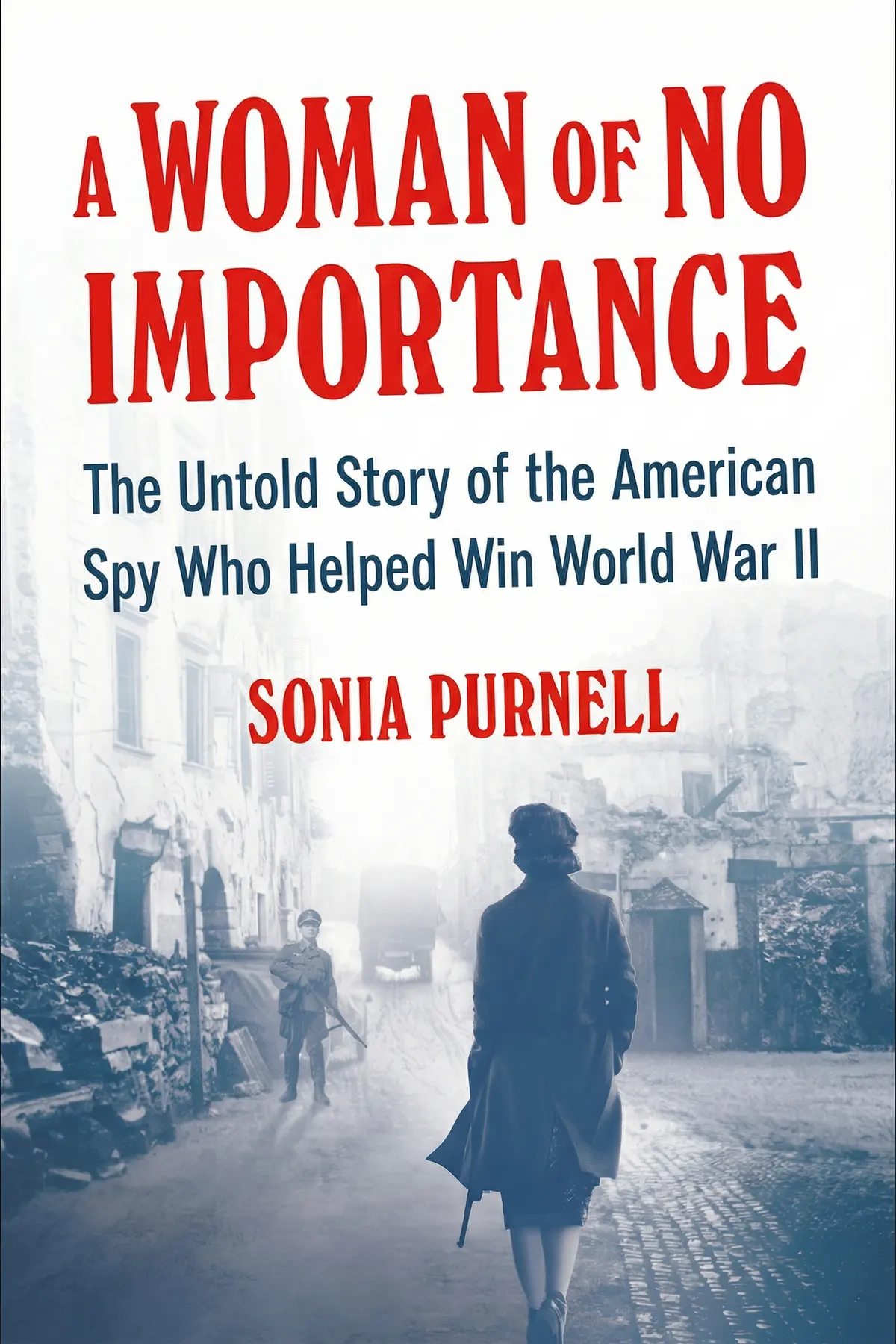
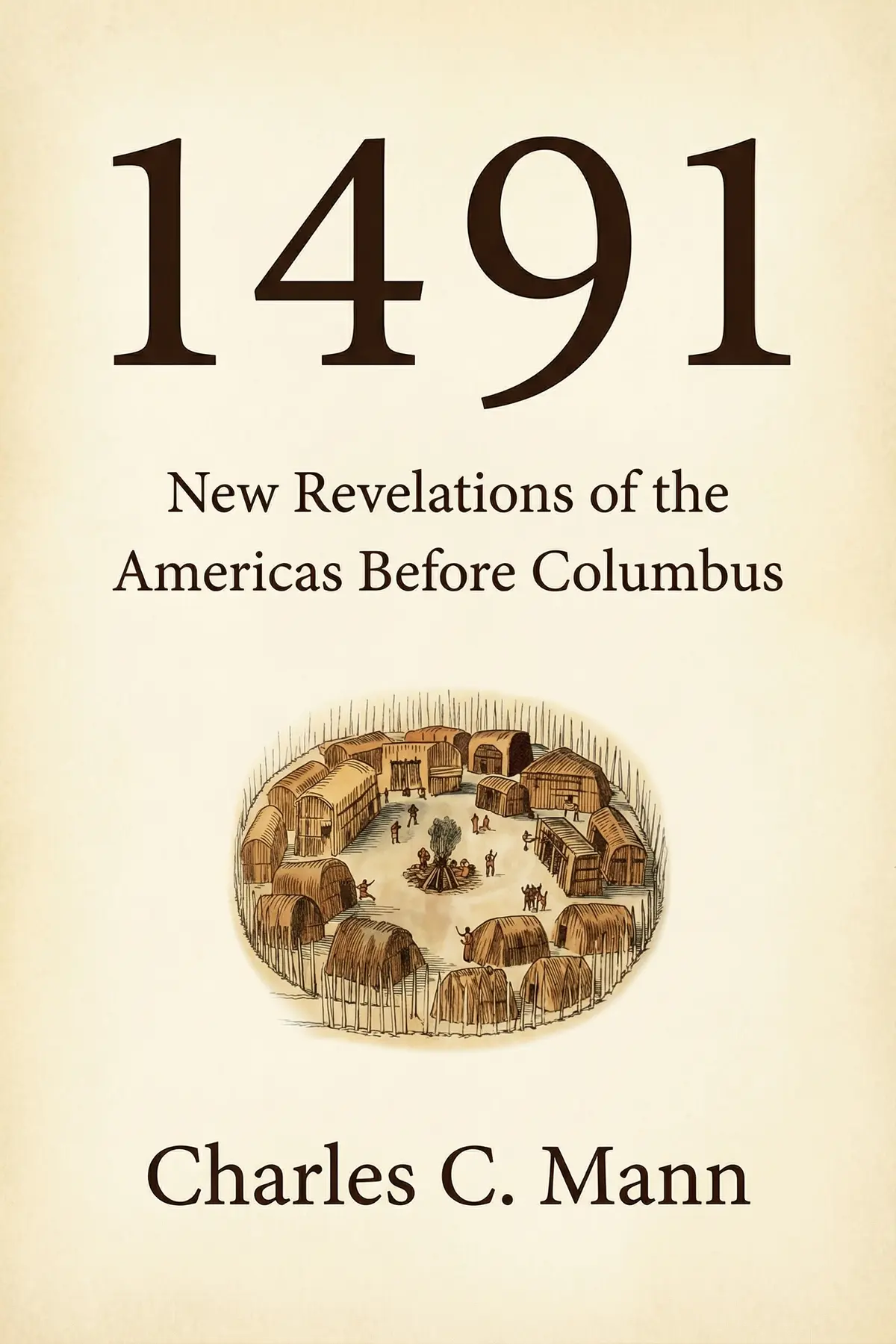
1491: New Revelations of the Americas Before Columbus
Charles C. Mann
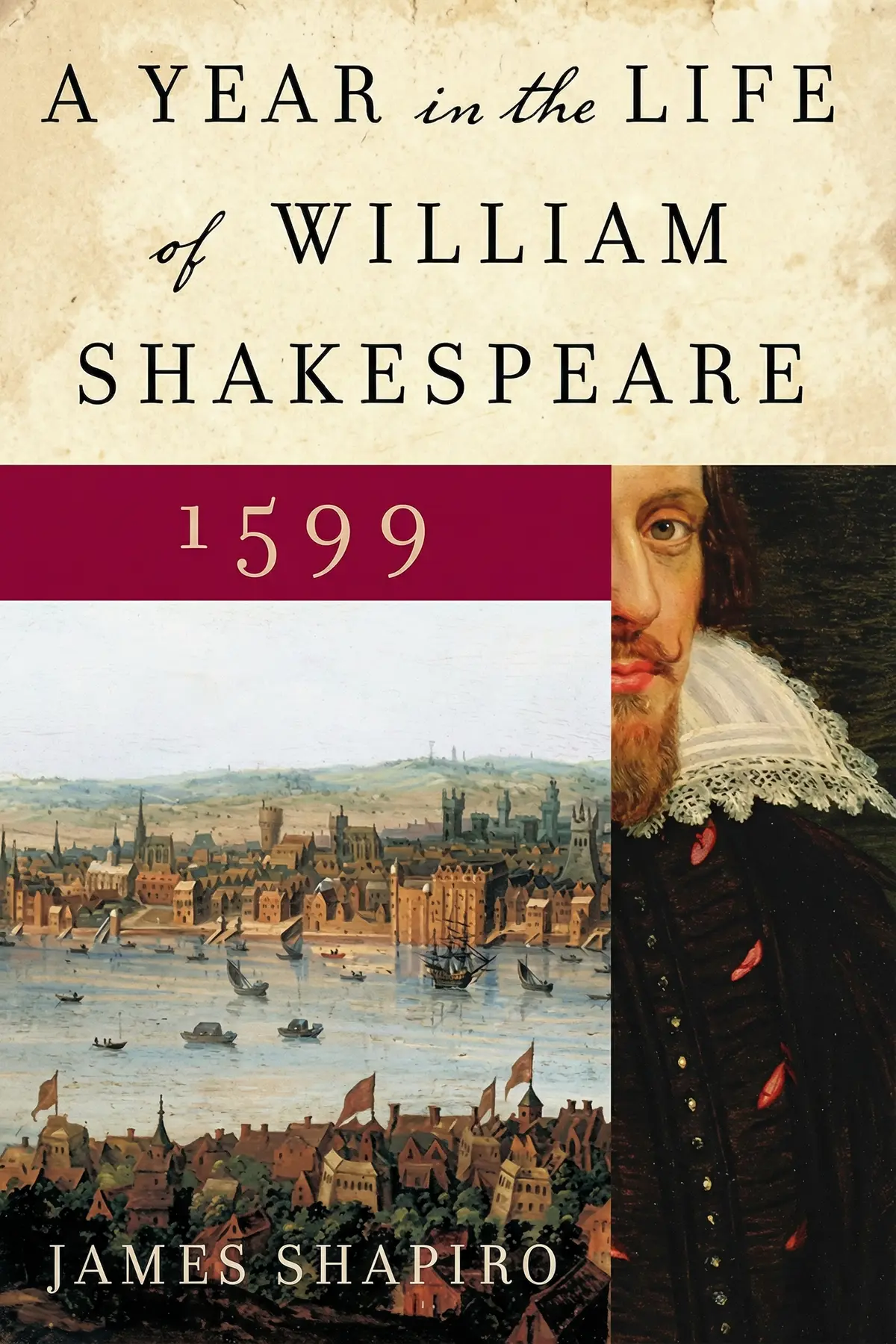
A Year in the Life of William Shakespeare: 1599
James Shapiro
AUDIO SUMMARY AVAILABLE
Listen to Killing Lincoln in 15 minutes
Get the key ideas from Killing Lincoln by Bill O’Reilly, plus 5,000+ more titles in English and Thai.
- 5,000+ titles
- Listen as much as you want
- 7-day free trial
- Cancel anytime







