
18 min 40 sec
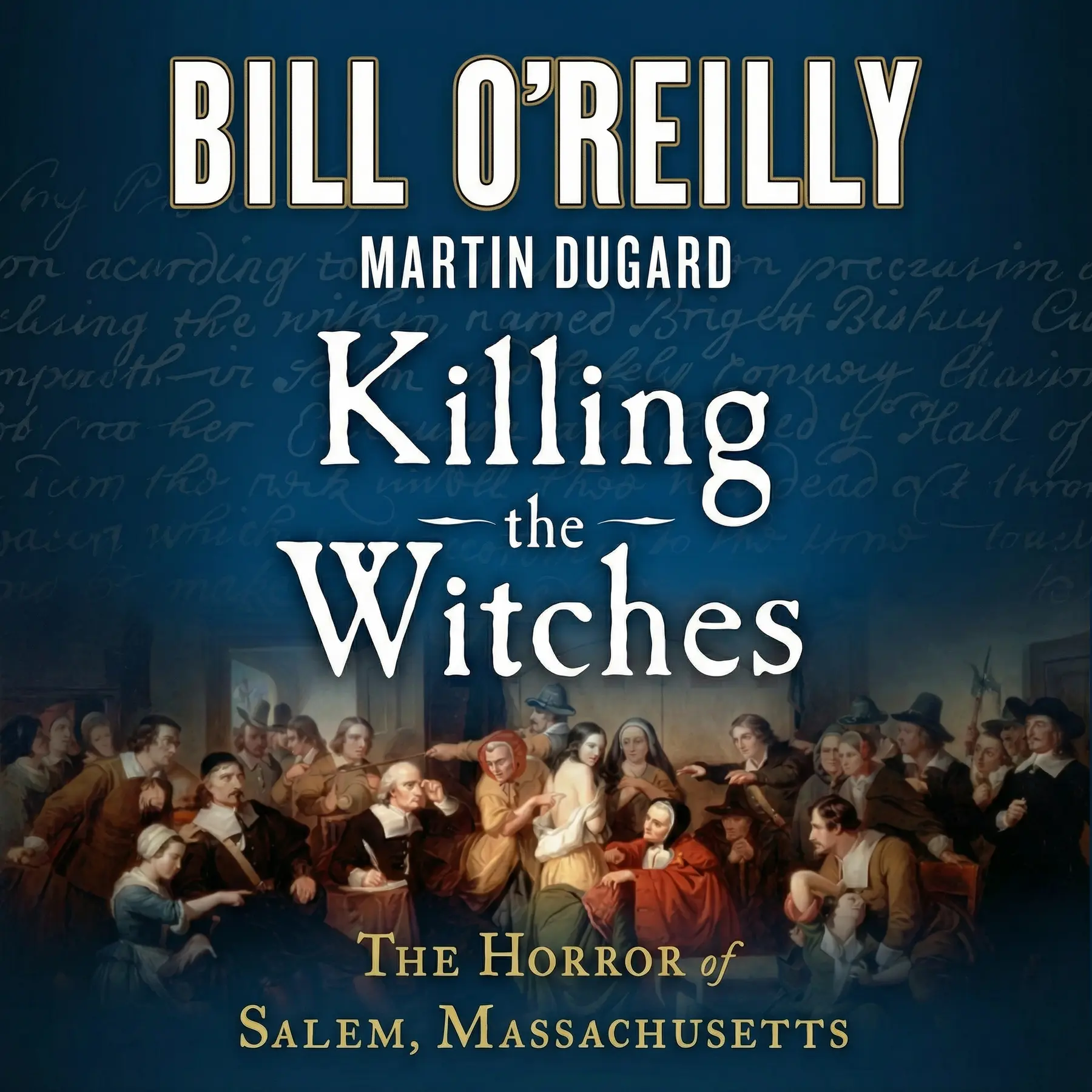
Killing the Witches: The Horror of Salem, Massachusetts
Killing the Witches explores the dark history of the Salem witch trials, examining how religious zealotry and mass hysteria shaped early American society and influenced the nation's eventual commitment to religious freedom.
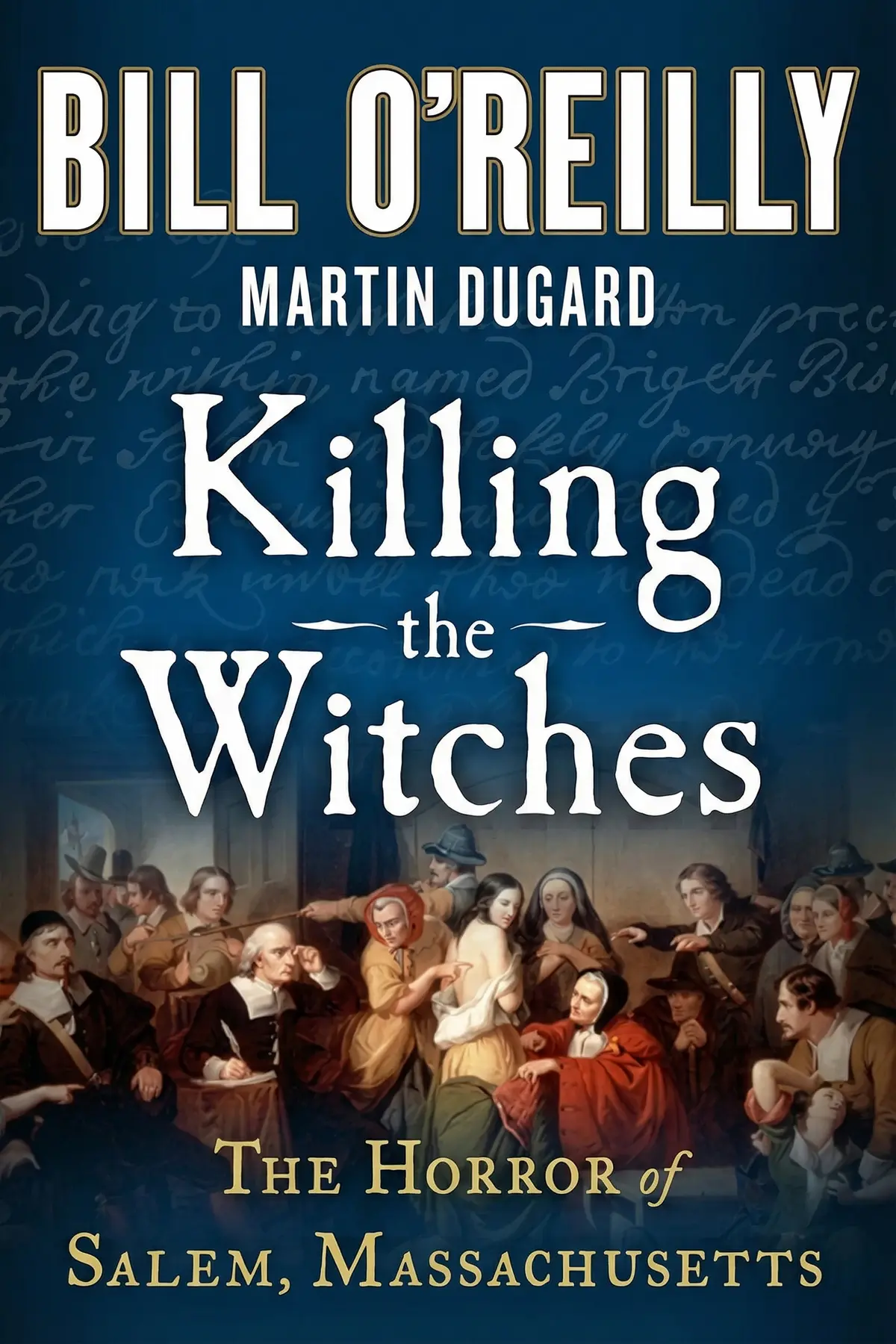
Table of Content
1. Introduction
1 min 48 sec
Imagine a world where the boundary between the physical and the supernatural is so thin that a simple misfortune—a failed crop or a sudden illness—is viewed not as bad luck, but as a deliberate attack by the Devil himself. This was the psychological landscape of early colonial America, a place where the struggle for survival in a vast wilderness was matched only by a desperate internal struggle for spiritual purity. In this summary of Killing the Witches, we are going to walk through the muddy streets of 17th-century Salem to understand how a small community could descend into a murderous frenzy that still haunts the American consciousness.
At its heart, this is a story about the collision of faith and fear. It is about what happens when religious zealotry is given the power of the state, and when the legal system abandons reason in favor of superstition. We often think of the Salem witch trials as an isolated incident of madness, but as we will see, the roots of this hysteria were deep, and its branches reached forward in time to influence the very foundations of the United States.
We will explore the rigid structures of Puritan life, meet the young accusers whose words became death sentences, and see how influential leaders like Cotton Mather justified the unthinkable. We will also see how these dark events eventually led to a pivot toward secularism and the protection of individual liberties during the American Revolution. Finally, we’ll look at how these ancient fears of the demonic found their way into 20th-century pop culture. Through this journey, we see a recurring theme: the constant, evolving battle between the light of human reason and the shadows of our most deep-seated superstitions. This exploration is not just a history lesson; it is a mirror reflecting the enduring complexities of the human spirit and the societal dangers of unchecked ideological fervor.
2. The Roots of Intolerance in Salem
2 min 26 sec
Before the trials began, the foundation of Salem was built on a foundation of extreme religious control and the suppression of any dissent.
3. The Spark of Hysteria and the First Victim
2 min 35 sec
A strange illness in a minister’s home triggers a wave of accusations that would quickly spiral out of control.
4. The Intellectual Engine of the Trials
2 min 51 sec
The witch hunts were not just driven by frightened villagers, but were actively encouraged by the colony’s leading intellectuals.
5. The Collapse of the Fever and the Aftermath
2 min 27 sec
As the reach of the accusations became too wide, the community finally began to pull back from the brink.
6. The Legacy of Salem in the American Revolution
2 min 19 sec
The lessons learned from the horrors of the 1690s played a surprising role in the development of American democracy and religious freedom.
7. Modern Echoes of Ancient Fears
2 min 38 sec
The human fascination with the demonic and the occult did not end in the 17th century, as shown by a famous 20th-century case.
8. Conclusion
1 min 36 sec
The history of the Salem witch trials serves as a perpetual warning about the fragility of civilization. It shows us that when a society allows fear to override the rule of law, and when religious or ideological zealotry is used to silence dissent, the results are always tragic. The nineteen people who were executed in Salem weren’t victims of magic; they were victims of a community that had lost its way, led by men who valued their own power and orthodoxy over human life.
Yet, from these ashes, a more resilient American identity began to emerge. The shift from the paranoia of the 1690s to the enlightened principles of the 1780s represents one of the most important evolutions in Western thought. The founding documents of the United States were written by men who understood that religious freedom is not just a moral ideal, but a practical necessity for a peaceful and just society. They built a system designed to prevent the kind of mass hysteria that destroyed Salem from ever taking hold of the federal government.
As we look at the modern world, it’s clear that while our technology and laws have changed, our basic human instincts have not. We are still susceptible to moral panics, and we still struggle to find a balance between our personal beliefs and our public responsibilities. The story of Killing the Witches is a reminder that the work of protecting reason and pluralism is never truly finished. It requires a constant commitment to the standards of evidence and a persistent wariness of any ideology that seeks to demonize the ‘other’ in the name of a higher cause. By remembering Salem, we honor its victims and reinforce the foundations of a society that chooses light over shadow.
About this book
What is this book about?
Killing the Witches takes listeners on a haunting journey through one of the most infamous periods in North American history: the Salem witch trials. The narrative begins in the harsh, isolated settlements of 17th-century Massachusetts, where a cocktail of strict Puritanism and environmental stress created a breeding ground for suspicion. It details the harrowing stories of those accused and the powerful figures who fanned the flames of fear. Beyond the trials themselves, the book traces the long-reaching shadow of these events. It explores how the horrors of Salem influenced the Founding Fathers, particularly Benjamin Franklin, as they sought to protect individual rights from government-sponsored religious fervor. The journey concludes in the 20th century, drawing parallels between the historical trials and modern fascinations with the occult, specifically the real-life exorcism that inspired a horror phenomenon. This is a story about the fragile balance between faith and reason, and the enduring human tendency toward paranoia.
Book Information
About the Author
Bill O’Reilly
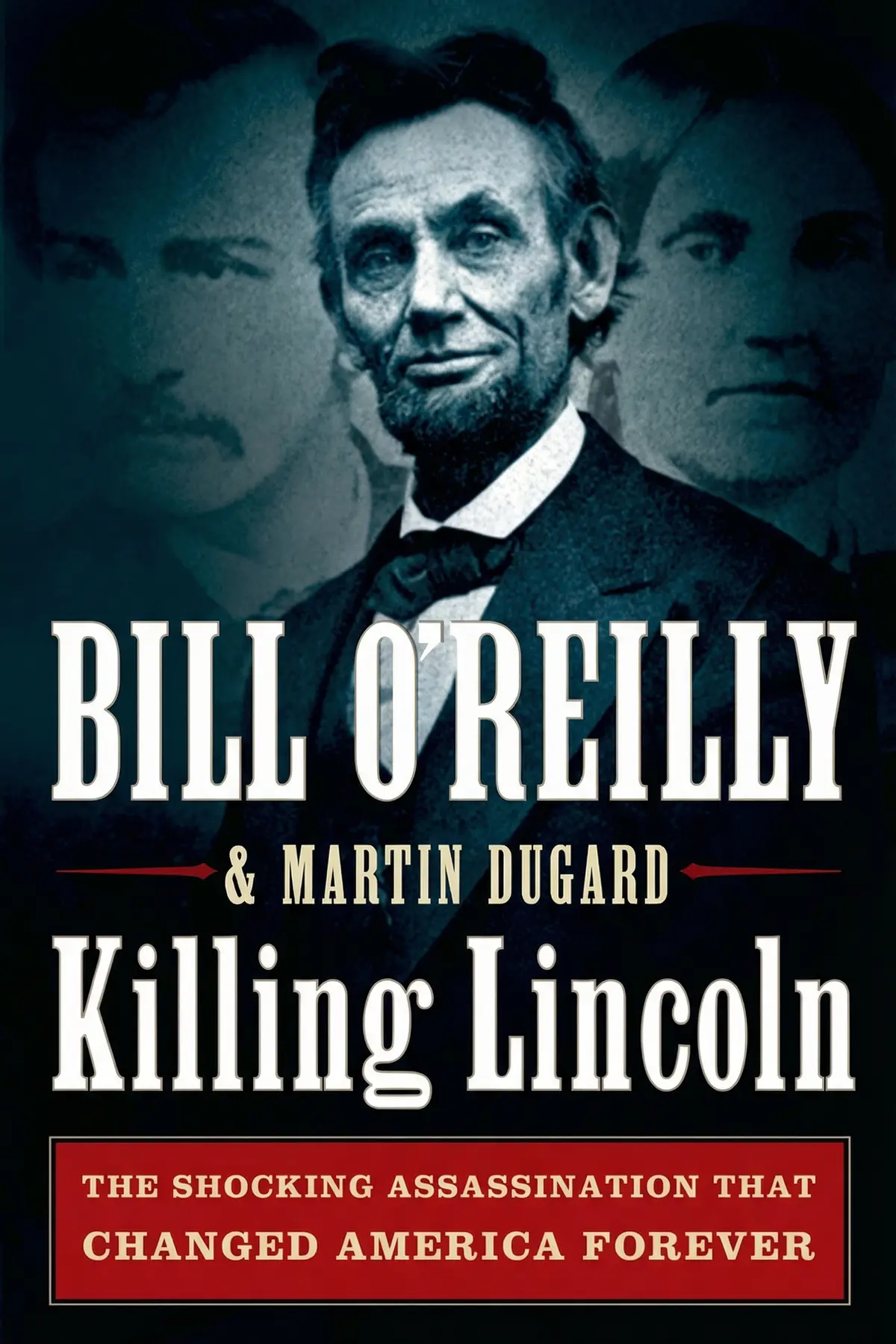
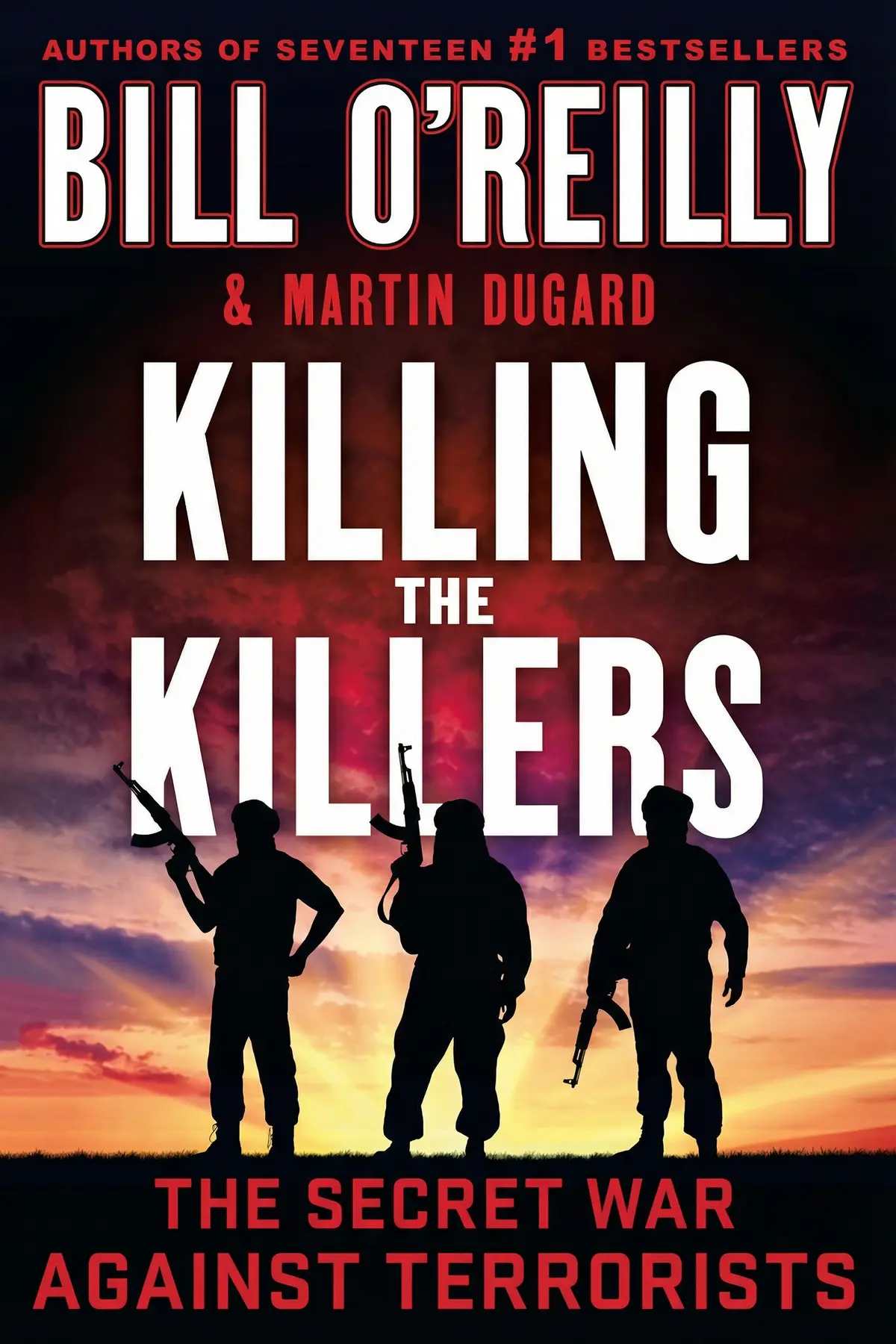
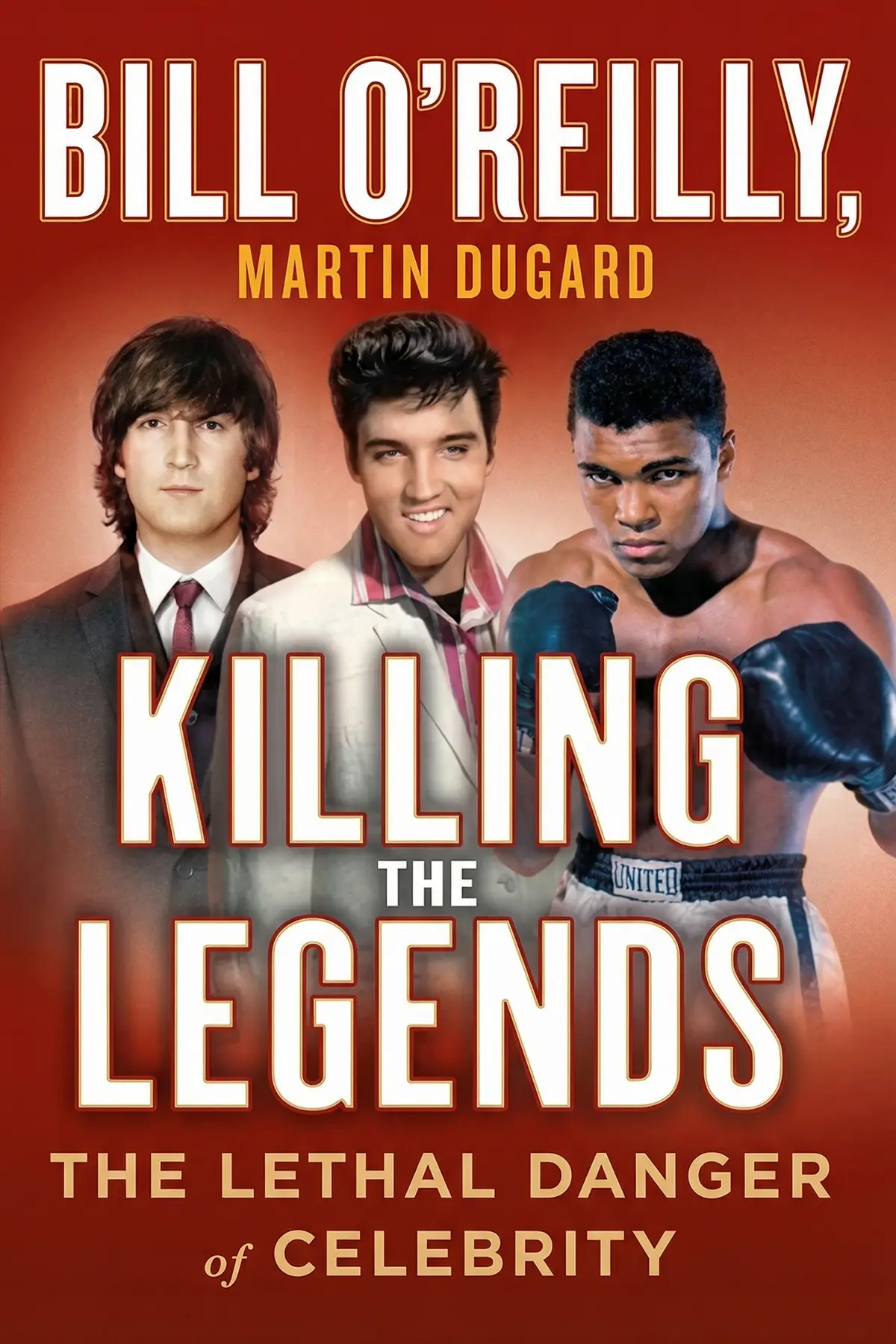
Bill O’Reilly is a prominent American conservative commentator, journalist, historian, and television host known for his high-impact storytelling. He has authored numerous best-selling books, notably the acclaimed Killing series. His previous works in this historical collection include Killing the Legends: The Lethal Danger of Celebrity and Killing the Killers: The Secret War Against Terrorists. He is joined by co-author Martin Dugard to provide detailed historical accounts of defining moments in history.
Ratings & Reviews
Ratings at a glance
What people think
Listeners find the material captivating, with one individual mentioning that it makes history a pleasure to experience. The work is full of historical details, especially regarding the early American colonies, and listeners value the prose style, with one pointing out its straightforward approach to history. The narrative receives high marks, as one listener characterizes it as an amazing narrative about the Salem Witch Trials, and listeners generally find the content both informative and stimulating. Reactions to the tempo are varied; while some find it quick-paced, others feel it comes across as disjointed.
Top reviews
Samuel
Finally got around to reading the latest 'Killing' book and it didn't disappoint at all. O'Reilly and Dugard have a masterclass in making history accessible to the general public. This book is packed with information about the early American colonies that I never learned in school. I was particularly fascinated by the legal aspects of the trials—how 'spectral evidence' was actually allowed in a court of law. It’s terrifying to think about! The second half of the book, which links these events to the birth of our nation, was equally compelling. It shows that our freedoms weren't just random; they were a direct reaction to the horrors of the past. The writing is straightforward and the research seems very thorough. It’s an amazing narrative that kept me hooked from the very first page to the very last.
Show moreOoi
Ever wonder how a small group of girls could dismantle an entire community? This book explains that psychological descent into madness perfectly. The storytelling is top-notch, making you feel like you are standing right there in the meeting house during the examinations. I loved how the authors didn't just stop at 1692 but showed how the 'witch hunt' mentality has persisted throughout American history. The inclusion of the Founding Fathers section was brilliant because it provided the necessary 'antidote' to the Salem poison. It's a wonderful refresher on our history that feels incredibly relevant to what is happening in the world today. How accusations can ruin lives without proof is a timeless lesson we should all remember. This should be required reading in schools for its insights into human nature and the importance of due process.
Show moreSombat
Wow, what a rollercoaster of historical facts and gripping narrative! I've been a fan of this series for a long time, and 'Killing the Witches' might be one of my favorites yet. It reads like a Stephen King novel, but the fact that it's all true makes it even more chilling. The detail provided about the victims and the greedy motives of the accusers was eye-opening. I also appreciated the final section on modern exorcisms and the legacy of the 'Exorcist' story; it showed that our fascination with the supernatural hasn't changed much in 300 years. The book is comprehensive, fast-paced, and very thought-provoking. It really makes you stop and think about the dangers of groupthink and religious extremism. Another home run for O'Reilly and Dugard—I couldn't put it down!
Show moreAndrei
As a casual history buff, I found this incredibly easy to get through. I’ve always been fascinated by the Salem trials, and this book provides a very accessible gateway into that dark period. The authors do a great job of explaining the religious fervor that allowed such a tragedy to occur. While some reviewers complained about the sections on the Revolution and the Constitution, I actually liked seeing how those early failures in the justice system eventually influenced the Bill of Rights. It puts the trials into a larger context of American evolution. The writing style is very cinematic, almost like watching a documentary on the History Channel. It might not be the most academic source out there, but it’s certainly engaging and thought-provoking. It makes history feel alive rather than just a list of dates and names. Definitely worth a look for the narrative alone.
Show moreKasemsan
Picked this up on a whim and stayed for the excellent storytelling. The way they describe the accusations and the subsequent hangings is truly haunting and makes you realize how fragile a society can be when fear takes over. I found the parallels between the 17th-century hysteria and modern-day social media 'mobs' to be quite interesting, even if I didn't agree with every single point the authors made. The pacing is very fast, which I enjoyed, though I will admit the jump to the 'Exorcist' section felt a little out of left field. Still, the information about the Founding Fathers was a nice refresher, even if I’d heard some of it before. It’s a very informative read that doesn’t get bogged down in dry details. If you want a book that is both entertaining and educational, this is a solid choice for your shelf.
Show moreRoo
The chapter on the actual trials in Salem was haunting and very well-researched. It really highlights the plight of the innocent victims who were caught in a legal system that was rigged against them from the start. I’ve read a few of the 'Killing' books, and this one follows that same direct, fast-moving style that makes history enjoyable. I particularly liked the focus on the Mather family and their role in the madness. While the middle section about the Revolution felt a bit like a detour, it helped bridge the gap to why we have the protections we do today. It’s an enlightening look at how fear can be weaponized by those in power. My only minor gripe is the formatting; the present tense takes a little while to get used to. Overall, it’s a very comprehensive and thought-provoking addition to the series.
Show moreNannapat
The first hundred pages really grabbed me with the chilling atmosphere of 1692 Massachusetts. The descriptions of the Puritan lifestyle and the mounting hysteria among the teenage girls were quite engaging and read almost like a thriller. However, my excitement cooled off once the book shifted gears into the 18th century. I understand trying to show the long-term impact of these events on American law, but the detour into the life of Benjamin Franklin and King George III felt like a different book entirely. To be fair, the storytelling is straightforward and easy to digest, which I appreciate. It just lacked the cohesive structure I was looking for. It’s a decent enough 'lite' history for a beach read, but serious history buffs will likely find the disjointed pacing and lack of depth a bit disappointing. It's okay, just not great.
Show moreBank
Frankly, I have mixed feelings about this one. On one hand, O’Reilly and Dugard know how to tell a story that keeps you turning the pages; the prose is punchy and the short chapters make it a quick read. The section on the actual trials was enlightening and truly showed the horror of how land greed fueled the accusations. On the other hand, the book is incredibly non-linear. One minute you are in a courtroom in Salem, and the next you are learning about the production of a horror movie from the 1970s. It feels like a collection of interesting articles slapped together rather than a unified narrative. I also found the comparisons to modern 'witch hunts' in the epilogue to be a bit of a stretch. It’s an okay refresher on American history, but the title is definitely a bit misleading regarding the actual content.
Show moreTaweesak
Why on earth is half of this book about the Revolutionary War? I picked this up because the title promised 'The Horror of Salem,' but after a decent start, the narrative completely veers off track. The authors attempt to link the Salem trials to the Founding Fathers, but the connection is tenuous at best. It feels like they had leftover research from 'Killing England' and just decided to pad the page count. The transition into the history of modern exorcisms in the final chapters was even more baffling. While the writing is fast-paced, the lack of focus makes it a frustrating read. Truth is, if you’ve read any of O'Reilly's other history books, you've already read half of this one. It's formulaic and feels rushed, which is a shame because the Salem portion actually had some potential before it was abandoned for unrelated filler.
Show moreWit
This book is a total train wreck, and that is putting it nicely. I expected a deep dive into the Salem Witch Trials, but what I got was a disjointed mess that spent more time on the American Revolution and the filming of 'The Exorcist' than the actual subject matter. The present-tense writing style is incredibly jarring for a history book; it feels forced and amateurish. Even worse, the factual errors are glaring. To say five people died in the Boston Massacre and then list six names—or vice versa depending on the page—is just sloppy editing. It is clear that the authors value sensationalism over historical accuracy. The author's note at the end is the final straw, where O'Reilly pivots to a bizarre rant about cancel culture and J.K. Rowling. Honestly, it felt like a bait-and-switch. Do not waste your time if you want real scholarship.
Show moreReaders also enjoyed
Alexander the Great
Philip Freeman
A History of Iran: Empire of the Mind
Michael Axworthy
A History of the World in 6 Glasses
Tom Standage

A Long Way Gone: Memoirs of a Boy Soldier
Ishmael Beah
A Splendid Exchange: How Trade Shaped the World
William J. Bernstein
AUDIO SUMMARY AVAILABLE
Listen to Killing the Witches in 15 minutes
Get the key ideas from Killing the Witches by Bill O’Reilly, plus 5,000+ more titles in English and Thai.
- 5,000+ titles
- Listen as much as you want
- 7-day free trial
- Cancel anytime







