
14 min 55 sec
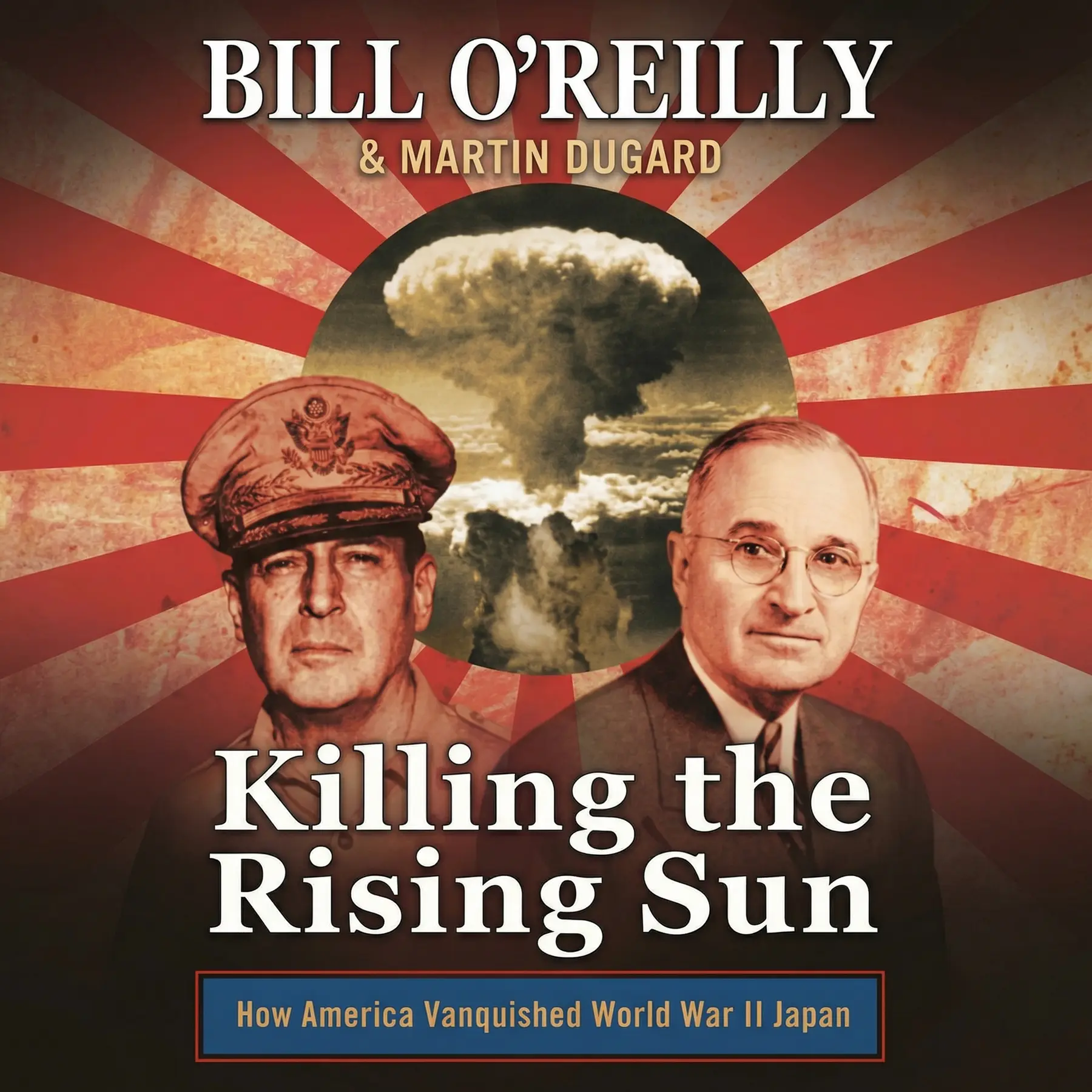
Killing the Rising Sun: How America Vanquished World War II Japan
Killing the Rising Sun provides a visceral account of the Pacific War’s end, detailing the fierce resistance of the Japanese military, the development of the atomic bomb, and the final decision that ended World War II.
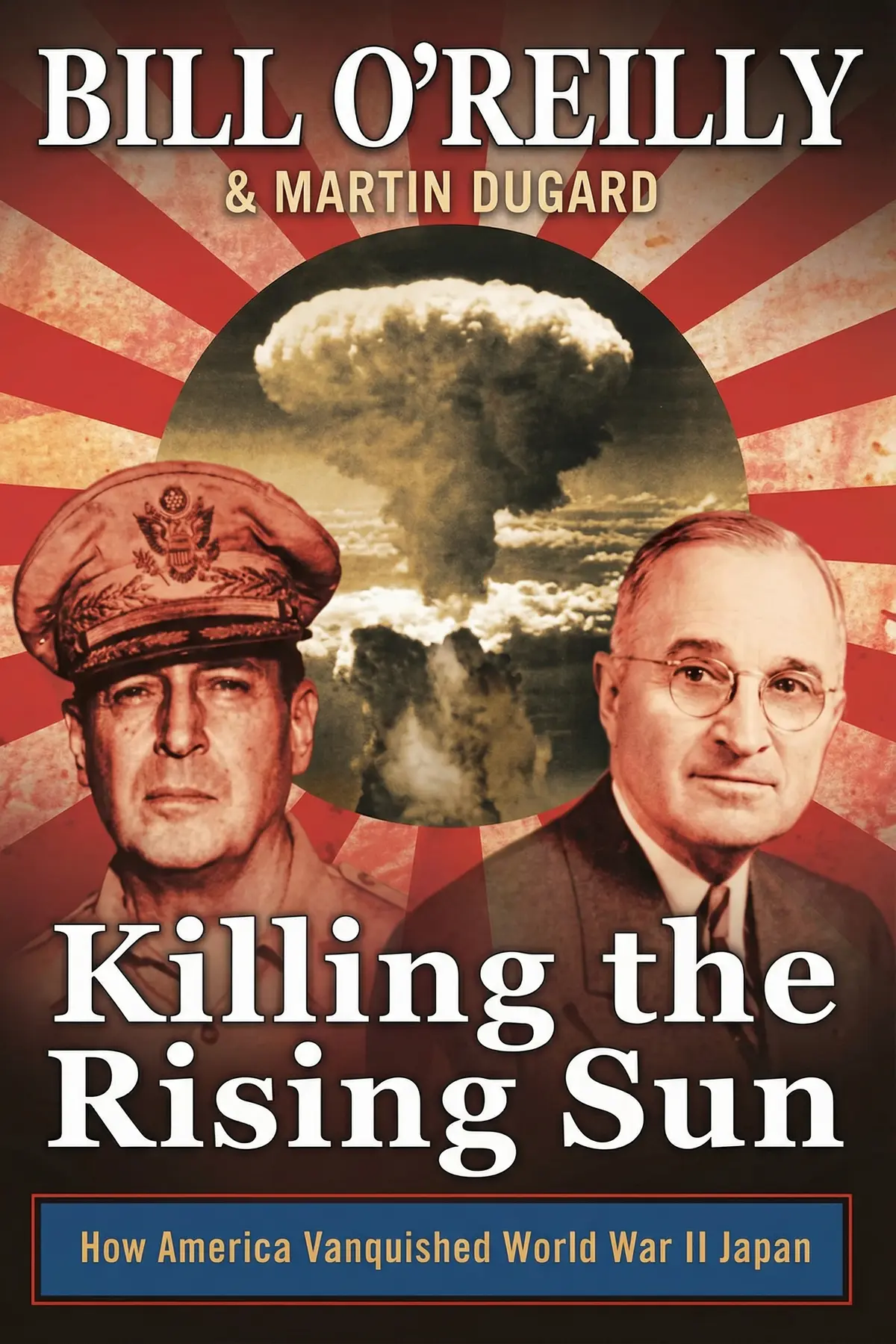
Table of Content
1. Introduction
1 min 21 sec
For more than seven decades, the events of August 1945 have cast a long, complicated shadow over human history. It was during this time that the United States deployed the most terrifying weapons ever devised: the atomic bombs dropped on Hiroshima and Nagasaki. These moments are often viewed through the lens of modern morality, but to truly understand why they happened, we have to travel back to the desperate, blood-soaked atmosphere of the early 1940s.
In this exploration of Killing the Rising Sun, we will look at the Pacific War not as a series of inevitable dates, but as a grueling struggle against an opponent that refused to acknowledge the possibility of defeat. We will trace the path from the shocking devastation at Pearl Harbor to the top-secret desert labs of New Mexico, where the Manhattan Project labored to harness the power of the atom.
This is a story of extreme brutality and incredible scientific achievement. It’s a narrative that explores the harrowing experiences of the soldiers on the ground, the agonizing decisions made by a new and untested president, and the cultural forces that drove the Japanese Empire to fight until its very cities were turned to ash. By the end of this journey, you’ll see the culmination of World War II through the eyes of those who lived it, providing a window into the tactical and psychological pressures that led to the dawn of the nuclear age.
2. A Conflict Driven by Uncompromising Ideology
2 min 03 sec
Explore how the Japanese military’s commitment to the ancient Bushido code transformed the Pacific theater into a war of total annihilation.
3. The Brutal Reality of the Island-Hopping Campaign
1 min 57 sec
Witness the grueling reality of A-Day and the battle of Peleliu, where optimistic intelligence met the reality of a deeply entrenched enemy.
4. The Path of Total War and Atrocity
2 min 08 sec
Delve into the escalating violence of the war, from the horrors of Nanking to the firebombing of Tokyo, as both sides abandoned restraint.
5. The Manhattan Project and the Burden of Leadership
1 min 58 sec
Follow the transition of power to Harry Truman and the secret race to weaponize the atom before the war reached its breaking point.
6. The Morning the World Changed in Hiroshima
1 min 50 sec
Relive the mission of the Enola Gay and the instantaneous devastation of the first atomic strike in human history.
7. Nagasaki and the Difficult Road to Peace
2 min 12 sec
Trace the final days of the war as a second bomb and a Soviet invasion finally broke the Japanese will to continue.
8. Conclusion
1 min 26 sec
The conclusion of World War II in the Pacific was not a clean or easy ending; it was a violent, complex, and morally fraught transition into a new era of human history. Through the narrative of Killing the Rising Sun, we see that the decision to use atomic weapons was the result of a collision between a culture that refused to surrender and a nation that was determined to end the slaughter of its own soldiers.
The events of 1945 teach us about the extremes of the human condition—from the unimaginable cruelty of the Nanking atrocities to the staggering scientific brilliance of the Manhattan Project. We are reminded that history is often made by individuals like Harry Truman, who must choose between two terrible options under the most extreme pressure imaginable.
Ultimately, the story of the Pacific War serves as a sobering reminder of the costs of conflict. While the atomic bombs brought a definitive end to a war that had already claimed tens of millions of lives, they also opened a door that can never be closed. As we look back on the surrender of Japan, we are challenged to reflect on the nature of peace, the responsibilities of power, and the enduring hope that such a ‘rain of ruin’ will never be seen again. The lesson of this history is not just in the victory achieved, but in the profound duty we all share to ensure that the atomic age remains an era of deterrence rather than one of destruction.
About this book
What is this book about?
Killing the Rising Sun explores the final, blood-soaked chapters of the Second World War in the Pacific. It begins by examining the cultural and military forces that made the Japanese army so formidable and uncompromising, from the ancient code of Bushido to their absolute devotion to Emperor Hirohito. The narrative moves from the brutal ground battles on islands like Peleliu and Okinawa to the top-secret laboratories of the Manhattan Project in New Mexico. Readers are taken inside the cockpit of the Enola Gay and into the high-stakes meetings of world leaders like Harry Truman, Winston Churchill, and Joseph Stalin. The book provides a detailed look at the strategic and moral calculations behind the deployment of the world’s first nuclear weapons. Ultimately, it offers a dramatic throughline of how American ingenuity and military might combined to force a surrender that many thought would never come, forever changing the nature of global conflict and bringing a close to the most destructive war in human history.
Book Information
About the Author
Bill O’Reilly
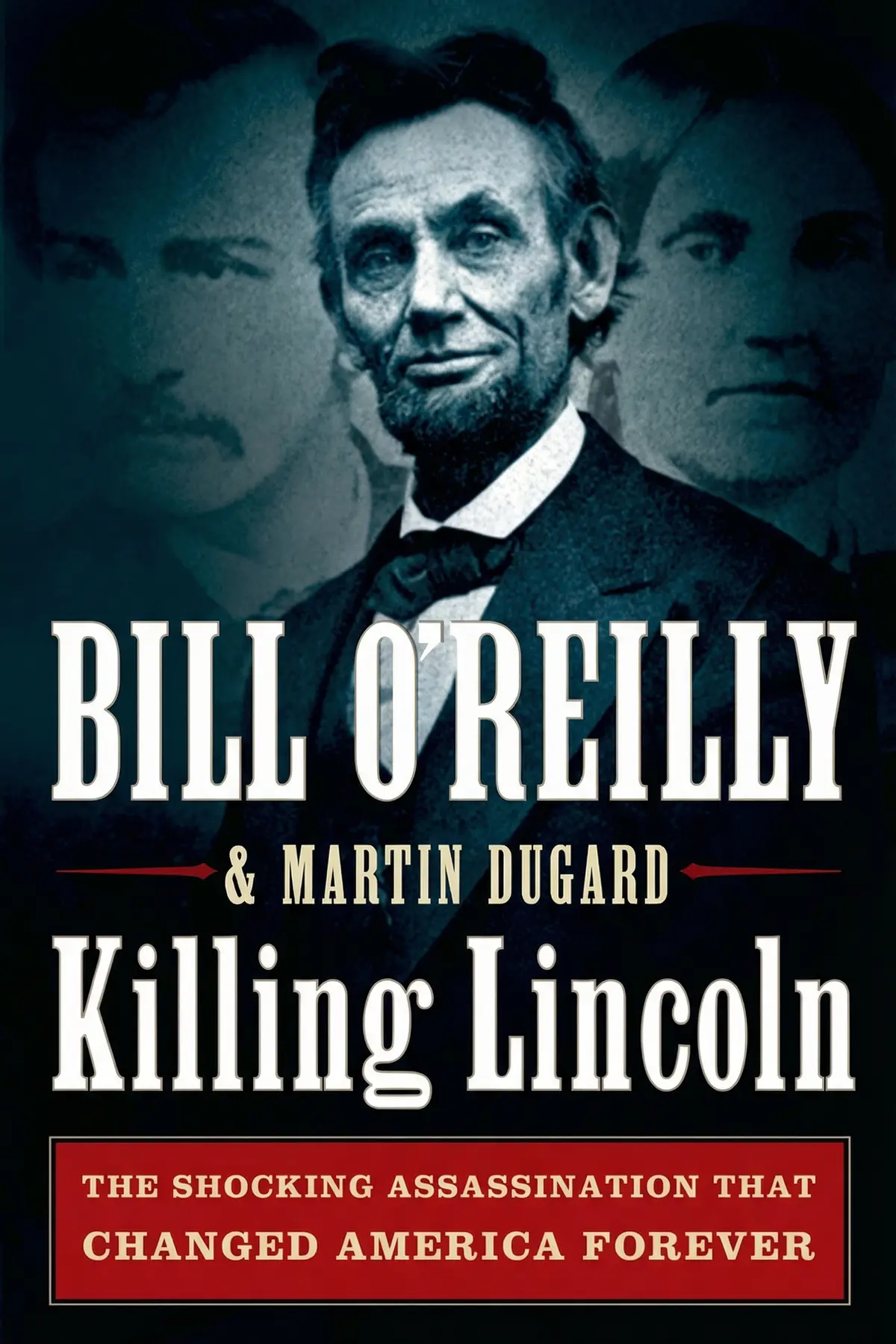
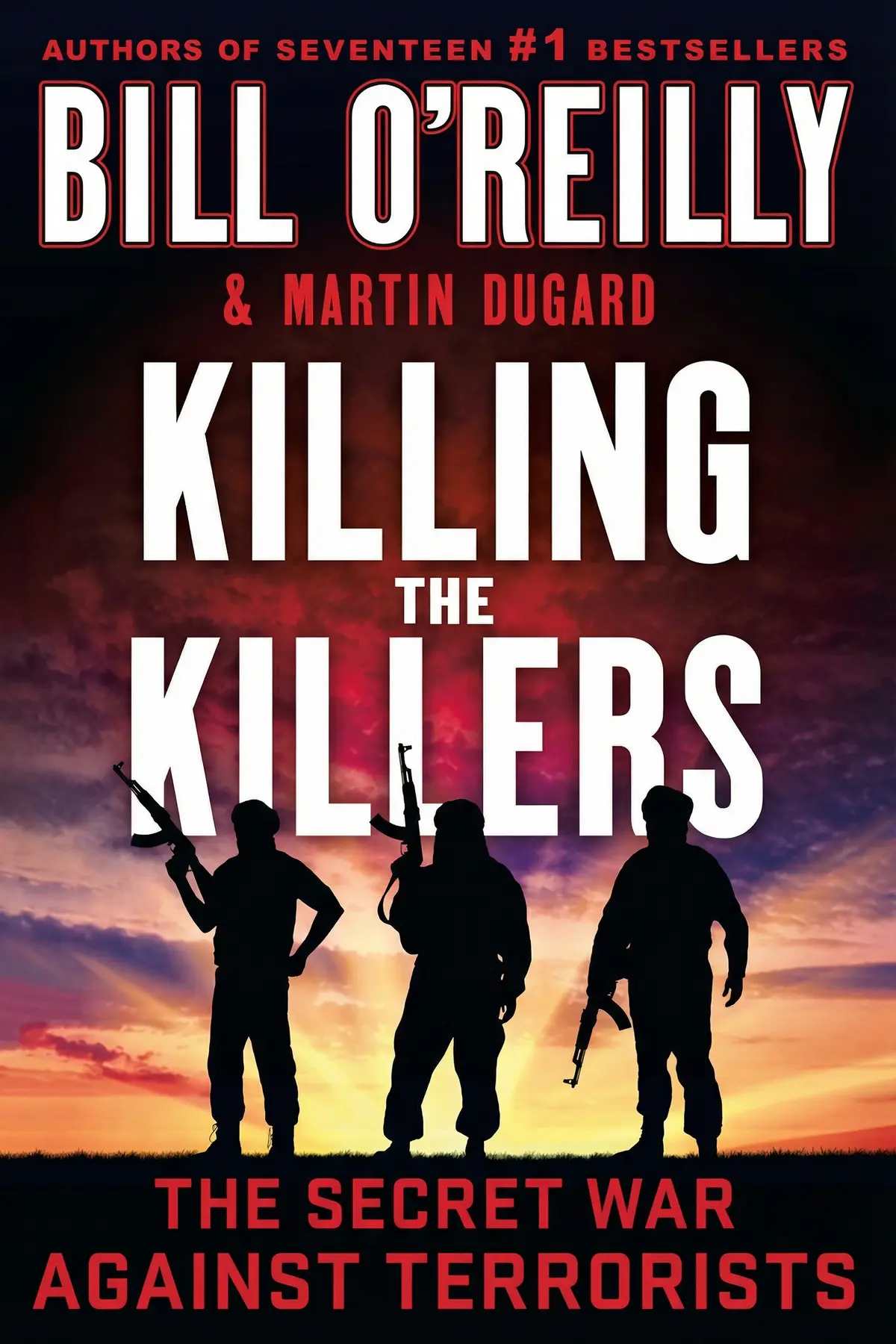
Bill O’Reilly is a journalist and television personality best known for his conservative political commentary show, The O’Reilly Factor, which was broadcast on Fox News. He is the author of many books, notably the Killing series, which includes Killing Kennedy, Killing Reagan, and Killing Jesus. Martin Dugard is an American author and journalist who has co-authored several titles in the Killing series, as well as writing The Last Voyage of Columbus.
Ratings & Reviews
Ratings at a glance
What people think
Listeners find this book to be a compelling and fascinating experience that maintains their attention from beginning to end. Additionally, the work is thoroughly researched and composed in a historical style, offering a precise chronicle of the conflict. They value its informative nature, with one listener characterizing it as a detailed investigation, while another remarks that it is a captivating narrative which remains faithful to the actual events.
Top reviews
Game
Finally got around to picking up Killing the Rising Sun, and frankly, I was blown away by the narrative drive. O'Reilly and Dugard have this knack for taking historical facts and turning them into a gripping story that feels more like a thriller than a dry textbook. The details about the Manhattan Project and the internal struggles within the Truman administration provided an in-depth study I hadn't encountered before. While some might find the descriptions of Japanese atrocities hard to stomach, they are necessary to understand the context of the era. The pacing is relentless, keeping me interested from the first page to the final conclusion about the atomic bombs. It’s an educational experience that doesn't sacrifice engagement for accuracy. I appreciated the inclusion of maps and photos which really helped visualize the Pacific theater.
Show moreSkylar
As someone with family who served in the Pacific, this book hit home in a very emotional way. My grandfather was part of the forces preparing for a land invasion of Japan, and reading about the projected casualties for Operation Downfall made me realize just how precarious his situation was. This book is a riveting account that doesn't shy away from the horrific realities of war. The description of the conditions for POWs was deeply disturbing but essential to the narrative. O'Reilly's voice is clear throughout, and while it's definitely written for a general audience, the historical accuracy seems solid. The way it weaves together the lives of world leaders like Hirohito and Truman with the experiences of "grunts" on the ground is masterful. It’s a powerful, gripping story that stays true to the facts while honoring the sacrifices made.
Show moreRania
Wow, I couldn't put this one down. I started it on a Saturday morning and was finished by Sunday evening. It’s a page-turner in every sense of the word. The authors have a way of making history feel immediate and vital, rather than like something that happened decades ago. I especially liked the focus on the lesser-known figures, like the scientists behind the Manhattan Project and the individual sailors who witnessed the devastation. The book is well-researched and written like a history book, but with the soul of a novel. It’s a historically accurate account that managed to teach me things I never learned in school. Whether you agree with the ultimate decision to drop the bomb or not, this book provides the necessary context to understand why it happened. High-speed, high-impact reading.
Show morePatchara
This book doesn't pull any punches when it comes to the brutality of the Japanese occupation and the treatment of prisoners. It’s a visceral, often difficult read, but it’s an important one. I found the timeline of the atomic bomb development to be particularly fascinating. The authors managed to balance the technical aspects of the Manhattan Project with the human cost of the war. It's an engaging read that stays true to the facts while providing a narrative that is easy to follow. I’ve read a lot of WWII history, but the level of detail regarding the internal politics of the Japanese high command was new to me. This is a well-researched and gripping story that honors the veterans who fought in the Rising Sun. A must-read for any history buff.
Show moreVipawan
What struck me most about Killing the Rising Sun was the sheer scale of the tragedy it describes on both sides. The authors do a fantastic job of illustrating the horror of the firebombing of Tokyo and the subsequent atomic strikes. It’s an educational and in-depth study of a moment that defined the 20th century. I appreciated how the book ends by recommending visits to the memorials in Hiroshima and Nagasaki; it shows a level of respect for the victims that balances the "rah-rah" tone found in other sections. The research is clear, and the story is told with a sense of urgency that makes it hard to stop reading. It’s a riveting and engaging work that brings the past to life. If you want to understand the complexities of the Pacific theater, this is a great place to start.
Show moreNora
The chapter on General MacArthur was definitely a highlight for me, painting a portrait of a man with an ego as large as his military genius. I've read quite a bit about WWII, but this book managed to present some brand-new details about the Philippines that I hadn't known. Truth is, the authors clearly have a specific viewpoint regarding the necessity of the atomic bomb, and they lean into it heavily. While I found the research to be well-documented and the history factually accurate, the "Note to Readers" at the start felt a bit politically charged and unnecessary for a history book. However, once you get past that, the narrative is riveting. It’s a fast read that does a great job of explaining the harrowing stakes of Operation Downfall. It isn't a scholarly tome, but it’s a solid, engaging overview for anyone interested in the end of the war.
Show morePaiboon
Ever wonder what really goes through a president's mind when faced with a decision that will change the world forever? This book dives deep into Truman's dilemma, presenting the facts and figures behind the choice to use atomic weapons. To be honest, I expected a more biased take, but I found the discussion about the various peace offers and the Soviet influence to be quite nuanced. The research is obvious, and the storytelling is top-notch. My only minor gripe is that the authors sometimes use language that feels a bit one-sided when describing the combatants. Americans are "heroic" while the enemy is "creeping," which is a bit of a cliché in war writing. Still, the historical account of the sinking of the Indianapolis was heart-wrenching and brilliantly told. It’s a well-researched study that kept me hooked.
Show moreElise
To be fair, the opening note about modern politics almost made me put the book down before I even started. It felt out of place. But I’m glad I stuck with it because the actual historical narrative is excellent. The way O'Reilly and Dugard describe the final months of the war in the Pacific is truly gripping. They do an amazing job of showing the sheer desperation of the Japanese military and the impossible choices facing the Allied command. It's a quick read, but it feels like a very thorough, in-depth study of those final days. The maps were helpful, and the photos added a layer of reality that words alone can't convey. It’s a popular history that is both educational and entertaining, even if the author's personal opinions peek through the curtains every now and then.
Show moreRoo
After reading Killing Lincoln and Killing Kennedy, I had high expectations for this one, and it mostly delivered. The "Killing" series has a specific formula—fast-paced, personality-driven, and focused on pivotal moments—and it works perfectly for the end of WWII. Frankly, the writing is much more polished here than in some of the previous installments. The focus on the personal flaws and virtues of leaders like General MacArthur makes them feel like real people rather than just statues in a park. While the book definitely tries to lead the reader toward a certain conclusion regarding the A-bomb, it still presents enough data for you to form your own opinion. It’s a solid piece of pop journalism that provides a historically accurate account without being bogged down in academic jargon.
Show moreIsaiah
Look, I have mixed feelings about this one. On one hand, the material is undeniably interesting and the authors do a decent job of summarizing a very complex period of history. On the other hand, the writing style can feel a bit clumsy and repetitive at times, almost like it's trying too hard to be dramatic. I found the inclusion of current political commentary in the introduction to be a major distraction from the actual historical content. That being said, the section on the development of 'Little Boy' and 'Fat Man' was quite educational. It provides a quick, popular history sort of overview that some might enjoy as a starting point. If you’re looking for a deep, scholarly analysis, you might want to look elsewhere, but for a casual reader, it’s an okay way to spend a few afternoons.
Show moreReaders also enjoyed
A Splendid Exchange: How Trade Shaped the World
William J. Bernstein
A Spy Among Friends: Philby and the Great Betrayal
Ben Macintyre
1491: New Revelations of the Americas Before Columbus
Charles C. Mann
A Year in the Life of William Shakespeare: 1599
James Shapiro
1929: Inside the Greatest Crash in Wall Street History--and How It
Andrew Ross Sorkin
AUDIO SUMMARY AVAILABLE
Listen to Killing the Rising Sun in 15 minutes
Get the key ideas from Killing the Rising Sun by Bill O’Reilly, plus 5,000+ more titles in English and Thai.
- 5,000+ titles
- Listen as much as you want
- 7-day free trial
- Cancel anytime







