
17 min 56 sec
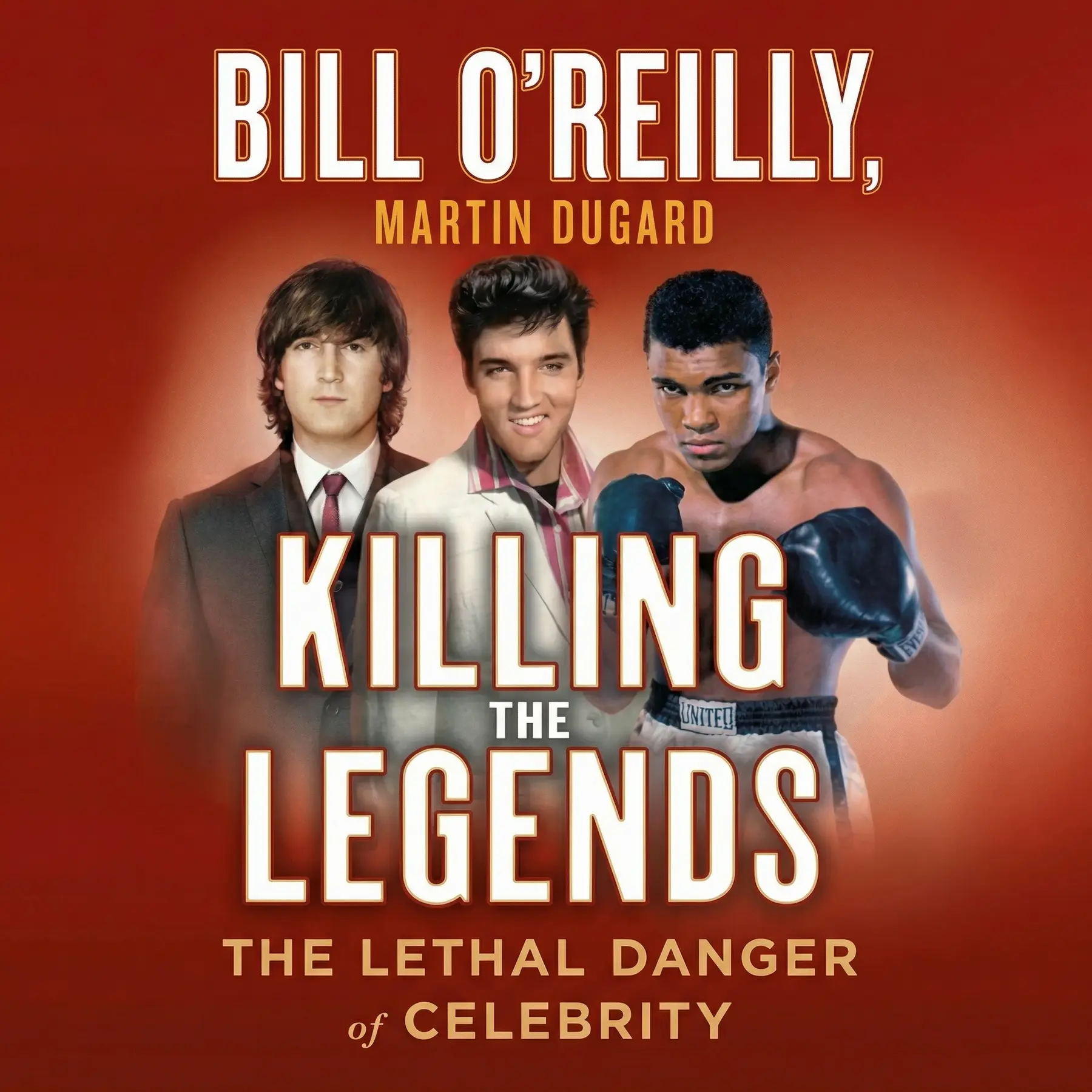
Killing the Legends: The Lethal Danger of Celebrity
Killing the Legends examines the tragic final chapters of Elvis Presley, John Lennon, and Muhammad Ali, revealing how fame, manipulation, and isolation led to the untimely downfalls of three global icons.
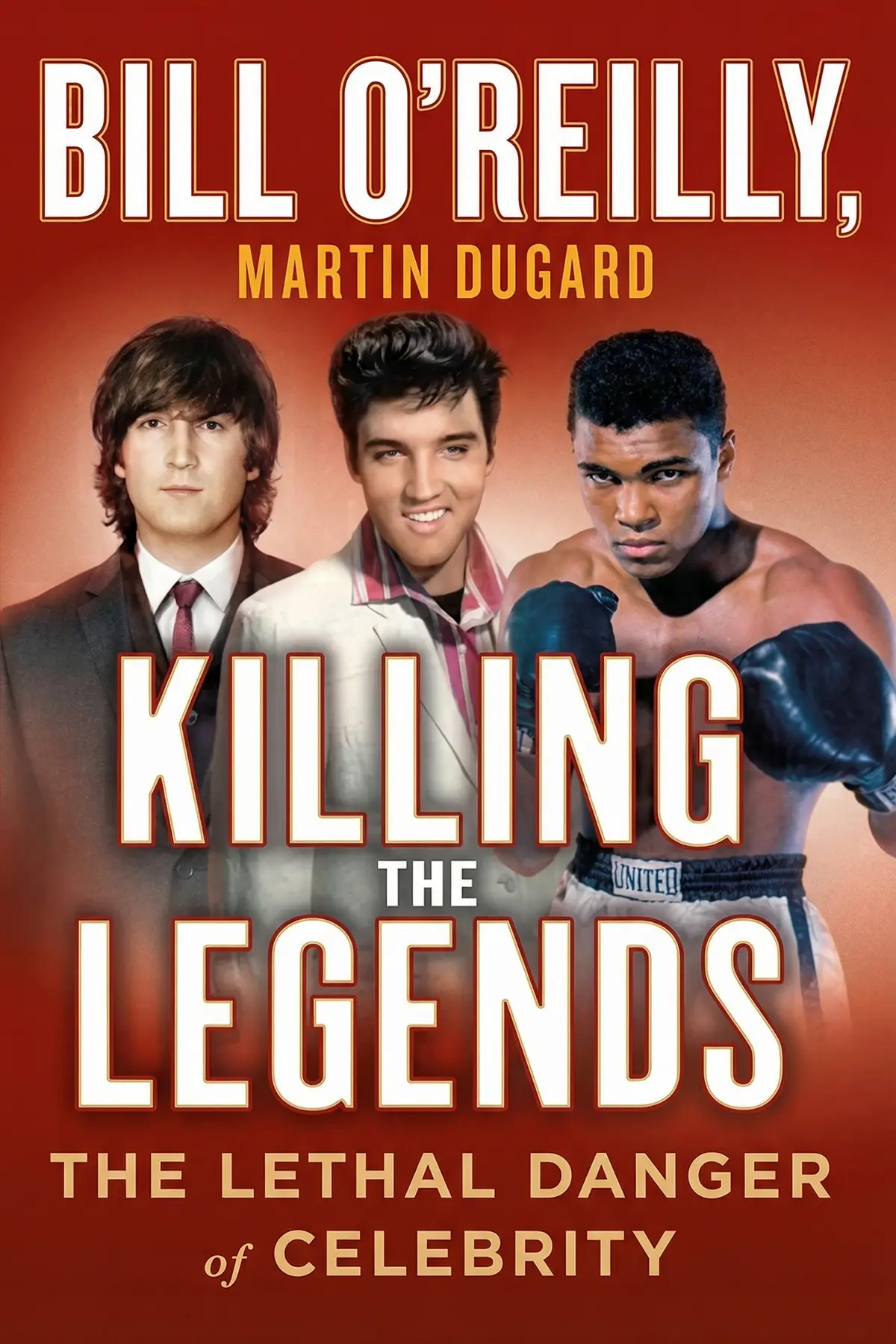
Table of Content
1. Introduction
2 min 00 sec
Imagine, for a moment, the weight of being a household name in every corner of the globe. It is a level of fame that transcends simple popularity; it is the kind of status that turns a human being into a mythic figure, a legend. We are talking about the type of influence that reshapes music, redefines sport, and captures the collective imagination of entire generations. This is the world inhabited by Elvis Presley, John Lennon, and Muhammad Ali. They were the undisputed kings of their respective domains, achieving success that was as immense as it was transformative. Yet, there is a haunting commonality in their stories that often gets buried beneath the highlights of their greatest hits and championship rounds.
In this exploration of their lives, we aren’t focusing on the moments they climbed to the top of the mountain. Instead, we are looking at what happened when they reached the peak and realized they were standing there alone. We will trace the throughline of their final years, a period marked by a gradual loss of autonomy and the creeping influence of those who sought to profit from their proximity to greatness. It’s a story about the transition from being the master of one’s destiny to becoming a managed asset.
As we walk through these narratives, notice the patterns. See how isolation became a prison, how wealth became a tool for manipulation, and how the very traits that made them legends—their passion, their trust, and their drive—were ultimately turned against them. This isn’t just a retelling of history; it’s an investigation into the lethal hazards of modern celebrity. We are setting out to understand how the brightest lights in our culture were eventually extinguished, not just by time, but by the complex, often predatory world that surrounds the ultra-famous. By the end of this journey, you’ll see these three icons in a new, perhaps more human, light, and understand the tragic mechanics that led to their final bows.
2. The King in Chains
2 min 15 sec
Explore the complicated relationship between Elvis Presley and the man who shaped his career, revealing how a manager’s greed may have sealed the fate of rock and roll’s greatest star.
3. A Legacy Sold for Scraps
2 min 30 sec
Witness the heartbreaking financial decisions that stripped Elvis of his fortune and left him at the mercy of a grueling, drug-fueled touring schedule.
4. The Shadow Over the Dakota
2 min 30 sec
Step into the post-Beatles world of John Lennon, where the lines between artistic partnership and total influence began to blur in his final decade.
5. The Physical Toll of Greatness
2 min 25 sec
Trace the brutal final rounds of Muhammad Ali’s career, as the ‘Greatest’ was pushed past his breaking point for the sake of others’ profits.
6. The Silence of the Champ
2 min 06 sec
Follow Muhammad Ali into his final years as he battled a debilitating disease and discovered the truth about the theft of his own life story.
7. The Patterns of a Legend's Fall
2 min 23 sec
Synthesize the common threads of isolation and manipulation that bound the fates of Elvis, Lennon, and Ali together in their tragic final chapters.
8. Conclusion
1 min 47 sec
The stories of Elvis Presley, John Lennon, and Muhammad Ali are more than just biographies of fame; they are cautionary tales about the fragile nature of the human spirit when placed under the crushing weight of legendary status. As we have seen, the very things that make these men icons—their unique talents, their massive reach, and their immense wealth—also made them targets. The throughline of their final years is one of diminishing control and increasing manipulation. They were cultural giants who, in their private lives, often felt small and powerless against the forces managing their existence.
What can we take away from these tragic narratives? Perhaps the most important lesson is the vital necessity of autonomy. No matter how much success one achieves, the loss of the ability to make one’s own choices—and to be surrounded by people who value the person more than the profit—is a path to ruin. These legends were ‘killed’ long before their hearts stopped beating, as their agency was stripped away by those they trusted most.
In our modern world, where celebrity is more accessible and more scrutinized than ever, these patterns remain relevant. We see the same pressures, the same isolation, and the same opportunistic management styles playing out in the lives of today’s stars. The lives of the King, the Smart One, and the Greatest remind us that the cost of becoming a myth can sometimes be the life of the man. As you reflect on these stories, consider the importance of maintaining your own voice and surrounding yourself with those who seek to empower you, rather than those who wish to manage you for their own gain. The legacy of these three men lives on in their work, but their final years serve as a sobering reminder of the lethal dangers that lurk in the shadow of greatness.
About this book
What is this book about?
What does it truly cost to become a legend? In this deep dive into the waning years of three of the twentieth century’s most recognizable figures—Elvis Presley, John Lennon, and Muhammad Ali—we explore the dark side of unparalleled success. While the world saw gods walking among men, the reality was far more fragile. These men, though masters of their crafts, often found themselves adrift in a sea of isolation, susceptible to the whims of those who managed their careers and personal lives. This summary promises to pull back the curtain on the final acts of these cultural titans. It looks past the glitz of the stage and the roar of the stadium to reveal the human toll of being a global commodity. You will discover how the very people trusted to protect these legends often facilitated their decline, whether through financial exploitation, emotional control, or physical endangerment. By examining the patterns of their final years, we gain a sobering perspective on the lethal nature of celebrity and the heavy price of being the greatest.
Book Information
About the Author
Bill O’Reilly
Bill O’Reilly is an Emmy award-winning television journalist and host of No Spin News. He has written 18 number-one best-selling books, including Killing Kennedy, Killing England, and The United States of Trump. Martin Dugard is a best-selling history writer and co-author of the Killing series. His other works include Taking Paris, The Murder of King Tut, and The Last Voyage of Columbus.
Ratings & Reviews
Ratings at a glance
What people think
Listeners find this title to be an engrossing experience filled with fascinating details and thorough research, proving a solid addition to the "Killing" series. The craftsmanship of the writing is lauded, and listeners note the narrative successfully maintains their focus throughout. Although the three different stories are appreciated, the accuracy is met with mixed reviews; some find it reliably factual while others point out sloppy fact checking. The pacing also draws mixed reactions, with some considering it the weakest book in the series.
Top reviews
Sophia
Picked this up because I’ve followed the Killing series since the beginning, and this might be my favorite one yet. The way O’Reilly and Dugard weave together the lives of Elvis, Lennon, and Ali is nothing short of masterly. You get this sense of impending doom from the very first page of the Elvis section, which starts right at the end in that bathroom at Graceland. It’s a tragic look at how these massive icons were basically bled dry by the people they trusted most, especially the Colonel. I never realized the extent of the financial siphoning that occurred behind the scenes. The writing is incredibly fast-paced, almost like watching a high-budget documentary unfold in your mind. While some people complain about the present-tense narrative, I think it adds a level of urgency that makes the history feel alive. It’s a sobering reminder that even the biggest stars are often the most vulnerable.
Show moreJune
Wow. I wasn’t expecting to feel so much for Elvis by the end of his chapter, but the authors really humanize him in a way most biographies don't. The description of his final hours is haunting and vivid. You see this man who has everything but is essentially a prisoner of his own fame and his manager's greed. The transition into the John Lennon section provides a sharp contrast, focusing more on the suddenness of his loss just as he was finding his footing again in New York. The Ali section was the real sorpresa for me, though. Seeing the decline of 'The Greatest' into a state where he was being manipulated into fights he had no business being in was heartbreaking. This book isn't just about death; it's about the loss of dignity that often precedes it. I couldn't put it down.
Show moreSuthee
This book is essentially 'Dateline' in print form, and I mean that as a total compliment. It is visceral, direct, and unyieldingly interesting. I loved how they branded each legend—The King, The Walrus, and The Greatest. It gives the book a cohesive theme even though the subjects are so different. The detail about Elvis giving away Cadillacs while his manager took 50% of his earnings was just wild. It makes you realize that fame is often a gilded cage. Lennon’s story is always a gut-punch, but the way they frame his move to America and his eventual assassination feels fresh here. I finished the whole thing in two sittings because the pacing is just that good. If you enjoy the previous Killing books, this one definitely belongs on your shelf. It's a high-octane look at the dark side of the American dream.
Show moreWittaya
Exploring the tragic outcomes of these three icons was a riveting experience. This book is well-organized and holds your attention from start to finish. I particularly appreciated the focus on the business side of their careers, which often gets overlooked in favor of the gossip. Seeing how much money was stolen or squandered is eye-opening. The authors have a way of making history feel like a thriller. Even though I knew how all three stories ended, I found myself hoping for a different outcome. It's a powerful look at the intersection of talent, greed, and tragedy. The Ali section alone is worth the price of the book. Highly recommended for anyone who loves pop culture history told with a sense of urgency and drama. Truly a great addition to the series.
Show moreOlivia
The storytelling in this installment remains top-notch, though the title 'Killing' feels like a bit of a stretch for Ali and Elvis since their deaths weren't exactly assassinations. However, the authors argue that they were 'killed' by their lifestyles and the parasites surrounding them, which is a compelling angle. I found the Muhammad Ali section particularly enlightening because I didn't know much about his later years or the sheer volume of people living off his physical sacrifice. The book captures the 'Thrilla in Manila' with such grit you can almost smell the sweat and blood. My only real gripe is that the Lennon section felt a bit rushed compared to the other two. Still, the prose is lean and the chapters fly by. It's a great choice for anyone who wants a punchy, journalistic look at 20th-century pop culture without getting bogged down in a 900-page biography.
Show moreNang
Ever wonder how the biggest legends of our time ended up in such tragic circumstances? This book attempts to answer that by looking at the common threads of addiction, exploitation, and the heavy price of celebrity. The writing is punchy and very cinematic, which kept me engaged through all three parts. I think the Ali segment was the strongest, offering a detailed look at his medical struggles and the financial vultures that circled him until the end. To be fair, if you've read a dozen biographies on these guys, you might find some of the material repetitive. But for a general reader, it’s a fantastic overview. I did notice the weird tense jumps that some other reviewers mentioned, but they didn't ruin the experience for me. It’s a solid 4-star read that makes history feel very accessible.
Show moreUraiwan
Finally got around to reading O’Reilly’s latest, and the co-authoring with Dugard definitely brings a specific energy to these tragedies. They have a knack for picking the most dramatic moments to focus on. The way they describe the 'Thrilla in Manila' made my heart race. You really feel the physical toll those hits took on Ali. The theme of 'Svengalis' riding the coattails of talent is the real heart of the book. Whether it was the Colonel or the handlers around Ali, the exploitation was rampant. My only complaint is the finger-wagging tone in the conclusion where they suggest how these men could have avoided their fates. It felt a little bit pompous. Aside from that, it’s a very solid addition to the series that provides a lot of 'did you know' moments.
Show moreJoe
As someone who grew up during the peak of these three icons, seeing their lives laid out like this was incredibly sobering. The book doesn't shy away from their flaws, but it places the blame squarely on the shoulders of the people who manipulated them for profit. Elvis was especially tragic; the description of his physical decline is almost hard to read at times. The Lennon section, despite a few factual hiccups, effectively captures the shock of 1980. It’s a very readable book that doesn't require a lot of prior knowledge. The short chapters and dramatic style make it a real page-turner. Not gonna lie, I learned more about Muhammad Ali’s fourth wife and his final years than I ever knew before. It's a gripping, if somewhat flawed, retrospective on three men who defined an era.
Show moreManika
After hearing so much buzz about this book, I was eager to dive into the Lennon section, but frankly, the factual errors are hard to ignore if you’re a real Beatles fan. Claiming that Don McLean invented the 'Walrus' nickname in 'American Pie' is just sloppy research when John literally wrote 'I Am the Walrus' years earlier. There is also a photo of Julian that is labeled as Sean, which is a basic mistake for a book of this stature. That being said, the Elvis portion was actually quite gripping. I was fascinated by the deep dive into Colonel Parker’s gambling debts and how that drove Elvis into the ground. If you can look past the lack of fact-checking in the middle section, it’s an entertaining read, but I expected more precision from a veteran journalist like Bill O'Reilly. It feels like a missed opportunity to be a definitive work.
Show morePrae
To be fair, if you’re a die-hard Beatles or Elvis enthusiast, you probably won’t find much groundbreaking material here. Most of the Elvis info felt like a rehash of 'Elvis: What Happened?' and other well-known sources. Look, the writing is definitely 'easy' and aimed at a mass audience, which is fine, but it lacks the depth of a scholarly biography. The errors regarding John Lennon’s upbringing and his music are frustrating and take you out of the story. For instance, getting the album wrong for the rooftop concert is a rookie mistake. However, the Ali section was quite good and offered some details about the Nation of Islam that I hadn't encountered before. It’s a decent book for a plane ride or a beach read, but don't go into it expecting a masterclass in historical research.
Show moreReaders also enjoyed

A Long Way Gone: Memoirs of a Boy Soldier
Ishmael Beah

All Creatures Great and Small
James Herriot
Age of Anger: A History of the Present
Pankaj Mishra
A Promised Land
Barack Obama

A River in Darkness: One Man’s Escape from North Korea
Masaji Ishikawa
1491: New Revelations of the Americas Before Columbus
Charles C. Mann
A Spy Among Friends: Philby and the Great Betrayal
Ben Macintyre
AUDIO SUMMARY AVAILABLE
Listen to Killing the Legends in 15 minutes
Get the key ideas from Killing the Legends by Bill O’Reilly, plus 5,000+ more titles in English and Thai.
- 5,000+ titles
- Listen as much as you want
- 7-day free trial
- Cancel anytime







