
Ali: A Life
Jonathan Eig
This biography explores the life of Martin Luther King Jr., moving beyond the icon to reveal the complex man, his intellectual evolution, and his unwavering commitment to justice despite immense personal and political pressure.
2 min 14 sec
When we think of the historical landscape of the twentieth century, few figures stand as prominently as Martin Luther King Jr. He is often remembered through the lens of a single, powerful speech or a series of grainy photographs depicting him leading marches across the American South. However, to truly grasp the weight of his legacy, we must look beyond the marble monuments and the sanitized versions of his story often found in textbooks. He was a man who challenged the United States to finally align its reality with the lofty ideals found in the Declaration of Independence and the Constitution—a task that was as dangerous as it was necessary.
In this exploration of King’s life, we find a figure who was deeply complex and, during his own time, incredibly divisive. He was not a flawless saint, but a human being with personal failings and vulnerabilities. He faced intense scrutiny, not just for his political views, but for his private conduct, including his struggles with marital infidelity. Yet, these human elements do not diminish his impact; rather, they highlight the extraordinary courage of a man who, despite his flaws, felt a divine calling to serve a cause larger than himself. He was a leader who looked into the face of systemic racism, nationalism, and materialism and warned that these forces were eroding the very foundations of human brotherhood.
Over a career that lasted only thirteen years, King managed to shift the moral compass of an entire nation. He advocated for a path of nonviolent protest in a world that often demanded blood, and he remained committed to that path even when his own life was at risk. As we move through the narrative of his life, we will see how a young boy from Atlanta, born into a world of Jim Crow laws and sharecropping roots, became the voice of a revolution. We will examine the experiences that forged his character, the intellectual pursuits that sharpened his philosophy, and the relentless pressure that eventually claimed his life. This is the story of a man who sought to realize the dream of equality and justice for all, and whose life remains a roadmap for those who continue that struggle today.
2 min 40 sec
Discover how a family legacy rooted in the struggles of Georgia sharecropping produced a leader who would eventually challenge the soul of an entire nation.
2 min 58 sec
Explore the academic and spiritual journey that transformed a gifted student into a doctor of theology and a strategist of peaceful resistance.
2 min 51 sec
See how a single act of defiance on a city bus ignited a movement and forced a young pastor into the national spotlight.
2 min 32 sec
Witness the growth of a regional struggle into a national campaign and the silent, high-stakes battle with federal surveillance.
2 min 22 sec
Follow the journey from the depths of a Birmingham jail to the heights of the Lincoln Memorial, as the movement reaches its most iconic moments.
2 min 28 sec
Observe the brutal turning point of Bloody Sunday and the difficult decision to take the fight for equality into the urban North.
2 min 19 sec
Experience the final days in Memphis, where a prophetic vision of the future met a tragic end on a motel balcony.
1 min 30 sec
In the decades since his passing, Martin Luther King Jr. has been elevated to a position of near-mythic status. Yet, as we have seen through the lens of this biography, his true power lay in his humanity. He was a man of deep faith, rigorous intellect, and profound courage, but he was also a man who felt fear, who faced personal failures, and who struggled with the enormous weight of leadership. His journey from Michael to Martin, from Atlanta to Memphis, was a testament to the idea that an individual, guided by a moral compass and a commitment to nonviolence, can indeed move a nation.
King’s legacy is not just a collection of historical milestones like the Montgomery Bus Boycott or the Voting Rights Act. It is a living challenge to every generation that followed. He reminded us that the work of justice is never truly finished and that the forces of racism, poverty, and militarism require constant vigilance and active resistance. As we reflect on his life, the most important takeaway is the realization that the “dream” he spoke of was not a passive hope, but a call to action. It is a reminder that we each have a role to play in the ongoing effort to build a society that is truly equal and just for everyone. His life ended on a balcony in Memphis, but the movement he led and the principles he championed continue to provide the framework for the struggles of today.
This summary provides an in-depth look at the life of Reverend Doctor Martin Luther King Jr., one of the most significant figures in American history. It traces his journey from his childhood in the segregated South to his emergence as a world-renowned leader of the civil rights movement. The narrative delves into his formative years, his academic pursuits in theology and philosophy, and the pivotal events that shaped his strategy of nonviolent resistance. Beyond the public triumphs like the Montgomery Bus Boycott and the March on Washington, this exploration offers a nuanced view of King’s personal life and the challenges he faced. It addresses the constant threats to his life, the relentless surveillance by the FBI, and his internal struggles as he expanded his focus to include economic justice and opposition to the Vietnam War. Ultimately, it promises a deeper understanding of the man who challenged a nation to live up to its founding principles of equality and freedom.
Jonathan Eig is a highly acclaimed biographer and the author of six books, four of which have reached the New York Times best-seller list. His previous work includes a widely celebrated biography of Muhammad Ali, often cited as one of the premier sports biographies ever written. His diverse body of work also includes Luckiest Man and The Birth of the Pill.
Jonathan Eig
Listeners find this biography exceptionally readable and as gripping as a novel, praising the exhaustive research and nuanced perspective on King’s spiritual path. The writing is considered eloquent, spirited, and informative, making it a necessary resource for those studying history. Listeners value the book's honesty, with one noting it provides an unbiased look at the totality of King's life.
It’s rare to find a biography that manages to be both exhaustive and deeply moving, but Eig pulls it off. By stripping away the 'plaster saint' image we’re taught in school, he reveals a man who was often terrified, depressed, and burdened by his own humanity. The inclusion of the FBI documents adds a chilling layer to the narrative, showing just how much pressure King was under while trying to maintain his non-violent stance. Truth is, seeing his flaws—the plagiarism, the infidelities, the struggles with his father—only makes his courage more impressive. He wasn't a perfect man, but he was exactly the leader the movement needed. This is a masterful piece of history that deserves every bit of the Pulitzer praise it has received. I learned more in these chapters than I did in four years of college history.
Show moreI was mostly struck by how Eig centers Coretta Scott King in this narrative rather than treating her as a background character. She was a force of nature in her own right, often pushing King toward more radical positions even as he struggled with the traditional domestic role he expected her to play. The book brilliantly illustrates the tension between his public persona and his private life, particularly his struggle with the FBI’s relentless harassment. It reads with the urgency of a thriller, even though we all know how the story ends. Frankly, the detail about him surviving the stabbing in Harlem was a part of his history I hadn't fully grasped before. Eig writes with a compassion that makes the tragedy of Memphis feel fresh and deeply personal. It’s a monumental achievement that everyone should pick up.
Show moreThe level of detail regarding J. Edgar Hoover’s obsession with King is absolutely staggering. Eig utilizes recently released documents to paint a terrifying picture of government overreach that makes you wonder how King even functioned day-to-day. Most people know he was wiretapped, but seeing the transcripts and the psychological warfare used against him is another thing entirely. Beyond the spy-novel elements, the writing itself is beautiful and evocative. It captures the 'booming voice' and the rhythmic quality of King's oratory without feeling like a parody. I particularly enjoyed the exploration of his later years when he became more vocal about Vietnam and economic justice, losing many of his white liberal allies in the process. It’s a poignant reminder that King was much more radical than the version we celebrate on his birthday every year. Truly an incredible read.
Show moreDion Graham’s narration brings this biography to life in a way that is hard to describe. I chose the audiobook for my commute, thinking 20+ hours would last me a month, but I ended up finishing it in a week because I couldn't stop listening. The way Eig weaves the personal letters and business records into a cohesive story makes you feel like you're a fly on the wall during the most pivotal moments of the 20th century. My experience with other MLK books was that they were often dry or overly hagiographic, but this feels real. It highlights the 'moral beauty' of the movement while acknowledging the 'sweaty, courageous' reality of the man himself. From the Montgomery bus boycott to the final moments in Memphis, the narrative never loses its emotional core. It’s easily the best biography I’ve consumed this year.
Show moreJonathan Eig has a gift for taking historical giants and making them feel like people you could have a conversation with. In 'King,' he doesn't just list dates and events; he describes the smells, the sounds, and the internal anxieties of the civil rights era. The chapter on the 'I Have a Dream' speech was particularly powerful, showing how it was almost an afterthought compared to the logistical nightmare of the March on Washington. I was fascinated by the 'contradictions' Eig highlights—how King could be so confident in the pulpit yet so riddled with self-doubt in a hotel room. This book doesn't just tell you what happened; it makes you feel the weight of the burden King carried. It’s rare to find a history book that keeps you up at night like a thriller, but this one did. Absolutely essential for your bookshelf.
Show moreIf you think you know MLK from school assemblies and 30-second clips, you need to read this book immediately. Eig has created the definitive biography of our time by merging academic rigor with a novelist's flair for character. I loved the little details, like King's love for pork chops or his secret smoking habit, which made him feel so much more tangible. The book does a fantastic job of illustrating how his faith in God was the only thing that kept him going when the death threats started piling up. Gotta say, the ending really got to me, even though I knew it was coming. It’s a heartbreaking, inspiring, and ultimately vital piece of literature. Jonathan Eig has cemented his place as one of the best biographers working today. Do yourself a favor and get a copy.
Show moreClocking in at nearly 600 pages, this is a massive undertaking that requires some serious stamina. There were moments in the middle where the pacing slowed down a bit too much for my liking, especially during some of the more granular organizational disputes. However, the depth of research is undeniable. Personally, I found the sections on King's early life and his complicated relationship with 'Daddy King' to be the most revelatory. It provides so much context for his later leadership style and his internal drive. To be fair, it’s a heavy read that doesn't shy away from the darker aspects of his life, but it’s essential for anyone wanting to move beyond the 'I Have a Dream' soundbites. It’s an authentic, unvarnished look at a man who changed the world despite being constantly hounded by the state.
Show moreAs someone who only knew the highlights of the civil rights movement, this was a massive eye-opener. I had no idea about the 'intra-movement mutinies' or the friction between King and Malcolm X or the younger radicals like Stokely Carmichael. Eig does a great job of showing that the movement wasn't a monolith; it was a messy, often contentious group of people trying to figure out the best way forward. The truth is, King was often caught in the middle, trying to balance his non-violent philosophy with the rising demand for Black Power. My only gripe is that some of the theological deep dives felt a bit long-winded, though they were obviously important to his development. Still, the prose is accessible and the storytelling is top-tier. It’s a well-researched, passionate look at a life that ended far too soon.
Show moreFinally, a book that doesn't shy away from King's radical critique of American capitalism and militarism. Eig shows how the same people who cheered for his 'Dream' speech turned on him when he started talking about the poor in Chicago or the bombs in Vietnam. It’s a sobering look at how we sanitize our heroes to make them more comfortable for public consumption. To be fair, the book is quite dense and the level of detail about the FBI's surveillance can be depressing to get through. It’s a long journey, and you definitely feel the 'fatigue' that King himself felt by the end. However, the payoff is a much deeper understanding of why he was so unpopular when he died. It’s not always a pleasant read, but it’s an incredibly important one for our current political climate.
Show moreWhile I appreciate the immense research that went into this volume, the sheer density of the prose made it a struggle to finish. Not gonna lie, I found the constant shifting between King’s spiritual heights and his personal failings a bit jarring at times. The author spends a lot of time on the plagiarism in King’s academic work and his various affairs, which, while necessary for a complete biography, occasionally felt like they overshadowed his actual policy achievements. Look, it's a good book, but it lacks the tight focus I've found in other civil rights histories. If you're a die-hard history buff, you'll love the archival deep dives into the FBI files. For a casual reader, though, it might feel like a bit of a slog through too much minutiae. I'm glad I read it for the new perspectives, but it didn't fully click for me.
Show more
J. Craig Venter

Ishmael Beah

James Herriot
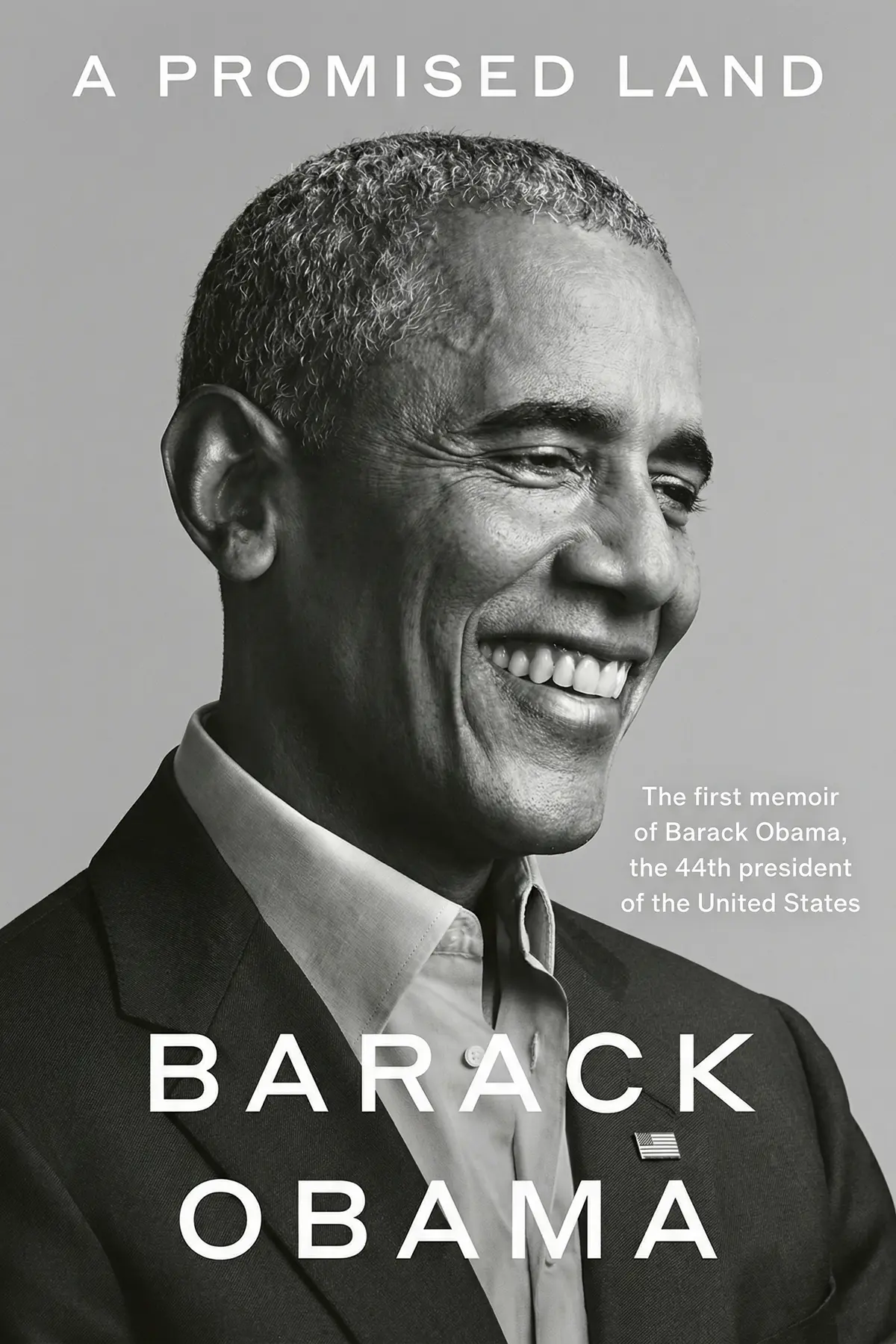
Barack Obama

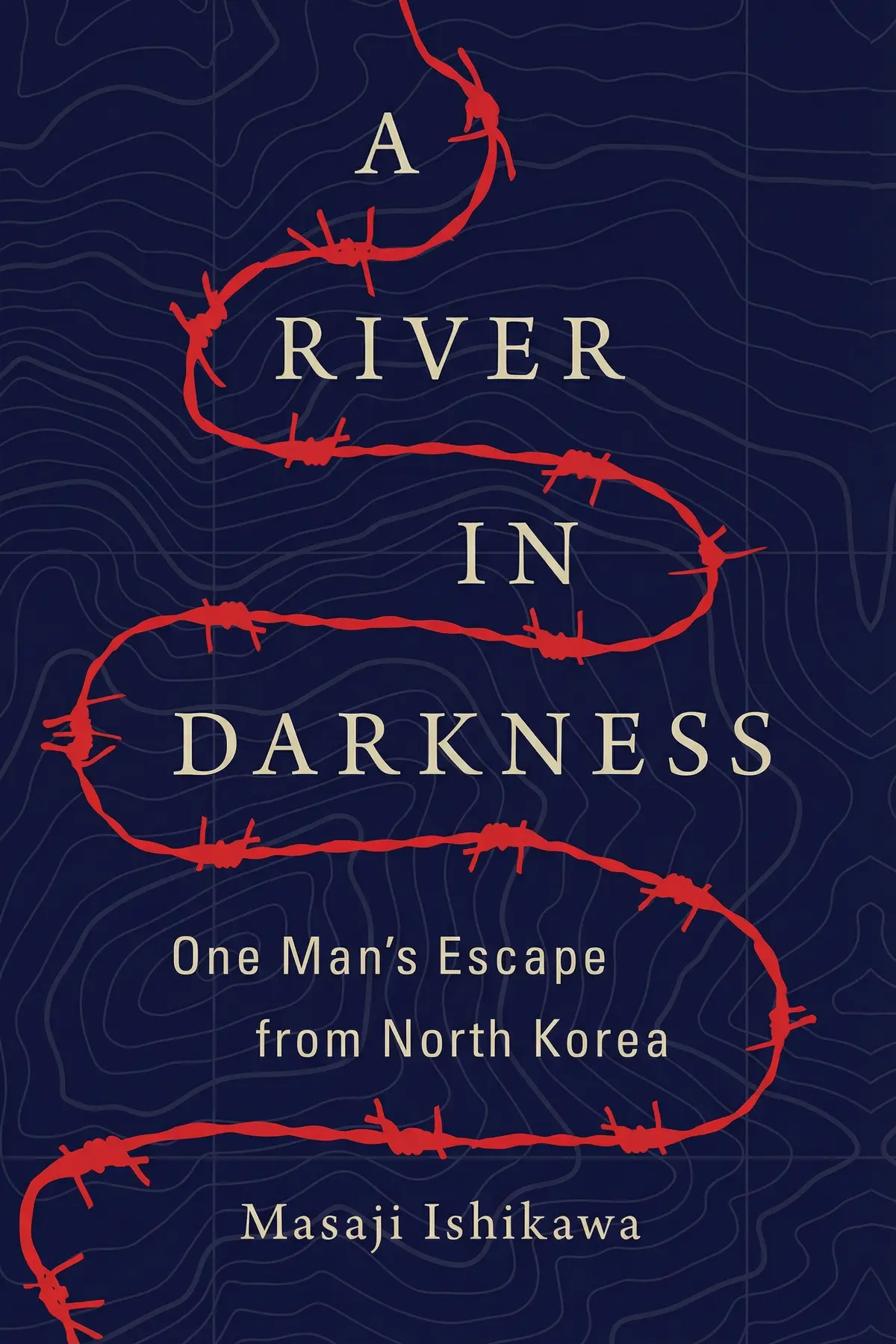
Masaji Ishikawa

Ben Macintyre
AUDIO SUMMARY AVAILABLE
Get the key ideas from King by Jonathan Eig, plus 5,000+ more titles in English and Thai.







