
A Spy Among Friends: Philby and the Great Betrayal
Ben Macintyre
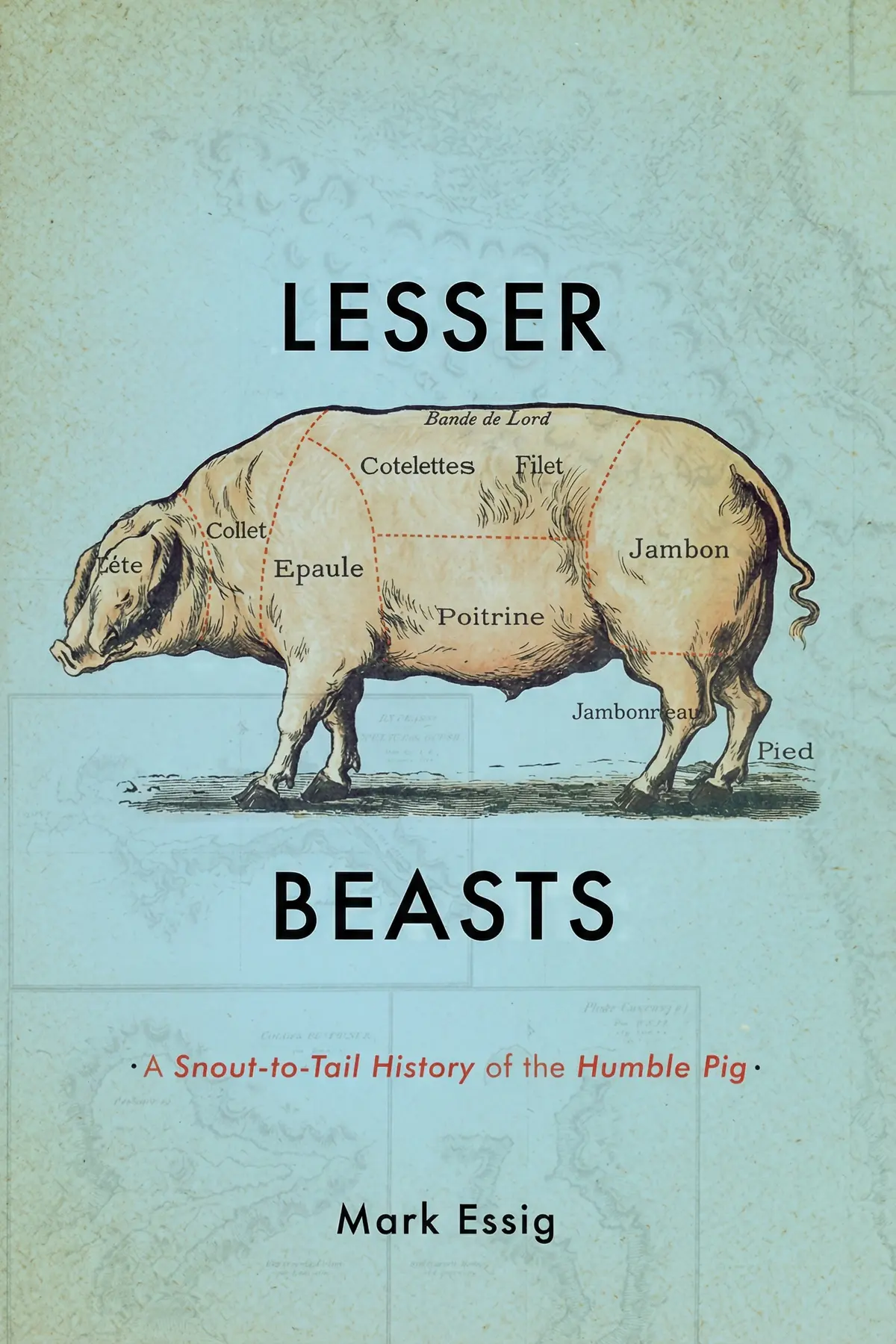
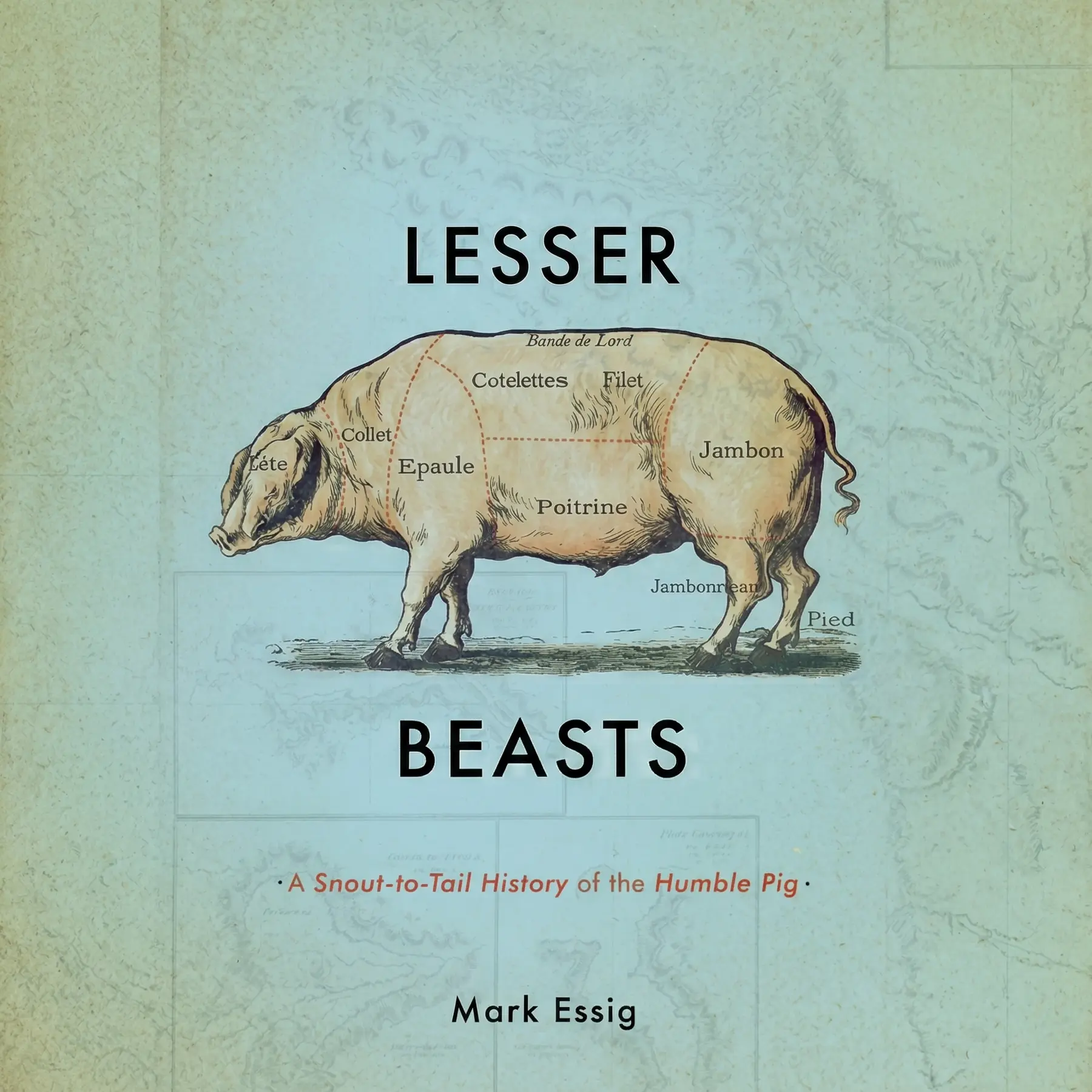
Lesser Beasts explores the complex, thousands-year-old relationship between humans and pigs, tracing their journey from ancient waste-disposers and Roman staples to the controversial subjects of modern industrial farming and religious taboos.
1 min 40 sec
Step into any modern bistro or flip through a popular food magazine, and you are likely to encounter a common sentiment: nearly any dish can be elevated by the addition of bacon. In many corners of the globe, the pig is a celebrated guest at the table, forming the centerpiece of traditional holiday feasts, backyard barbecues, and celebratory roasts. For many cultures, the hog is an indispensable part of the culinary landscape. Yet, this is only one side of a very complicated coin. In other parts of the world, particularly within Jewish and Islamic traditions, the pig is viewed with deep-seated suspicion or outright forbidden as a source of nourishment.
What is it about this specific animal that creates such a profound cultural divide? To understand why the pig is so polarizing, we have to look back across thousands of years of shared history. Our relationship with the pig is one of the longest and most intimate connections we have with the animal kingdom, yet it is fraught with contradiction. This isn’t just a story about food; it’s a story about how humans have viewed cleanliness, social status, and even the divine.
In this exploration of the pig’s journey, we will trace its path from the dawn of human civilization to the high-tech barns of the modern era. We will see how this ‘lesser beast’ helped humans settle into permanent homes, how it fueled the expansion of empires, and how it eventually became a central figure in the debate over industrial ethics. By looking through the lens of the pig, we gain a unique perspective on the evolution of human society itself. So, let’s begin this journey and discover how our history has been inextricably linked to the humble hog.
2 min 18 sec
Humans and pigs share more than just history; their biological similarities are so striking that even expert scientists have occasionally confused the two species’ remains.
2 min 06 sec
The pig’s greatest strength—its ability to eat anything—became its greatest social liability, leading to a decline in status that still impacts global diets today.
2 min 12 sec
While some cultures turned away from the pig, the Greeks and Romans embraced it, making pork a cornerstone of medicine, politics, and daily life.
1 min 57 sec
The settlement of the Americas might have looked very different, or failed entirely, without the incredible resilience and reproductive power of the pig.
2 min 03 sec
Before modern sewer systems and garbage trucks, pigs served as the primary waste management system for some of the world’s fastest-growing cities.
2 min 03 sec
The discovery that antibiotics could spur growth changed the pork industry forever, but it also invited a looming public health crisis.
2 min 21 sec
Modern industrial farming has made pork affordable for millions, but the environmental and ethical costs are becoming impossible to ignore.
1 min 43 sec
The story of the pig is far more than a simple timeline of a farm animal; it is a mirror reflecting the growth and complexity of human civilization itself. From the very beginning, pigs were our partners, helping us transition from wandering hunters to settled villagers by providing both a reliable source of protein and a primitive form of waste management. They were the silent engines of exploration, making it possible for early voyagers to survive the crossing to the New World. They have been praised by the fathers of medicine and used as tools of statecraft by the mightiest emperors of Rome.
Yet, for all this utility, the pig has remained a ‘lesser beast’ in our cultural imagination—often associated with filth and excluded from the diets of billions due to ancient taboos born of its own adaptability. Today, we find ourselves at a critical crossroads in this long relationship. The industrial methods we have developed to produce pork at scale have created an environmental and ethical debt that is coming due. We are faced with the challenge of balancing our global appetite with the health of our planet and the welfare of the creatures we raise.
As we move forward, the key takeaway is that our connection to the pig is deep and enduring. We have shaped the pig through thousands of years of breeding and industry, but in many ways, the pig has also shaped us. By understanding this shared history, we are better equipped to make conscious choices about how we interact with the natural world. Whether we choose to eat pork or abstain from it, we must acknowledge the vital role this humble animal has played in our story. The future of the pig, and perhaps our own, depends on our ability to treat this ancient companion with the respect and care it has earned through ten millennia of service.
This summary dives into the fascinating and often contradictory history of the pig, an animal that has been both worshipped at the dinner table and reviled as a symbol of impurity. It follows the pig from its early domestication in the Fertile Crescent to its role in the expansion of the Roman Empire and the colonizing of the New World. Listeners will discover how the pig’s unique biology and scavenger nature made it an essential partner for early human settlements, while simultaneously fueling religious bans that persist today. The narrative also examines the modern shift toward industrial agriculture, highlighting the scientific breakthroughs in nutrition and antibiotics that revolutionized pork production while creating significant environmental and ethical challenges for the twenty-first century.
Mark Essig holds a PhD in history and is the acclaimed author of Edison and the Electric Chair. His historical insights have been featured in prominent publications, including The New York Times, the Los Angeles Times, and the San Francisco Chronicle.
Listeners find the work totally engrossing and packed with new insights on every page, with one review pointing out how it blends historical, economic, and political details. Furthermore, the book delivers a fascinating look at the history of swine, and one listener labels it the most well-written volume on food history. Additionally, listeners value the book’s treatment of animal cruelty; one person mentions it fosters a more profound respect for pigs, while another emphasizes its importance as a major food source.
Picked this up on a whim after a friend mentioned the "trash compactor" role of pigs in early cities. Mark Essig manages to take a subject that sounds mundane and turn it into a gripping narrative of human civilization. The prose is lively and sharp, never getting bogged down in dry academic jargon. I was especially fascinated by how pigs essentially domesticated themselves by lingering around human settlements. It is a remarkable look at how this animal provided a safety net for the poor for centuries. My only minor gripe is that the ending makes you think twice about your breakfast choices. Truly an absorbing read that offers a deeper appreciation for an often-ignored, highly intelligent creature.
Show moreThe chapter on Medieval pig trials blew my mind. I had no idea that a sow could actually be tried and convicted in a court of law for attacking a child. Essig’s Lesser Beasts is a masterclass in the micro-history genre, right up there with classics like Salt. He expertly tracks the pig from the Neolithic era through its role in the colonization of the Americas. The way he describes pigs as a "benevolent tyranny" for early settlers is just brilliant. It is a fast-paced survey that keeps the facts coming without ever feeling like a textbook. If you enjoy learning weird, specific details about how the world was built, you need this on your shelf.
Show moreAfter hearing about this on a podcast, I had to see if the hype was real. Essig writes about pigs with a level of respect and wit that is truly refreshing. He uses that great Churchill quote about pigs looking you in the eye as equals, and it sets the tone for the whole book. The discussion on pig intelligence—how they are independent-minded and even "arrogant" compared to docile sheep—really hit home for me. It is a fascinating, snout-to-tail history that covers everything from ancient Roman gluttony to the invention of the assembly line in slaughterhouses. This is an educational journey that manages to be both fun and deeply moving.
Show moreFinally got around to reading this snout-to-tail history and it didn't disappoint. Mark Essig has a real gift for making the evolution of farming practices feel like a high-stakes drama. The book is full of "did you know" moments, like the fact that Henry Ford’s assembly line was inspired by a visit to a slaughterhouse. It is a nuanced look at a "wonderful, magical animal" that has been both a savior for the poor and a victim of industrial greed. The prose is lively, engaging, and remarkably sharp throughout the entire narrative. Whether you love bacon or you’re just a history buff, this book offers a fascinating glimpse into our shared past.
Show moreEver wonder why the pig is so maligned compared to cows or sheep? Essig dives deep into the cultural and religious roots of our love-hate relationship with the hog. From the bans in Leviticus to the 2,000 swine Jesus sent into the sea, the book explores the origins of these stigmas with great nuance. The writing is incredibly engaging, though the section on modern industrial farming in the latter half slowed down my reading pace quite a bit. To be fair, those chapters are essential for understanding the current economic landscape, even if they are quite sobering. It is a fantastic micro-history that weaves together politics and diet in a way that feels fresh and vital.
Show moreAs someone who loves food history, Essig delivers a powerhouse of research here. I was particularly struck by the linguistic connection in China where the character for "home" is a pig under a roof. It highlights just how vital these animals were for basic survival and dietary autonomy. The book doesn't shy away from the political implications of hog raising, either. It shows how centralized states often saw the self-sufficiency of pig-owning peasants as a threat to their control. The tone is mostly witty and analytical, though it takes a necessary turn into ethics at the end. It is an essential read for anyone curious about the intersection of biology and human culture.
Show moreWow, I never realized how much of American history was driven by the humble hog. This book provides a wonderfully interesting history of swine that completely reframes the pioneer era. Reading about the massive hog drives that eclipsed the famous Texas cattle runs was a total revelation. Essig’s ability to weave together economic data with engaging anecdotes is impressive. He shows how the pig was the perfect animal for colonizing new lands because of its quick breeding and adaptability. The book is completely absorbing and taught me something new on almost every single page. It is easily one of the best-written books on food history I have encountered in a long time.
Show moreFrankly, this book is a bit of a roller coaster. On one hand, you have these delightful descriptions of the joy of a backyard roast and the versatility of lard. On the other, the author dives into the horrific environmental impact of modern hog waste and the ethics of gestation crates. It is an emotive read that doesn't let the reader off the hook easily. I found the section on how pigs were used as "walking garbage disposals" in Manhattan to be particularly disgusting yet fascinating. It is well-researched and covers a massive amount of ground in under 300 pages. While not always a comfortable read, it is an important one.
Show moreNot what I expected, to be fair. I went in looking for a light history of food and came away feeling a bit rattled by the final chapters. Essig writes with a deft touch, but the transition from medieval feasting to the grit of the 1970s factory farm shift is jarring. The information about pig intelligence—especially the part about their somatosensory cortex being wired to their noses—was genuinely cool. However, the book feels like it loses its "fun" momentum toward the end. It is a solid 3-star read for me because, while it is very informative, it left me with a lingering sense of guilt that I wasn't prepared for.
Show moreLook, this is incredibly detailed—perhaps too detailed at points. There is an absolute mountain of information about lard production and breeding ratios that might test the patience of a casual reader. That said, the truth is that Essig’s writing is so charming that you’ll probably find yourself interested in porcine intestinal lengths anyway. He does a great job explaining how we moved from the "woods hog" to the industrial models of the Corn Belt. I appreciated the lack of humorless pedantry when discussing factory farming. He handles the ethics with equanimity, which is a rare find in modern food writing. A very informative, if occasionally dense, book.
Show moreBen Macintyre


Charles C. Mann
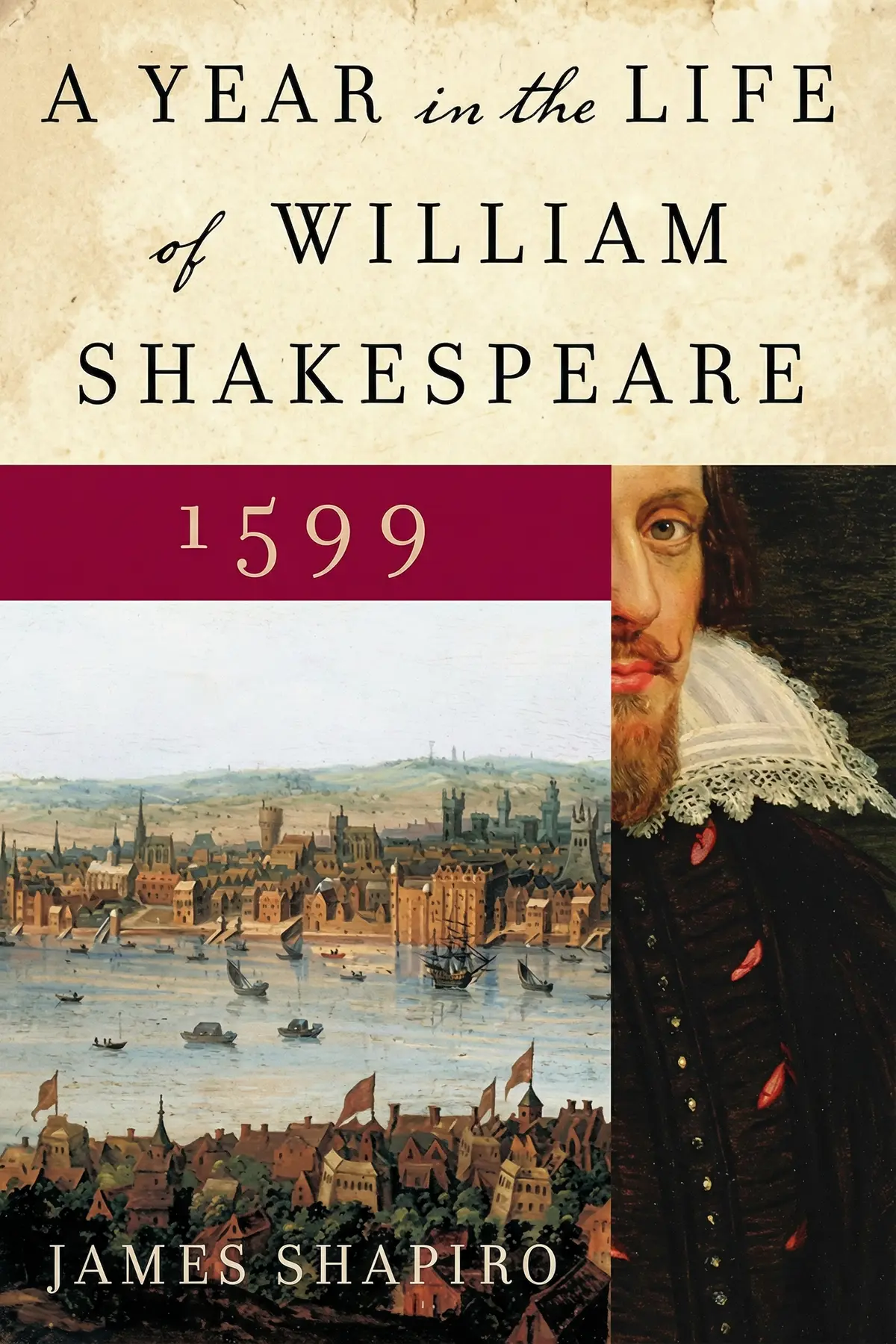
James Shapiro
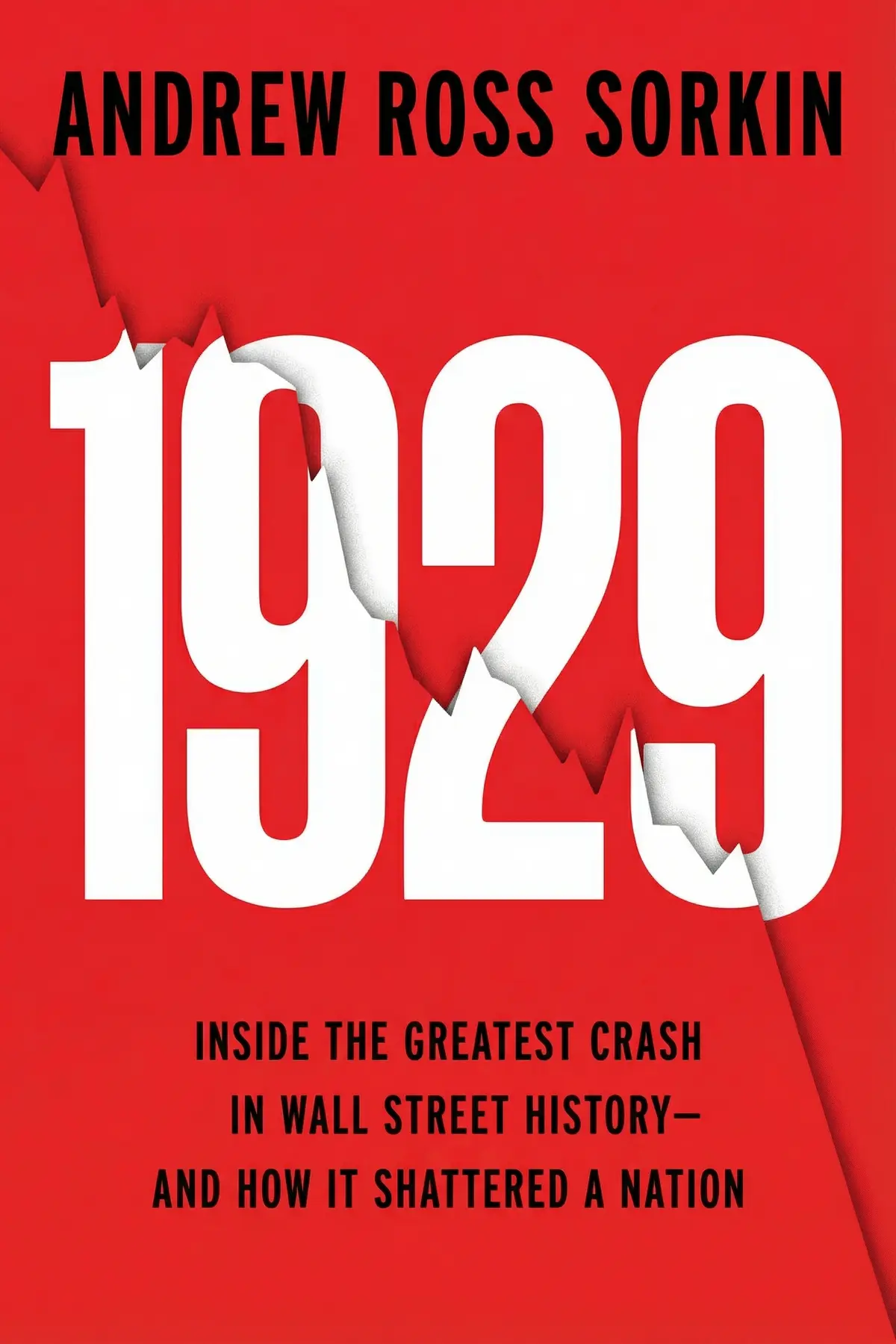
Andrew Ross Sorkin
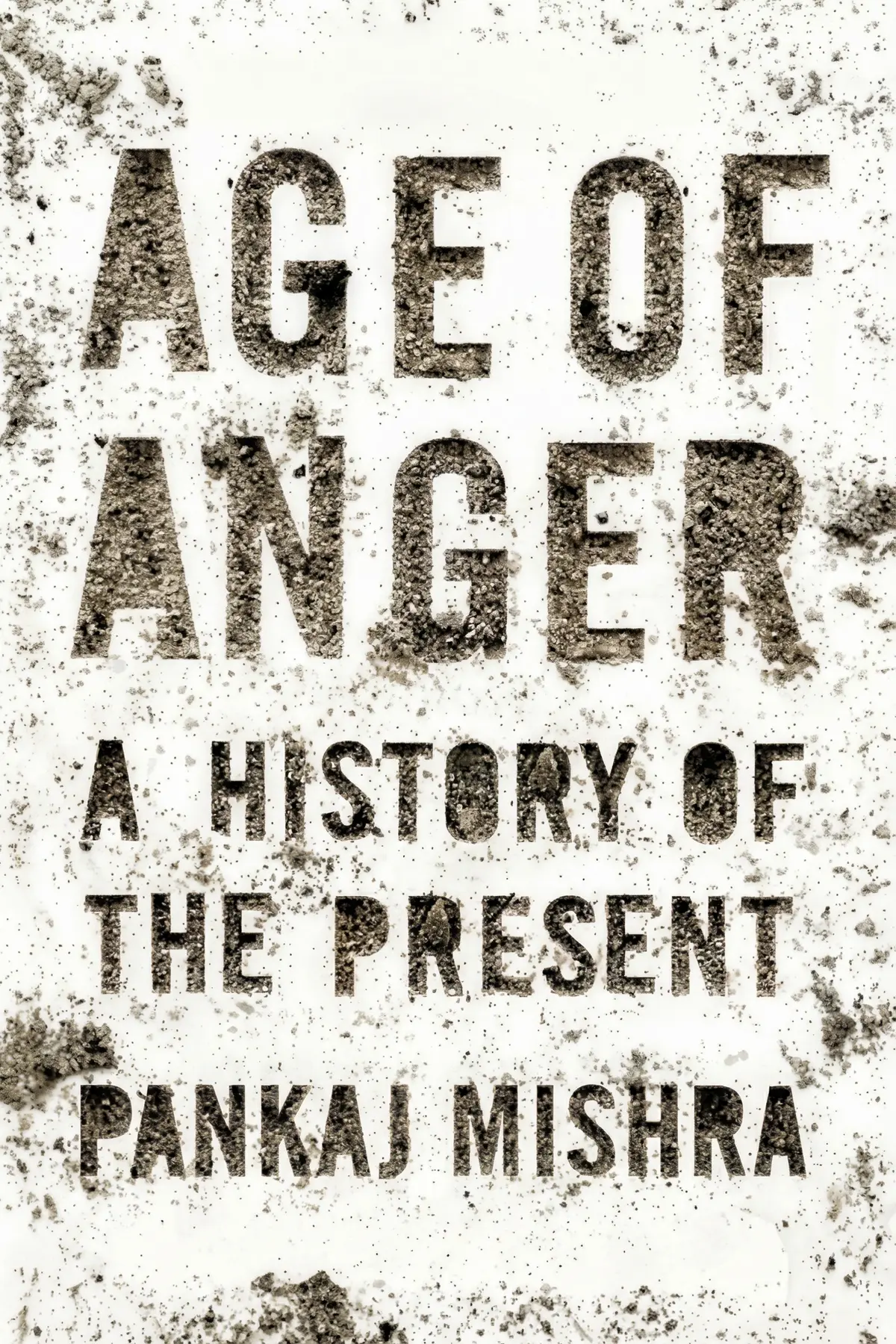
Pankaj Mishra

Fay Bound Alberti

Ben Macintyre
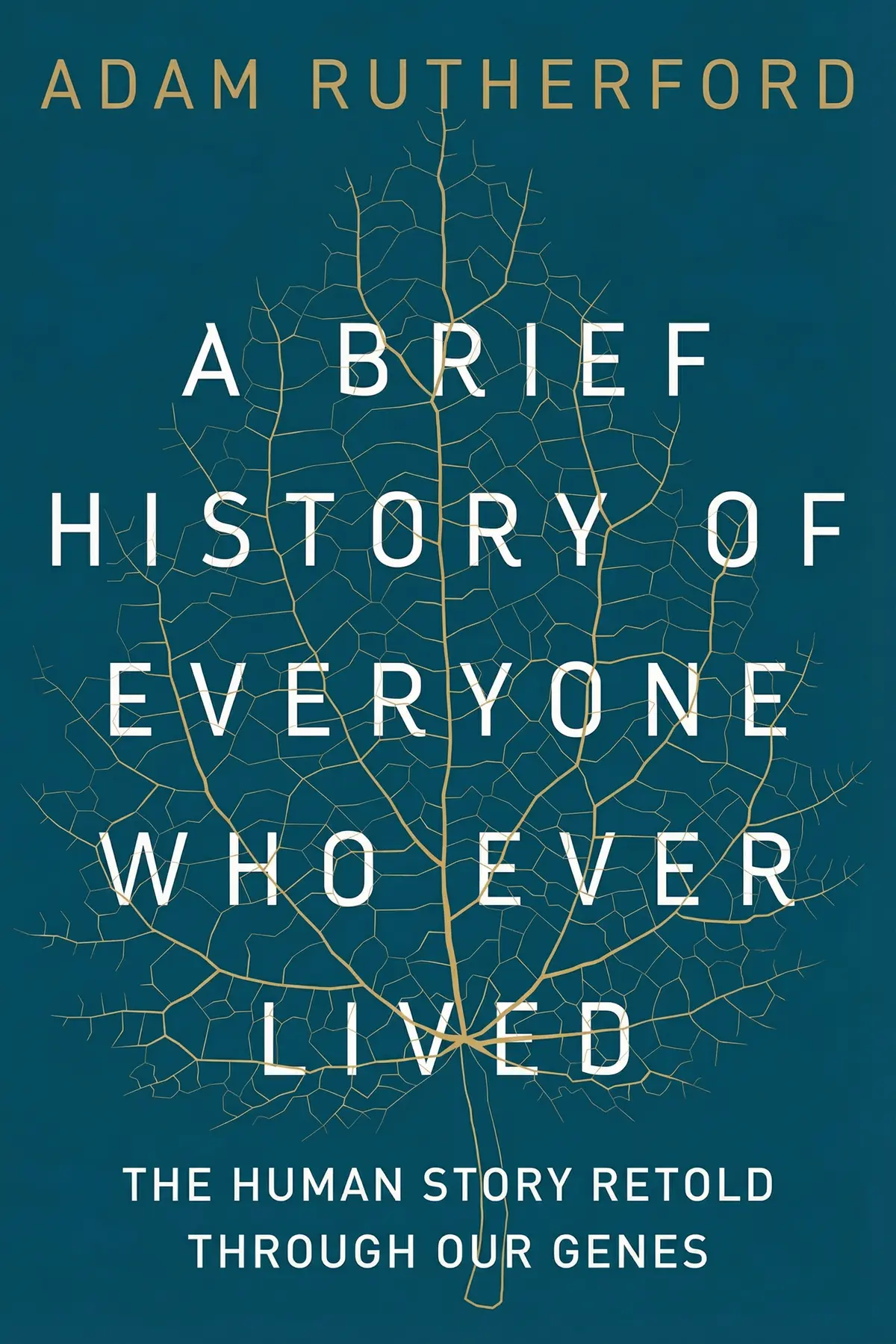
AUDIO SUMMARY AVAILABLE
Get the key ideas from Lesser Beasts by Mark Essig, plus 5,000+ more titles in English and Thai.







