
Afropean: Notes From Black Europe
Johny Pitts
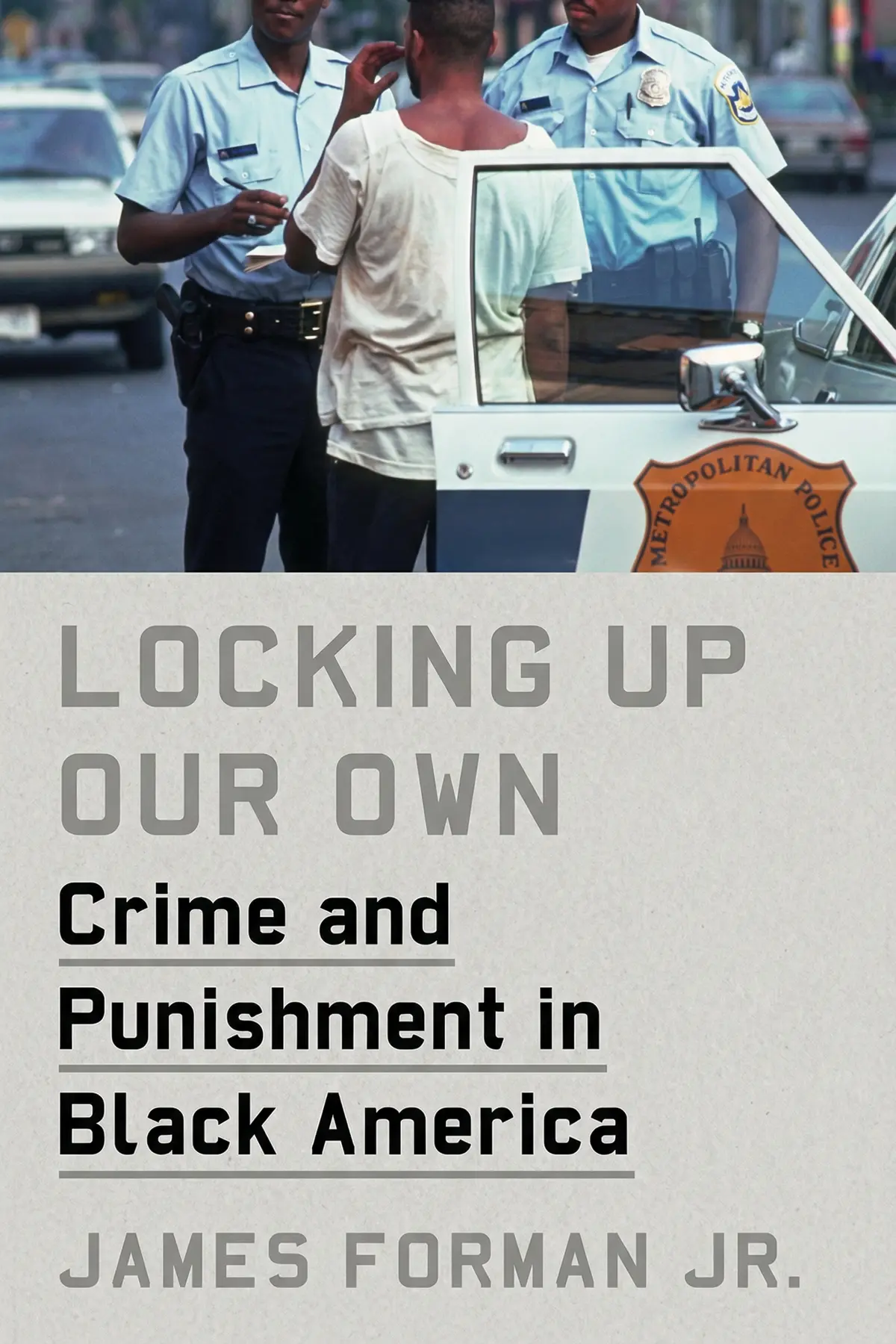
Locking Up Our Own explores the complex history of the American justice system, revealing how Black leaders and communities in Washington, D.C., shaped the very policies that led to mass incarceration.
1 min 34 sec
When we discuss the crisis of mass incarceration in America today, the conversation often centers on systemic racism imposed from the outside. However, there is a much more complicated and painful layer to this history. In Washington, D.C., during the 1970s, 80s, and 90s, the city wasn’t just a backdrop for federal policy—it was a laboratory for local leadership. At a time when the city was majority Black and led by Black officials, some of the harshest criminal justice measures in the country were not only passed but actively championed by the very people they were meant to protect.
This creates a challenging paradox. Why would a community that had fought so hard for civil rights turn toward punitive measures that would eventually result in the disproportionate imprisonment of its own young men? To understand this, we have to look at the atmosphere of the era: a time when neighborhoods were being hollowed out by addiction and gun violence. This summary explores that tension through the work of James Forman Jr., examining the pivotal moments where the desire for safety and the demand for accountability led to a system that many now recognize as deeply flawed.
Over the next few minutes, we will trace the evolution of these policies, from the early debates over marijuana and heroin to the aggressive ‘warrior policing’ of the crack epidemic. We will see how African American leaders were forced to make impossible choices with limited resources, and how those choices helped build the modern machinery of punishment. This is a story of unintended consequences, tragic irony, and the ongoing struggle to define what true justice looks like for a community in crisis.
2 min 05 sec
Explore how the devastating legacy of the heroin epidemic led Black leaders in the 1970s to reject early attempts at softening marijuana laws out of fear for their community’s future.
2 min 01 sec
Witness the internal struggle within D.C.’s leadership as they debated whether strict gun bans would protect Black citizens or leave them defenseless against violence.
1 min 54 sec
Learn why the hard-won inclusion of Black officers in the police force failed to solve the problem of police brutality and sometimes even intensified aggressive enforcement.
1 min 55 sec
Discover how political pressure and public outrage in the early 1980s led to a landslide vote for mandatory sentencing, fundamentally altering the judicial landscape.
1 min 45 sec
Examine the devastating impact of crack cocaine and how it transformed urban policing into a militarized conflict, treating entire neighborhoods as enemy territory.
2 min 05 sec
Follow the development of ‘stop and search’ tactics under Eric Holder, and see how these strategies deepened the divide between the law and the community.
1 min 33 sec
The history of criminal justice in Washington, D.C., is not a simple story of villains and victims. As we have seen through the insights of James Forman Jr., it is a complex narrative where the desire for safety and the fight for civil rights often led to policies that decimated the very communities they were intended to save. The Black leaders of the 1970s and 80s were not trying to build a system of mass incarceration; they were trying to respond to the very real and terrifying crises of heroin, guns, and crack cocaine. They were using the limited tools they had—punishment and police—because the broader resources for education, healthcare, and economic justice were consistently denied to them.
The lesson for us today is that ‘tough on crime’ measures are often a shortcut that leads to a dead end. By prioritizing incarceration over addressing root causes, the city created a system that marginalized generations of young Black men and failed to provide lasting peace. Moving forward, we must recognize that true safety cannot be built on a foundation of surveillance and punishment alone. It requires a more nuanced approach that embraces empathy, invests in people, and acknowledges the historical context of the policies we create. As we rethink our justice system, we must ensure that the mistakes of the past—where the cry for help was met with a prison cell—are not repeated. True justice is not just the absence of crime, but the presence of opportunity and equity for everyone.
This book provides a profound look into the difficult choices made by African American judges, politicians, and police officers in the late twentieth century. It examines why a community disproportionately harmed by crime often advocated for the very 'tough on crime' measures that ultimately fueled the rise of the carceral state. James Forman Jr. uses Washington, D.C., as a lens to view the national crisis of mass incarceration, detailing the rise of heroin and crack cocaine, the struggle for gun control, and the transformation of policing. By following this narrative, you will gain a nuanced understanding of how good intentions and a desperate need for safety merged with systemic racism to create a devastating outcome. The promise of this summary is to reveal the tragic irony of the justice system: that the fight for civil rights and the fight for safe streets sometimes led to the same oppressive destination, and why we must now look toward empathy and structural reform to find a way out.
James Forman Jr. is an author, professor of law at Yale Law School and the cofounder of the Maya Angelou Public Charter School in Washington, DC. He has written for the New York Times, the Atlantic and many law periodicals.
Listeners find the book accessible and skillfully crafted, featuring deep research that offers a wide array of historical facts concerning mass incarceration. They view the work as remarkably perceptive and pertinent, with one listener observing that it provides encouraging direction for the years ahead. The prose is positively received, and listeners value the high-quality presentation. Feedback regarding the narrative quality is somewhat divided.
Finally got around to reading this Pulitzer winner and I’m still processing the sheer depth of it. Forman doesn’t just repeat the usual talking points about systemic racism from the top down; instead, he dives into the messy reality of local politics. It was eye-opening to see how Black mayors and police chiefs in cities like D.C. actually advocated for harsher sentences to protect their own neighborhoods from violence. The writing is incredibly clear and avoids the dense academic jargon that usually plagues these types of deep dives. Personally, I found the section on the heroin epidemic versus the crack era to be a masterclass in historical context. It’s a gut-wrenching read, especially when you realize these leaders often had the best intentions while accidentally building a cage for their community. This is essential reading for anyone who thinks they already understand the 'war on drugs' because the truth is much more complicated than a simple soundbite.
Show moreWhat struck me most was the tragic irony contained within these pages. We see well-meaning community leaders fighting for gun control and drug laws, only to watch those same laws disproportionately ruin the lives of young Black men. The chapter about the judge invoking MLK's legacy while sentencing a teenager to juvenile detention will stay with me for a long time. It highlights a generational divide in the Black community that rarely gets explored in mainstream media. Forman’s research is clearly thorough, pulling from decades of D.C. history to show how we got here. My only minor gripe is that the focus stays very narrow on the District, though he does touch on Atlanta and Detroit occasionally. It’s an accessible, well-written account that challenges you to think beyond slogans. If you want to understand the 'why' behind our current prison crisis, start here.
Show moreWow. This was not what I expected at all. I thought I knew the story of mass incarceration, but Forman adds so many layers of complexity that I feel like I'm seeing the issue for the first time. The stories of individual defendants are heartbreaking and serve as a necessary anchor for the historical data. Frankly, it’s hard to read about the lost opportunities for rehabilitation without feeling a deep sense of frustration. The book explores how the legal system became the only tool people thought they had to fix social problems like addiction and poverty. I loved how the author didn't shy away from the contradictions of Black police officers being even harsher on their own community to prove a point. It’s a dense read but remains very accessible to a general audience. This is a brilliant, well-researched piece of work.
Show moreEver wonder how a country becomes the 'world’s greatest jailer' without everyone noticing it happen in real-time? Forman answers that by looking at the small, mundane decisions made at the city level over several decades. He illustrates how citizens complained about needles in alleys, and politicians responded with police instead of public health resources. It’s a tragic cycle where the community's cry for help was met with a pair of handcuffs. The author’s tone is empathetic yet rigorous, showing how even 'good-intentioned' policies can create a monster. I particularly liked the analysis of gun control and how it eventually became another tool for over-policing the poor. While the book is mostly focused on the past, it provides some much-needed hopeful guidance for how we might begin to dismantle these structures. A truly excellent look.
Show morePick this up if you’re ready to have your assumptions challenged. I've read a lot on this topic, but the focus on the internal dynamics of Black leadership in the 70s and 80s was new to me. Forman is a fantastic writer who knows how to weave personal anecdotes from the courtroom into larger historical trends. You really feel the weight of his experience as a public defender in every chapter. He doesn't let anyone off the hook, but he also explains the impossible positions these leaders were in at the time. The detail about the 1976 gun ban in D.C. was a highlight for me, showing the disconnect between policy goals and reality. It’s a thorough research piece that remains readable and deeply moving. We need more books like this that aren't afraid to look at complexity.
Show moreThis book is a necessary companion to 'The New Jim Crow,' offering a layer of nuance that is often missing from the national conversation. Forman writes from his perspective as a public defender, which gives the text a grounded, human feel. He details how the rise of Black political power in D.C. coincided with a desperate plea for safety from citizens tired of crime. I was particularly fascinated by the history of Black police officers and how their presence didn't immediately fix the issue of police brutality. Sometimes the prose feels a bit utilitarian and dry, but the facts are so compelling that it hardly matters. Truth is, we often overlook the 'mundane decisions' made by city councils that paved the way for mass incarceration. While it’s a heavy subject, there’s a sense of hopeful guidance here for future policy reform. Definitely worth the time for the historical perspective alone.
Show moreAfter hearing so much about this book, I’m glad I finally sat down with it. It’s a sobering look at how the 'war on drugs' wasn't just imposed from the outside but was sometimes invited in by those looking for a solution to rampant violence. Forman does an excellent job of showing the 'best wisdom of the time' and how it backfired so spectacularly. The way he breaks down 'Operation Clean Sweep' and the motor vehicle version of stop-and-frisk was particularly enlightening. It’s not just a history lesson; it’s a cautionary tale about how fear can drive us to support policies that eventually destroy our social fabric. The narrative quality is solid, though some might find the heavy focus on D.C. a bit limiting if they want a broader national view. Still, the insights into the 'bricks that built our prison nation' are invaluable.
Show moreAs someone who lives near D.C., I recognized so many of the names and places mentioned, which made the history feel incredibly immediate. Forman tracks the shift from the heroin epidemic of the 60s to the crack era of the 80s with remarkable precision. He explains how the desire for 'Home Rule' and self-governance led Black leaders to adopt tough-on-crime stances to prove they could maintain order. It’s a complicated narrative that avoids easy villains, which I think is its greatest strength. Sometimes the legal explanations got a bit long-winded, but the underlying stories of the people trapped in the system kept me engaged. The book successfully argues that we can't just look at federal laws; we have to look at the daily, local choices that shaped our cities. It’s an insightful read that left me thinking.
Show moreIn my experience, books on the criminal justice system can be overly academic, but this was surprisingly easy to read. Forman avoids a lot of the usual fluff and gets straight to the heart of how local politics fueled mass incarceration. The discussion on mandatory minimums and how they were often supported by Black activists was a real eye-opener for me. It shows how the fear of drugs like crack led to a 'bipartisan bidding war' that prioritized punishment over any form of meaningful treatment. My only critique is that the ending felt a little rushed compared to the meticulous detail of the earlier chapters. However, the overall message about the need for systemic reform is loud and clear. It's a timely and relevant book that everyone should probably read at least once. It really helps you understand the whole picture.
Show moreTo be fair, I went into this expecting a bit more stylistic flair given the Pulitzer win, but it’s a very straightforward, almost clinical account. Not gonna lie, it felt a bit repetitive in the middle sections when discussing mandatory minimums and the 'bipartisan bidding war.' However, the core argument about Black agency in the creation of the carceral state is something I hadn't fully considered before. It raises difficult questions about blame and whether it’s fair to single out Black leaders for a problem that was ultimately national and anti-Black at its core. I appreciated the specific case studies from Forman's time as a public defender, though I wish there were more of them to break up the policy talk. It’s an important book, for sure, but maybe a bit narrow in its geographical scope for my taste. If you're looking for a quick, flashy read, this isn't it.
Show moreJohny Pitts
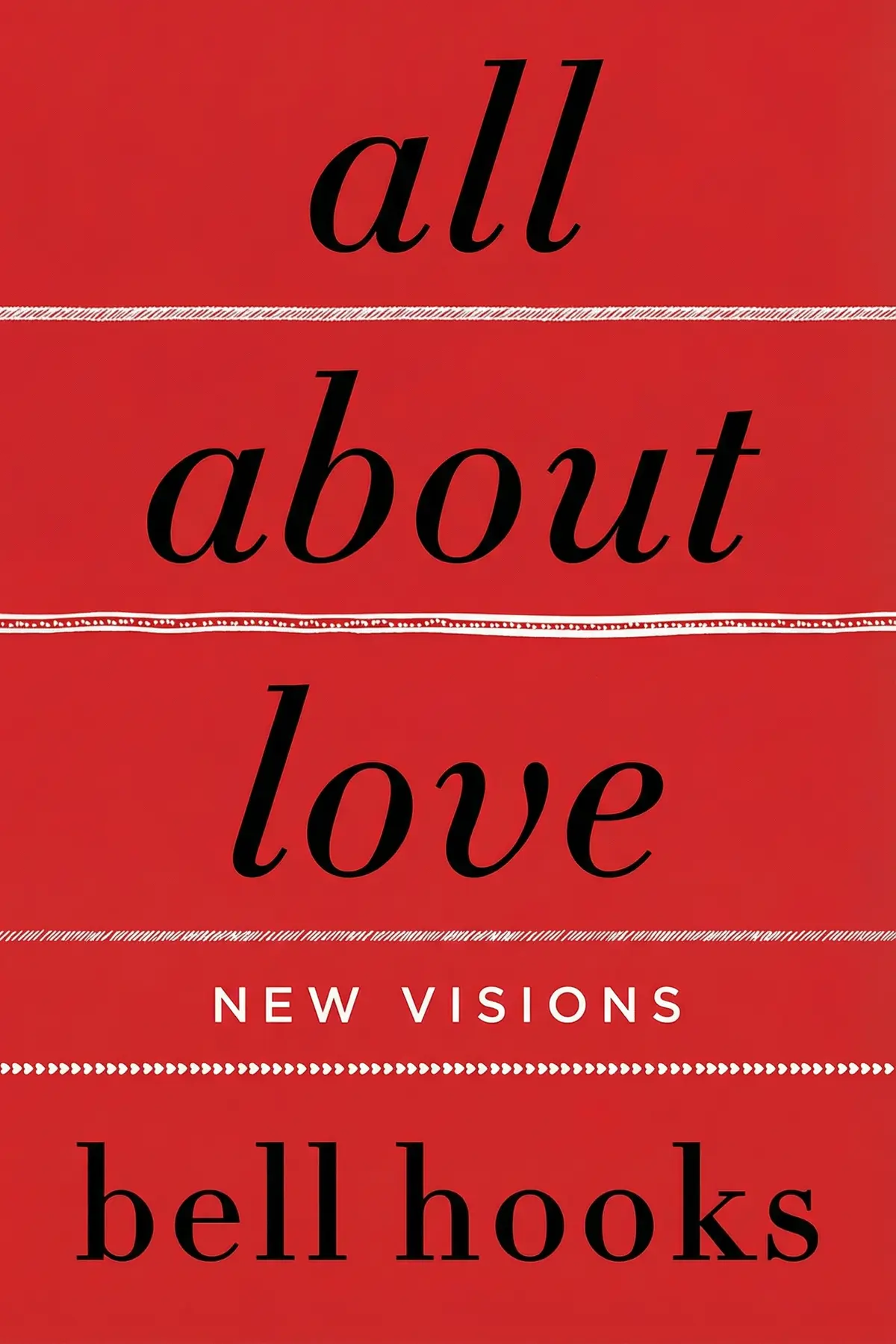
bell hooks


Fay Bound Alberti
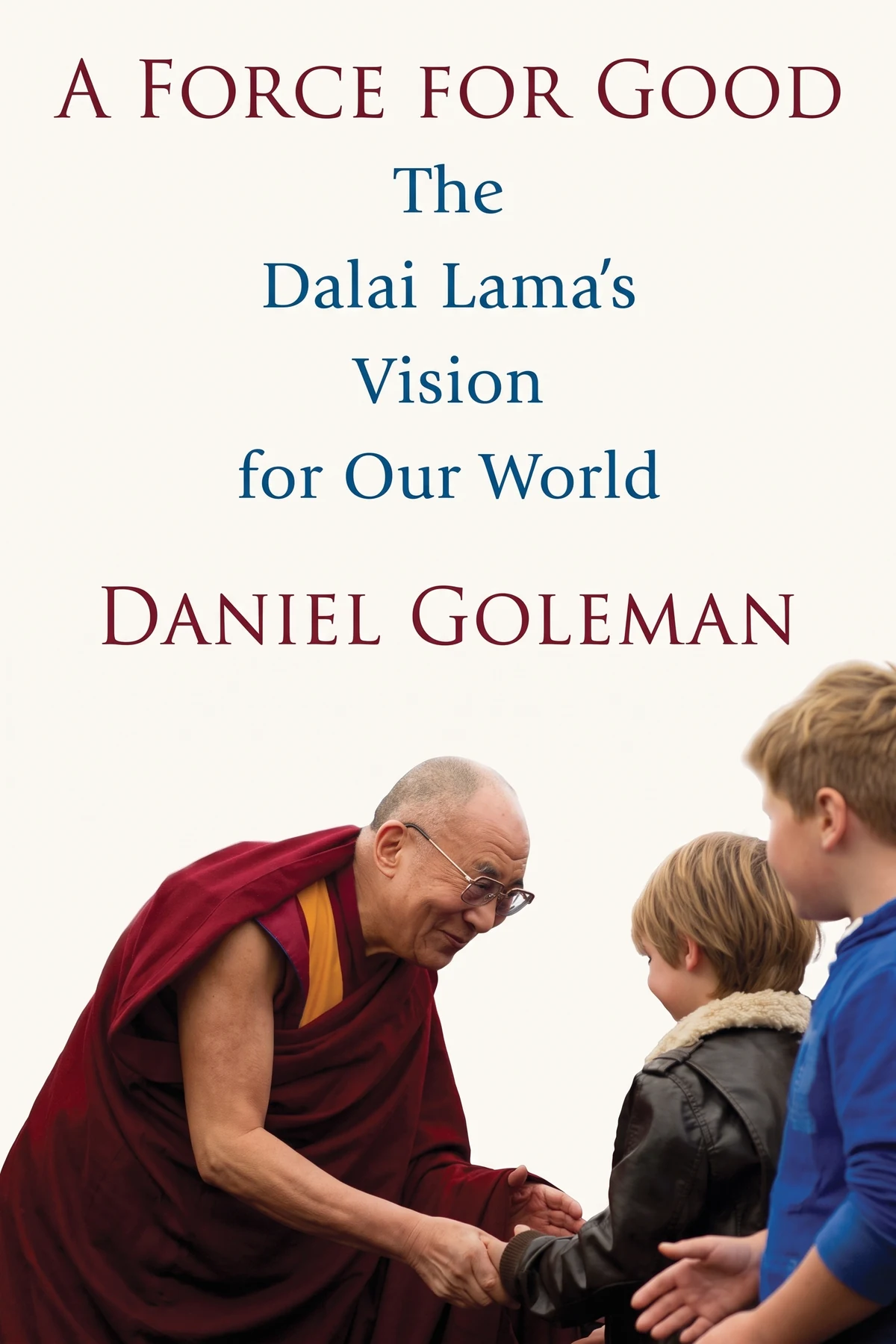
Daniel Goleman
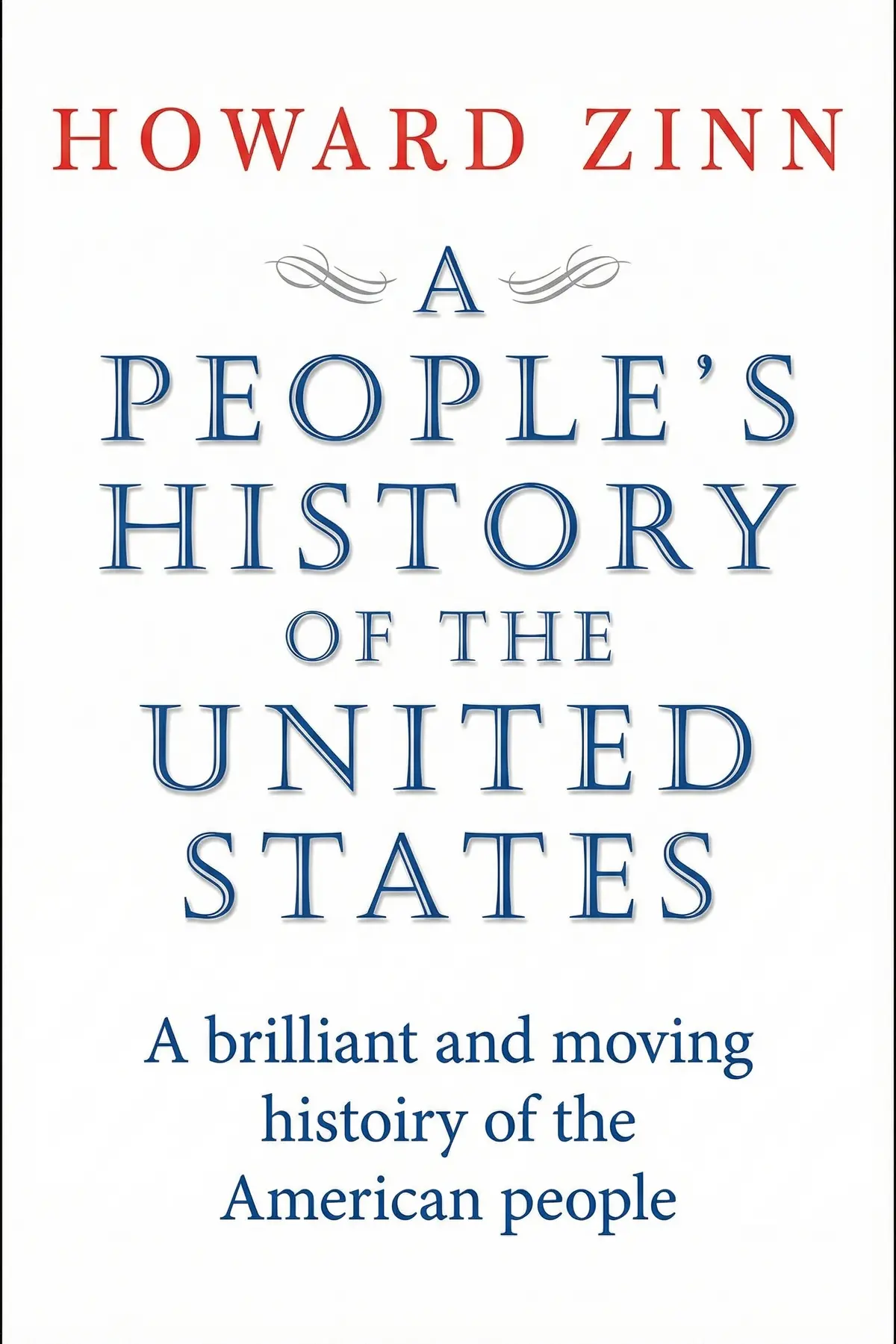

Virginia Woolf
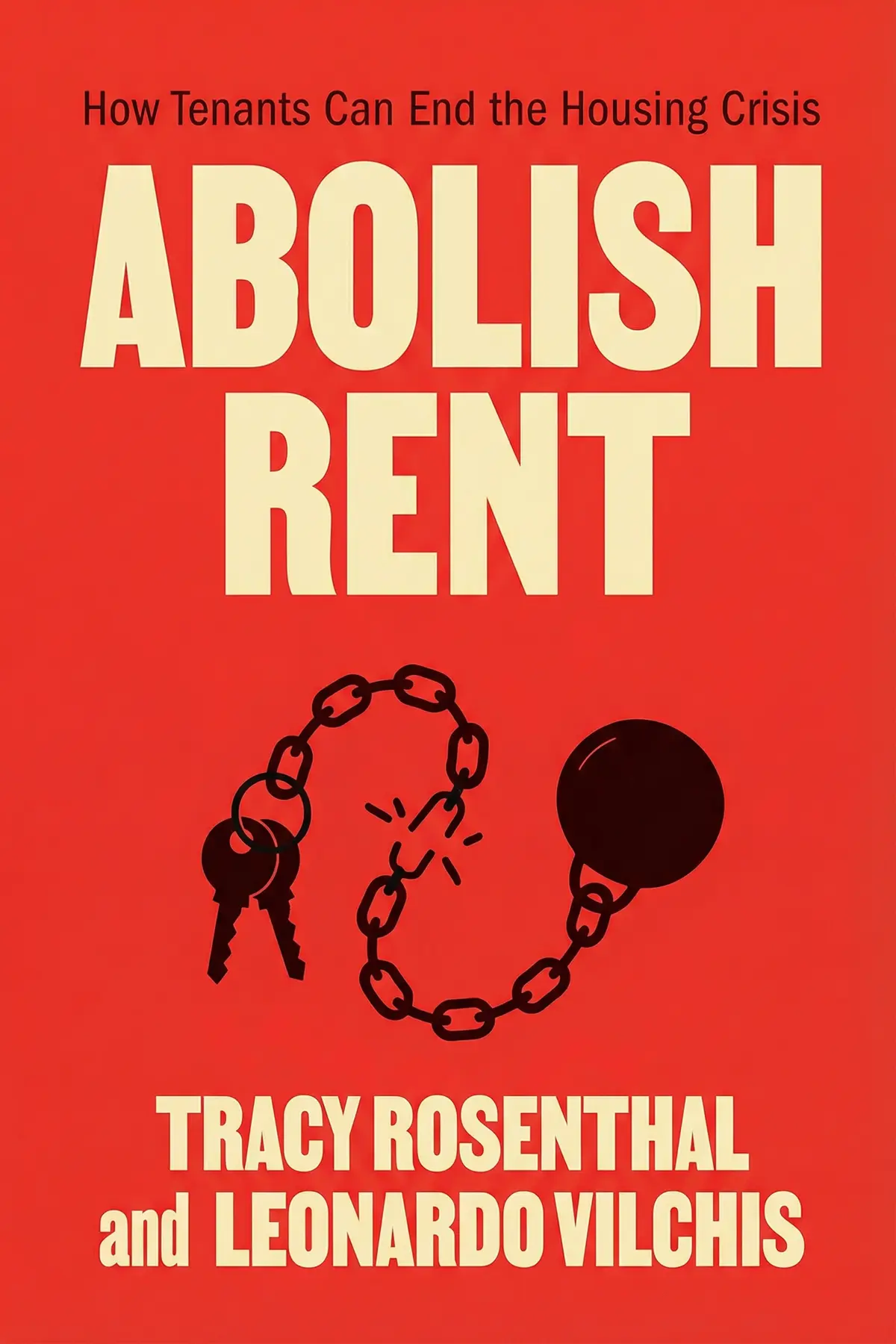
Tracy Rosenthal
Jessica Valenti
AUDIO SUMMARY AVAILABLE
Get the key ideas from Locking Up Our Own by James Forman Jr., plus 5,000+ more titles in English and Thai.







