
11 min 47 sec
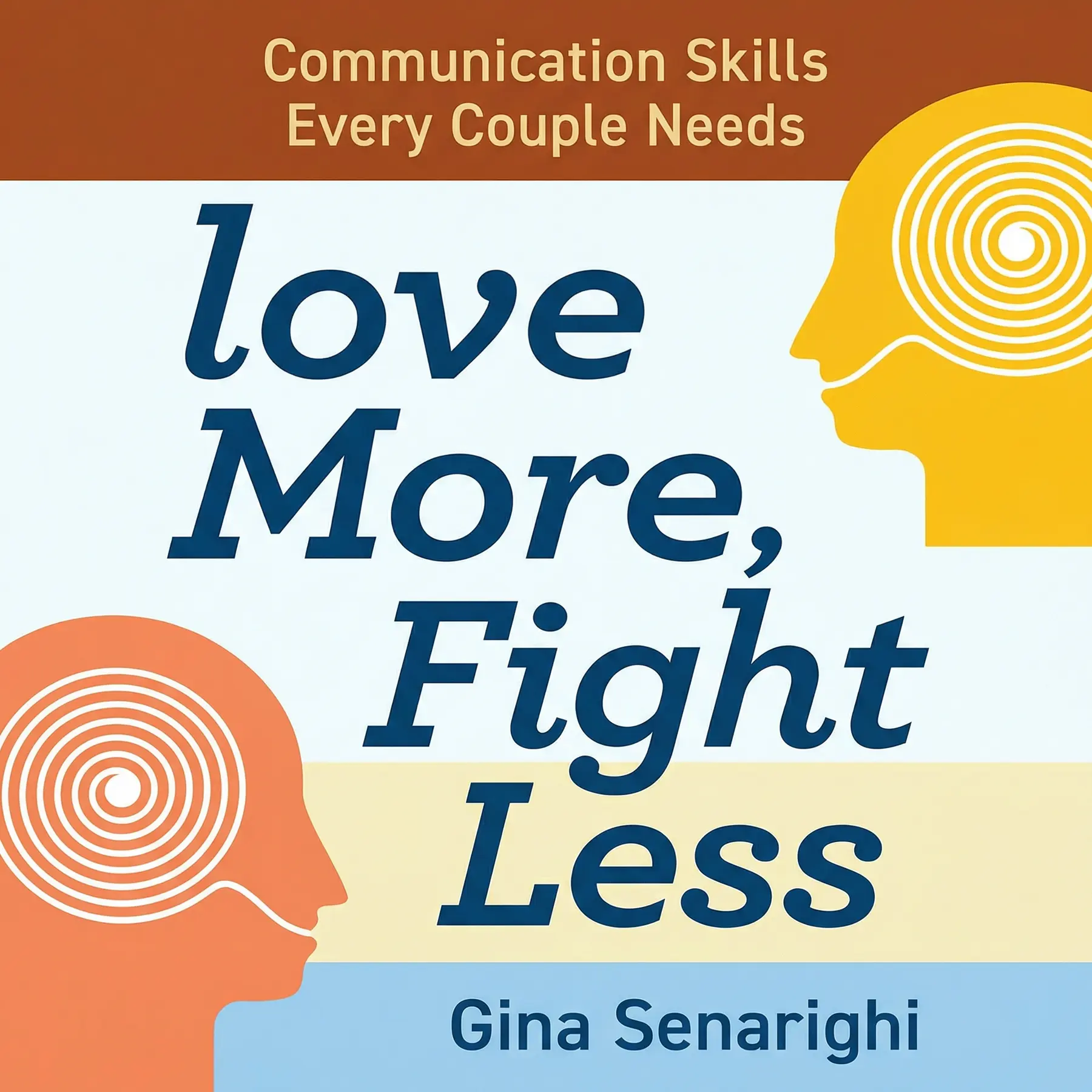
Love More, Fight Less: Communication Skills Every Couple Needs
Love More, Fight Less offers a practical roadmap for couples to transform conflict into connection through actionable communication strategies, focusing on the most common relationship hurdles like intimacy, finances, and family dynamics.
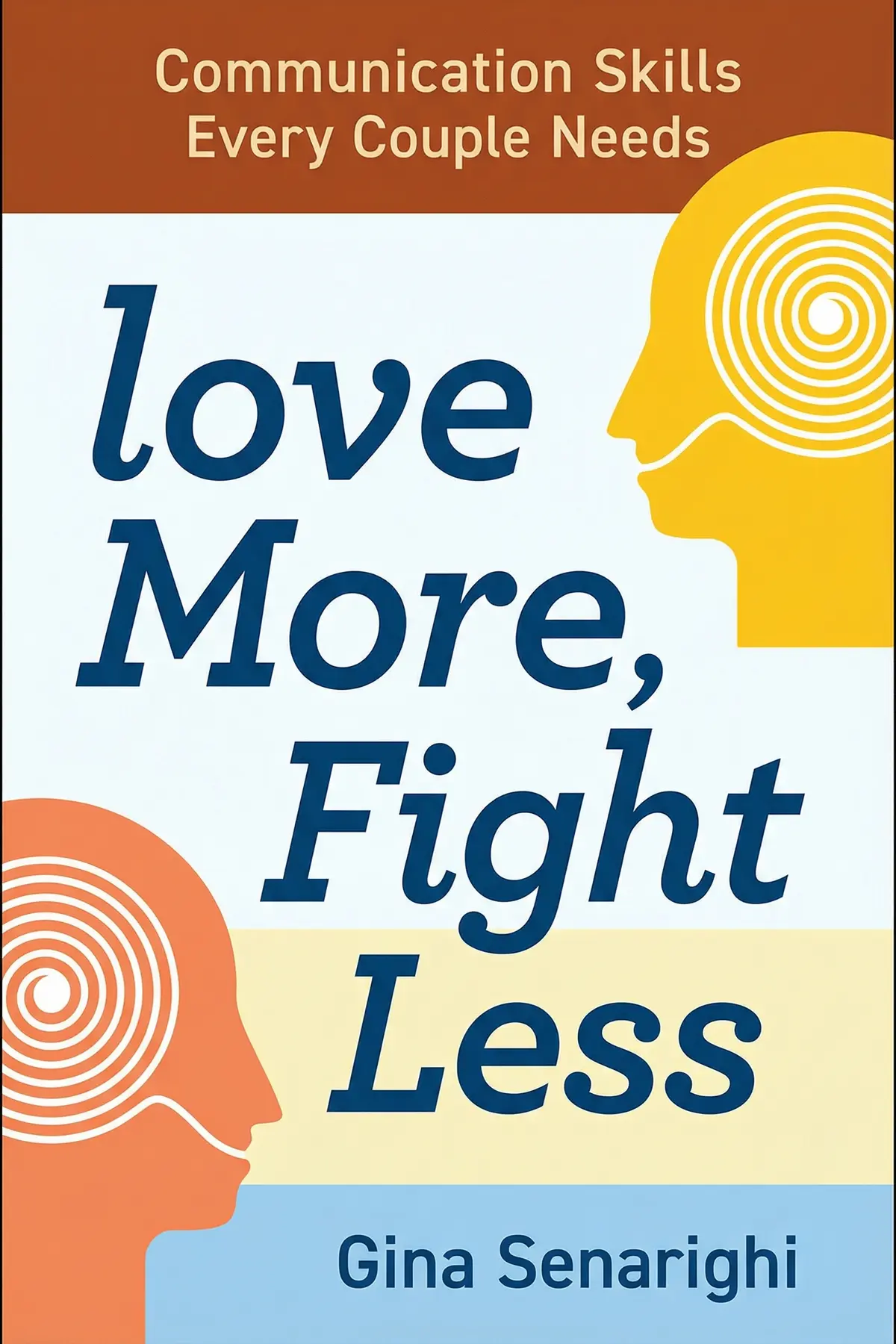
Table of Content
1. Introduction
1 min 41 sec
Every partnership, no matter how strong its foundation, will eventually encounter the friction of disagreement. It is a universal truth of human connection: when two distinct lives merge, conflict is inevitable. However, a common misconception is that the presence of fighting signals a failing relationship. In reality, the difference between a couple that drifts apart and one that grows closer lies not in the absence of conflict, but in the possession of the tools necessary to navigate it. Most of us enter our most intimate commitments without ever having been formally taught how to communicate effectively. We rely on habits observed in childhood or pick up defensive strategies along the way that may actually hinder the closeness we crave. This lack of equipment can make even small disagreements feel like major threats to our security.
Whether you are in a long-term marriage, a fresh dating relationship, or a complex partnership across any spectrum of identity, the goal is the same: to move from a place of reactive defense to a place of proactive love. The journey ahead isn’t about eliminating every argument; it’s about learning to hold those moments of tension with grace and curiosity. We are going to explore a framework that addresses the core stressors most couples face, specifically looking at how we manage our physical reactions to stress, how we talk about our physical needs, how we align our financial lives, and how we set boundaries with the families who raised us. By the end of this exploration, the throughline will be clear: communication is a skill that can be practiced, refined, and mastered, turning every challenge into a bridge toward deeper understanding.
2. Recognizing the Internal Alarm System
2 min 12 sec
Discover how your body signals emotional distress before your mind even realizes you’re in a conflict, and learn the vital art of the intentional pause.
3. Reclaiming Intimacy Through Accountability
2 min 22 sec
Learn how to bridge the gap in your physical connection by moving away from blame and toward a more holistic view of closeness.
4. Financial Harmony Through Curious Inquiry
2 min 06 sec
Transform money arguments by replacing harsh judgments with deep curiosity and a shared emotional vocabulary.
5. Navigating the Influence of Family Patterns
2 min 04 sec
Uncover how to break repetitive cycles of conflict involving in-laws by identifying your relationship’s unique flowcharts and vulnerability triggers.
6. Conclusion
1 min 22 sec
The path to a more loving and less combative relationship is not paved with grand, once-in-a-lifetime gestures, but with the small, daily choices we make in how we speak and listen. We have explored the necessity of self-awareness, the power of accountability in intimacy, the role of curiosity in finances, and the importance of breaking generational cycles. Each of these areas requires a commitment to the process and a significant amount of patience. Change does not happen overnight, and there will be moments where you revert to old habits. The key is to be compassionate with yourself and your partner as you navigate this learning curve.
One of the most practical ways to ensure success is to be mindful of the environment in which you hold these difficult conversations. If you find yourself on the verge of a deep discussion while you are hungry, exhausted, or already irritated by the day’s events, the wisest move is to wait. Addressing physical needs first provides the emotional bandwidth required to use the skills we’ve discussed. By treating communication as a shared craft that you are both apprenticing in, you transform conflict from a threat into a teacher. You are no longer just reacting to life’s stressors; you are intentionally building a connection that can weather them all. The work is ongoing, but the reward—a relationship defined by understanding and genuine closeness—is well worth the effort.
About this book
What is this book about?
This guide serves as a manual for navigating the often-turbulent waters of long-term partnership. It moves beyond theoretical advice to provide specific, concrete skills designed to de-escalate arguments and foster deep, lasting intimacy. By focusing on three primary areas of friction—sexual desire, financial habits, and extended family interactions—it demonstrates how couples can pivot from a defensive stance to one of mutual support and accountability. The promise of the book is that conflict does not have to be the end of a relationship or even a sign of its failure. Instead, through the development of self-awareness and a shared emotional vocabulary, disagreements can become opportunities for growth. It encourages partners to view themselves as a team working against a problem rather than opponents fighting each other, ultimately building a more resilient and loving bond through intentionality and practice.
Book Information
About the Author
Gina Senarighi
Gina Senarighi PhD, CPC is a dedicated couples and sexuality counselor as well as a certified relationship coach. She holds a master’s degree in counseling psychology and a PhD in religious studies with a focus on pastoral counseling. Love More, Fight Less marks her debut as an author, bringing her professional expertise into an accessible format for all couples.
Ratings & Reviews
Ratings at a glance
What people think
Listeners find the workbook both useful and stimulating, with one noting how it facilitates productive conversations and another mentioning the insightful nature of the exercises. It also receives praise for providing relationship assistance, as one listener shares how it fostered a better connection with their partner, alongside its focus on communication advice. Furthermore, listeners appreciate the accessible writing style and the many activities, with one highlighting its effectiveness as a tool for weekly couple check-ins. However, perspectives on information quality are varied, as several listeners feel that vital details are absent. Views on value for money are also split between those who see it as a worthwhile investment and those who feel it was a waste of money.
Top reviews
Nannapat
This workbook is a complete game-changer for anyone feeling stuck in the same old circular arguments. Senarighi provides 30 specific skills that actually feel doable, rather than just vague psychological advice. My partner and I found the sections on financial habits particularly eye-opening because it shifted us from judging to staying curious. We’ve started using the 'ask, don’t judge' rule every time a bill comes due, and the tension has dropped significantly. It’s not just a book you read; it’s something you actively do together to build a better foundation. If you’re willing to put in the effort, the results are immediate and very rewarding.
Show moreGrace
As someone who tends to shut down during conflict, the chapter on recognizing physical distress was a literal lifesaver. Learning to identify when my body is getting tense allows me to call for a timeout before I say something I regret later. My husband and I worked through the in-laws scenario last Sunday, and it helped us see that our families aren't 'wrong,' just different. The 30 skills are categorized perfectly, making it easy to flip to a specific page when a certain issue arises. I love how the author normalizes conflict as a part of a healthy relationship rather than a sign of failure. This is now my go-to wedding gift for all my friends.
Show moreFrida
After hearing so many people rave about Senarighi’s approach, I finally understood why this book is so popular. It validates the fact that even the best couples struggle, which took a lot of the shame out of our recent arguments. The 'assume the best' skill is something we now practice daily, and it has completely changed the vibe in our household. We really appreciated the diverse representation in the examples, including different types of couples and various lifestyles. It’s inclusive, kind, and incredibly practical for anyone wanting to level up their communication game. This book has become a permanent fixture on our nightstand for whenever we need a quick refresh.
Show moreOtt
Ever wonder why you and your spouse keep fighting about the same three things every single week? This guide doesn't just identify the problems; it gives you the actual script to change the outcome. I particularly appreciated the green boxes with discussion notes, as they provided a structured way to talk without things blowing up. While some of the scenarios felt a bit repetitive by the end, the initial lessons on emotional intentions were worth the price alone. Truth is, we didn't relate to every case study, but the ones about intimacy and household chores hit home. It’s a solid resource for couples who want to stop the shouting and start the understanding.
Show moreScarlett
Wow, this was much more practical than I anticipated when I first saw the title. The author breaks down complex relationship dynamics into 29 different scenarios, ranging from money management to sexual intimacy. Not gonna lie, some of the exercises felt a bit cheesy at first, but once we actually tried them, they worked. Stating emotional intentions before a conversation prevents so much unnecessary defensiveness and helps us stay on the same team. I do think some sections could have used more depth, as a few solutions felt a little oversimplified for complex issues. Still, it’s a very helpful tool for maintaining a healthy connection through the inevitable ups and downs of life.
Show moreDavid
Looking for a way to stay connected during a busy season of life led me to this workbook. We’ve started using it for a weekly check-in, and the structured activities help us address small frustrations before they turn into huge blowouts. The emotional vocabulary list was particularly helpful for my partner, who usually struggles to put his feelings into words. While the writing style is very simple and easy to digest, some might find it a bit too elementary if they’ve done therapy before. Regardless, the focus on accountability instead of accusation is a lesson every couple needs to hear periodically. It’s a great way to build intimacy without it feeling like a chore.
Show moreGioia
Finally got around to finishing this, and I have to say the holding space for vulnerability section was the highlight. It provides a clear roadmap for creating safety during those 'tender' conversations that usually end in tears or silence. To be fair, the formatting can be a little clunky in the digital version, so I would recommend buying the physical copy for the drawings. The skills are easy to grasp, but mastering them clearly takes the patience and practice the author emphasizes throughout the text. It’s a solid resource that focuses on the small, daily moments that make or break a long-term partnership. Definitely worth a read for any stage of a relationship.
Show moreWipada
Picked this up hoping for deep insights, but it felt a little bit more like a basic introductory course. The first half is packed with great skills, but the second half seems to recycle those same points through different scenarios. To be fair, the advice on meeting physical needs like hunger before starting a heavy talk is a great reminder. However, I found myself skipping through a lot of the later chapters because they felt redundant after the first few exercises. It’s a decent starting point for new couples, but seasoned partners might find the information a bit thin in places. The Kindle formatting also made it a bit difficult to engage with the workbook charts.
Show moreRoongsak
In my experience, workbooks are only as good as the effort you put in, and this one requires a lot of heavy lifting. The prompts are thought-provoking, but I felt like some crucial information regarding long-term trauma was missing from the discussion. It’s great for 'healthy' couples experiencing minor friction, but it might be out of its depth for high-conflict situations. I appreciated the focus on practical intimacy like sharing chores, though the section on money felt a bit too optimistic. It’s an okay read, but I’ve definitely seen these concepts explained with more heart and depth in other places. A bit too clinical for my personal taste.
Show morePongpan
The chapter on Sex promised a lot but ultimately delivered very little in terms of actual new information. It felt like the author just copy-pasted the same advice about staying curious into every single section of the book. Frankly, I was disappointed by the lack of nuance in the financial advice, which seemed to ignore the reality of living paycheck to paycheck. Many times, the book just tells you to 'see page 86' instead of actually expanding on a point in a new context. It felt rushed and a bit like a collection of blog posts rather than a cohesive, deep-dive workbook. I didn’t find the value for money here, especially compared to other relationship books on the market.
Show moreReaders also enjoyed
AUDIO SUMMARY AVAILABLE
Listen to Love More, Fight Less in 15 minutes
Get the key ideas from Love More, Fight Less by Gina Senarighi, plus 5,000+ more titles in English and Thai.
- 5,000+ titles
- Listen as much as you want
- 7-day free trial
- Cancel anytime







