
12 min 52 sec
Making Great Relationships: Simple Practices for Solving Conflicts, Building Connection, and Fostering Love
By Rick Hanson
Explore the transformative power of self-awareness and empathy in personal connections. This guide offers practical psychological tools to navigate conflicts, express needs clearly, and cultivate deeper, more resilient bonds in every area of life.
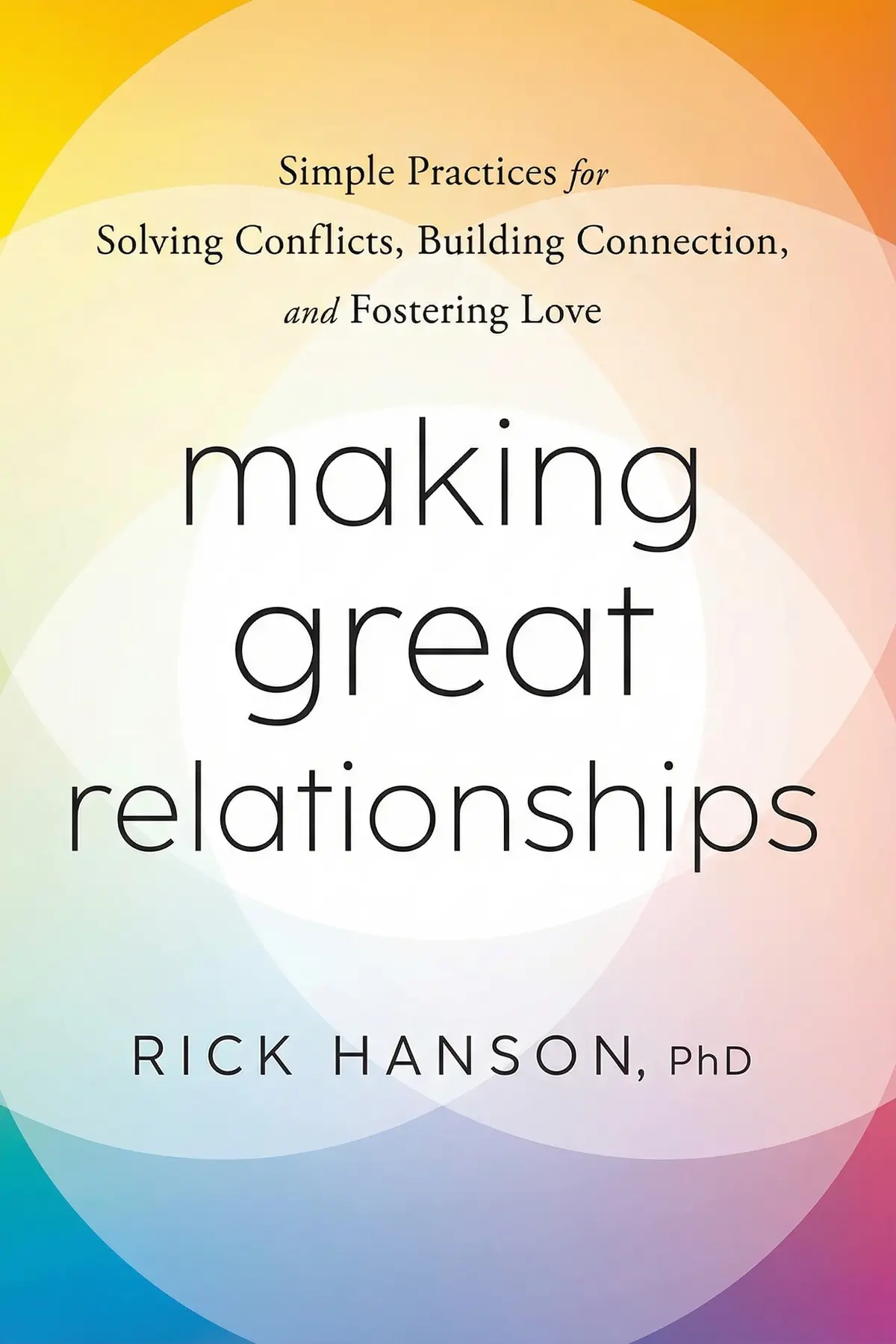
Table of Content
1. Introduction
1 min 39 sec
Every person we encounter, from our lifelong partners to the barista who makes our morning coffee, plays a role in our personal landscape. These connections are the very fabric of our daily existence. When they are flourishing, we feel a profound sense of belonging and vitality. However, when they become strained, they can quickly turn into our greatest source of stress and exhaustion. Too often, we look at a difficult relationship as a fixed problem, something that is happening ‘to’ us, rather than something we are actively participating in.
The journey we are about to embark on is based on a powerful realization: the most effective way to change a relationship is to change yourself. This isn’t about taking the blame for everything that goes wrong, nor is it about letting others walk all over you. Instead, it’s about recognizing that you are the only person in the relationship you can truly manage. By shifting your own habits, reactions, and communication styles, you create a new environment that often compels the people around you to shift as well.
Throughout this discussion, we will explore the ‘inside-out’ approach to connection. We’ll start by looking at how your internal relationship with yourself dictates your external bonds. We will then examine how to bridge the gap between people through empathy and intentional kindness, and how to navigate the inevitable storms of conflict without losing your footing. Finally, we will refine the way you use language to ensure your needs are met and your connections are nourished. The throughline here is simple but profound: by becoming more grounded and self-aware, you unlock the ability to foster love and resolve tension in every corner of your life.
2. Establishing a Supportive Internal Foundation
2 min 38 sec
Discover why the quality of your external connections is deeply rooted in how you treat yourself, and learn how self-advocacy can transform your interpersonal dynamics.
3. Bridging the Gap Through Empathy and Goodwill
2 min 25 sec
Explore the power of active empathy and the strategic importance of making kindness your default setting, even when dealing with the most difficult people in your life.
4. Mastering the Art of Constructive Conflict
2 min 30 sec
Learn how to stay grounded during disagreements, use anger as a diagnostic tool rather than a weapon, and move toward resolutions that actually stick.
5. Strategic Communication and Sustained Growth
2 min 19 sec
Fine-tune your verbal tools to ensure your needs are understood and learn the importance of celebrating small wins to build lasting momentum in your relationships.
6. Conclusion
1 min 21 sec
As we conclude this exploration of human connection, the most important takeaway is that you are not a passive observer in your relationships. You are an active participant with an incredible amount of influence. By turning your focus inward and cultivating a supportive, forgiving relationship with yourself, you create the inner stability necessary to navigate the world with grace. By developing your empathy and practicing intentional kindness, you build bridges where there were once walls.
We’ve seen that conflict is not something to be feared, but a terrain to be navigated with grounding and mindfulness. We’ve learned that our words can be used as precision instruments to express our needs and support the dreams of those around us. This journey toward better relationships doesn’t require a total overhaul of your life overnight. Instead, it’s about the small, daily practices—the deep breaths during a fight, the specific requests for help, and the commitment to see the best in others.
When you take responsibility for your side of the ‘dance,’ you invite others to step up their game as well. You may find that as you become calmer, more empathetic, and more communicative, the people around you start to reflect those qualities back at you. Even if they don’t, you will have the peace of mind that comes from knowing you are acting with integrity and skill. Great relationships are made, not found, and you now have the toolkit to start building yours today.
About this book
What is this book about?
Making Great Relationships serves as a comprehensive manual for mastering the internal and external skills required for healthy social dynamics. The core premise is that while we cannot dictate how others behave, we have absolute agency over how we relate to them. This shift from external blame to internal mastery is the book's primary promise. By focusing on the one element within our control—ourselves—we can fundamentally alter the chemistry of our interactions, from intimate partnerships to professional collaborations. The content addresses the common psychological hurdles that create distance between people, such as neglected self-care, unexpressed desires, and the destructive potential of uncontrolled anger. It offers a path forward through specific mindfulness practices, emotional regulation, and precise verbal strategies. The goal is not merely to avoid arguments, but to build a foundation of authentic connection and mutual respect. Ultimately, it teaches how to handle the inevitable frictions of human life with grace, ensuring that our connections become a source of strength rather than a drain on our energy.
Book Information
About the Author
Rick Hanson
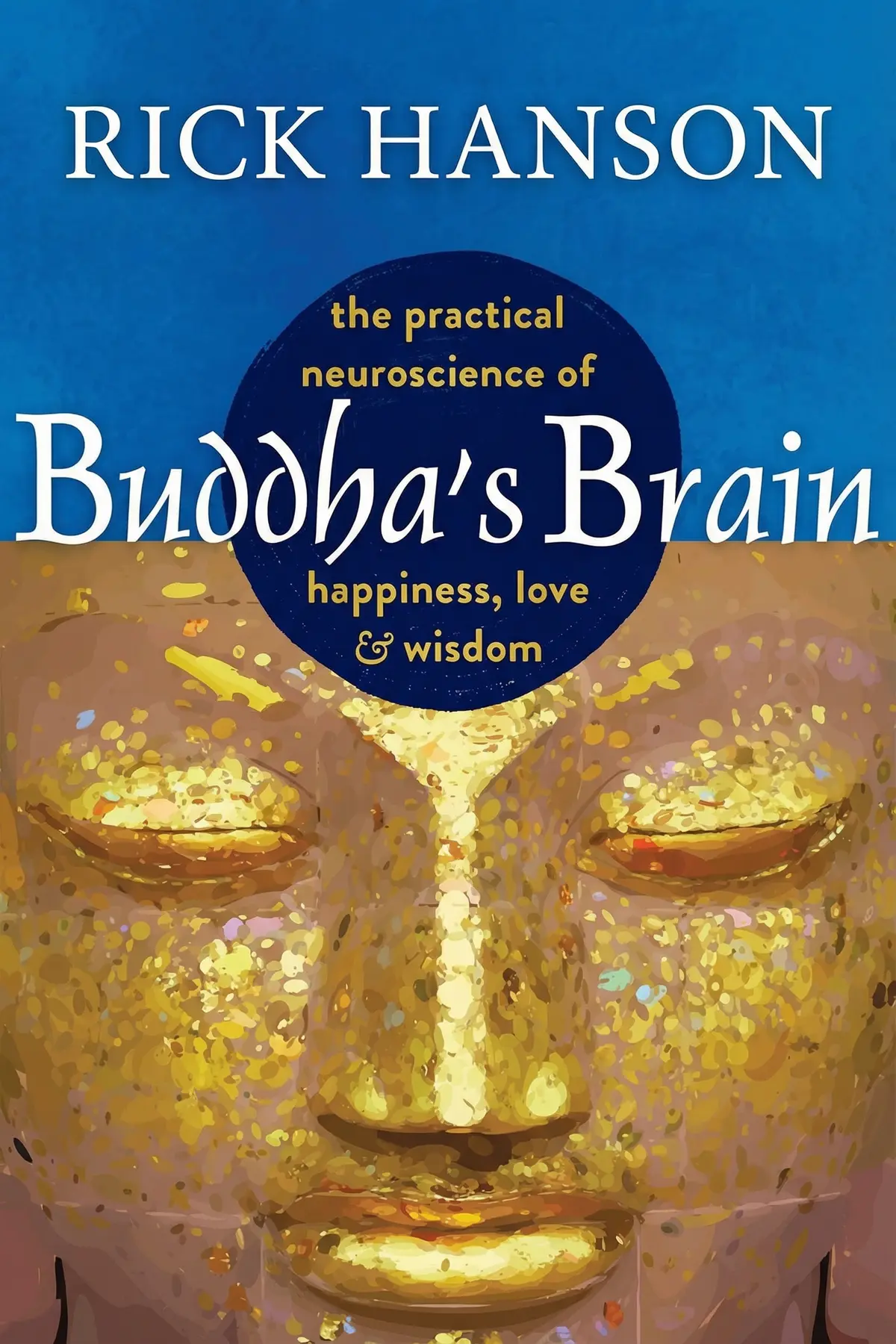
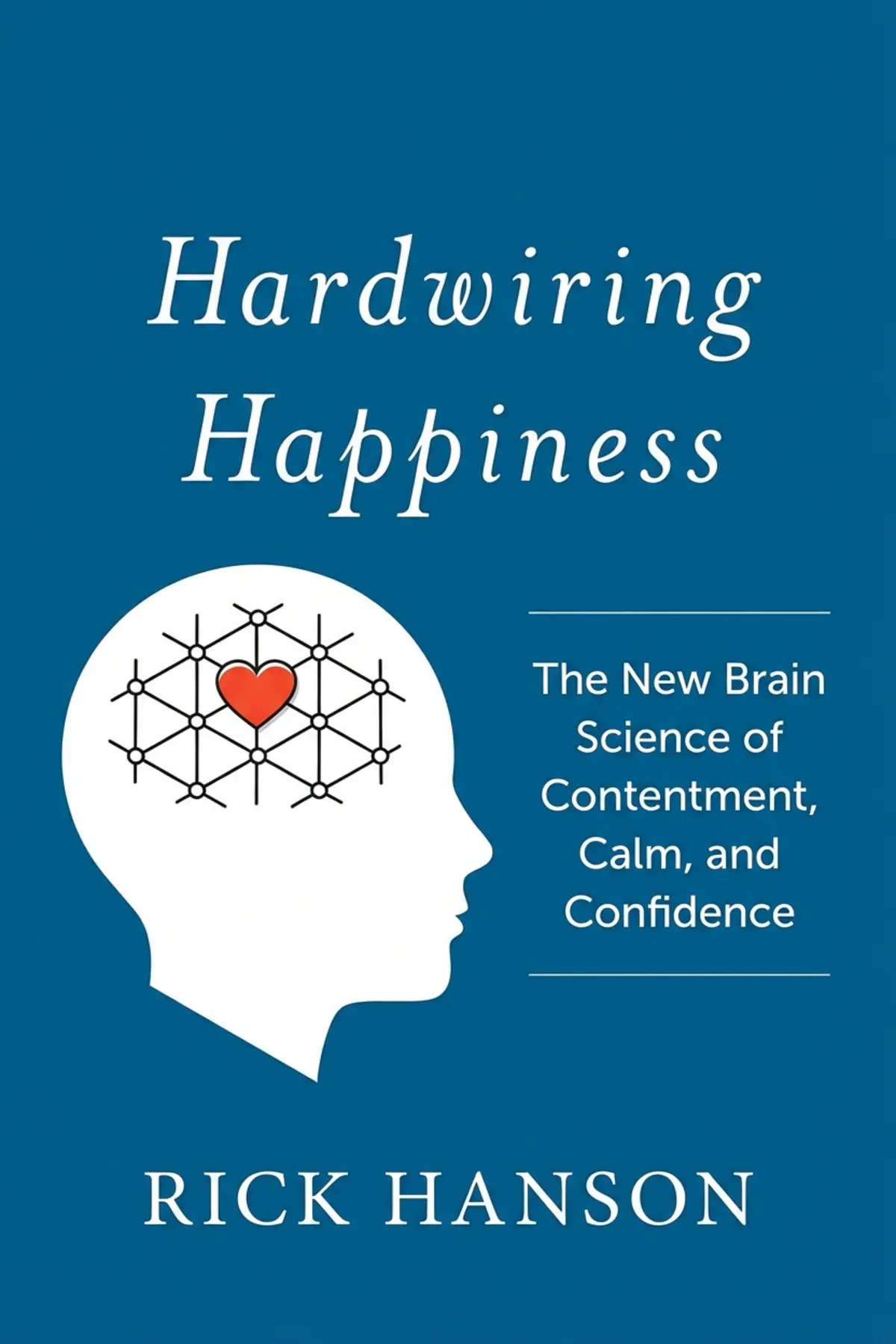
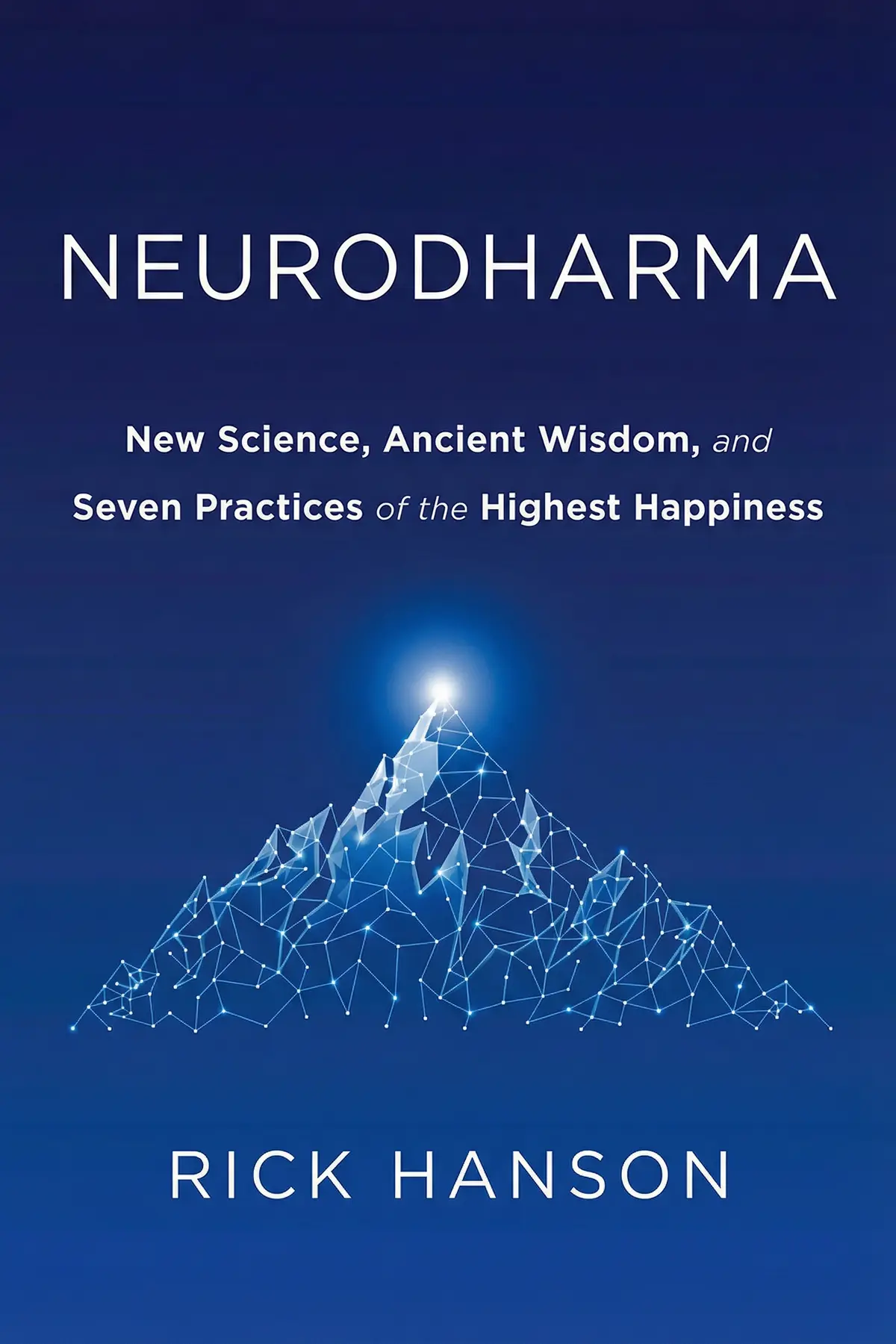
Dr. Richard Hanson is a highly respected psychologist and a specialist in family and couples counseling. He has achieved widespread recognition as a New York Times best-selling author, with notable works including Hardwiring Happiness and Buddha’s Brain. His career is dedicated to blending the insights of neuroscience with practical psychological strategies to help individuals enhance their well-being and strengthen their interpersonal connections.
Ratings & Reviews
Ratings at a glance
What people think
Listeners appreciate the high-quality advice provided in the book, with one individual specifically noting the integration of neuroscience and Buddhist teachings. Additionally, the material receives praise for its focus on strengthening bonds; several listeners point out the actionable methods for improving interactions, while one observer clarifies that the guidance applies to more than just romantic partnerships.
Top reviews
Joshua
This book is essentially a toolbox for the heart, providing fifty distinct strategies to navigate the messy landscape of human connection. I found the section on 'Befriending Yourself' particularly moving because it challenges the notion that we can fix external relationships without addressing our internal monologue first. Dr. Hanson’s tone is incredibly soothing, yet he manages to weave in hard neuroscience and Buddhist principles without making the text feel dense or academic. Each chapter is brief enough to consume with your morning coffee, which makes the massive task of self-improvement feel surprisingly manageable. Truth be told, I have started highlighting so many passages that my copy is starting to look like a neon art project. It’s rare to find a guide that is this compassionate and clinically grounded at the same time.
Show moreDavid
After hearing Rick Hanson on a podcast, I decided to grab this because I liked his calm, neuroscientific take on human connection. The book exceeded my expectations by offering a perfect blend of 'the scientific and the poetic' that feels both authoritative and deeply kind. I particularly appreciated the 'how' sections at the end of each lesson because they bridge the gap between abstract theory and daily application. Not gonna lie, I usually struggle with books that have fifty different points, but these are organized so logically that it never feels cluttered. The focus on 'Standing Up for Yourself' was a personal highlight, teaching me that boundaries are actually a form of kindness. This is a must-read for anyone who feels like their relationships are a source of stress rather than support.
Show moreGrace
Wow, what a refreshing way to structure a self-help book! Instead of long, rambling chapters, Dr. Hanson gives us short, punchy lessons that focus on 'being with others' in a way that feels authentic and dignified. The way he integrates brain science to explain why we react the way we do during disagreements is fascinating and helps lower the shame we often feel. I’ve started implementing the 'Warm the Heart' practices with my spouse, and the shift in our communication was almost immediate. It’s not just about romantic ties either; I’ve used these tips with my coworkers and even noticed a difference in my own patience level. This book is a gentle masterclass in how to exist in the world with more grace and less friction.
Show moreLena
Pick this up if you want actionable advice rather than vague platitudes about 'just loving more.' Dr. Hanson uses his decades of experience as a psychologist to deliver a roadmap for connection that is both realistic and inspiring. I loved the seven ways of being—steadiness, lovingness, fullness, wholeness, and the rest—as a framework for personal growth. The writing is frank and instructive, yet it never feels like he is talking down to the reader. It is clear he has a 'warm heart' himself, which shines through in every sentence and makes the advice easier to swallow. I’m currently a few weeks into the 'one lesson a day' challenge, and the incremental changes in my mindset are undeniable. This book is a treasure for anyone looking to live a more harmonious life.
Show moreKru
Not what I expected in the best possible way. I thought this would be a book about dating, but it’s actually a comprehensive guide to being a better human being in every context. Whether you are dealing with a difficult boss, a prickly teenager, or your own inner critic, there is something in these fifty lessons for you. The chapter on 'opening your heart when you see someone you don't like' was particularly challenging and transformative for me. Dr. Hanson’s humility is evident throughout the text as he shares examples from his own life, which makes the advice feel much more relatable. I’ve recommended this to several of my colleagues already because the communication tips are so universally applicable. It’s a rare book that manages to be both deeply spiritual and practically useful.
Show moreTippawan
Ever wonder why some people just seem to navigate social situations with such ease and kindness? This book reveals those secrets by breaking down the 'how' of healthy relating into bite-sized, digestible pieces. I’ve read a lot of psychology books as a teacher, and this is easily one of the most impressive and usable volumes I’ve encountered. Dr. Hanson’s 'how' sections are brilliant because they provide concrete steps that take the guesswork out of emotional intelligence. The emphasis on 'steadiness' and 'wholeness' provides a great anchor for those of us who tend to be people-pleasers or easily swayed by others' moods. It’s a dignified, clear-headed guide that feels like having a session with a very wise, very patient therapist. I'm so grateful for the clarity this book has brought to my daily interactions.
Show moreMalee
Finally got around to finishing this, and while I’ve read dozens of titles in this genre, Hanson’s approach feels uniquely grounded in reality. The structure is brilliant; he breaks the book into fifty small bites, which prevents the reader from feeling overwhelmed by the psychological heavy lifting required. Personally, I found the 'Speak Wisely' section to be the most beneficial because it offers actual phrases and scripts to use during difficult confrontations. My only minor gripe is that some of the earlier chapters on mindfulness felt a bit like a retread of his previous works. However, the specific focus on interpersonal dynamics makes this a worthy addition to any self-help shelf. To be fair, even the familiar parts serve as necessary reminders in our hectic lives.
Show morePatcharaporn
As someone who tends to get defensive in arguments, the 'Speak Wisely' section was a game-changer for me. Hanson doesn't just tell you to be better; he explains the mental mechanics of why we fail and how to rewire those pathways. I appreciated that he starts with the relationship with oneself, which is a foundational step that many other relationship gurus tend to skip. Look, some of the 50 ideas are definitely stronger than others, and a few felt like filler to reach a round number. But the chapters on 'handling criticism' and 'noticing the needs of others' are worth the price of admission alone. It’s a practical, encouraging guide that I’ll likely keep on my nightstand for quick reference when things get tense.
Show moreRungrat
Truth is, I wasn't expecting much from another relationship guide, but the way Dr. Hanson blends Buddhist wisdom with brain science is masterful. He takes complex concepts like 'allness' and 'timelessness' and makes them feel accessible to the average person. The book is divided into very logical sections, making it easy to jump to the specific area you are struggling with, like 'Be at Peace with Others.' While I found the section on 'Loving the World' a bit too broad for my immediate needs, the interpersonal advice is top-notch. It’s a very grounding read that reminds us that we have the power to change our internal state. My only criticism is that the tone can occasionally feel a bit too repetitive in its gentleness. Overall, it’s a very solid four-star read that I would recommend to friends.
Show morePraepimon
Frankly, if you have already spent years studying mindfulness or basic psychology, you might find this a bit elementary. Many of the concepts—like being kind to yourself or listening actively—are things most of us have heard a thousand times before. I was hoping for something more revolutionary, perhaps a deeper dive into complex neurobiological responses during conflict. Instead, it feels more like a collection of gentle reminders than a rigorous scientific exploration. The chapters are very short, which is great for busy people but left me wanting more depth in several areas. It’s a solid introductory text for a beginner, but seasoned self-help readers might feel like they are paying for a repackaged version of the 'same old' advice. It isn't a bad book, just a very basic one.
Show moreFeatured in

Readers also enjoyed
AUDIO SUMMARY AVAILABLE
Listen to Making Great Relationships in 15 minutes
Get the key ideas from Making Great Relationships by Rick Hanson, plus 5,000+ more titles in English and Thai.
- 5,000+ titles
- Listen as much as you want
- 7-day free trial
- Cancel anytime







