
24 min 19 sec
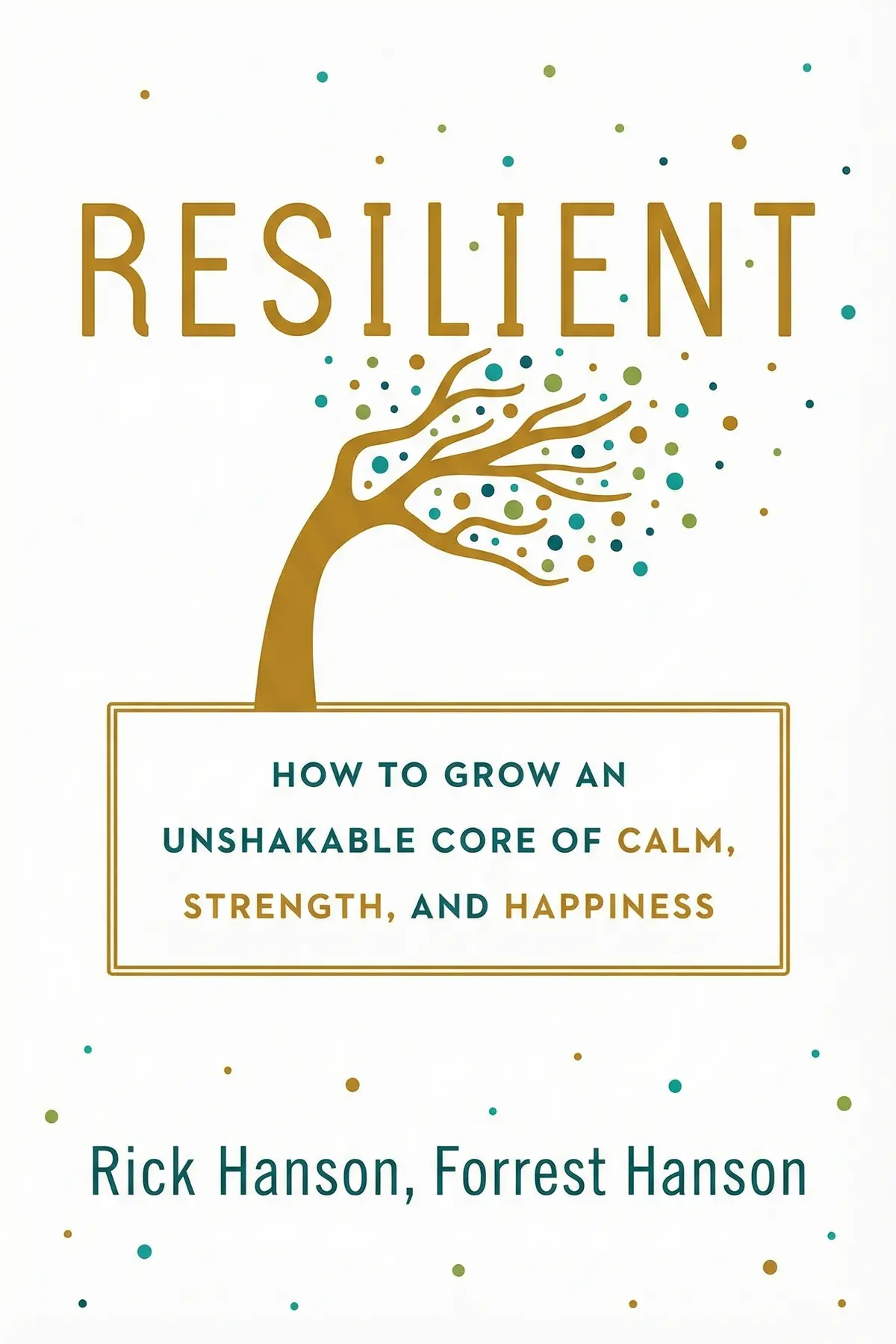
Neurodharma: New Science, Ancient Wisdom, and Seven Practices of the Highest Happiness
By Rick Hanson
Explore the intersection of neuroscience and Buddhist wisdom to achieve lasting peace. This guide provides seven practical steps to rewire your brain for resilience, compassion, and the highest levels of human happiness.
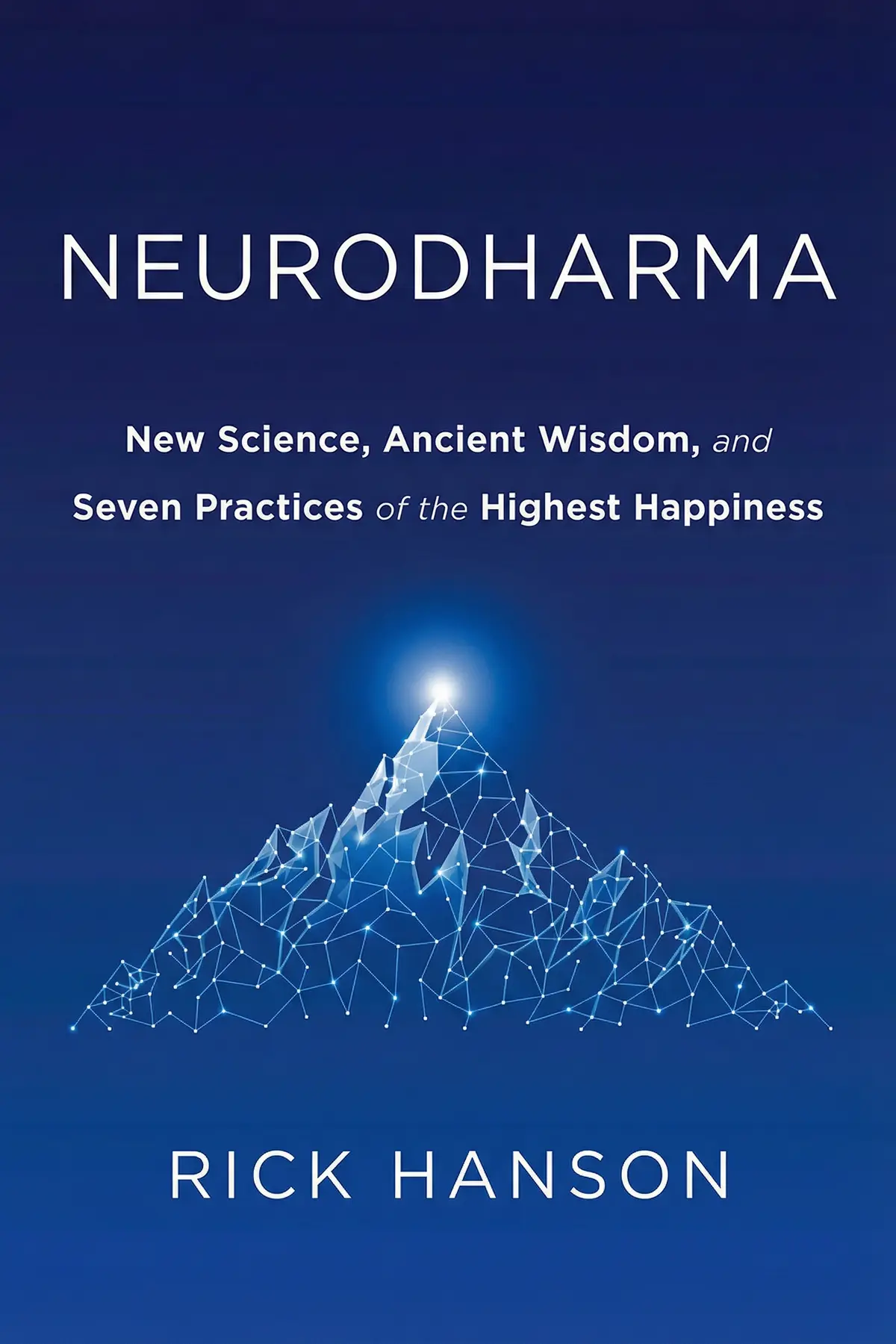
Table of Content
1. Introduction
2 min 05 sec
Every person’s life is defined by a series of goals. For some, it is the pursuit of professional mastery or the building of a legacy. For others, it is the quiet cultivation of a loving family or the thrill of exploring distant corners of the globe. But if we peel back the layers of these diverse ambitions, we often find a single, universal heartbeat: the desire for happiness. Not just the fleeting joy of a good meal or a sunny afternoon, but a deep, unshakeable sense of peace and purpose.
Throughout history, seekers have gone to extraordinary lengths to find this state of being, which is often called enlightenment. They have climbed physical mountains and endured years of solitude, all in the hope of reaching the highest peak of human possibility. They sought to become as wise, as resilient, and as loving as a person can possibly be. However, for most of us living in the modern world, the path to such a lofty goal can feel shrouded in mystery or disconnected from our daily realities. This is where the concept of neurodharma enters the picture. It is a fusion of two powerful traditions: the cutting-edge discoveries of modern neuroscience and the ancient, time-tested wisdom of the Buddhist tradition.
In this exploration, we are going to walk through a seven-step journey of awakening. This isn’t just a philosophical exercise; it is a practical guide to changing how your brain functions. We will look at how to steady your mind in an age of constant distraction, how to heal the lingering pains of the past, and how to foster a sense of connection that extends far beyond your own skin. By the end of this journey, you will understand the neurological factors that promote concentration and stillness, and you will have a clear set of practices to help you navigate life with more balance and joy. This is about more than just feeling better in the moment; it is about a fundamental shift in how you relate to yourself and the world around you. Let’s begin by looking at the foundation of this path and the seven essential ways of being that define the highest reaches of human happiness.
2. The Seven Practices of Awakening
2 min 38 sec
Discover the seven fundamental ways of being that guide the journey toward full enlightenment and learn the three-step method for internal transformation.
3. The Brain-Mind Connection
2 min 28 sec
Uncover how your neural activity shapes every thought and feeling, and how you can use meditation to physically rewire your brain for better health.
4. Cultivating Mental Steadiness
2 min 19 sec
Explore the first pillar of awakening—steadying the mind—and learn how to overcome the distractions of the ‘monkey mind’ through focused concentration.
5. The Power of a Warm Heart
2 min 25 sec
Learn why true happiness is interpersonal and how compassion-focused practices can activate the brain’s social and emotional centers for greater connection.
6. Finding Fullness and Healing Suffering
2 min 34 sec
Explore how to break the cycle of craving and suffering by using the HEAL method to replace negative mental patterns with lasting contentment.
7. Achieving Wholeness and Presence
2 min 32 sec
Discover the neurological roots of the wandering mind and learn how to use lateral brain networks to foster a sense of wholeness and nowness.
8. Opening into Allness and Releasing the Self
2 min 32 sec
Challenge the illusion of the separate ‘self’ and discover how moving from ‘I’ to ‘We’ can eliminate personal suffering and connect you to the universe.
9. Timelessness and the Peak of Nibbana
2 min 25 sec
Experience the final step of the journey—accepting impermanence—and learn how to live with the perspective of total spiritual liberation.
10. Conclusion
2 min 21 sec
As we conclude this journey through the landscape of the mind and the heart, it is helpful to look back at the path we have traveled. We began with the idea that the highest peaks of human potential are not just for ancient sages, but are accessible to all of us through the marriage of modern neuroscience and contemplative wisdom. We explored the seven ways of being—steadiness, lovingness, fullness, wholeness, nowness, allness, and timelessness—as a comprehensive roadmap for psychological and spiritual growth.
Through these steps, we have seen how we can physically and mentally rewire ourselves. We learned that by steadying our attention, we create the calm necessary for insight. By warming our hearts, we heal our relationships and activate the brain’s social centers. By resting in fullness, we break the cycle of craving that leads to suffering. By fostering wholeness and nowness, we quiet the inner critic and inhabit our lives more fully. And finally, by opening into allness and accepting the timeless nature of reality, we find a sense of peace that is independent of life’s inevitable changes.
The throughline of all these practices is the power of intentional attention. Your brain is constantly being sculpted by your experiences, and by choosing to focus on the good, the true, and the beautiful, you are literally building a better mind. This isn’t a journey of a single day or even a single year; it is the work of a lifetime. There will be moments when the path feels steep and times when you feel you have lost your way.
The most important piece of advice is to enjoy the journey itself. Awakening is not a destination you reach and then stop; it is a way of walking through the world. Every moment you spend being a little more mindful, a little more compassionate, or a little more present is a victory. These small shifts accumulate over time, leading to a profound transformation in your well-being.
So, as you step back into the flow of your daily life, take these tools with you. Use the HEAL method to take in the good. Use the warm wishes of loving-kindness to soften your heart. Use the breath to steady your mind. Remember that you have the power to shape your own brain and, in doing so, to reach the highest heights of human happiness. The mountain is waiting, and the first step is always right here, in this breath, in this moment.
About this book
What is this book about?
What does it mean to reach the peak of human potential? For centuries, this question was the domain of spiritual masters and mountain-dwelling monks. Today, we have a new lens through which to view enlightenment: the science of the human brain. Neurodharma bridges these two worlds, offering a practical roadmap for anyone seeking deep, lasting contentment. The book outlines a transformative journey through seven distinct qualities of being, ranging from mental steadiness to a sense of connection with the entire universe. By understanding the neurological foundations of these states, you can begin to consciously reshape your mind. Through specific practices and insights into how our neural networks function, the narrative promises a way to move beyond temporary pleasure and toward a durable sense of well-being. It is a guide for the modern seeker who wants the benefits of ancient contemplative traditions backed by the rigor of clinical psychology and neurological research. Ultimately, the book provides the tools to heal past wounds, quiet the inner critic, and live with an open, resilient heart.
Book Information
About the Author
Rick Hanson
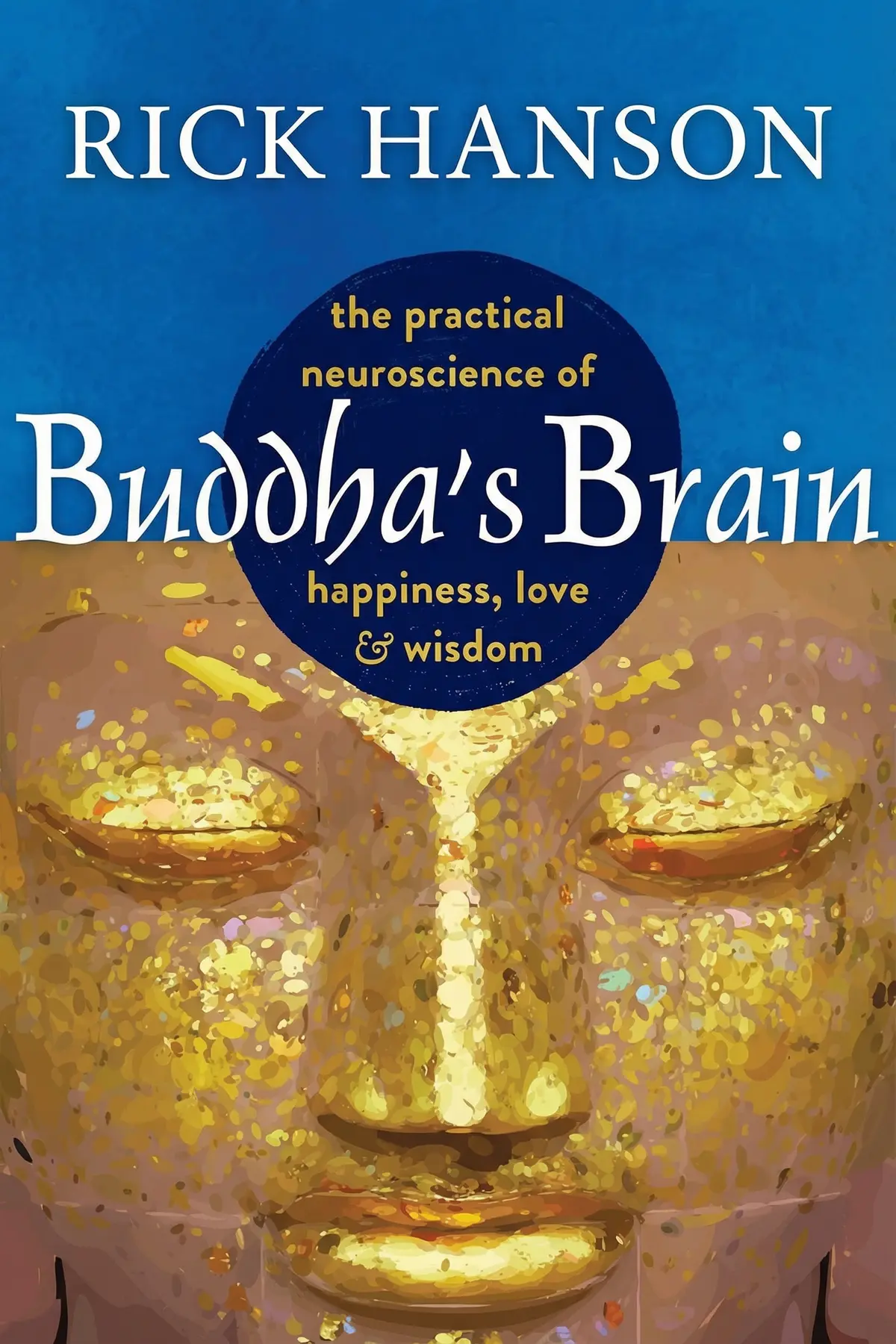
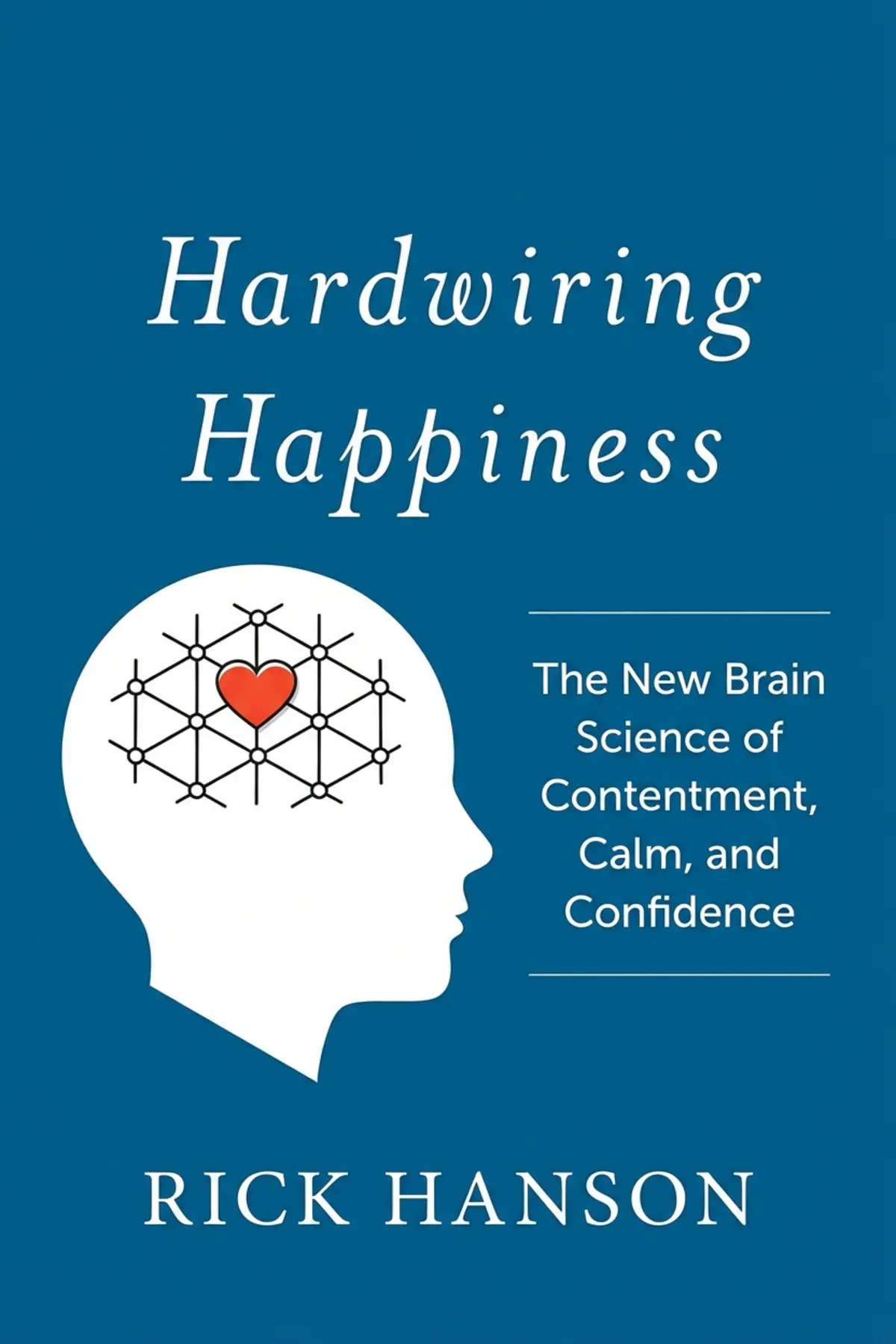
Dr. Rick Hanson is a distinguished psychologist and a respected teacher of meditation. His professional reach extends to academia as a Senior Fellow at the Greater Good Science Center at UC Berkeley, and he is the visionary behind the Wellspring Institute for Neuroscience and Contemplative Wisdom. A New York Times best-selling author, his previous works include Buddha’s Brain, Hardwiring Happiness, and Resilient, all of which explore the synergy between the mind and the body.
Ratings & Reviews
Ratings at a glance
What people think
Listeners find the work packed with suggestions for daily mindfulness habits and value its transformative insights, with one listener characterizing it as a manual for a more joyful and satisfying existence. Furthermore, the writing is based on scientific principles, as one listener notes its deep dive into studies on brain efficiency, and listeners generally consider the material approachable and simple to grasp. Nevertheless, the technical neuroscientific elements evoke varied responses.
Top reviews
Fang
Wow. Rick Hanson has managed to distill the most complex neurological concepts into something that feels deeply personal and immediately actionable. I was looking for a guidebook that could bridge the gap between ancient Buddhist practices and modern brain science, and this delivered more than I expected. The 'Seven Ways of Being' provide a structured roadmap for anyone feeling overwhelmed by the frantic pace of modern life. Personally, the sections on 'steadying the mind' helped me navigate a particularly stressful month at work without losing my cool. While some might find the later chapters on 'allness' a bit abstract, the foundational research makes it all feel grounded. This isn't just a quick read; it’s a manual for a more fulfilling existence that I’ll be highlighting for years.
Show moreHemp
Finally, a book that treats mindfulness with the scientific rigor it deserves! I’ve been practicing meditation for years, yet I still found new insights in Hanson's explanation of how our brains can be rewired for happiness. The seven steps are laid out so clearly that it feels like a genuine path to awakening rather than just a collection of random tips. Not gonna lie, the chapter on 'Opening into Allness' was a total perspective shifter for me. It’s rare to find an author who can balance high-level scholarship with such a warm, encouraging tone. This book is a literal guidebook for anyone wanting to reach their full human potential. I’ve already bought three extra copies to give to friends who are struggling with anxiety.
Show moreRatthapong
Directly put, this is a masterpiece of modern psychological thought. Rick Hanson doesn't just tell you to be mindful; he explains the evolutionary reasons why our brains are hardwired for negativity and how to override that system. I found the 'Seven Ways' to be a brilliant framework for personal growth. The book feels like a warm invitation to explore your own mind with curiosity rather than judgment. It’s accessible enough for a beginner but deep enough to keep a long-time practitioner engaged. Using the science of brain effectiveness, Hanson provides a roadmap that is both practical and profoundly moving. I’ve noticed a real shift in my mood and general levels of contentment since I started applying these strategies. If you want a happier life, start here.
Show morePlernpiriya
As someone who loved Buddha's Brain, I had high expectations for this latest installment in Hanson’s exploration of the mind. The book is incredibly well-researched, providing a wealth of mindfulness tips that feel rooted in actual biology rather than just vague spirituality. To be fair, some of the meditations are quite long and might be better suited for an audiobook format than a printed page. I found myself skimming the italicized sections to get back to the scientific explanations of how our neurons process contentment. It’s a dense read, and you definitely need to take your time to digest the 'Seven Ways' he outlines. If you’re looking for a light self-help book, this probably isn't it, but for those who want a deep dive into the 'heights of human potential,' it’s excellent.
Show moreAmara
Picked this up after hearing a podcast interview with the author, and I’m glad I did. The way Hanson explains 'nowness' and 'wholeness' makes these esoteric concepts feel like tangible skills you can actually build with practice. Look, the truth is that the neuroscience can get a bit heavy at times, especially if you aren't already familiar with basic brain anatomy. However, the author does a fantastic job of keeping the language accessible for the average reader who just wants to be happier. I especially appreciated the practical focus on healing past pain through intentional mental shifts. It’s a solid resource for anyone wanting to integrate meditation into their daily routine without feeling like they have to move to a monastery. Great balance of heart and data.
Show moreDavid
The chapter on 'Resting in Fullness' alone was worth the price of the book. Hanson has a gift for taking these massive, ancient ideas and making them feel relevant to our modern, stressed-out lives. I appreciated how he grounded every spiritual claim in biological research, explaining exactly what is happening in our nervous systems when we practice 'nowness.' Truth is, some parts are definitely a slog, and I found the formatting of the meditations a bit cumbersome to navigate in the ebook version. But if you are willing to put in the effort, there is a lot of life-changing content here. It’s an ambitious project that tries to map the entire human experience. While it doesn't always hit the mark perfectly, it’s a deeply thoughtful and compassionate work that stands out.
Show moreViolet
After following Rick Hanson's work for years, I found Neurodharma to be his most ambitious book yet. It attempts to synthesize a vast amount of ancient wisdom with the latest neurological findings, and for the most part, it succeeds beautifully. Gotta say, the section on 'Warming the Heart' provided some much-needed perspective on self-compassion. While the tone is occasionally a bit similar to those college dorm room philosophy sessions, the underlying research is rock solid. It’s not a quick read by any means, and you’ll likely need to revisit certain chapters to fully grasp the concepts of 'allness.' My only minor gripe is that the physical book feels a bit like it’s fighting with itself between being a textbook and a meditation manual. Still, it’s a highly recommended addition.
Show moreJoy
Not what I expected given the cool title 'Neurodharma.' I was really hoping for more cutting-edge science regarding the digital age and how our brains are changing, but it felt more like a standard Western Buddhist text. The author is clearly brilliant, and I’ve followed his work for a while, but this felt a bit repetitive compared to his earlier books like Just One Thing. Frankly, the organization made it difficult to follow the 'roadmap' he was trying to establish. I found myself getting lost in the 'beingness' and 'timelessness' jargon toward the end of the book. There are definitely some golden moments of wisdom tucked away in the chapters, but you have to do a lot of work to find them. It’s okay, but maybe not the best starting point for beginners.
Show morePop
After hearing so much hype, I finally got around to reading this, but it was a bit of a struggle to finish. The format is a bit clunky because a huge portion of the text is actually guided meditation scripts. I found it really distracting to try and read a meditation while also trying to maintain a meditative state; it just doesn’t work as well as a recorded guide. In my experience, the scientific sections were the strongest part, but they were often buried under a lot of spiritual language that felt a bit fluffy. I didn't disagree with the messages about compassion and steadiness, but the articulation could have been much clearer. It’s a decent book for the collection, but I’d probably recommend Buddha’s Brain over this one for a more cohesive experience.
Show moreKoi
Ever wonder if some of these science-meets-spirituality books are just a bit too much 'woo-woo' disguised as data? That’s how I felt about most of Neurodharma. I was expecting a lot more hard neuroscience and brain scans, but instead, it’s very heavy on the Buddhist theology. To be fair, I appreciate the author's credentials, but the organization here was incredibly hard to follow for a casual reader. The language gets so abstract—all that talk about 'finding timelessness' just left me feeling confused rather than enlightened. I tried to stick with it for the practical wisdom, but the 'Seven Ways' felt more like a marketing gimmick than a functional system. It’s probably great for people who are already deep into the meditation scene, but it wasn’t for me at all.
Show more
Readers also enjoyed
Abundance: The Inner Path to Wealth
Deepak Chopra

Alcoholics Anonymous
Alcoholics Anonymous World Services
A New Earth: Awakening to Your Life’s Purpose
Eckhart Tolle
Aflame: Learning from Silence
Pico Iyer

A Force for Good: The Dalai Lama's Vision for Our World
Daniel Goleman

A Return to Love: Reflections on the Principles of a Course in Miracles
Marianne Williamson
AUDIO SUMMARY AVAILABLE
Listen to Neurodharma in 15 minutes
Get the key ideas from Neurodharma by Rick Hanson, plus 5,000+ more titles in English and Thai.
- 5,000+ titles
- Listen as much as you want
- 7-day free trial
- Cancel anytime







