
23 min 40 sec
Buddha’s Brain: The Practical Neuroscience of Happiness, Love, and Wisdom
By Rick Hanson
Discover how to bridge the gap between ancient meditative practices and modern neuroscience. This guide provides a roadmap for rewiring your brain to enhance happiness, emotional resilience, and deep compassionate connection.
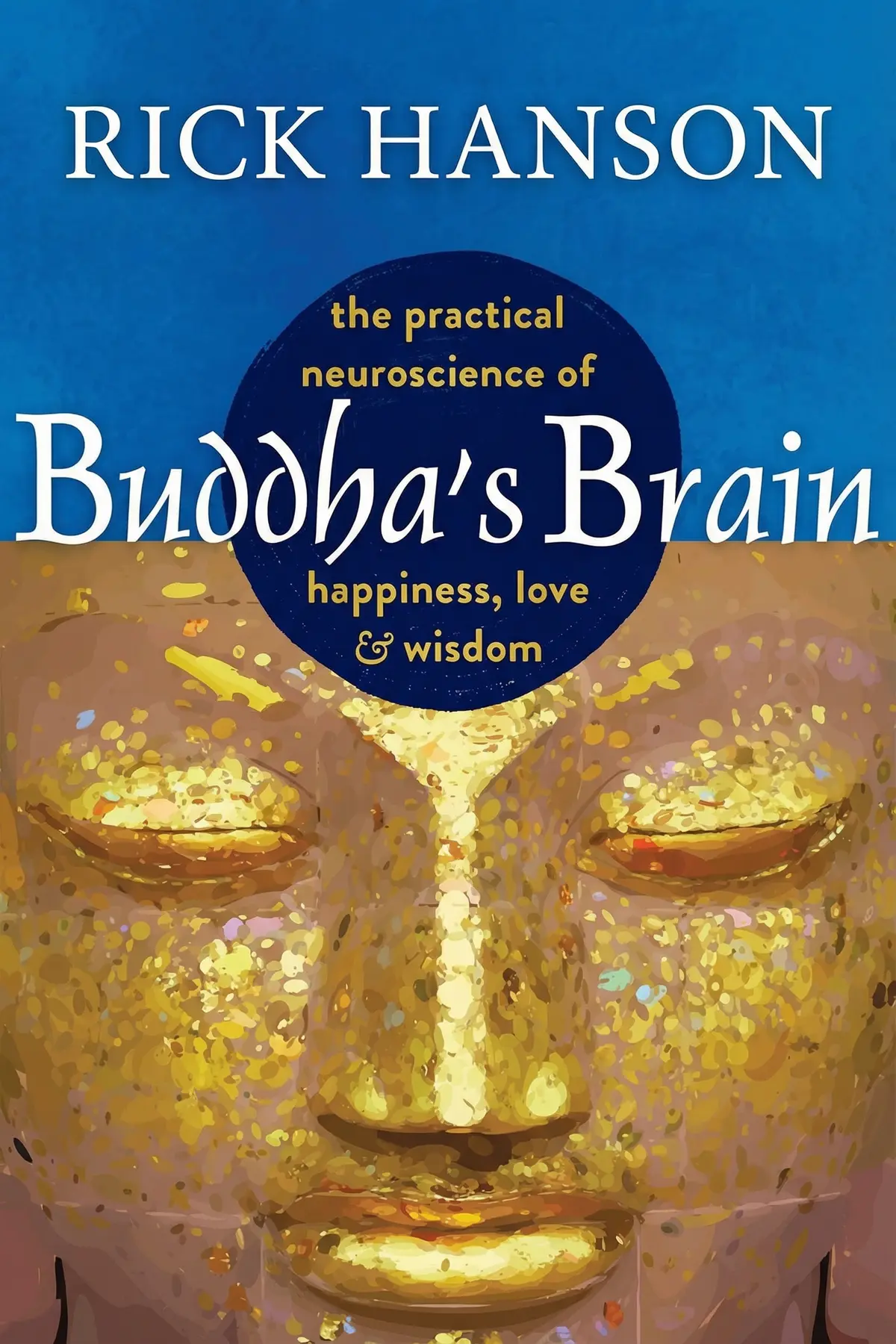
Table of Content
1. Introduction
1 min 55 sec
Imagine for a moment that your mind is like a garden. For years, you’ve simply watched what grows there—some beautiful flowers, sure, but also a lot of weeds that seem to take over whenever you aren’t looking. You might feel like you’re just a visitor in this garden, or perhaps a victim of whatever weather happens to blow through. But what if you realized that you are actually the gardener? What if you had the tools to not only pull the weeds of stress and anxiety but to physically enrich the soil so that happiness and peace become the natural, default state of your landscape?
This is the core promise of our journey today. We are looking at the fascinating intersection where ancient contemplative wisdom meets the cutting edge of modern neuroscience. For centuries, practitioners of mindfulness and meditation have claimed that we can transform our internal experience through dedicated practice. Today, science is confirming that they were right. Every thought you have, every emotion you feel, and every habit you repeat is leaving a physical footprint in your brain. This isn’t just a metaphor; it’s a biological reality known as neuroplasticity.
In the following minutes, we are going to explore how you can take the wheel of your own neurological evolution. We’ll look at why your brain is naturally biased toward the negative—thanks to a long line of ancestors who had to survive in a dangerous world—and how you can override those ancient settings. We will dive into the mechanics of suffering, the power of focus, and the biological foundations of love and compassion.
The throughline of this experience is simple yet profound: by changing your mind, you can change your brain, and by changing your brain, you can change your life. You aren’t just learning a few relaxation techniques; you are learning how to rebuild the very machine that generates your reality. Let’s begin by understanding the incredible relationship between the intangible thoughts in your head and the physical organ inside your skull.
2. The Dynamic Relationship Between Mind and Brain
2 min 25 sec
Discover how your invisible thoughts and feelings physically sculpt the hardware of your head, creating a constant feedback loop that defines your reality.
3. The Power of Intentional Self-Reflection
2 min 11 sec
Explore why active self-reflection isn’t a luxury, but a vital tool for steering your neurological development toward a more positive and fulfilling life.
4. Understanding the Evolutionary Roots of Suffering
2 min 15 sec
Learn why your brain is naturally wired to worry and how understanding our ancestors’ survival strategies can help you manage modern stress.
5. The Concept of the Two Darts
2 min 08 sec
Find out how to stop your own mind from magnifying inevitable pain into long-lasting suffering through a simple yet powerful mental distinction.
6. Activating the Parasympathetic Nervous System through Mindfulness
2 min 18 sec
Learn how to use your own biology to cool down stress by engaging the body’s natural relaxation response through the practice of awareness.
7. Gaining Wisdom Through Focused Concentration
2 min 01 sec
Discover how deep focus acts as a powerful tool to clear away mental clutter, leading to profound personal insights and better judgment.
8. The Freedom of Releasing the Ego
2 min 10 sec
Understand how our obsession with ‘me, myself, and I’ creates unnecessary suffering and how letting go of the ego can lead to a deeper sense of peace.
9. The Biological Imperative for Love and Connection
2 min 12 sec
Explore the fascinating evolutionary history that hardwired our brains for social bonding, altruism, and the deep-seated need for love.
10. Cultivating Empathy as a Foundation for Compassion
2 min 06 sec
Find out how strengthening your ’empathy muscles’ can heal old psychological wounds and create more resilient, fulfilling relationships.
11. Conclusion
1 min 59 sec
As we come to the end of this exploration, it is worth returning to the image of the gardener. We have seen that while the ‘soil’ of your brain comes with some natural biases—like a tendency toward worry and a defensive ego—it is also incredibly fertile and capable of profound transformation. The tools we have discussed, from the calming breath of mindfulness to the laser-focus of meditation and the warm connection of empathy, are the ways you can physically reshape your internal world.
Remember the throughline: your mental states become your neural traits. Every moment you spend choosing peace over the ‘second dart’ of reaction, every time you choose to focus on a wholesome intention, and every time you lean into compassion instead of judgment, you are literally rewiring your brain. You are making it easier for yourself to be happy, wise, and loving in the future. This is not a quick fix or a temporary mood boost; it is a fundamental shift in the very structure of who you are.
The most important takeaway is that you are not a victim of your biology or your past. You have the power of self-directed neuroplasticity on your side. You can start small—perhaps just by noticing when you are throwing a ‘second dart’ at yourself, or by taking thirty seconds to truly feel a positive experience instead of letting it slip by. These small moments of intentionality are the seeds of a much larger change.
So, as you step back into your daily life, carry this awareness with you. When things get difficult, remember your ‘brakes’—the parasympathetic nervous system. When you feel slighted, remember the ‘I’ that is taking it personally and see if you can let it go. And most importantly, remember that with every thought and every breath, you are building the brain you want to live in. The path to a more joyful and compassionate life is already inside you, waiting to be walked.
About this book
What is this book about?
Have you ever wondered if it is truly possible to change the way your mind works at a fundamental level? Many of us feel like we are at the mercy of our emotional reactions, stress, and ingrained habits. This exploration into the intersection of psychology and biology reveals that you are not stuck with the brain you have today. By understanding the principles of neuroplasticity, you can intentionally shape your neural pathways to foster a life defined by peace rather than anxiety. The book offers a practical fusion of Buddhist philosophy and neuropsychology, explaining how specific mental exercises can physically alter the structure of the brain. You will learn about the evolutionary roots of suffering and why our ancestors' survival instincts often lead to modern-day unhappiness. More importantly, you will discover how to activate the body’s natural calming systems to counteract stress. The promise here is a journey toward wisdom and love, grounded in the reality of how your neurons fire and wire together. It provides the tools to move from being a passive observer of your thoughts to an active architect of your own well-being.
Book Information
About the Author
Rick Hanson
Dr. Rick Hanson is a respected neuropsychologist and an experienced meditation teacher. He serves as a senior fellow at the Greater Good Science Center, located at the University of California, Berkeley. Beyond his academic and clinical work, he is a prolific writer whose previous work, Hardwiring Happiness, achieved bestseller status and has been reached audiences in fourteen different languages.
Ratings & Reviews
Ratings at a glance
What people think
Listeners describe this work as transformative and eye-opening, valuing the way it explains intricate ideas through a scientific lens. Furthermore, the material is accessible and free of technical language, with listeners finding great worth in the actionable advice and structured exercises provided. They also point to how it fosters mental tranquility via calming methods such as meditation, noting how effectively it connects neuroscientific insights with Buddhist traditions.
Top reviews
Duang
Pick this up if you're tired of vague spiritual advice that doesn't actually tell you how to change your habits. Dr. Rick Hanson provides a roadmap for rewiring your neural pathways through intentional, mindful practice. Personally, I found the 'negativity bias' concept to be a total revelation for my mental health. He explains that our brains are like Velcro for bad experiences but Teflon for the good ones, which explains so much about my own anxiety. The book is remarkably easy to comprehend without drowning the reader in jargon, despite being grounded in real biology. It offers practical suggestions for meditation that feel realistic for a busy professional. By the time I reached the final chapter, I felt I had gained a new sense of peace and a better understanding of my own brain's evolution.
Show moreHenry
Finally got around to reading this after seeing it everywhere, and I'm genuinely impressed by how it demystifies meditation. This isn't just fluffy positive thinking; it’s a manual for emotional regulation based on how our neurons actually fire. The way the author explains that 'the mind is what the brain does' helped me stop blaming myself for my intrusive thoughts. I took so many notes on the sections regarding empathy and closeness, especially the imagery of being a tree in the wind. These practical tools have already helped me become more grounded during stressful meetings at work. It’s rare to find a book that is both enlightening and life-changing without feeling like it's preaching at you. This is essential reading for anyone interested in the intersection of science and spirituality.
Show moreIvan
Wow. This book transformed how I view my own mental habits by showing me the physical structures behind my repetitive thoughts. I especially loved the practical 'meditation' tips scattered throughout the chapters because they made the complex science feel applicable to real life. It’s enlightening to see how things like compassion and kindness actually change the physical makeup of the brain over time. The authors do a great job of explaining the evolutionary reasons for our suffering, like how being alert to danger was once a survival strategy. This perspective allowed me to be more compassionate toward myself and less reactive to my own negative emotions. It’s a quick read but contains a wealth of information that requires some reflection to fully absorb. Truly a life-changing perspective on the mind-body connection.
Show moreHiroshi
I've been practicing mindfulness for years, but this book finally explained the 'why' behind the practices in a way that makes sense. Dr. Hanson provides a precise description of empathy as a kind of mindfulness focused on someone else’s inner world. The book is full of practical tools to assist in developing closeness with others and increasing your overall peace of mind. I particularly valued the nutritional supplement suggestions at the end, which was an unexpected but helpful addition for brain health. The writing is clear, jargon-free, and filled with a warmth that makes the scientific concepts feel very personal. Honestly, it’s one of the most useful books on my shelf for understanding the intersection of the heart and the head. It has invigorated my daily practice and changed my outlook for the better.
Show moreAnna
Ever wonder why your brain clings to a single insult while ignoring a dozen compliments? Hanson’s explanation of the 'negativity bias'—the idea that our ancestors needed to be hyper-vigilant to survive—really resonated with my experience. This book does a fantastic job of bridging the gap between ancient Buddhist practices and modern neuroscience. I particularly enjoyed the chapter on equanimity, which describes it as a perfect, unshakable balance of the mind. The writing style is generally accessible, though it occasionally dips into a 'new age' tone that might put off more cynical readers. Still, the practical guided meditations are easy to follow and actually work to calm the nervous system. It’s a solid resource for anyone wanting to understand why their mind behaves the way it does.
Show moreMattanee
As someone who has struggled with social anxiety for years, the section on blending assertiveness with compassion was a total game-changer. Hanson manages to bridge the gap between ancient philosophy and modern neuroscience without making it feel forced or overly complex. The book is structured well, moving from the causes of suffering to the cultivation of happiness and love. I found the 'second dart' analogy particularly helpful for understanding how we often multiply our own pain through our reactions. While some of the textbook-style descriptions of brain regions were a bit slow, the overall impact was very positive. It provides a sense of distance and objectivity that makes daily stressors feel much more manageable. I highly recommend taking it slow and writing notes as you go.
Show moreKet
Gotta say, the chapter on 'equanimity' provided one of the best descriptions of the Buddhist path to freedom I have ever encountered. The book explains that the mind is what the brain does, which is a helpful framework for understanding our internal states. I appreciated how the authors weave science with advice, offering visualizations that actually feel applicable to modern life. The focus on 'taking in the good' to counter our natural negativity bias is a simple but powerful tool. Some might find the tone a bit too 'self-help,' but the underlying neurology provides a level of credibility that most similar books lack. It’s a very practical guide that doesn't promise a perfect life, but rather a more conscious way of living. Definitely a book I will return to for the meditations.
Show moreTan
The truth is, I found the first few chapters on neurology to be quite tedious, almost like reading a biology textbook. While I appreciated the scientific grounding, the dry terminology made it hard to stay engaged during the middle sections. Most of the advice eventually veers into standard self-help territory, which was a bit of a letdown given the academic buildup. To be fair, the 'exercises' offered are helpful tips for using the information, but they feel more like common sense than groundbreaking science. If you are looking for a rigorous, peer-reviewed academic study, you might find this a little too simplistic. However, the insights into how we process suffering are still worth a read if you can push through the slower parts. I would recommend the physical book over the audio version to help you keep track of the dense vocabulary.
Show moreAudrey
Look, if you are planning to get this, definitely buy the physical copy rather than the audiobook version. I tried listening to it during my commute and found the science-heavy terminology so dry that I actually started drifting off. The content itself is hit or miss; the neurology in the beginning is interesting but presented in a rather tedious textbook fashion. However, the second half of the book offers some decent self-help techniques that are grounded in Buddhist philosophy. I liked the idea of the self being a 'collection of representations' rather than a solid entity. It’s a fine book for beginners, but those well-versed in either neuroscience or Buddhism might find it a bit repetitive. It's a decent bridge between the two fields, even if the bridge feels a bit shaky at times.
Show moreNoo
Not what I expected based on the title, as the book leans heavily into a 'power of positive thinking' vibe that feels a bit superficial. I was hoping for a rigorous academic exploration of neurology, but large sections felt more like a standard self-help guide. Frankly, the scientific evidence presented felt a bit over-simplistic and speculative at times. I struggled with the 'striving' for happiness mentioned in the book, which seems to contradict the core Buddhist principle of non-attachment. While the author is clearly knowledgeable, the presentation felt dry and I actually fell asleep while trying to get through the chapter on the self. There are better books out there that bridge science and mindfulness without the pop-psychology feel. It might work for some, but it just didn't click for me.
Show more
Readers also enjoyed

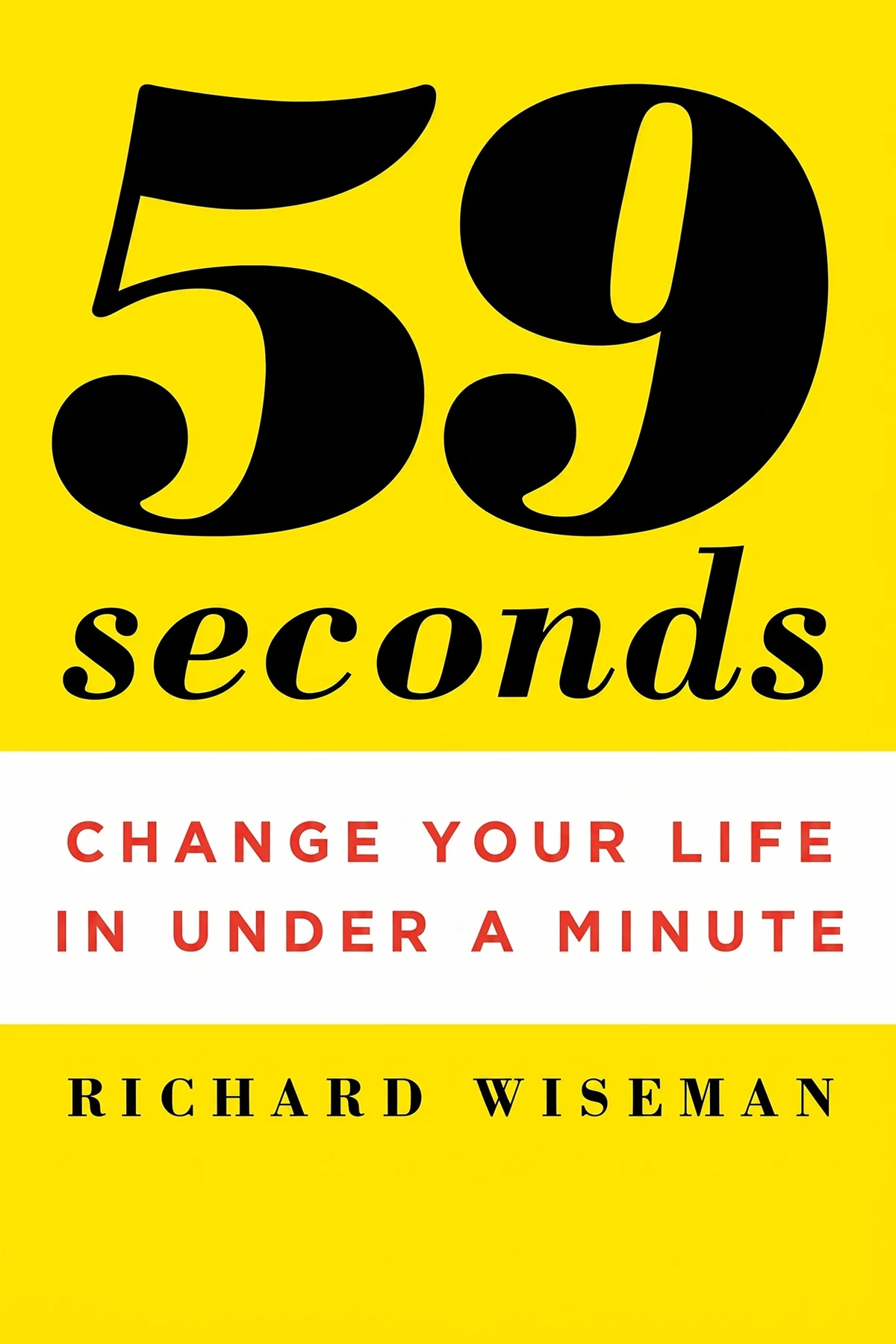
59 Seconds: Change Your Life in Under a Minute
Richard Wiseman

A New Earth: Awakening to Your Life’s Purpose
Eckhart Tolle
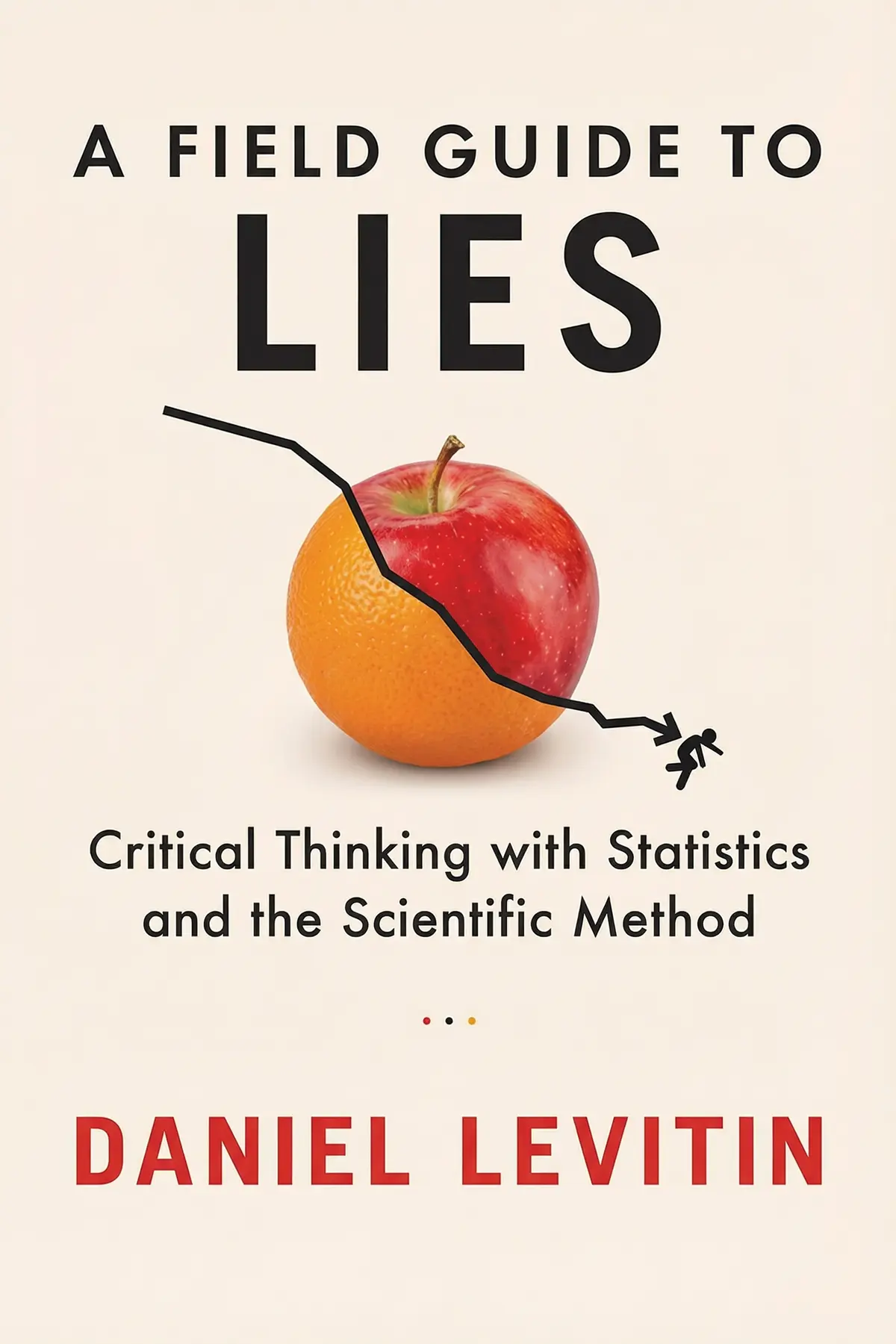
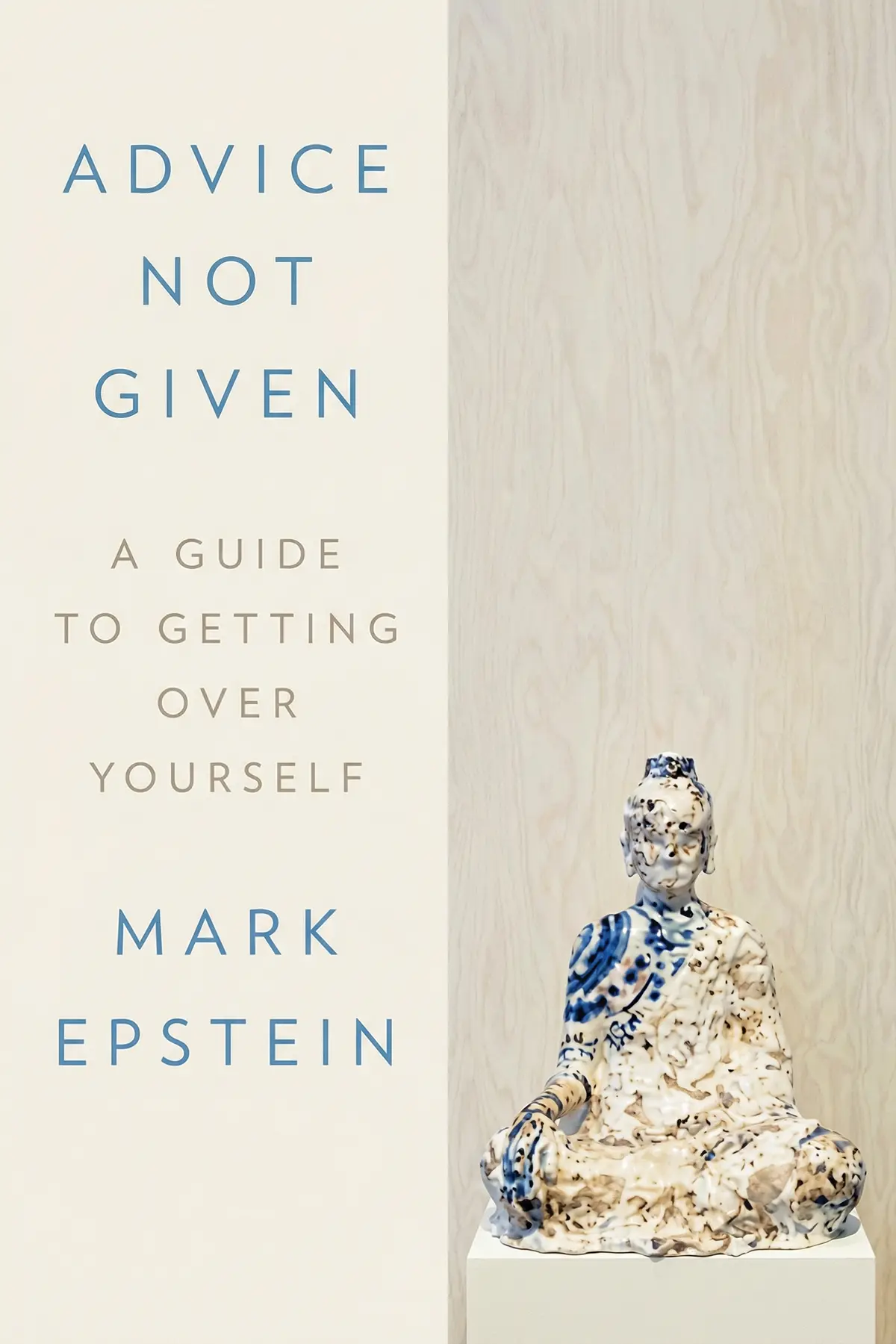

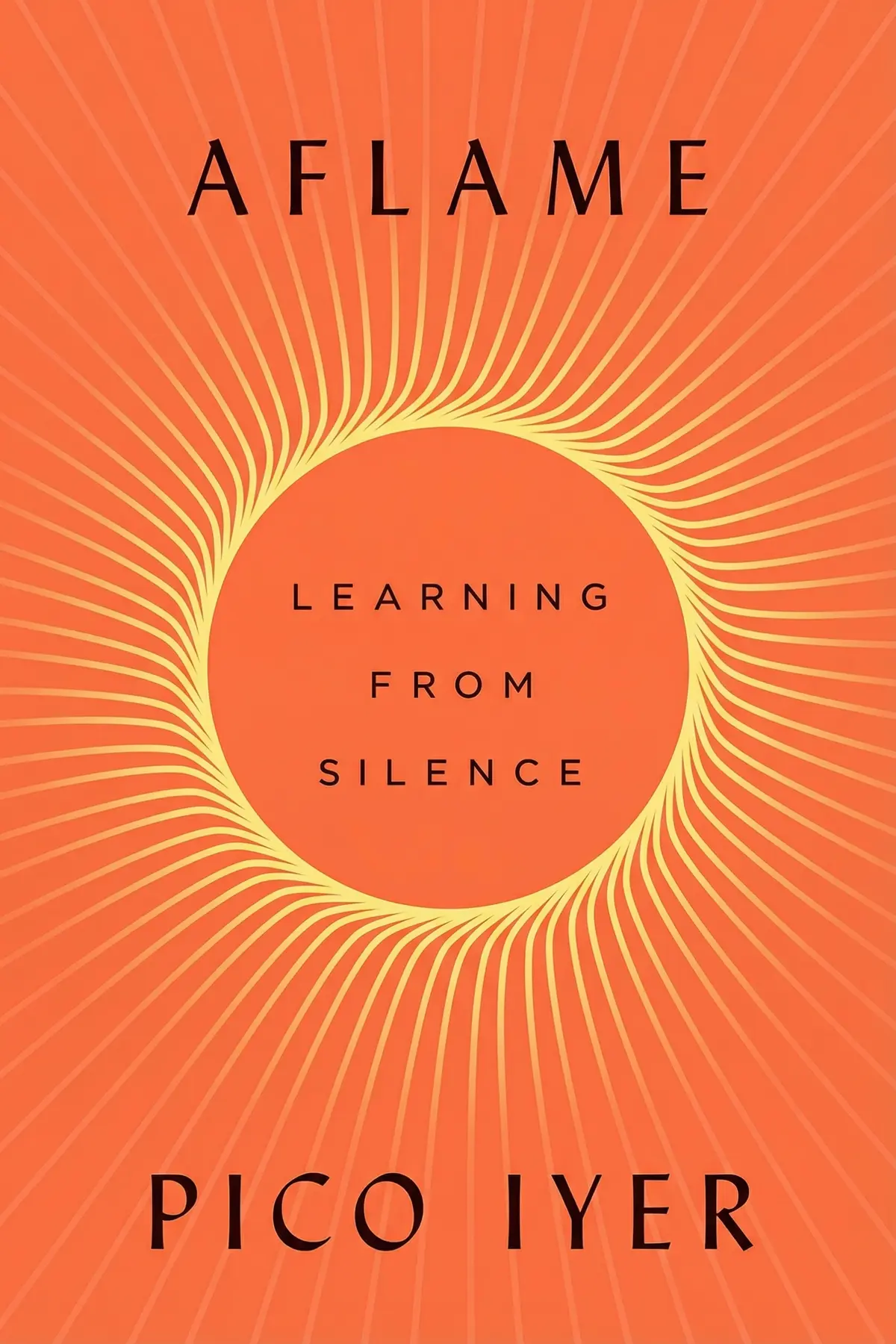
Aflame: Learning from Silence
Pico Iyer

A Liberated Mind: How to Pivot Toward What Matters
Steven C. Hayes
AUDIO SUMMARY AVAILABLE
Listen to Buddha’s Brain in 15 minutes
Get the key ideas from Buddha’s Brain by Rick Hanson, plus 5,000+ more titles in English and Thai.
- 5,000+ titles
- Listen as much as you want
- 7-day free trial
- Cancel anytime







