
24 min 14 sec
Resilient: How to Grow an Unshakable Core of Calm, Strength, and Happiness
Resilient explores the neuro-psychological foundations of inner strength. Authors Rick and Forrest Hanson provide actionable strategies to cultivate self-compassion, mindfulness, and grit, transforming fleeting positive states into permanent mental traits for lasting well-being.
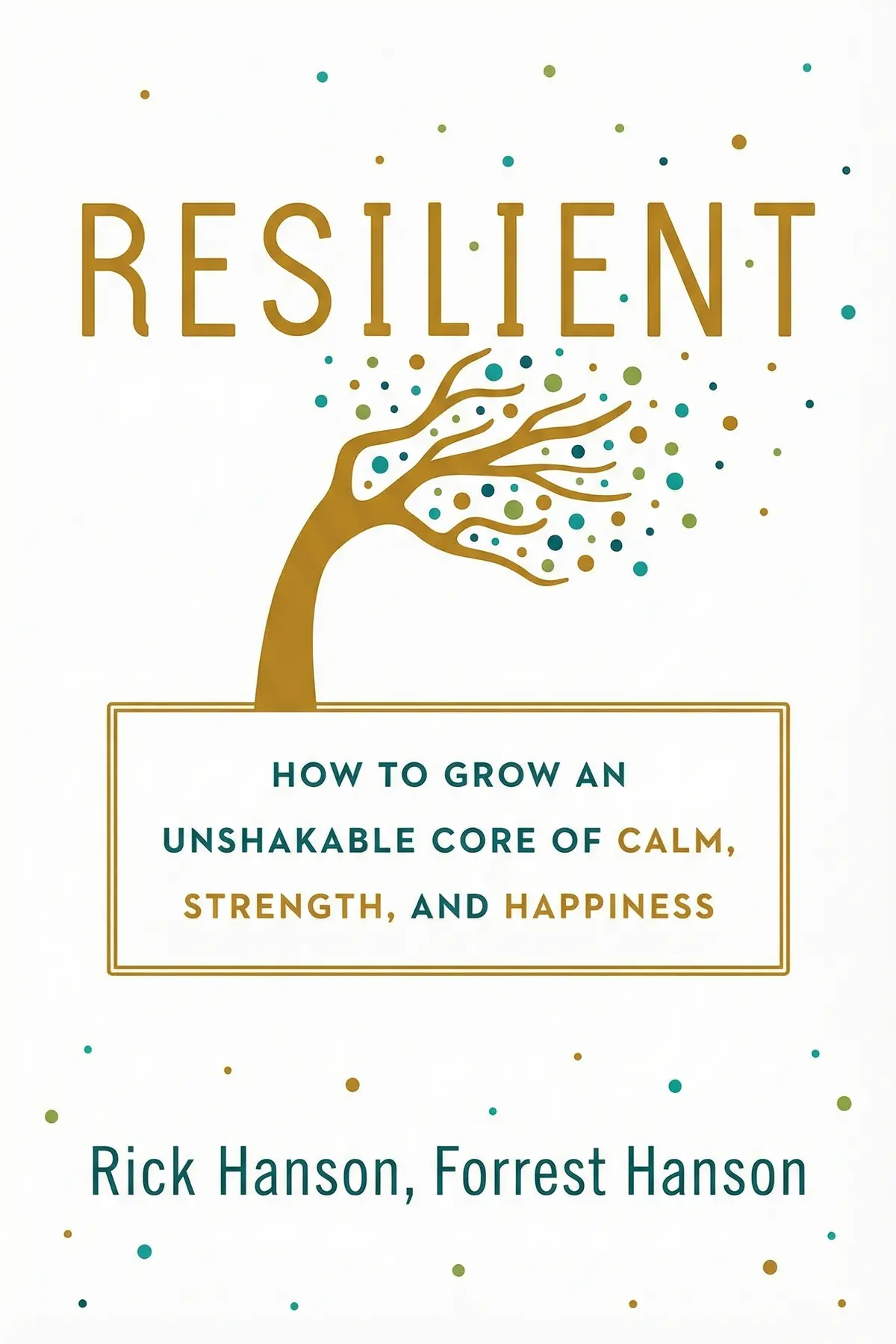
Table of Content
1. Introduction
1 min 40 sec
Think for a moment about the foundation of your life. We often look to the outside world for stability—our jobs, our relationships, or even the general state of society. But as we all eventually discover, these external pillars can be fragile. Things change, people let us down, and the world can feel increasingly chaotic. If your peace of mind depends entirely on everything going right around you, you’ll find yourself on a permanent emotional roller coaster. This is where the concept of resilience becomes essential.
Resilience isn’t just about ‘gritting your teeth’ or ‘powering through’ a bad day. It is the deep-seated ability to maintain a core of calm, strength, and happiness regardless of what is happening in your environment. It’s about building a set of internal mental resources that belong to you and you alone. In this summary of the work by Rick and Forrest Hanson, we are going to explore how you can actually change the physical structure of your brain to support this inner strength.
We’ll delve into why self-compassion is the necessary starting point for any personal growth, how the biology of a zebra can teach us to manage our own stress, and how to tell the difference between healthy enjoyment and the kind of ‘wanting’ that leads to burnout. The goal here is to move past the idea that happiness is something that just happens to you. Instead, you will learn how to treat your mind as a garden that can be cultivated, turning temporary moments of joy or peace into permanent traits that define who you are. By the end, you’ll see that resilience is a skill that can be practiced, refined, and eventually, mastered. Let’s begin the journey toward an unshakable core.
2. The Foundation of Self-Compassion
2 min 24 sec
Resilience begins not with toughness, but with kindness. Discover why accepting your current reality and treating yourself as a friend is the most critical step toward building long-term mental strength.
3. Mastering the Present through Mindfulness
2 min 32 sec
Modern life keeps our minds in a state of constant emergency. Learn how the concept of mindfulness can help you return to a ‘responsive’ mode, much like a zebra in the wild.
4. Cultivating True Grit and Agency
2 min 37 sec
Resilience requires moving from being the ‘effect’ of your circumstances to being the ’cause.’ Discover how to reclaim your sense of agency to overcome learned helplessness.
5. Refueling with Gratitude and Pleasure
2 min 35 sec
Learn why intentionally noticing small pleasures and practicing gratitude isn’t just a luxury—it’s a biological necessity for maintaining your inner strength.
6. Building Confidence Through Inner Security
2 min 36 sec
Our adult confidence is often rooted in childhood feelings of safety. Explore how to ‘re-parent’ yourself by cultivating a sense of being cared for in the present.
7. Harnessing the Biology of Calm
2 min 31 sec
Stress isn’t just in your head; it’s in your nervous system. Learn how to use simple physical techniques like rhythmic breathing to flip the switch from panic to peace.
8. Motivation Through Desiring Well
2 min 40 sec
Is your ambition fueling you or draining you? Discover the crucial difference between ‘liking’ and ‘wanting’ to ensure your goals lead to fulfillment rather than exhaustion.
9. Overcoming Fear to Follow Your Dreams
2 min 40 sec
Hidden fears often act as ‘invisible fences’ that hold us back from our true potential. Learn how to dismantle these barriers and reclaim the courage to pursue your deepest goals.
10. Conclusion
1 min 59 sec
As we wrap up our exploration of these principles, the throughline becomes clear: resilience is not a fixed trait that you are either born with or you aren’t. It is a dynamic, living quality that you build through the choices you make every single day. We have seen how self-compassion provides the necessary safety to grow, how mindfulness keeps us from being hijacked by stress, and how a sense of agency turns us into the masters of our own fate. We’ve learned that by taking in the good—savoring gratitude and pleasure—we build an internal reservoir of strength that allows us to stay calm and confident, even when the ‘lions’ of life are at the door.
Ultimately, being resilient means having an unshakable core. It’s the peace of mind that comes from knowing that no matter what happens in the outside world, you have the internal resources to handle it. You have learned how to use your ‘brake pedal’ to find calm, how to desire well to avoid burnout, and how to follow your dreams by facing your fears. These aren’t just abstract concepts; they are practical tools that you can start using right now.
A powerful way to begin is by simply marking your progress. Resilience is built in small increments. When you have a long list of tasks, don’t just focus on the mountain of work left to do. Instead, take a moment to feel a genuine sense of accomplishment for every single thing you cross off, no matter how minor. This small act of ‘taking in the success’ rewards your brain and keeps your motivation healthy.
Remember, your mind is like a garden. Every time you choose compassion over criticism, presence over panic, and action over helplessness, you are planting the seeds of a resilient life. Keep tending to that garden, and over time, you will find that you have grown a core of strength and happiness that is truly unshakable. You are capable, you are worthy, and you have everything you need within you to thrive.
About this book
What is this book about?
Resilient addresses the fundamental human need for inner stability in an unpredictable world. Life often presents challenges that test our resolve, from minor daily stressors to major life upheavals. The book's core premise is that while we cannot always control external circumstances, we can systematically build up our internal mental resources—such as calm, motivation, and confidence—to handle whatever comes our way. By blending ancient contemplative wisdom with modern neuroscience, the authors offer a roadmap for 'hardwiring' happiness into the brain. The promise is a shift from a reactive state of mind to a responsive one, where you are no longer at the mercy of your environment. Through practical exercises like intentional mindfulness and the cultivation of self-compassion, readers learn to grow an unshakable core of strength that supports long-term mental health and personal fulfillment.
Book Information
About the Author
Rick Hanson
Rick Hanson is a psychologist and best-selling author. He holds a PhD in clinical psychology, is a Senior Fellow of the Greater Good Science Center at UC Berkeley, and is the founder of the Wellspring Institute for Neuroscience and Contemplative Wisdom. Hanson has been an invited speaker at NASA, Oxford, Stanford, Harvard, and other major universities and has taught in meditation centers all over the world. His previous books include Hardwiring Happiness, Buddha’s Brain, Just One Thing, and Mother Nurture. Forrest Hanson is a writer and business consultant. He edits Eusophi, a website that shares content from experts in the fields of happiness, health, wealth, and wisdom.
Ratings & Reviews
Ratings at a glance
What people think
Listeners find this work to be a beneficial asset, with one listener mentioning it provides techniques for mind training. Furthermore, the content is approachable and straightforward, with one listener pointing out the useful psychological drills included. Additionally, listeners admire the neuroscientific foundations and the kind perspective offered for a high-pressure society. They also prize the advice on building grit and the book's uncomplicated, intuitive design.
Top reviews
Elan
After hearing a colleague mention this in a seminar, I decided to give it a shot, and I’m so glad I did. The concept of finding a "refuge"—whether that’s a local library, a park, or even just a favorite coffee shop—really resonated with my own childhood memories of escaping into books. Rick Hanson does a masterful job of taking complex neuroscience and making it accessible for those of us who aren't scientists but still want to improve our mental health. The chapters on body acceptance and dealing with anger were particularly insightful, offering practical tools to retrain the brain's default negative pathways. It’s a compassionate approach to self-growth that doesn't feel forced or overly clinical, even when discussing neuroplasticity. This is a resource I plan to keep on my desk for those days when life feels like an endless hamster wheel.
Show moreAmy
Life has a way of throwing curveballs that leave you feeling defeated, but this book offers a roadmap back to a centered state of being. I found the distinction between "disentangled" and "full pardon" forgiveness to be a game-changer for my own personal relationships. It’s refreshing to read a self-help book that acknowledges forgiveness isn't always a straight line or even a mandatory end goal for everyone. The authors provide user-friendly mental exercises that help you focus on the "next minute" rather than dwelling on a past you cannot change. Personally, the focus on building inner strengths like aspiration and gratitude has helped me navigate a very difficult year with more grace than I thought possible. This isn't just about "snapping out" of bad thoughts; it's about the slow, deliberate work of hardwiring your nervous system for peace.
Show moreMattanee
This book feels like the exact resource needed for anyone currently feeling overwhelmed by the state of the world. Rick and Forrest Hanson have created something truly special here, blending the ancient wisdom of Buddhism with the latest neuroscientific data. The idea that we can actually hardwire happiness into our nervous system is both empowering and scientifically plausible according to the studies cited. I loved the section on "refuges" and how it encourages us to find safety in the small, everyday things that protect and uplift our spirits. Truth is, most self-help books are either too dry or too "woo-woo," but this one hits the perfect middle ground of being compassionate yet grounded in reality. It’s an accessible, user-friendly manual for anyone looking to grow their inner resources and protect their vulnerabilities.
Show morePhichai
Ever wonder why some people just bounce back from tragedy while others stay stuck for years? This book answers that question by focusing on the three causes of life’s path: managing challenges, protecting vulnerabilities, and increasing resources. I appreciated the simple, direct way the authors explain how to build a core of calm and strength through daily practice. It isn't a "magic pill" book, but rather a collection of mental tools that require consistent effort to show results. The emphasis on being "on your own side" was a major lightbulb moment for me personally. In a world that constantly demands more of us, learning to be kind to ourselves is perhaps the ultimate act of resilience. I would definitely recommend this to anyone looking for a practical, neuroscience-based approach to personal growth.
Show moreNutnicha
Picked this up as an ARC and was pleasantly surprised by the symmetrical structure of the four main parts. Hanson takes a multi-layered approach, blending his psychological background with Eastern philosophy and modern brain science in a way that feels quite seamless. I particularly liked the "Key Concept" sections because they allow for quick reference when you need a reminder of the core techniques. While some of the language is a bit gushing for my personal taste, the underlying advice on building courage and intimacy is sound. The author doesn't just tell you to be resilient; he deconstructs the concept into twelve manageable areas like grit, gratitude, and confidence. It’s a practical, depth-heavy guide that manages to stay readable despite the scientific underpinnings.
Show moreKomsan
As someone working in education, I found the chapters on building resilience in children to be the most impactful part of the entire book. We spend so much time talking about trauma-informed care in a reactive way, but Hanson offers a proactive framework for creating safe spaces. By focusing on the twelve areas—from compassion to generosity—teachers can help students develop an unshakable core that survives adverse childhood experiences. My only real gripe is that the book is quite long and some of the meditations feel like they could have been edited down. Still, the message that we have influence over our own minds even when we can't control the world is a powerful one for kids to hear. It’s a valuable resource for anyone who wants to help others navigate a high-pressure world.
Show moreTang
The science of neuroplasticity is fascinating, and Hanson provides a solid foundation for understanding how we can actually change our brain's structure through intentional practice. However, I struggled significantly with the delivery style, which often felt like a "fully hippie" journey that ignored the harsh realities of modern life. It’s hard to focus on "self-love" when you're dealing with a toxic workplace or a struggling economy, and the book sometimes feels disconnected from those systemic issues. To be fair, the sections on mindfulness and grit are well-researched and grounded in both Stoicism and Buddhism, which I appreciated. But the constant repetition of the guided meditations eventually became a chore to get through rather than a relaxing experience. It’s a decent guide for beginners, but those looking for deeper psychological analysis might find it a bit too basic.
Show moreWatchara
To be fair, the research backing these claims is rock solid, and I truly believe in the core concepts of neuroplasticity presented here. However, the "gushing sensitivity" of the writing style was a major hurdle for me throughout the reading experience. At times, the use of personification for body parts and the exaggerated softness of the tone made it difficult to take the serious psychological advice to heart. It’s a shame because the actual techniques for managing challenges and protecting vulnerabilities are excellent and highly effective if you can get past the fluff. I had to use my own mindfulness techniques just to stay focused on the content rather than the delivery! If you can tolerate a high level of "hippie" energy, there is a wealth of knowledge to be found inside.
Show moreChokdee
Not what I expected from a book with such high praise on the cover. While I understand the intent behind the guided meditations, they felt incredibly repetitive and talked down to the reader like we were small children in a primary school classroom. Rick Hanson clearly has credentials, but the tone frequently veered into that "gentle, soothing nonsense" that feels more like a parody of a therapist than actual help. If you are facing legitimate, heavy-duty life challenges, being told to simply "acknowledge the pain" of others feels dismissive of your own reality. Frankly, I found the simplistic acronyms and pithy step programs to be more irritating than grounding or resilience-building. It might work for some, but I needed something with a bit more grit and a lot less fluff.
Show moreRose
Look, I really wanted to find value here because I'm a student of attachment theory, but this felt like a collection of gimmicky analogies. The book suggests that resilience is purely an individual choice, which feels incredibly short-sighted given the social and economic contexts that drive most people's unhappiness today. Instead of addressing how we can transform organizational cultures, we are told to just "reprogram" our brains using simplistic mental tricks. I found myself agreeing with critics who say this feels a bit like a "Van Driessen" character from Beavis and Butthead—far too soft for the real world. If you enjoy being spoken to like a toddler while being told to "feel your victory" in small outcomes, you'll love it. For me, it felt like forfeiting independent thought in favor of flowery, feel-good platitudes that don't hold up under pressure.
Show more

Readers also enjoyed
ADHD an A-Z: Figuring It Out Step by Step
Leanne Maskell

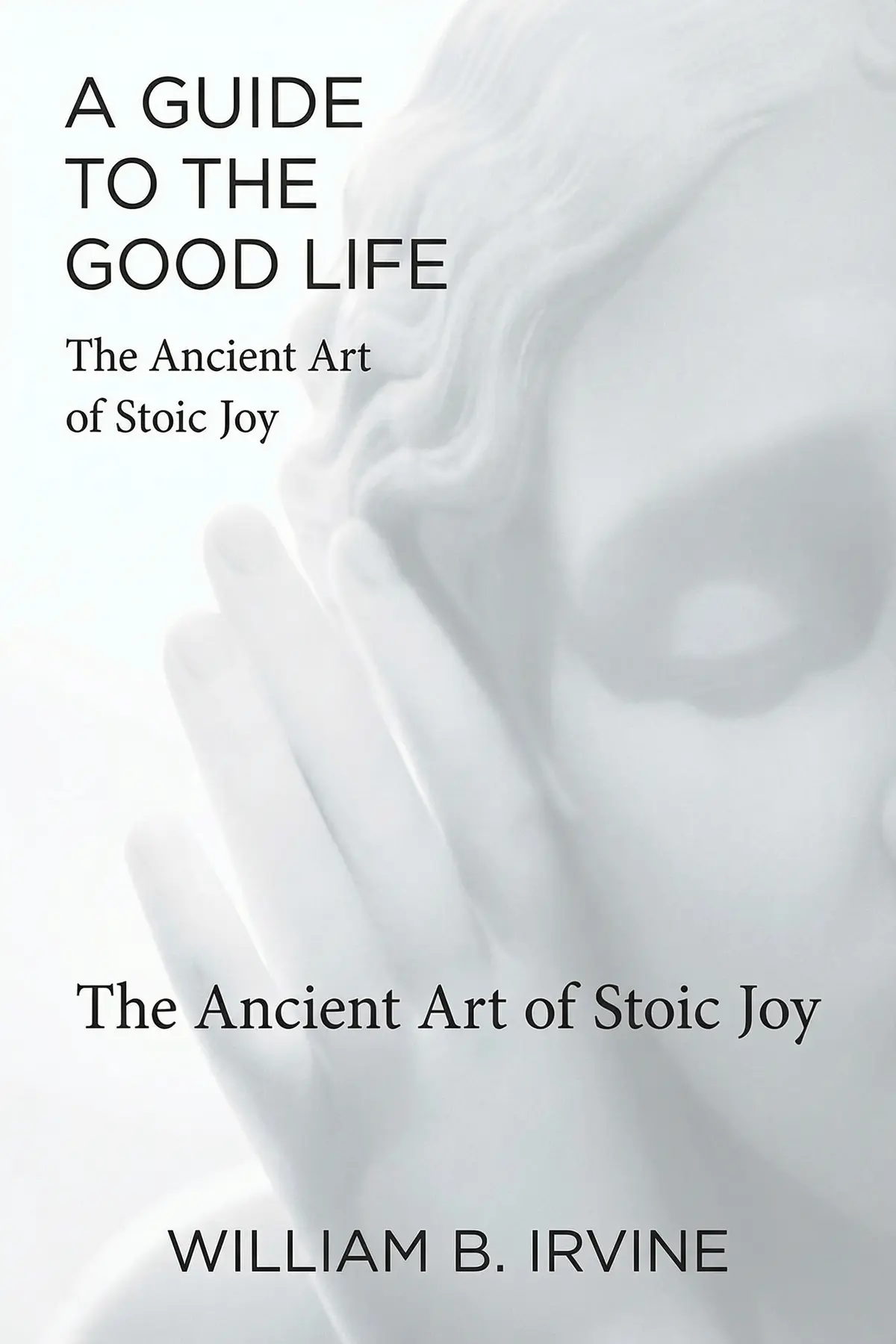
A Guide to the Good Life: The Ancient Art of Stoic Joy
William B. Irvine
AUDIO SUMMARY AVAILABLE
Listen to Resilient in 15 minutes
Get the key ideas from Resilient by Rick Hanson, plus 5,000+ more titles in English and Thai.
- 5,000+ titles
- Listen as much as you want
- 7-day free trial
- Cancel anytime







