
Discourse on Method
René Descartes
Explore the foundational journey of modern skepticism as René Descartes dismantles all previous knowledge to rebuild a philosophy of certainty, proving the existence of the self, the mind, and the divine.
1 min 36 sec
Have you ever paused to consider how much of what you believe to be true is actually based on solid ground? Most of us move through the world assuming that our eyes see what is really there and that our memories represent things as they truly happened. But René Descartes, a giant of seventeenth-century thought, wasn’t satisfied with assumptions. He wanted to find a foundation for knowledge that was absolutely, undeniably certain—something that couldn’t be shaken by even the most extreme doubt.
In this exploration of his most influential work, we are going to follow Descartes as he performs a mental reset. He decides to treat everything he once believed as if it were false, just to see what, if anything, remains standing at the end. This journey isn’t just an academic exercise; it’s a deep dive into the very nature of reality and consciousness. We often hear the famous phrase, “I think, therefore I am,” but we rarely stop to examine the grueling logical path Descartes took to get there.
Over the next several segments, we will look at why our senses might be lying to us, how the mind identifies objects like beeswax even when they change form, and why Descartes believed that the presence of a supreme being was a logical necessity. We’ll also examine the division he drew between the physical body and the thinking soul. This is a story about the power of the human mind to navigate through a fog of uncertainty to reach the clear light of reason. By the end, you’ll see the world—and your own place in it—through a very different lens.
2 min 03 sec
Discover why your eyes and ears might be less reliable than you think, as we explore the deceptive nature of dreams and external influences.
1 min 57 sec
When everything else is stripped away by doubt, one single truth remains: the undeniable reality of your own consciousness.
2 min 18 sec
Explore the three distinct sources of human thought and why some concepts carry more inherent truth than others.
2 min 05 sec
Uncover the reasoning that suggests our capacity for complex thought must have been granted by a superior source.
2 min 01 sec
Investigate the fundamental difference between the physical machine of the body and the immaterial essence of the soul.
1 min 35 sec
As we reach the end of this journey through the meditations of René Descartes, we can see how he transformed the landscape of philosophy by refusing to take anything for granted. He started by burning down the entire structure of his beliefs, using radical doubt as a tool to clear away the debris of sensory deception and false assumptions. From the ashes, he found one single, indestructible truth: the fact of his own consciousness.
From that starting point, he carefully rebuilt a world of certainty. He showed us that while our senses may lie, our reason provides a more reliable path to understanding. He argued that our very capacity for complex, perfect ideas suggests a higher source for our intellect. And finally, he defined the dual nature of our existence, separating the thinking soul from the mechanical body—a distinction that has shaped centuries of debate in science, religion, and psychology.
The takeaway for our own lives is the importance of intellectual vigilance. We shouldn’t blindly accept everything we see or hear, but neither should we remain lost in total skepticism. By using logic and careful reasoning, we can distinguish between what is merely a sensory impression and what is a fundamental truth. Descartes teaches us that the mind is our most powerful tool for navigating reality. So, the next time you find yourself questioning the world around you, remember that the very act of questioning is proof of your own power as a thinking being. Use that power to seek out the clear and distinct truths that lie beneath the surface of everyday life.
This summary explores the profound intellectual exercise undertaken by René Descartes in his quest for absolute truth. Faced with the realization that many of his long-held beliefs were built on shaky foundations, Descartes decides to sweep away everything he thinks he knows. By applying radical doubt to his senses and even his own physical reality, he searches for a single, undeniable point of certainty. The journey takes listeners through the famous realization of self-existence, the logical proofs for a higher power, and the complex relationship between the mind and the body. It promises a clear explanation of how Descartes moved from a state of total skepticism to a structured understanding of reality. You will learn why sensory experiences are often deceptive and how the simple act of thinking serves as the ultimate proof of being. Ultimately, this exploration provides a framework for understanding human consciousness and the origins of modern Western philosophy, focusing on the concepts of epistemology and ontology that still resonate in academic circles today.
René Descartes was a prominent French philosopher widely regarded as the father of modern philosophy. He famously broke away from the traditional philosophical frameworks rooted in Aristotelian thought. His intellectual contributions focused primarily on ontology and epistemology, earning both intense admiration and sharp criticism from his contemporaries. This summary also utilizes the work of translator Jonathan Bennett, who is recognized as a fellow of the American Academy of Arts and Sciences and the British Academy.
René Descartes
Listeners find Descartes' philosophical treatise compelling, with one listener highlighting it as an excellent first choice for grasping logic. Additionally, the text arrives in perfect condition and is composed well, with listeners valuing the reasonable price. However, the ease of reading draws varied responses; some consider it quite fascinating while others describe it as tiresome. Furthermore, the caliber of the logic and the print size also attract a mix of reviews.
After hearing so much about the father of modern philosophy, I finally dove into the Meditations, and it certainly lived up to the hype for me. Descartes’ methodology of radical doubt is genuinely thrilling. He strips away every sensation until only the thinking thing remains. While some argue his transition to proving the existence of God feels forced, the initial intellectual exercise is a masterclass in foundational logic. It is a slim volume that demands a lot of your cognitive energy, but the payoff is a profound shift in how you perceive reality. I found myself pausing after every few paragraphs just to sit with the weight of his skepticism. In truth, it is not a light beach read, but it is essential for anyone who wants to understand the roots of Western thought. My copy arrived in great condition, and the price makes it an easy addition to any library.
Show moreWhat is reality, and how can I even be sure that I am writing this review right now? This book completely wrecked my sense of certainty. It led me down a dark rabbit hole of existential questions that I still cannot answer today. Actually, Descartes managed to make me question the validity of my own senses and the entire world around me with just a few short meditations. It is a wild ride to go from 'I think, therefore I am' to wondering if a malicious demon is tricking my perception. The way he builds his argument is ingenious, even if the later parts about the soul feel a bit dated to a modern reader. I recommend this to anyone who wants to challenge their own dogmatic slumbers and dive into the deep end of metaphysics. Just be prepared to feel like your brain has been through a blender by the final page.
Show moreEver wonder if you are actually a fraud living in a dream world controlled by a deceptive spirit? Descartes faces these phantoms head-on with a level of dignity and rigor that is truly inspiring to read. While I approached this as an atheist, I was fascinated by the ingenious way he constructs his world from nothing but his own thoughts. This specific volume is great, but the actual reading is very complex and hard to get into if you are not prepared for a challenge. Once you get past the dense writing style, you find a thinker who was brave enough to release the ghosts of modern being. I highly recommend this to everyone who wants to see how a single thinking thing changed the world forever by simply sitting alone and doubting the existence of everything he once knew.
Show moreAs someone who identifies as an atheist, I found this to be a surprisingly engaging dive into the mechanics of 17th-century logic. Descartes starts with a fascinating premise by discarding everything he knows to find a singular truth, which is a journey any fan of debate would enjoy. I love how he identifies as a thinking thing, yet I could not help but notice the argument falls apart once he tries to bridge the gap toward the divine. The shift from cold, hard skepticism to the unmoved mover felt like a leap of faith rather than a logical step. Despite these fallacies, the book is a great first read for those interested in the philosophy of mind. It is short, punchy in places, and the translation I got was actually quite readable compared to other classics. It definitely makes you question your own suppositions about the world.
Show moreThe 'thinking thing' is back at it again, and 400 years later, Descartes’ voice still feels remarkably present and daring to me. I love the way he admits his own ignorance right at the beginning, setting a tone of humility that is often missing from modern academic writing. His methodology of demolishing his own opinions to find a firm foundation is something every thinker should try at least once. Look, I was impressed by how he handles the distinction between the soul and the body, even if neuroscience has since complicated his findings. It is an interesting read that bridges the gap between medieval thought and the enlightenment, providing a thrill for anyone who loves a good debate. The book is written nicely, though you might need a dictionary nearby for some of the more archaic phrasing. Overall, it is a classic for a reason.
Show moreFinally got around to reading this classic, and I have to say the physical quality of the book from the publisher was quite excellent. For such a low price, the binding is strong and it looks great on the shelf, though the print size is a bit on the small side. The price is a major plus here. Content-wise, the first few meditations are a brilliant display of logic that really makes you examine your own suppositions. I found the transition from doubting everything to proving his own identity to be the highlight of the entire work. While the argument for dualism has its critics, it is still an important foundation for the philosophy of mind that deserves to be studied. Truth be told, it is a bit of a challenge to get through the denser middle sections, but it is a rewarding experience overall.
Show morePicked this up for a philosophy class and it is basically exactly what you would expect from a standard Hackett edition. The price was very reasonable for a student budget, and the book itself is sturdy enough to survive being tossed in a backpack every day. However, the content is a bit of a mixed bag. It is fairly interesting at the start when he is doubting the senses, but it becomes quite tedious as it goes on. I struggled with the dense arguments regarding the separation of the mind and body, which feel very disconnected from modern science. Personally, the translation is decent, but the font is small and the margins are tight, making it hard to take notes. It is a solid 3-star read—essential for the curriculum, but not something I would ever revisit for fun or leisure.
Show moreIn my experience, the Meditations is one of those books that is much better discussed in a classroom than read alone in a room. The logic is influential, but the prose is a slog. I appreciated the first two meditations where he establishes his own existence, but the quality of the argument drops significantly after that point. Not gonna lie, I found myself skimming the sections on the existence of God because they felt like a desperate attempt to stay in the Church's good graces rather than a cold, logical deduction. The physical book was fine, arrived in perfect condition, and the price was right. It is an okay introduction to logic, but there are definitely more modern texts that cover the same ground with much more clarity and less fluff.
Show moreThis book is a prime example of why people find philosophy incredibly frustrating and inaccessible to the modern reader. I picked this up hoping for a clear logical progression. Instead, I was met with dense, run-on sentences that seemed to circle back on themselves constantly in a way that felt entirely unnecessary. Frankly, the writing style is so verbose and tedious that it is hard to stay focused on the actual argument being made. By the time Descartes reaches his conclusions about the soul and body, the logic feels paper-thin and reliant on outdated medieval assumptions. It is an important historical text, sure, but the actual experience of reading it felt like intellectual masochism for me. The tiny print size in my edition did not help either.
Show moreLook, I understand the historical importance of Descartes, but this book is just riddled with logical fallacies that are hard for me to ignore. The argument for God's existence is particularly weak and feels like it employs the very same assumptions he claimed to discard in the first meditation. Gotta say, I found the whole unmoved mover concept to be a self-defeating argument when you look at it through the lens of modern physics. It feels less like a rigorous philosophical inquiry and more like a man trying to justify his preconceived notions using fancy language. Unless you are an intellectual masochist who enjoys dense, circular prose that never seems to reach a satisfying conclusion, I would suggest finding a good summary instead of reading the original text. It is just not very accessible.
Show more
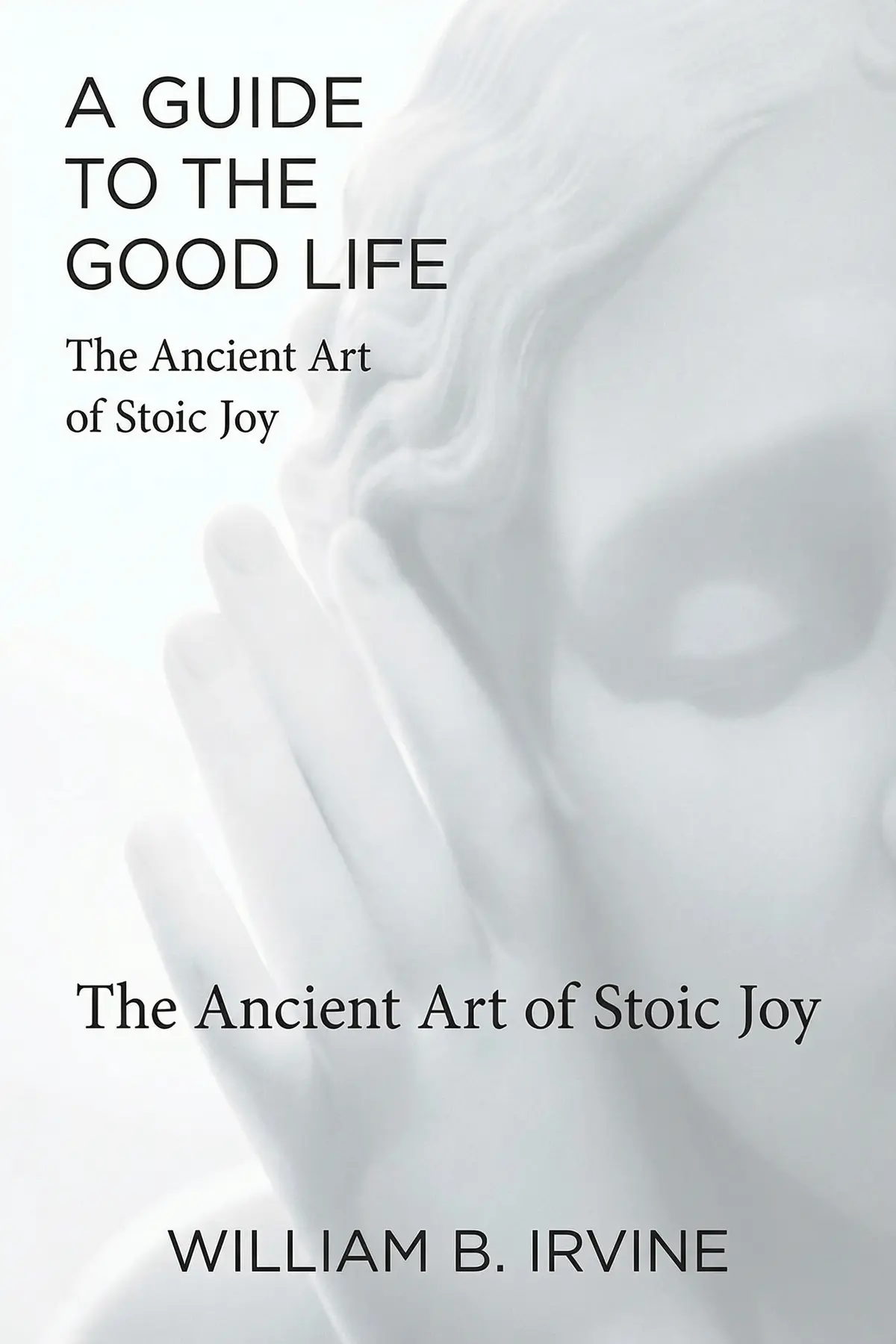
William B. Irvine

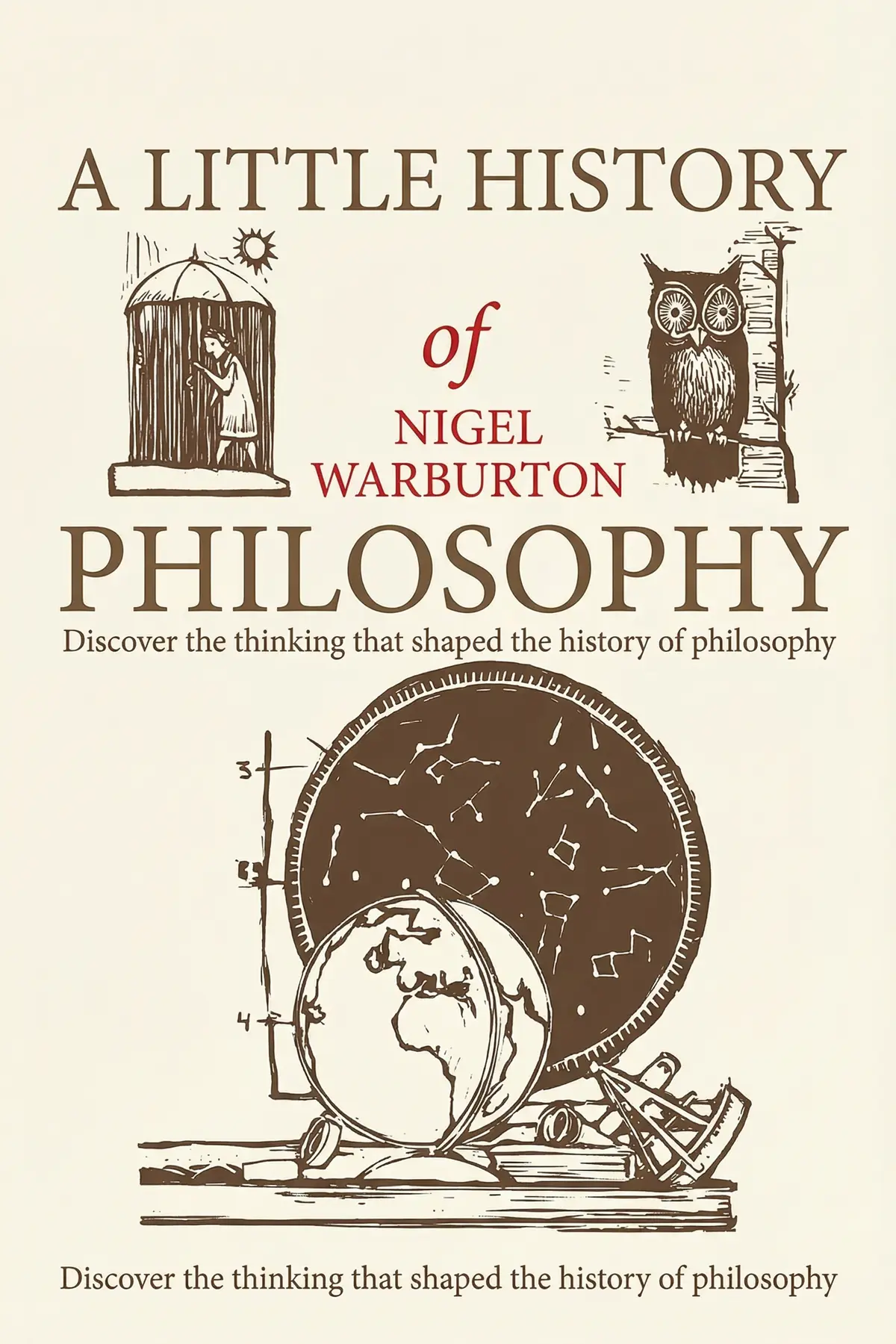
Nigel Warburton
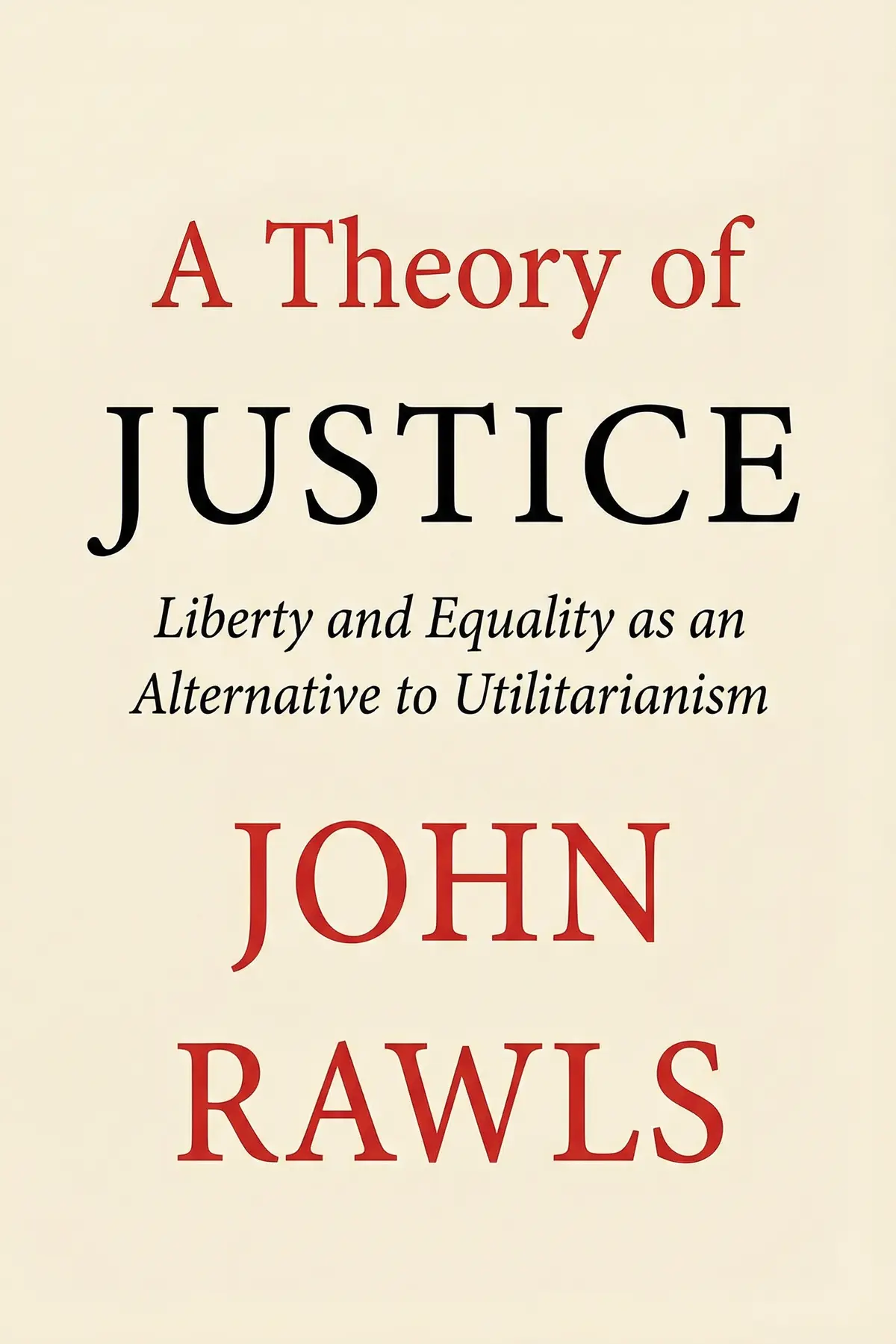
John Rawls
Colin Ward
AUDIO SUMMARY AVAILABLE
Get the key ideas from Meditations on First Philosophy by René Descartes, plus 5,000+ more titles in English and Thai.







