
15 min 41 sec
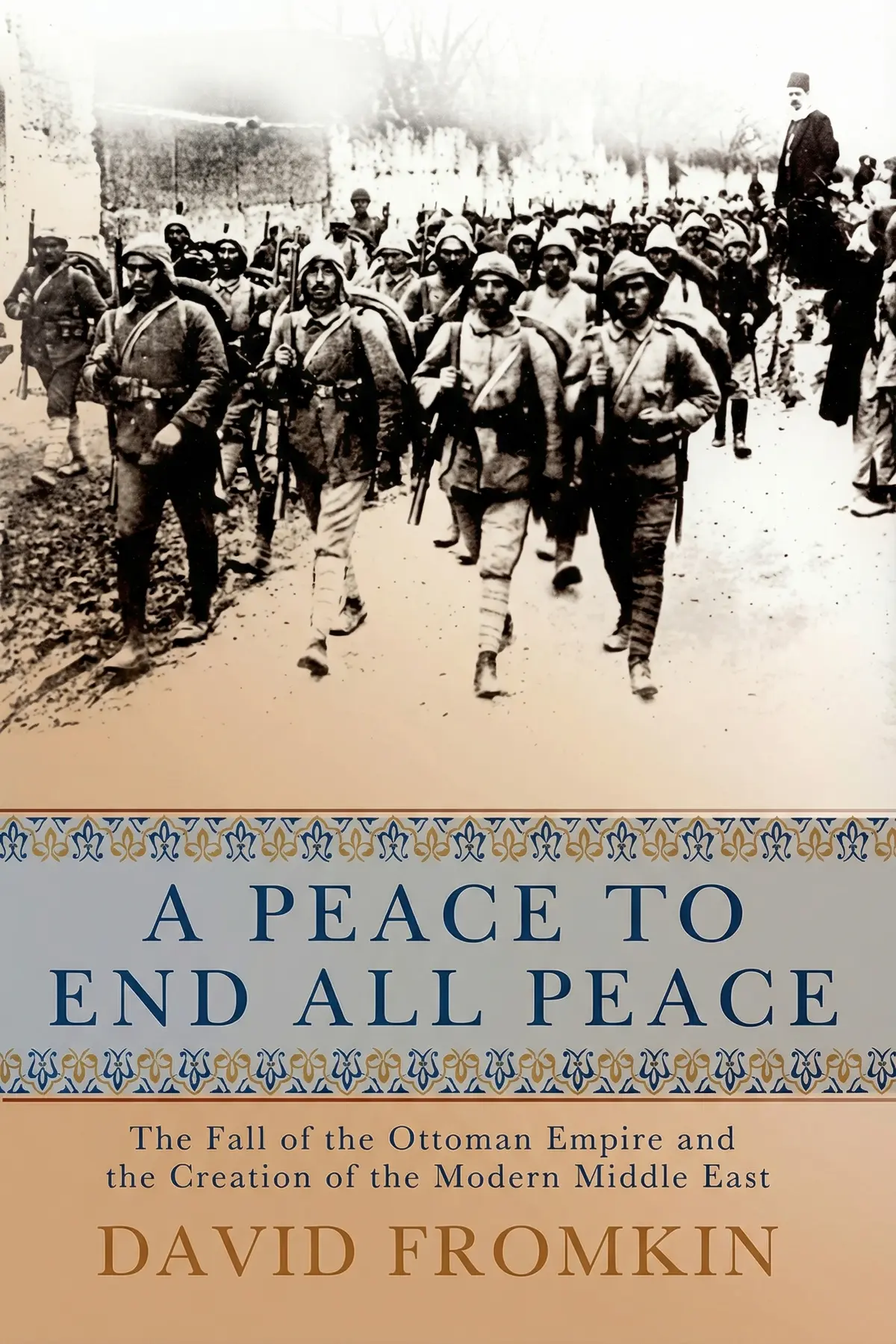
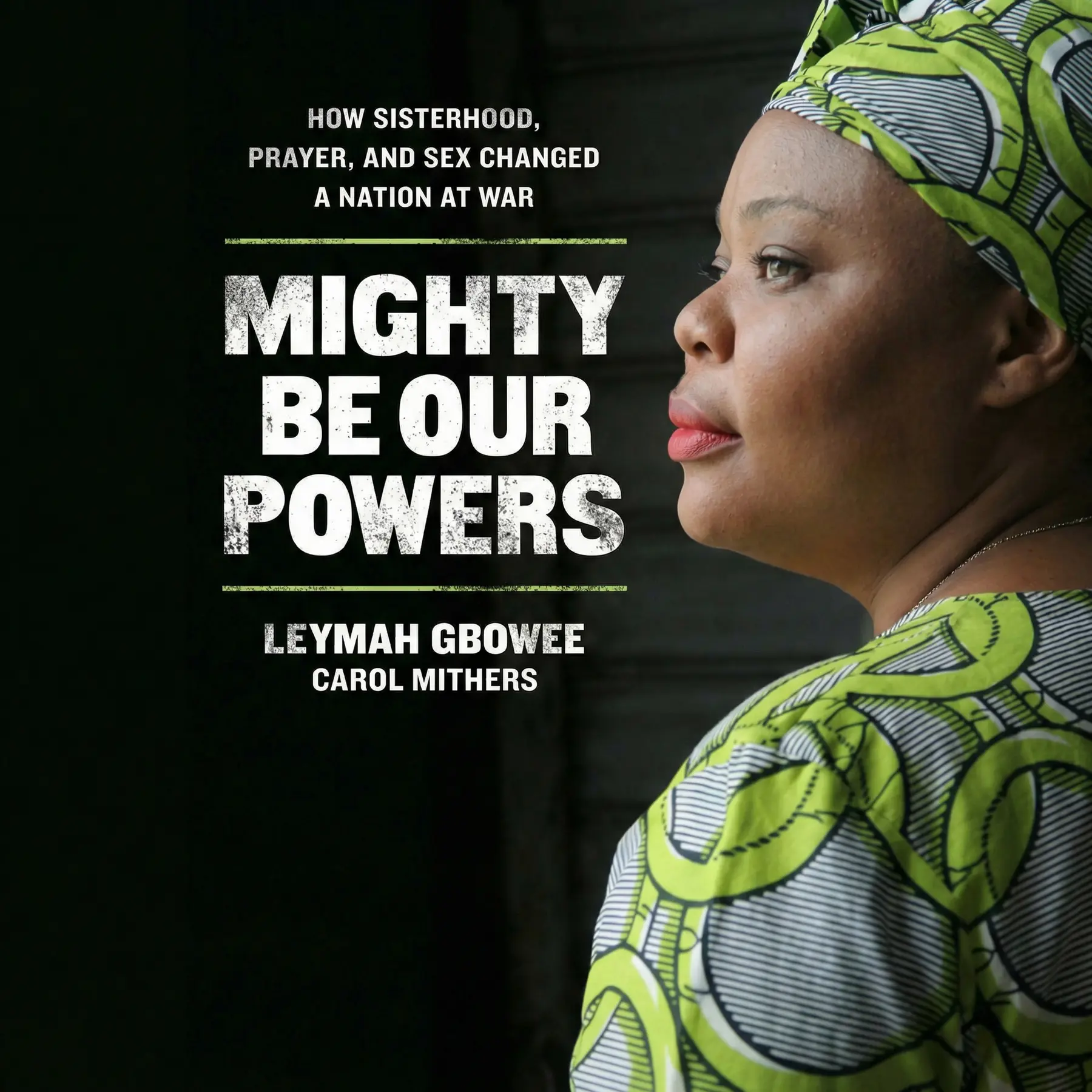
Mighty Be Our Powers: How Sisterhood, Prayer, and Sex Changed a Nation at War
Mighty Be Our Powers is the inspiring memoir of Leymah Gbowee, who organized a non-violent women’s movement to end Liberia’s bloody civil war and eventually earned the Nobel Peace Prize.
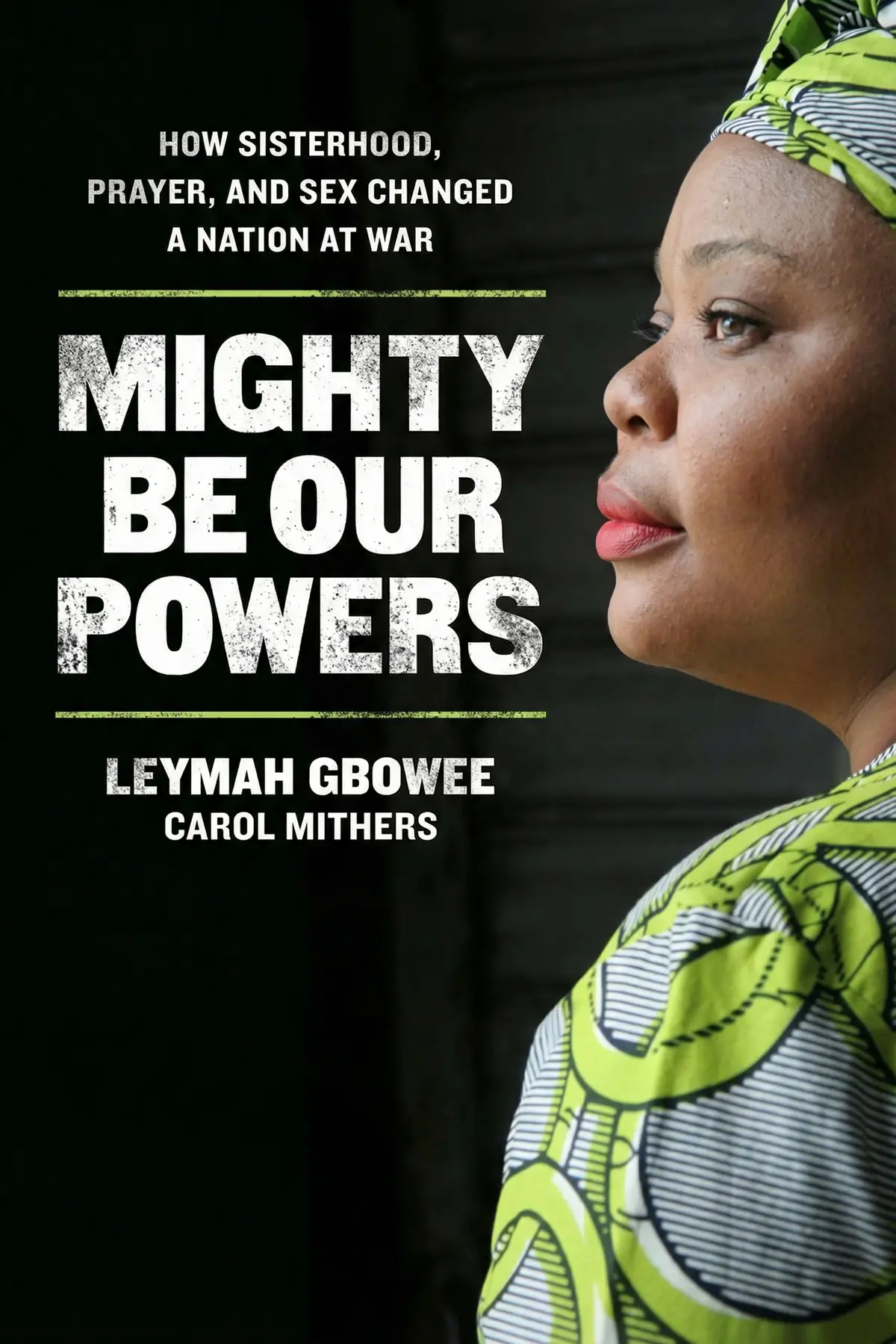
Table of Content
1. Introduction
1 min 34 sec
When we think about the architects of history, we often picture generals on battlefields or politicians in marble halls. Rarely do we focus on the thousands of women in white T-shirts who, through sheer collective will, forced a stop to a decades-long cycle of violence. This is the world of Mighty Be Our Powers. It is the story of Leymah Gbowee, a woman who transformed from a displaced refugee into a global icon of peace.
In this summary, we are going to explore a journey that is as much about personal healing as it is about national survival. We will walk through the streets of Monrovia as a promising future is suddenly snatched away by the sound of gunfire. We will witness the quiet, often overlooked strength of mothers who decided that they could no longer watch their children be recruited into armies or buried in shallow graves. This isn’t just a history of a conflict; it’s a manual on how the marginalized can reclaim their power.
Through Gbowee’s eyes, we see the transition from despair to action. We see how a community of women, divided by religion but united by grief, became a force that even the most brutal warlords could not ignore. By the end of this journey, you’ll understand how a single voice, when amplified by thousands of others, can literally change the map of a nation and earn the highest honors the world has to offer. Let’s look at how Leymah Gbowee and the women of Liberia rewrote their country’s destiny.
2. The Collapse of a Stable Life
2 min 06 sec
Imagine standing on the cusp of adulthood with the world at your feet, only to have your dreams incinerated by a sudden and violent national uprising.
3. Exile and the Burden of Survival
2 min 21 sec
The life of a refugee is defined by a loss of agency, where every day is a struggle against heat, hunger, and a deep, gnawing fear for the future.
4. The Nightmare of the Bulk Challenge
1 min 56 sec
Escaping a war zone often means trading one form of danger for another, as thousands of desperate people are squeezed onto a single, failing vessel.
5. Mending the Hearts of the Traumatized
1 min 59 sec
True peacebuilding starts at the grassroots level, dealing with the psychological scars left behind by child soldiers and broken communities.
6. The Birth of the Women’s Peace Movement
1 min 57 sec
What happens when the women of a nation decide that they will no longer allow men to dictate the terms of their survival?
7. Barricades and the Path to the Nobel
2 min 21 sec
From a bold blockade in a luxury hotel to the world’s most prestigious stage, discover how a grassroots movement achieved the impossible.
8. Conclusion
1 min 27 sec
As we look back on the extraordinary life of Leymah Gbowee, the throughline is clear: power is not always found in the barrel of a gun or the seat of a government. True power lies in the ability to organize, to empathize, and to refuse to accept a violent status quo. Gbowee’s journey shows us that even the most deeply entrenched conflicts can be moved by the collective action of those who have the most to lose.
She began as a student with a dream, became a refugee with a nightmare, and emerged as a leader with a vision. Her story reminds us that reconciliation isn’t a single event, but a continuous process of healing. By uniting women across religious and tribal lines, she proved that our shared humanity is more potent than the ideologies that seek to divide us.
The actionable takeaway from Gbowee’s life is that we should never underestimate the importance of the ‘marginalized’ voice. When systems fail, when leaders are corrupt, and when violence seems like the only language left, it is often the people at the grassroots who hold the solution. Whether it’s in our own communities or on a national stage, the lesson of Mighty Be Our Powers is to stand up, wear your ‘white T-shirt’ of peace, and realize that you have the strength to demand a better world. Change is possible, even in the most hopeless of circumstances, as long as we are willing to stand together and refuse to move until justice is served.
About this book
What is this book about?
Mighty Be Our Powers tells the harrowing yet triumphant story of Leymah Gbowee, a woman who came of age amidst the absolute devastation of the Liberian civil war. Starting as a young mother struggling to survive in refugee camps and enduring domestic violence, Gbowee found her voice through social work and trauma counseling. She eventually realized that while men were the ones perpetuating the violence, the women of the nation held the key to its salvation. The book follows the formation of a grassroots movement that united Christian and Muslim women in a shared mission of peace. Through massive protests, strategic negotiations, and sheer persistence, Gbowee and her fellow activists forced warlords to the bargaining table and helped install Africa’s first female head of state. This narrative provides a deep look at the cost of war and the incredible resilience of the human spirit when fueled by sisterhood and a demand for justice.
Book Information
About the Author
Leymah Gbowee
Leymah Gbowee is a renowned peace activist and a recipient of the 2011 Nobel Peace Prize for her work in empowering women and helping end the civil war in Liberia. She cofounded the Women Peace and Security Network Africa and serves as the president of the Gbowee Peace Foundation. Carol Mithers is an accomplished journalist and author whose writing has been featured in major publications such as the New York Times and the Los Angeles Times.
Ratings & Reviews
Ratings at a glance
What people think
Listeners find this memoir to be a gripping account that keeps them engaged, commending the potent story of individual bravery and its honest perspective. The book earns praise for its educational merit, authenticity, and uplifting message about the successes of women, with one listener noting it's based on true events. Listeners also admire the caliber of the prose, which one listener describes as revealing.
Top reviews
Ford
What an incredible journey of personal courage and systemic change. Leymah Gbowee’s story is far from a sanitized version of heroism; she is brutally honest about her own failings, her struggles with alcohol, and the domestic abuse she endured. It’s rare to find a memoir where the author is so willing to be vulnerable about their lowest moments while describing how they quite literally saved a nation. I was particularly moved by the way she describes the collective power of the Liberian women, both Christian and Muslim, who refused to let their country die. The visceral descriptions of the civil war are difficult to stomach, but they make the eventual peace feel like a hard-won miracle. Frankly, it’s one of the most revealing accounts of grassroots activism I’ve ever read. You can really feel the weight of her sacrifices, especially the time spent away from her children to ensure they had a country to return to. This is essential reading for anyone interested in how marginalized voices can dismantle a dictatorship.
Show moreSamira
This is one of those books that leaves you feeling small yet incredibly motivated at the same time. Gbowee’s transformation from a woman paralyzed by fear and abuse to a leader staring down warlords is a narrative arc you couldn't even make up. The description of the 'white T-shirt' movement brought tears to my eyes because it represented such a simple, yet profound, reclamation of dignity. I was surprised by how much the book focused on the post-war reconciliation process, which is often ignored in these kinds of stories. Peace isn’t just the absence of guns, and Gbowee makes that clear through her work with traumatized youth and former child soldiers. Not gonna lie, some of the descriptions of the atrocities are absolutely haunting and might be triggering for some readers. But if you can handle the darkness, the light at the end of this book is genuinely life-altering. It’s a compelling reminder that the most powerful tools for change are often found in our own communities.
Show moreKan
Wow, talk about a narrative that stays with you long after the final page is turned. Gbowee’s ability to move mountains in a country where the 'devil himself' sat on the throne is nothing short of a modern-day miracle. I appreciated the candidness regarding her relationship with her children and the guilt she felt for leaving them to pursue her work. It adds a layer of humanity that many memoirs of famous people lack. The writing style is vivid, especially when describing the sensory details of the displacement camps and the fear that permeated every day of the war. To be fair, it’s a brutal read, but the hope that shines through is worth the discomfort. The way the women used their status as mothers to shame the men into peace was brilliant and daring. This book isn't just for people interested in Africa; it's for anyone who wants to see how the 'powerless' can actually be the ones with all the strength.
Show moreDylan
Leymah Gbowee is an absolute powerhouse, and her account of the Women in Peacebuilding Network is nothing short of legendary. This book offers a deeply educational look into the Liberian civil war, a conflict I honestly didn't know enough about before picking this up. The writing is accessible and keeps the narrative moving, though I do agree with some critics that the middle section gets a bit bogged down in organizational acronyms and policy talk. At times, the flow feels more like a report on NGO development than a personal memoir. However, the emotional core remains strong throughout. The scenes where the women confront Charles Taylor are electrifying and show the true meaning of non-violent resistance. To be fair, the sheer volume of names and committees can be overwhelming, but it doesn't take away from the ultimate impact of her message. It's an inspiring testament to what can happen when women decide they have had enough of men's senseless violence.
Show moreDarawan
Finally got around to this Nobel Laureate’s memoir and I’m struck by how raw it is. This isn't just a story about peace; it's a story about the messy, painful reality of being a human being caught in a cycle of violence. I appreciated that Gbowee didn't try to paint herself as a saint. She admits to being a flawed mother and a woman who was often running on fumes and bitterness. The strategy of the sex strike was fascinating to read about in context, especially considering the risks those women took in their own homes. My only real gripe is that I wanted more depth regarding the other women in the movement. Sometimes it felt like their stories were condensed into brief anecdotes to make room for the logistics of the various programs. Still, the book is a masterclass in resilience. It shows that leadership isn't about being perfect, but about being present when the world is falling apart.
Show moreVipawan
The sheer bravery required to organize the Women In Peace Building Network is staggering, and this book captures that intensity well. I loved the focus on how local engagement is more effective than outside intervention from the UN or other big NGOs. Gbowee makes a very strong case for why those who live through the conflict are the only ones who can truly fix the peace. The book is unflinching in its portrayal of the 'devil' she had to face, both in terms of the political leaders and her own internal demons. I did find the pacing a bit uneven, as some years of the war are covered in great detail while others are glossed over. Also, the transition from her personal life to her public persona felt a bit abrupt in places. Regardless, her voice is vital. She reminds us that peace is a process, not just a moment in time, and that women are often the experts in building it.
Show moreArjun
As someone who knew very little about West African history, this was a massive wake-up call. The book does a fantastic job of explaining the complexities of the Liberian conflict without becoming a dry history textbook. Leymah’s voice is casual and direct, making you feel like she’s sitting right across from you telling her story. I was particularly struck by the role her sister played; it was heartbreaking to see the toll the movement took on her family life. Personally, I think the book is strongest when it focuses on the grassroots level—the meetings in the markets and the prayers on the fish fields. Some of the later chapters about her travels and awards felt a little less grounded than the early stuff. However, the authenticity of her struggle is undeniable. It’s a powerful testament to the fact that even when you feel hopeless, you can still be a force for good. Truly an eye-opening and educational memoir.
Show moreUraiwan
Look, this isn't an easy read by any stretch of the imagination, but it is an essential one. The discussion of child soldiers and the systematic use of rape as a weapon of war is gut-wrenching. Gbowee handles these topics with a mix of clinical clarity and deep empathy that keeps the reader engaged without being voyeuristic. I found her critiques of international aid organizations particularly insightful, as she points out how they often ignore the cultural realities of the people they are trying to help. My only complaint is that the writing can be a bit repetitive when it comes to the logistical hurdles of her various peace networks. It felt like I was reading the same struggle with funding and office space several times over. But when she focuses on the human element, the book soars. It’s a remarkable story of how one woman’s anger was channeled into a force that changed the world.
Show moreBun
I picked this up after seeing the documentary 'Pray the Devil Back to Hell' and wanted to get the full story. The book definitely provides the internal monologue that the film was missing, specifically regarding Leymah’s early years and her fight against depression. It’s a fascinating look at the intersection of faith, feminism, and politics in a war zone. I was surprised by how much the 'sex strike' was actually a source of danger for the women involved; it wasn't just a clever stunt, but a high-risk gamble. The narrative does lean a bit heavily on name-dropping in the later chapters, which can be distracting for a casual reader. However, the core message about the power of the collective is impossible to ignore. Gbowee doesn't pretend she did it alone, even if the book bears her name. It’s a generous, gritty, and ultimately uplifting account of what it takes to stop a war when the rest of the world has turned its back.
Show moreKaen
While I have immense respect for the work Gbowee did, the prose didn't always hit the mark for me. I felt like the writing was in constant competition with the gravity of the events being described. There were moments where I wanted to linger on a specific memory or a relationship, but the narrative would suddenly jump to the next organizational meeting or international conference. Truth is, the heavy reliance on acronyms made it feel a bit like a lecture on sociology at times. I struggled to connect with the secondary characters because they were often introduced and then discarded in the span of a few pages. It's a very important historical document, but as a piece of literature, it felt a bit disjointed and rushed in the latter half. I wish we had seen more of the daily lives of the women she led rather than the high-level summaries of their achievements. It’s a good read, just not the soul-stirring experience I was expecting based on the subject matter.
Show moreReaders also enjoyed
A Theory of Justice
John Rawls

A Year in the Life of William Shakespeare: 1599
James Shapiro



A Warning
Miles Taylor

Agent Sonya: The Spy Next Door
Ben Macintyre
AUDIO SUMMARY AVAILABLE
Listen to Mighty Be Our Powers in 15 minutes
Get the key ideas from Mighty Be Our Powers by Leymah Gbowee, plus 5,000+ more titles in English and Thai.
- 5,000+ titles
- Listen as much as you want
- 7-day free trial
- Cancel anytime







