


20 min 45 sec
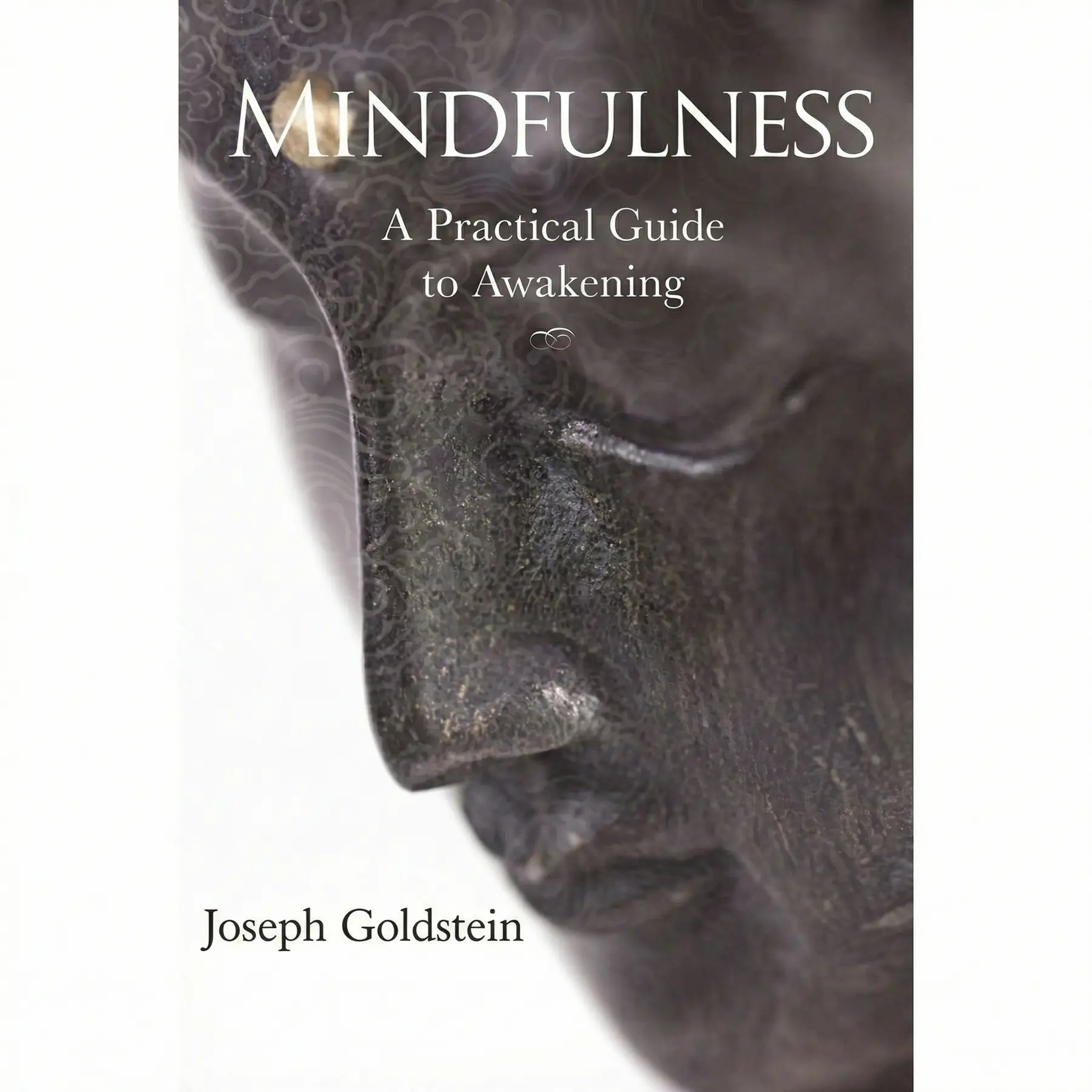
Mindfulness: A Practical Guide to Awakening
Explore the ancient roots of mindfulness through a modern lens. Joseph Goldstein provides a comprehensive roadmap for using meditation to overcome the cycle of craving and discover lasting inner peace.
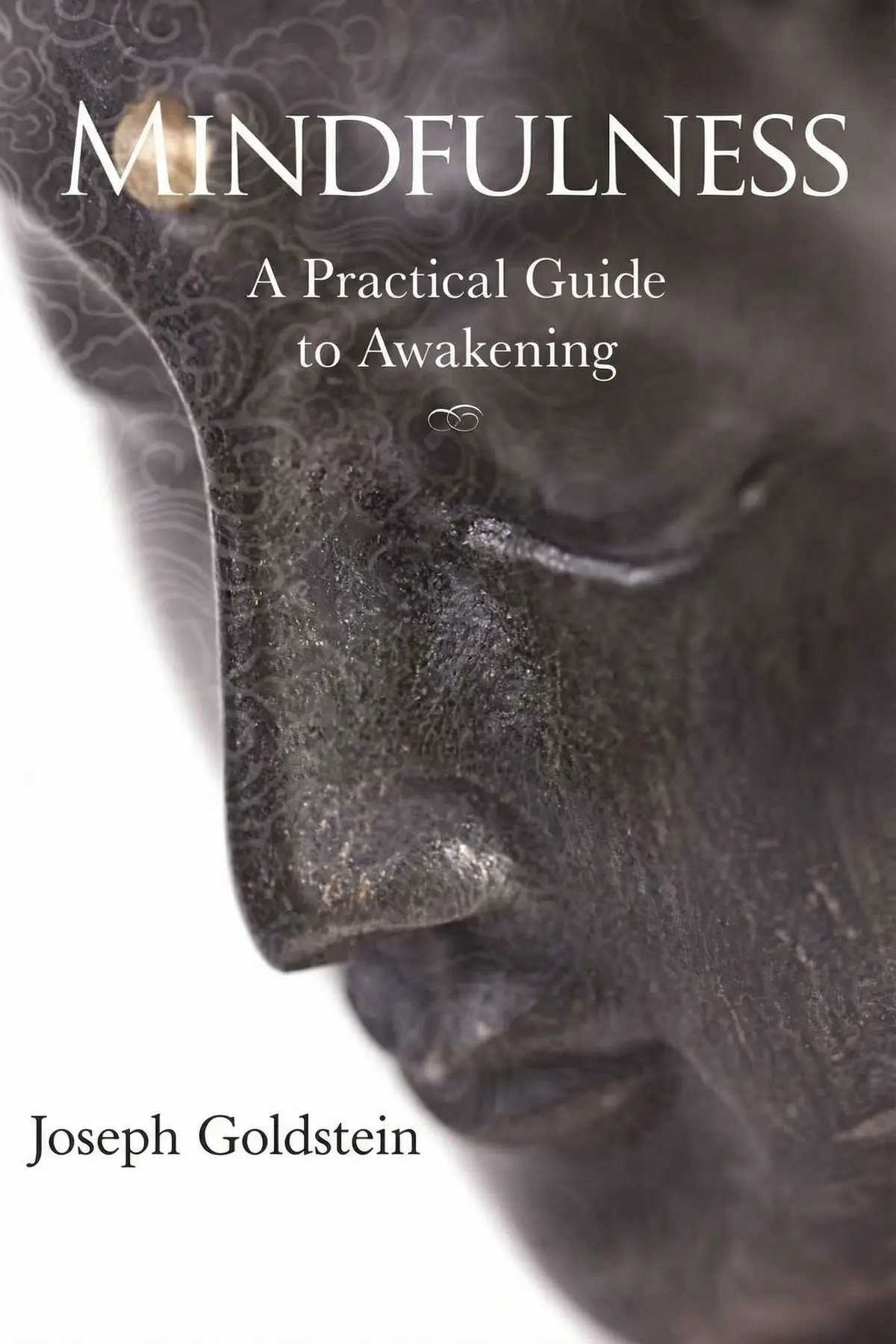
Table of Content
1. Introduction
1 min 49 sec
Imagine, if you will, a young man who possessed everything the world defines as success. He lived in a palace, surrounded by luxury, sheltered from the harsher realities of human existence. Yet, despite his wealth and status, he felt a profound sense of emptiness. This young man was Siddhartha Gotama, and his journey from that palace to a seat beneath a Bodhi tree changed the course of human history. When he finally achieved enlightenment and became the Buddha, his primary tool was mindfulness—a practice he described as the direct path to liberation. Today, we often hear the word mindfulness used in the context of corporate wellness or stress reduction, but its origins are far deeper and more radical than modern self-help might suggest.
In this exploration of Joseph Goldstein’s work, we are going to look at the ancient wisdom of the Satipatthana Sutta, the primary discourse on establishing mindfulness. This isn’t just a guide for sitting quietly on a cushion; it is a transformative framework for understanding the very nature of our minds and the reality we inhabit. We’ll delve into why we suffer, how our own cravings keep us trapped, and how the simple act of paying attention can begin to dissolve the walls of the self.
Goldstein acts as our bridge, connecting these twenty-five-hundred-year-old insights with our modern psychology and daily struggles. We will look at how mindfulness of the body can ground us, how observing our emotions can prevent us from being swept away by them, and how cultivating a heart of compassion can change our relationship with everyone we meet. By the end of this journey, you’ll see that mindfulness isn’t about becoming someone else or escaping the world. It’s about finally arriving in the present moment with enough clarity to see things as they truly are. Let’s begin by looking at the fundamental problem of human existence: the cycle of craving and the search for an end to dissatisfaction.
2. The Cycle of Desire and Dissatisfaction
2 min 36 sec
Uncover the root cause of human suffering and why even our most pleasant experiences often leave us feeling unfulfilled and searching for more.
3. The Inner Strength of the Mindful Path
2 min 23 sec
Discover the essential qualities needed to sustain a spiritual journey, including the power of persistence and the clarity of purpose.
4. The Body as an Anchor
2 min 23 sec
Learn how the physical sensations of your own body can serve as a profound entry point into the deepest truths of existence.
5. Interrupting the Momentum of Emotion
2 min 19 sec
Discover a simple yet powerful technique to prevent your feelings from spiraling into suffering and regain your mental clarity.
6. Clearing the Mind's Troubled Waters
2 min 33 sec
Identify the five common mental obstacles that cloud your perception and learn how to transform them into opportunities for growth.
7. The Heart of Lovingkindness
2 min 30 sec
Explore the practice of Metta and discover how extending genuine goodwill to others can dissolve the barriers of the ego.
8. Living the Truth of Interconnectedness
2 min 19 sec
Learn how the principles of right speech, action, and livelihood provide a practical framework for ethical living in a complex world.
9. Conclusion
1 min 53 sec
As we reach the end of our journey through Joseph Goldstein’s ‘Mindfulness,’ it’s important to remember that the path to awakening is just that—a path. It isn’t a quick fix or a set of intellectual concepts to be memorized. It is a lived experience that unfolds one breath at a time. We have seen how the root of our dissatisfaction lies in our habitual cravings and our attachment to a solid sense of self. We have explored how the body, the breath, and our very feelings can serve as gateways to a deeper understanding of reality. And we have seen how cultivating qualities like ardency, metta, and ethical integrity can transform not only our own lives but the lives of those around us.
The throughline of these teachings is simple: by paying attention to the present moment with clarity and without judgment, we can break free from the cycles of suffering that have held humanity captive for millennia. This practice doesn’t require us to go to a cave in the Himalayas or to become someone we are not. It asks us to be exactly who we are, right where we are, but with a new level of awareness. It is a journey from the surface world of appearances to the deep reality of interconnectedness.
As a final piece of actionable advice, take the words of the Dalai Lama to heart: try to treat everyone you meet as if they were an old friend. This doesn’t mean you have to share your deepest secrets with every stranger, but it means approaching every interaction with a baseline of warmth and goodwill. Whether it’s the person delivering your mail, a difficult colleague, or a family member, try to see the human being behind the role. Notice how this small shift in perspective changes your own internal state. Mindfulness is the art of being present, and there is no better way to be present than with a heart that is open and a mind that is clear. Your path to liberation begins with the very next breath. Take it with awareness.
About this book
What is this book about?
Mindfulness is an in-depth exploration of the Satipatthana Sutta, the Buddha’s foundational teaching on the four pillars of awareness. Joseph Goldstein translates these ancient principles into practical guidance for contemporary seekers, demonstrating how to cultivate a mind that is both clear and compassionate. The book promises a path to liberation by teaching readers how to observe the body, feelings, and thoughts without the distorting lens of the ego. By developing these qualities, practitioners can navigate the challenges of daily life with greater equanimity and find a sense of freedom that is independent of external circumstances.
Book Information
About the Author
Joseph Goldstein
Joseph Goldstein has spent over five decades transmitting the methods of Vipassana, the Buddhist tradition of mindfulness, to Western audiences. Goldstein is the author of A Heart Full of Peace and One Dharma: The Emerging Western Buddhism.
Ratings & Reviews
Ratings at a glance
What people think
Listeners find this work to be a superb tool for enhancing mindfulness, especially for novices, and they value its thorough yet accessible structure. Furthermore, the prose is skillfully written, and listeners appreciate the focus on applying these concepts to everyday situations. They also commend the level of detail provided; one listener describes it as the most thorough exposition in Western language, while another remarks that the act of reading it serves as a form of meditation. Listeners appreciate the Buddhist insights, with one highlighting the lack of religious propaganda, and many find the material motivating, with one listener stating it renewed their enthusiasm for practicing.
Top reviews
Valentina
Joseph Goldstein has managed to create something that feels less like a manual and more like a companion for the soul. I found that simply sitting with these pages became a form of meditation in itself, slowing my pulse and forcing a rare kind of presence. While some might find the detailed breakdown of Buddhist psychology a bit dense, it avoids the trap of feeling like religious propaganda. Instead, it offers a clear-eyed, comprehensive look at how our minds actually function under the surface. To be fair, the sheer volume of information can be overwhelming if you try to rush through it. This is a text to be savored over months, not inhaled in a single weekend. It’s easily the most thorough exposition of the Satipatthana Sutta available in English today.
Show moreKoi
This book is the perfect antidote to the superficial 'McMindfulness' that seems to have taken over every corner of the internet lately. Goldstein dives deep into the radical implications of the Buddha's teachings without stripping away the intellectual rigor that makes the practice so transformative. I’ve tried various apps and light introductions, but nothing clicked until I saw this systematic pulling apart of awareness. The way he bridges the gap between ancient Pali texts and modern Western life is nothing short of brilliant. Truth be told, I was worried it would be too 'inside-baseball,' yet even as a non-Buddhist, I found the concepts of non-attachment incredibly relevant. It’s a rare gem that honors the tradition while remaining accessible to any serious practitioner.
Show moreAraya
As someone who has struggled with a wandering mind for years, this book felt like someone finally handed me the blueprints to my own brain. Goldstein’s ability to take the complex work of Analayo and translate it into something readable is a gift to the meditation community. I was particularly struck by the discussion on 'anatta' or the not-self teaching, which is a concept I’ve always found difficult to grasp. He handles these profound philosophical hurdles with a gentleness that encourages you to check in with your own belief system. Not gonna lie, the section where he discusses more 'mystical' claims like levitation felt a bit out of place for a modern text. Still, the core teachings on mindfulness of the body and feelings are absolutely indispensable.
Show moreJib
Ever wonder why your meditation practice feels like it’s plateaued after the initial honeymoon phase? This book provides the exact technical manual you need to move from simple concentration to a much deeper, awareness-based practice. Joseph Goldstein speaks with the authority of someone who has spent decades on the cushion, and that authenticity radiates from every paragraph. It reignited my passion for the dharma at a time when I was feeling quite cynical about the whole 'self-help' industry. To be fair, it’s a long read, and you have to be willing to sit with the discomfort of your own mind. It’s not just a book you read; it’s a practice you inhabit, one careful chapter at a time.
Show moreThawee
The chapter on mindfulness of the breath is worth the price of admission alone. I’ve read a lot of books on this topic, but Goldstein has a way of phrasing things—like 'not leaving the mind alone'—that finally made the concepts click for me. It’s a dense, challenging read that refuses to offer easy answers or quick platitudes, which is exactly what I was looking for. You can feel his respect for the tradition in every sentence, yet he never comes across as preachy or dogmatic. In my experience, this is the most helpful book for anyone who wants to take their practice beyond the five-minute timer on their phone. It’s a profound, life-altering piece of work.
Show moreRafael
Finally got around to finishing this massive volume, and I have mixed feelings despite the obvious wisdom on display. Look, the book is undeniably a masterpiece of clarity, but there’s no denying that it occasionally reads like a dry university textbook. Goldstein is meticulous—sometimes to a fault—and the repetitive nature of the instructions might test the patience of someone looking for a quick fix. However, if you can push past the academic tone, the practical rewards are immense for your daily practice. I particularly appreciated the sections on not leaving the mind alone, comparing it to a garden that will quickly overgrow with weeds if left untended. It’s a sobering reminder that mindfulness requires constant, gentle effort rather than occasional bursts of focus.
Show moreChloe
Picked this up on a recommendation and was immediately impressed by the depth and lack of fluff. The writing style is well-crafted, though it demands a high level of engagement that might be too much for a total beginner. I found myself applying his suggestions about watching the mind's defilements throughout my workday, often without even realizing I was doing it. It’s a very sense-positive approach in parts, though Goldstein doesn't flinch from the more challenging aspects of the dharma. My only real gripe is that it can feel a bit repetitive when he revisits the same sutta points from slightly different angles. But maybe that’s the point—repetition is how we learn to stay on the pillow.
Show moreArt
Frankly, I was intimidated by the size of this book at first, but Goldstein’s voice is so encouraging that I found myself flying through the chapters. He does an excellent job of explaining how our actions and their results are the only things that truly belong to us. This focus on responsibility over ownership changed how I view my mental 'weeds' and helped me stop judging myself for having a busy mind. I do think the book could have been edited down by about fifty pages to remove some of the overlapping stories. However, the comprehensive nature of the work makes it a definitive resource that I know I will return to for years. It’s a high-quality production that respects the reader's intelligence.
Show moreChanon
After hearing so much about the Satipatthana, I wanted a guide that wasn't overly academic but still respected the source material. Goldstein strikes that balance remarkably well, even if he occasionally wanders into metaphysical territory that might make a skeptic roll their eyes. The discussions on rebirth and the continuity of consciousness were interesting, though I’m not sure I’m ready to accept them as literal truths. Regardless of where you stand on the supernatural, the psychological insights provided here are gold for anyone trying to reduce suffering. It’s a grounded, practical approach to a topic that is often treated with too much mysticism and not enough logic.
Show moreSombat
Not what I expected given the rave reviews, though I can see why scholars might enjoy the granularity of the writing. Personally, I found the prose to be quite droning and found myself struggling to stay awake during the more repetitive chapters on the aggregates. It feels like the same three sentences are being rephrased for four hundred pages, which might be intentional for 'absorption,' but it felt like filler to me. There’s a lot of value here if you’re a dharma teacher or someone training in that lineage, but for a casual reader, it’s a slog. I did appreciate the insights into the nature of suffering and actions, but the delivery was just too dry for my taste. If you want something punchy, look elsewhere.
Show moreReaders also enjoyed
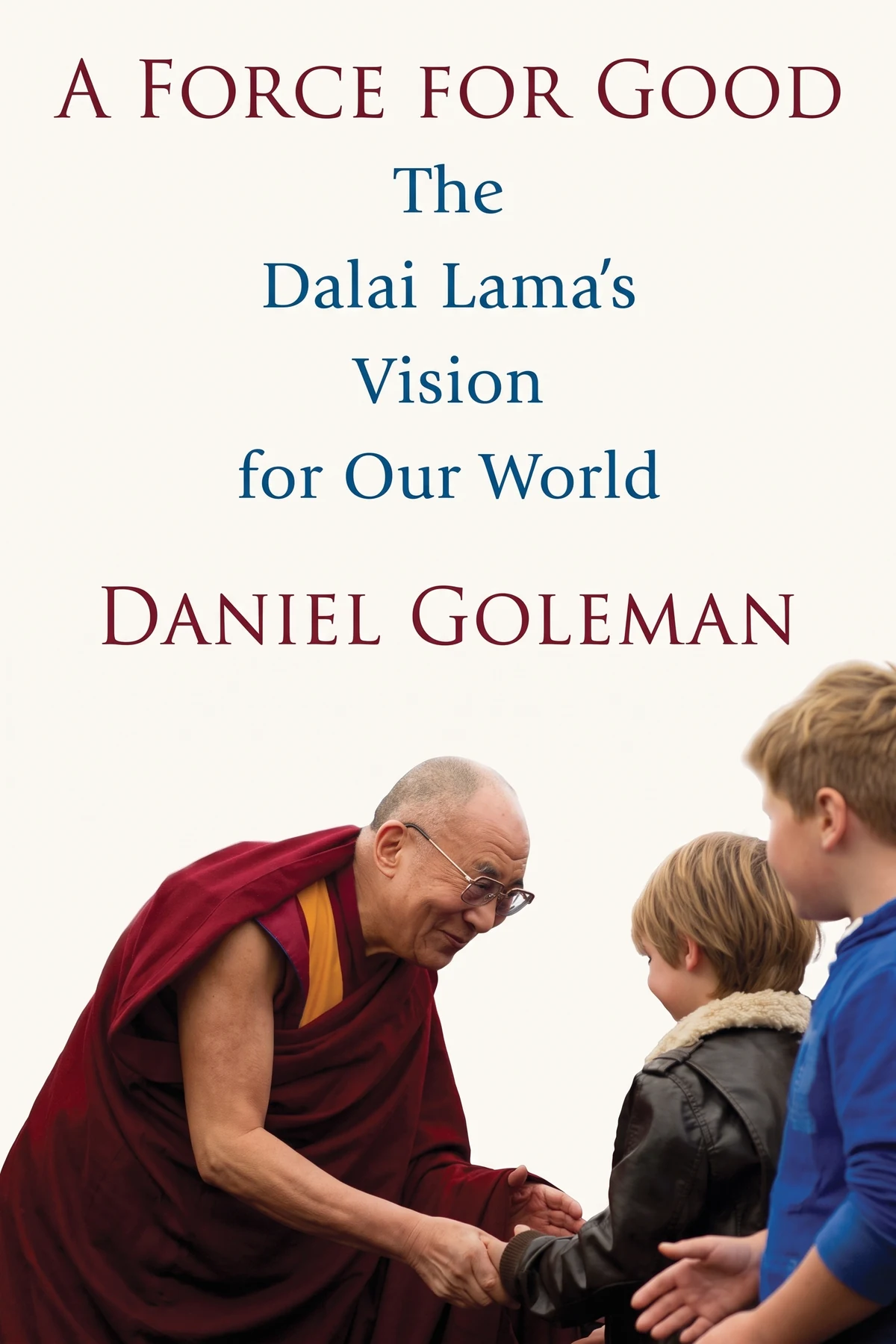
A Force for Good: The Dalai Lama's Vision for Our World
Daniel Goleman
A Return to Love: Reflections on the Principles of a Course in Miracles
Marianne Williamson
Abundance: The Inner Path to Wealth
Deepak Chopra
Alcoholics Anonymous
Alcoholics Anonymous World Services
A New Earth: Awakening to Your Life’s Purpose
Eckhart Tolle
Aflame: Learning from Silence
Pico Iyer
AUDIO SUMMARY AVAILABLE
Listen to Mindfulness in 15 minutes
Get the key ideas from Mindfulness by Joseph Goldstein, plus 5,000+ more titles in English and Thai.
- 5,000+ titles
- Listen as much as you want
- 7-day free trial
- Cancel anytime







