
19 min 52 sec
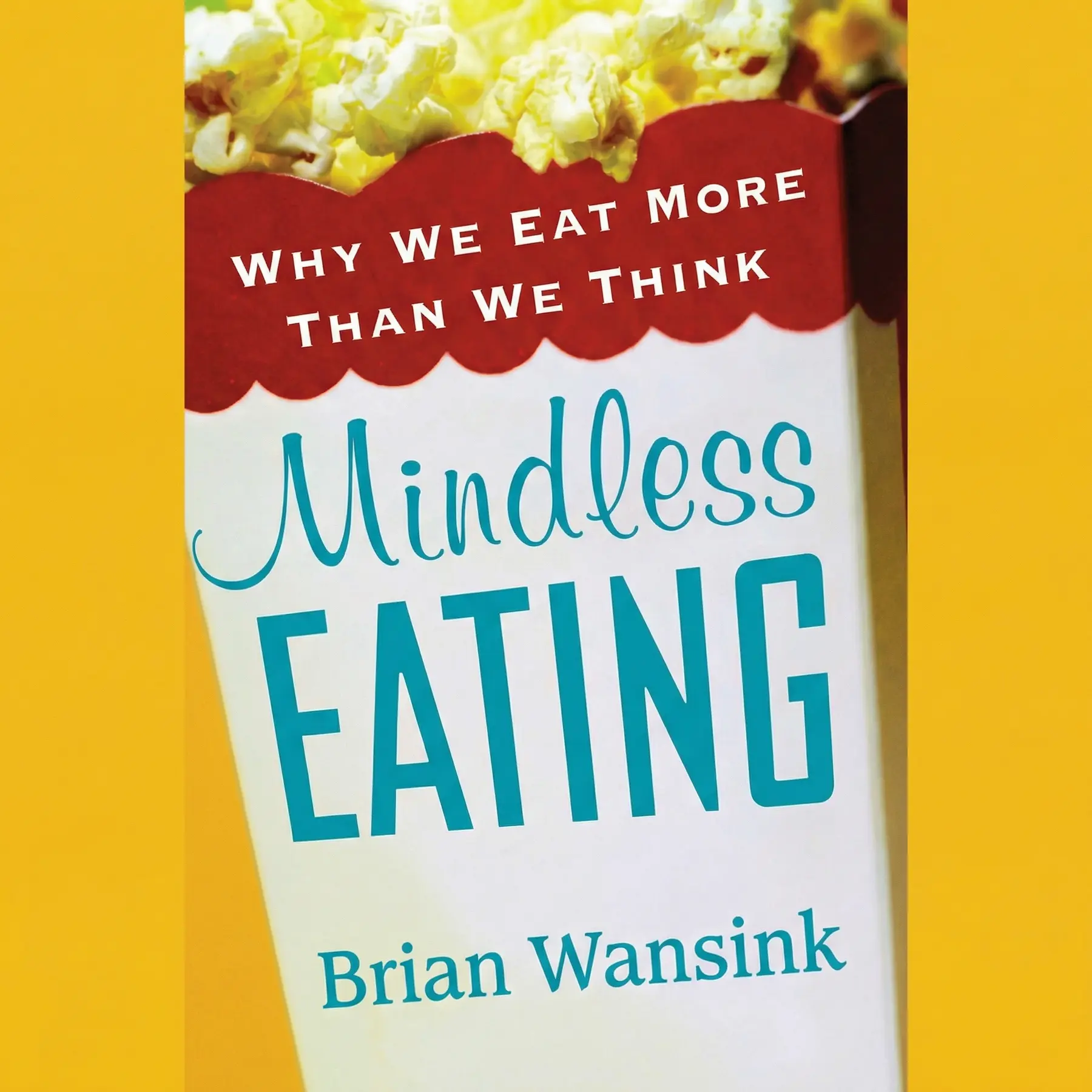
Mindless Eating: Why We Eat More Than We Think
Mindless Eating reveals how hidden environmental cues and psychological traps drive us to overeat. It offers practical, science-backed strategies to regain control of our habits without sacrificing the foods we love.
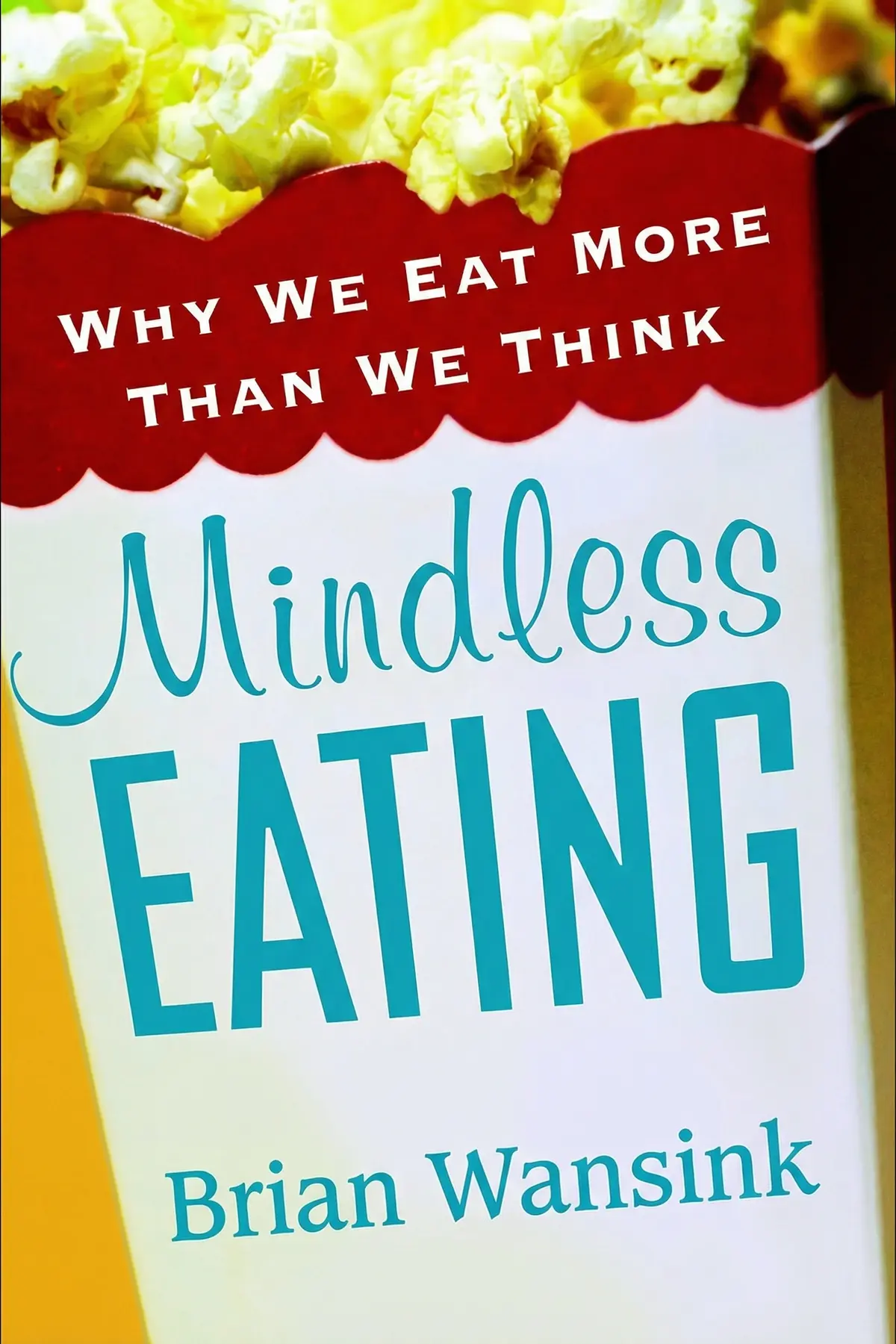
Table of Content
1. Introduction
1 min 45 sec
Most of us like to believe that we are in total control of what we put in our mouths. We think we eat when we are hungry and stop when we are full, making rational decisions based on our physical needs. But what if that’s almost entirely an illusion? The reality is that we are constantly being nudged, pushed, and pulled by a hidden world of environmental cues that dictate our calorie intake without us ever noticing. This is the phenomenon of eating without thinking—a subconscious process where the size of a bowl, the lighting in a room, or even the way a dish is described on a menu carries more weight than the signals coming from our own stomachs.
In this exploration, we are going to pull back the curtain on these invisible forces. We will look at how the world around us is designed to encourage overconsumption and, more importantly, how we can use that same psychology to our advantage. The goal isn’t to live a life of strict deprivation or to count every single calorie with obsessive detail. Instead, it’s about becoming ‘mindfully mindless.’ By making tiny, strategic changes to our surroundings, we can create an environment where the easiest choice is also the healthiest one.
Through various experiments and observations, we’ll discover why we are so easily fooled by optical illusions and social pressures. We will learn about the gap between our brain and our belly, and why relying on our natural ‘fullness’ signal is often a losing game. By the end of this journey, you’ll have a new perspective on your dinner plate and a set of practical tools to help you navigate a world of endless portions and constant temptation.
2. The Power of Suggestion in Marketing
2 min 14 sec
Discover how the words on a menu and the atmosphere of a restaurant can alter your perception of flavor and influence how much you’re willing to pay.
3. Hacking the Subconscious for Better Choices
2 min 10 sec
Learn how to use environmental ‘scripts’ and visual tricks to satisfy your appetite while consuming fewer calories.
4. The Visual Deception of Plate and Portion Size
2 min 05 sec
Uncover why larger containers lead to larger appetites and how a simple change in dinnerware can prevent overeating.
5. Social Cues and the Pacing of a Meal
1 min 54 sec
Explore the biological lag in hunger signals and how the people you dine with can influence your eating speed.
6. The Evolution of Super-Sized Servings
2 min 10 sec
Understand why our brains are hardwired to seek out bulk value and how packaging labels can be misleading.
7. Designing a Healthy Home Environment
1 min 52 sec
Discover how to restructure your kitchen and your meal planning to naturally move away from unhealthy cravings.
8. The Success of Small, Incremental Changes
2 min 02 sec
Find out why radical diets usually fail and how a strategy of ‘minor trade-offs’ can lead to permanent weight loss.
9. Using Physical Evidence to Control Intake
2 min 01 sec
Learn about the ‘bottomless bowl’ effect and why keeping track of your ‘scrap’ evidence can help you stop eating sooner.
10. Conclusion
1 min 39 sec
In conclusion, the primary takeaway is that our environment is far more powerful than our willpower. We live in a world that is expertly designed to make us eat more than we need, using everything from the shape of a glass to the wording on a label to nudge us toward overconsumption. However, this realization shouldn’t be discouraging. On the contrary, it is incredibly empowering. Once we understand the ‘rules’ of mindless eating, we can start to rewrite them in our own favor.
By redesigning our kitchens, using smaller plates, portioning out bulk items, and becoming aware of social and visual cues, we can create a world where healthy eating happens almost by accident. We don’t need to be perfect, and we don’t need to live a life of constant restriction. We just need to be a little bit smarter than the cues around us. The journey to a healthier lifestyle doesn’t require a radical overhaul of your personality; it just requires a few small, strategic changes to your surroundings.
As you move forward, start with just one or two of the tips we’ve discussed. Switch your plates, or make a ‘trade-off’ for your favorite dessert. See how it feels to be the slowest eater at the table. These tiny shifts will eventually compound into lasting habits. By mastering the art of ‘mindful’ environment design, you can finally close the gap between how much you think you’re eating and how much you actually need, leading to a healthier, more balanced relationship with food for the rest of your life.
About this book
What is this book about?
Have you ever wondered why you finish a giant bag of snacks while watching a movie without even realizing it? This book dives deep into the invisible world of eating triggers, explaining that our appetite is often governed by our surroundings rather than our actual hunger levels. From the size of our plates to the descriptive names on a menu, various subtle factors influence every bite we take. The promise of this work is a shift from restriction to awareness. By understanding the 'mindless' nature of our consumption, we can re-engineer our kitchens, dining habits, and shopping routines to work for us instead of against us. It provides a toolkit for making small, nearly invisible adjustments that lead to significant long-term health improvements. Instead of relying on willpower, you learn to trick your own biology and psychology into making healthier choices automatically.
Book Information
About the Author
Brian Wansink
Brian Wansink previously served as a Professor of Consumer Behavior and led the Cornell Food and Brand Lab at Cornell University. Additionally, he held the position of Executive Director at the USDA’s Center for Nutrition Policy and Promotion. His career faced significant scrutiny due to allegations of academic misconduct, resulting in his departure from Cornell and the retraction of several of his published research papers.
Ratings & Reviews
Ratings at a glance
What people think
Listeners find this work to be a fast, pleasant experience backed by solid evidence and ingenious research. Furthermore, they value the actionable tips on weight management and dietary patterns, remarking that it is essential reading for anyone committed to slimming down. Listeners also characterize the content as stimulating; specifically, one listener emphasizes how it examines mental and biological signals, while others commend its simple organization and find it simultaneously informative and fun.
Top reviews
Fah
Picked this up on a whim and ended up finishing it in a single weekend. If you enjoy the works of Malcolm Gladwell or the Freakonomics series, this is right up your alley. It’s less of a strict diet manual and more of a pop-sociology exploration of the hidden influencers in our dining rooms and restaurants. The author has a very humorous, breezy style that makes complex behavioral economics feel accessible to the average person. I loved the specific details about how the shape of a glass or the size of a spoon can trick our brains into feeling full or deprived. Look, it’s not groundbreaking medical advice, but it is an entertaining guide to becoming more aware of your habits. It really makes you stop and think before reaching for that second helping just because the plate is large.
Show moreWaree
The wine experiment alone makes this worth the price of admission. It is wild to think that our brains can be so easily manipulated just by a fancy label or a slightly different glass shape! Mindless Eating isn’t about counting calories or depriving yourself of treats; it’s about understanding the physical and psychological cues that make us overindulge without realizing it. I found the 'mindless margin' concept—cutting just 100 or 200 calories a day—to be much more sustainable than any fad diet I’ve tried in the past. Wansink’s writing is educational yet highly entertaining, which is a rare balance for this genre. After reading this, I’ve already swapped out my large dinner plates for smaller ones and moved the fruit bowl to the counter. Small changes really do make a big difference when you stop eating on autopilot.
Show moreKek
Gotta say, this is one of the most practical books on habits I’ve ever read. It doesn't ask you to give up carbs or start a marathon training plan; it just asks you to be a little more mindful of the 'mindless' cues around you. I loved the section on how we eat more when we're distracted by the TV or a good conversation. The stale popcorn experiment was a great wake-up call about how much we rely on volume rather than taste. Even with the controversy surrounding Wansink’s later work, the fundamental principles here—like using taller, thinner glasses to pour less juice—just work in a real-world setting. It’s a quick, enjoyable read that offers a lot of 'lightbulb' moments. I’d highly recommend it to anyone who feels like they’re constantly dieting but never seeing results. It turns out the secret might just be in your kitchen cabinets.
Show morePear
Ever wonder why you finish a giant bucket of stale popcorn at the movies even when it tastes like cardboard? This book dives deep into the psychological cues that dictate our appetite, and the results are eye-opening. Wansink argues that we make over 200 food-related decisions a day without even realizing it. The chapter on how wine labels—switching 'North Dakota' for 'Sonoma'—can change our entire sensory experience was particularly hilarious and telling. To be fair, some of the weight loss tips felt a bit recycled from every other health blog I’ve ever read. I was more interested in the market research than the actual dieting advice. Still, the concept of re-engineering your kitchen to work for you instead of against you is incredibly practical. It’s a thought-provoking look at how our eyes are usually much bigger than our stomachs.
Show moreDylan
As someone who constantly struggles with portion control, I found the experiments in this book to be remarkably relatable. The author explains how we are essentially victims of our surroundings, from the lighting in a cafe to the way our pantry is organized. I never realized how much my fear of 'wasting food' was driving me to overeat until I read the sections on the 'clean plate club' mentality. The truth is, most of us are eating mindlessly because we aren't paying attention to internal hunger cues. The advice is easy to follow and doesn't require a radical lifestyle overhaul, which I appreciated. My only minor gripe is that the book can be a bit repetitive at times. Once you get the main gist that 'environment is everything,' the later chapters feel a bit like they are hammering the same nail. Regardless, it’s a must-read for anyone serious about changing their relationship with food.
Show moreAmara
Finally got around to reading this pop-sci classic and it’s surprisingly relevant even years later. The core message is simple: we don't eat because we're hungry, we eat because of what’s in front of us. Whether it’s the size of the cereal box or the proximity of the candy dish at work, our environment dictates our waistline. I enjoyed the breezy, humorous approach Wansink takes, especially when describing the poor participants who unknowingly ate from self-refilling soup bowls. It’s a thought-provoking look at the food industry’s tactics too. While some of the advice is stuff you've likely heard before, seeing the data (even if controversial) makes it much more compelling. It’s a quick read that will definitely change the way you look at a buffet line or a grocery store shelf. Definitely worth a look for the awareness it brings.
Show moreHemp
Wow, this really changed how I set my dinner table. I’m a naturally fast eater who often clears my plate before I even realize I’m full, so the tips on slowing down and using visual cues were perfect for me. The author’s exploration of how we make 200 food decisions a day was a total 'aha' moment. I never considered that just seeing a jar of cookies on the counter was a decision I had to win or lose every time I walked by. The book is packed with clever studies that are both educational and entertaining. My only criticism is that it ignores the emotional side of eating almost entirely to focus on the environmental side. Life isn't always as simple as changing your plate size, but it’s a great starting point for anyone looking to lose weight without feeling miserable. It’s an easy-to-follow format that keeps you engaged.
Show moreIsabelle
The experiments themselves are genuinely entertaining, but the book spends way too much time on weight loss tips and not enough on the actual data. I was looking for a rigorous scientific study on food psychology, but what I got was more of a self-help guide with some anecdotes thrown in. Some of the findings, like the idea that we eat more from larger packages, felt like common sense that didn't need a whole chapter to explain. Not gonna lie, I was also a bit put off by the recent news regarding the author’s research methods. It makes it difficult to fully buy into the 'scientific' nature of the claims. That being said, the formatting is excellent and it’s a very quick, easy read. It’s fine as a casual introduction to the topic, but don’t expect a deep dive into the mechanics of the human brain.
Show moreTawee
After hearing so much about this book in other health circles, I finally gave it a go. Personally, I think the marketing insights are much stronger than the actual health advice. The way restaurants use music and lighting to make you order more dessert is fascinating, and I’ll definitely be more aware of that next time I go out. However, the tone felt a little too 'infomercial' for my liking at times. I wanted more substance regarding the psychological 'why' and fewer bulleted lists of tips. Also, knowing that many of these studies have been called into question since publication definitely soured the experience for me. It’s a fun read if you treat it as a collection of interesting stories, but I wouldn’t use it as your primary source for nutritional science. It's a decent coffee table book for starting conversations, nothing more.
Show moreDivya
It’s hard to reconcile the breezy, fun tone of this book with the fact that so many of Wansink’s papers have been retracted. I started reading this for a book club and found the experiments—like the bottomless soup bowl—to be absolutely fascinating examples of how our environment tricks us. However, once you learn about the scientific errors and the scandal at Cornell, the whole thing starts to feel like a house of cards. Frankly, I don’t know what information I can actually trust anymore. Is the 'mindless margin' a real thing, or just a catchy phrase based on bad data? While the writing style is engaging and the advice on smaller plate sizes seems like common sense, the lack of scientific integrity looms over every chapter. It’s a quick read, but I’d suggest taking every 'proven' fact with a massive grain of salt.
Show moreReaders also enjoyed
59 Seconds: Change Your Life in Under a Minute
Richard Wiseman
A Liberated Mind: How to Pivot Toward What Matters
Steven C. Hayes
AUDIO SUMMARY AVAILABLE
Listen to Mindless Eating in 15 minutes
Get the key ideas from Mindless Eating by Brian Wansink, plus 5,000+ more titles in English and Thai.
- 5,000+ titles
- Listen as much as you want
- 7-day free trial
- Cancel anytime







