
14 min 44 sec
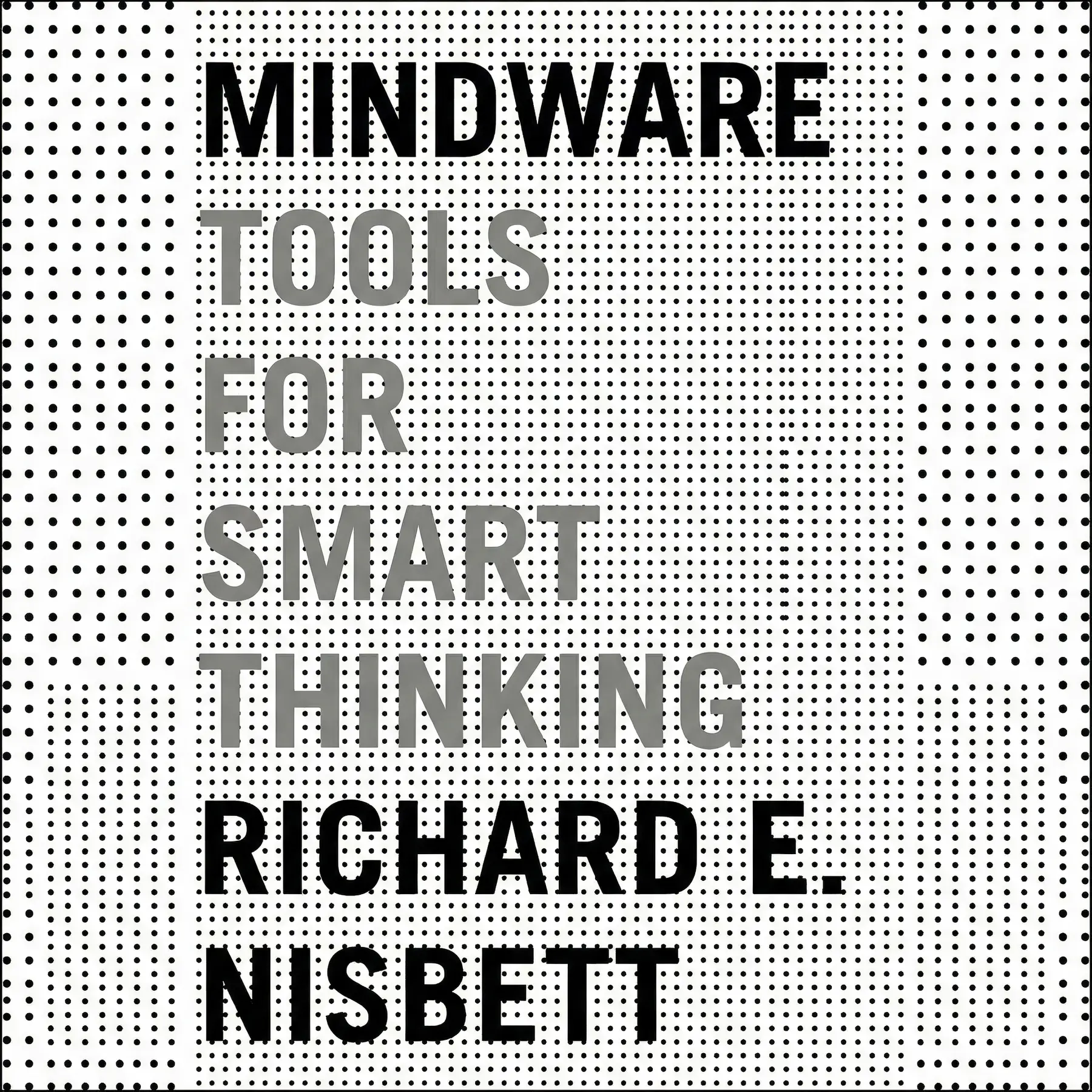
Mindware: Tools for Smart Thinking
This guide explores the cognitive frameworks and psychological tools necessary for clearer thinking. It examines common reasoning errors, statistical pitfalls, and logical principles to help anyone make more rational, informed decisions every day.
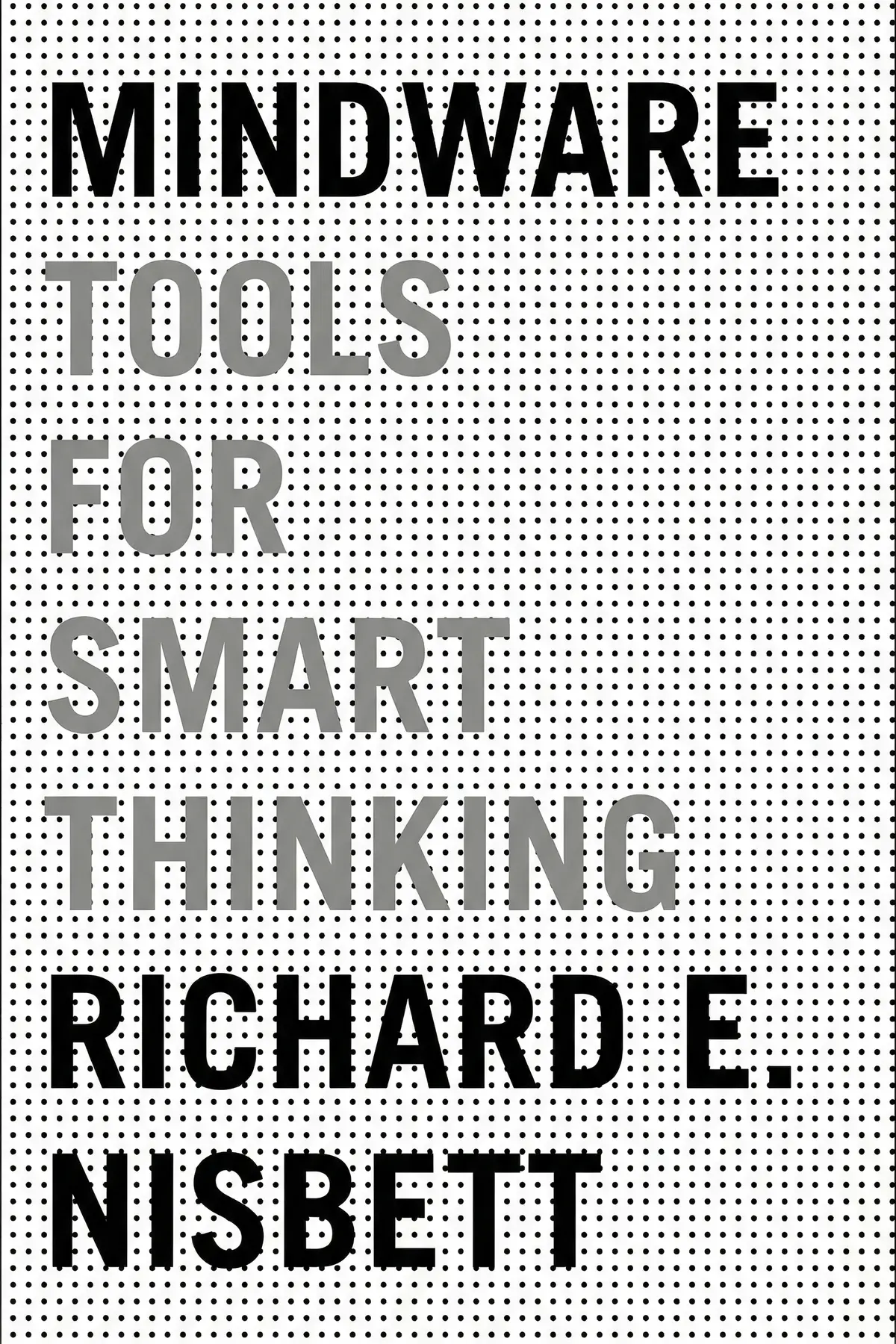
Table of Content
1. Introduction
1 min 27 sec
Have you ever found yourself watching a friend or colleague—someone you know to be highly intelligent—make a decision that was just plain baffling? It might have left you wondering how someone with such a sharp mind could act so foolishly. The truth, however, is that none of us are immune to these lapses. We all fall prey to common errors in reasoning, not because we lack brainpower, but because our mental operating systems are prone to specific glitches.
In this exploration of what we call ‘mindware,’ we are going to look at the cognitive tools and methods that can help us think more logically and avoid the simple mistakes that cloud our judgment. Think of this as an upgrade for your internal reasoning software. We aren’t just talking about abstract philosophy; these are practical strategies designed to help you synthesize the overwhelming amount of information we face every day—from news reports and scientific studies to the claims made by people around us.
Our goal today is to build a more objective picture of the world. Along the way, we will uncover why a specific type of fear might be causing you to pass up incredible opportunities, why your favorite coffee mug might be skewing your sense of value, and why historical data about ice cream sales once led to a major misunderstanding about a terrifying disease. By the time we finish, you’ll have a clearer sense of how to navigate the world with a sharper, more analytical edge, moving past the mental shortcuts that usually lead us astray.
2. The Hidden Trap of Connecting Unrelated Dots
2 min 40 sec
Discover why our brains are hardwired to see patterns where they don’t exist and how mistaking a simple coincidence for a cause can lead to dangerous conclusions.
3. The Shortcuts That Shape Our Perception
2 min 16 sec
Learn how your brain uses mental shortcuts to jump to conclusions and why even professionals can be blinded by what they expect to see.
4. The Psychology of Ownership and Loss
2 min 18 sec
Explore why the pain of losing something hurts twice as much as the joy of gaining it, and how this bias changes how you value your own belongings.
5. Becoming a Critical Consumer of Information
2 min 12 sec
Find out how to navigate the noise of modern media by using simple research techniques to uncover the truth behind conflicting claims.
6. The Timeless Power of Logical Frameworks
2 min 18 sec
Discover how ancient logic can be used to debunk modern scams and remove personal bias from your most important decisions.
7. Conclusion
1 min 33 sec
As we have seen, the human brain is a magnificent but flawed instrument. We are naturally inclined to see causes where there are only coincidences, to fear loss more than we value gain, and to let our existing beliefs blind us to the facts right in front of us. However, by installing the ‘mindware’ we’ve discussed—tools like logical analysis, the skepticism of correlation, and the synthesis of diverse data—we can significantly improve our ability to navigate the world.
One of the most useful final tools you can carry with you is a principle known as Occam’s Razor. Named after the friar William of Ockham, this rule suggests that when you are faced with several competing explanations for something, you should generally choose the simplest one. Why? Because simple theories are easier to test, they have fewer points of failure, and they almost always align better with the evidence than overly complex conspiracies or convoluted justifications.
As you move forward, try to be a more active gardener of your own thoughts. When you feel a strong impulse to agree with a headline, ask yourself if you’re just falling for the representativeness heuristic. When you’re afraid to take a calculated risk, check if loss aversion is holding you back. By consistently applying these mental frameworks, you won’t just be a person who knows things; you’ll be a person who thinks better. The goal of upgrading your mindware isn’t to become a perfect machine, but to become a more rational, objective, and effective human being in an increasingly complex world.
About this book
What is this book about?
In our daily lives, we are constantly bombarded with information, yet our brains are often ill-equipped to process it without bias. This summary explores the cognitive tools and mental shortcuts—the 'mindware'—that determine how we interpret the world. It bridges the gap between complex psychological concepts and practical, everyday reasoning. The text promises to reveal the hidden traps that lead even the most intelligent people to make irrational choices. From understanding why we overvalue the things we own to learning how to distinguish between simple coincidences and true cause-and-effect relationships, it provides a toolkit for better judgment. Listeners will discover how to evaluate media claims critically, use formal logic to dismantle weak arguments, and apply scientific principles to their own personal research. By the end, the goal is to provide a more objective lens through which to view reality, helping you navigate the complexities of modern life with greater clarity and fewer mental errors.
Book Information
About the Author
Richard E. Nisbett
Richard E. Nisbett is recognized as one of the most prominent psychologists globally. His career is marked by numerous prestigious accolades, including the Award for Distinguished Scientific Contributions from the American Psychological Association, alongside several other international and national honors for his distinguished research.
Ratings & Reviews
Ratings at a glance
What people think
Listeners find this title immensely helpful for logical reasoning, praising the unexpectedly vast collection of instruments for intelligent thought. Additionally, the quality of the writing is excellent and the lessons are relevant to daily existence, as one listener mentions its use of visual aids. Listeners also find the content clear and simple to digest. Even so, the specific direction of the book gets mixed feedback from listeners.
Top reviews
Tod
Ever wonder why you make terrible choices even when you think you're being rational? This book is a goldmine for anyone wanting to sharpen their logical thinking without getting bogged down in dense academic jargon. Nisbett provides an unexpectedly large number of mental models that are directly applicable to everyday life. I particularly appreciated the visual aids; they really helped clarify some of the trickier statistical concepts. While some critics say it’s too broad, I found the readability refreshing compared to other psychology tomes. It’s the kind of guide you keep on your desk to flip through when you need to recalibrate your brain. Truth is, most of us are walking around with outdated 'mindware' and this is the necessary upgrade. Highly recommended for fans of clear, actionable science.
Show moreSoontorn
The chapter on multiple regression analysis alone is worth the price! Nisbett has a knack for taking complex statistical concepts and making them feel relevant to a layman. I've read a lot of behavioristics books, but this one felt more 'hands-on' than most. He doesn't just talk about theories; he gives you actual frameworks to apply when you're looking at a news report or a sales pitch. The inclusion of visual aids was a smart move, as it breaks up the text and helps with retention. I found myself highlighting passages on almost every page, especially regarding the tragedy of the commons and opportunity costs. If you want to stop being a passive consumer of information, this is the book you need. It’s brilliant stuff.
Show moreThawee
After hearing so much about Richard Nisbett, I finally dived into his work on smart thinking. It's an excellent companion piece to the works of Kahneman and Taleb, though it approaches logic from a more accessible angle. I loved how he brought statistics and economics into the reality of our daily struggles. The 'eekonomics' section was particularly eye-opening, tearing apart how we misuse multiple regression analysis. My only gripe is that the writing style feels a bit clumsy in places, with some unnecessary jargon cluttering the prose. However, the insights into how our subconscious handles complex decisions are worth the price of admission alone. It’s a solid 4-star read that offers genuine tools for anyone willing to put in the effort to change their perspective.
Show moreLuke
As someone who teaches logic, I found Nisbett's approach to be incredibly practical and well-crafted. He identifies how our thinking is influenced by hidden factors before providing the actual tools to fix those biases. I was especially drawn to the chapters on cost-benefit analysis and how we often ignore the 'sunk cost' fallacy in our personal lives. The book isn't exactly a quick read, but it’s manageable if you take it in small chunks. It’s fascinating to see the evidence of how much we are fooled by advertising and framing. My only real complaint is the publisher's attempt to market this as a 'self-help' book when it’s clearly popular science. Still, it’s a very useful resource for sharpening your mental toolkit.
Show moreMalee
Finally got around to reading this, and I have to say the section on Western versus Eastern logic was a highlight. Nisbett explains how the Chinese approach contradiction differently than we do in the West, which really challenged my perspective on 'correct' reasoning. The book is dense with nuggets of debunking that make you question every 'recent study' you see in the news. While the author admits he often fails at 'smart thinking' himself, his honesty makes the advice feel more grounded and less like a sermon. Some parts do feel like a retread of basic psychology, but the way he synthesizes different fields is impressive. It’s a readable, informative journey through the flaws of the human mind. Definitely worth a spot on your shelf.
Show moreCholada
Picked this up on a whim and was pleasantly surprised by the depth of the content. It’s not just a collection of anecdotes; it’s a comprehensive look at how we can use logic and statistics to navigate a confusing world. I particularly enjoyed the sections on how we misperceive correlation as causality. Nisbett’s tone is academic yet accessible, though he does get a bit repetitive with his examples. To be fair, the repetition helps drill the concepts in, but it can make the middle sections feel like a bit of a slog. Regardless, the tools for smart thinking are all there if you’re willing to look for them. It’s a great addition to any library focused on psychology or economics. I’ll definitely be revisiting some of these chapters.
Show moreSamroeng
Personally, I think the criticism about this book being 'boring' is a bit harsh. While it’s not as fast-paced as a Gladwell book, it offers much more substance for those actually looking to learn. The exploration of the fundamental attribution error was particularly well-done, explaining why we judge others so differently than ourselves. I also appreciated the breakdown of the 'endowment effect' and how our possessions warp our sense of value. The writing isn't always graceful, but the clarity of the logic usually shines through. It’s a great manual for anyone who wants to understand the 'why' behind their own behavior. It’s definitely improved my ability to spot logical fallacies in daily conversations. A very solid and educational read for the curious mind.
Show morePing
Not what I expected given the 'tools' promised in the subtitle. I felt like I was reading a textbook that had been watered down for a general audience, losing its edge in the process. The author spends a lot of time explaining why we are wrong but doesn't spend nearly enough time on the practical how-to of thinking better. It’s uninspiring to read things that have been retold many times over in better-written books. Frankly, I found the structure messy and the conclusion—which basically tells us to just trust experts—to be quite a letdown. It seems to contradict the earlier chapters on scientific revolutions. I ended up skimming the last third just to get it over with. It's just 'meh' at best.
Show moreSam
Look, this isn't a perfect book, but the utility it provides for everyday decision-making is undeniable. I've been trying to apply the cost-benefit logic to my own stock portfolio and it’s already helping me avoid some classic emotional traps. Nisbett’s writing can be a little dry, and he definitely uses more jargon than necessary, but the core ideas are powerful. I liked the discussion on how the subconscious can actually be better at 'weighing up' complex choices like buying a house. It’s a relief to know that 'sleeping on it' is actually a scientifically backed strategy! It might not be the most exciting read of the year, but it’s certainly one of the most useful ones I’ve encountered lately. Solid 3 stars.
Show moreKatya
Disappointment is a complete understatement regarding this book. I picked this up because Malcolm Gladwell endorsed it, but the author somehow managed to make a fascinating topic like human behavior feel like a chore. The text is packed with redundant examples that stretch a simple point across ten pages, making for a very painful read. To be fair, the section on cost-benefit analysis was decent, but it wasn't enough to save the book from its own technical word choices. It felt like a collection of introductory lectures that never quite reached a meaningful conclusion. If you've already read Thinking, Fast and Slow, you can safely skip this one. You won't find anything new or particularly 'smart' in these chapters. It simply lacks the spark I expected.
Show moreFeatured in
Readers also enjoyed
59 Seconds: Change Your Life in Under a Minute
Richard Wiseman
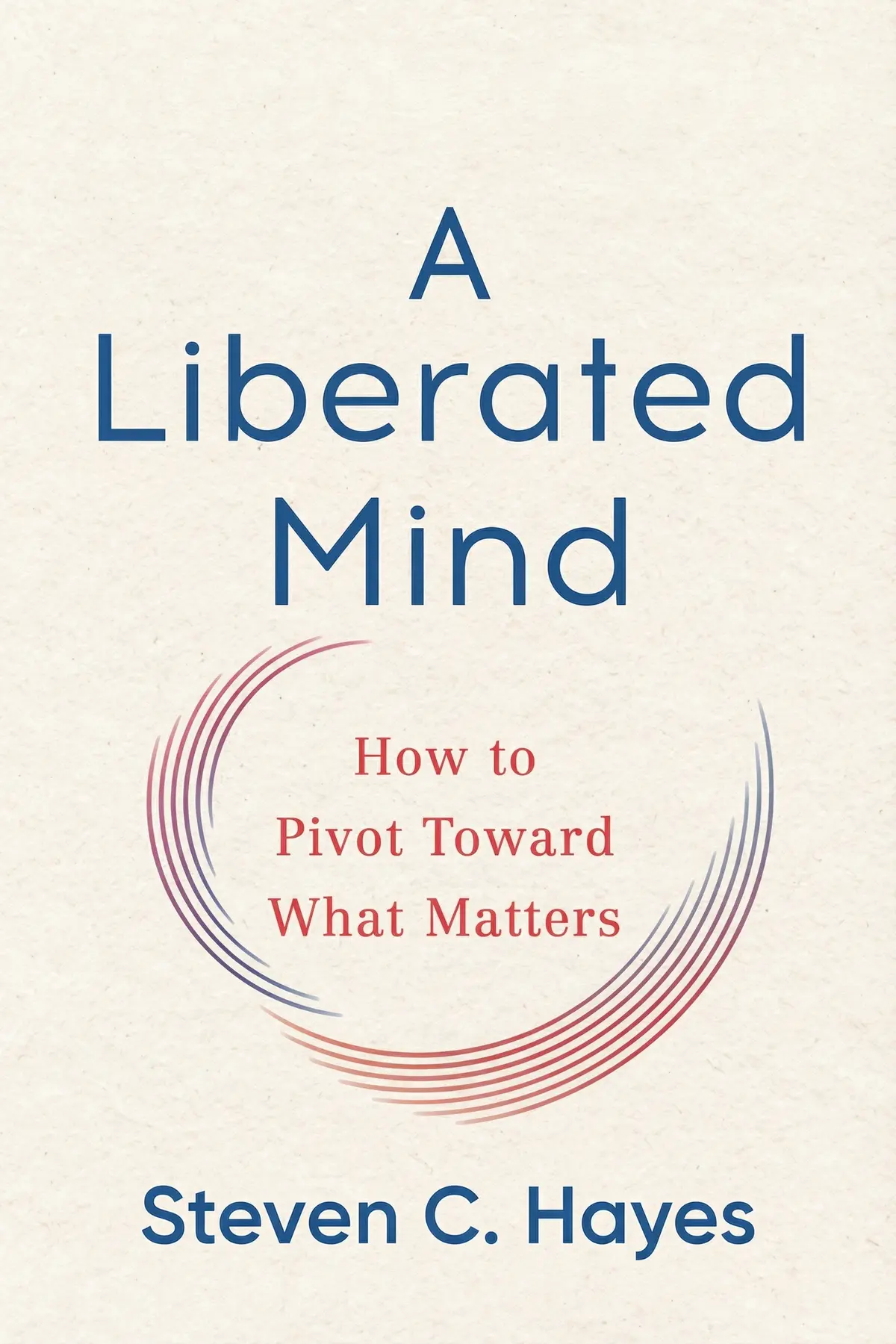
A Liberated Mind: How to Pivot Toward What Matters
Steven C. Hayes
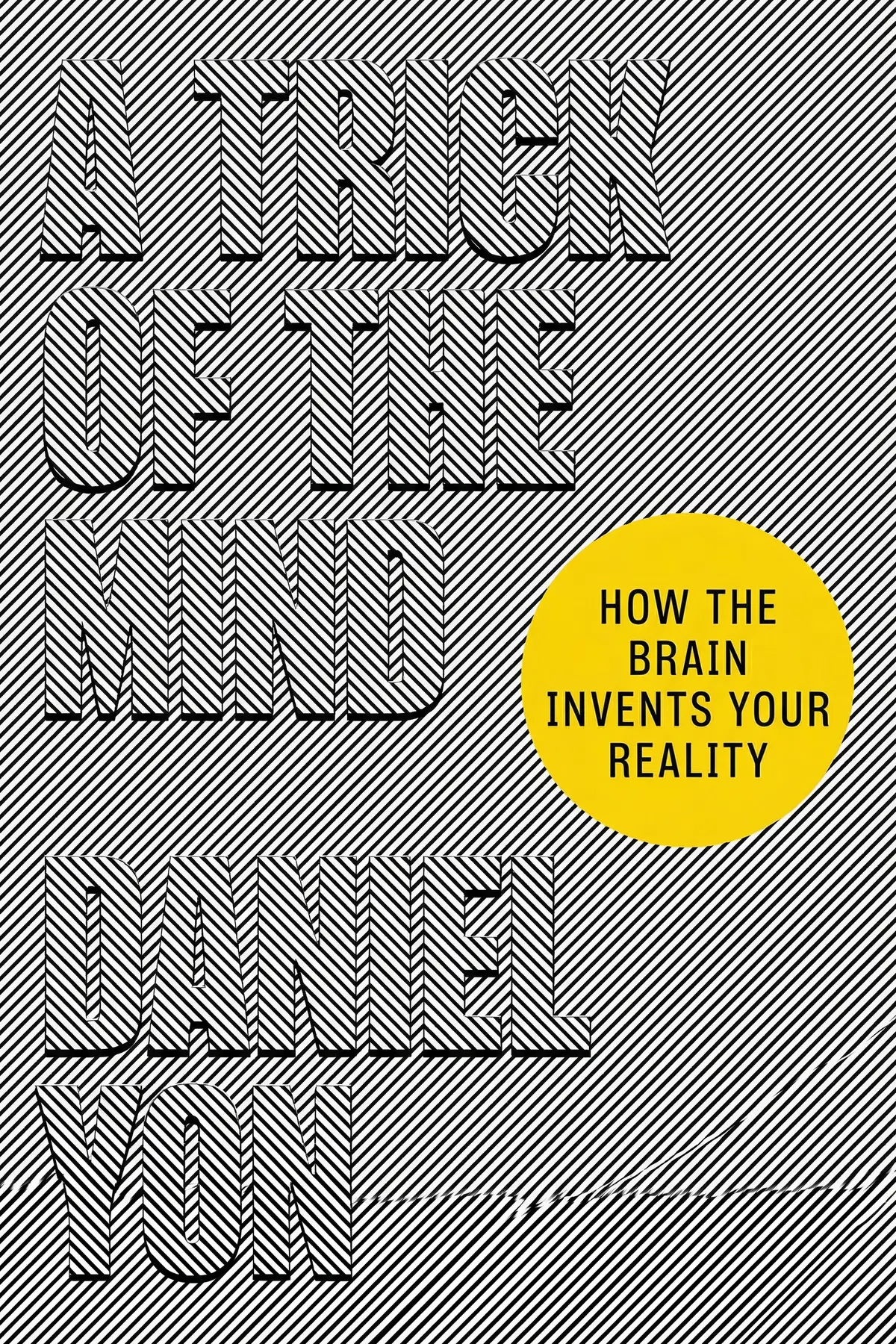
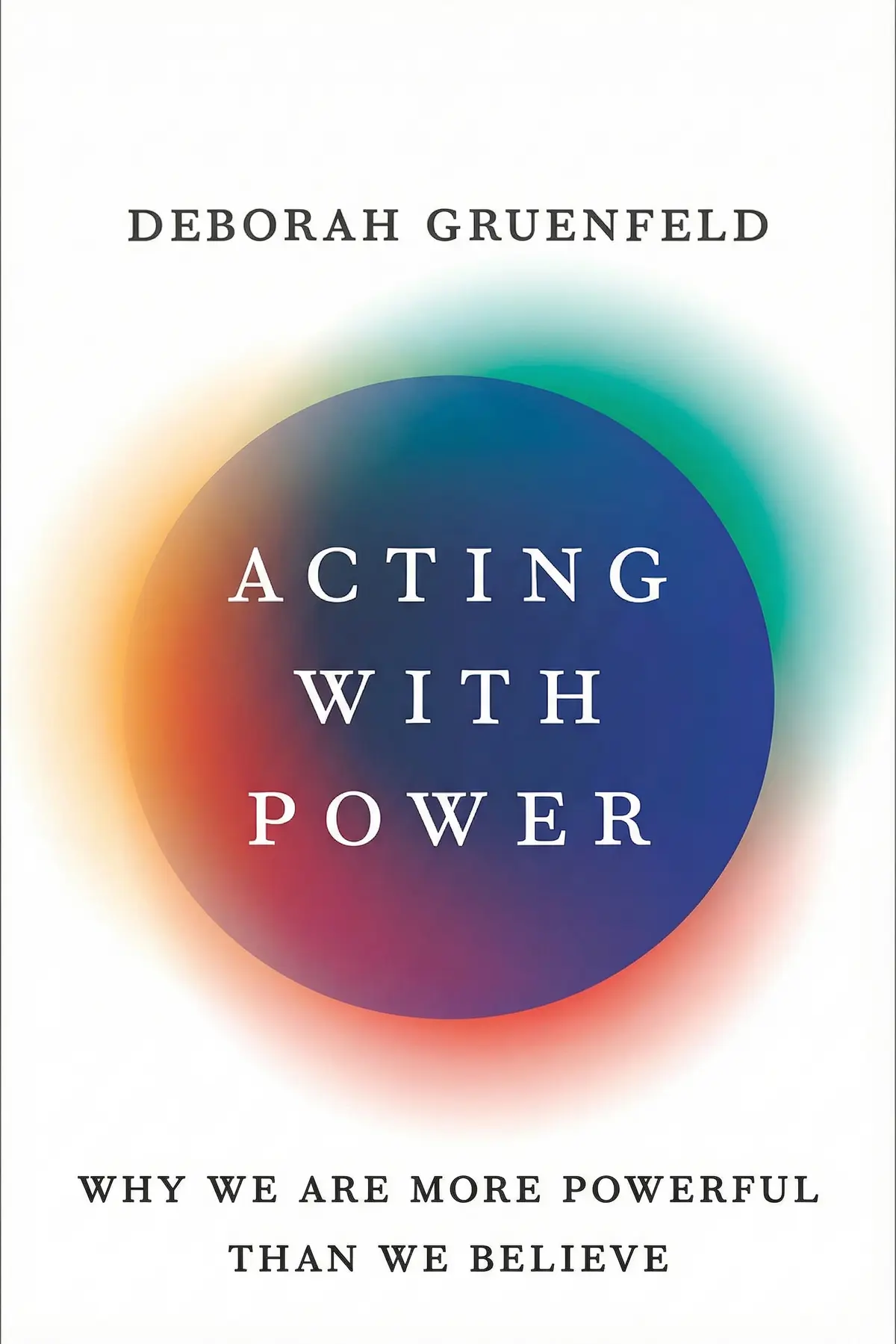
Acting with Power: Why We Are More Powerful Than We Believe
Deborah Gruenfeld
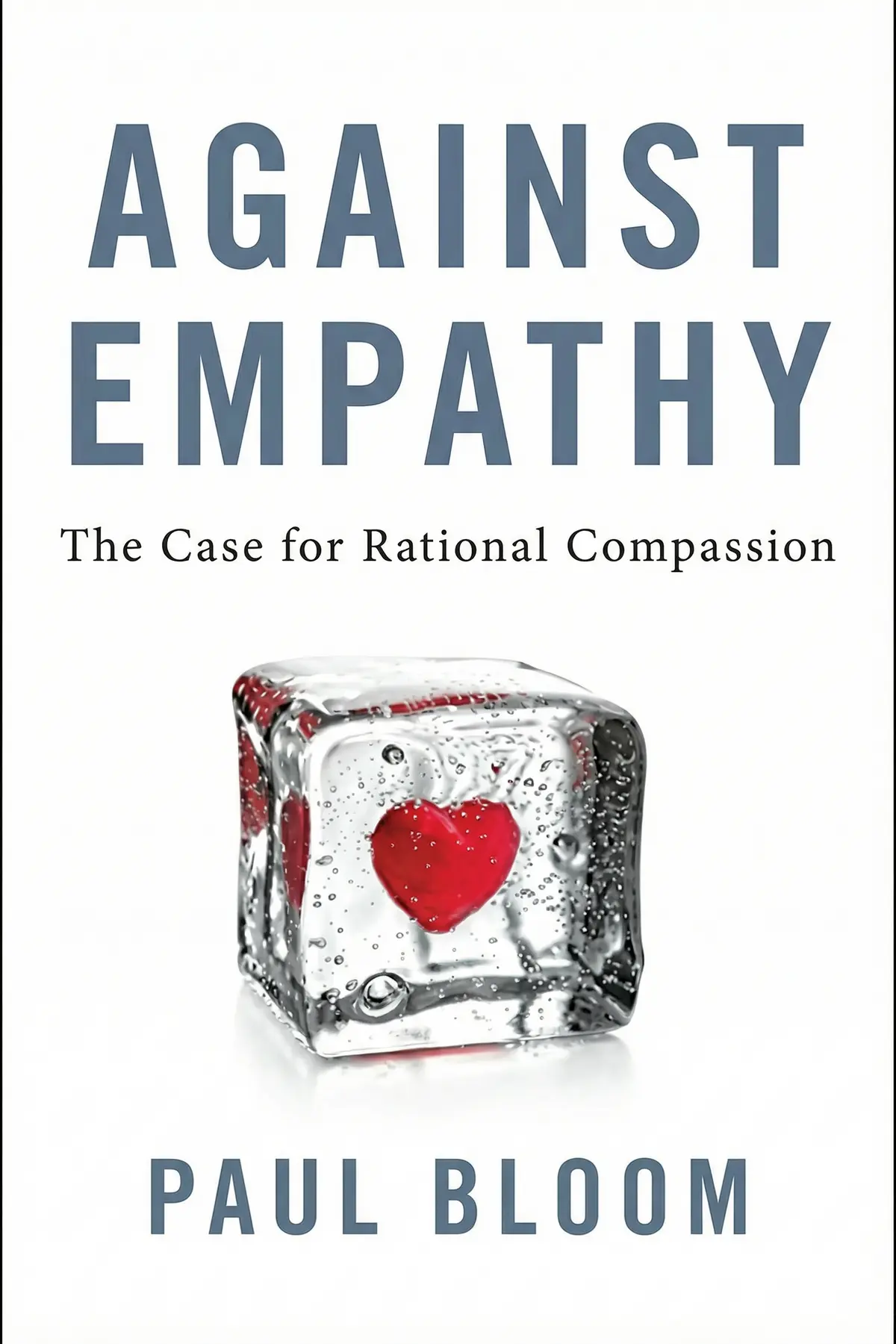
Age of Propaganda: The Everyday Use and Abuse of Persuasion
Anthony Pratkanis
AUDIO SUMMARY AVAILABLE
Listen to Mindware in 15 minutes
Get the key ideas from Mindware by Richard E. Nisbett, plus 5,000+ more titles in English and Thai.
- 5,000+ titles
- Listen as much as you want
- 7-day free trial
- Cancel anytime







