
A Life Decoded: My Genome: My Life
J. Craig Venter
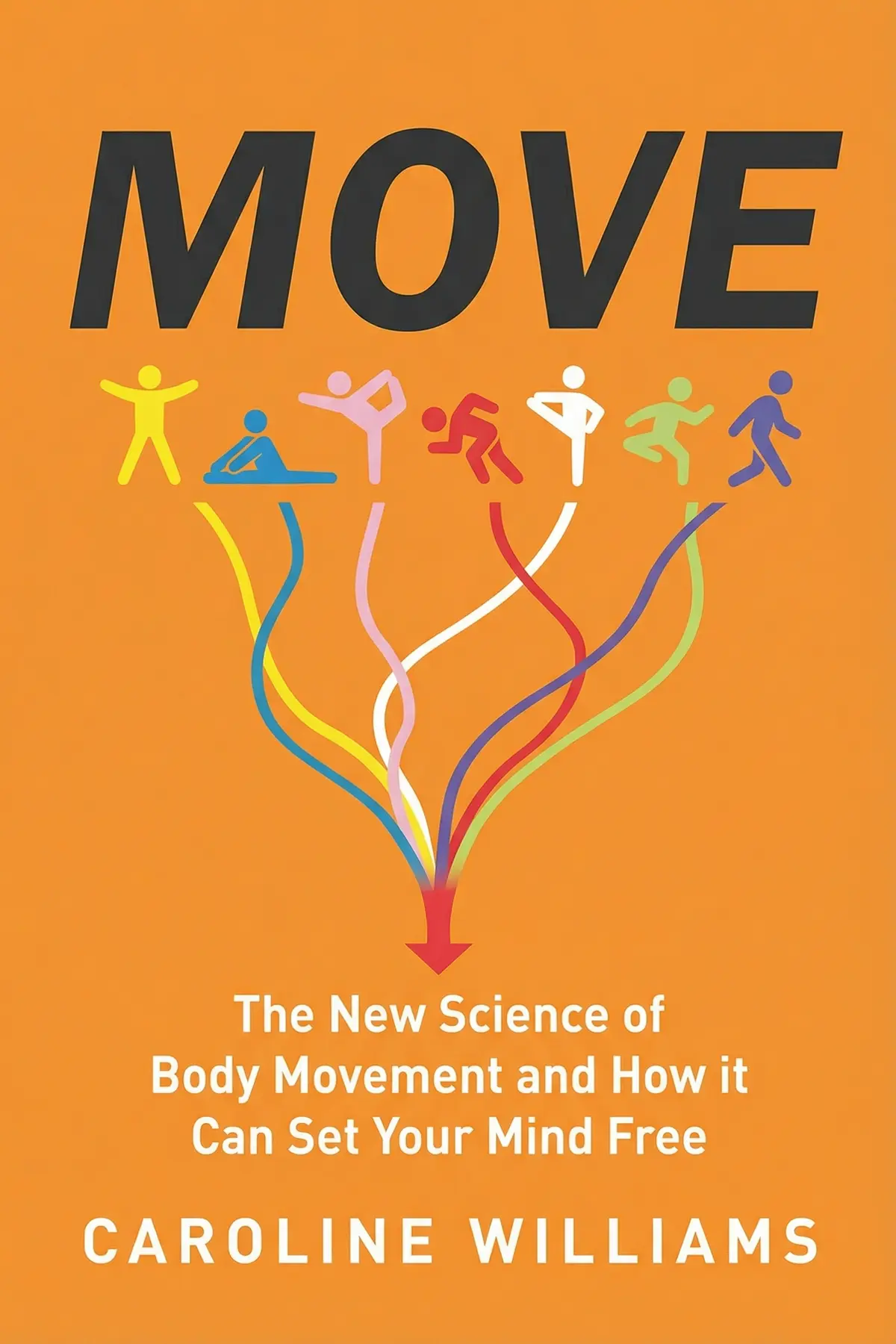
In Move!, Caroline Williams explores the deep biological connection between physical activity and mental health, revealing how movement—not just exercise—is the key to a sharper, happier, and more resilient brain.
2 min 01 sec
Imagine for a moment the life of our distant ancestors. Thousands of years ago, human existence was defined by a constant state of motion. To find a meal or a safe place to sleep, hunter-gatherers had to roam for miles across varied and often dangerous terrain. Their survival depended on their ability to stay active and alert. Fast forward to the present day, and the contrast is staggering. Our modern world has made food as easy to find as clicking a button on a screen, and our daily ‘roaming’ often consists of moving from the bed to the desk to the couch.
While technological innovation has brought us incredible convenience, it has also introduced a silent crisis. As a species, we have essentially stopped moving. We have become remarkably still, spending the vast majority of our lives in a state of physical inactivity that would be unrecognizable to our Stone Age predecessors. This shift isn’t just about our waistlines or our cardiovascular health; it is profoundly affecting our minds. Our brains evolved in tandem with our bodies, and when we stop moving, our mental health, our creativity, and our cognitive sharpness begin to wither.
In the following pages, we are going to explore why our current sedentary habits are so damaging and how we can reclaim the vitality that is our biological birthright. We will look at the science behind why movement is a non-negotiable requirement for a healthy brain and discover practical ways to integrate activity back into a world designed for stillness. From the evolutionary reasons why walking sparks creativity to the emotional momentum generated by physical forward motion, we will see how moving our bodies is the ultimate way to set our minds free. This isn’t just about hitting the gym; it’s about a fundamental rethink of how we live our lives every single day.
2 min 08 sec
We have inadvertently entered a period of extreme physical stillness, spending most of our lives motionless and mimicking the lifestyle of a sloth.
2 min 20 sec
Sitting still for long periods does more than affect our fitness; it actively ages our brains and diminishes our mental sharpness.
2 min 14 sec
Throughout history, some of our greatest ideas have been born on the move, revealing a biological link between walking and thinking.
2 min 04 sec
Physical forward motion can translate into emotional progress, helping us move past mental ruts and depressive thoughts.
2 min 15 sec
The secret to longevity and brain health isn’t found in grueling workouts, but in the gentle, frequent movements of everyday life.
2 min 18 sec
To reverse the global trend of inactivity, we must prioritize movement in schools and establish healthy physical habits from an early age.
1 min 09 sec
The fundamental truth we must embrace is that our bodies and minds are not separate entities; they are deeply and irrevocably linked. We were designed by millions of years of evolution to be in motion, and our current sedentary lifestyle is a direct contradiction of our biological needs. By reclaiming the habit of movement, we do more than just improve our physical fitness; we unlock our brain’s potential for creativity, sharpen our memories, and provide ourselves with a powerful tool for emotional resilience.
As you move forward, remember that the goal isn’t necessarily to become an elite athlete or to spend hours at the gym every day. The real secret to a vibrant mind and a healthy body is frequency. Look for the small opportunities to move that are hidden throughout your day. Stand up during your next phone call, take a short walk after lunch, or find an exercise partner to make activity a social and community-building event. By breaking up long periods of sitting with even the simplest movements, you are giving your brain the signal it needs to stay engaged and energized. Take that first step today—your mind will thank you for it.
Move! examines the hidden costs of our increasingly sedentary modern existence and offers a research-backed path toward reclaiming our mental and physical vitality. Caroline Williams dives into the science of why our brains are hardwired to function best when our bodies are in motion, tracing our evolutionary history from active hunter-gatherers to the stationary office workers of today. The book promises to shift your perspective on movement, moving beyond the traditional focus on gym-based fitness to highlight the importance of frequent, low-intensity activity. By exploring topics like the emotional benefits of walking, the role of bone-derived proteins in memory, and the impact of school-day movement on children's IQ, it provides a comprehensive guide to setting your mind free. Ultimately, it serves as a manifesto for a more active life, showing that even small, consistent changes in how we move can lead to profound improvements in cognitive function and emotional well-being.
Caroline Williams is a UK-based science writer with over 20 years of experience writing for publications including New Scientist, the Guardian, BBC Future, BBC Earth, and the Boston Globe. She has a Bachelor of Science in biological sciences from Exeter University and a Master of Science in science communication from Imperial College London.
Listeners find the quality of information in the work to be excellent, with one listener highlighting how it is backed up by solid research. The book also earns positive feedback for its high readability.
Williams has crafted an exceptionally readable guide that bridges the gap between complex evolutionary biology and our daily physical habits. The research feels incredibly solid, particularly when she dives into how our brains evolved in tandem with our ancestors' hunter-gatherer lifestyles. I was fascinated by the idea that movement isn't just about fitness, but about maintaining the very structure of our cognitive functions. To be fair, some of the advice is simple, like nose-breathing or basic stretching, yet the way it's framed within the context of 'natural movement' makes it feel fresh and urgent. It’s not just another workout book; it’s an exploration of what it means to be a biological machine. Truly, this is the first time I’ve understood the deep connection between my ligaments and my mental alertness. Highly recommended for anyone who feels stuck in a sedentary loop.
Show moreAs a self-proclaimed desk warrior who spends ten hours a day staring at a screen, this book was exactly the wake-up call I needed. Williams points out a staggering truth: working out for an hour then sitting the rest of the day might not be enough to counter the mental fog of a sedentary life. The chapter on muscle building and its relation to cognitive resilience was a standout for me. Frankly, I’ve never thought of my muscles as 'chemical factories' that produce mood-boosting substances. The prose is punchy and the advice is entirely actionable, focusing on simple things like using your own body weight and finding natural ways to engage your core. It’s a compelling argument for a lifestyle overhaul that doesn't require a CrossFit membership. Pick this up if you want to feel better daily.
Show moreAfter hearing the audiobook edition, I’m convinced that more people need to hear Caroline Williams’ message. The narrator was exceptionally clear and confident, making the scientific data feel like a friendly conversation rather than a lecture. Personally, I’ve always struggled with traditional exercise routines, but this book’s focus on 'natural movement'—the kind of interval activity our ancestors did—felt much more sustainable. The specific sections on nose-breathing and using your own body weight to build strength are incredibly actionable and easy to implement. I especially appreciated how the author didn't just tell us to 'move more,' but explained the exact biological mechanisms behind why our ligaments need to be engaged for mental health. It’s a rare book that manages to be both intellectually stimulating and practically useful. I’ve already recommended it to several friends.
Show moreWow, I didn't expect a book about movement to change the way I think about my daily breathing. Williams explores the mental benefits of physical activity with such precision that it’s hard not to feel inspired to move immediately. I’ve been practicing the 6 breaths per minute technique she mentions, and the impact on my daily anxiety has been profound. The book offers a beautiful reframe of our biology, suggesting that we aren't just 'using' our bodies, but that we *are* our bodies. This perspective is vital in a culture that treats the head as separate from the rest of the self. Even the chapters on rest were eye-opening, showing that true rest is a dynamic process. It’s a fantastic, research-backed guide to living with more ease and more energy. Thanks to the publisher for the ARC—this is a must-read.
Show moreEver wonder why you feel so much sharper after a quick walk around the block? Move! breaks down the science behind that feeling with a style that is both analytical and accessible. The author, a seasoned journalist, manages to synthesize a massive amount of scientific literature without making it feel like a textbook. I particularly appreciated the focus on 'interval activity' throughout the day rather than just a single hour at the gym. While it’s true that much of the core advice—move more, breathe better—isn't revolutionary, the specific details about 3 and 6 breath per minute patterns were a revelation. My only minor gripe is that the book leans heavily on a neurotypical perspective, occasionally missing the mark on how mental illness can be influenced by more than just physical inactivity. Still, it's a very helpful resource.
Show moreFinally got around to reading this and I was pleasantly surprised by the depth of the 'rest' and 'breath' chapters. Most movement books ignore these components, but Williams treats them as essential pillars of a healthy mind. The way she explains the synchronization of breath and movement is far more detailed than what you usually find in generic health articles. Not gonna lie, I was skeptical about the 'natural movement' sections at first, but the anecdotal evidence combined with clinical studies won me over. The writing style is confident and clear, making it easy to digest even the heavier scientific concepts. I do agree with other reviewers that it feels a bit silent on the reality of chronic illness or limited mobility, which is a gap. Regardless, it’s a smart, well-organized accounting of why we need to get off the couch.
Show moreThis book makes a compelling case for the total integration of mind and body, a concept that Western medicine often ignores. Williams grabs hold of the idea that our brains are essentially 'movement organs' and runs with it. I found the section on aerobic exercise particularly interesting, as it focused on creativity and focus rather than just heart health. It's a refreshing change of pace from the usual weight-loss-centric fitness books. While some points might feel obvious to those who stay current with health trends, the way the information is brought together in one place is very convenient for the non-specialist. The tone is encouraging and the author provides a guide that feels genuinely helpful for restarting a routine. A solid four stars for the quality of information and the readability of the prose.
Show moreThe science here is undoubtedly solid, yet I couldn't help but feel a bit alienated by the way neurodivergence was framed. Williams does an incredible job of synthesizing complex studies into digestible advice, especially regarding how our brains evolved alongside our movement patterns. However, describing neurodivergent traits as 'disordered' felt a bit sniffy and outdated for a modern science book. Truth is, the chapters on the 3 and 6 breaths per minute were fascinating and provided actionable tools that I’ve already started using. I just wish there had been more consideration for sociological factors or a more inclusive look at people with different physical abilities. It’s a great resource for the 'typical' person looking to optimize their focus, but it misses some nuances that would have made it a five-star read for me.
Show moreTo be fair, the writing is excellent and the author’s background as a science journalist shines through every page. However, I felt like the book spent a lot of time proving things that most of us already know. Does walking improve your mood? Yes. Does breathing deeply help you relax? Obviously. While the scientific evidence she brings to the table is rigorous, it occasionally feels like it's over-explaining the basic. I did enjoy the discussion on how our brains evolved in relation to hunter-gatherer movements, but I found myself skimming the parts about aerobic exercise. It's a good introductory guide for someone who is just starting to think about the mind-body connection, but for seasoned athletes or health junkies, it might feel a bit like a refresher course rather than a breakthrough.
Show moreLook, I really wanted to love this, but it felt like reading a series of pop-culture headlines about things we already instinctively know. Yes, walking is good for you; yes, being active helps your brain. It’s giving 'shocker: berries and salmon are healthy' energy throughout most of the chapters. While Williams is a seasoned science journalist and her writing is crisp, the actual substance didn't offer the deep dive I was craving. If you’ve never read a health book in your life, you might find this revolutionary, but for anyone else, it’s a bit repetitive. I found the lack of discussion regarding different body types particularly frustrating. It assumes a level of mobility that isn't universal, which made certain sections feel slightly exclusionary. Not a bad read, just very basic and a bit redundant for the price.
Show moreJ. Craig Venter

Carl Zimmer
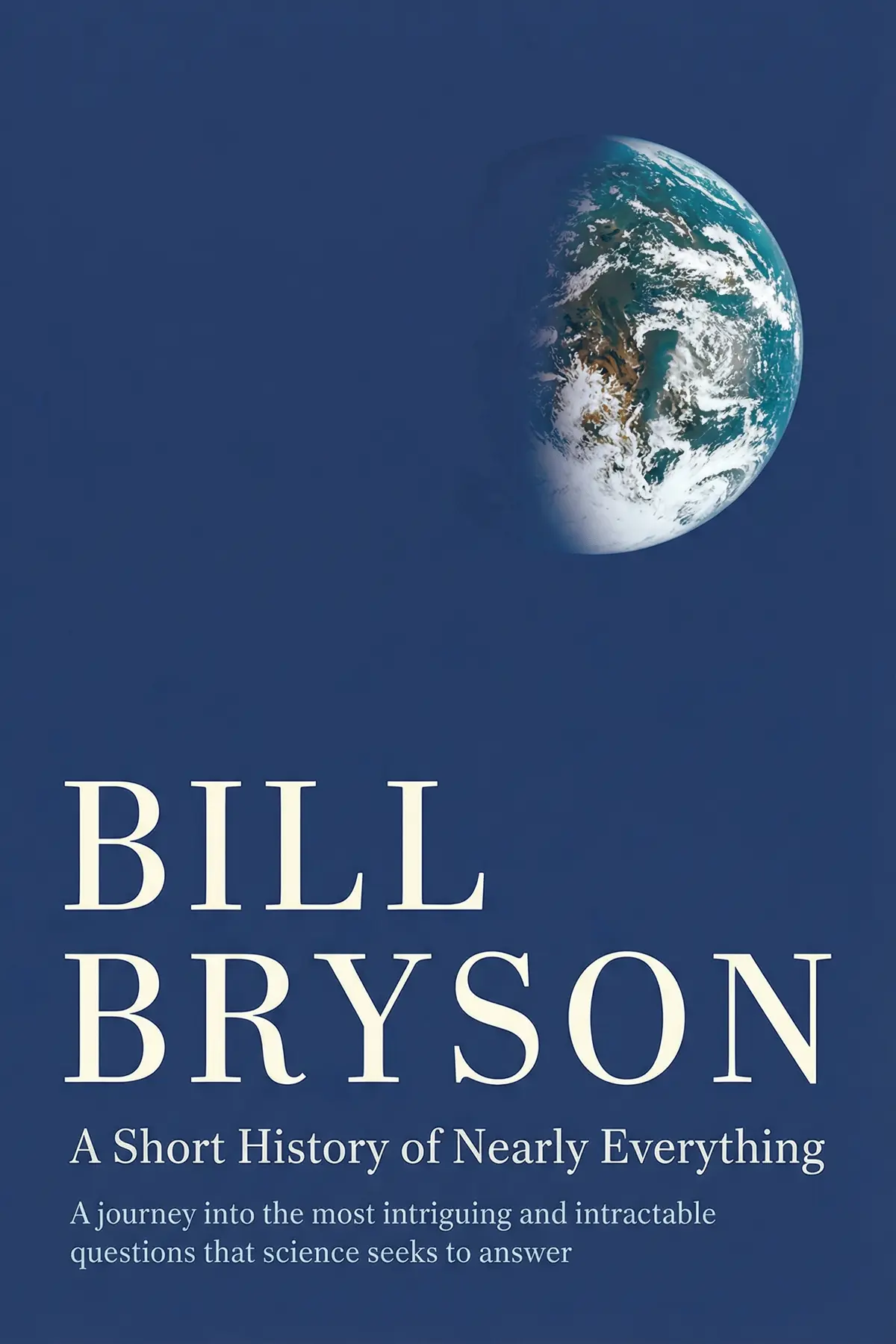
Bill Bryson
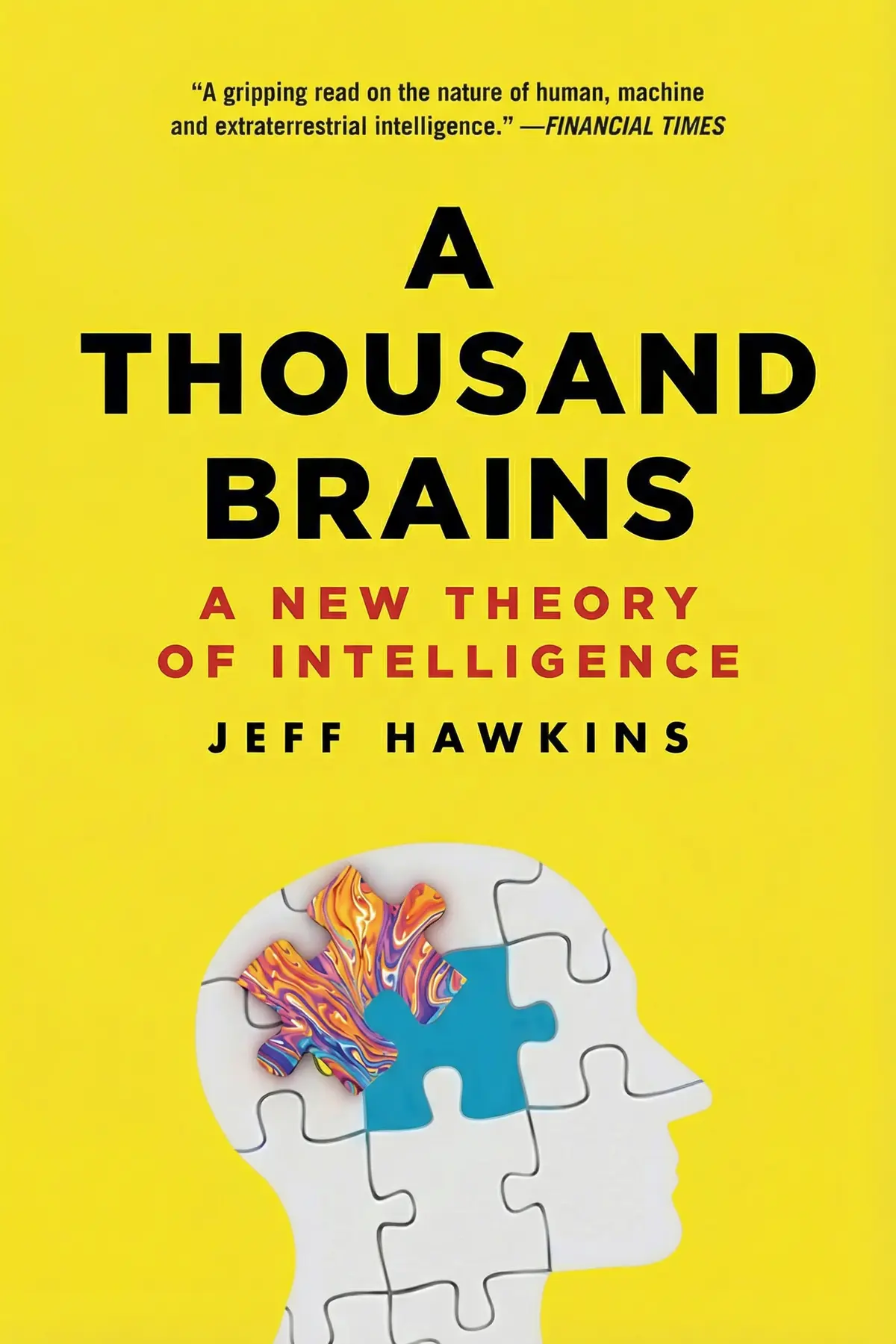
Jeff Hawkins
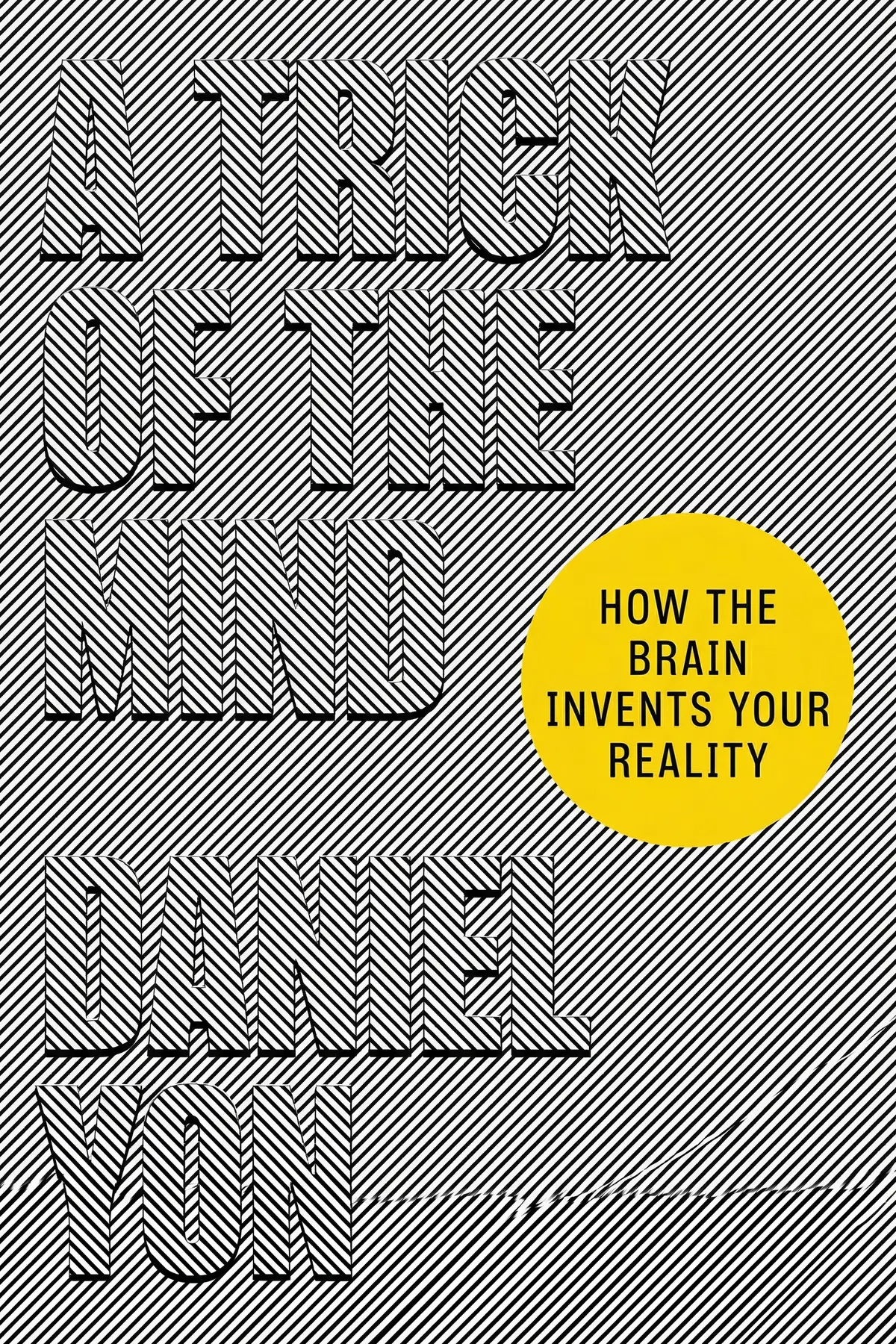
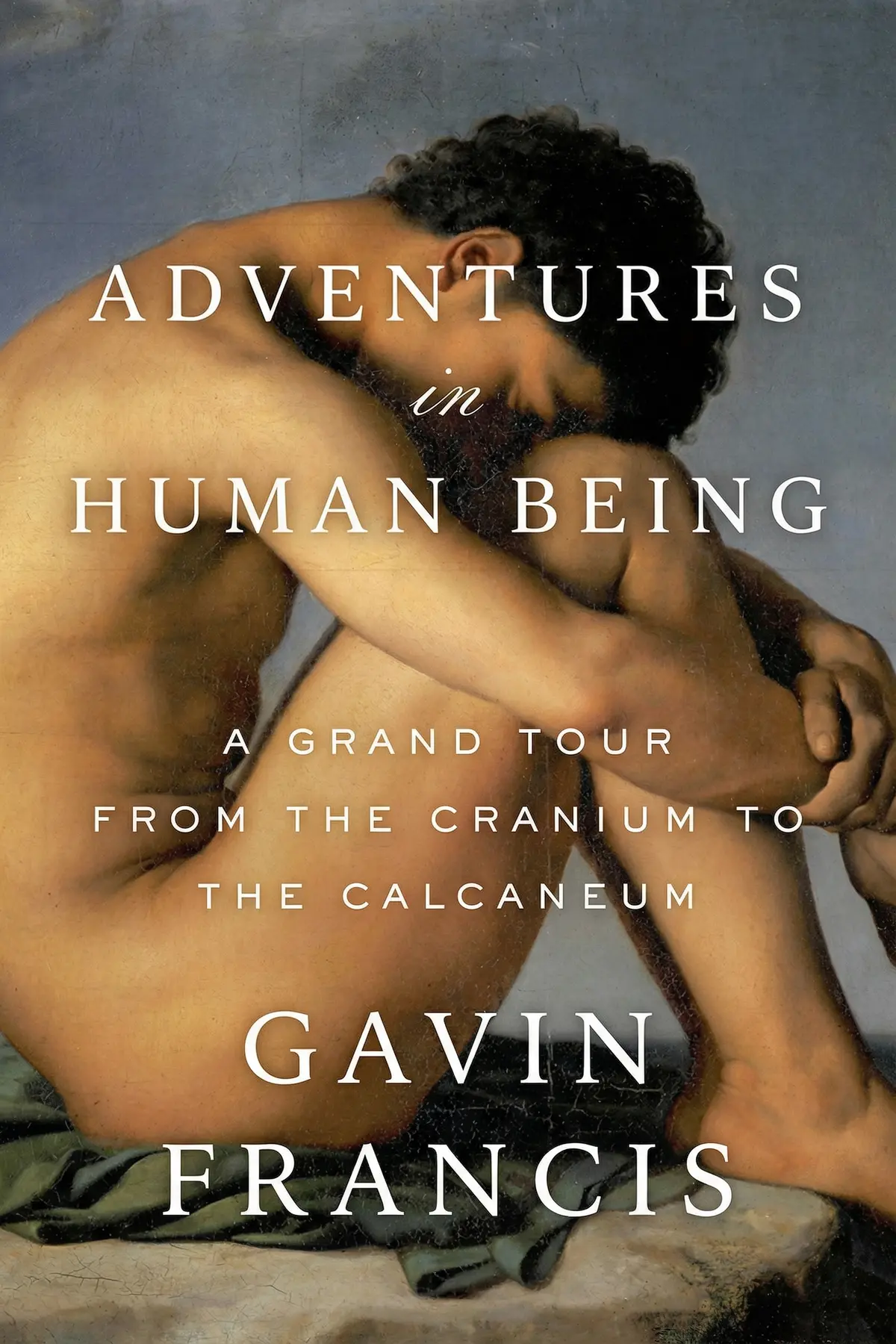

Lisa Kaltenegger

AUDIO SUMMARY AVAILABLE
Get the key ideas from Move! by Caroline Williams, plus 5,000+ more titles in English and Thai.







