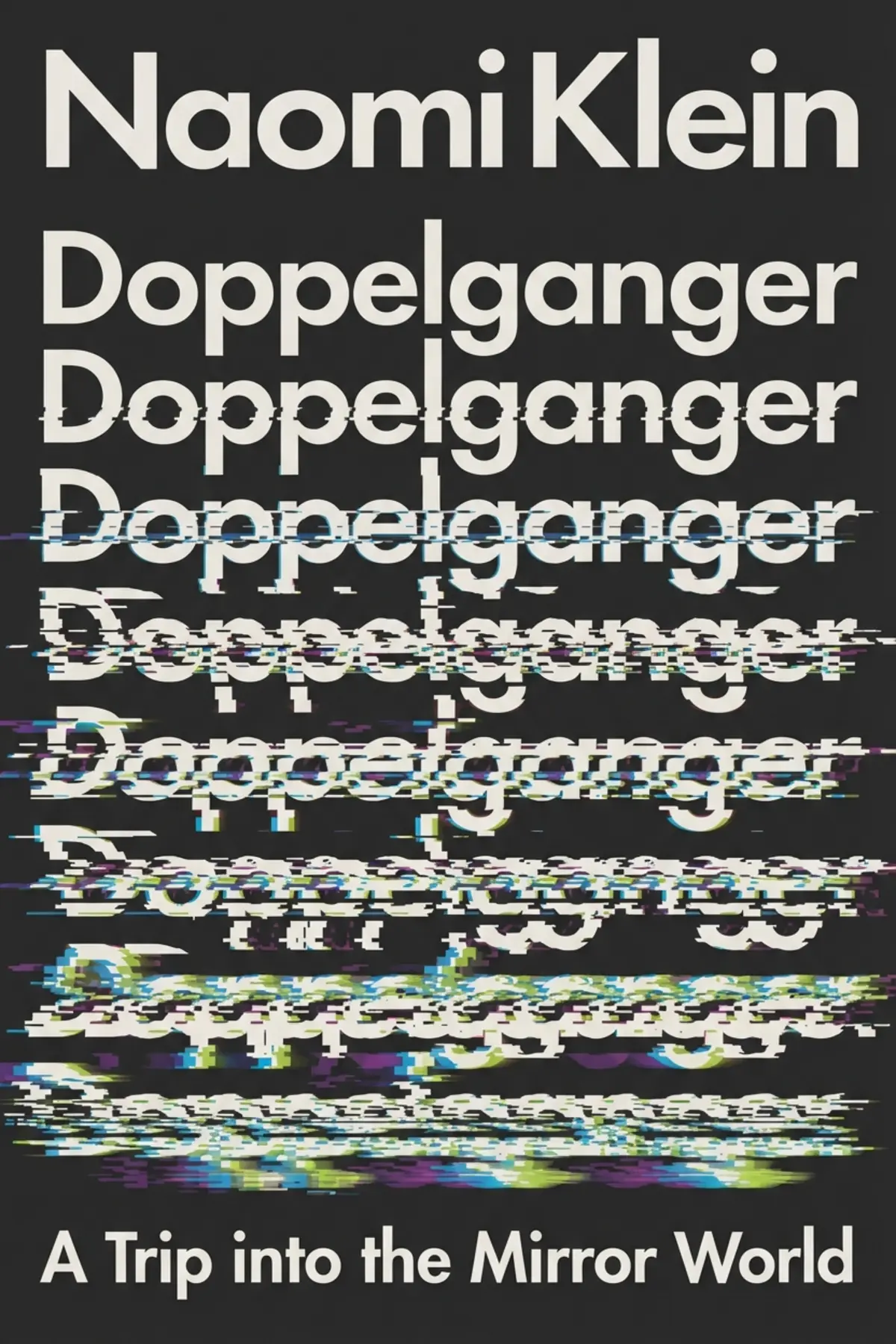
Doppelganger: A Trip into the Mirror World
Naomi Klein
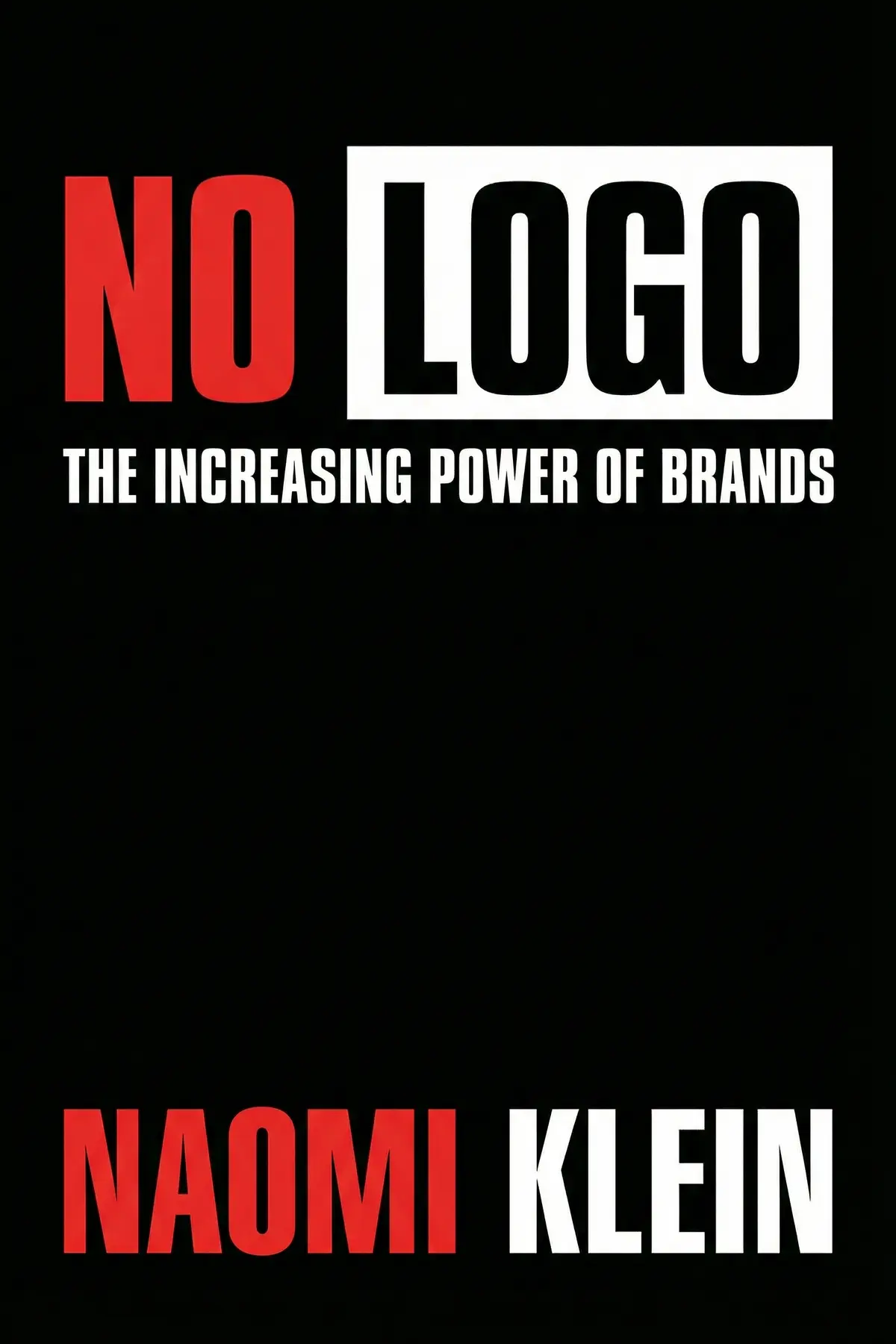
Explore the massive influence of global brands on our economy and culture. This summary examines the shift from manufacturing to marketing and the profound impact this transformation has on labor and consumer choice.
1 min 41 sec
Imagine walking through a modern city. Every corner you turn, every screen you glance at, and even the shirts on the backs of the people passing you carry a specific set of symbols. These aren’t just labels; they are carefully constructed identities designed to tap into your deepest desires and sense of self. We live in a world where the product itself has become secondary to the image it represents. This is the era of the brand, a time when corporations have moved beyond the simple act of manufacturing goods to the much more powerful act of manufacturing meaning.
In this exploration, we are going into the mechanics of how this brand-dominated reality came to be. We will look at the pivotal moment in the 1980s and 90s when companies decided that their true value didn’t lie in their factories or their inventory, but in the abstract concepts they could associate with their names. This shift wasn’t just a change in advertising strategy; it was a revolution that altered the global economy, the nature of work, and the boundaries of our public and private lives.
Over the course of this summary, we will trace the path of the mega-brand. We’ll see how they hunt for ‘cool’ in youth subcultures, how they use aggressive tactics to push out local competition, and the devastating human cost of moving production to parts of the world where labor is cheap and protections are non-existent. But we will also see the pushback. As brands become more powerful and more visible, they also become bigger targets. We are going to examine the throughline of corporate dominance and the growing movement of people who are saying that our culture should not be for sale. This is a journey into the heart of the modern consumer machine, revealing what happens when the logo becomes more important than the person.
1 min 57 sec
Discover how corporations stopped viewing themselves as makers of things and started seeing themselves as creators of lifestyles, forever changing the global economic landscape.
1 min 54 sec
Explore the sophisticated methods brands use to infiltrate youth subcultures and turn rebellious energy into marketable corporate assets.
1 min 54 sec
Learn why brands must aggressively expand into every corner of our lives just to survive, and what happens when they fail to innovate their image.
2 min 06 sec
Examine the aggressive business models used by industry giants to saturate the market and eliminate small, independent rivals.
1 min 56 sec
Uncover the dark reality of outsourcing, where manufacturing is moved to unregulated zones, resulting in the systemic exploitation of workers.
1 min 58 sec
See how the decline of manufacturing in the West has led to a precarious labor market defined by low-paying, temporary service work.
1 min 56 sec
Analyze how corporate mergers and the desire to protect brand images are leading to a narrowing of cultural diversity and consumer options.
2 min 00 sec
Discover how activists are using the ubiquity of brands against them, turning logos into symbols of protest and demanding corporate accountability.
1 min 50 sec
As we look back at the landscape of our modern world, the throughline is clear: the rise of the brand has fundamentally reshaped every aspect of our existence. We have transitioned from a society that values the physical act of making and building to one that prioritizes the abstract act of branding and marketing. This shift has brought about unprecedented corporate power, but it has also come with a heavy price. We see it in the hollowing out of local communities, the exploitation of workers in unregulated global zones, and the erosion of stable, meaningful employment in the West.
However, the story doesn’t end with corporate dominance. The very tools that brands use to control the narrative—ubiquity, emotional connection, and cultural influence—are now being turned against them. The rise of brand activism and culture jamming shows that people are no longer willing to be passive consumers in a branded world. They are demanding that corporations be held to the same standards as the governments they often influence. They are pushing back against the enclosure of our public spaces and the censorship of our cultural expressions.
The takeaway is not just a critique of marketing, but a call to reclaim our space. By understanding how the brand machine works, we can begin to see through the ‘cool’ imagery and recognize the real-world impact of our consumer choices. The most important action we can take is to remember that our value as human beings is not defined by the logos we wear or the brands we follow. We are more than just targets for a marketing campaign. We are citizens, and we have the power to demand a global economy that values people over profits and genuine culture over branded concepts. In the fight for the soul of our society, the choice to say ‘no’ to the logo is a powerful first step toward a more just and diverse future.
Have you ever wondered why certain logos seem to be everywhere, from the clothes you wear to the schools your children attend? This work investigates the dramatic evolution of the modern corporation. It argues that in the late twentieth century, successful companies underwent a fundamental shift. They stopped focusing on making products and started focusing on creating meanings. By prioritizing brand identity over physical manufacturing, these giants have reshaped the global landscape. The promise of this analysis is a clearer understanding of the hidden costs of our brand-obsessed world. It reveals how the pursuit of a 'cool' image leads to the exploitation of workers in developing nations and the erosion of stable jobs in the West. Beyond just a critique, it explores the rising tide of resistance as people across the globe begin to reclaim their cultural spaces. You will discover how the very ubiquity of these brands has made them vulnerable to a new form of activism that uses a company's own image to demand accountability and change.
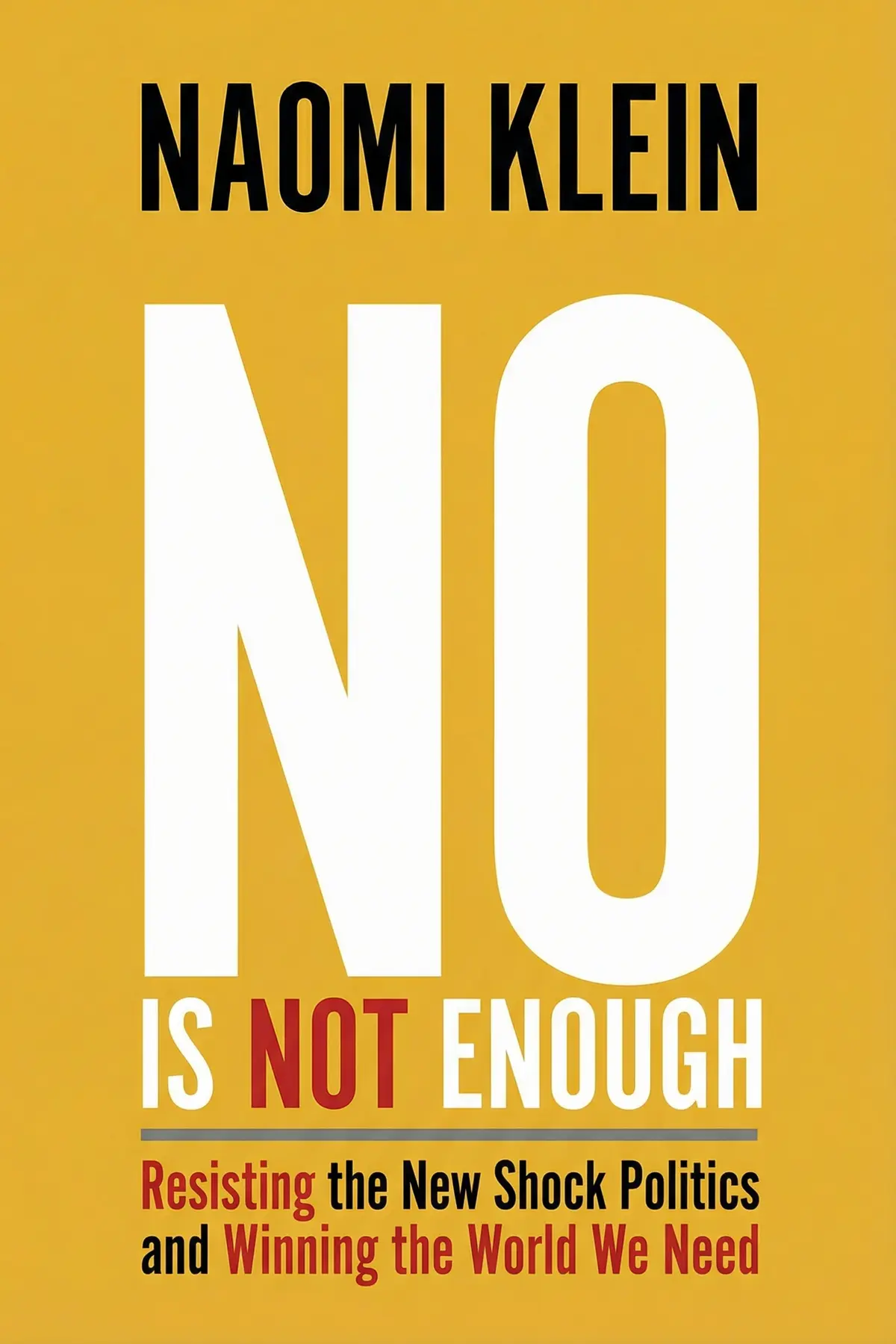
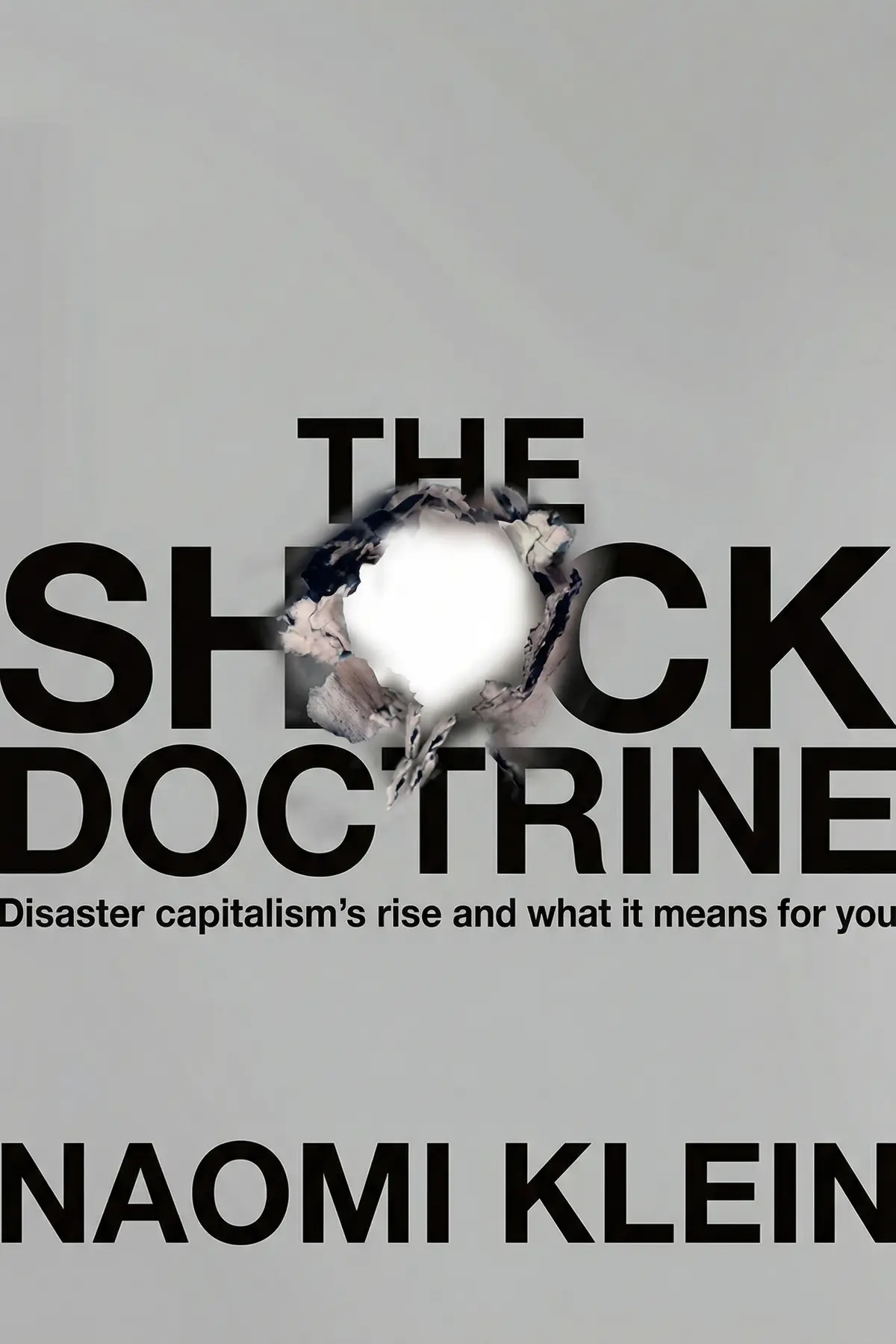
Naomi Klein is an award-winning Canadian author and journalist who has written for various publications including the New Statesman, The New York Times and Newsweek International. Along with No Logo, which was shortlisted for the Guardian First Book Award, Klein also wrote The Shock Doctrine: The Rise of Disaster Capitalism.
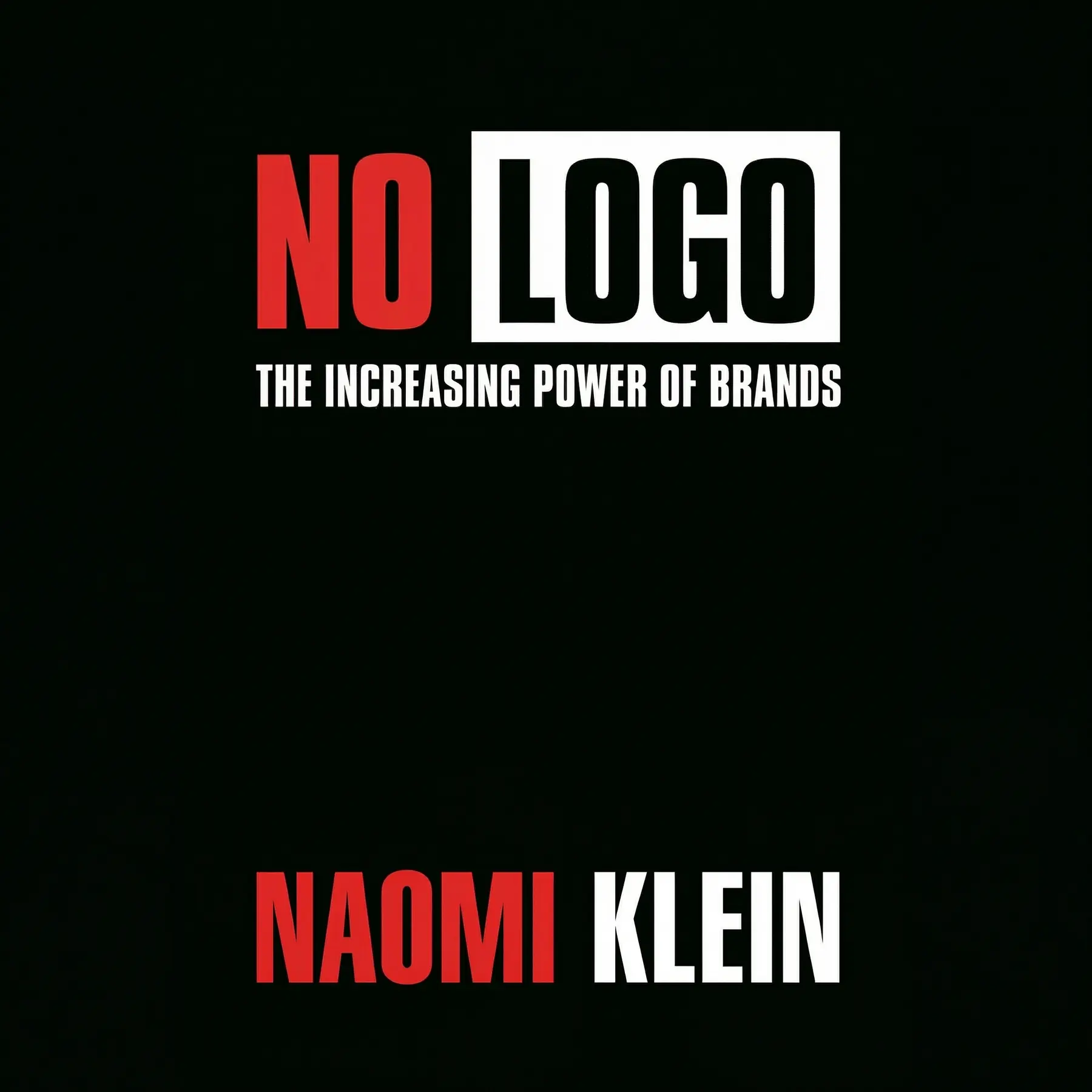
Listeners find the book readable and well-researched, with one listener remarking that it provides convincing supportive data. They value its incisiveness and political depth, as one review emphasizes how the work documents anti-globalization social movements. The pacing gets positive marks, with one listener describing the text as meticulously annotated. Reactions to the book's era are mixed, as some note its details are modestly dated.
The depth of research Klein poured into this project is frankly staggering and sets a high bar for political non-fiction. Each chapter is meticulously annotated, providing a mountain of supportive data that makes her critique of multinational corporations feel ironclad. I was particularly struck by the sections on the export processing zones and the horrific conditions workers endure to produce luxury goods. It’s an incisive look at how branding functions as a new form of enclosure for public spaces. While some might find the dense prose a bit academic, I found it remarkably readable and urgent. This is essential reading for anyone who wants to understand the origins of modern anti-globalization movements.
Show moreAfter hearing so much about this book, I finally dove into the world of brand-based capitalism and I’m honestly reeling. Klein’s exploration of sweatshops in places like Vietnam and the Philippines is absolutely gut-wrenching and forced me to confront my own ignorance is bliss attitude. It’s one thing to know your clothes are cheap, but it’s another to see the calculated corporate decisions that keep workers in poverty while Nike’s marketing budget explodes. The book is incredibly incisive and manages to be both an emotional rollercoaster and a rigorous piece of investigative journalism. I’m not sure I can ever look at a mall the same way again. It’s a heavy read, but a necessary one for the conscious consumer.
Show moreTo be fair, the section on sweatshops in the 90s is absolutely gut-wrenching and should be required reading for every high school student. Klein doesn't just give you opinions; she provides convincing data that exposes the dark side of the brands we all know and love. I was fascinated by the concept of the liquid modern world where companies don't actually own their factories anymore. This plausible deniability is exactly how they get away with human rights abuses while maintaining a squeaky-clean PR image. The book is long and meticulously annotated, but the prose is so engaging that the pages fly by. It’s a powerful call to move from being customers to being active citizens.
Show moreNo Logo still feels like a foundational text for anyone questioning why our world looks like a giant billboard. Klein does a brilliant job of explaining how corporations shifted from making products to selling lifestyles and concepts. Even though the specific examples like the 90s-era Nike scandals feel a bit old, the underlying logic remains more relevant than ever. The way she documents the hollowing out of the workforce while marketing budgets skyrocket is genuinely infuriating. I found the pacing a bit slow in the middle sections, but the data she provides is too convincing to ignore. It really makes you look at your own closet with a sense of lingering guilt.
Show morePicking this up in the current political climate makes you realize how little has actually changed regarding corporate accountability. Klein explains the transition from manufacturing things to branding them with such clarity that it totally changed how I view my favorite companies. The book is well-researched and delivers a punchy, political message that doesn't pull any punches when describing the exploitation of underdeveloped economies. I appreciated the focus on how youth culture is co-opted and sold back to us for a massive markup. Some of the references to MTV feel ancient, but the labor struggles she describes are still very much the engine of our global economy. A solid, thought-provoking read.
Show moreFew books manage to document the rise of anti-globalization social movements with such incisiveness and passion as Naomi Klein does here. The way she connects the dots between the loss of stable jobs in the West and the rise of exploitative labor abroad is truly impressive. I loved the No Space section, which details how corporate logos have invaded every corner of our public lives, from schools to city streets. It’s a thick book, and some parts are definitely more engaging than others, but the overall impact is undeniable. While the 1990s context is obvious, the struggle against corporate hegemony hasn't gone away—it has just changed its face and become even more digital.
Show moreEver wonder why we pay $150 for shoes that cost five dollars to make? This book answers that question by deconstructing the brand as a parasite that consumes the actual product. Klein’s writing is sharp and her research into companies like Apple and Gap is quite revealing, even if some of the tech references are a bit behind the times. I found the analysis of how corporations co-opt cool from marginalized communities to be particularly brilliant. It’s a depressing read in many ways, especially when you realize how much worse the situation has gotten since 2000. Still, it’s an important tool for understanding the mechanics of modern greed and the rise of corporate power.
Show moreIs it a bit dated? Truth is, reading this in the 2020s feels like looking at a museum exhibit of the late nineties. Klein focuses heavily on Shell and McDonald’s, which are still huge, but the world has moved on to big tech giants she barely mentions. I found myself skimming the parts about culture jamming because that specific brand of activism feels like a relic of the past. To be fair, her core thesis about the weightless corporation remains pretty sharp. It’s a decent historical document of a specific moment in anti-capitalist thought, but it might not blow your mind if you’ve already read her later, more refined work.
Show moreMeticulously annotated and surprisingly readable, Klein’s work serves as a time capsule of the late-nineties activist spirit. Personally, I felt like a lot of the information was stating the obvious, perhaps because I’m already quite familiar with anti-capitalist theory. The pacing is a bit hit-or-miss, with some chapters dragging on about 90s ad campaigns that no one remembers anymore. However, her core argument about the brand taking precedence over the worker is still a powerful lens through which to view the world. It’s a decent entry point for beginners, but those looking for deep economic theory might find it a bit lacking in substance compared to her later works.
Show moreLook, I wanted to like this more, but the economic arguments felt incredibly shallow and often bordered on the arrogant. Klein seems to think that closing these factories in developing countries is the best solution, ignoring that these jobs are often the only lifeline for local workers. Her understanding of how global markets actually function is flawed at best, and she frequently confuses simple vandalism with some sort of noble political movement. The writing is certainly readable, and I’ll admit the chapters on marketing strategies were interesting, but the overall message felt like it was preaching to a very specific choir. It’s a dated piece of polemic that doesn't stand up to serious scrutiny in today's world.
Show more

Miles Taylor


Fay Bound Alberti
Daniel Goleman
Tracy Rosenthal

Jessica Valenti
AUDIO SUMMARY AVAILABLE
Get the key ideas from No Logo by Naomi Klein, plus 5,000+ more titles in English and Thai.