168 Hours: You Have More Time Than You Think
Laura Vanderkam
Discover how to reclaim your schedule and find joy in the present moment by shifting your perception of time, prioritizing meaningful connections, and filling your days with intentional, memorable experiences.
1 min 43 sec
Have you ever looked at the calendar on a Friday afternoon and wondered where the week went? It feels like we are all caught in a relentless cycle of ‘busy.’ We wake up to the sound of alerts, spend our days reacting to the urgent demands of others, and fall into bed exhausted, only to feel like we haven’t actually lived. It is a strange paradox of modern life: we are more connected and theoretically more efficient than ever before, yet we feel more squeezed than any previous generation. We are constantly searching for that elusive moment when we will finally be ‘caught up’ so we can finally start enjoying our lives.
But what if the problem isn’t the number of hours in the day, but how we perceive them? There is a fascinating divide between people who always feel overwhelmed and those who seem to move through life with a sense of calm and abundance, despite having just as many responsibilities. The secret doesn’t lie in a secret 25th hour; it lies in a fundamental shift in mindset and a different way of accounting for our minutes.
In this exploration of Off the Clock, we are going to look at the throughline of intentionality. We will see how tracking our time can expose the myths we tell ourselves about our workloads, why our brains ‘delete’ routine experiences, and how the quality of our relationships can literally make time feel more expansive. This isn’t just about getting more done; it is about feeling less busy while you do it. By the end of this journey, you will have a new framework for evaluating your commitments and a toolkit for making every hour feel like it truly belongs to you.
2 min 34 sec
Uncover the surprising reality of where your hours truly go by moving beyond guesses and into the clarity of hard data.
2 min 27 sec
Learn why routine makes years vanish and how introducing adventure can slow down your internal clock.
2 min 43 sec
Challenge the cultural expectation that a full calendar equals success and reclaim the power of empty space.
2 min 34 sec
Discover why investing in relationships is not a luxury, but a vital tool for feeling more time-affluent.
2 min 31 sec
Stop the cycle of frustration by aligning your goals with the actual constraints of your daily life.
2 min 28 sec
Shift your spending habits from accumulating things to creating experiences and removing daily friction.
2 min 38 sec
Implement simple, actionable shifts to your routine to create a sense of time abundance every single day.
1 min 36 sec
The journey toward feeling less busy while getting more done isn’t about finding a complex new system or a magic app. It is about a fundamental shift in how we view the 168 hours we are given every single week. We have seen that much of our stress comes from the stories we tell ourselves—stories about being busier than we are, stories about the importance of a packed calendar, and stories about the ‘perfect’ conditions we need to be productive.
By embracing the data of a time log, we can face the reality of our choices. By seeking out novelty and adventure, we can stretch the years so they don’t simply vanish into a routine-driven blur. By prioritizing our social connections, we not only improve our mood but actually expand our internal sense of time. And by lowering our expectations and working with the reality of our messy lives, we remove the friction that keeps us from making progress.
The core message is simple: you have the power to influence how your life feels. Time management isn’t just about efficiency; it’s about intentionality. It’s about deciding that your minutes are valuable and that they should be spent on things that bring you meaning, joy, and a sense of accomplishment. Start today by looking at your schedule not as a list of burdens, but as a canvas for adventures and connections. When you take control of your perception, you finally stop racing against the clock and start living off it.
Off the Clock explores the psychological gap between how much time we actually have and how busy we feel. Many people live in a state of constant rush, yet feel they accomplish little of substance. This summary breaks down the habits of people who feel 'time affluent'—those who get things done without the stress of a ticking clock. By examining how our brains process memories, the pitfalls of corporate busyness culture, and the importance of social connections, the book promises a path toward a more relaxed and productive life. You will learn practical strategies like time-tracking, intentional scheduling, and lowering expectations to create a life that feels both full and spacious.
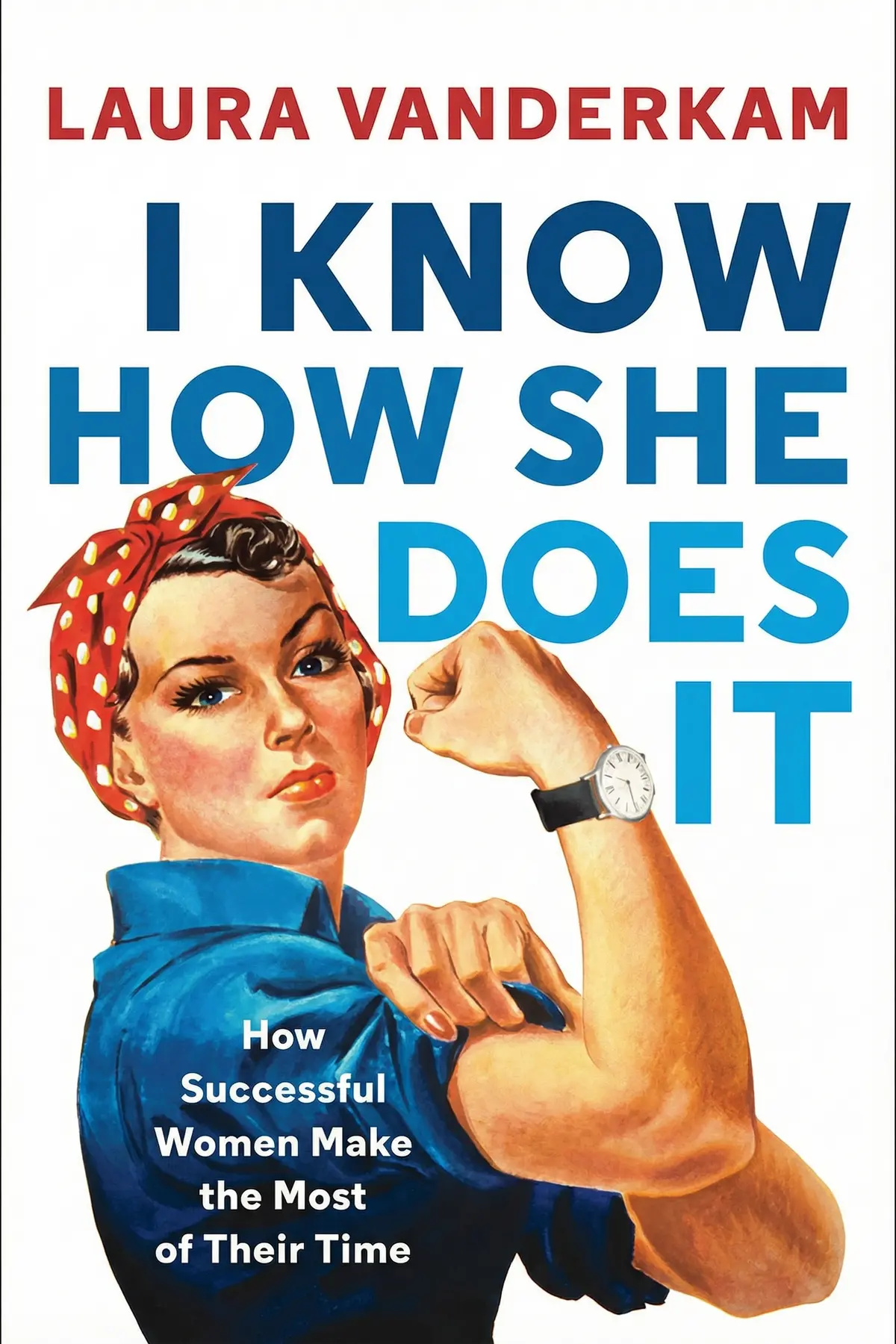
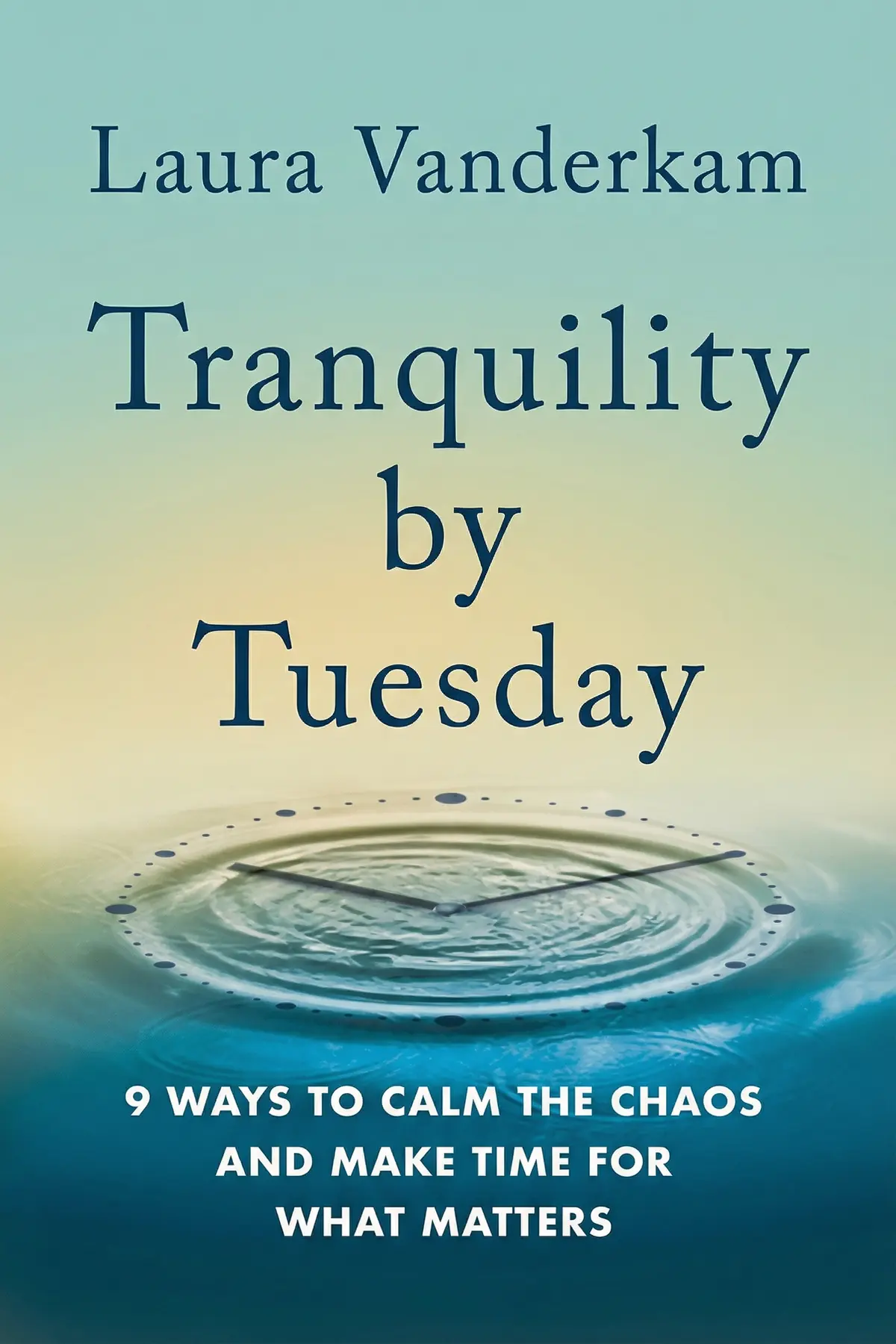
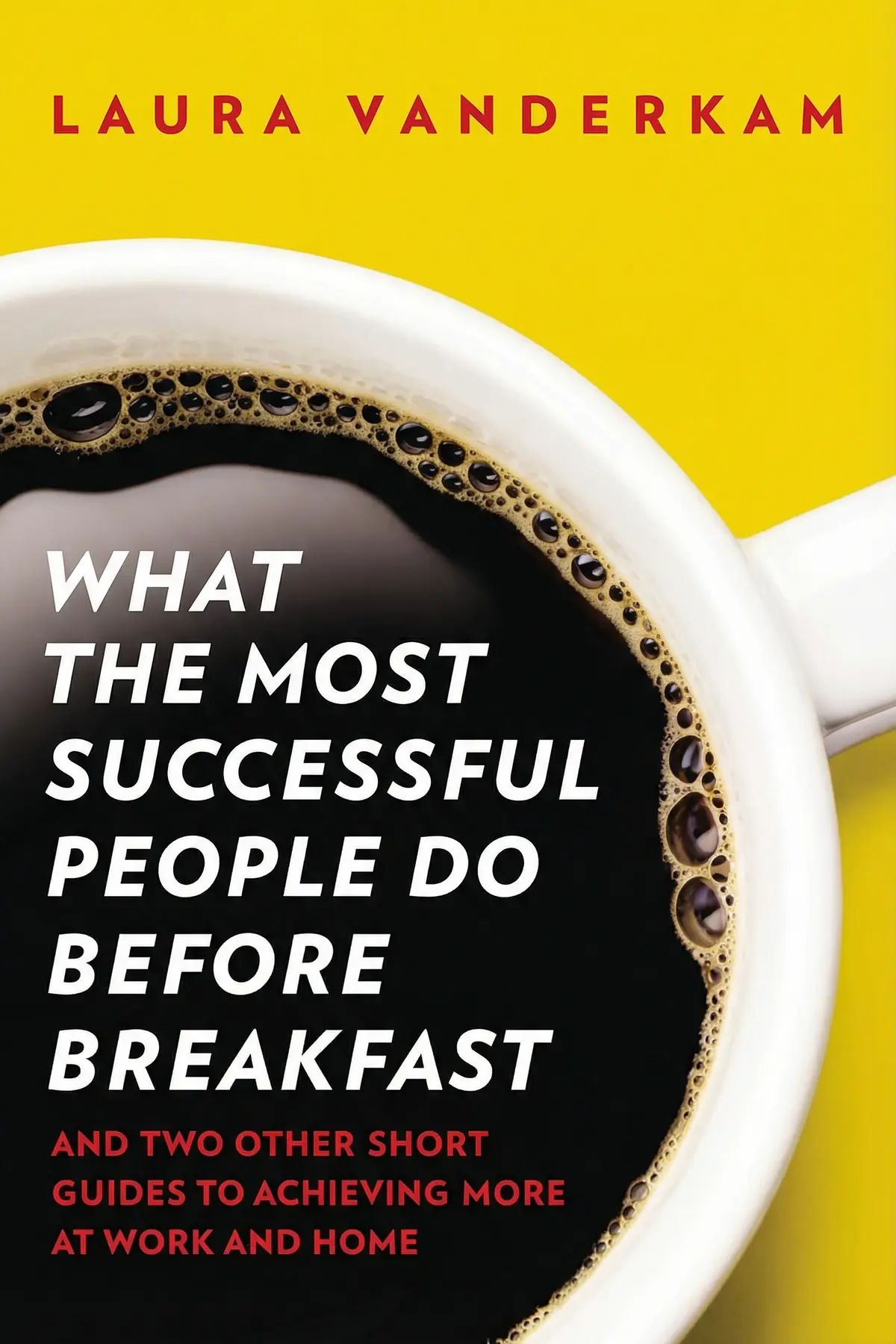
Laura Vanderkam has authored several productivity and time-management books. Her 2016 TED talk, “How to Gain Control of Your Free Time,” has racked up over five million views, and she has contributed to publications such as the New York Times, Fast Company and Fortune.
Listeners find this productivity guide packed with practical tips and very accessible, featuring engaging stories throughout. They also value its utility, with one listener specifically noting the helpful worksheets provided at the end, and its ability to make life feel more purposeful and significant. Additionally, the work earns praise for its time management methodology, where one listener explained how it helped them evaluate their schedule, as well as for its imaginative content.
Finally got around to reading Vanderkam’s latest, and it’s a refreshing departure from the usual 'hustle harder' productivity manuals. The core concept of 'stretching' time by creating more vivid memories is absolutely brilliant and felt revolutionary to my weekend planning. In my experience, most time management gurus focus on how to cram more tasks into a day, but Laura focuses on how to feel more relaxed while doing them. I especially appreciated the worksheets at the back of the book; they made the abstract philosophy feel concrete. Tracking my time for a full week was eye-opening because I realized I was wasting hours on mindless scrolling instead of lingering over dinner with my family. It's not just about being efficient; it's about being present and mindful of the hours we actually have. This book is a must-read for anyone who feels like life is just a blur of chores and emails.
Show moreThe chapter on making memories stick completely changed how I look at my Saturdays and Sundays. Not gonna lie, I used to spend my 'off' time just recovering from work, but Vanderkam explains why that makes time feel like it's disappearing. By intentionally planning small adventures, I feel like my weeks are suddenly much longer and more meaningful. To be fair, she writes from a place of significant privilege, but the advice about 'tending your garden' is applicable to anyone regardless of their income level. I loved the emphasis on prioritizing people; it reminded me that relationships are the best use of our limited hours. The writing style is engaging and conversational, making it easy to fly through the chapters in just a couple of sittings. It is an excellent sequel for those who loved 'I Know How She Does It' but want a deeper dive into happiness.
Show moreWait, a time management book that actually encourages you to slow down? That was my first thought, and I am so glad I picked this up. Vanderkam argues that being 'off the clock' is a mental state we can cultivate by being intentional with our hours. The advice to 'linger' in moments of joy really resonated with me because I’m always rushing to the next task. By following her suggestion to get to appointments early just to relax, I’ve reduced my daily stress levels immensely. I also loved the mention of reading reviews to find good books—it felt like a nice nod to us Goodreaders! The book is realistic because the author understands the demands of a career and young children. It’s not about perfection; it’s about making life memorable. This is easily her most soulful book yet.
Show moreEver wonder why time seems to fly by faster as you get older? Vanderkam tackles this paradox head-on by explaining how our brains process novelty versus routine. I’ve found that implementing her 'daily vacation' exercise—spending just fifteen minutes a day on something I truly enjoy—has boosted my mood significantly. The book is incredibly readable and the anecdotes about her own life with four kids make the advice feel grounded. My only minor gripe is that some of the suggestions for 'investing in happiness' feel a bit repetitive if you are already a fan of her podcast. Still, the focus on 'off the clock' energy rather than just 'on the clock' efficiency is a vital distinction. It encouraged me to lower my standards for low-stakes chores and spend that saved energy on my kids instead. Definitely worth a read for the perspective shift alone.
Show moreThis book is essentially the philosophical cousin to Vanderkam’s more data-driven work, focusing on the quality of time rather than just the quantity. Gotta say, I appreciated the focus on being 'deliberate' with leisure time rather than just letting it happen to you. The idea that we should plan our weeks on Friday afternoons is a total game-changer for my Monday morning anxiety. While the tone is a bit airy at times, the underlying message about time perception is backed by interesting psychological insights. I did feel that she could have addressed the idea of service or sacrificing time for others more deeply. Without that, the approach occasionally feels a little too focused on personal gratification. Regardless, the actionable tips on savoring moments and avoiding the 'busy trap' are fantastic. It’s a thoughtful, well-written guide that I’ll likely revisit when I start feeling overwhelmed again.
Show morePicked this up during a particularly stressful month at work, and it served as a much-needed mental reset. Vanderkam has a way of making you realize that you aren't actually as busy as you tell everyone you are. Not gonna lie, tracking my time for a week was a humbling experience that showed me exactly where my 'missing' hours were going. The writing is smooth and the anecdotes provide a nice break from the data. I found the section on 'letting go' of high standards for unimportant things especially liberating. While some chapters felt a bit longer than necessary, the overall impact on my schedule was positive. It’s a great book for anyone who wants to feel more in control of their life. I highly recommend using the worksheets to really get the most out of the experience.
Show moreIn my experience, productivity books usually make me feel guilty, but this one actually made me feel empowered. The truth is, we all have the same 168 hours, and Laura shows how to spend them on things that actually matter. I loved the 3-category priority list for planning; it ensures that my relationships and my self-care don't get pushed aside by my career. The book is quite readable, though some of the stories felt a little like filler toward the middle. However, the core message about prioritizing people as a good use of time is something I really needed to hear. It’s a very practical look at how to stop racing against the clock. Even if you don’t do everything she suggests, just adopting one or two habits will make a difference. It’s a solid 4-star read for anyone looking to reclaim their joy.
Show moreAs someone who has followed Laura's blog for years, this felt a bit like a collection of essays rather than a cohesive, structured manual. Truth is, there are some great nuggets of wisdom here, especially regarding the '3-category priority list' for planning your week. However, the narrative felt a bit thin in places, padded out with anecdotes that didn't always land for me. I personally found her earlier work, 168 Hours, to be much more practical for someone trying to balance a high-intensity career with a personal life. Off the Clock leans more into the philosophical side of things, which is fine, but it lacks the 'how-to' grit I was expecting. It’s a decent read for a plane ride, but it didn't provide any life-altering shifts in my perspective. If you've read her other books, you might find this one a bit repetitive and oversimplified.
Show moreAfter hearing her on the 'Before Breakfast' podcast, I expected more concrete strategies for managing a truly chaotic household. This book is more of a headspace-setter than a tactical manual. Personally, I found it a bit too unstructured for my needs. The concept of 'tending your garden' is a nice metaphor, but I needed more help with the 'how' and less of the 'why.' It’s a quick read, and the worksheets in the back are definitely the highlight for anyone who likes data. To be fair, it did make me more mindful of how I spend my evenings. But compared to her other books, this one felt like it was spread a little thin on new information. It’s a good supplement if you’re already a fan of her work, but maybe not the best place to start if you’re new to her time management philosophy.
Show moreLook, I really wanted to love this, but the level of privilege on display made it hard to connect with the advice provided. Frankly, it’s easy to 'linger' and 'savor the moment' when you have a nanny and a flexible career, but it feels a bit tone-deaf for the average person. I found a lot of the book to be filled with platitudes and repetitive stories that didn't offer much in the way of actual strategy. The big takeaways—track your time, do memorable things, and talk to people—could have been a blog post instead of a full-length book. I struggled with the lack of structure and felt like I was wading through a lot of filler to find anything useful. If you are looking for a concrete guide to managing a chaotic schedule, I would look elsewhere. It just felt too self-indulgent for my taste.
Show moreAUDIO SUMMARY AVAILABLE
Get the key ideas from Off the Clock by Laura Vanderkam, plus 5,000+ more titles in English and Thai.