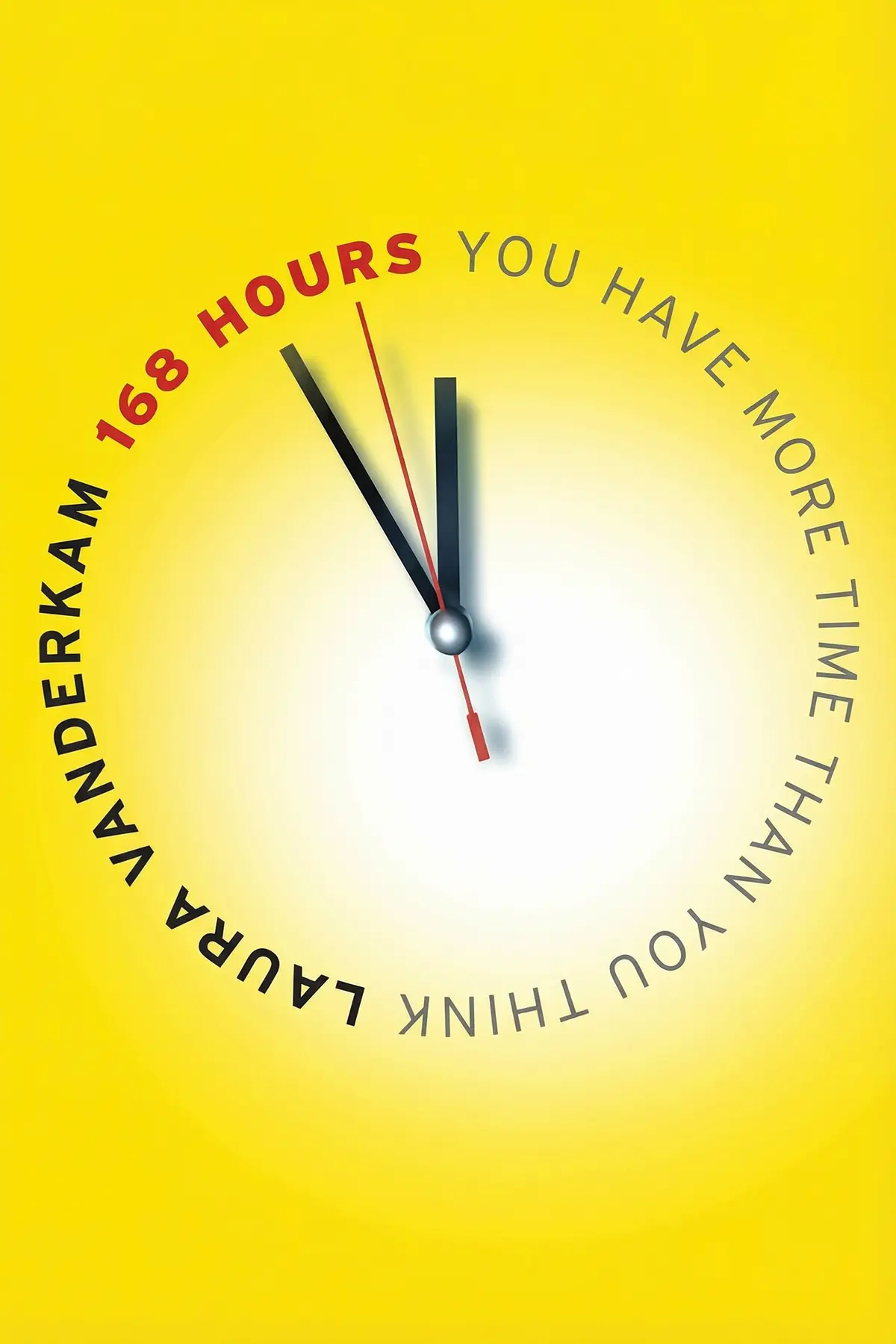
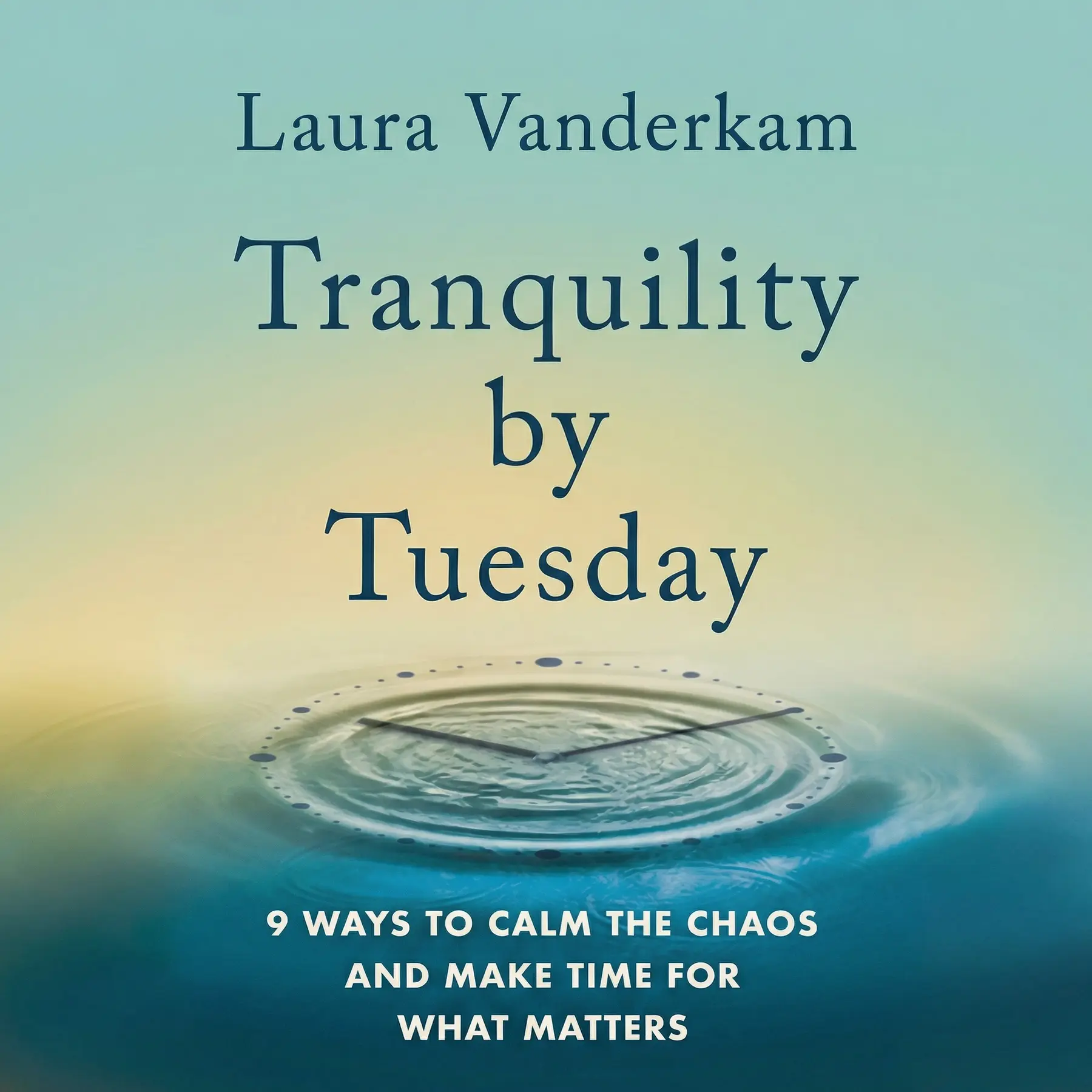
168 Hours: You Have More Time Than You Think
Laura Vanderkam
Discover nine practical rules to reclaim your schedule, reduce daily stress, and prioritize what truly matters, transforming chaotic weeks into a more intentional, fulfilling, and peaceful way of living.
1 min 47 sec
We often hear the same complaints in our modern world: there is never enough time, the days are a blur of chores and obligations, and personal passions always seem to fall to the bottom of the priority list. It feels as though we are constantly treading water, just trying to keep our heads above the surface of a chaotic schedule. But what if the problem isn’t a lack of time, but a lack of a framework?
There is a common misconception that productivity and peace are at odds—that you have to choose between a high-powered career and a relaxing evening, or between being a present parent and having a vibrant personal life. The truth is much more encouraging. You can actually have a rewarding career, a deep connection with your family, and an energizing personal life all at once. The secret lies in moving away from reactive living and toward intentional planning.
By looking at our lives through the structure of a week rather than the frantic lens of a single day, we can start to see where the pockets of opportunity actually live. This journey into time management isn’t just about getting more items checked off a to-do list; it’s about a fundamental shift in how we value our minutes. It is an art form that helps us prioritize well-being and goals alongside our obligations. Over the next several segments, we will explore nine specific, battle-tested methods that allow you to reclaim your time, find your focus, and finally experience a sense of tranquility—even in the middle of a busy week. This is about learning to work better, not harder, and making sure that the things that matter most aren’t sacrificed for the things that matter least.
1 min 54 sec
Discover why the quality of your sleep depends on a proactive strategy rather than just the number of hours you spend in bed.
1 min 45 sec
Learn why late Friday afternoon is the secret weapon for a stress-free weekend and a productive Monday.
1 min 53 sec
Forget the pressure of daily perfection and embrace a more realistic standard for building lasting lifestyle habits.
1 min 49 sec
Discover how a counterintuitive strategy used by hospitals can help you manage unexpected emergencies without losing your cool.
1 min 48 sec
Find out why time seems to speed up as we age and how you can use intentional adventures to slow it down.
1 min 36 sec
Understand why taking one night off per week for yourself is not an indulgence, but a vital component of a balanced life.
1 min 54 sec
Explore the difference between effortful and effortless fun, and how to keep small tasks from stealing your concentration.
1 min 39 sec
As we look back at these nine strategies, a clear theme emerges: tranquility is not the absence of activity, but the presence of intentionality. By setting a bedtime, planning your week on Fridays, and building in buffers, you create a structure that supports your goals rather than constricting them. You move from being a passenger in your own life to being the driver.
One of the most immediate ways to put these ideas into practice is by reclaiming your mornings. If you follow the rule of setting a consistent bedtime and waking up refreshed, you’ll likely find you have a small window of time before the rest of the world starts making demands. Use this time for a mini-routine that centers you. Whether it’s journaling, enjoying a quiet cup of coffee, or simply watering your plants, these small acts of self-care set a positive tone for everything that follows.
Remember, you don’t have to be perfect. The goal isn’t to follow every rule exactly every single day. It’s about creating a sustainable rhythm. Start by implementing just one or two of these methods and notice how the atmosphere of your week changes. As you see the benefits, you can layer in more. By treating your time as a precious resource and planning it with care, you can move away from the chaos and toward a life of genuine fulfillment and calm. You have the power to make every Tuesday—and every day—a little more tranquil.
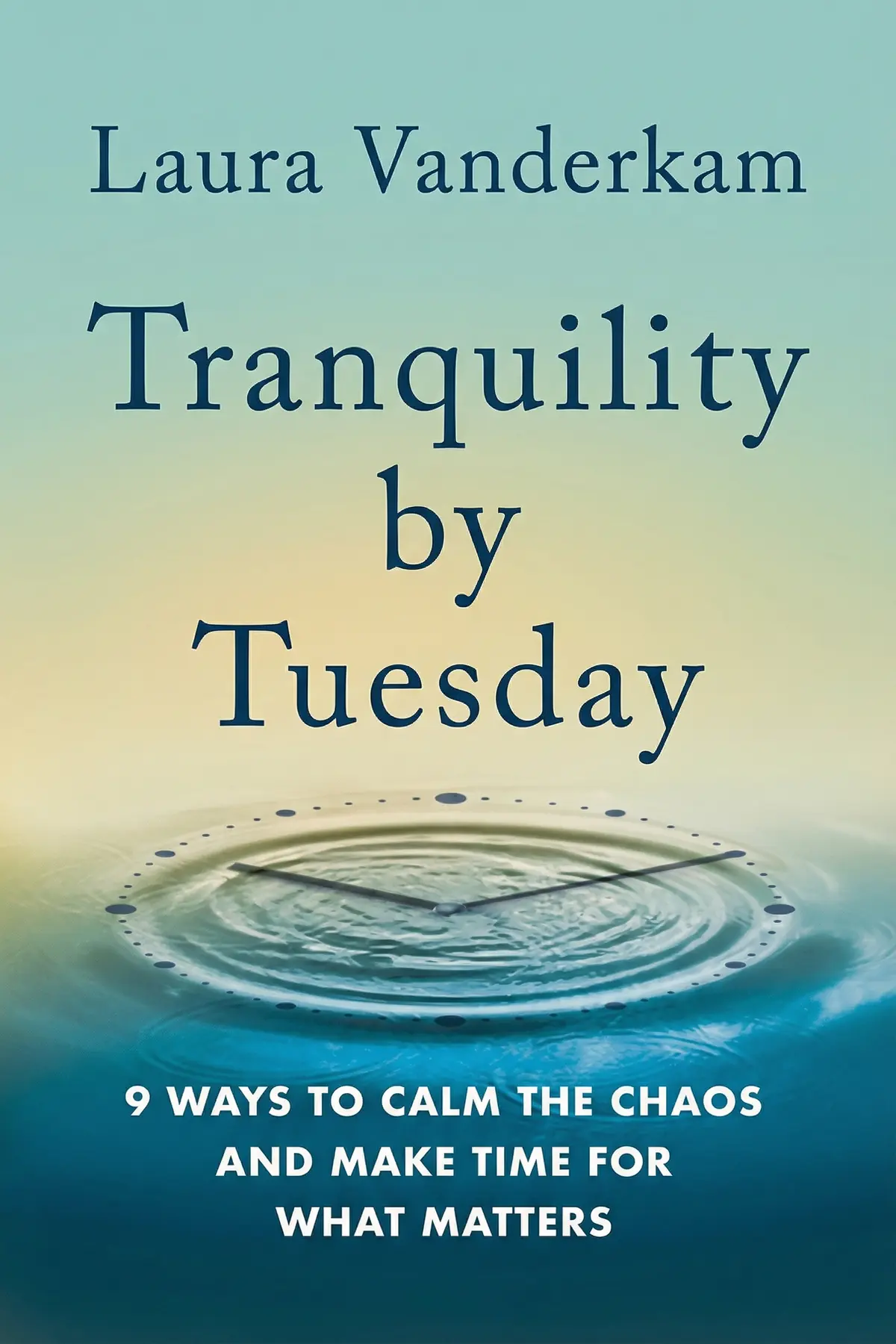
Many people live in a state of constant reaction, feeling overwhelmed by professional demands and personal responsibilities. They often feel like they are working harder than ever but never making progress on their actual priorities. This guide challenges that narrative by offering a blueprint for intentionality. It suggests that tranquility isn't found by doing less, but by planning better. By viewing life through the lens of a week rather than a day, individuals can fit in work, family, self-care, and even adventure. The promise of this approach is a life that feels both productive and spacious. Through nine specific rules—ranging from setting a strict bedtime to scheduling "big and small adventures"—the content provides a framework for managing energy and attention. It explains how to build buffers into a busy schedule so that the unexpected doesn't derail your peace of mind. Ultimately, it is a guide for anyone who wants to stop merely surviving their schedule and start crafting a life they actually enjoy living.
Laura Vanderkam is a speaker, author, and time-management expert who has guided millions of people to chaos-free lives that balance work and family. She is the author of numerous best sellers, including 168 Hours, I Know How She Does It, Off the Clock, and What the Most Successful People Do Before Breakfast.
Laura Vanderkam
Laura Vanderkam
Listeners find this book pragmatic and straightforward, featuring hands-on advice that assists in organizing their schedules more efficiently. They value the uncomplicated strategies and their favorable influence on day-to-day living, as one listener points out how the methods are effortlessly put into practice during normal life. By highlighting the importance of spontaneity and pleasure, the author ensures an engaging experience.
Finally got around to finishing this, and I’m genuinely impressed by how actionable the 'nine rules' are compared to other productivity fluff. I’ve started implementing the 'Big and Little Adventures' rule, which has transformed my weekends from a blur of chores into something I actually look forward to. Vanderkam’s writing is punchy and direct, though some sections feel a bit like they were padded out from a long-form article. Still, the core advice about planning your week on Friday is a game-changer for anyone who spends Sunday nights in a state of dread. Personally, I found the chapter on 'effortful fun' to be the most convicting part of the whole book. We all spend too much time scrolling through social media when we could be reading or doing something that actually recharges us. It’s not about being a robot; it’s about making sure your time reflects your actual values.
Show moreThe concept of 'effortful before effortless' changed my evening scrolling habits completely and helped me reclaim hours of my life. I’ve explored several of Vanderkam's books before, but this one feels the most grounded in real-world application for people who aren't just high-level executives. The framework of 'nine rules' provides a structured yet flexible way to approach time management without feeling like you're failing at life. I specifically loved the suggestion to batch all the 'life admin' tasks into one day to avoid constant interruptions during deep work hours. Some might find the tone a bit prescriptive, but the data she presents from her study of over 100 people makes it hard to argue with the results. To be fair, not every rule will work for every person, especially if you have an erratic work schedule. Regardless, the emphasis on creating memories and injecting whimsy into the mundane is worth it.
Show moreWow, I didn't expect a time management book to feel so life-affirming and focused on joy rather than just efficiency. Vanderkam shifts the focus from 'how to do more' to 'how to enjoy what you're doing,' which is exactly what I needed. Her rule about 'One Big Adventure' and 'One Little Adventure' per week has made my life feel so much more vibrant and memorable. It’s easy to get caught up in the grind, but this book reminds you that you actually have time for what you prioritize. The prose is clear and the pacing is generally good, though I wasn't a huge fan of the workbook elements scattered throughout. I’ve already recommended this to several of my friends who are struggling with the transition back to office life. It’s all about designing a life that you don't feel the constant need to escape from. Highly recommended for anyone feeling stuck in the mundane.
Show moreVanderkam's latest offers a surprisingly flexible framework for those who hate the idea of a rigid, minute-by-minute schedule. I’ve always struggled with 'traditional' time management, but the idea of 'backup slots' for when life inevitably goes sideways was a total epiphany. The book is well-organized, and the nine rules are easy to remember and even easier to start applying immediately. I particularly liked the focus on 'effortful fun,' which encouraged me to pick up my guitar again instead of just watching Netflix. It’s a very actionable text, though I agree with some other reviewers that it could have been a bit shorter. The data from her Tranquility by Tuesday project adds a nice layer of credibility to her claims. It’s not just her opinion; it’s what worked for a diverse group of real people. A very solid choice for helping find some peace in a chaotic schedule.
Show moreIf you're drowning in a sea of to-dos and feel like you're constantly behind, this book is the life raft you’ve been looking for. The writing is accessible and the 'nine rules' are simple enough that you don't need a PhD to implement them. I’ve been sticking to the 'move before 3 PM' rule for two weeks now, and my afternoon energy levels have skyrocketed. To be fair, I had to adapt some of the rules to fit my own lifestyle, but the author encourages that kind of personalization. I love the concept of 'whimsy' and adding small moments of joy into the work week to keep things interesting. It’s an enjoyable read that focuses on the quality of your time, not just the quantity of tasks you complete. This might actually be her best book yet because it feels so much more human and relatable than her earlier works.
Show moreAs a working parent constantly teetering on the edge of burnout, these rules felt like a much-needed lifeline. The idea that 'sleeping in' means going to bed early was a total lightbulb moment for me because I always felt cheated out of my evenings. While I can't always 'move before 3 PM' due to my rigid office schedule, the spirit of her advice is still very applicable. Truth is, Laura does write from a place of significant financial and professional privilege, which might grate on some readers who don't have childcare or autonomy. However, her focus on 'one night for you' is something I’ve already started negotiating with my partner. It’s a very easy read with a layout that encourages you to jump right into the data-backed exercises. It’s definitely more practical than her previous works, focusing less on theory and more on the 'how-to' of daily life.
Show moreEver wonder where your week went? This book answers that question and then gives you the tools to make sure you don't keep losing days to the void of 'busy-ness.' I’ve been following the '3x a week is a habit' rule, and it has removed so much guilt from my life regarding my fitness goals. It’s a very practical guide that doesn't demand perfection but rather focuses on small, manageable shifts in perspective. I especially liked the chapter on 'moving before 3 PM,' even though I usually prefer evening workouts. Vanderkam’s tone is encouraging, and the inclusion of real-life stories from her study participants makes the advice feel much more attainable. Not gonna lie, some of the suggestions require a level of flexibility that many corporate jobs simply don’t allow. Despite that, the overarching message of intentionality is something every busy person needs to hear right now.
Show moreThis book isn't reinventing the wheel when it comes to time management, but it presents the basics in a way that feels incredibly fresh and doable. I much prefer this structure to '168 Hours' because it provides a specific roadmap rather than just a philosophy. The advice to batch the little things into a dedicated 'Life Admin' day has cleared so much mental clutter from my Monday-to-Friday routine. It’s an easy read that you can probably finish in a single afternoon if you’re focused. I did find the author's assumption that readers can just 'nix unproductive meetings' a bit out of touch with reality. Most of us don't have that kind of power at work, and suggesting it feels a bit smug. However, if you can look past the occasional tone-deafness, the actual rules for creating 'tranquility' are very effective. It’s a solid addition to any self-help shelf.
Show moreWhile I appreciate the research that went into this, I couldn't help but feel that the material was stretched thin to fit a full-length book. Many of these insights could have been condensed into a concise Medium article or a single podcast episode without losing much impact. Frankly, the constant repetition of the 'nine rules' felt like it was hammering a nail that was already flush with the wood. There are certainly some gems here, particularly the idea of planning on Fridays to save your future self from stress. But I found myself skimming through the lengthy anecdotes and the workbook-style sections toward the end. It's a decent entry point for those new to Laura's philosophy, but long-time followers might find it a bit redundant. It’s a middle-of-the-road read for me because while the advice is solid, the delivery felt quite drawn out.
Show moreLook, I wanted to love this because I enjoy the author's podcast, but the position of privilege in this book was hard to ignore. She frequently suggests things like hiring babysitters or ignoring emails that simply aren't feasible for a large portion of the working population. In my experience, if you’re a morning person who works for yourself, this book is probably a masterpiece. But for those of us with rigid shifts or high-pressure bosses, some of these 'rules' feel more like a fantasy. I also found the narrator’s tone in the audiobook version to be a bit condescending at times. I did appreciate the tip about planning on Fridays, as that is a universal strategy that anyone can use. Beyond that, I think Gretchen Rubin offers much better advice on how to tailor habits to your own specific personality. This one just didn't land for me.
Show moreAUDIO SUMMARY AVAILABLE
Get the key ideas from Tranquility by Tuesday by Laura Vanderkam, plus 5,000+ more titles in English and Thai.