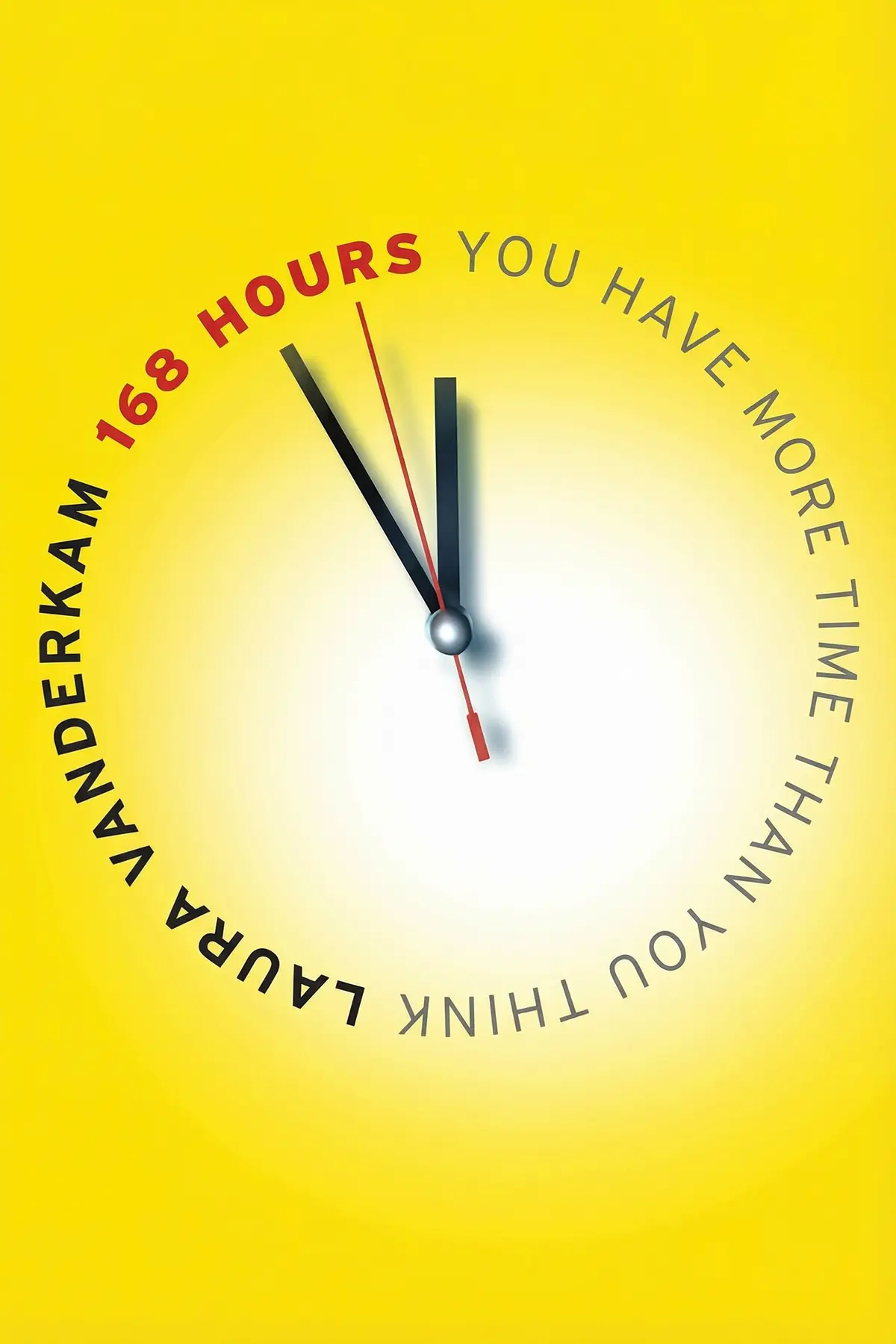
168 Hours: You Have More Time Than You Think
Laura Vanderkam
Discover how the world’s most successful individuals reclaim their schedules by mastering their mornings, reimagining their weekends, and optimizing their workdays to achieve personal and professional fulfillment through intentional time management.
2 min 10 sec
We have all experienced that feeling at the end of a long, exhausting day where we look back and wonder where the hours actually went. You wake up, you rush to get ready, you handle a mountain of emails, you manage household chores, and you collapse into bed feeling like you didn’t do a single thing for yourself. It feels as though life is moving in a fast-forward blur, leaving no room for the things that actually give our lives meaning—whether that is a creative project, a fitness goal, or simply spending quiet time with the people we love.
But here is the truth: the time you need already exists. It isn’t hiding in some secret vault; it is sitting right there in the early hours of the day. In this exploration of Laura Vanderkam’s insights, we are going to look at how the most successful people on the planet use their mornings as a private laboratory for success. They don’t leave their most important tasks for the end of the day when their energy is spent. Instead, they flip the script. They tackle the big things first, when the world is still quiet and their willpower is at its peak.
Throughout this journey, we’ll see that effective time management isn’t about being a robot or squeezing every ounce of joy out of life. It’s actually the opposite. It is about creating the structure necessary to make sure the joy actually happens. We will dive into why the morning is such a unique window of opportunity, how to build a routine that actually sticks, and why your weekend deserves just as much intentionality as your Monday morning. By the time we’re finished, you’ll have a new framework for looking at your 168-hour week—not as a burden, but as a series of opportunities to nurture your career, your relationships, and your own personal growth. Let’s start by looking at why those early hours are the ultimate competitive advantage.
3 min 12 sec
High-achievers don’t just wake up early to work; they use the stillness of dawn to tackle the deeply personal projects that daytime distractions usually destroy.
3 min 05 sec
A truly effective morning isn’t just about productivity; it focuses on nurturing three specific areas: your career, your relationships, and your personal self.
3 min 19 sec
Transitioning to a high-performance routine isn’t about willpower alone; it requires a structured five-step approach that begins with radical honesty about your time.
2 min 47 sec
Weekends are often lost to ‘nothingness’ that isn’t actually restful; the secret is to plan ‘anchor activities’ that truly recharge your spirit.
3 min 03 sec
Success at work isn’t about the number of hours you sit at a desk; it’s about tracking where that time goes and ruthlessly cutting out ‘fake work.’
2 min 55 sec
Real professional growth comes from moving beyond ‘autopilot’ and intentionally building ‘career capital’ through continuous learning and relationship building.
2 min 04 sec
As we wrap up this exploration into the habits of the most successful people, the overarching theme is clear: time is your most precious resource, but it is also the one we most frequently mismanage. We often feel like victims of our schedules, but the reality is that we have 168 hours every single week. That is a lot of time. The difference between feeling overwhelmed and feeling fulfilled isn’t found in having a shorter to-do list; it is found in having a better plan.
The journey starts in the morning. By reclaiming the hours before the world wakes up, you ensure that your most important goals—your health, your family, and your long-term career dreams—are no longer left to chance. But the philosophy extends beyond the dawn. It involves looking at your weekends as a time for genuine rejuvenation through anchor activities, and viewing your work hours through a lens of radical honesty and efficiency. It’s about moving away from ‘fake work’ and ‘autopilot’ and moving toward deliberate practice and intentional living.
The most important takeaway is that you can start today. You don’t need a perfectly clear calendar to begin. Start by simply tracking your time for the next seven days. See where the hours are going. Then, pick one thing—just one—that you want to do for yourself tomorrow morning. Wake up fifteen minutes early and do it. Whether it’s writing in a journal, doing a few pushups, or just sitting in the silence with a cup of coffee, that small act of reclaiming your time is the first step toward a more successful and meaningful life. Remember, the most successful people don’t have more time than you do; they just use the time they have differently. It is time to stop letting your days happen to you and start making them happen for you.
Have you ever felt like your days are simply happening to you, rather than you being the one in control? This guide explores the habits of high-achievers who have cracked the code of productivity by focusing on the most overlooked part of the day: the early morning. It isn't just about waking up earlier; it is about choosing to spend those quiet hours on activities that truly matter but often get pushed aside by the noise of daily life. The promise of this summary is a complete overhaul of how you view your 168-hour week. Beyond just morning routines, it provides a roadmap for injecting purpose into your weekends and finding more efficiency in your professional life. By learning to track your time, prioritize your deepest goals, and build sustainable habits, you can stop reacting to the world and start proactively building the life you want. Whether it is nurturing your career, strengthening your family bonds, or finally focusing on self-care, the strategies here show that there is always enough time if you know where to look.
Laura Vanderkam is a prominent American author, speaker, and time-management expert. Her work focuses on helping people spend more time on what matters and less time on what doesn't. She is a frequent contributor to major publications like the New York Times and the Wall Street Journal. In addition to her writing, she cohosts the popular podcast Best of Both Worlds. Her notable books include 168 Hours and I Know How She Does It.
Laura Vanderkam
Laura Vanderkam
Listeners find the work highly accessible and value its direct, captivating prose. The quality of the advice is also well-regarded, as one listener points out that it serves as a great resource for working smarter. Furthermore, listeners feel inspired by the content, with one stating it encourages them to rethink their morning routine, and they appreciate the various methods for managing time. The material is logically structured—one review notes it features a collection of three essays—and listeners enjoy the concepts shared, including one who mentions its strategic approach to projects and companies.
Ever wonder why some people seem to get everything done while you're still hitting the snooze button for the third time? This book answers that question by showing how the early hours are the key to building habits that actually last. I love how the author reframes the "I don't have time" excuse into "it's not a priority"—it's a brutal reality check that I really needed to hear. The writing is snappy and the anecdotes about real-life leaders provide a great roadmap for anyone wanting to live a more inspired life. Since finishing, I've started my own "100 Dreams List" and I’m already seeing a shift in how I approach my open days during the week. Highly recommended for a New Year's reset!
Show moreWow. This little book packs a serious punch for its size. I've been a fan of Laura Vanderkam for a while, but this collection really distills her best advice into something manageable and highly motivating. The focus isn't just on being a "hustle culture" drone; it's about making space for the things that matter, like family breakfast or creative hobbies, before the workday officially starts. I found the section on "winning the morning" to be particularly moving, especially the stories about people scoring daily victories for their health. If you're looking for a resource that helps you work smarter rather than just longer, this is a must-read. It’s practical, direct, and honestly quite inspiring for anyone needing a life jump-start.
Show moreThis book is an incredibly efficient guide for anyone looking to claw back their schedule from the chaos of daily life. Vanderkam writes with a straightforward, engaging style that makes complex time-management strategies feel surprisingly achievable for the average person. I particularly appreciated the structure, which feels like a collection of three distinct essays focusing on mornings, weekends, and the workplace. While some advice feels targeted toward those with high-level corporate flexibility, the core message about prioritizing "me-time" for spiritual or creative growth resonated deeply with me. It’s a very fast read, perfect for a Sunday afternoon when you're trying to prep for the week ahead. Not everything was groundbreaking, but the reminders were necessary to help me work smarter.
Show moreAs someone who tends to drift through the weekend without a plan, the chapters on intentional leisure were a total game-changer for me. Vanderkam does a great job of explaining why we feel so exhausted on Sunday nights: we don't actually rest; we just vegetate. By treating our free time with a bit more strategic respect, we can actually return to work feeling refreshed rather than defeated. The book is well-organized and doesn't waste the reader's time with fluff, which is ironic and appreciated given the subject matter. I didn't love every single tip regarding workplace efficiency, but the morning routine advice is gold. It definitely encourages you to rethink how you spend those first sixty minutes of the day to ensure it flows smoothly.
Show moreThe chapter on "working smarter" alone made this worth the read for me. Vanderkam has a way of organizing her thoughts that makes you want to get up and reorganize your entire life immediately. While I’m not sure I’ll ever be the type of person who runs four miles before 6:00 AM, the book gave me the courage to stop saying "I don't have time" and start owning my priorities. It's a brief, punchy look at time management that avoids the dry, academic tone of other business books. It’s not perfect—some of the advice is definitely geared toward a specific demographic with more control over their hours—but the general principles are solid and easy to implement. A great gift for a new grad entering the workforce!
Show moreAfter hearing so much about this title, I finally sat down with it and found it to be a solid, if not exactly revolutionary, resource. It’s certainly helpful to see how top-tier CEOs like Steve Reinemund manage their early hours, but I’m still not convinced I’m ready to start my day at 5:00 AM. To be fair, the section on weekends was actually the most eye-opening part for me because it challenged the idea that Saturdays should just be for chores. Vanderkam argues for planning "fun" with the same intensity we plan our work, which is a perspective I hadn't considered before. It's a decent little volume for a quick boost of motivation, even if it lacks the depth of some longer time-management classics.
Show morePicked this up because I wanted a quick jolt of inspiration, and that’s exactly what it provides—nothing more, nothing less. The brevity is both a blessing and a curse; you can finish it in a single sitting, but you might feel like you've read most of this on a self-improvement blog before. Truth is, the "breakfast" portion is the strongest, focusing on those quiet hours before the world starts demanding your attention. The "work" section felt a bit filler-heavy and didn't apply to my specific career path as much as I hoped it would. Still, for the price of a coffee, you get some actionable ideas on how to strategize your projects and make better use of your time without sacrificing your sanity.
Show moreIn a world where we are constantly bombarded with "life hacks," this book offers a few solid gems hidden within a fairly standard narrative. Look, the central premise is great—your mornings are your most precious resource—but the execution feels a little light. I appreciated the specific tips on making a "list of things one wants to do" for the weekend to avoid the trap of endless chores. However, I found myself skimming through the parts that felt like they were written for CEOs of Fortune 500 companies rather than regular people with 9-to-5 jobs. It’s a useful tool if you’re looking to tweak your schedule, but it might not provide the total life transformation you're searching for if you already follow productivity blogs.
Show moreFrankly, I found this volume to be a bit of a disappointment compared to the hype. The advice follows a predictable pattern: if you’re overwhelmed, just hire a babysitter or outsource the tasks you don’t enjoy doing. That’s simply not a reality for most of us, and it made the tone feel somewhat out of touch with the average working parent's struggle. At only about 40 pages of real substance, it felt more like a series of recycled blog posts than a fully fleshed-out book. I was hoping for a new slant on productivity, but instead, I got a monotonous list of things "successful" people do that usually involve having a lot of disposable income. Not the worst thing I've read, but certainly not earth-shattering.
Show moreNot what I expected from such a well-known productivity expert. The book is incredibly short and, in my experience, the suggestions are a bit repetitive once you get past the first few chapters. It’s hard to stay engaged when the solution to every time-management problem seems to be "get up earlier," which isn't exactly a revolutionary concept in this genre. I also struggled with the suggestion to leave chores for the work week—my Mondays are already stressful enough without adding laundry to the mix! While the writing style is easy to digest, the content lacks the "meat" I look for in a professional development book. It’s okay as a quick refresher, but don't expect it to change your life overnight.
Show moreAUDIO SUMMARY AVAILABLE
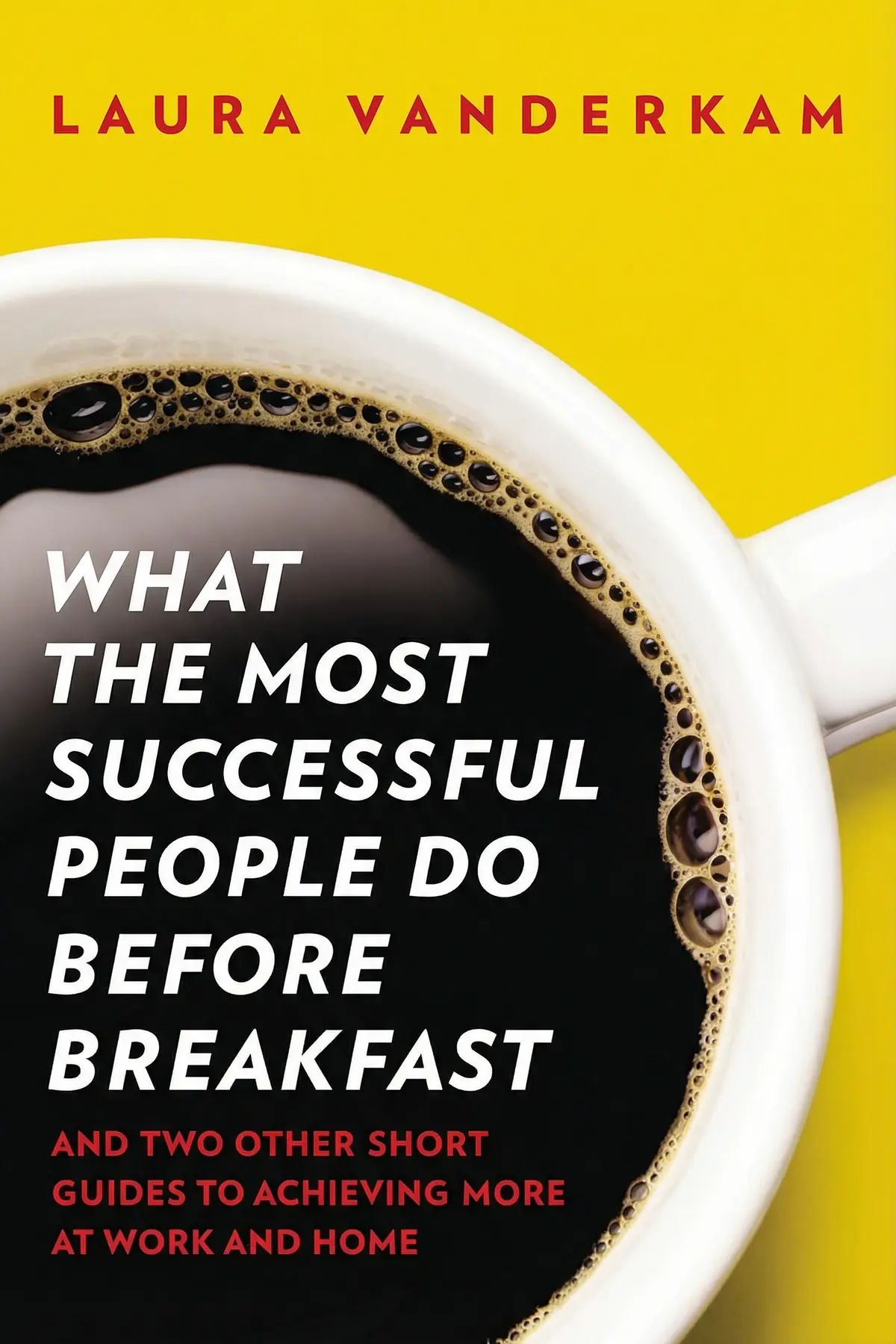
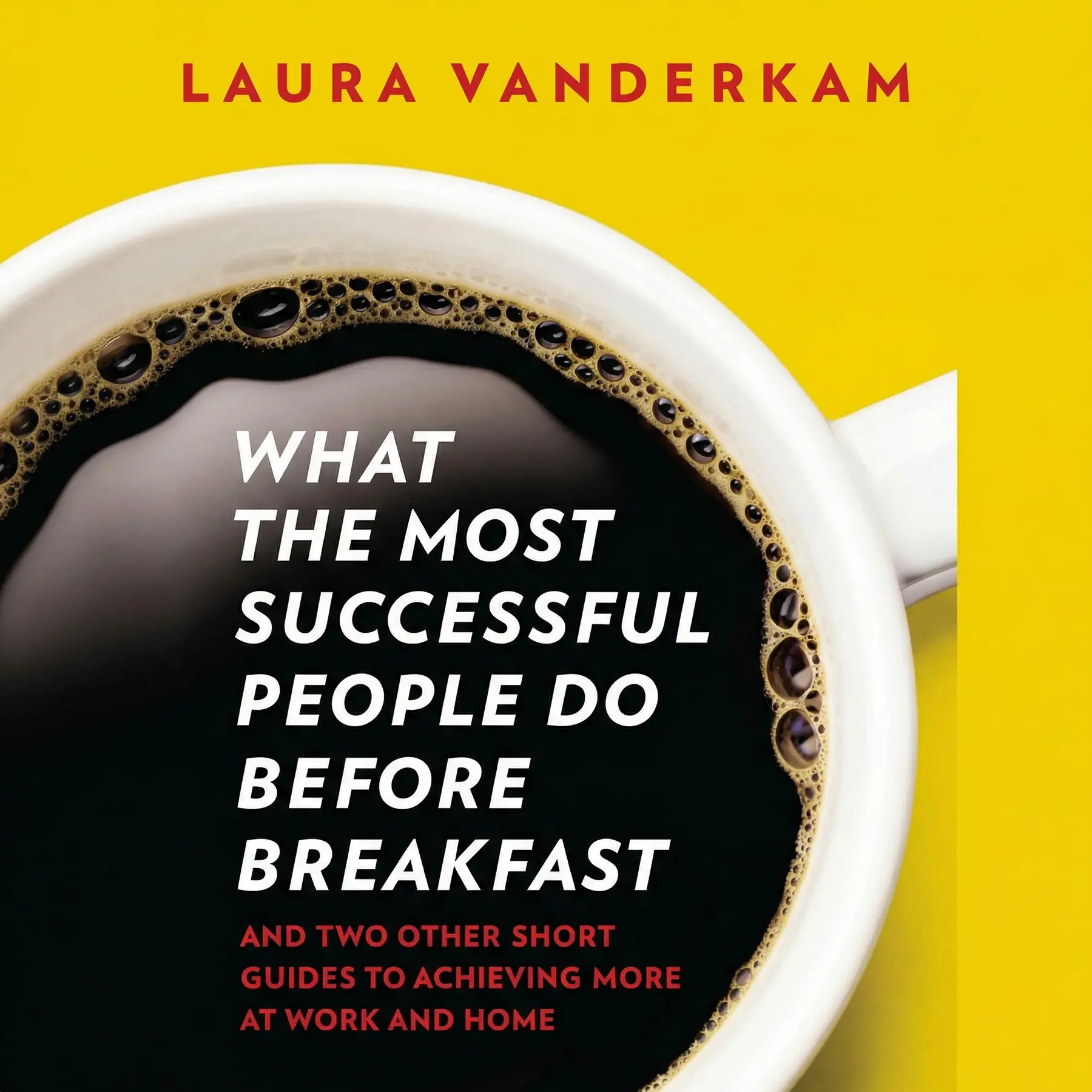
Get the key ideas from What the Most Successful People Do Before Breakfast by Laura Vanderkam, plus 5,000+ more titles in English and Thai.