

A Long Way Gone: Memoirs of a Boy Soldier
Ishmael Beah
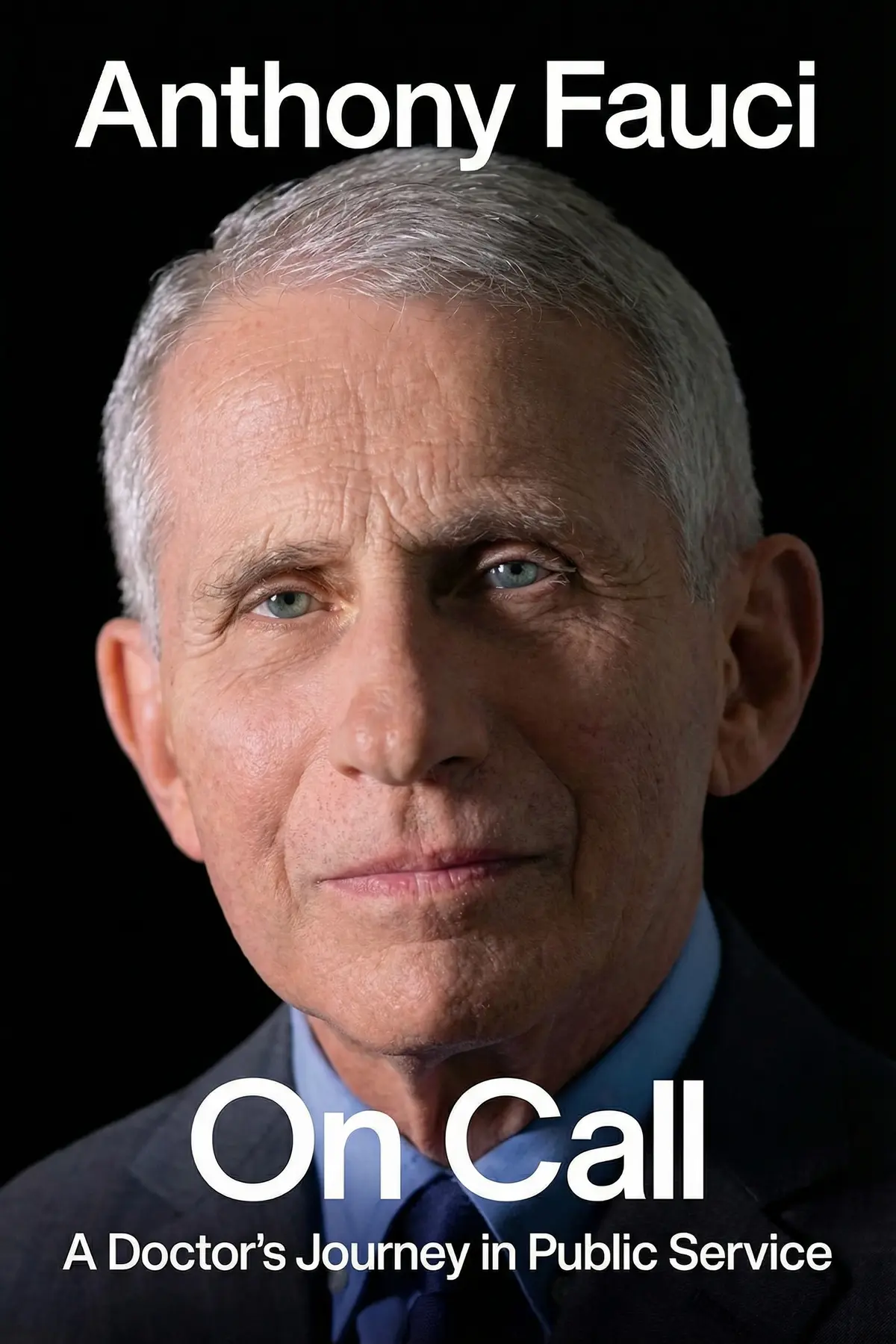
On Call provides an intimate look into the life of Dr. Anthony Fauci, exploring his decades of leadership at the NIH and his experiences navigating the world's most daunting public health crises.
1 min 35 sec
For most of the world, the name Anthony Fauci became a household staple in early 2020. As a global pandemic upended daily life, he was the calm, steady voice in a white coat, providing the data-driven reality of a fast-moving virus. But to view him only through the lens of the COVID-19 era is to miss a much larger, more complex story. Long before the 24-hour news cycles of the modern day, Dr. Fauci was already a titan in the world of infectious disease, having spent nearly forty years at the helm of the National Institute of Allergy and Infectious Diseases.
In this summary of his memoir, we are going to look beyond the headlines to find the man behind the stethoscope. We’ll trace his path from the bustling streets of Brooklyn to the hallowed halls of the NIH. We will see how a Jesuit education and a family pharmacy shaped a philosophy of service that guided him through the arrival of HIV/AIDS, the terror of the anthrax mailings, and the unprecedented challenges of the twenty-first century. This isn’t just a clinical record; it’s a narrative of how science meets humanity in the high-stakes arena of public policy.
Through his eyes, we’ll explore the ‘dark years’ of the eighties, the global triumphs of the early 2000s, and the growing shadow of political polarization that has recently threatened the very foundation of public health. By the end, you’ll have a deeper understanding of what it means to be ‘on call’ for the health of a nation and a world.
2 min 38 sec
Explore the formative years of a young boy in Bensonhurst whose family pharmacy served as the classroom for his first lessons in medicine and community.
2 min 44 sec
Witness the moment the medical world changed forever as a mysterious and deadly disease emerged, forcing a young researcher into a decade-long battle.
2 min 43 sec
Step into the halls of power during the George W. Bush administration, where public health expanded into global diplomacy and national security.
2 min 26 sec
Observe the shifting landscape of public health as outbreaks like Ebola and Zika become flashpoints for political division and cultural warfare.
2 min 37 sec
Go inside the White House during the most significant pandemic in a century, where the clash between scientific integrity and political rhetoric reached a breaking point.
2 min 27 sec
Follow Dr. Fauci as he reflects on a career of service and looks toward a new chapter, emphasizing the need for a stronger and more unified public health system.
1 min 22 sec
In the end, Anthony Fauci’s journey from a young boy in Brooklyn to a global leader in medicine is a story of incredible persistence and principled leadership. We’ve seen how he navigated the devastating loss of the early AIDS years and how he built the foundations for global health initiatives that saved millions of lives in Africa and beyond. His career mirrors the history of the late twentieth and early twenty-first centuries, tracing the path from a time when science was a source of national unity to an era where it is often a subject of intense political debate.
As we reflect on his life of service, the most important takeaway is the necessity of holding onto scientific truth and human empathy, even in the face of immense pressure. Dr. Fauci’s story teaches us that public health is not just about laboratories and data points; it’s about the people behind the numbers and the courage required to tell the truth when it’s most difficult. Whether you’re an aspiring scientist, a policy maker, or simply a citizen concerned about the future, the lessons of Fauci’s career offer a roadmap for resilience. As we move forward into a world where new health threats are inevitable, his call for unity, trust in science, and a dedication to the common good remains more urgent than ever. He may have retired from his official post, but the values he championed continue to serve as a vital guide for the health of the world.
This memoir chronicles the extraordinary life and career of Dr. Anthony Fauci, the man who became the face of American public health. Starting from his humble beginnings in a Brooklyn pharmacy, the book follows his journey to the heights of the National Institutes of Health. It offers a behind-the-scenes look at the battles against HIV/AIDS, the frightening days of the anthrax attacks, and the global efforts to curb Ebola and Zika. Ultimately, the book serves as a record of Fauci’s interactions with seven different U.S. presidents and his navigation of the complex intersection between rigorous science and volatile politics. Readers will discover the personal toll of public service, the thrill of medical breakthroughs, and the enduring commitment to truth that guided Fauci through the COVID-19 pandemic and beyond. It is a story of resilience, medical ethics, and the promise of a healthier future.
Dr. Anthony Fauci is a renowned immunologist and the former director of the National Institute of Allergy and Infectious Diseases (NIAID), a position he held for nearly four decades. He has been a key figure in the fight against major health crises, including HIV/AIDS, Ebola, and COVID-19, advising multiple US presidents on infectious diseases. Dr. Fauci is celebrated for his dedication to public health, and his role in shaping America’s global health policy over the decades.
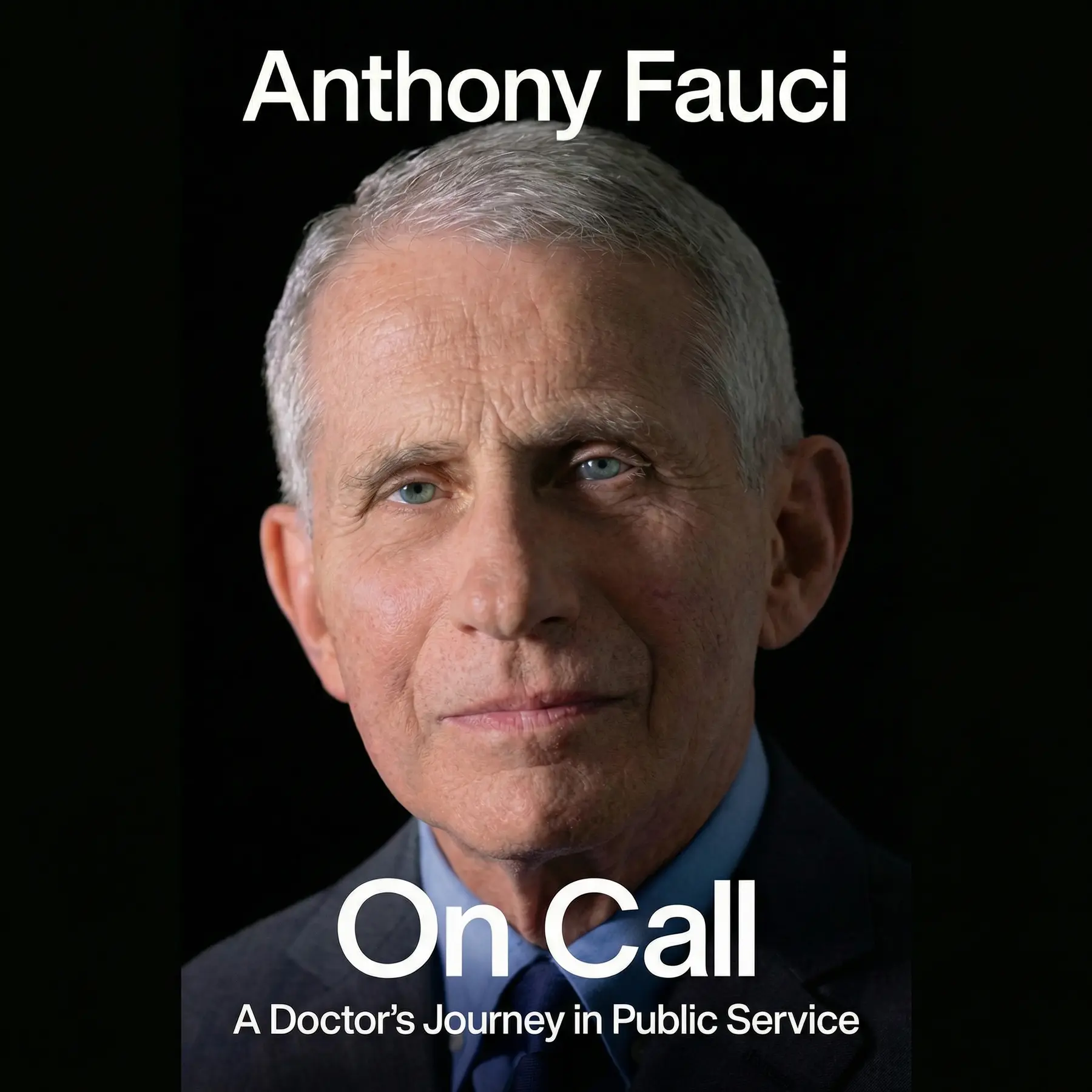
Listeners find this autobiography absorbing and masterfully written, providing straightforward clarifications of difficult medical ideas. The work portrays an extraordinary American hero who has significantly improved global health by managing serious disease crises. Listeners admire the author's devotion to public work and his kindhearted way of supporting individuals.
Having followed Dr. Fauci’s career since the eighties, I found this memoir to be an essential piece of medical history. He dives deep into the science of immunology without losing the lay reader, explaining why certain vaccines were elusive for decades. Frankly, his account of working with ACT UP activists was the highlight, showing a level of humility rarely seen in high-ranking officials. It’s a dense read at times, but the narrative flow remains steady as he moves through seven different presidencies. This isn’t just a COVID book; it’s a chronicle of global health evolution. Truly, he is a national treasure who prioritized the public over political convenience.
Show moreWhat a profound testament to a life lived in service of others. Dr. Fauci manages to strip away the political noise and present a narrative that is both deeply personal and globally significant. His descriptions of the Ebola and Zika outbreaks were particularly enlightening, as they provide context for the response strategies used later in 2020. I was struck by his compassion for patients and his refusal to back down when the science became inconvenient for those in power. To be fair, some sections on NIH funding can be a bit dry, but they illustrate the grit required to move mountains in the medical field. This is a must-read for anyone who values truth and public service.
Show moreThis memoir isn't just a dry account of medical milestones; it’s a masterclass in resilience and empathy. From his childhood in Brooklyn to the frantic early days of the HIV/AIDS epidemic, Fauci’s voice is consistently clear and authoritative. Not gonna lie, I expected more behind-the-scenes drama regarding the Trump administration, but he keeps it remarkably professional and focused on the health outcomes. The way he explains the mechanics of infectious diseases makes you realize just how lucky we were to have a scientist of his caliber at the helm. He truly captures the "art based on science" philosophy throughout his journey. It’s an exceptional read for anyone interested in the intersection of medicine and policy.
Show moreWow, the level of detail regarding the Ebola and Zika outbreaks was absolutely gripping and gave me a new appreciation for the work at the NIH. Fauci comes across as a man who is incredibly comfortable in his own skin, even when he’s the target of immense vitriol. The book beautifully illustrates his "on call" lifestyle and the personal cost that comes with decades of public service. Personally, I found the discussion of the "crisis of truth" at the end to be the most moving part of the entire narrative. We live in an era where misinformation is normalized, and having a voice of reason like this is vital. It’s a compelling, well-written journey through the frontline of modern medicine.
Show moreEver wonder what it's like to be at the eye of the storm during a global pandemic? This book provides that perspective with a level of clarity that is both rare and necessary. Fauci’s optimism about the future of science, despite all he has endured, is infectious. He breaks down the development of mRNA vaccines so clearly that you finally understand the decades of research that made them possible. Honestly, the way he navigated seven different presidents with varying levels of scientific literacy is a feat of diplomacy in itself. This is a story of a healer who became a lightning rod for political division, yet never lost his sense of mission. It’s truly an excellent read.
Show moreFinally finished this 400+ page journey and I’m left feeling incredibly grateful for Dr. Fauci's stamina and dedication. He presents himself as a man who knows his limitations but is unyielding in his pursuit of data-driven truth. The book is heavy on the science, which I actually enjoyed, though I can see how some might find it a bit much. It covers everything from his Brooklyn roots to the halls of power, emphasizing that public service is often a thankless job. To be fair, the book could have used a tighter edit to avoid some of the repetitive themes in the later chapters. Nevertheless, it is a brilliant and candid autobiography of a true American hero.
Show morePicked this up because I wanted to hear the story from the man himself, not the distorted version often portrayed in the news. The writing style is very straightforward and plain-spoken, which makes the complex biology of mRNA vaccines much easier to grasp for a non-scientist like me. Look, it’s a long book, and the middle sections regarding administrative hurdles at the NIAID definitely slogged in places. However, his dedication to his professional goals and his unswerving patriotism are evident on every page. Even when he faced threats against his family, his focus remained on the health of the nation. It’s an inspiring, if occasionally repetitive, look at a remarkable career.
Show moreAfter waiting for weeks on the Libby app, I finally dove into this massive autobiography and found it incredibly rewarding. Dr. Fauci’s ability to explain the complexities of infectious disease without being condescending is a rare gift. He handles the controversy surrounding the COVID-19 response with a level of objectivity that I found refreshing. Got to say, the early chapters about his medical training were fascinating, showing the roots of his "caring about the patient" ethos. My only gripe is that the book feels a bit defensive in certain chapters, which is understandable given the climate, but it sometimes disrupted the narrative flow. Overall, it’s a solid account of a historical life.
Show moreThe chapter on the early days of the AIDS crisis really stands out for its raw honesty and emotional weight. Fauci doesn't shy away from his early mistakes or the steep learning curve he faced when dealing with activists who felt ignored by the government. It’s a very detailed book—maybe a bit too detailed regarding the specifics of immunology for the casual reader—but the overarching story is one of incredible perseverance. He has spent fifty years in public health, and that breadth of experience shines through in every anecdote. While the prose isn't exactly poetic, it is direct and honest. It’s an important record of how far we’ve come in the battle against infectious diseases.
Show moreThe truth is, while Fauci is clearly a brilliant scientist, this book reads like a laundry list of meetings and bureaucratic hurdles for long stretches. I appreciate his immense contributions to global health, but the prose is often flat and lacks a certain literary spark. I found myself skimming the statistical trial data to get to the more personal anecdotes about his family and his mental health struggles during the pandemic. In my experience, memoirs work best when they focus on the "why" rather than just the "what," and this felt a bit too much like an official report at times. Still, his commitment to public service is undeniable, even if the book itself is a bit of a slog.
Show moreIshmael Beah
James Herriot
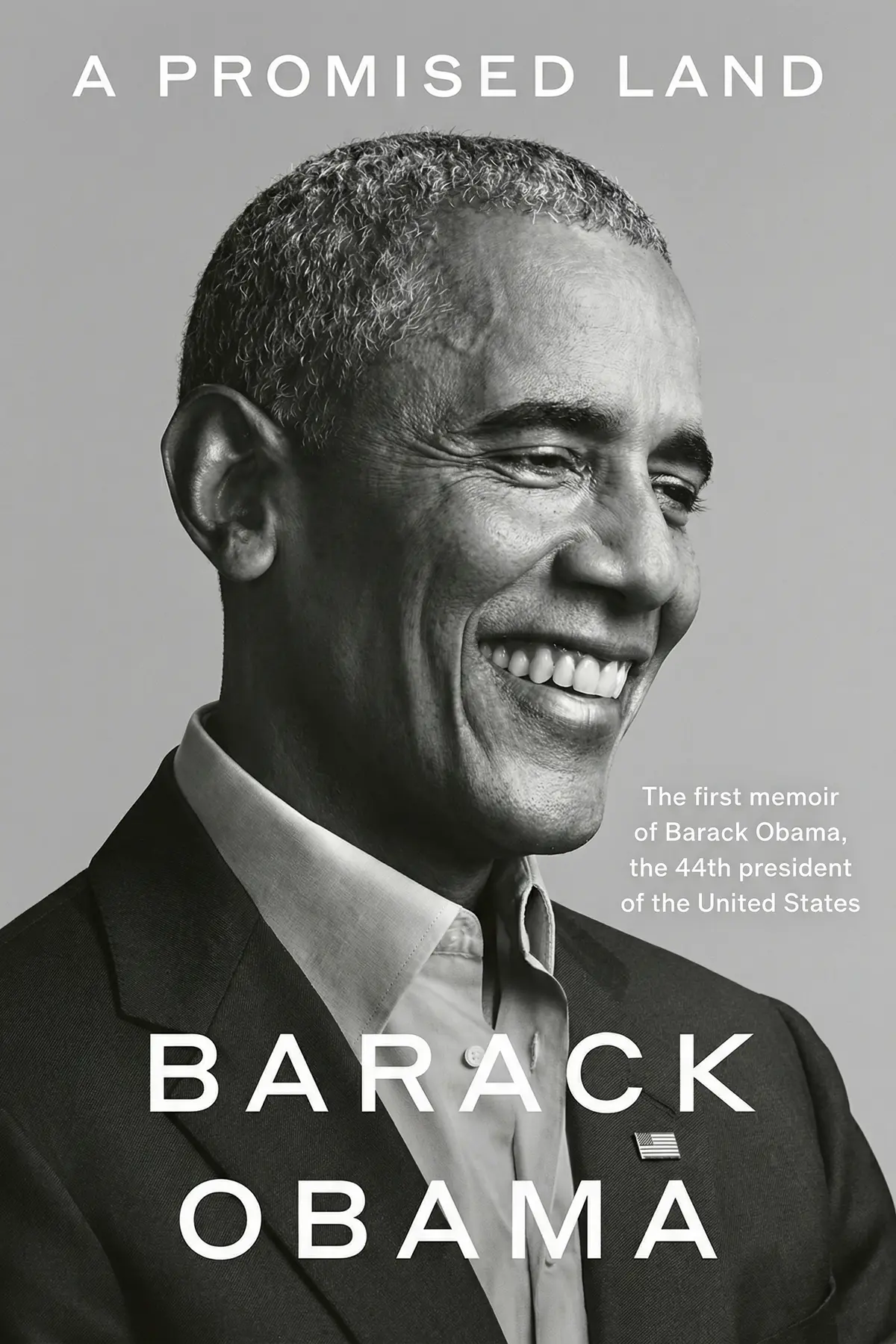
Barack Obama
Masaji Ishikawa
Ben Macintyre
AUDIO SUMMARY AVAILABLE
Get the key ideas from On Call by Anthony Fauci, plus 5,000+ more titles in English and Thai.







