
Utilitarianism
John Stuart Mill
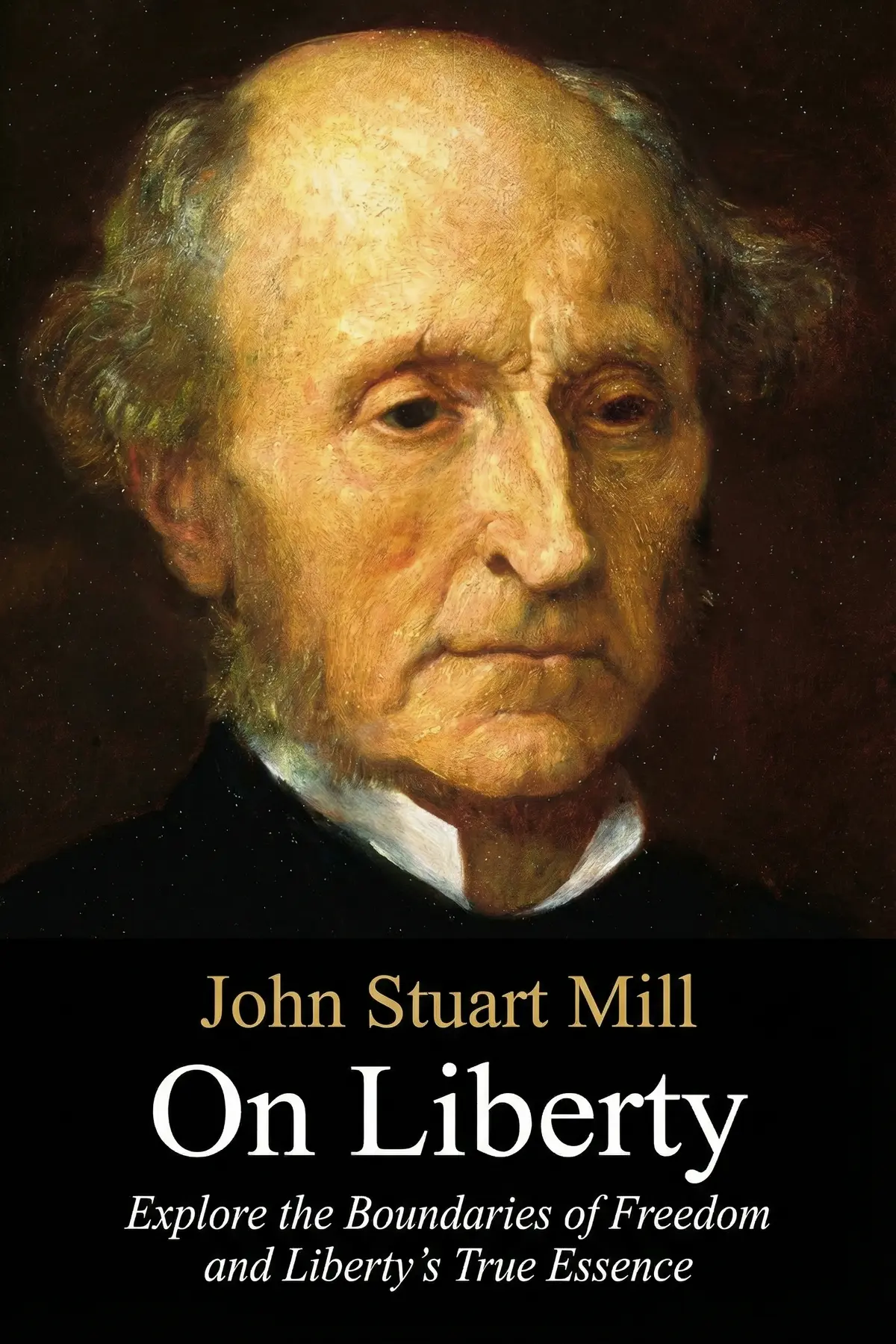
A foundational text on individual rights, John Stuart Mill’s work explores the necessary boundaries between personal freedom and societal authority, advocating for the protection of minority voices and personal autonomy.
1 min 24 sec
Have you ever felt the weight of an unwritten rule? Perhaps you wanted to dress in a way that felt like “you,” but you hesitated because of the judgmental looks you might receive at the grocery store. Or maybe you held back a controversial opinion in a meeting because you didn’t want to be the odd one out. This tension—the tug-of-war between our desire to be ourselves and the pressure to fit in—is at the very heart of John Stuart Mill’s landmark work, On Liberty.
Writing in 1859, Mill wasn’t just thinking about the laws of the land; he was thinking about the “moral police” of society. He wanted to understand the connection between personal freedom and our shared social responsibility. The central question he tackles is simple to state but complex to live: How much power should society have over the individual?
In this exploration, we’ll see how Mill builds a case for radical freedom. He argues that for a community to truly thrive, its members must be allowed to experiment with their lives, even if their choices seem strange or wrong to the majority. We’ll look at the famous “harm principle,” which serves as a boundary line, and we’ll discover why the most dangerous thing for any society is a lack of disagreement. This isn’t just a dusty philosophical text; it’s a living guide to navigating the friction of modern life. Let’s explore the boundaries of your freedom and uncover the true essence of liberty.
2 min 08 sec
Discover why democracy alone isn’t enough to guarantee freedom, as social pressure can be just as oppressive as a dictator’s decree in the modern world.
2 min 16 sec
Uncover why silencing even a single controversial voice is a loss for all of humanity, regardless of whether that voice is right or wrong.
2 min 11 sec
Explore why the freedom to be ‘weird’ is actually a prerequisite for social progress and the highest form of personal development.
2 min 11 sec
Learn the simple yet powerful rule that defines when the community has the right to step in and when it must leave the individual alone.
2 min 18 sec
See how Mill’s theories work in practice, from the rules of the marketplace to the way we educate the next generation.
1 min 34 sec
As we wrap up our journey through John Stuart Mill’s On Liberty, the core message remains as vital as it was in the nineteenth century: the strength of a society is measured by the freedom it allows its most unique members. Mill’s throughline is clear: your life belongs to you, and as long as you aren’t causing direct harm to others, you should be the one at the steering wheel.
We’ve seen how the “majority” can become a new kind of tyrant, using social pressure to demand conformity. We’ve learned that dissenting voices are the lifeblood of truth, and that our own individuality is the key to a flourishing life. And we’ve explored the “harm principle,” that essential boundary that keeps us safe while leaving us free.
So, what can we take away from this? Perhaps the most actionable lesson is to cultivate a spirit of tolerance. The next time you encounter an idea that makes you angry, or a person whose lifestyle you don’t understand, remember Mill. Ask yourself: Is this actually causing harm, or is it just different?
True liberty requires a bit of discomfort. It requires us to live in a world where people will say things we dislike and do things we find strange. But in exchange for that discomfort, we get a world of infinite variety, constant progress, and the chance to live a life that is truly our own. As Mill reminds us, a state that dwarfs its men, in order that they may be more docile instruments in its hands, will find that with small men no great thing can really be accomplished. Go out and be the big, unique, and free person you were meant to be.
This summary explores the philosophical core of John Stuart Mill's argument for personal freedom. It addresses the tension between the individual and the collective, particularly in a democratic society where the majority can become a new kind of oppressor. The promise of the text is a clear framework—the harm principle—to determine when society has a right to interfere in a person's life and when it must step back. We will walk through Mill's defense of free speech, his celebration of unique lifestyles as experiments in living, and his warning against the stagnation that comes with social conformity. By the end, you'll understand why protecting the most eccentric among us is actually the key to progress for everyone. It is a guide to living authentically while respecting the shared space of a community, providing a timeless lens through which to view modern debates about rights, responsibilities, and the true meaning of a free society.
John Stuart Mill was a prominent British philosopher and economist whose work has profoundly shaped liberal thought. He is most famous for his treatises On Liberty and Utilitarianism, which champion individual rights and the pursuit of the greatest good. Beyond political theory, Mill was a dedicated advocate for free speech and social reform. His essay The Subjection of Women stands as a landmark text in the history of the struggle for gender equality, reflecting his lifelong commitment to expanding the boundaries of human freedom and fairness for all members of society.
John Stuart Mill
Listeners report varying perspectives on the thick and occasionally "wordy" writing style, which some find difficult to follow outside of a scholarly context. However, many value how Mill’s defense of personal liberty and free speech remains deeply pertinent to today’s political environment. They also commend his progressive views on gender equality, with one listener observing that Mill was "ahead of the game" for his time. Furthermore, they note the book’s major historical impact, as another listener identifies the chapter on freedom of thought and discussion as a particularly powerful standout.
The chapter on the liberty of thought and discussion should be required reading for every citizen in a modern democracy. Even though it was written over 150 years ago, Mill’s defense of free speech feels like it was drafted in response to our current political climate. He argues so passionately that society has no right to silence even the most unpopular opinions, as we risk losing the truth in the process. I was particularly struck by how he connects the subjection of women to the broader failure of society to utilize all its available talent. This isn't just a dry philosophy book; it is a radical manifesto for human potential. Reading it made me realize how much we still take these hard-won liberties for granted today.
Show moreFinally got around to finishing this after it sat on my shelf for a year, and I am blown away by how radical it feels. Mill’s 'The Subjection of Women' is a masterclass in empathy and logic, especially for a man writing in 1869. He dismantled the idea that women are 'naturally' inferior, arguing instead that their subjection is a result of lack of opportunity and systemic crushing of their spirits. It is a powerful reminder that the fight for equality has deep roots. Not gonna lie, the prose is a bit of a workout for the brain, but the payoff is worth the effort. It makes you look at modern issues like marriage equality and bodily autonomy through a much sharper lens. Absolutely essential reading for anyone interested in civil rights.
Show moreWhy did no one tell me that 19th-century philosophy could be this radical? I went into this expecting a dry academic text, but what I found was a passionate plea for human individuality and freedom. Mill is ahead of the game in almost every way, from his views on free speech to his unwavering support for women’s equality. He understands that liberty isn't just about what the government does, but about how society treats those who are different. The way he describes the crushing of the female mind is heartbreaking and incredibly insightful. This book challenged my views on how much we should be allowed to interfere in the lives of others. It’s definitely wordy, but every sentence feels like it was crafted with deep purpose and care.
Show moreAs a political science student, I found the introduction by Alan Ryan actually more readable than Mill himself at first. It provided such great context about his life, like his relationship with his father James Mill and his godfather Bertrand Russell. Once I dove into the actual text, the wordiness was definitely a hurdle, but the arguments for gender equality are genuinely ahead of the game. He treats the subjection of women not just as a moral failing, but as a systemic issue that holds back all of humanity. It is fascinating to see a man from that era speaking so forcefully against the domestic slavery of the mind. While it’s not exactly a 'fun' weekend read, its historical influence is undeniable and still very much felt.
Show moreFew books written in the 1800s feel as though they were typed yesterday, yet Mill’s arguments on individual sovereignty hit home. He makes a compelling case that society shouldn't interfere with your life unless you’re actually hurting someone else. It sounds simple, but the way he applies it to the 'tyranny of the majority' is brilliant and slightly terrifying. To be fair, his writing style is very much a product of its time—wordy, formal, and occasionally a bit contradictory. I struggled with some of the denser passages in the middle chapters. Despite the academic tone, the core message about the right to live as you choose is something I think everyone should grapple with at least once.
Show moreIt is fascinating to compare Mill’s defense of the First Amendment principles with the way we handle online discourse today. He was so worried about the 'social tyranny' of public opinion, which feels even more relevant in the age of social media. He argues that we need eccentric people and 'experiments in living' to keep society from becoming stagnant and boring. While I found his writing style a bit stuffy and overly formal, the logic behind his arguments is almost airtight. I particularly liked his point that even if an opinion is wrong, silencing it still hurts society. It’s a dense read, but the historical background of him being friends with Bentham and Ricardo adds a lot of depth to his utilitarian views.
Show moreMill’s central thesis—that the only purpose for which power can be rightfully exercised over any member of a civilized community is to prevent harm to others—is simple yet profound. This little book packs a punch, even if you have to fight through some very Victorian vocabulary to get to the meat of it. I found his stance on the subjection of women to be the most moving part of the collection. He calls it out as a form of slavery and argues that society is losing half of its best minds by keeping women in a subservient role. Gotta say, it’s refreshing to see a historical figure who actually lived up to the 'progressive' label. It’s a bit wordy, but the relevance to current American politics is undeniable.
Show moreLook, Mill was definitely the 'feminist king' of the Victorian era, but that doesn't make his writing any less exhausting. I appreciate his forward-thinking stance on women’s rights and how he recognizes that many social norms are just cages we haven't noticed yet. However, the language is so circular that I often had to read paragraphs three times to understand his point. In my experience, these older texts either hit or miss, and this one is a bit of both. The ideas are a solid five stars, but the delivery is a struggle. I ended up liking the sections on individuality more than the ones on state control, though both felt surprisingly relevant to American politics.
Show moreReading this for my intro to political theory course was a bit of a rollercoaster ride. On one hand, Mill is clearly a genius who saw the future coming from a mile away. On the other hand, my brain hurts every time I try to parse his longer sentences. The chapter on the liberty of thought is the highlight, but some of the other sections felt like they were dragging on forever. I think I’ve read shorter books that covered the same ground more effectively. Still, it was helpful to talk it through in class because I definitely missed some of the nuances on my first pass. It’s an important work, but I wouldn't call it an engaging read for the casual fan.
Show moreI really wanted to like this more, but man, Mill is a chore to get through. I picked this up for a university seminar and found myself DNF’ing the second half because the prose is just so stuffy and unnecessarily dense. Why do these Victorian thinkers feel the need to use fifty words when ten would do? To be fair, his ideas about the 'harm principle' are interesting, but I had to resort to skim-reading just to stay awake. It is a bit of a tragedy because the actual core message about individual freedom is lost in a sea of nitty-gritty sentences that go on for miles. Frankly, I think I’ll just stick to the SparkNotes version for the exam.
Show more
Barack Obama
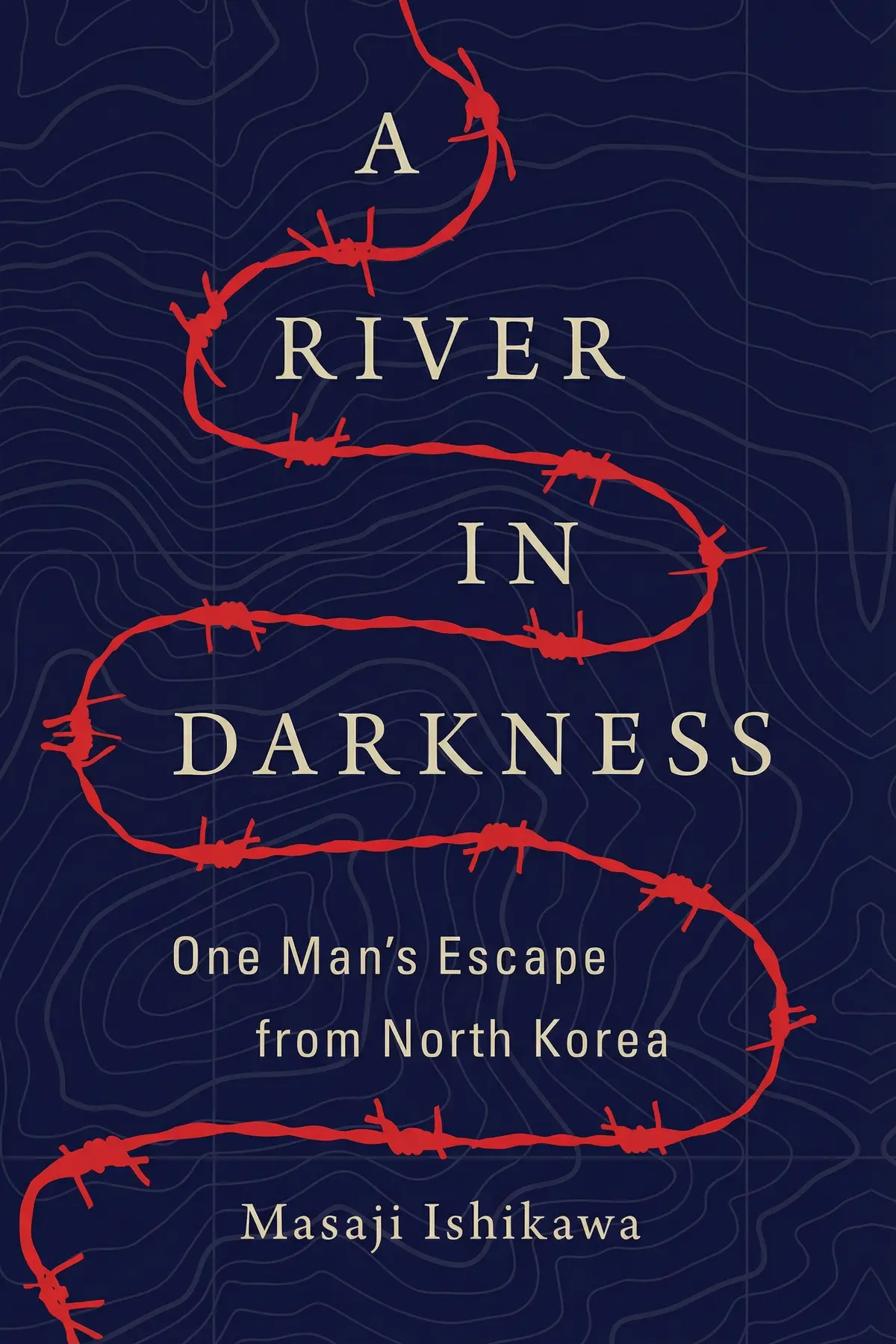
Masaji Ishikawa
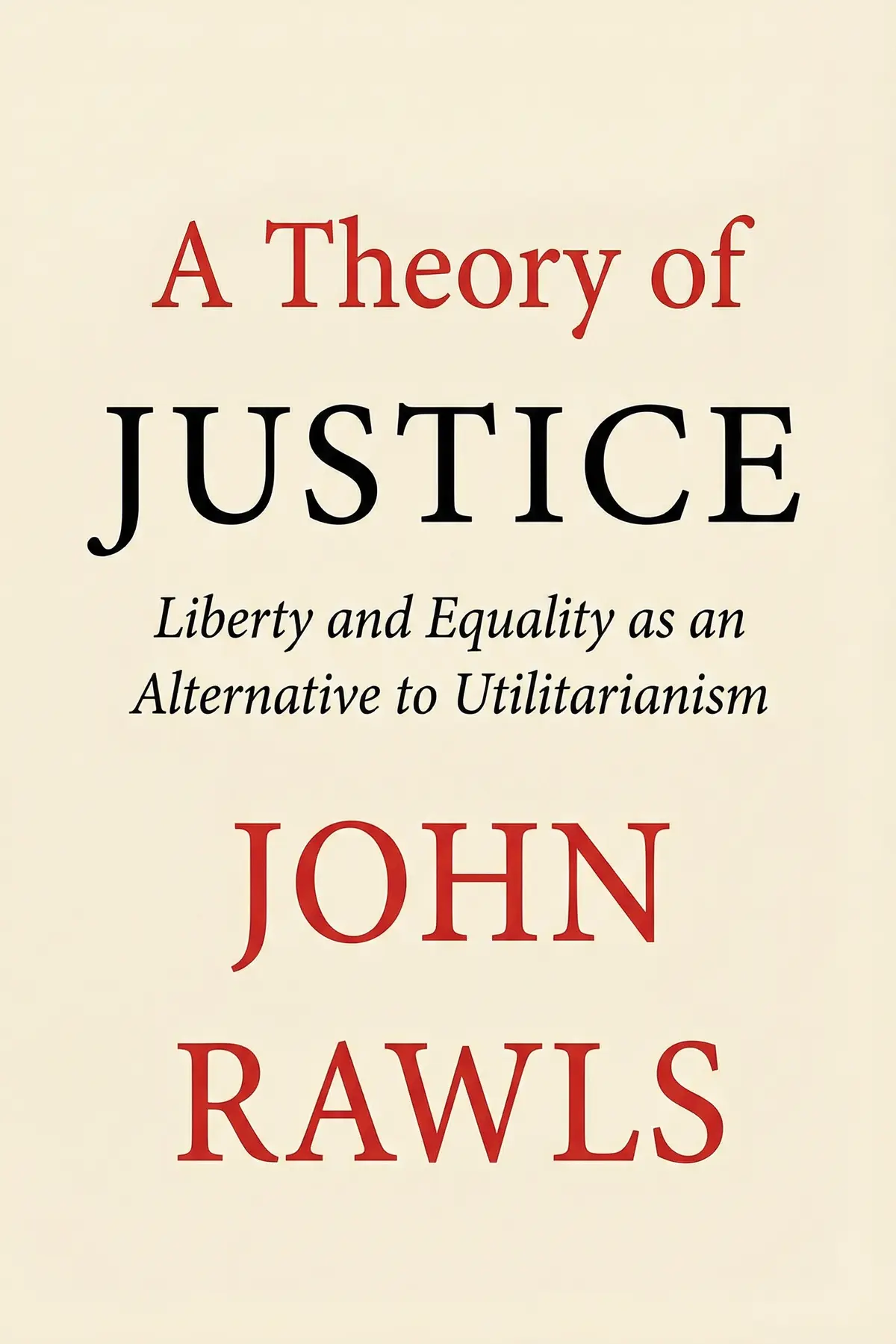
John Rawls
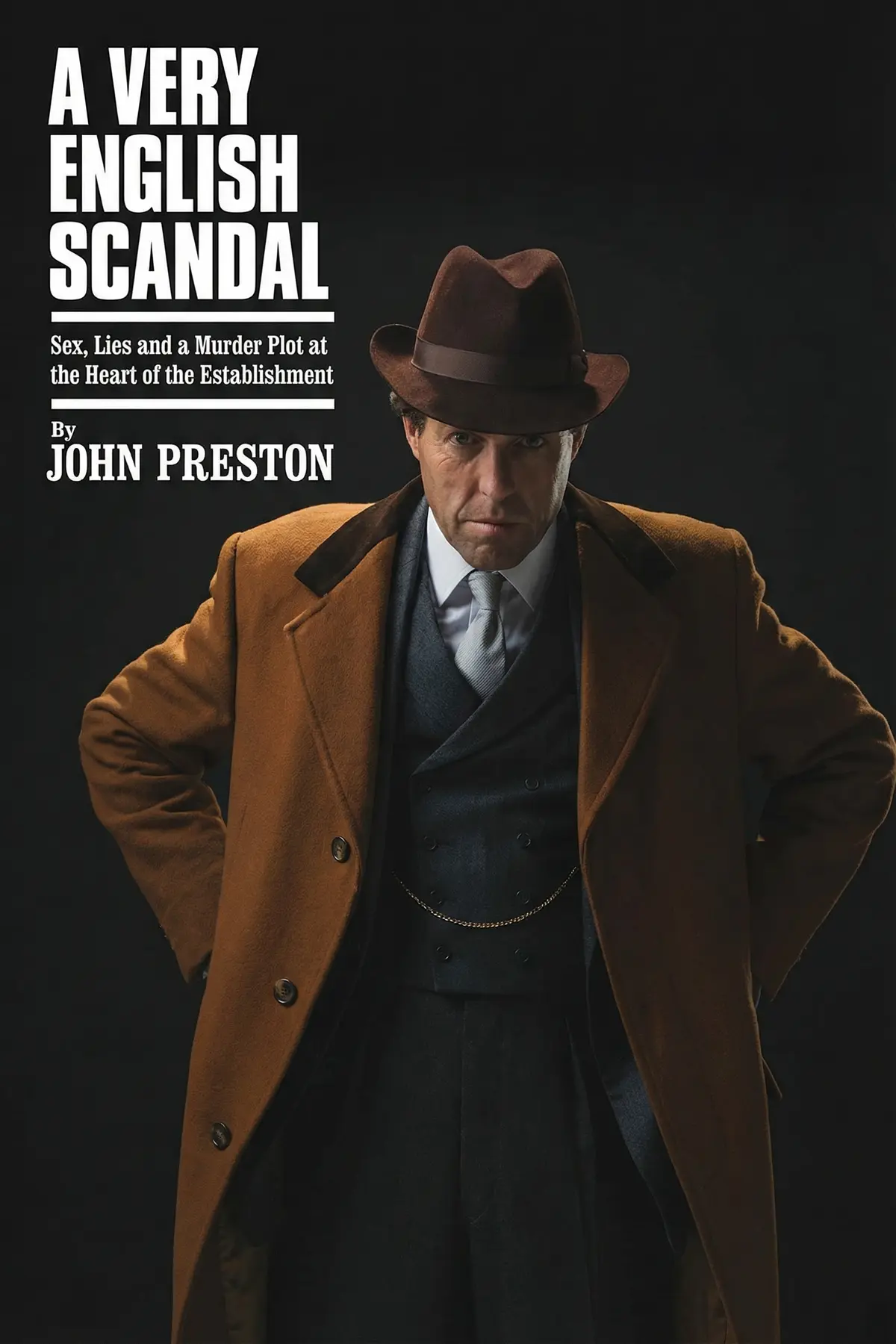
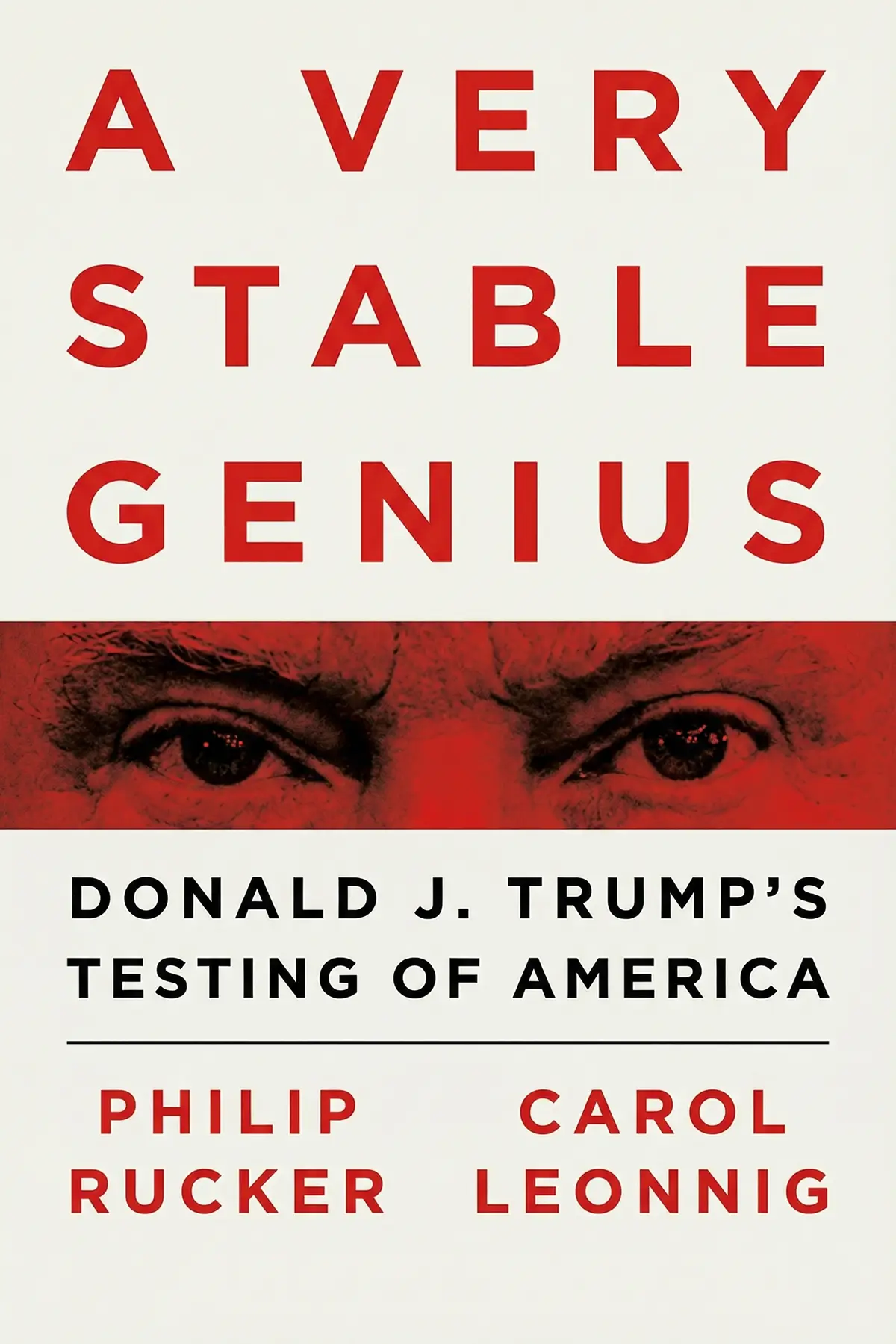
Miles Taylor
William B. Irvine
AUDIO SUMMARY AVAILABLE
Get the key ideas from On Liberty by John Stuart Mill, plus 5,000+ more titles in English and Thai.







