
16 min 08 sec
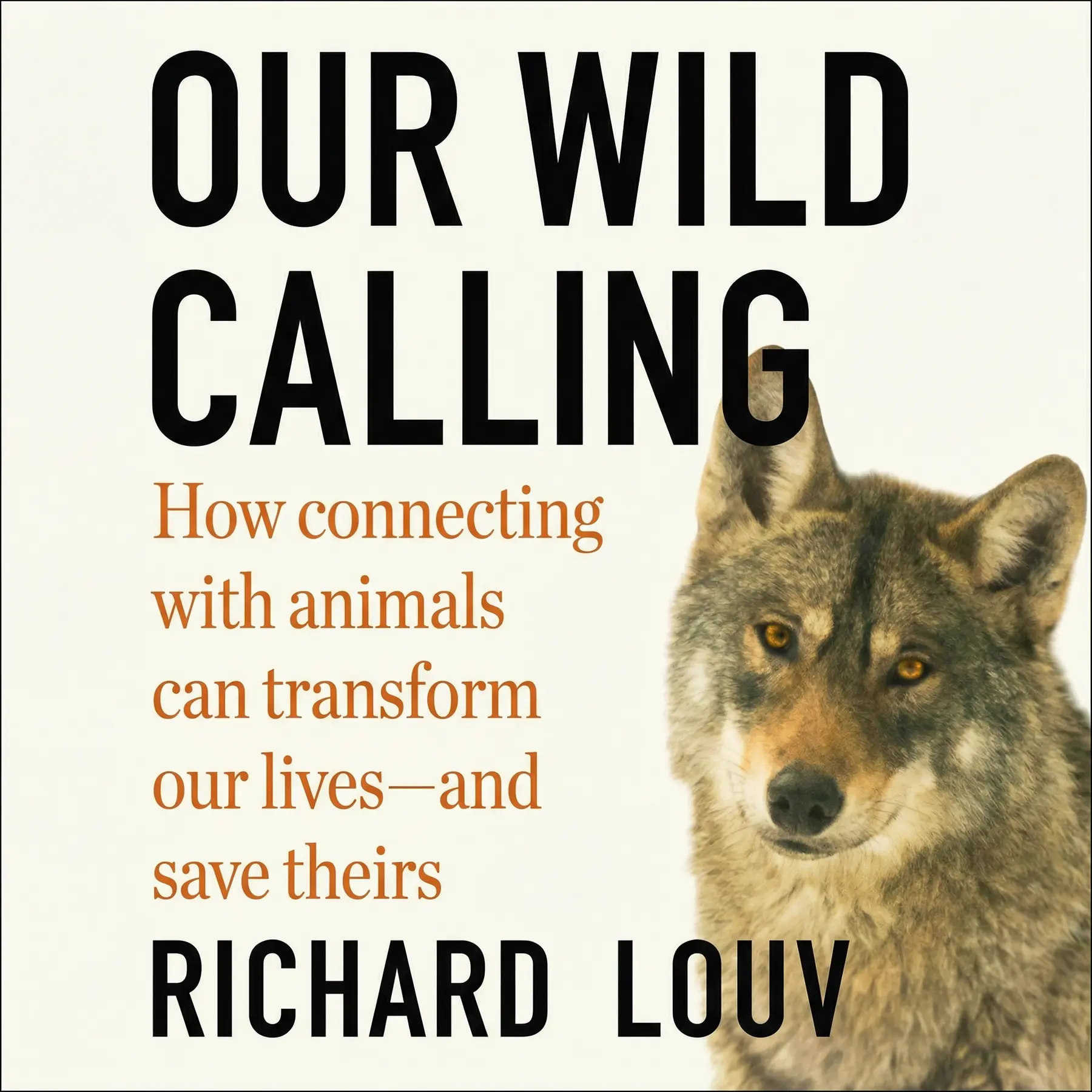
Our Wild Calling: How Connecting with Animals Can Transform Our Lives—and Save Theirs
By Richard Louv
Richard Louv explores the vital bond between humans and the animal kingdom, arguing that reconnecting with the wild is essential for our psychological health and the planet's long-term survival.
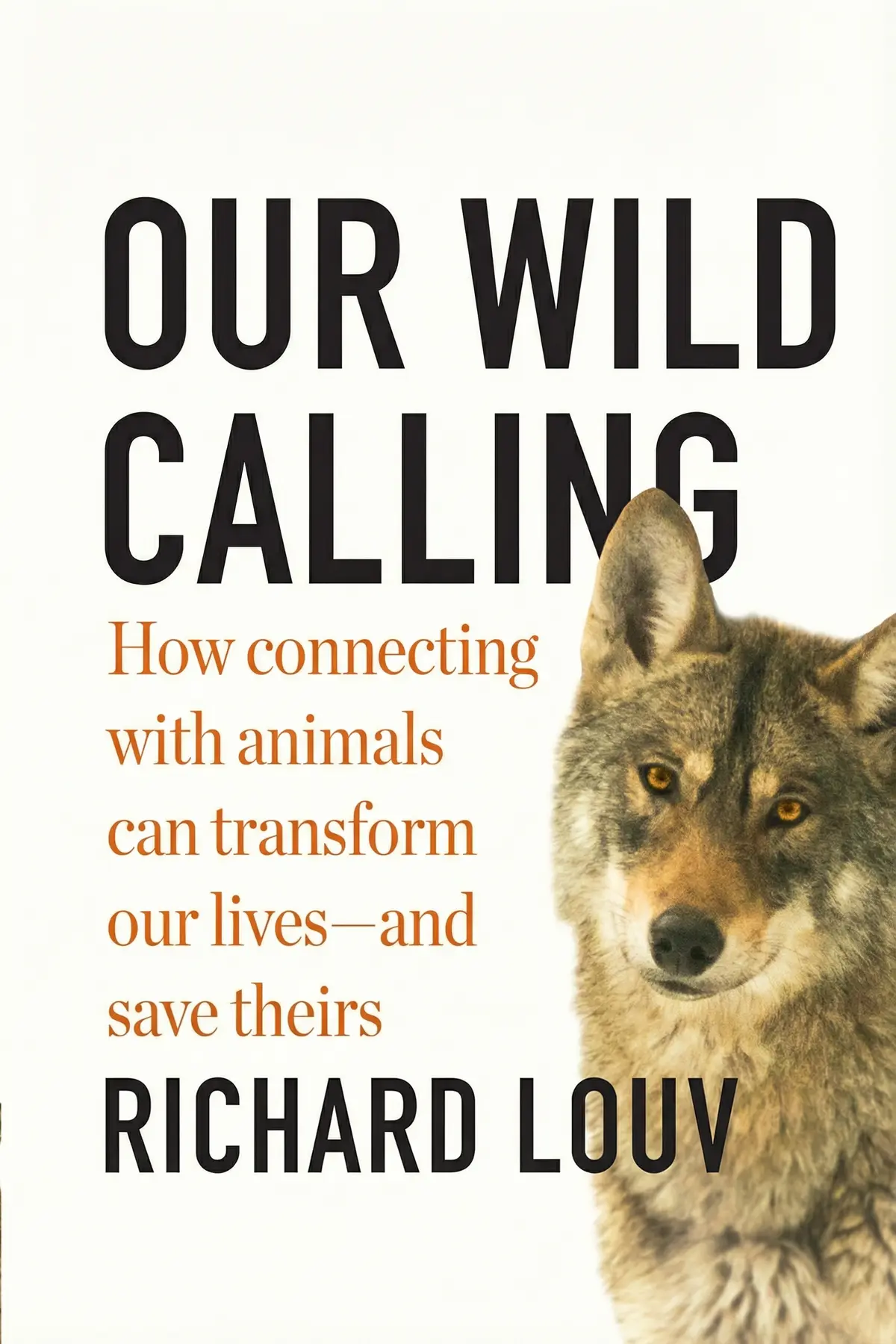
Table of Content
1. Introduction
1 min 37 sec
Have you ever felt a strange, nagging sense of absence in your life? It is a feeling that many modern people experience, even when they are surrounded by the comforts of technology and the bustle of a connected society. You might have everything you need—a career, a home, a digital network of friends—yet there is a quiet, persistent void. This emptiness often stems from a loss we rarely name: our severed connection to the natural world.
In the following exploration of the insights provided by Richard Louv, we are invited to look beyond the human-centric bubble we have built. We are encouraged to rediscover the deep, spiritual, and emotional bonds we share with the creatures that inhabit this planet alongside us. This journey is not just about conservation in the traditional sense; it is about a radical shift in how we perceive the identity of our own species in relation to others.
We will examine how brief, electrifying encounters with wild animals can alter the course of a human life, and why the way we perceive animal beauty can be the most powerful tool we have for protecting the Earth. We will also delve into the growing epidemic of loneliness and see how the absence of other species from our daily experience might be the hidden cause. From the complex languages of fruit bats to the ancient wisdom of indigenous cultures who see no wall between humanity and nature, we will discover that we are not alone on this planet unless we choose to be. By the end of this journey, the goal is to see the natural world through a new lens—one that transforms a sense of moral duty into a beautiful, lived experience of connection.
2. The Transformative Power of Animal Beauty
2 min 13 sec
Discover how an unexpected encounter with a fox illustrates a profound shift from acting out of moral duty to acting out of genuine love for the wild.
3. Overcoming the Silence of Species Loneliness
2 min 08 sec
Humanity is more digitally connected than ever, yet we are suffering from a deep, ancient isolation that can only be cured by reconnecting with non-human life.
4. Moving Beyond the Animal Machine
2 min 20 sec
Explore the history of how we’ve viewed animal emotions and why a new scientific perspective is finally recognizing the complex mental lives of other species.
5. The Hidden Languages of the Wild
2 min 06 sec
Animals are constantly communicating, and recent breakthroughs in technology are finally helping us decode the sophisticated conversations happening all around us.
6. Co-Becoming and the Fluidity of Identity
2 min 09 sec
How we define nature determines how we treat it; learn how shifting from a ‘user’ to a ‘partner’ creates a shared identity with the wild.
7. Healing the Earth Through Local Action
2 min 00 sec
Discover how the concepts of solastalgia and solophilia can help us transform ecological grief into a powerful force for local environmental healing.
8. Conclusion
1 min 35 sec
As we look back at the journey we’ve taken through the lens of Richard Louv’s insights, a clear throughline emerges: our lives are profoundly incomplete without a deep, active connection to the animal world. We have moved through the initial spark of recognizing animal beauty, which transforms our sense of duty into a labor of love. We have identified ‘species loneliness’ as a silent epidemic of the modern age and seen how the ‘animal machine’ myths of the past have led us to a state of isolation and ecological peril.
However, the message is ultimately one of immense hope. By listening to the complex conversations of bats and dolphins, and by embracing the concept of ‘co-becoming,’ we can move beyond our human-centric bubble. We are invited to step into the Ecozoic era—a future where our technological prowess is tempered by a spiritual and emotional bond with all living things. The transition to this new era doesn’t require us to solve every global problem at once. Instead, it starts with a shift in perspective and a commitment to local action.
The next time you see a wild creature, whether it’s a hawk circling above or a squirrel in the park, remember that you are not just looking at an animal; you are looking at a communicative, sentient being with its own history and intelligence. By acknowledging that shared life, you answer the ‘wild calling’ within yourself. We heal the planet by healing our relationship with its inhabitants. In doing so, we find that we were never really alone; we just needed to remember how to listen to the rest of the world.
About this book
What is this book about?
Our Wild Calling addresses the profound isolation of modern life, a phenomenon Richard Louv terms species loneliness. As we distance ourselves from the natural world, we lose a fundamental part of our own identity. This book combines evocative storytelling with environmental philosophy to demonstrate how recognizing the intelligence and emotional lives of animals can transform our daily existence and the health of the planet. Louv provides a roadmap toward the Ecozoic era, a vision of the future where human technology and nature coexist in harmony. By shifting our perspective from viewing animals as mere resources to seeing them as communicative, sentient beings, we can move away from ecological destruction. The book offers a promise of mutual healing, suggesting that by caring for the creatures in our own backyards, we can overcome our internal grief and foster a more connected world.
Book Information
About the Author
Richard Louv
Richard Louv is an author and journalist, whose interests center around connecting families and communities to nature. He is also the cofounder of the nonprofit organization Children & Nature Network. Louv’s work has appeared in The New York Times, as well as other publications, and in 2008 he was awarded the Audubon Medal.
Ratings & Reviews
Ratings at a glance
What people think
Listeners find the work readable and value its empathetic approach to human and animal viewpoints. The standard of information is considered high, with one listener remarking that it functions as a treasure trove of scientific data. Additionally, they appreciate the link to the natural world, as one review spotlights the connectivity of life on Earth. The storytelling is praised for its effective use of engaging narratives, while views on the book's authenticity are mixed.
Top reviews
Iff
This book feels like a warm embrace for anyone who has ever felt a profound connection to a creature that doesn't speak our language. Louv captures the essence of what it means to coexist, weaving together stories that illustrate the healing power of the natural world. Not gonna lie, I teared up reading about the specific instances where animals helped people overcome deep-seated trauma or isolation. It’s an easy-to-read journey that manages to be both informative and spiritual without being too preachy about environmentalism. The way he discusses the connectivity of all life on Earth really resonated with me. Truly, this is my heart in written form.
Show moreAna
Picked this up during a particularly stressful month and it provided exactly the kind of perspective shift I needed. Louv invites us to slow down and acknowledge the wild calling that still exists within our DNA, even in the middle of a concrete jungle. The storytelling is vivid—I specifically enjoyed the sections about how urban animals, like pigeons or ants, can serve as conduits for our humanity. It’s a captivating look at animal minds that avoids being a dry academic textbook. Frankly, this book should be required reading for anyone feeling disconnected from the world around them. It is a beautiful, reverential tribute to the animal kingdom.
Show moreRyan
Finally got around to this and I am blown away by the depth of compassion Louv shows toward all living things. This isn't just a book about animals; it's a treasure trove of insights into our own souls. The way he describes the 'wild calling' as a fundamental need for human flourishing is both galvanizing and hopeful. I loved the variety of stories—from ants to endangered species—and how they all point toward the same truth: we are not alone on this planet. It’s a beautiful, reverential work that urges us to embrace the wild and reconnect with our roots. In a world of digital noise, this book is a necessary quiet.
Show moreKenji
Richard Louv has a way of making complex ecological concepts feel like a conversation over coffee. This book is a treasure trove of scientific inquiry mixed with a deeply compassionate understanding of our non-human neighbors. I loved the chapters on animal languages and how he explores the cognitive capabilities of creatures we often overlook. While the narrative occasionally drifts into metaphysical territory, the core message about our shared biological destiny is powerful. It’s a readable, necessary reminder that we aren't as solitary as our modern, screen-heavy lives make us feel. Some parts felt a bit anecdotal, yet the overarching vision of a world where we actually listen to the wild is undeniably hopeful.
Show morePiyanart
Ever wonder what the birds in your backyard are actually thinking? This book dives into animal minds with a sense of wonder that is totally infectious. Louv manages to combine a lightweight, fast-paced writing style with some genuinely deep insights into how animals impact our mental health. I appreciated the balance between domestic pets and wild encounters, highlighting that our bond with nature isn't just about 'the wilderness' but about everything with a pulse. There were moments where the anecdotal evidence felt a bit repetitive, but the overall message about integrating nature into our daily lives is so vital. It’s an easy read that leaves you looking at every squirrel differently.
Show moreZoey
In my experience, books about nature can often be either too dry or too sentimental, but this one finds a decent middle ground. The focus on animal minds and our mutual impact on one another is fascinating. I specifically enjoyed Louv’s speculations on how we can better integrate the natural world into our modern infrastructure and daily habits. While some of the sections on indigenous wisdom felt a little superficial, the overall intent to foster a deeper respect for the animal kingdom shines through. It’s a fast read that offers plenty of food for thought regarding our place in the ecosystem. I’ll be keeping this close for a re-read when I need a reminder of our shared humanity.
Show moreLena
After finishing Louv’s previous work, I had high hopes for this one, but I found the structure a bit scattershot. The truth is, the organization of the chapters felt more like a series of loosely connected essays rather than a cohesive argument. He spends a lot of time on anecdotal encounters which are charming, but they often overshadow the scientific data he tries to integrate later. Look, the writing style is very accessible and the tone is reverential. However, I struggled with the way he occasionally romanticizes indigenous cultures in a way that feels a bit dated and stereotypical. It’s an interesting read for nature enthusiasts, but it lacks the tight focus I was craving.
Show morePing
Not what I expected from the author of Last Child in the Woods. While I appreciate Louv’s passion, this book felt a bit unfocused and relied too heavily on personal stories rather than hard-hitting analysis. Personally, the stories are lovely, and some are quite moving, but they don't always build toward a clear conclusion. I found myself skimming some of the more metaphysical sections because they lacked the scientific grounding I was looking for. That said, it’s still a readable overview of human-animal relationships if you go in expecting a collection of ruminations rather than a structured manifesto. It's a 3.5 for me, rounded down for the lack of organizational clarity.
Show moreYulia
As someone who prefers a more rigorous scientific approach, I found the tone here a bit too metaphysical for my tastes. Louv is clearly a fan of anecdotal evidence, which makes for a pleasant reading experience, but it sometimes leaves you wanting more data. Gotta say, the chapters on animal communication were the highlight for me, though they felt a bit short compared to the personal narratives. It’s an easy-to-read book that serves as a decent introduction to the concept of human-animal connectivity, but it doesn't quite dive as deep as I had hoped. The writing is compassionate, yet the lack of a strong organizational thread makes it feel a bit rambly.
Show moreAmara
To be fair, Louv is a talented writer, but this text suffers from a major case of the 'noble savage' trope. As someone who values cultural accuracy, his references to indigenous practices felt shallow and, at times, flat-out incorrect—the Lakota stork reference being a prime example of poor fact-checking. The organization of the book is also quite messy, making it hard to follow his central thesis through the thicket of random animal encounters. While the scientific research he cites is interesting, it often feels like an afterthought compared to his romanticized anecdotes. It’s a lightweight book that fails to offer the deep, respectful connection it claims to value. I was disappointed.
Show moreReaders also enjoyed
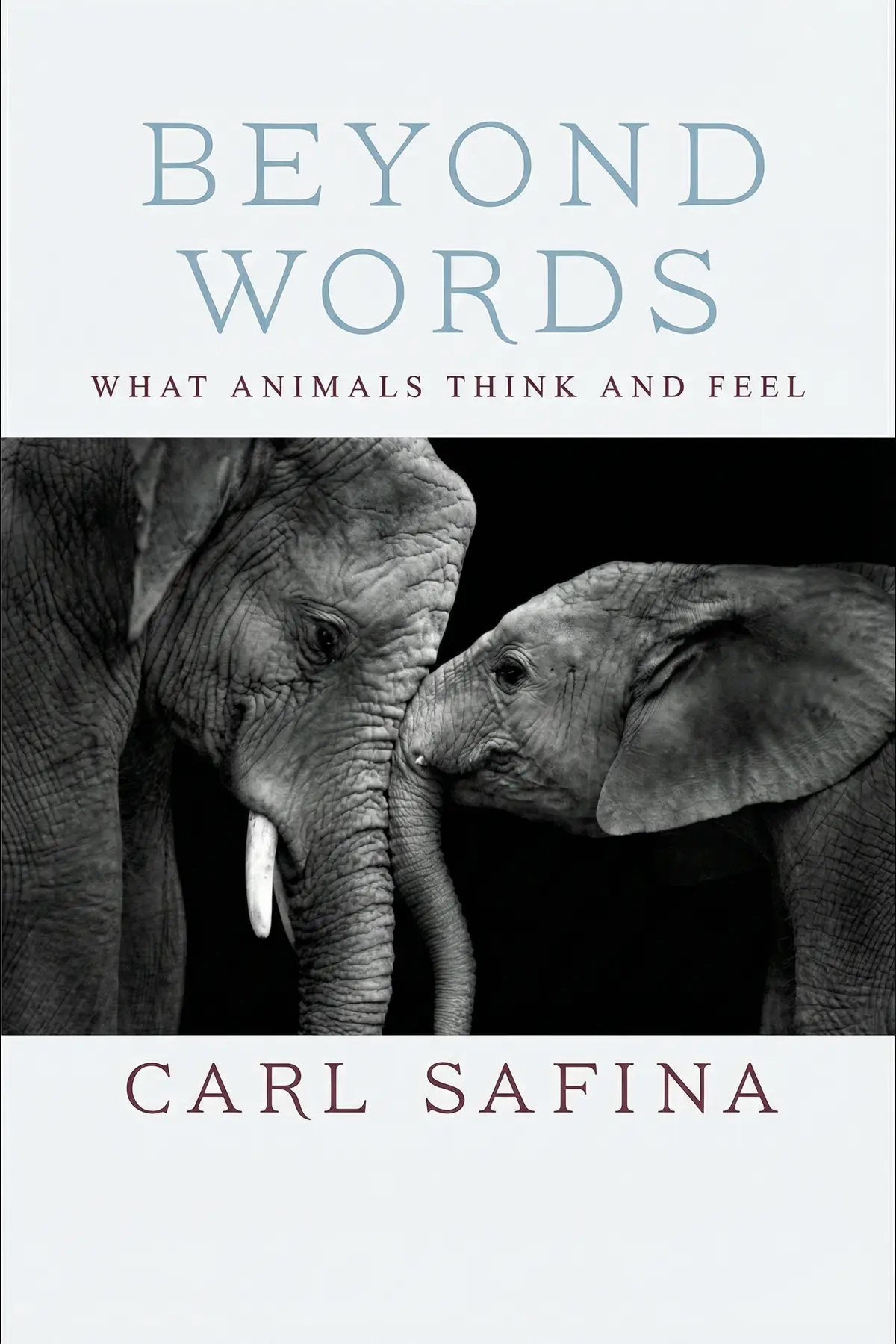
Beyond Words: What Animals Think and Feel
Carl Safina
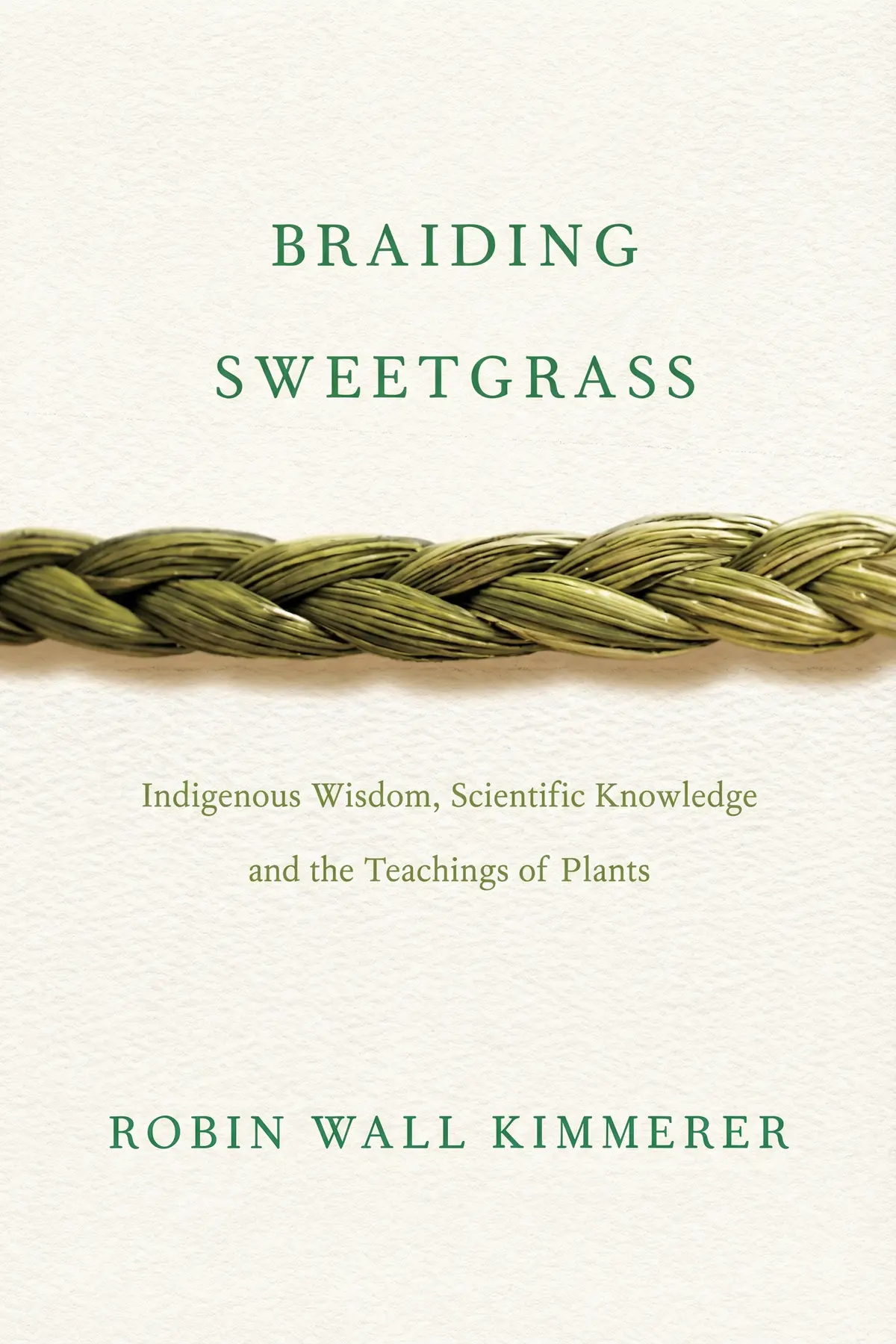
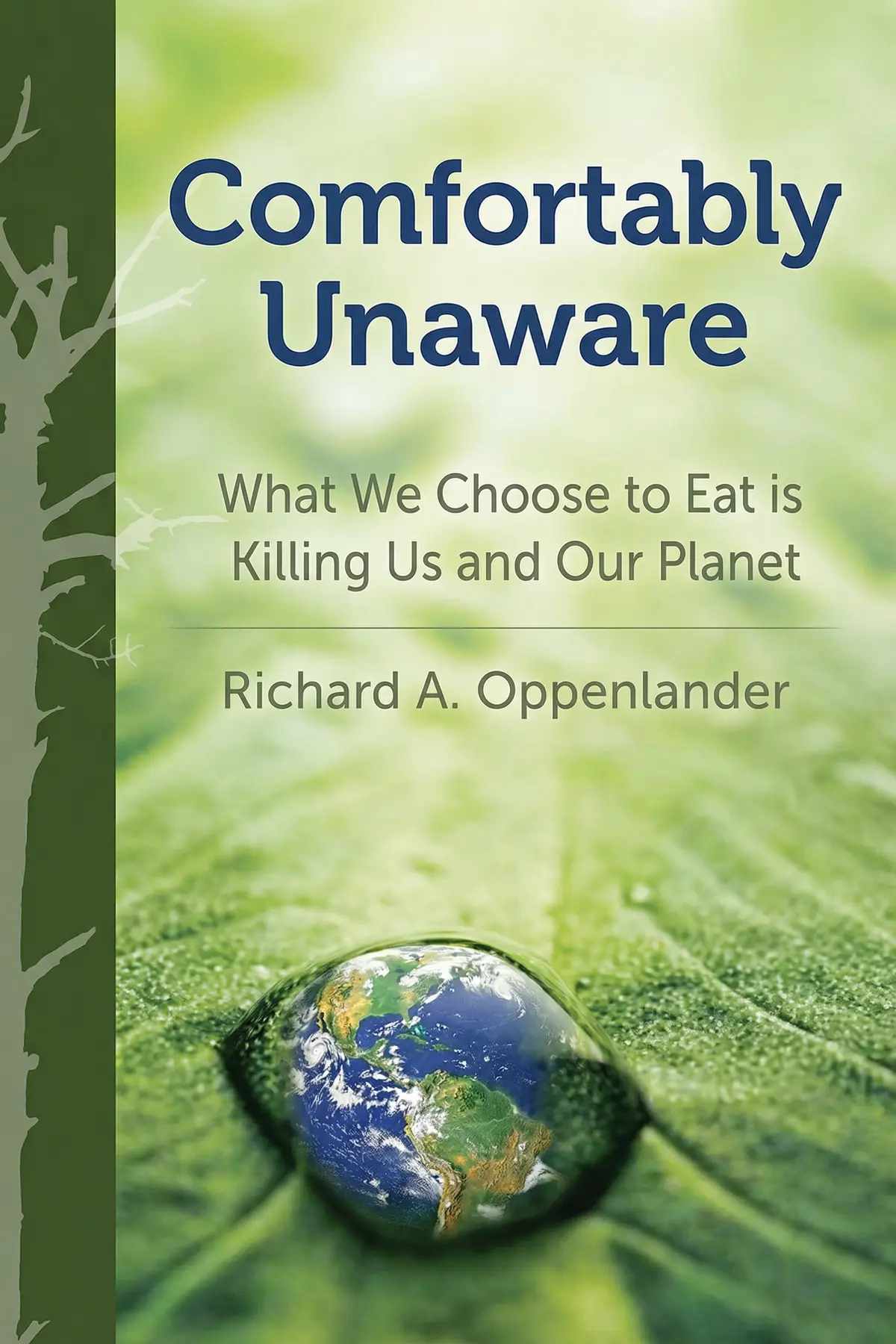
Comfortably Unaware: What We Choose to Eat is Killing Us and Our
Richard A. Oppenlander
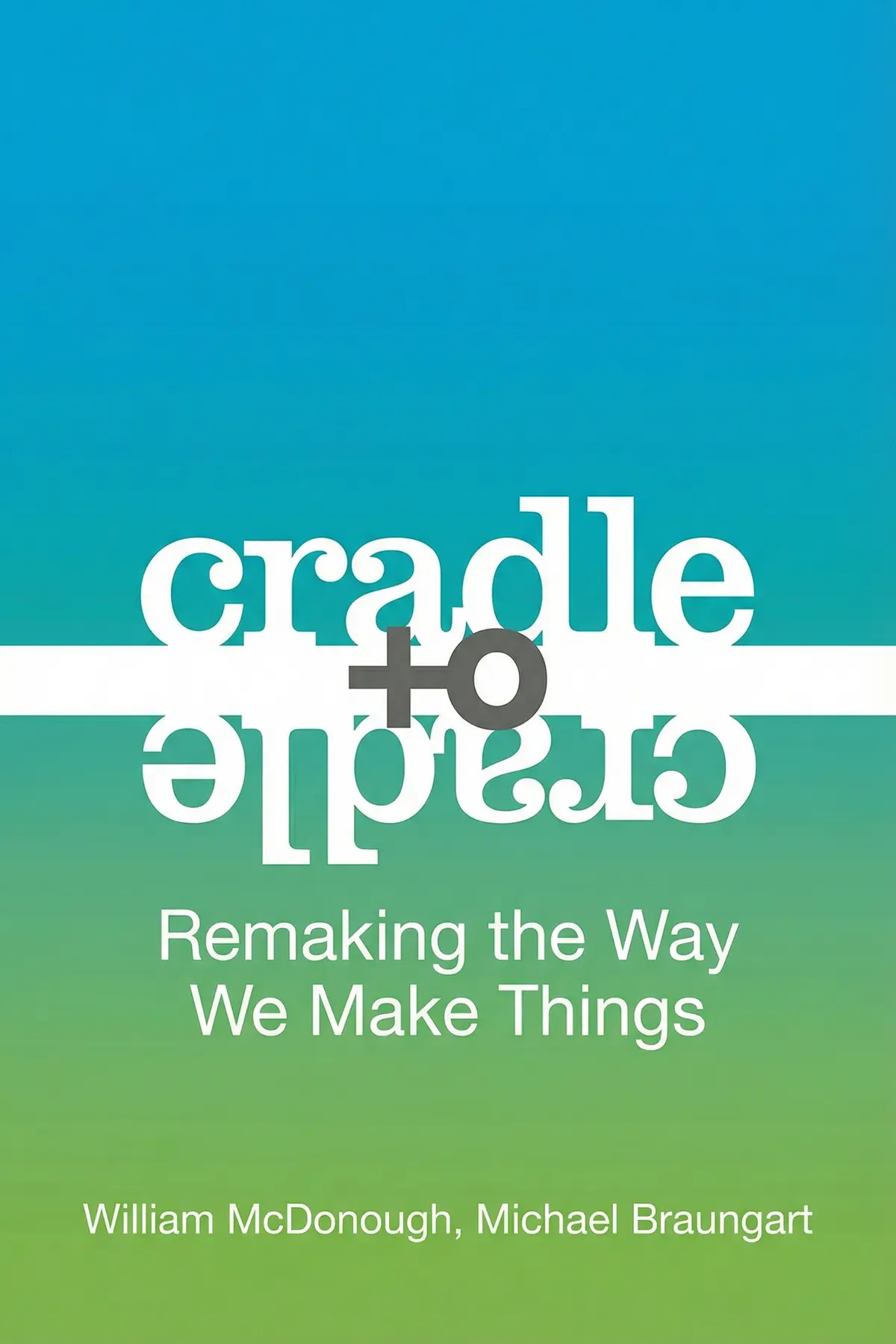
Cradle to Cradle: Remaking the Way We Make Things
William McDonough
Cod: A Biography of the Fish That Changed the World
Mark Kurlansky

Drinking Water: A History
James Salzman
AUDIO SUMMARY AVAILABLE
Listen to Our Wild Calling in 15 minutes
Get the key ideas from Our Wild Calling by Richard Louv, plus 5,000+ more titles in English and Thai.
- 5,000+ titles
- Listen as much as you want
- 7-day free trial
- Cancel anytime







