

A Year in the Life of William Shakespeare: 1599
James Shapiro
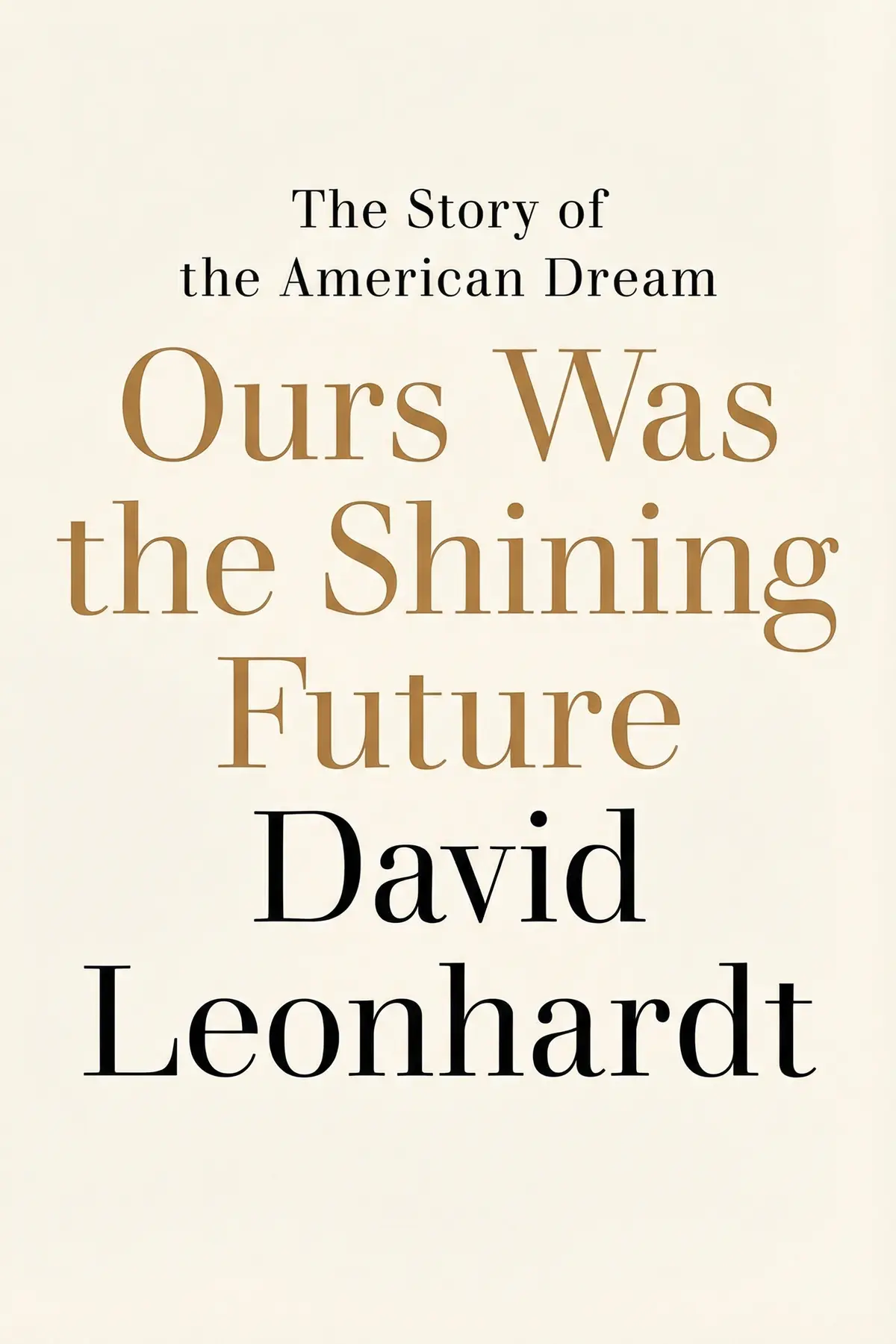
Ours Was the Shining Future explores the rise and fall of the American Dream, tracing how shifts in political power and economic philosophy moved the nation from shared prosperity to stagnation.
1 min 42 sec
In the modern era, mention of the “American Dream” often feels less like an aspiration and more like a nostalgic relic. For many, the phrase carries a heavy weight of irony or even cynicism. This shift in sentiment isn’t just a matter of perspective; it is backed by sobering statistics. Over the last ten years, the United States has seen a decline in life expectancy and a plateauing of living standards, a phenomenon often described as the Great American Stagnation. For younger generations, the promise that hard work leads to a better life than their parents enjoyed feels increasingly out of reach.
Yet, there was a period in American history when the mechanics of democracy and the engines of capitalism seemed to work in tandem. This was an era where growth wasn’t just for those at the top, but was shared across the economic spectrum. So, what happened to that harmonious balance? To understand the current disconnect, we have to look at the forces of power, culture, and investment that once supported the American middle class and identify where those forces became unaligned.
In this exploration of David Leonhardt’s work, we will look at the rise and fall of what is known as democratic capitalism. We will trace the journey from the depths of the Great Depression to the post-war boom, and finally to the neoliberal shifts that redefined the role of the worker in the American economy. Through this history, we can see how the political landscape gradually drifted away from the economic interests of the working class. By understanding these shifts, we gain a clearer picture of the challenges we face today and the possibilities for a renewed future.
2 min 42 sec
Discover how the desperation of the 1930s forced a radical rethink of the American economy, leading to a historic alliance between government and labor.
2 min 29 sec
Learn how a spirit of cooperation and long-term investment turned post-war America into a global economic powerhouse with a growing middle class.
2 min 17 sec
Explore how the rise of the ‘New Left’ in the 1960s created a cultural rift that alienated the very workers the movement aimed to help.
2 min 19 sec
Witness the rise of the Chicago School and the Reagan Revolution, which dismantled decades of economic protections in favor of a free-market experiment.
2 min 22 sec
Discover why even the economic booms of the 1990s failed to bridge the growing gap between corporate profits and worker pay.
2 min 33 sec
Uncover the potential solutions for restoring the American Dream, from rethinking immigration to reinvesting in the common good.
1 min 36 sec
The story of the American Dream is a story of choices. It was built through a conscious decision to empower the working class and to treat the economy as a tool for the common good. During the decades following the Great Depression, the United States proved that it was possible to have both a thriving capitalist system and a fair society. This era of democratic capitalism wasn’t a fluke; it was the result of strong unions, visionary political leadership, and a corporate culture that understood the value of high wages and national investment.
However, we also saw how easily that progress could be reversed. When political movements become detached from the everyday concerns of workers, and when economic theories begin to prioritize market efficiency over human well-being, the results are predictable: rising inequality and social stagnation. The “rough-and-tumble” capitalism of the last forty years has left many Americans feeling like the future is no longer shining for them.
The path forward requires a return to the principles that worked. This means rebuilding the power of the workforce, listening to the genuine concerns of those in blue-collar industries, and making the kind of public investments that pay off for generations. By stepping out of our ideological trenches and focusing once again on shared prosperity, we can move toward an economy that works for everyone. The American Dream is not dead, but it must be reclaimed through the same collective action and political will that created it in the first place.
For decades, the American Dream was more than a slogan; it was a measurable reality where each generation could expect to live better than the one before. Ours Was the Shining Future examines how this trajectory was built and why it eventually derailed. It tells the story of how a specific form of democratic capitalism—defined by strong labor unions, government investment, and corporate responsibility—transformed the United States into a beacon of progress following the Great Depression and World War II. However, the narrative takes a turn as the book explores the subsequent rise of rough-and-tumble capitalism. Through the lens of shifting political alliances and the influence of new economic theories, the author explains how the interests of the working class were sidelined. By revisiting key moments in history, from the labor strikes of the 1930s to the neoliberal shifts of the 1990s, the book offers a roadmap for understanding our current era of inequality and suggests how the nation might once again find its path toward a more equitable future.
David Leonhardt is a Pulitzer Prize-winning journalist and writer. He is a senior writer for The New York Times and specializes in providing readers with a nuanced understanding of the economic forces shaping the American experience.
Listeners find the work thoroughly researched and accessible, with one review mentioning how it deftly combines history and economics. Furthermore, they regard it as one of the most influential books, as one listener points out its practical suggestions for revitalizing the American Dream. The caliber of the writing also receives praise, with one listener specifically appreciating the author’s evenhanded approach.
Leonhardt has crafted a masterpiece of economic storytelling that manages to be both profoundly informative and surprisingly readable. By using the data-driven insights of Raj Chetty, the author demonstrates exactly how the American Dream transitioned from a reliable reality to a distant, farcical hope for many. His exploration of 'democratic capitalism' versus the 'rough and tumble' variety provides a vital framework for understanding why our current system feels so broken. I particularly appreciated the focus on the three pillars of power, culture, and investment as the drivers of mid-century prosperity. While some might find the historical vignettes a bit dense, they add a necessary human element to the cold statistics of wage stagnation. This book offers more than just a autopsy of the past; it provides a blueprint for a future where growth is shared once again. Frankly, it is the most essential reading on the US economy I have encountered in years.
Show moreFinally got around to reading this, and it’s a stunningly evenhanded look at how we lost our way. Leonhardt doesn't pull his punches when calling out the shortcomings of his own party, particularly regarding the shift toward elite identity politics. He illustrates how the 1973 oil embargo acted as a catalyst for a neoliberal turn that decimated the working class. The contrast between FDR’s investment-heavy government and Reagan’s deregulated 'rough and tumble' capitalism is painted with incredible clarity. I was particularly struck by the discussion on how corporations once restrained their greed for the sake of the broader community. It’s rare to find an economics book that balances such vast history with practical suggestions for revitalizing social cohesion. Even if you don't agree with every political conclusion, the data on life expectancy and earnings growth is impossible to ignore. This is a sweeping, brilliant view of our national trajectory.
Show moreRarely does a book about economics feel this urgent or this relevant to my daily life. The author masterfully connects the dots between union decline, corporate greed, and the feeling of directionlessness in modern America. I loved the deep dive into 'communalists' versus 'universalists' regarding immigration policy, as it moved past the usual partisan talking points. Leonhardt proves that the prosperity of the middle class wasn't an accident but the result of intentional policy choices. The way he integrates the work of Robert Gordon and Raj Chetty makes the evidence for his claims feel rock-solid. Some chapters are admittedly long, but the pay-off in understanding our current political divide is worth every minute spent. It’s an influential work that manages to stay optimistic despite the daunting nature of the problems it describes. We need more thinkers who are willing to look at the history of 'democratic capitalism' with this much nuance.
Show moreEver wonder why the middle class feels like it’s drowning despite the record-breaking success of companies like Amazon and Google? Leonhardt provides a comprehensive answer by looking at the intentional dismantling of labor power over the last forty years. He shows how the shift from 'we're all in this together' to 'every man for himself' destroyed our social fabric. I found the sections on the importance of government investment in research and innovation to be particularly enlightening and persuasive. The author’s ability to weave together personal vignettes with large-scale economic trends makes for a truly engaging narrative. It’s a long book, but the clarity of the prose kept me turning pages even during the more technical sections. Personally, I think this should be required reading for anyone in Washington who actually cares about the future of the country. This book is a rare combination of rigorous data and deep human empathy.
Show moreDavid Leonhardt managed to make sense of the last eighty years of American history in a way that feels both fresh and essential. He brilliantly illustrates how the 'shining future' we were promised was traded away for short-term corporate profits and tax cuts for the wealthy. The way he champions the 'blue-collar' perspective without falling into populist tropes is a testament to his skill as a journalist. I was particularly impressed by the discussion on infrastructure and how basic government spending once fueled a generation of unprecedented growth. The book manages to be deeply sobering about our current state while remaining hopeful about the possibility of reform. To be fair, some of the biographical sections peter off toward the end, but the overall thesis remains incredibly strong. This is a vital contribution to the conversation about wealth inequality and the future of the American experiment. Pick this up if you want to understand the real forces shaping our economy today.
Show moreAs a Gen Xer who grew up seeing the shift in real-time, I found this analysis both nostalgic and deeply sobering. Leonhardt traces the trajectory of the American Dream from the post-WWII boom through the stagnation that began in the eighties. His writing style is accessible, avoiding the dense jargon that usually makes economic texts feel like a chore to get through. The book is most successful when it highlights the balance between labor, business, and government during the halcyon days of the fifties. Truth be told, there are moments where the prose becomes a bit dry, especially when he introduces a barrage of lesser-known figures. However, the overarching argument about the need for renewed public investment in education and infrastructure is incredibly compelling. It’s a well-researched guide for anyone trying to put current trends of income inequality into a broader historical context.
Show moreThe chapter on the 1965 immigration bill was a total eye-opener for me. Leonhardt explores how unintended consequences of legislation shaped the current cultural and economic landscape in ways few other authors have dared to touch. I appreciate how he avoids the typical 'liberal elite' coastal perspective by actually examining the blighted towns of the Midwest. The writing quality is top-notch, though the author is occasionally repetitive when hammering home his points about the Reagan revolution. In my experience, most books on this topic are either too academic or too partisan, but this one strikes a refreshing balance. He acknowledges the role of government in regulating the economy without calling for a complete state-run system. While he could have spent more time on the impact of gerrymandering, the focus on 'culture and power' is unique. It’s a solid four-star read for anyone interested in why the middle class is struggling to survive.
Show moreNot what I expected from a New York Times columnist, as he is surprisingly critical of the Democratic Party's shift toward the educated elite. Leonhardt argues that the party has abandoned its working-class roots in favor of 'identity politics,' which has alienated a massive segment of the population. This evenhanded approach makes his call for a return to 'democratic capitalism' feel more credible and less like a partisan screed. I struggled a bit with the density of the middle chapters, which felt a bit like a name-dropping exercise of historical figures. Still, the core message about the necessity of strong unions and public investment is delivered with great power and conviction. The author is right to point out that material decline is often the root cause of our sociocultural dysfunction. It’s a thoughtful, if somewhat dry, exploration of how the American Dream became so distant for so many. This book really puts our current national anxiety into its proper historical context.
Show moreWhile the historical research is undeniably thorough, the narrative occasionally feels lopsided and repetitive. Leonhardt’s thesis rests heavily on the breakdown of the New Deal consensus, but he spends an exhausting amount of time blaming 'dirty student protesters' and the New Left for our current woes. He seems to suffer from a serious addiction to political aestheticism, prioritizing the imagery of civil discussion over the actual results of social justice movements. It is frustrating to see the Civil Rights era and leaders like MLK or the Black Panthers sidelined in favor of white heteronormative labor history. To be fair, his explanation of complex economic concepts for a layperson is quite impressive and easy to follow. However, the book often ignores the influence of dark money in politics, which makes his 'grassroots' solutions feel somewhat naive. It is a decent history, but it lacks the radical perspective needed to address today’s extreme wealth inequality.
Show moreThe truth is, this book feels like a eulogy for a version of America that only existed for a very specific subset of people. Leonhardt writes fondly of the New Deal era while largely glossing over the fact that that prosperity was mostly for white males. He seems to believe that if we just asked more nicely for equality, the system would magically fix itself. The focus on political aesthetics—looking good rather than doing good—is a recurring theme that I found quite annoying throughout the text. Not gonna lie, the micro-biographies of business leaders started to feel like filler about halfway through the book. Despite these flaws, his explanation of how manufacturing jobs moving overseas led to 'deaths of despair' is quite moving and well-supported. It’s a decent primer for laypeople, but more sophisticated readers might find the economic analysis a bit simplified. It is a long read that could have benefited from a much tighter edit.
Show moreJames Shapiro
Pankaj Mishra
Charles C. Mann

Ben Macintyre

Fay Bound Alberti
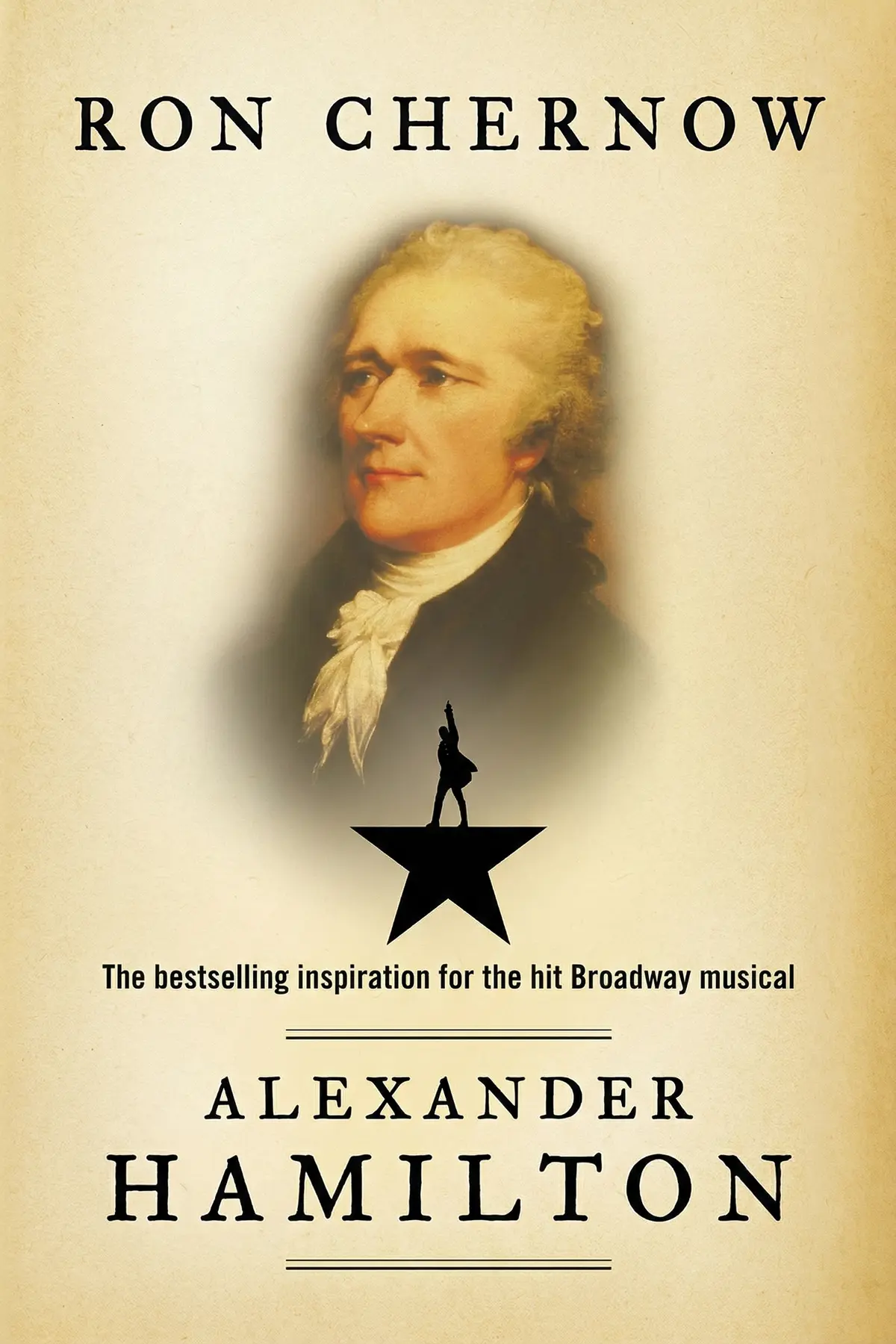
Ron Chernow
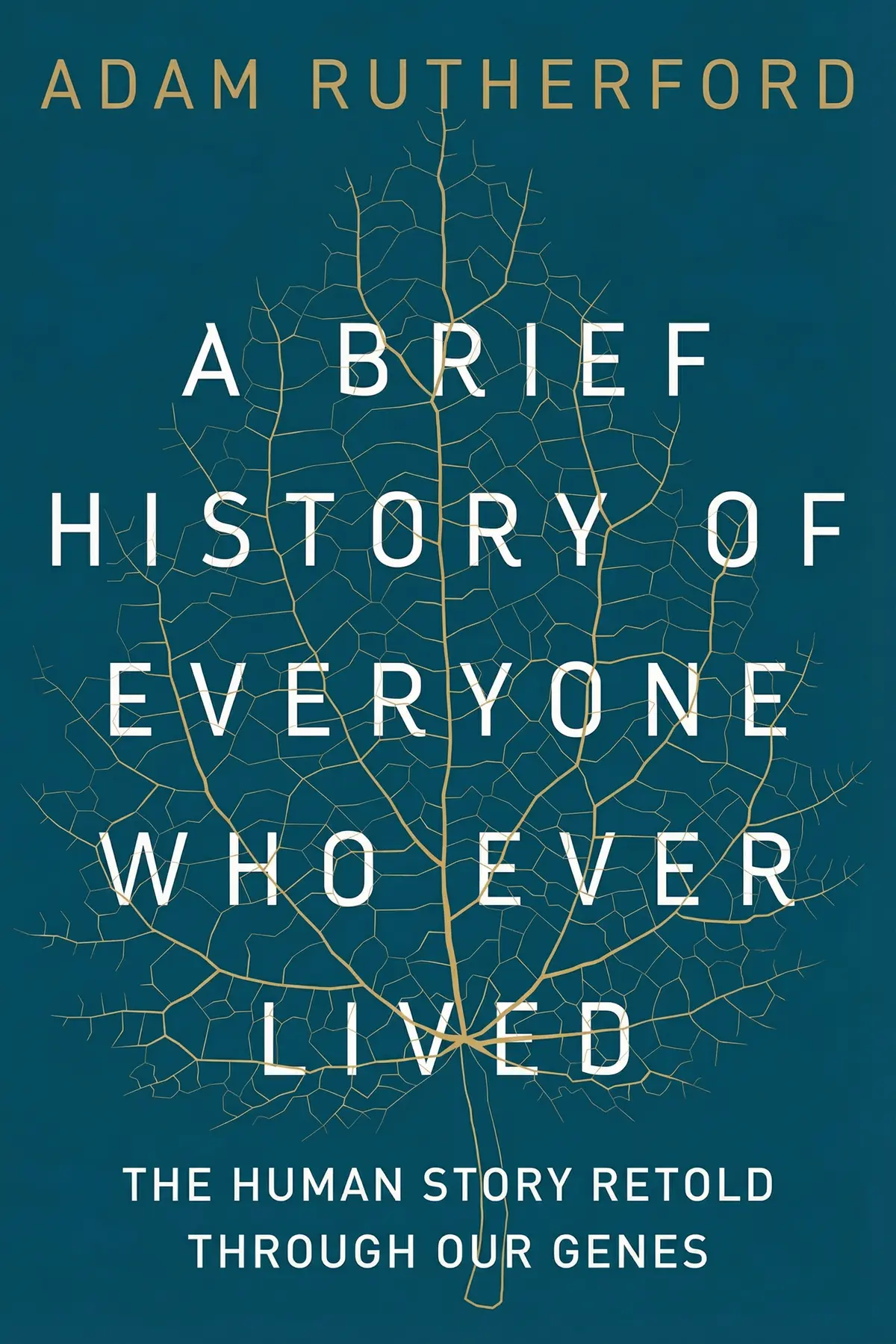
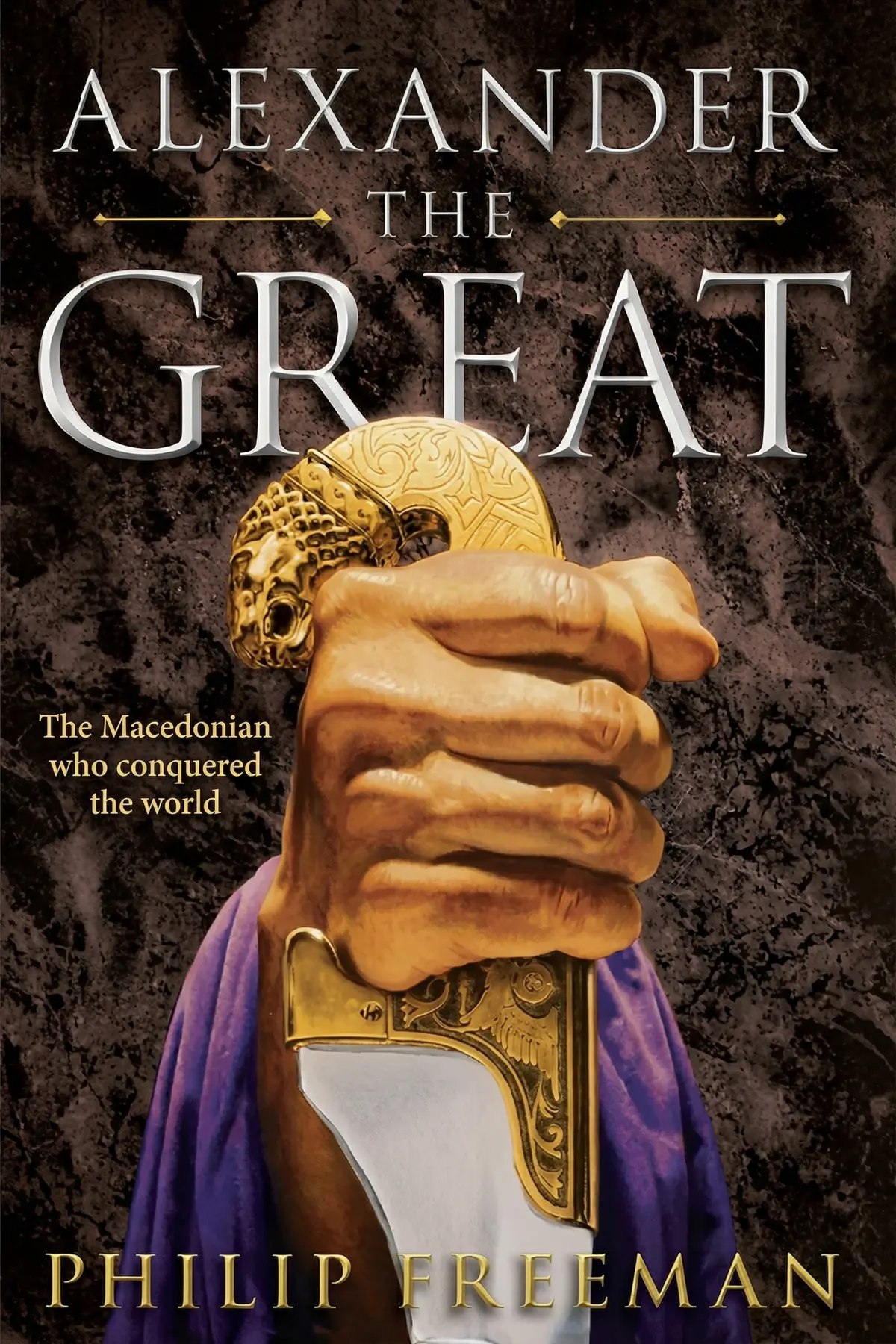
Philip Freeman
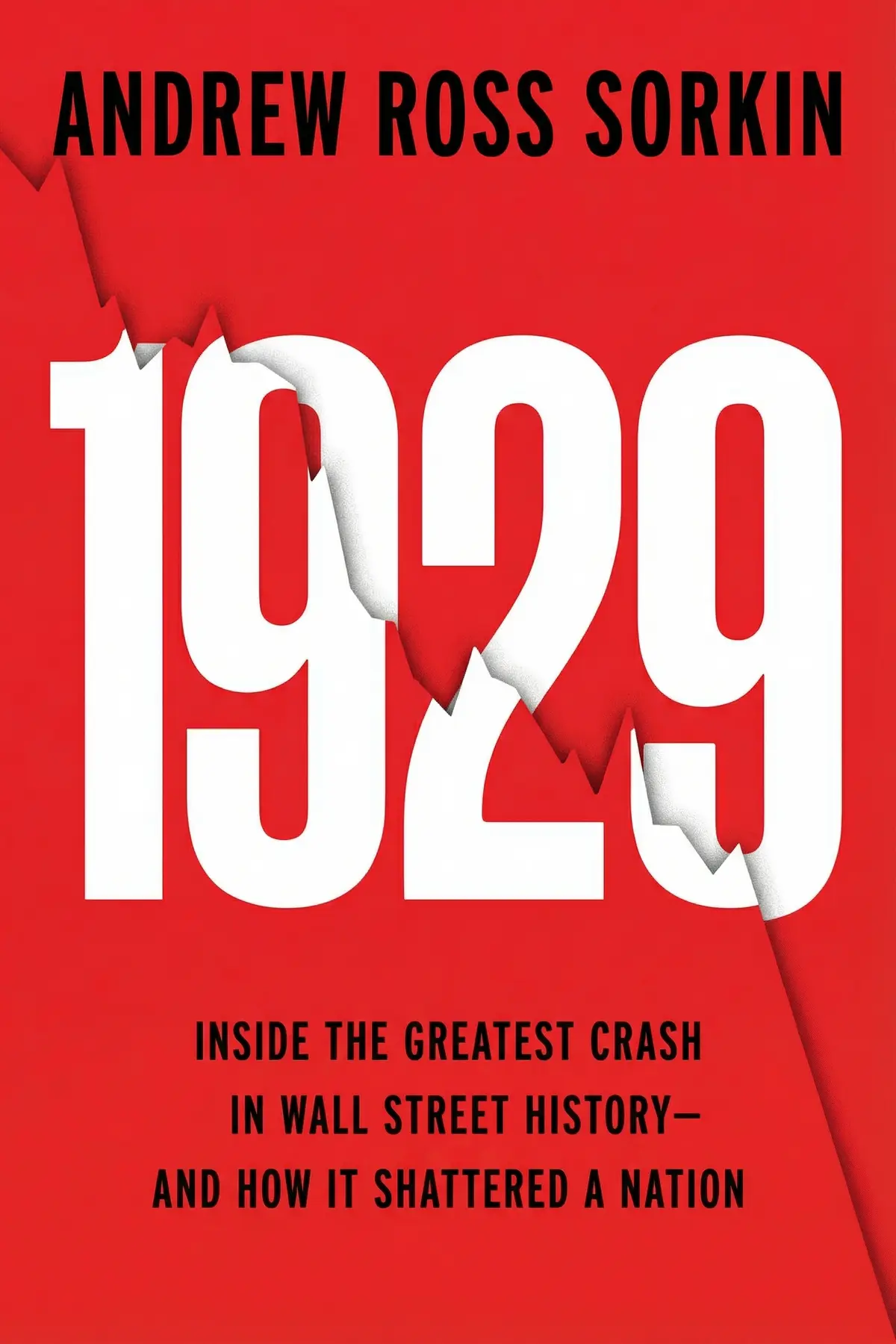
Andrew Ross Sorkin
AUDIO SUMMARY AVAILABLE
Get the key ideas from Ours Was the Shining Future by David Leonhardt, plus 5,000+ more titles in English and Thai.







