

1491: New Revelations of the Americas Before Columbus
Charles C. Mann
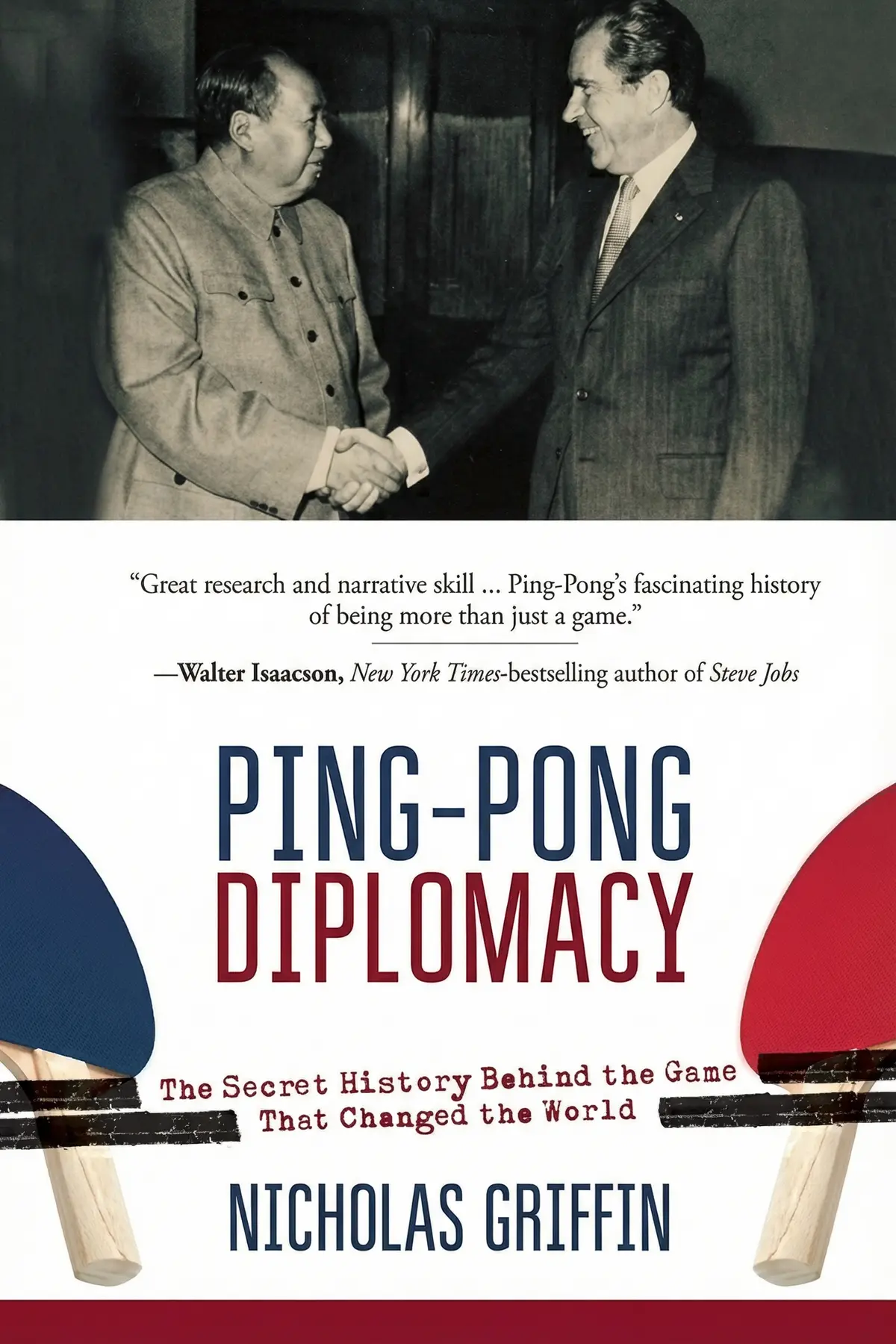
Explore the incredible true story of how a simple parlor game became a tool for high-stakes espionage and the ultimate catalyst for reopening diplomatic relations between the United States and China.
1 min 38 sec
Think for a moment about the immense power of a small, hollow plastic ball. It weighs almost nothing, yet in the early 1970s, it carried the weight of two superpowers on its surface. For over two decades, the United States and the People’s Republic of China existed in a state of total diplomatic silence. There were no phone calls between leaders, no trade agreements, and no shared cultural exchanges. The two nations were ideological mirrors of one another, separated by a chasm of suspicion and the looming threat of the Cold War.
But the breakthrough didn’t come from a seasoned diplomat in a tuxedo or a high-stakes meeting at the United Nations. It came from a ping-pong table. It is one of history’s most improbable stories: how a game often dismissed as a basement hobby became the primary engine for global geopolitical change. This journey takes us from the stately homes of the British elite to the secret offices of the Kremlin, and eventually to the Great Hall of the People in Beijing.
At the center of this narrative is the realization that sports are rarely just about the score. They are about visibility, human connection, and the narrative a nation wants to project to the rest of the world. We will follow the throughline of a man who saw the revolutionary potential in a paddle and a ball, and how his vision eventually aligned with the desperate needs of world leaders like Mao Zedong and Richard Nixon. This isn’t just a sports story; it’s a masterclass in the art of the ‘soft opening,’ where a simple game provided the cover for the most significant diplomatic shift of the twentieth century. Let’s look at how this all began with an eccentric aristocrat who had a very dangerous secret.
2 min 15 sec
Discover how a young boy raised in the heights of British society rejected his family’s wealth to embrace two radical passions: communism and table tennis.
2 min 03 sec
Follow the journey of how a chaotic hobby was transformed into a disciplined international sport through the sheer will and organizational genius of one man.
2 min 00 sec
Uncover the secret shadow world where table tennis served as the perfect cover for high-level espionage during the rise of the Soviet Union.
2 min 04 sec
Learn how Japan utilized the ping-pong table to rebuild its shattered international reputation and soften its image after the horrors of World War II.
2 min 05 sec
Witness the calculated effort by the Chinese government to turn table tennis into a national obsession and a source of global pride.
2 min 00 sec
See how the 1961 Beijing World Championships functioned as a highly controlled showcase of Chinese progress during a time of hidden domestic struggle.
2 min 04 sec
Revisit the legendary 1971 bus ride where a chance meeting between a Chinese champion and an American hippie changed the course of the Cold War.
1 min 48 sec
Experience the surreal and media-saturated week when American table tennis players became the unlikeliest diplomats in history.
1 min 56 sec
Follow the path from a simple game to the highest levels of government, culminating in President Nixon’s historic meeting with Chairman Mao.
1 min 24 sec
As we look back at the history of ping-pong diplomacy, the ultimate takeaway is the power of the ‘small opening.’ In a world dominated by massive armies and nuclear standoffs, it was a two-gram ball and a five-foot-wide table that provided the necessary space for peace. This story reminds us that international relations are not just about policy papers and treaties; they are about people and the shared activities that can break down barriers.
Ivor Montagu’s dream was realized in a way he could have never fully predicted. His work to standardize and globalize table tennis gave the world a common language. When the time was right, that language was used by leaders in Washington and Beijing to communicate when words were too dangerous to use. The ‘ping-pong’ breakthrough didn’t solve every problem between the two nations, but it proved that even the most intractable enemies can find a way to sit at the same table.
Today, table tennis remains a sport of incredible speed and precision, but it also stands as a symbol of what’s possible when we look for unconventional ways to connect. The next time you see a ping-pong match, remember that you aren’t just looking at a game. You are looking at a piece of equipment that once helped stop a war and brought a billion people back into the global fold. The lesson is clear: never underestimate the potential of the small, the simple, and the unexpected to change the world.
Ping-Pong Diplomacy reveals the hidden history of table tennis, transforming it from an aristocratic pastime into a pivotal weapon of the Cold War. The narrative follows the life of Ivor Montagu, a British aristocrat and Soviet spy who professionalized the sport with the secret goal of bridging the gap between East and West. Through the lens of this fast-paced game, the account details how China’s leaders utilized world-class athletes to gain international legitimacy. It culminates in the legendary 1971 encounter between an American hippie and a Chinese champion, an event that broke decades of silence and paved the way for President Nixon’s historic visit to Beijing. This is a story of how sports, strategy, and chance changed the world.
Nicholas Griffin is a distinguished novelist and journalist who has contributed to prestigious publications such as The Times, the Financial Times, and Foreign Policy. His body of work includes four novels and the historical account The Year of Dangerous Days, which examines the pivotal events of 1980 in Miami.
Listeners find the writing both captivating and expertly composed, characterizing the book as a gripping segment of world history. They value the depth of information, with one listener noting it provides a nice compact synopsis of 20th-century history. The narrative earns praise for its insights into the impact on world diplomacy.
What an absolutely wild ride through a chapter of history I thought I already knew. Most people know the basic story of Nixon going to China, but Griffin digs into the 'why' and 'how' in a way that feels fresh and vital. The connection between the British aristocracy and Mao’s regime through the medium of table tennis is just stranger than fiction. Truth is, the book reads more like a thriller than a standard history tome. I was gripped by the descriptions of the Chinese team’s training and the political pressure they faced during the Great Leap Forward. It’s a masterful blend of sports reporting and high-level political analysis. If you want to understand how the modern world was shaped by a 'faintly ridiculous' sport, you need to pick this up.
Show moreThe drama in these pages is incredible. Nicholas Griffin writes with a novelist’s flair, turning a series of diplomatic meetings and sports matches into a high-stakes chess game. The way he juxtaposes the humble origins of 'whiff-whaff' with the massive egos of Nixon and Mao is brilliant. I loved the characterization of the players—they weren't just athletes, they were diplomats in tracksuits. This book provides such a nice compact synopsis of the 20th century's shifting alliances. It’s rare to find a non-fiction book that is this informative while remaining so genuinely entertaining. Every chapter revealed something new about the hidden mechanics of the Cold War. Truly a great read for anyone interested in how cultural exchange can thaw even the iciest political relations.
Show moreEver wonder how a simple game could prevent a war? Griffin’s book answered that and more. It’s a fascinating story that hasn't been told with this much detail before. I was particularly struck by how the Chinese team was used to distract the public from the Great Leap Forward. It’s a sobering reminder of how sports can be used for propaganda. Despite the heavy subject matter, the prose is light and engaging. The book is a perfect first read for the year if you want something that makes you think. It connects the dots between a British aristocrat, an American hippie, and the most powerful leaders in the world. I highly recommend it to anyone who enjoys history that reads like a thriller. It's a fantastic look at global impact.
Show moreFinally got around to reading this, and it’s a total trip. Griffin manages to make the world of international table tennis feel as high-stakes as a Bond movie. The cast of characters is just bizarre—you've got hippie athletes, Soviet spies, and calculating politicians like Nixon all orbiting this small celluloid ball. It’s a great example of how small, seemingly insignificant cultural exchanges can lead to massive diplomatic realignments. I particularly liked the focus on Montagu’s role as a bridge between East and West. While some of the middle chapters drag a bit when discussing the minutiae of tournament rules, the overall impact on world diplomacy is presented brilliantly. It’s a nice, digestible way to understand the Sino-American rapprochement without picking up a thousand-page textbook.
Show moreAs someone who grew up playing basement ping-pong, I had no idea my hobby had such a radical pedigree. Griffin’s exploration of the game’s origins as a deliberate Communist plot is eye-opening. The way Ivor Montagu manipulated the international federation to favor Eastern Bloc interests is a narrative thread I never expected. The book does a fine job of showing how the Chinese team became a symbol of national pride, even as the country suffered through immense internal turmoil. The writing is sharp and usually moves at a good clip, though it occasionally gets lost in the weeds of minor tournaments. Still, it’s a fascinating chapter of world history that deserves more attention. It makes you realize that nothing in international relations is ever truly accidental.
Show moreAfter hearing about 'Ping-Pong Diplomacy' for years, I finally understand the full scope of what happened. This isn't just about a few matches; it’s about the entire Sino-Soviet split and the desperate need for China to reconnect with the world. Griffin does an able job of framing the matches within the context of the Cultural Revolution, showing how dangerous the game became for the Chinese players. Personally, I found the biography of Ivor Montagu to be the most compelling part. He was such an eccentric figure, moving between British high society and Soviet intelligence circles. The book is well-written and offers a deep dive into a niche but pivotal moment. It’s a bit dense in the middle, but the payoff at the end makes the journey worth it.
Show moreWho knew that a game once called 'whiff-whaff' could actually change the course of global history? This book provides a compact synopsis of how a simple pastime was weaponized by Ivor Montagu to spread Communist ideals. It’s a fascinating premise, but the execution is hit or miss. At times, the narrative flows with a novelist’s flair, especially during the 1971 tournament. Other sections feel like they’re bogged down in overly minute biographical details that don't always pay off. To be fair, the section on the Cultural Revolution’s impact on the Chinese team was harrowing and well-researched. I just wish the pacing was more consistent throughout. It’s a solid read if you’re a history buff, but casual readers might find themselves skimming the more academic chapters.
Show moreIs it a sports book or a political biography? Griffin tries to do both, and while he’s mostly successful, the tone can be quite jarring. One minute you're reading about the physics of a backspin and the next you're deep in the weeds of Soviet espionage tactics. Look, the research is impeccable, and I learned a lot about the isolation of 1960s China that I didn’t know before. However, the author’s voice is a bit dry for my tastes. He focuses heavily on the chronology of events rather than the emotional stakes of the players. It’s an informative read for research purposes, but it didn't exactly set my world on fire. It's an important story, just told in a somewhat clinical fashion that kept me at arm's length.
Show moreMaybe my expectations were just too high for this one. I came for a sports story and left feeling like I’d sat through a particularly dusty lecture on 20th-century geopolitics. Griffin clearly knows his stuff, but the writing is so detached that it’s hard to stay engaged. Frankly, he seems to almost look down on the sport of ping-pong itself, treating it more like a weird historical fluke than a game with its own soul. The book ends with a weirdly dismissive note about how soccer and basketball are the 'real' sports, which felt like a slap in the face to anyone who actually likes table tennis. It’s an okay historical chronology, but it lacks the human warmth needed to make the players feel like more than just pawns in a Cold War game.
Show moreI really wanted to love this, but the author's attitude kept getting in the way. There is a palpable sense of disdain for the sport of ping-pong throughout the text. Griffin seems more interested in the spycraft and the political maneuvering than in the actual athletes who risked everything to play. To me, the players felt like afterthoughts in their own story. The book concludes with a redundant comparison to basketball, essentially calling table tennis irrelevant in the modern era. Not gonna lie, I found it frustrating. The historical facts are there, but the spirit of the game is entirely missing. It’s a dry, academic exercise that lacks the passion I was hoping for.
Show moreCharles C. Mann

James Shapiro
Andrew Ross Sorkin
Pankaj Mishra

Fay Bound Alberti

Ben Macintyre

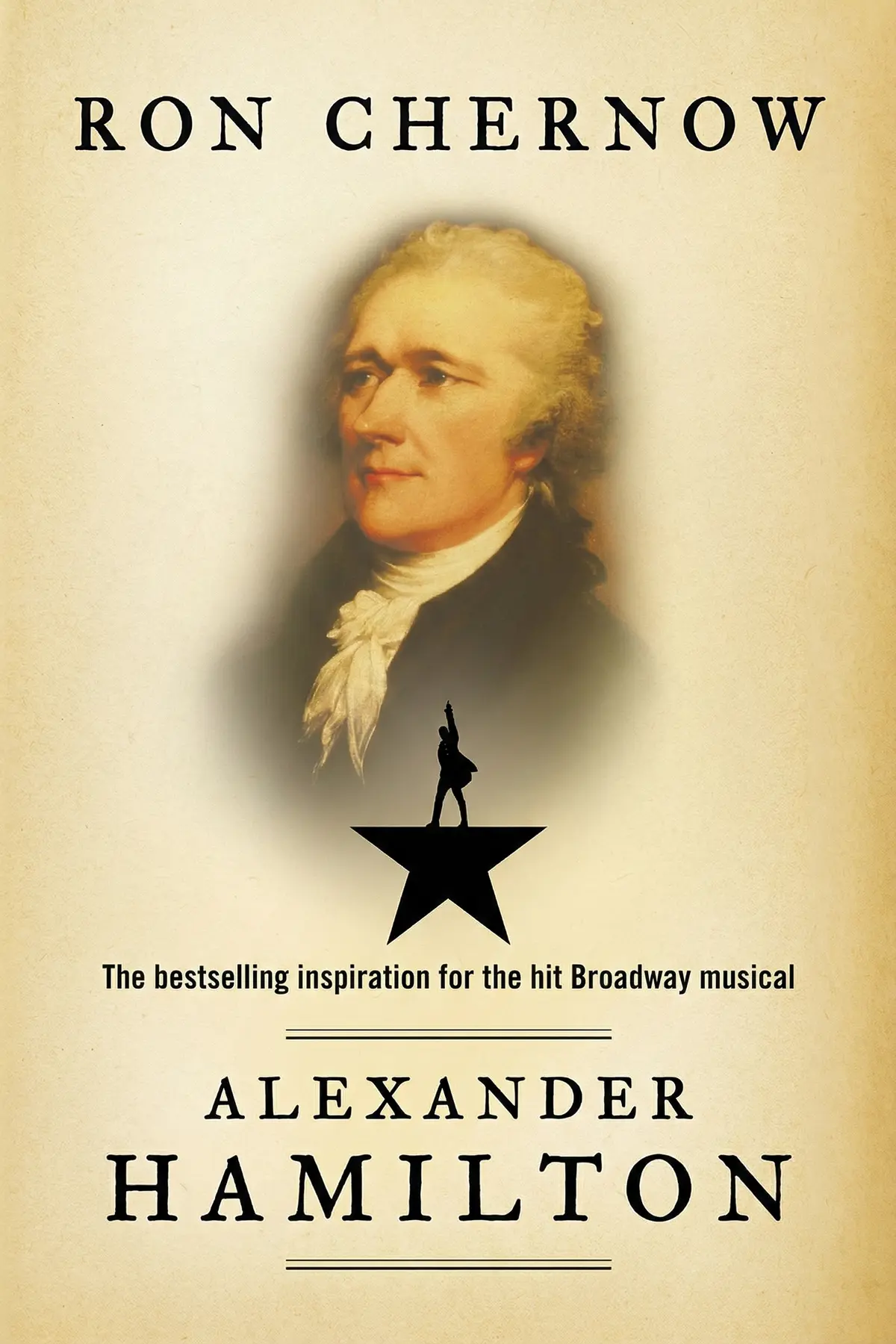
Ron Chernow
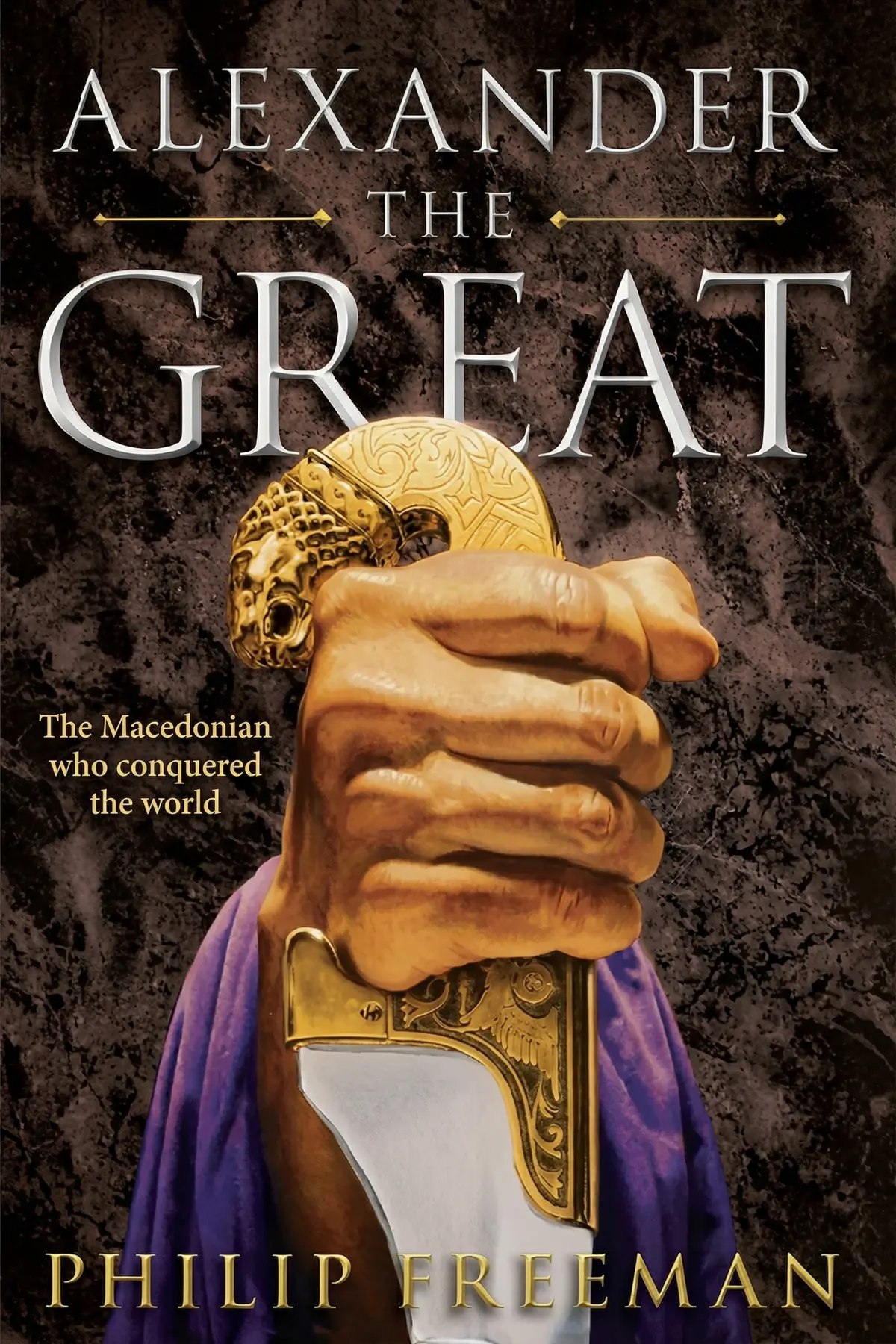
Philip Freeman
AUDIO SUMMARY AVAILABLE
Get the key ideas from Ping-Pong Diplomacy by Nicholas Griffin, plus 5,000+ more titles in English and Thai.







