
18 min 35 sec
Practical Optimism: The Art, Science, and Practice of Exceptional Well-Being
By Sue Varma
A comprehensive guide to building a resilient mindset. Practical Optimism offers actionable strategies to manage emotions, solve problems, and foster deep well-being through eight evidence-based pillars for a fulfilling life.
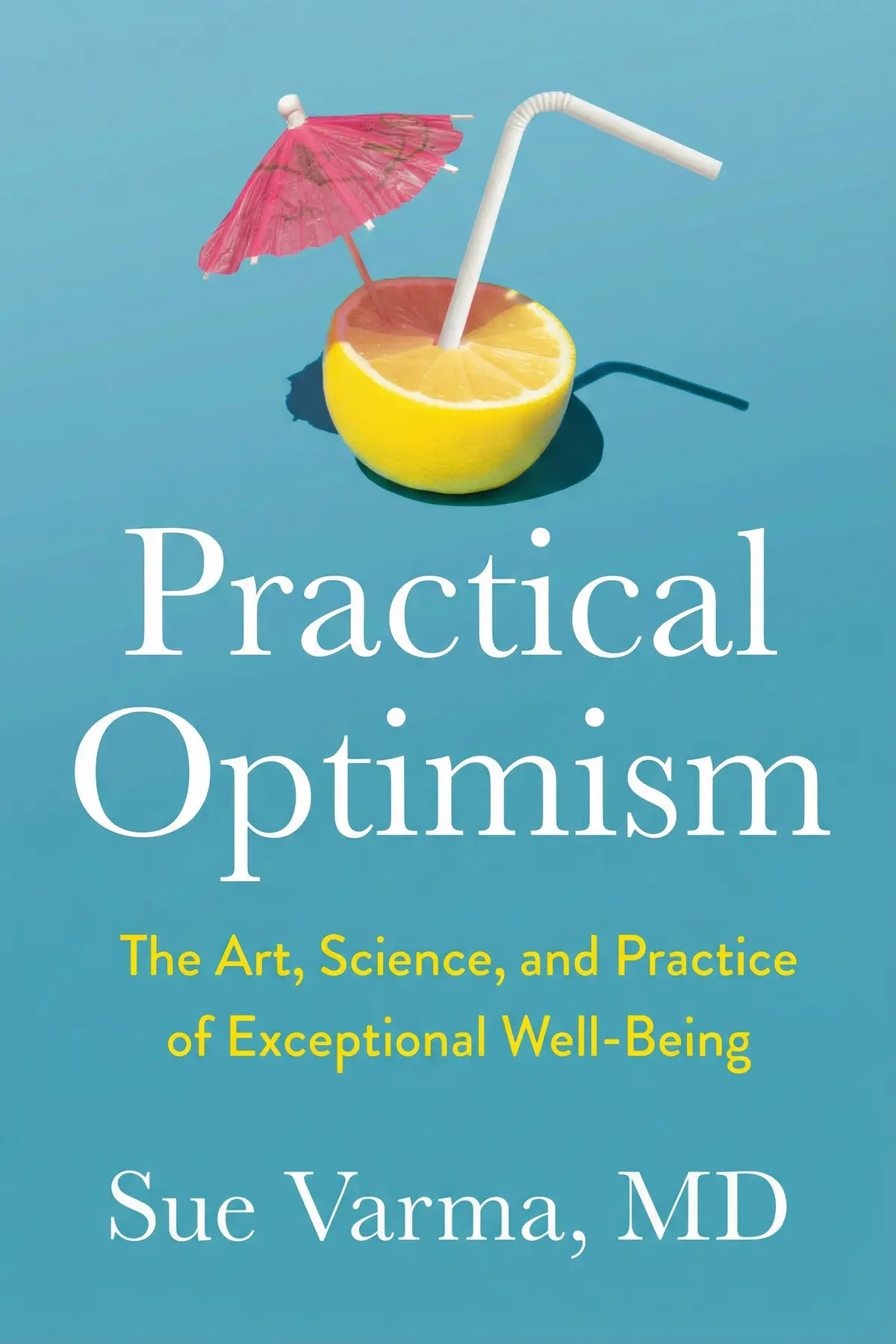
Table of Content
1. Introduction
1 min 30 sec
When many of us hear the word optimism, we might feel a little bit of hesitation. There is a common stereotype that optimists are people who live in a state of blissful denial, ignoring the harsh realities of the world and simply hoping for the best without any real plan. But what if optimism wasn’t about ignoring reality, but about engaging with it more effectively? This is the core premise of Practical Optimism. It is a unique mindset that acknowledges the messiness of life while providing a clear, evidence-based roadmap for navigating it with grace and resilience.
Think of it as a toolkit for the modern world. We all face moments where we feel frozen by stress, prone to imagining the worst-case scenario, or tempted to avoid conflict altogether. Practical Optimism offers an alternative. It teaches us how to meet adversity with a level-headed and confident approach. Throughout this journey, we are going to explore a variety of techniques that allow us to process our feelings, solve our problems, and build a sense of self-worth that is not easily shaken.
The goal here is to move beyond simple coping mechanisms. We are looking for a way to thrive. By the time we finish, you will see how this approach integrates the best of clinical psychology with everyday habits to create a life of exceptional well-being. It starts with the understanding that optimism is not an accidental personality trait you are born with—it is a skill you can master. Let’s dive into how you can start reshaping your outlook today.
2. The Foundation of a Practical Mindset
1 min 59 sec
Discover why optimism is a skill rather than a trait and how a personal health crisis led to the development of the eight pillars of well-being.
3. The Search for Meaning and the AIM Framework
1 min 57 sec
Unpack the misconceptions about life’s purpose and learn a three-step method to clarify what truly brings you joy and direction.
4. Mastering Your Internal Emotional Landscape
1 min 58 sec
Learn a four-part strategy to reduce the power of negative emotions and gain better control over your reactions to life’s stressors.
5. A Proactive Strategy for Solving Problems
2 min 01 sec
Explore the Five Rs approach to tackle obstacles with a balance of rational assessment and emotional intelligence.
6. The Power of Self-Worth and Healthy Pride
2 min 02 sec
Understand the difference between self-esteem and self-worth, and how to practice self-compassion when things go wrong.
7. Proficiency and the Challenge of Staying Present
2 min 01 sec
Dive into the psychology of self-belief and learn how to escape common cognitive traps that pull you away from the current moment.
8. Connection and the Dynamics of Attachment
1 min 49 sec
Explore the impact of loneliness on well-being and how understanding your attachment style can lead to stronger, more secure relationships.
9. The 4 Ms of Lasting Mental Health
1 min 51 sec
Discover the four essential categories of daily habits that form a roadmap for physical and emotional fulfillment.
10. Conclusion
1 min 27 sec
As we look back on the journey of Practical Optimism, the throughline is clear: your mental well-being is something you can actively cultivate. By utilizing the eight pillars we have discussed, you move away from the idea that a positive outlook is something you either have or you don’t. Instead, you see it as a collection of tools—like the AIM framework for purpose, the 5 Rs for problem-solving, and the 4 Ms for daily health—that you can deploy whenever life gets difficult.
This approach is deeply holistic. It recognizes that our physical health, our social connections, and our internal dialogue are all parts of a single, interconnected system. When you take control of your emotional processing and challenge your cognitive distortions, you aren’t just feeling better in the moment; you are building a reservoir of resilience for the future. You are bridging the gap between simply intending to be happy and actually taking the steps to make it a reality.
The beauty of this mindset is that it doesn’t require a total life overhaul overnight. It begins with small, intentional shifts. It starts with naming an emotion instead of hiding from it, or reaching out to a friend when you feel isolated. By committing to self-compassion and a growth-oriented path, you empower yourself to thrive in every aspect of your life. The practice of exceptional well-being is now in your hands, ready for you to take that first practical step.
About this book
What is this book about?
Have you ever felt that traditional optimism feels a bit too much like wishful thinking? Practical Optimism introduces a grounded alternative. It is not about ignoring life's hardships or wearing rose-colored glasses; instead, it is a scientifically-backed framework for meeting challenges with clarity, confidence, and a proactive spirit. This summary explores eight specific pillars that lead to exceptional well-being. You will learn how to navigate complex emotions, improve your problem-solving skills, and build meaningful connections. By shifting from a passive outlook to an active, growth-oriented mindset, you can transform how you handle stress and find deeper purpose in your daily routine. The promise is a life where you do not just survive adversity, but use it as a catalyst for personal flourishing.
Book Information
About the Author
Sue Varma
Dr. Sue Varma is a board-certified psychiatrist and clinical assistant professor at New York University Langone Health. With expertise in mood disorders, resilience, and mental wellness, she combines her clinical practice with teaching and media appearances to promote mental health awareness. She’s known for her pragmatic approach to optimism and well-being, emphasizing actionable strategies for individuals to lead fulfilling lives.
Ratings & Reviews
Ratings at a glance
What people think
Listeners find this book full of useful methods and perspectives, offering concrete resources to change one's outlook and handle life's difficulties. Additionally, the work merges scientific research with approachable material, creating an accessible listen that boosts resilience and physical health. They value its authentic nature and usefulness in daily life, with one listener pointing out that it is highly relevant for many different audiences.
Top reviews
Isabella
Finally got around to reading this after struggling with a cynical mindset for most of my adult life. I love that Dr. Varma doesn't just tell you to 'think positive' in a toxic way. Instead, she provides these science-backed pillars like mastery, movement, and meaningful engagement to actually shift your brain's chemistry. The '8 Ps' framework gave me a roadmap when I felt stuck in a rut. It is an easy read, yet it doesn’t shy away from the hard work required to build resilience. I have already started using the 'name it, tame it, claim it, reframe it' method for my anxiety, and it’s surprisingly effective for managing daily stress. Truly life-changing stuff here!
Show moreFatima
Wow, what a refreshing take on a genre that often feels overly idealistic or out of touch. Dr. Varma manages to balance evidence-based science with a deeply human touch, making complex psychiatric concepts feel like advice from a wise friend. I was particularly struck by the data on friendship—how our close circles have shrunk over the decades—and her advice on improving attachment styles was eye-opening. This book doesn't ignore the darkness or stay in blissful denial; it just gives you a flashlight to find the solution. It is a highly relevant guide for navigating the post-pandemic world where so many of us are struggling with isolation and burnout. Highly recommend for any audience.
Show moreOrm
In my experience, mental health books often fail because they lack heart, but Dr. Varma’s stories about her father and her own health scares make this one stand out. She demonstrates that 'practical optimism' isn't about ignoring pain, but about what we do with it. The focus on 'healthy pride' and self-efficacy expectations helped me reframe how I look at my career goals and personal growth. It is a dense book, packed with information and studies, but it is written in a way that feels achievable for the average reader. If you are tired of 'positive vibes only' culture and want something grounded in real psychiatry, this is the book you should grab.
Show moreMia
After hearing Dr. Varma on The Happiness Lab podcast, I knew I had to check out the full text. Her background treating 9/11 survivors gives her a unique, grounded perspective on trauma and recovery that you don't usually see in pop psychology titles. The GRACE acronym—Gratitude, Reality, Acceptance, Compassion, Empathy—really resonated with me, especially the 'Recognition of Reality' part. It is not just blind hope; it is about navigating the messiness of life with better tools. My only gripe is that the book can feel a bit repetitive by the end with the CBT practices, but the core message is vital for anyone feeling overwhelmed by the world today. It’s a solid, practical guide for shifting your perspective.
Show moreSupranee
Practical Optimism isn't just another self-help book; it feels like a comprehensive toolkit for modern living. I particularly enjoyed the section on the 5 Rs—reassess, refuel, request input, remind, and reappraise. These are actionable steps that I could apply to my stressful job immediately. The writing style is approachable, though some of the academic jargon could have been streamlined to make it less confusing. I liked how she distinguished between healthy pride and ego, showing that acknowledging your strengths is a form of self-compassion. It is a solid 4-star read for anyone looking to build a more resilient mental framework without the usual fluff found in the genre. It boosts your physical health by lowering stress too.
Show moreMilk
Picked this up because I wanted to learn how to retrain my brain to look for solutions instead of dwelling on problems. The chapter on 'processing emotions' was the standout for me, especially the concept of naming emotions as physical sensations. It is much harder to ignore your anxiety when you recognize it as a tightness in your chest rather than a personality flaw. To be fair, some of the '8 Ps' overlap quite a bit, which can make the structure feel a little cluttered and hard to follow at times. But the overall message—that optimism is a skill we can practice and learn—is incredibly empowering and well-supported by the research presented.
Show moreNan
To be fair, the market for self-help is incredibly crowded, so it is hard to stand out. Dr. Varma succeeds by focusing on the 'practical' side of the equation—actionable habits like movement and mindfulness that actually change your outlook. I appreciated the deep dive into attachment styles and how they influence our self-worth. While the book could have used a tighter edit to avoid some of the CBT repetition in the latter half, the quality of the advice is undeniable. It is a great resource for anyone wanting to move from a place of passive survival to active, meaningful engagement with their life. It’s realistic, applicable, and surprisingly science-heavy in a good way.
Show moreSelin
The truth is, this book is a bit of a mixed bag for me. On one hand, the '4 Ms' (Mastery, Movement, Meaning, Mindfulness) are great, accessible tools for anyone who might not be willing or able to go to therapy right now. On the other hand, there is a persistent 'bootstrap' mentality that suggests we can just think our way out of complex systemic problems. It simplifies the nuances of mental health a bit too much for my liking. While the personal anecdotes about her family in India were touching and added much-needed warmth, the clinical portions felt a little dry and derivative. It is a decent entry-point for beginners, but maybe too basic for those already familiar with mindfulness.
Show morePridi
Ever wonder why some people seem to bounce back while others sink? This book tries to answer that through the lens of 'Practical Optimism,' but it takes a long time to get to the point. The intro is quite voluminous and felt unnecessary since the title already explains the premise well enough. Once you get past the slow start, there are some great insights into affective labeling and the dangers of rumination. However, I found the organization a bit chaotic, jumping between personal stories and dense studies without a clear flow. It is worth a read for the nuggets of wisdom, like the distinction between self-worth and self-esteem, but be prepared to skim the repetitive parts.
Show moreHassan
I wanted to love this, but I struggled with how disorganized the chapters felt in the beginning. Frankly, the first 75 pages felt like a long sales pitch for a concept I had already bought into by purchasing the book. While Dr. Varma is clearly an expert, the constant rebranding of basic Cognitive Behavioral Therapy (CBT) into 'Practical Optimism' felt more like a marketing gimmick than a new psychological breakthrough. It is essentially old wine in new bottles. I appreciated the emphasis on self-worth versus self-esteem, but the repetitive nature of the exercises made it a chore to finish after the halfway mark. If you have already read any standard CBT workbook, you might find this information redundant and common sense.
Show moreReaders also enjoyed
A Liberated Mind: How to Pivot Toward What Matters
Steven C. Hayes
59 Seconds: Change Your Life in Under a Minute
Richard Wiseman
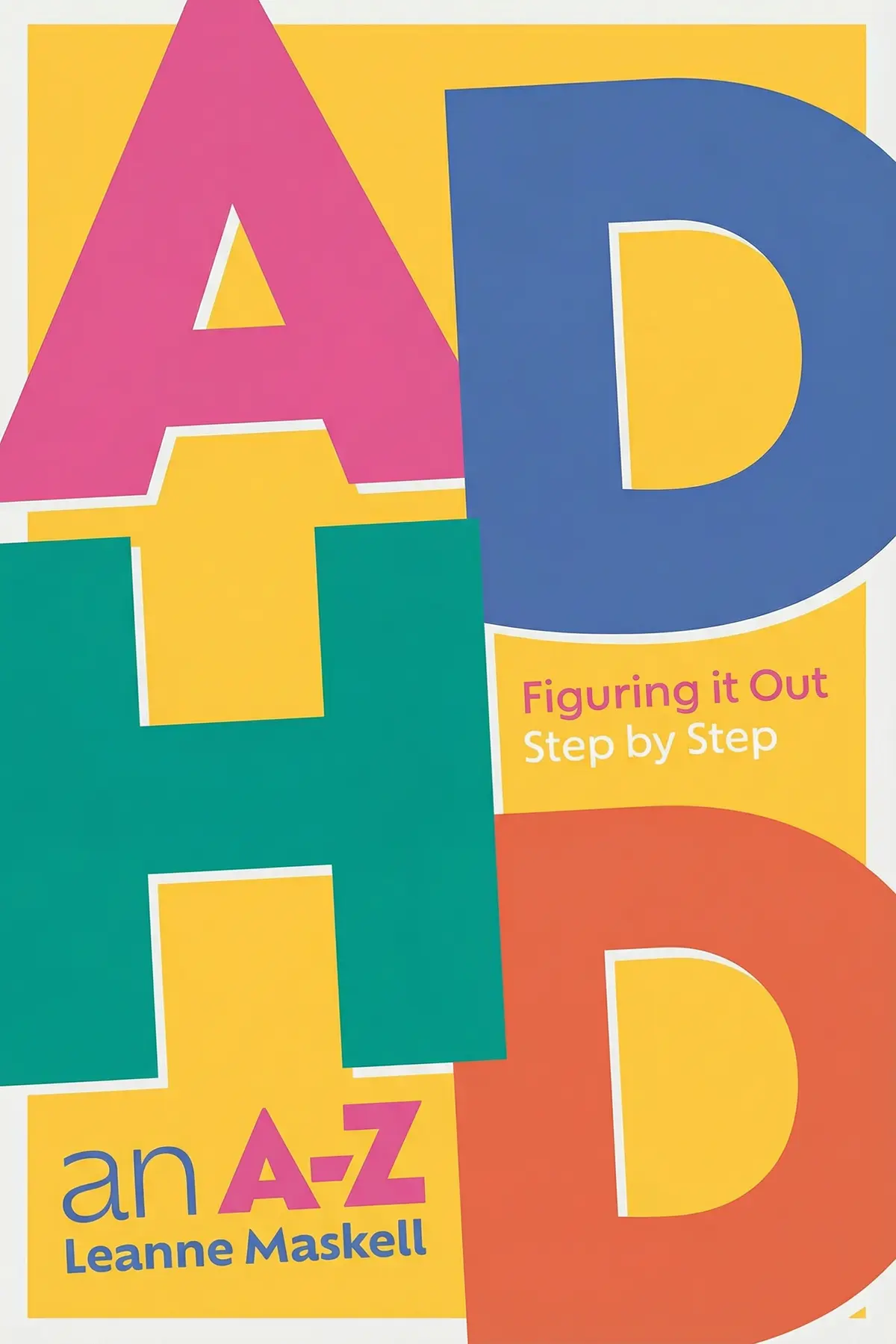
ADHD an A-Z: Figuring It Out Step by Step
Leanne Maskell
AUDIO SUMMARY AVAILABLE
Listen to Practical Optimism in 15 minutes
Get the key ideas from Practical Optimism by Sue Varma, plus 5,000+ more titles in English and Thai.
- 5,000+ titles
- Listen as much as you want
- 7-day free trial
- Cancel anytime







