
A Life Decoded: My Genome: My Life
J. Craig Venter
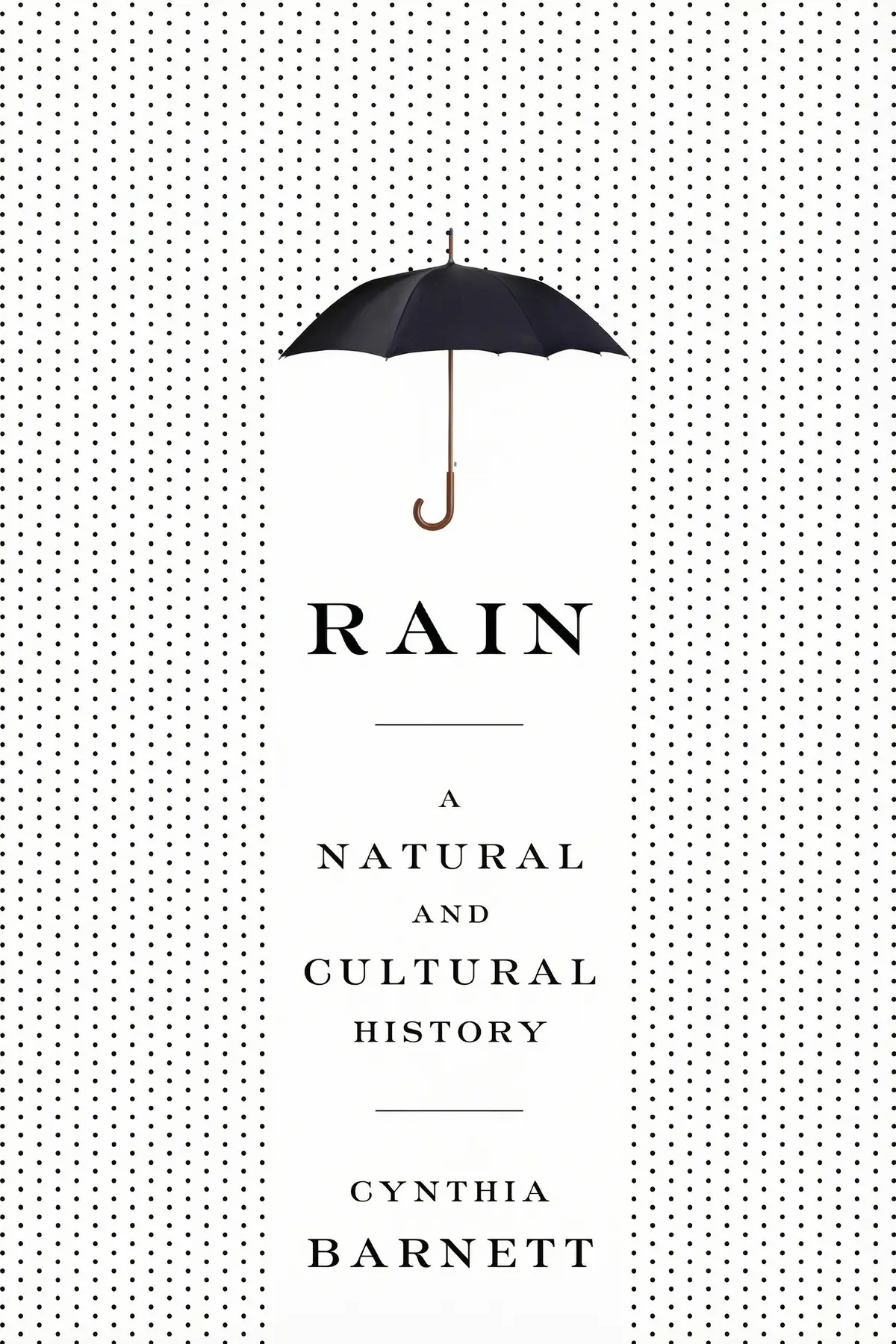
Rain explores the scientific and cultural history of precipitation, detailing how humans have worshipped, measured, and attempted to control the very element that makes life on Earth possible.
1 min 15 sec
Think about the sound of rain for a moment. For many, it is a soothing lullaby—the gentle drumming on a rooftop that signals a time to slow down and seek comfort. For others, throughout human history, that same sound has been a source of profound anxiety or life-saving relief. This dual nature is at the heart of our relationship with the sky. Rain is arguably the most essential element of our existence, the very substance that makes our planet habitable, yet it remains one of the few things in this world we cannot truly govern or fully predict.
In this exploration, we delve into the multifaceted story of precipitation. It is a journey that takes us from ancient rituals where people danced for a single drop, to modern laboratories where scientists track global weather patterns with incredible precision. We will see how rain has built civilizations up and how its absence or overabundance has torn them down. It has inspired our greatest artists and provided a cover for some of history’s most audacious frauds. By the end of this journey, you’ll see those clouds gathering on the horizon not just as a weather event, but as a powerful force that has shaped our culture, our technology, and our very survival.
1 min 45 sec
Rain is a powerful force that sustains civilizations while holding the potential to trigger famine and societal upheaval when the clouds refuse to cooperate.
1 min 30 sec
Tracing the history of meteorology reveals that our ancestors were surprisingly sophisticated in their attempts to quantify and predict the arrival of rain.
1 min 31 sec
From ancient foldable designs to the invention of the modern raincoat, humans have shown incredible ingenuity in their quest to stay dry.
1 min 28 sec
Desperate times often lead to desperate measures, as seen in the history of fraudsters who claimed they could command the clouds for a price.
1 min 29 sec
The pitter-patter of raindrops has served as a profound source of inspiration for musicians, filmmakers, and even modern marketing experts.
1 min 32 sec
Strange reports of falling animals and colored rain are not just myths; they are rare and fascinating meteorological events with scientific explanations.
1 min 09 sec
As we have seen, rain is much more than a simple weather pattern. It is a thread that runs through every aspect of the human experience. It has been our greatest ally in growing the food that sustains us, and our most formidable foe during times of flood and famine. We have tried to capture it in bowls, predict it with telegraphs, and even recreate it through fraudulent chemistry, yet it remains a magnificent mystery that connects us to the ancient cycles of the earth.
Ultimately, the story of rain is the story of our own adaptation and resilience. It teaches us about our vulnerability, but it also highlights our incredible capacity for creativity and scientific advancement. As you step outside after a storm and smell that fresh, earthy scent in the air, remember that you are participating in a relationship that has defined humanity since the very beginning. We must continue to study, respect, and protect this vital resource, for as much as we have learned about the rain, we still rely on its arrival for every breath we take and every crop we harvest.
Rain is a fascinating look at our complex relationship with the weather. This summary explores how rainfall has shaped human history, from the devastating European famines of the 14th century to the birth of the modern weather forecast. It covers the cultural significance of rain in various religions and the long history of the umbrella, showing how every civilization has found its own way to deal with the wet sky. Listeners will also discover the more unusual side of meteorology, including the story of 'rainmakers' who scammed farmers in the American West and the scientific explanations behind bizarre phenomena like falling frogs and colored storms. Beyond science and history, the book touches on how the atmosphere of a rainy day has inspired world-renowned artists and filmmakers. Ultimately, it is a tribute to the one resource we cannot live without and a reminder of the power and mystery that still exists in the clouds above us.
Cynthia Barnett is an award-winning environmental journalist with an extensive background in reporting on water issues across the globe. Her work has taken her from the local rivers of Florida to the innovative water systems of Singapore. She is the author of several acclaimed books, including Mirage, which earned a gold medal at the Florida Book Awards, and Blue Revolution, which was recognized by the Boston Globe as one of the best science books of 2011.
Listeners find this work captivating and accessible, featuring thoroughly investigated material that examines the impact of rainfall on the development of human civilization. The narrative transitions effortlessly between subjects, and listeners value the blend of historical data and compelling prose. They appreciate the author's perspective on climate shifts, as one listener points out the book's fair and steady handling of the topic.
Barnett’s exploration of the cultural weight of weather is absolutely spellbinding. I never expected to be so captivated by the history of the Macintosh raincoat or the legal battles over windshield wipers. Did you know Mary Anderson actually invented them, only to have Henry Ford take the credit later? The book is packed with these little gems that make you see the world differently. Her writing is supple and wise, blending hard science with the human stories that define our relationship with the sky. I particularly enjoyed the sections on how different cultures interpreted storms. It’s a beautifully researched piece of narrative nonfiction that I’ll be recommending to everyone I know. Truly a five-star read for any history buff.
Show moreThis book flows just like its namesake, washing over the reader with a wealth of fascinating trivia. I had no idea the word "nimbus" from Harry Potter had such deep roots in Latin hydrology. Barnett has a gift for making even the driest scientific concepts feel lyrical and urgent. The way she connects the burning of witches to periods of extreme weather was both chilling and illuminating. Look, some people might find the style a bit too "poetic," but I found it refreshing. It’s rare to find a book that can discuss the devastation of polluted rainwater and the beauty of a Dickinson poem in the same breath. Truly a wonderful achievement that makes the mundane feel magical and important.
Show moreNot gonna lie, I cried a little reading about the struggles of those early settlers on the plains. The story of the farmer Uriah and his devastating loss really puts the "history" of rain into a visceral context. Barnett isn't just reciting dates; she's exploring the human soul and its dependence on the elements. This book is beautifully written and clearly researched with a lot of heart. From the ancient Assyrians to modern-day India, the scope is truly global and impressive. I loved the mix of mythology, technology, and environmentalism. It’s the kind of book that stays with you long after you’ve finished the last page. I’ll definitely be buying copies for my gardening friends this holiday season.
Show moreAs someone who finds the smell of petrichor intoxicating, I couldn't resist picking this up. It’s a fascinating look at how rain has shaped everything from our literature to our cleaning products. I was surprised to learn that Americans crave "rain" scents while Europeans often prefer "sun-fresh" aromas. To be fair, the book does jump around quite a bit between topics. One minute you're reading about ancient Roman cisterns and the next you're learning about climate change models. However, Barnett’s voice is so engaging that I didn't mind the meandering path. It feels like a long, thoughtful conversation with a very smart friend who knows everything about the sky. It is easily one of the more unique history books on my shelf.
Show moreFinally got around to reading this after seeing it on several 'best of' lists for science writing. The chapter on Thomas Jefferson building Monticello on a hill away from water was a real eye-opener about human stubbornness. Barnett does a fantastic job showing how rain—or the lack of it—has driven political decisions for centuries. The transition from historical "rainmaking" scams to modern climate science was handled with remarkable balance and grace. My only minor gripe is that the middle section drags a little when it focuses heavily on fashion history and raincoats. Still, the breadth of the research is impressive. It’s a solid read that makes you appreciate every drop that falls from the clouds, even if it feels jumpy in spots.
Show moreEver wonder why we are so obsessed with something as mundane as falling water? Barnett answers that by digging into the strange rains of frogs and the electrocution of church bell ringers. The "Writers on the Storm" section was a personal favorite, though I wish it had gone even deeper into the music side. It’s an uneven book in parts, specifically when it lingers too long on the chemical soups used by 19th-century rainmakers. However, the overall impact is powerful and memorable. She makes a compelling case for why we need to protect our water systems in an era of rapid climate change. It’s a thoughtful, wide-ranging book that covers a staggering amount of ground without getting bogged down in jargon.
Show moreThe intersection of meteorology and human ambition makes for a surprisingly gripping narrative. I picked this up because of the drought crisis in the West and found it incredibly relevant to our current situation. Barnett’s writing is clear and lively, avoiding the trap of becoming too academic or dense for the casual reader. She moves smoothly from the invention of the umbrella to the complexities of modern weather forecasting. While some chapters are definitely more engaging than others—the raincoat history was a bit dry for me—the book as a whole is a triumph of storytelling. It provides a much-needed perspective on how climate change is altering the very patterns of our lives. This is a must-read for any environmental enthusiast.
Show moreIs it a science book or a collection of anecdotes? I struggled with that question throughout the entire read. While I loved the stories about the "rainmakers" and the charlatans who tried to blast water out of the sky with cannons, I wanted more hard science. The natural history of the water cycle felt a bit thin compared to the chapters on poets and songwriters. Frankly, some of the literary analysis felt a bit like a stream of consciousness that didn't always land for me. It’s not a bad book by any means, but it tries to be too many things at once. If you’re looking for a rigorous meteorological text, this might frustrate you with its lyrical tangents. It's okay, but just inconsistent.
Show moreI really wanted to sink into this book while watching a storm from my porch. Unfortunately, the writing style was just too much for me to handle. Barnett relies on these overwrought metaphors that feel like they’re trying too hard to be profound. At one point, she uses a "Think Indiana Jones" line that made me cringe so hard I almost put the book down right then. The lack of clear organization makes it feel like a random collection of "oh, look at this" facts rather than a cohesive history. I appreciate the research that went into this, but the execution felt scattered and a bit too flowery for my taste. It’s a shame because the subject matter is genuinely interesting, but the author's voice is just too distracting.
Show moreTo be fair, the first chapter on the Earth's formation was quite promising. I was ready for a deep dive into the science of how our planet became a water world. But then the book took a sharp turn into "cultural history" and never really looked back. I found myself bored by the long-winded sections on raincoat manufacturing and the lives of obscure poets. It felt like a potpourri of facts thrown together without a strong enough thread to hold them together. I was expecting something more like a textbook and less like a creative writing project. If you love flowery prose and random anecdotes, you’ll like this. But if you want a focused scientific study, you should probably look elsewhere for your information.
Show moreJ. Craig Venter
Carl Zimmer
Bill Bryson
Jeff Hawkins
Lisa Kaltenegger
AUDIO SUMMARY AVAILABLE
Get the key ideas from Rain by Cynthia Barnett, plus 5,000+ more titles in English and Thai.







