
13 min 53 sec
Redesigning Leadership: Simplicity: Design, Technology, Business, Life
By John Maeda
Explore how modern leaders can move beyond digital isolation to embrace empathy, design thinking, and personal connection. John Maeda offers a blueprint for leading with human-centric principles in a technology-driven world.
Table of Content
1. Introduction
1 min 27 sec
In our current landscape, leadership often feels like a series of digital inputs. A manager can oversee a global team from a single laptop, making decisions through spreadsheets and reacting to notifications in real time. We’ve reached a point where logistics are easier than ever, yet the soul of leadership—the ability to connect, inspire, and truly understand the people on the ground—often feels more distant than it used to. This brings us to a critical crossroad: as our tools become more sophisticated and automated, how do we prevent our leadership style from becoming mechanical?
John Maeda, a visionary who has navigated the worlds of technology, design, and high-level administration, suggests that the answer lies in a fundamental redesign. He argues that the true measure of a leader isn’t found in their job title or their ability to command through a screen. Instead, it’s found in their willingness to be human. This journey isn’t just about making businesses run more smoothly; it’s about transforming the very nature of authority from something cold and top-down into something warm, collaborative, and deeply principled.
Over the course of this summary, we will explore the core pillars of this philosophy. We’ll look at why the most powerful thing a leader can do is simply show up, how to cut through the noise of digital communication with a personal touch, and why the most respected leaders are those who aren’t afraid to show their mistakes. The throughline here is simplicity: stripping away the ego and the distance to find the human heart of leadership.
2. The Power of Proximity and Mobile Leadership
2 min 23 sec
Stepping out from behind the desk is the first step toward true organizational understanding. Discover why physically being present changes the dynamic of your team.
3. Authentic Communication in a Digital Age
2 min 15 sec
Clarity is essential, but it is the human touch that makes a message resonate. Learn how to bridge the gap between digital convenience and personal connection.
4. Cultivating Productive Gatherings
2 min 19 sec
Meetings are often the most dreaded part of the workday. Discover how to transform them into high-value sessions that people actually want to attend.
5. Living by a Moral Compass
2 min 13 sec
Authentic leadership is built on a foundation of principles, not just policies. Explore why your personal values must align with your professional actions.
6. The Integrity of Admitting Mistakes
2 min 04 sec
True respect is earned through humility, not perfection. Discover why a sincere apology can be a leader’s most powerful tool for building trust.
7. Conclusion
1 min 12 sec
Redesigning leadership is ultimately about returning to our human roots. In a world that often feels dominated by cold algorithms and distant management styles, the most effective tool a leader has is their own humanity. Throughout this exploration, we’ve seen that being a great boss isn’t about sitting in a high office or mastering the latest software; it’s about being present, communicating with warmth, and standing firmly by your principles.
The throughline here is clear: simplicity and connection are the keys to modern success. When you step out of your office to help a new employee, when you take the time to write a personal note, or when you have the courage to apologize for a mistake, you are building a culture of trust and respect. You are moving from being a mere manager of tasks to being a leader of people.
As you move forward, remember that your team doesn’t need a perfect figurehead; they need an authentic human being. Trust them with the freedom to do their best work, show them the appreciation they deserve, and never let your title get in the way of your integrity. Leadership is a journey of constant learning and adaptation, and by keeping it simple and keeping it human, you will not only reach your goals but inspire everyone around you to reach theirs as well.
About this book
What is this book about?
In an era where management can be handled from a computer screen, the human element of leadership is often the first thing to disappear. This summary explores the philosophy of John Maeda, who argues that the most effective leaders aren't just authoritative figures, but individuals who lead with empathy, clarity, and a deep commitment to their principles. Through personal anecdotes from his time as a college president and insights from the worlds of design and technology, Maeda explains how to bridge the gap between being a boss and being a person. You will learn the importance of proximity—physically being present where the work happens—and the art of communicating with a personal touch that transcends digital boundaries. From streamlining meetings to the power of a public apology, the promise of this exploration is a redesigned approach to leadership that favors simplicity and authenticity over bureaucratic distance.
Book Information
About the Author
John Maeda
John Maeda is a multi-talented author, computer scientist, and graphic designer who served as the president of the Rhode Island School of Design. His work often explores the intersection of design, technology, and leadership. In 1999, Esquire magazine recognized his influence by naming him one of the 21 Most Important People of the Twenty-First Century.
Ratings & Reviews
Ratings at a glance
What people think
Listeners enjoy the work’s innovative take on leadership through a design lens, with one listener highlighting how humor bolsters the material. The style is brief and effective, resulting in an experience that listeners consider worthwhile and simple to digest. Responses to the length are varied, with several listeners pointing out that it is short.
Top reviews
Ubolrat
As a designer who recently stepped into a management role, this felt like a roadmap written specifically for my brain. Maeda captures that specific discomfort of moving from an 'organization of one' at MIT to leading a massive community at RISD. The idea that a creative leader must lead with 'dirty hands' resonates deeply with me; it’s about staying connected to the craft while managing the chaos of humans. I found his focus on simplicity refreshing in a field that usually prizes complex jargon. While some complain about the brevity, I think the concise nature of the text is its greatest strength. It doesn't waste your time with filler. Instead, it offers pithy, actionable insights that require you to pause and reflect. The section on cognitive dissonance—learning best when we are wrong—is something I plan to share with my entire team. Truly a gem for those who lead with empathy.
Show moreViroj
Wow, I didn't expect a leadership book to make me feel so 'seen' as a creative professional. Most business books treat employees like components in a machine, but Maeda treats them like artists who yearn to struggle. He understands that the word 'leadership' can be an anathema to creative folks because it usually implies rigid authority. By framing the leader as a 'technologist' or a 'human,' he bridges the gap between the chaotic creative process and the order needed to run an organization. Personally, I loved the Japanese saying he included: 'Above up, there is something even higher above up.' It’s a humbling reminder that the work of a leader is never truly finished. The book is short and sweet, yet it manages to be deep and accurate. It’s about the craft of subtlety and the importance of being heard. If you care about your work, you will find substance here.
Show moreSayan
This book argues that leadership is a craft, not just a set of administrative tasks. Designers are trained to solve problems through making and iterating, and Maeda applies that same philosophy to leading people. I loved the idea that watching something being made is the most powerful way to understand it. When he converts a standard meeting into a critique, he changes the entire power dynamic of the room. It’s about finding the truth and then showing why it matters. The book is immensely readable and manages to convey deep philosophical truths through simple, personable stories. I especially appreciated the tidbit about how he felt like an 'organization of one' for so long. That transition to a 'more-than-one' mindset is the hardest part of any career. This book should be on the desk of every art director and tech lead. It’s short, punchy, and incredibly valuable.
Show moreChaiwat
John Maeda brings a refreshing, almost humble vulnerability to a genre usually filled with over-confident 'how-to' guides. This isn't a manual; it’s a parable about a technologist learning to be a human being in a position of power. I specifically appreciated the distinction he makes between analytical people who reduce problems to parts and artists who feel what is right in the moment. The writing style is brisk and successful, making it an easy weekend read. However, I do wish he had expanded more on the actual 'constructive conflict' he faced at RISD. He hints at the rumors and the broken trust but stays a bit too high-level for my taste. Still, the core message is clear: leadership is about earning respect through direct talk and clarity. It’s a sophisticated look at the subtlety of power that most corporate types would find enlightening.
Show morePim
The intersection of technology and art creates a strange friction that Maeda navigates with surprising humor. After hearing so much about his work at the MIT Media Lab, I was curious how he handled the transition to a more traditional institutional role. His realization that he was missing a sense of simplicity is something many leaders can relate to. We tend to over-complicate things to feel important. Maeda argues for the opposite. The shortest communication path is straight talk, and he advocates for this through his own admitted mistakes. I found the section on 'meetings as critiques' to be a game-changer for my own studio practice. It opens you up to criticism, but it also accelerates the learning process. It’s a short book, but every page has at least one sentence that makes you stop and re-evaluate your own management style. Differences really do drive deliciousness in a team.
Show moreSin
What happens when an analytical MIT professor takes over a prestigious art school? This book answers that question with a mix of vulnerability and design-thinking. Maeda’s journey is fascinating because he admits he wasn't just missing a degree; he was missing a connection to his own humanity as a leader. He writes about how votes are blind and measurable but too simplistic to capture the complexity of human opinion. I’ve been thinking a lot about his point that 'sophistication is the craft of subtlety.' In a world of loud, aggressive leadership, his call for clarity and straight talk feels radical. Not gonna lie, I was skeptical of the short length at first. But after reading it twice, I realized that what it lacks in efficiency, it makes up for in improved clarity. It’s a great reminder that when trust is broken, you simply have to start over. Essential reading for creative heads.
Show moreAndrew
Finally got around to finishing this during my morning commute, which tells you exactly how quick of a read it is. The book just scratches the surface on the subject of creative leadership, floating from idea to idea without staying in one place long enough to build a cohesive argument. Look, there are some great phrases here—I especially loved the thought that 'doing right matters more than being right.' But the format is a bit disjointed. It jumps between his background as a professor and his time as a president with a pace that feels rushed. I enjoyed the humor and the focus on making and iterating, which is a very designer-centric way to view management. However, for the price of a hardcover, I wanted more than eighty pages of expanded tweets. It’s a nice contribution to the field, but it lacks the weight I was hoping for.
Show moreKwame
Frankly, there is plenty of wisdom tucked between these pages, but I found the cryptic nature of the prose frustrating at times. Maeda is clearly a brilliant mind, but his preference for brevity sometimes borders on the inaccessible. He draws to make sense of things, which is great for him, but as a reader, I sometimes felt like I was looking at a half-finished diagram. For an artist, 'doing the right thing' might be about a feeling in the moment, but in a large organization, people usually need a bit more logic to follow. I appreciated his honesty about the 'rumors are like tumors' aspect of institutional life, yet I wanted more concrete examples of how he managed those crises. It’s a beautiful object of a book, but it functions more as a collection of meditations than a practical guide for those of us in the trenches of middle management.
Show moreHiroshi
Not what I expected given the hype around Maeda, but I appreciate the honesty regarding his failures. The book is a bit of an oddity. It’s not quite a memoir and not quite a business book. It lives in this middle space where it feels a bit like a gallery catalog for his thoughts on RISD. Some of the takeaways are gold—like the idea that being prepared is just knowing you won't give up if you fail. However, other parts feel like they were written for a very specific audience of elite designers. Got to say, the brevity is a double-edged sword. You can read it in a single sitting, but you might also feel like you missed the middle chapters. It’s a nice contribution to the subject of leadership and empathy, but it only scratches the surface. Good for a quick shot of inspiration, but don't expect a deep tactical framework.
Show moreNang
Is it a book, or just a very expensive printed version of a Twitter timeline? Truth is, I was expecting a deep dive into organizational strategy, but instead, I got an 80-page collection of cryptic aphorisms. If you follow John Maeda on social media, you’ve basically already read this tome. He spends so much time explaining his own pithy tweets that the actual substance of leadership gets lost in the aesthetics. It feels more like a self-indulgent art project than a helpful guide for struggling managers. To be fair, a few lines about the difficulty of being a human leader are poignant, but they are buried under layers of fluff and 'artist' posturing. I finished it in less than an hour and felt like I had eaten a meal of pure cotton candy—sweet at first, but ultimately lacking any real nutrition. If you want a rigorous look at design leadership, look elsewhere.
Show moreReaders also enjoyed
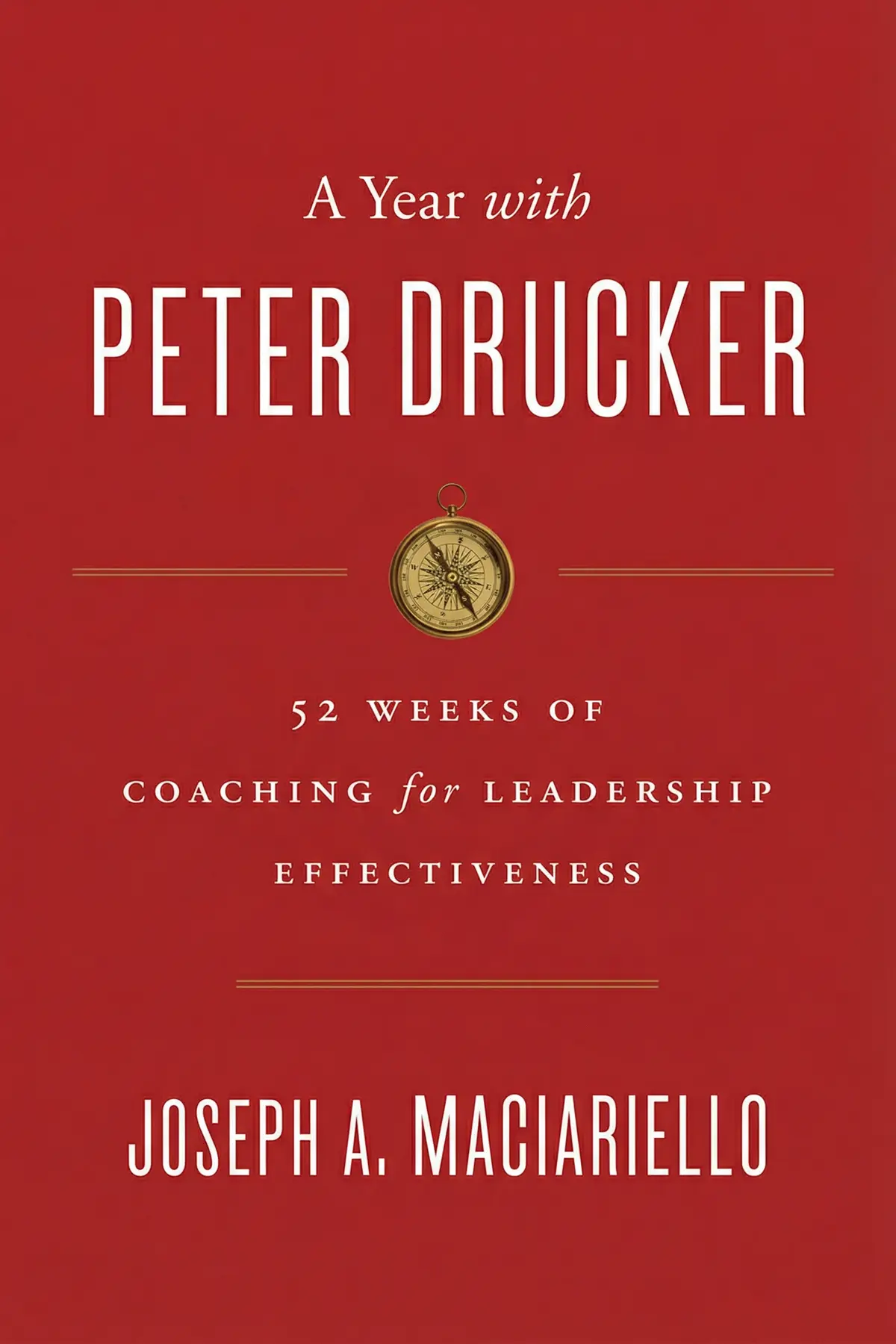
A Year with Peter Drucker: 52 Weeks of Coaching for Leadership Effectiveness
Joseph A. Maciariello
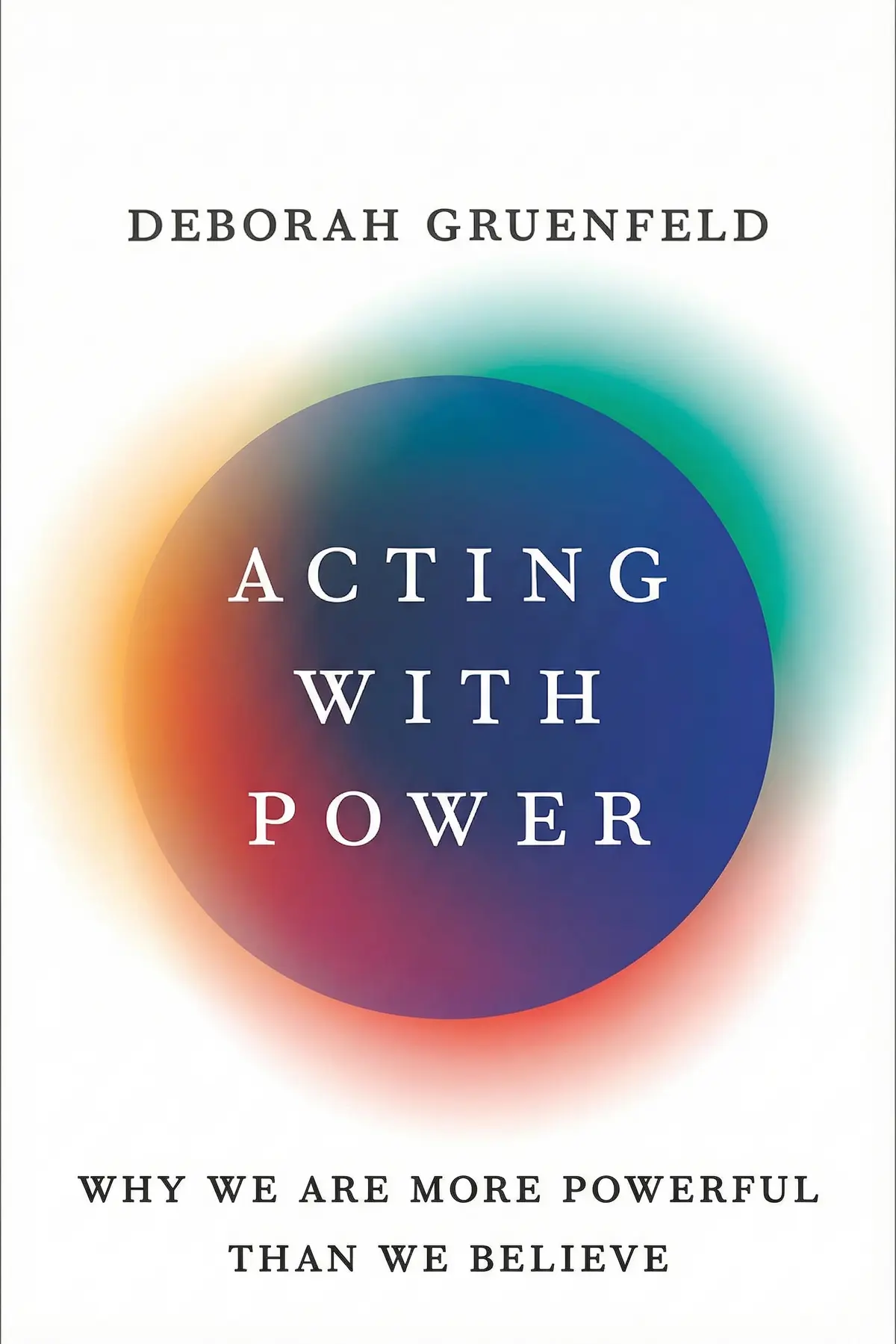
Acting with Power: Why We Are More Powerful Than We Believe
Deborah Gruenfeld
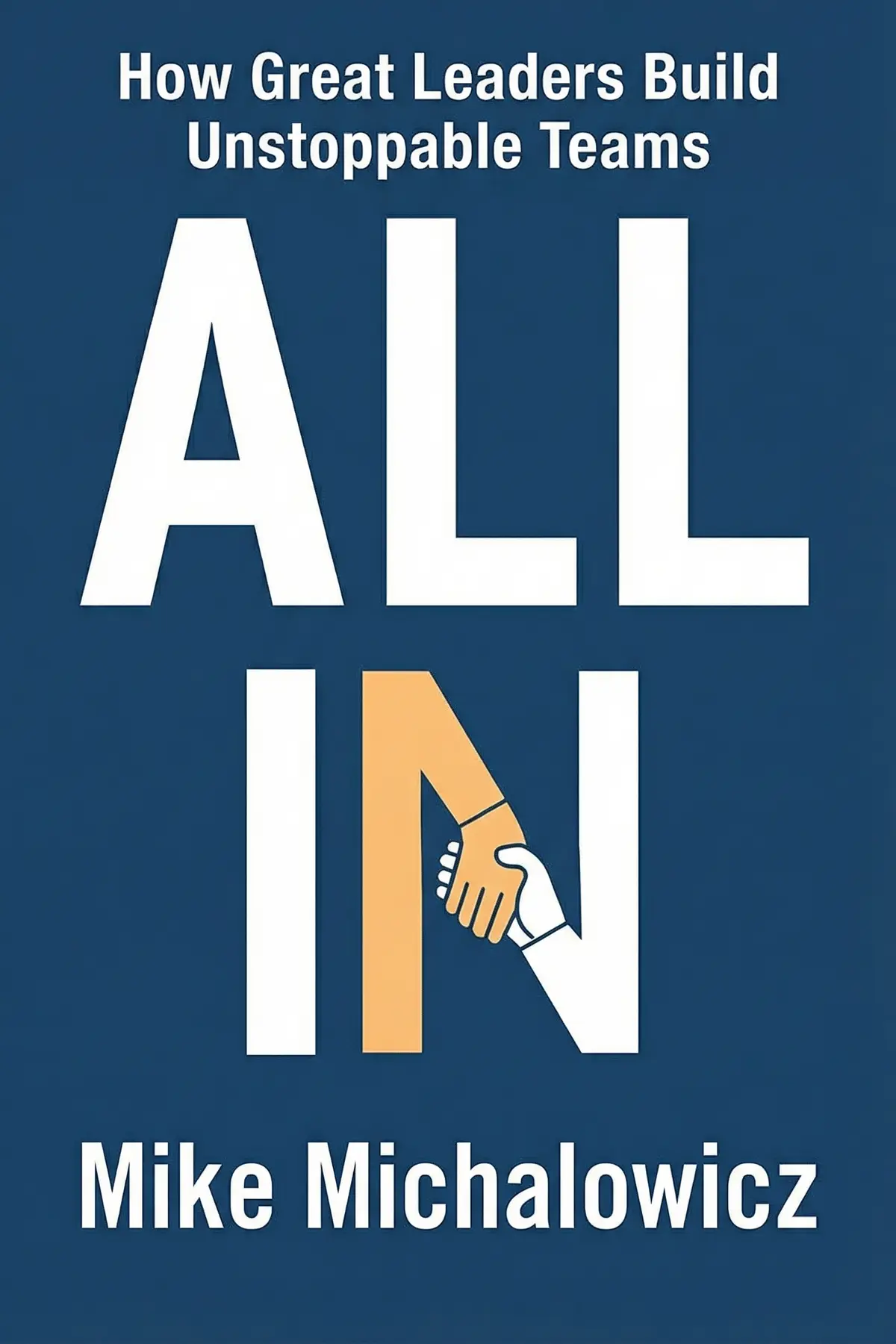
All In: How Great Leaders Build Unstoppable Teams
Mike Michalowicz
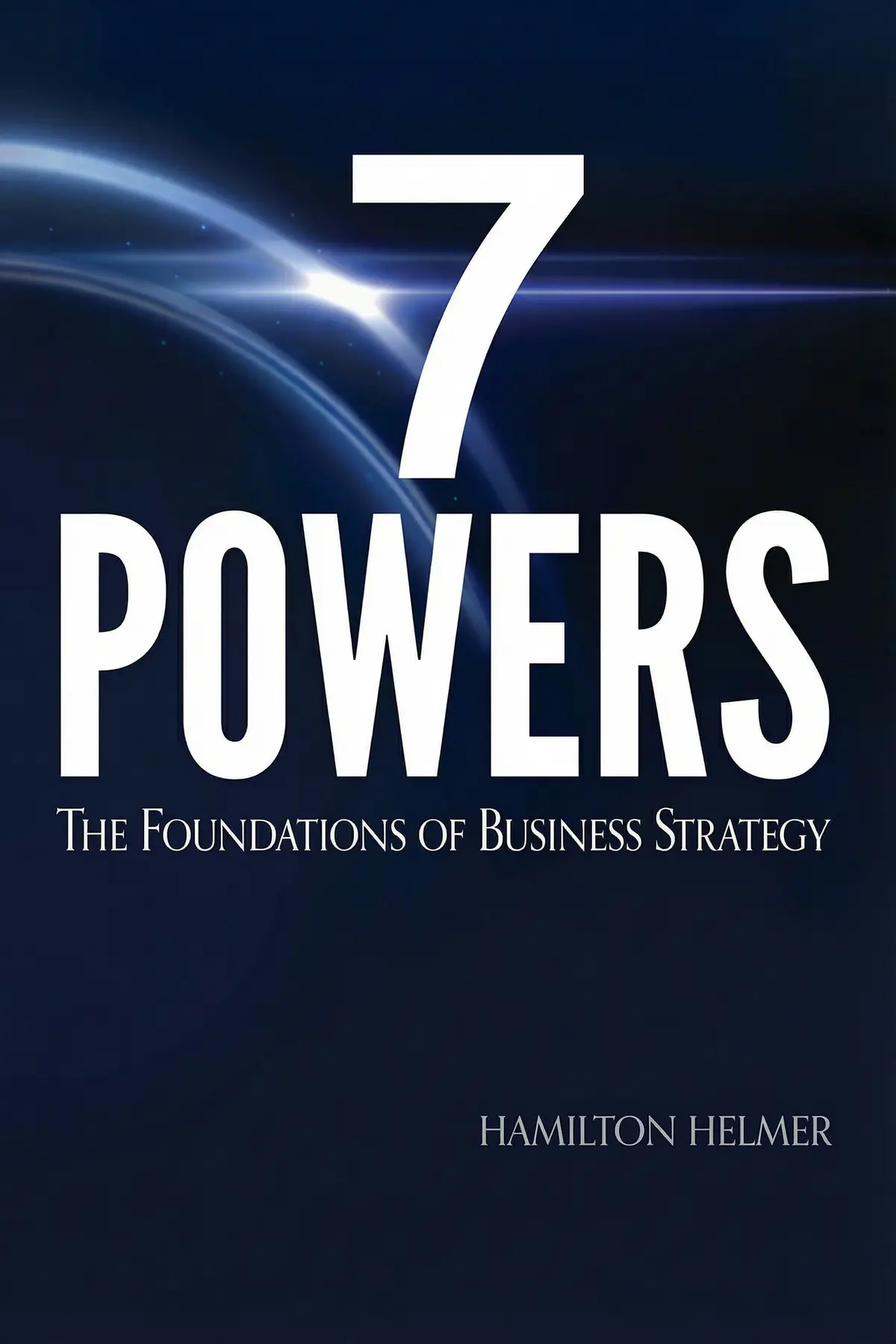
7 Powers: The Foundations of Business Strategy
Hamilton Helmer

A Bigger Prize: How We Can Do Better Than the Competition
Margaret Heffernan
AUDIO SUMMARY AVAILABLE
Listen to Redesigning Leadership in 15 minutes
Get the key ideas from Redesigning Leadership by John Maeda, plus 5,000+ more titles in English and Thai.
- 5,000+ titles
- Listen as much as you want
- 7-day free trial
- Cancel anytime







