
20 min 02 sec
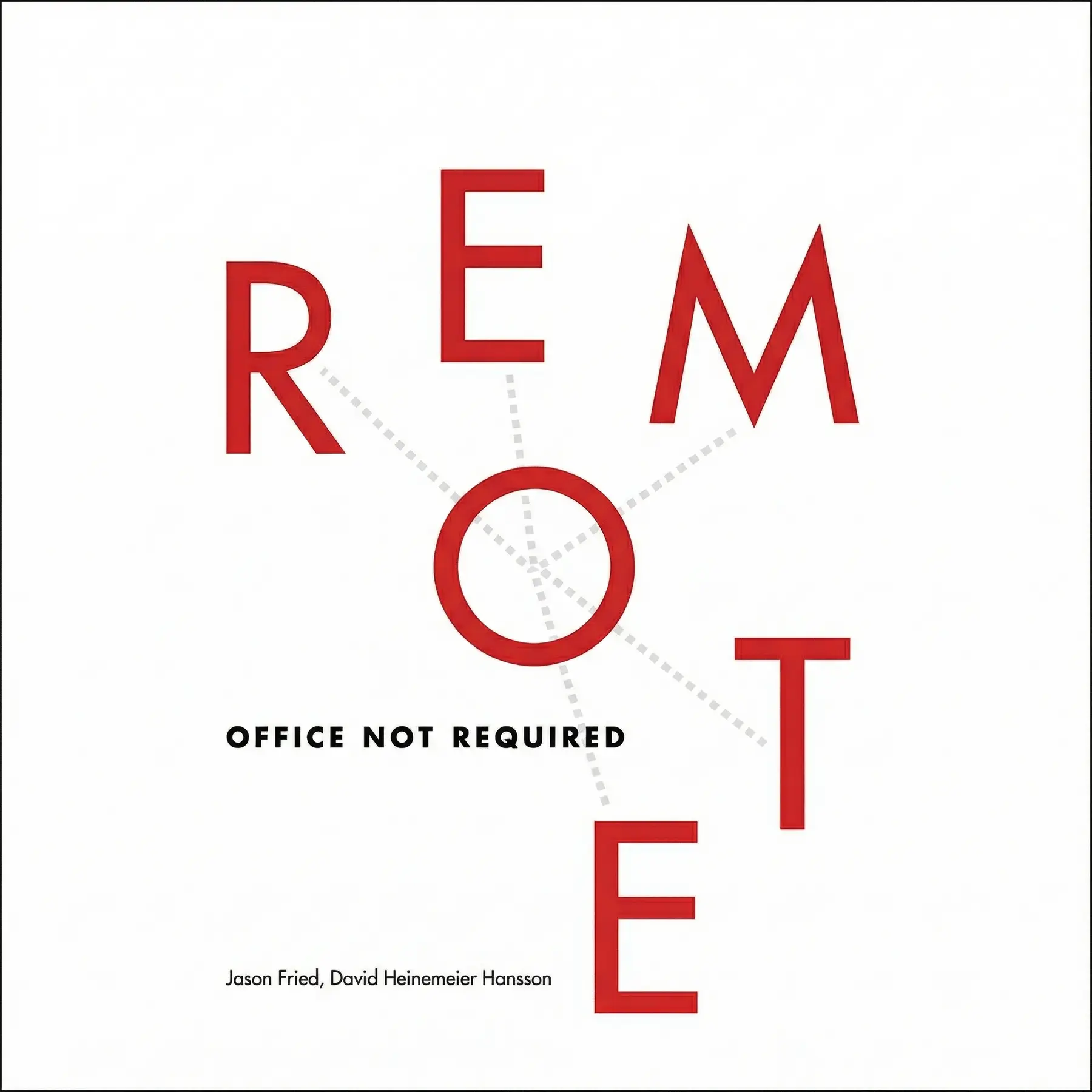
Remote: Office Not Required
Remote explores the shift toward working outside traditional offices. It offers strategies for managing distributed teams, boosting individual productivity, and overcoming the common cultural and logistical hurdles of working from anywhere.
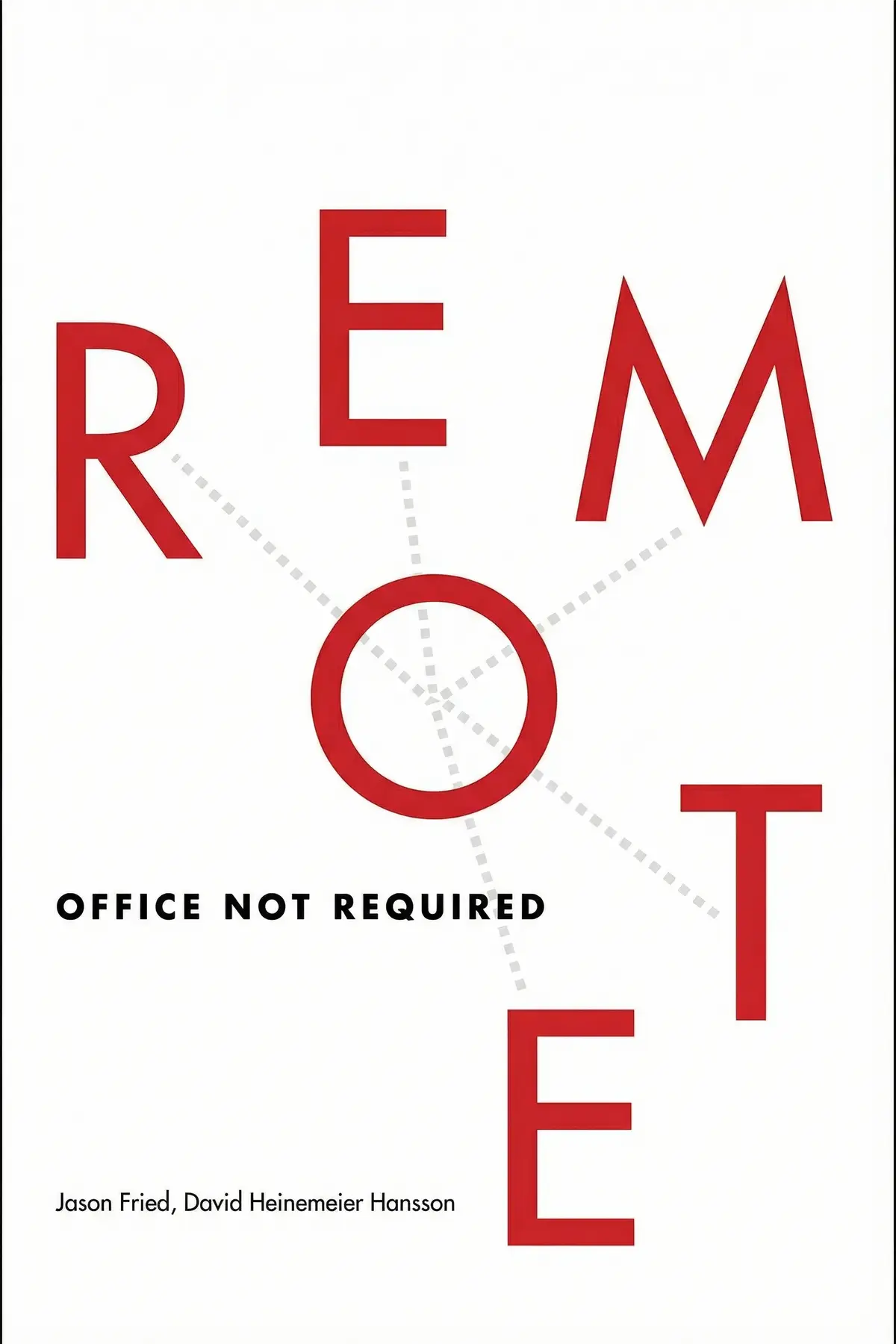
Table of Content
1. Introduction
1 min 58 sec
When you close your eyes and imagine the concept of work, what do you see? For most people, the mental image is immediate: a sea of cubicles, a hum of fluorescent lights, and rows of desks where employees tap away at keyboards while managers walk the aisles. We’ve been conditioned to associate professional output with a specific physical location. We think of the afternoon meeting in the windowless conference room, the casual gossip by the water cooler, and the ritual of the brown-bag lunch. But as technology has advanced, a quiet revolution has taken place. The traditional 9-to-5 office setup, once a necessity of the industrial age, has become an optional relic in the digital age.
Modern information sharing has fundamentally rewritten the rules of engagement. We no longer need to be sitting within earshot of our colleagues to collaborate on a spreadsheet or finalize a marketing campaign. This shift isn’t just a convenience for the worker; it represents a massive opportunity for the employer. As companies begin to embrace the flexibility of working from anywhere, they are discovering that the benefits go far beyond saving on rent. However, this transition isn’t without its growing pains. Managing a team you can’t see requires a different set of muscles and a new philosophy of trust.
In the following pages, we are going to explore why the office might be the worst place to get work done and how liberating your team from their desks can lead to higher quality results. We will look at the strategies used by successful remote companies to keep their cultures alive without face-to-face interaction and how individuals can stay focused and healthy when their home is also their headquarters. This is about more than just working from home; it’s about a new way of living that prioritizes talent and results over geography and tradition. Let’s look at how the strings that once tied us to our cubicles have finally been cut.
2. Accessing Global Talent and Retaining Top Performers
2 min 07 sec
Discover why limiting your hiring to a specific city is a competitive disadvantage and how remote options can save you from losing your best people.
3. Empowering Productivity and Personal Fulfillment
1 min 54 sec
Learn how breaking free from the standard office schedule allows individuals to work when they are at their best and live more balanced lives.
4. The Office as a Source of Distraction
2 min 12 sec
Explore the counterintuitive reality that moving away from the office actually leads to more focused and higher-quality work.
5. Culture and Innovation Beyond the Four Walls
2 min 06 sec
Understand why company culture is about shared values rather than shared space, and how to innovate without being in the same room.
6. Strategies for a Smooth Remote Transition
1 min 51 sec
Learn how to test the remote work waters without putting your entire organization at risk through a gradual and measured approach.
7. Maintaining Communication and Synchronicity
2 min 11 sec
Discover the essential ground rules for digital collaboration that ensure your team stays connected and projects keep moving forward.
8. Nurturing Social Bonds in a Virtual Environment
2 min 04 sec
Learn how to combat the isolation of remote work by creating digital spaces for casual interaction and maintaining human connections.
9. Managing the Risks of Overwork and Exclusion
2 min 15 sec
Address the hidden dangers of the remote life, from the trap of never-ending workdays to the feeling of being a second-class citizen.
10. Conclusion
1 min 24 sec
The transition to remote work is more than just a change in location; it is a fundamental shift in the philosophy of management and the definition of a career. We have seen how the traditional office often serves as a barrier to productivity, trapping talented people in a cycle of interruptions and rigid schedules. By breaking these chains, companies can access a global marketplace of skill and offer their employees a quality of life that was previously unimaginable. The evidence is clear: when you trust your people and focus on the quality of their output rather than the hours they spend in a chair, everyone wins.
As you move forward, remember that the key to a successful remote culture is a combination of trust, technology, and intentionality. Use the right tools to stay connected, but never forget the human element. Be mindful of the risks of burnout and work-life blurring, and proactively build bridges to prevent isolation. Whether you are a manager looking to optimize your team or an individual seeking more freedom, the remote path offers a way to work that is more efficient, more humane, and more sustainable. The age of ‘office not required’ has arrived. It is time to embrace the freedom of the modern workplace and build a future where work is something we do, not a place we go.
About this book
What is this book about?
For decades, the office has been the undisputed center of the professional universe. We have been taught that productivity requires a desk, a manager’s watchful eye, and a commute. Remote challenges this foundational assumption, arguing that the modern office has actually become a primary source of distraction rather than a hub of efficiency. By leveraging today’s digital tools, companies can finally move past the geographic limitations of the past. This book provides a comprehensive roadmap for both employers and employees to thrive in a decentralized environment. It promises a future where the best talent is hired regardless of location, where workers reclaim their personal lives, and where the quality of work—rather than hours spent in a chair—becomes the only metric that matters. From maintaining social bonds to preventing burnout, it addresses the very real complexities of the remote transition.
Book Information
About the Author
Jason Fried
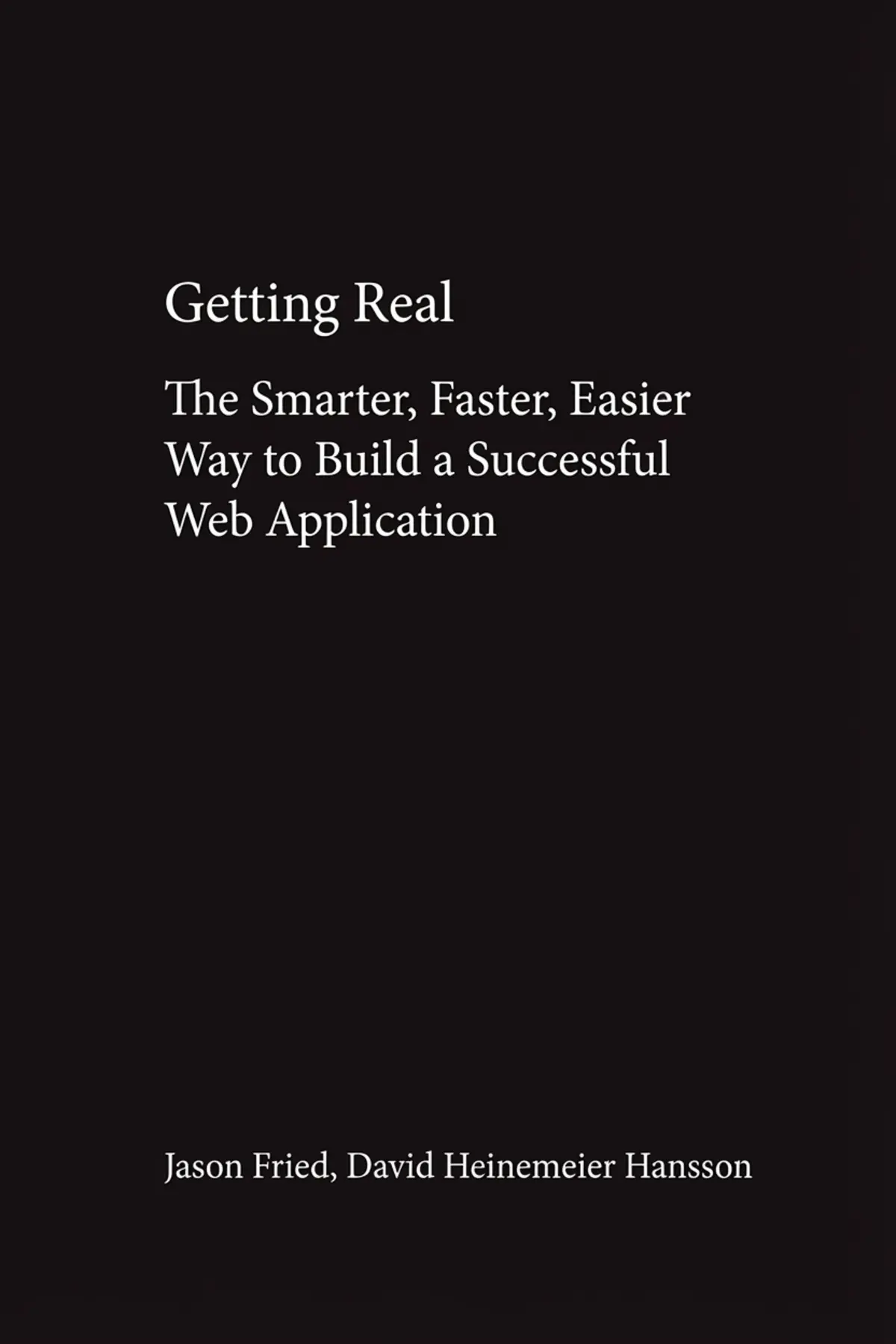
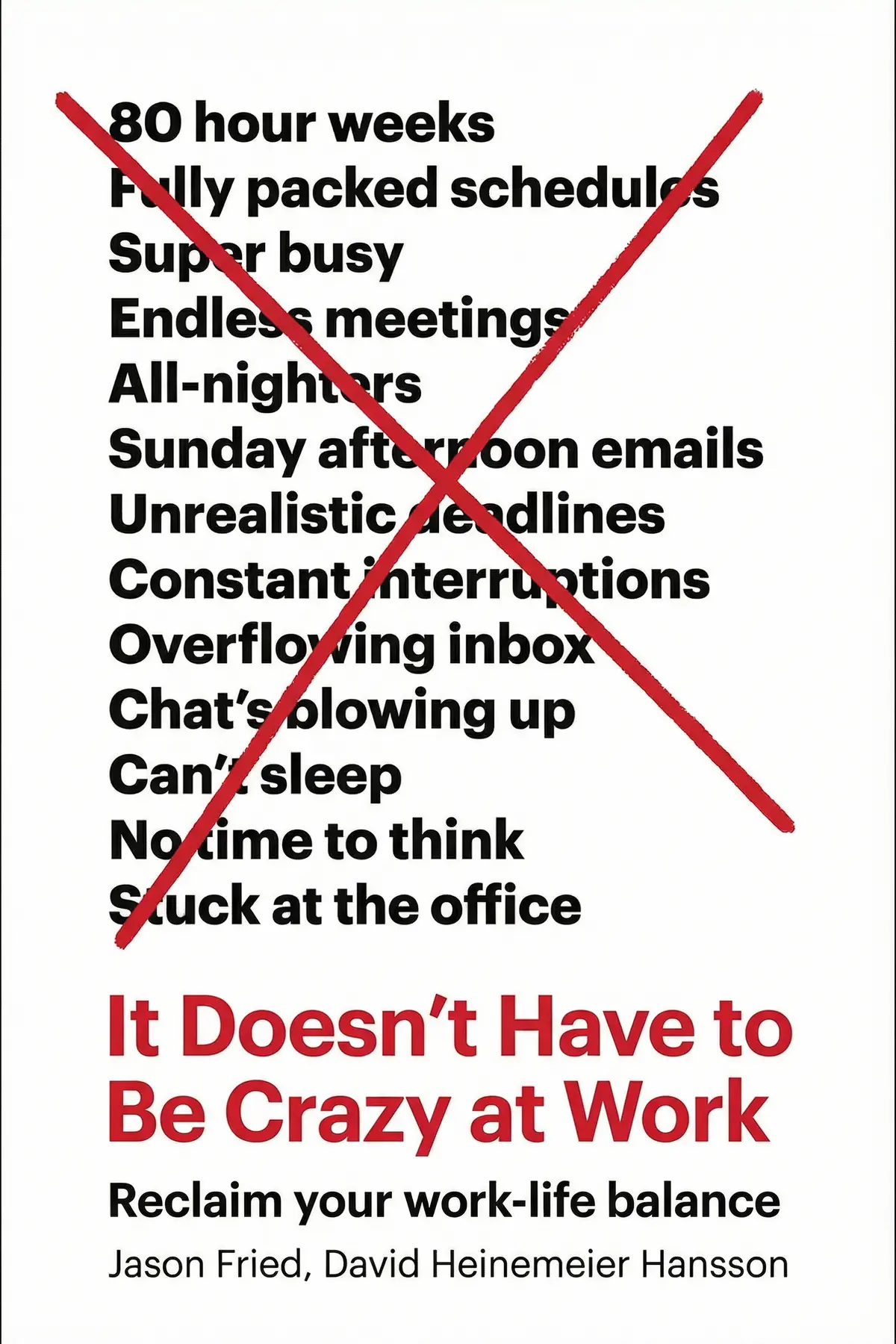
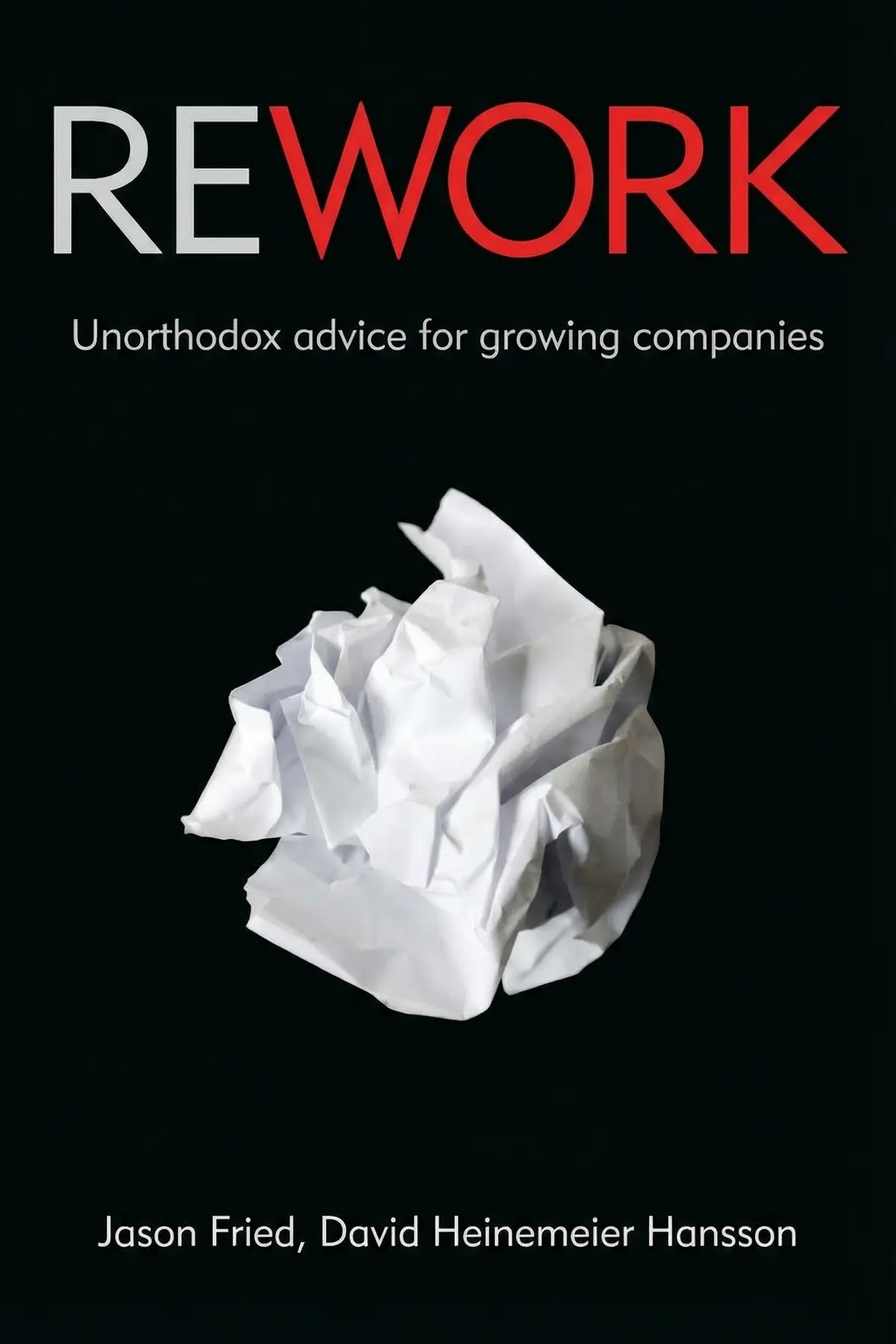
Jason Fried is a co-founder of the web application company 37signals, where David Heinemeier Hansson also serves as a partner. In early 2014, the firm rebranded as Basecamp. Together, the pair has authored several influential and best-selling business books, including Rework and Getting Real, focusing on software development and organizational efficiency.
Ratings & Reviews
Ratings at a glance
What people think
Listeners find the book worthwhile and simple to follow, full of useful details rooted in firsthand experience. They also value its thorough exploration of remote work elements and its no-nonsense approach. The writing is described as motivating and clear, offering solid pointers throughout. However, listeners are divided on the work's length, as some find it brief while others think it's too lengthy.
Top reviews
Pla
Finally got around to reading this manifesto on the future of employment. Fried and Hansson have crafted a compelling argument that challenges every traditional notion of the nine-to-five grind. While some might find the short, punchy chapters a bit disjointed, I found the pace refreshing and incredibly easy to digest during my commute. The authors draw deeply from their own journey at Basecamp, offering a blueprint that feels both revolutionary and grounded in real-world success. My only gripe is that it feels a bit light on technical implementation, but as a source of inspiration, it's unmatched. It truly changed how I view my daily output versus my physical presence in an office.
Show moreGabriel
This book is a masterclass in modern work philosophy that every manager should be required to read immediately. Jason Fried and DHH have a way of cutting through the corporate fluff to address the core of what makes people productive and happy. The layout is clean, the tone is punchy, and the insights are based on years of successful experimentation rather than academic theory. I loved the emphasis on deep work and the protection of an employee's time from unnecessary interruptions. It’s rare to find a business book that is this inspiring while remaining so easy to read in a single sitting. It completely reframes the office as a place of interruption rather than a place of work.
Show moreMaria
Wow, it’s refreshing to see authors who actually practice what they preach in such a transparent and successful way. Fried and Hansson dismantle the 'collaboration' myth that requires everyone to be physically huddled in a conference room to get things done. The book is comprehensive in its coverage of the remote lifestyle, touching on everything from ergonomic setups to the psychological shift required for managers. I found the writing style to be incredibly engaging and direct, avoiding the jargon that usually bogs down business literature. It provides a roadmap for a more humane way of working that respects individual autonomy and focuses on results. This should be standard reading for the digital age, regardless of your current office situation.
Show moreCamila
As someone who has spent a decade in a cubicle, this book felt like a breath of fresh air. The truth is, most of our office time is wasted on 'meetings about meetings' and water-cooler gossip that doesn't move the needle. Fried and Hansson provide a straightforward approach to reclaiming your productivity by embracing the remote model. I particularly appreciated the sections on trust and how to manage a team you can't physically see every hour. Some of the arguments feel a bit like a sales pitch for their own software, but the core philosophy is sound. If you are struggling to find a better work-life balance, this might just be the push you need.
Show moreDarius
Look, if you need a manifesto to convince your boss to let you work from home, this is your bible. The book is packed with ammunition to counter every old-school objection management might throw your way about productivity or team bonding. It’s beautifully designed and the illustrations make the concepts stick, even if the text itself is somewhat thin on data. I found the advice on prioritizing 'meaningful work' over 'physical presence' to be particularly impactful for my current role. Even if you don't agree with every point, it forces you to question why we still follow industrial-age rules in a digital world. It is short, but the impact of its message lingers long after you close the back cover.
Show moreTantipat
Picked this up during my transition to a distributed team and found it to be a very objective guide to the pitfalls of the transition. The authors don't hide the fact that remote work is hard, but they argue convincingly that the benefits of freedom and global talent far outweigh the costs. I particularly liked the discussion on time zones and how a few hours of overlap can actually be a productivity superpower. Some critics say it’s biased, but in my experience, you need this kind of strong opinion to break through old habits. The book provides decent tips on everything from security to fighting off the loneliness that can sometimes creep in. It’s a solid four-star read.
Show moreNarong
The chapter on company culture really missed the mark for me because it felt far too simplistic for a complex corporate environment. Frankly, the writing style reminds me of a series of loosely connected blog posts rather than a cohesive, deep-dive business manual. While the authors are clearly pioneers in the virtual space, their advice often ignores the regulatory hurdles of industries like healthcare or finance where privacy is paramount. It’s a quick read, and there are certainly some nuggets of wisdom regarding asynchronous communication that I’ve started using. However, I was left wanting more 'how-to' and a lot less 'why-you-should.' It's a decent primer, but don't expect a comprehensive roadmap for every niche.
Show moreOscar
Ever wonder why some remote teams thrive while others crumble into a mess of missed emails and toxic chat threads? This book touches on those issues but frequently offers 'just trust people' as the primary solution, which feels a bit naive in a large organization. To be fair, the authors have built a massive company on these principles, so their perspective carries significant weight. I enjoyed the sections on how to hire when your talent pool is the entire world instead of a thirty-mile radius. Yet, the pacing felt uneven, and some chapters ended so abruptly that I had to check if I’d accidentally skipped a page. It’s a fine introduction for the uninitiated, but seasoned remote workers might find it repetitive.
Show moreHiroshi
Personally, I found this to be a tricky book to review because while the sentiment is great, the execution feels a bit like a sales pitch. It is quite short, and the large font and numerous illustrations make it feel even thinner than its page count suggests. The truth is, many of the 'practical solutions' are things most tech-savvy professionals have already figured out through trial and error over the last few years. I was hoping for more rigorous strategies for maintaining long-term team cohesion without the benefit of physical proximity. It’s a good tool for persuasion if you have a skeptical boss, but it lacks the depth of a true 'how-to' manual. Still, it’s a quick and enjoyable read with decent tips.
Show moreWatchara
Not what I expected after hearing so much hype about the 37signals guys and their revolutionary work culture. The book relies heavily on strawman arguments, often comparing the best-case remote scenario to the worst-case office environment imaginable. In my experience, remote work introduces massive hurdles in collaboration and spontaneous innovation that the authors simply gloss over with breezy anecdotes. They suggest that a few hours of overlap is enough for global teams, yet they ignore the reality of burnout for those working graveyard shifts to make it happen. It felt more like a promotional pamphlet for their brand than a serious study on organizational behavior. I finished it feeling more frustrated by the gaps in logic than empowered.
Show moreReaders also enjoyed

AUDIO SUMMARY AVAILABLE
Listen to Remote in 15 minutes
Get the key ideas from Remote by Jason Fried, plus 5,000+ more titles in English and Thai.
- 5,000+ titles
- Listen as much as you want
- 7-day free trial
- Cancel anytime







