
14 min 51 sec
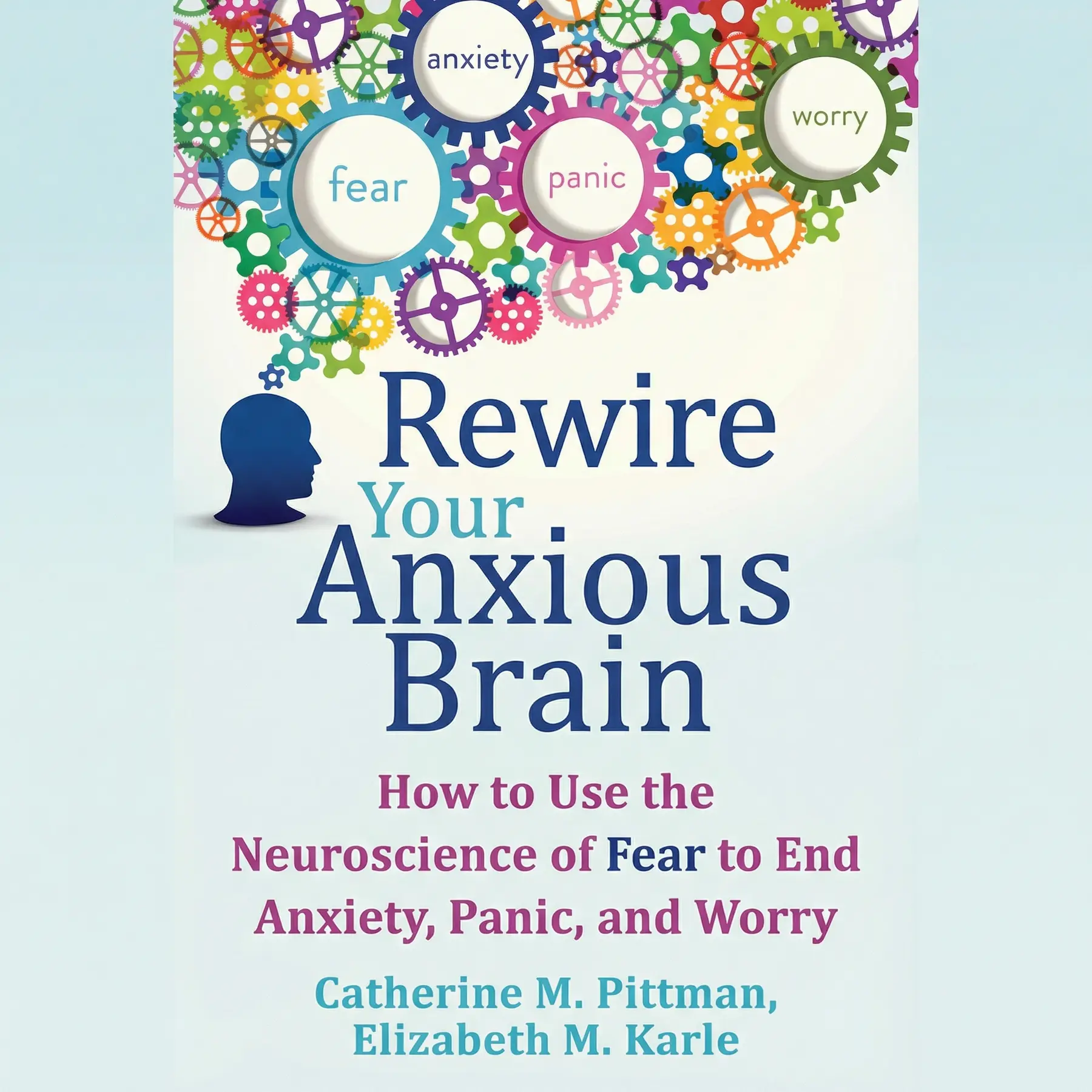
Rewire Your Anxious Brain: How to Use the Neuroscience of Fear to End Anxiety, Panic, and Worry
Explore the biological roots of fear and learn how to retrain your brain. This guide breaks down how the amygdala and cortex create anxiety and offers practical tools to regain your calm.
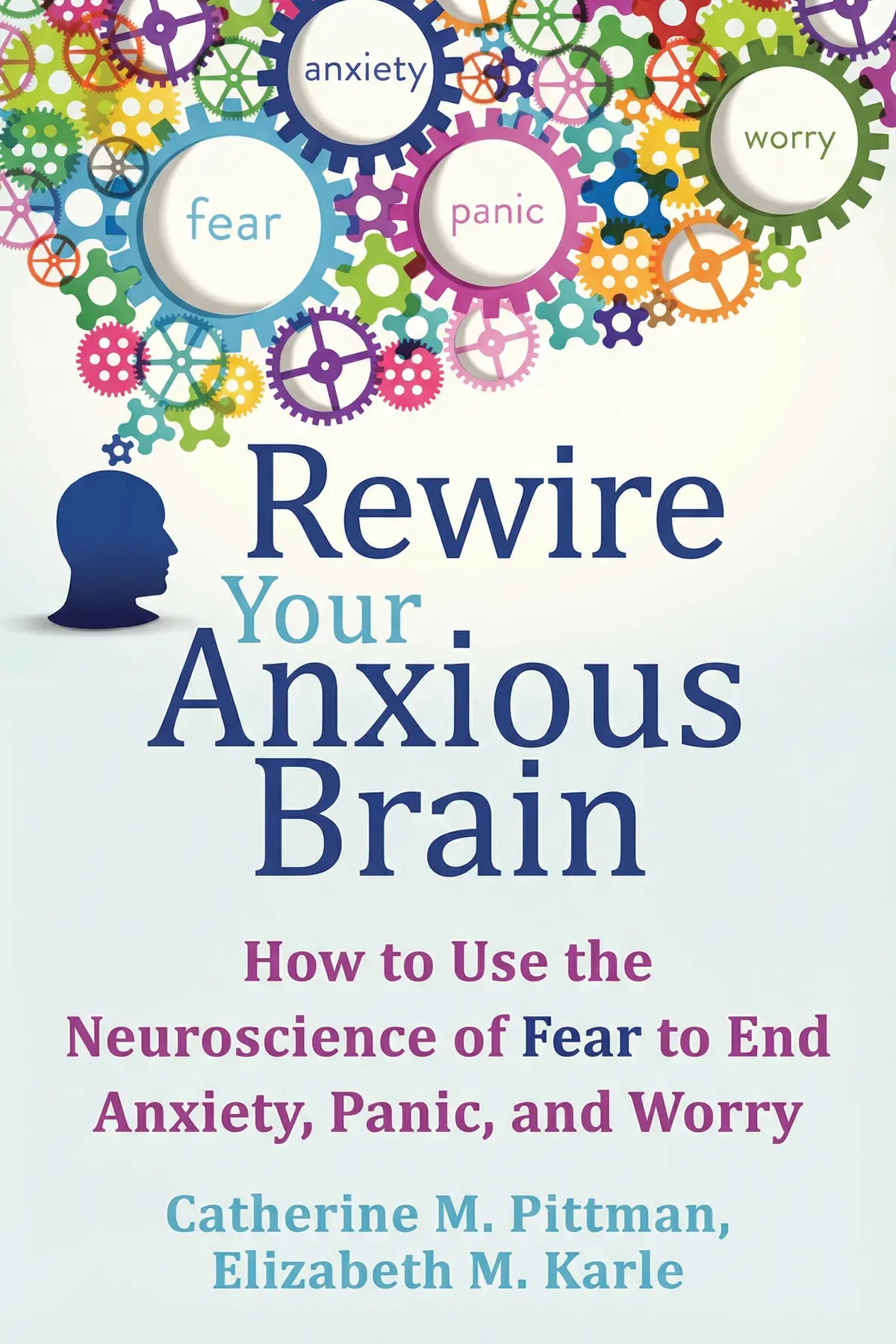
Table of Content
1. Introduction
2 min 14 sec
Have you ever found yourself in the middle of a perfectly normal day when, suddenly, a wave of dread washes over you? Perhaps you’re sitting at your desk or driving to a meeting, and your mind begins to spiral. You start wondering if you locked the front door or if you made a critical mistake on a report you submitted hours ago. Before you know it, your heart is racing, your palms are sweating, and your focus is shattered. This is the heavy burden of anxiety, a condition that can feel like an invisible cage. But what if the key to that cage wasn’t just willpower, but a better understanding of the hardware inside your head?
In Rewire Your Anxious Brain, we explore the groundbreaking idea that anxiety isn’t just one thing. It is the result of two distinct systems in the human brain working—sometimes overworking—to keep us safe. These systems, the amygdala and the cortex, speak different languages and require different interventions. One is an ancient, instinctual alarm that reacts before you can even think, while the other is a sophisticated storyteller that can invent a thousand disasters before breakfast.
The throughline of our journey today is the concept of neuroplasticity. For a long time, people believed that the adult brain was fixed in its ways. We now know that the brain is remarkably adaptable. By understanding the neuroscience of fear, you can actually change the physical structures of your mind. You aren’t just stuck with an ‘anxious personality.’ You have a brain that has learned certain patterns, and with the right tools, it can learn new ones.
In this summary, we will break down the mechanics of both the amygdala and the cortex. We will see why traditional talk therapy sometimes fails to stop a panic attack, and why logic is often useless against a racing heart. Most importantly, we will cover the specific, evidence-based techniques required to calm these different brain regions. Whether you are dealing with a phobia, social anxiety, or generalized worry, the goal is to move from being a victim of your biological responses to becoming the architect of your own peace of mind. Let’s begin by looking at the part of your brain that acts as a tireless, 24-hour security guard.
2. The Amygdala's Silent Alarm
2 min 39 sec
Discover how a small, almond-shaped part of your brain triggers the fight-or-flight response long before your conscious mind even realizes there is a perceived threat nearby.
3. The Cortex and the Architecture of Worry
3 min 01 sec
Learn how the thinking part of your brain can create anxiety through imagination and interpretation, even when there is no immediate danger in your environment.
4. Retraining the Amygdala Through Action
2 min 38 sec
Discover why you can’t talk yourself out of a panic attack and learn the physical techniques that actually communicate safety to your brain’s alarm system.
5. Mastering the Cortex and Changing the Channel
2 min 44 sec
Explore cognitive strategies to dismantle worry, including how to distance yourself from your thoughts and replace negative patterns with productive ones.
6. Conclusion
1 min 35 sec
In conclusion, overcoming anxiety is not a matter of simply ‘trying harder’ or waiting for the world to become a less stressful place. It is a process of understanding the biological machinery of your brain and learning how to operate it more effectively. We have seen that anxiety has two distinct origins: the amygdala, which reacts to the world through instinct and emotional memory, and the cortex, which creates anxiety through interpretation and anticipation.
By treating these two pathways with the specific tools they require, you can begin the process of rewiring. You can calm the amygdala by speaking its physical language—using deep breathing, muscle relaxation, and courageous exposure to prove that you are safe. Simultaneously, you can master the cortex by practicing mindfulness, distancing yourself from your thoughts, and replacing destructive ‘what-if’ scenarios with grounded, realistic coping strategies.
The most important takeaway is that your brain is capable of change. Every time you choose to stay in a difficult situation instead of fleeing, or every time you choose to observe a worry rather than fusing with it, you are physically altering your neural connections. You are building a brain that is more resilient, more balanced, and less prone to false alarms. This work takes patience and practice, but the reward is a life where fear no longer makes the decisions. You have the power to rewire your brain, one breath and one thought at a time.
About this book
What is this book about?
Rewire Your Anxious Brain offers a deep dive into the neurological foundations of fear, panic, and chronic worry. Rather than treating anxiety as a single, vague feeling, authors Catherine M. Pittman and Elizabeth M. Karle explain that it stems from two very different regions of the brain: the primitive amygdala and the analytical cortex. By understanding how these two pathways function, readers can identify the specific source of their distress and apply targeted techniques to mitigate it. The book promises a roadmap for lasting change through neuroplasticity. It provides actionable strategies for calming the body's physical responses and dismantling the mental loops of anticipation and catastrophizing. Whether you suffer from sudden panic attacks or a persistent sense of dread about the future, this summary details how to use exposure, mindfulness, and physiological relaxation to create new, healthier neural connections. By the end, the promise is clear: you can move beyond simply managing symptoms to actually restructuring the way your brain processes fear.
Book Information
About the Author
Catherine M. Pittman
Catherine M. Pittman, PhD, is a clinical psychologist and an associate professor at Saint Mary's College. She is a dedicated member of the Anxiety and Depression Association of America and frequently leads seminars and workshops focused on managing stress and anxiety. Elizabeth M. Karle, MLIS, is a librarian and researcher at Saint Mary’s College. In addition to her research contributions, she is the author of Hosting a Library Mystery and shared her own personal history with anxiety to help ground the book's scientific concepts in real-world experience.
Ratings & Reviews
Ratings at a glance
What people think
Listeners find the material accessible and straightforward, offering in-depth insights into panic attacks and anxiety while praising the inclusion of actionable techniques. Furthermore, the content is articulate and assists listeners in grasping the underlying neuroscience of these issues, with one listener highlighting how it addresses both the mental and physical impacts of stress. They also find great value in the beneficial advice and activities woven into the text.
Top reviews
Marasri
Finally, a book that doesn't just tell you to 'relax' without explaining why your body is freaking out in the first place. Pittman and Karle do a fantastic job of breaking down the biological roots of fear, specifically distinguishing between the cortex and the amygdala. This distinction was a total game-changer for me. I realized I was trying to use logic to talk my way out of an amygdala-based panic attack, which is like trying to use a spreadsheet to stop a house fire. The science is presented in a way that feels accessible but never 'dumbed down,' making it perfect for someone who wants to understand the 'why' behind their symptoms. It’s practical, it's grounded in neuroplasticity, and it gave me a sense of agency I haven’t felt in years.
Show morePat
Ever wonder why your brain stays in high alert even when there’s no immediate threat? This book explains exactly why that happens and, more importantly, how to stop it. I loved how the authors used the concept of neuroplasticity to offer hope. It isn't just 'woo-woo' fluff; it’s hard science applied to daily life. The chapter on the language of the amygdala changed how I view my physical symptoms. Now, when my heart starts racing, I can identify it as a physiological misfire rather than a looming heart attack. This shift in perspective alone has significantly lowered my daily stress levels. I’ve already recommended it to three people in my support group.
Show moreFilm
This book provides a much-needed bridge between complex neuroscience and everyday coping mechanisms. I’ve read a lot of self-help, but this is the first one that made me feel like I actually understood the machinery of my own mind. The authors explain that anxiety isn't a flaw, but a survival mechanism gone rogue. That perspective shift was incredibly healing for me. The practical exercises are easy to integrate, and I appreciated that they didn't require any expensive equipment or 'gurus.' It’s straightforward, science-backed, and empowering. If you're tired of being told to just 'breathe' without knowing why it helps, buy this book.
Show moreBank
Wow, I didn't expect a science-heavy book to be this readable. It felt like a lightbulb going off in every chapter. For years, I thought my brain was broken, but Pittman and Karle showed me that it’s actually just trying to protect me—it’s just using an outdated manual. Learning how to communicate with my amygdala through actions rather than words has been life-changing. The book is succinct, the techniques are actionable, and the tone is encouraging without being saccharine. It makes the daunting task of 'rewiring' feel like something I can actually achieve, one small step at a time. Truly an essential resource for the modern world.
Show moreLaddawan
As someone who has struggled with sudden panic attacks for years, the neuroscience here was a revelation. I always felt like my anxiety was a personal failure of character, but seeing it mapped out as neural pathways made it feel manageable. The authors explain how the amygdala learns through association rather than logic, which explained why my triggers seemed so random. To be fair, some of the exercises—like scheduling 'worry time'—felt a bit cliché and didn't quite land for me. However, the deep breathing and progressive relaxation techniques are backed by solid logic here, which made me more likely to actually do them. It’s a solid resource for anyone starting their journey toward mental wellness.
Show moreSun
The breakdown of the two pathways to anxiety—the cortex and the amygdala—is easily the strongest part of this guide. I’ve been through CBT before, but I never understood why it worked for some thoughts and failed for others. This book fills that gap. It explains that the cortex is about the 'what-ifs' while the amygdala is about the 'fight or flight' response. The writing style is clear and direct, which I appreciated during a high-stress week. My only gripe is that it gets a little repetitive toward the end, echoing the same points over and over. Still, the practical tips for retraining the brain are valuable and easy to implement into a daily routine. Worth the read.
Show moreArt
After hearing several therapists recommend this, I decided to give the audio version a listen. It’s incredibly well-structured. It attacks both the psychological thoughts and the physiological sensations of stress. The assessments included are very helpful for identifying which 'pathway' your anxiety usually takes. I did find the tone a bit overly optimistic at times—life is messy and you can't always just 'rewire' your way out of a bad situation. However, the emphasis on lifestyle choices like sleep and exercise being foundational to brain health is a message that bears repeating. It’s a very sympathetic and credible guide that doesn't dismiss the importance of medication when needed.
Show moreAey
The specific exercises provided for retraining the amygdala are what set this apart from more abstract psychology books. It’s one thing to know you’re anxious; it’s another to understand that you need to use exposure to teach your brain that a situation is safe. Personally, I found the section on 'cortex-based' anxiety—the worrying and ruminating—to be the most relevant to my life. The techniques for cognitive restructuring are explained simply enough for anyone to follow. It’s a bit dry in parts, and the formatting can feel like a textbook, but the information is too valuable to ignore. It’s a must-read for those who want to take a proactive role in their mental health.
Show morePing
Is it educational? Yes. Is it groundbreaking? Not necessarily. I found the first half about brain chemistry and anatomy to be genuinely fascinating. It’s great to know that my brain is just doing its job, even if it’s doing it too well. But once the book shifted into the 'how-to' section, my interest waned. Many of the suggestions felt like things I’d already seen on a Pinterest infographic. Truthfully, I don't think a book can 'rewire' a brain without professional intervention for most people. It’s a decent starting point for psychoeducation, but don't expect it to be a magic cure-all for deep-seated trauma.
Show moreArm
Look, I really wanted to find some relief here, but it felt like a rehashing of every basic self-help trope I’ve encountered since 2010. While the chapters on the parts of the brain are informative, the actual 'advice' is frustratingly superficial. 'Go for a run' or 'try positive thinking'—really? If I could just think positively to end a decade of generalized anxiety, I would have done it by now. Some of the exposure exercises actually felt a bit risky to attempt without a therapist present, especially for someone with severe PTSD. It’s repetitive and, at times, felt quite condescending to those of us dealing with serious clinical disorders. If you've never read a book on anxiety, you might find something new, but for the rest of us, it’s mostly fluff.
Show more
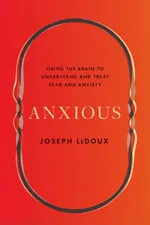
Readers also enjoyed
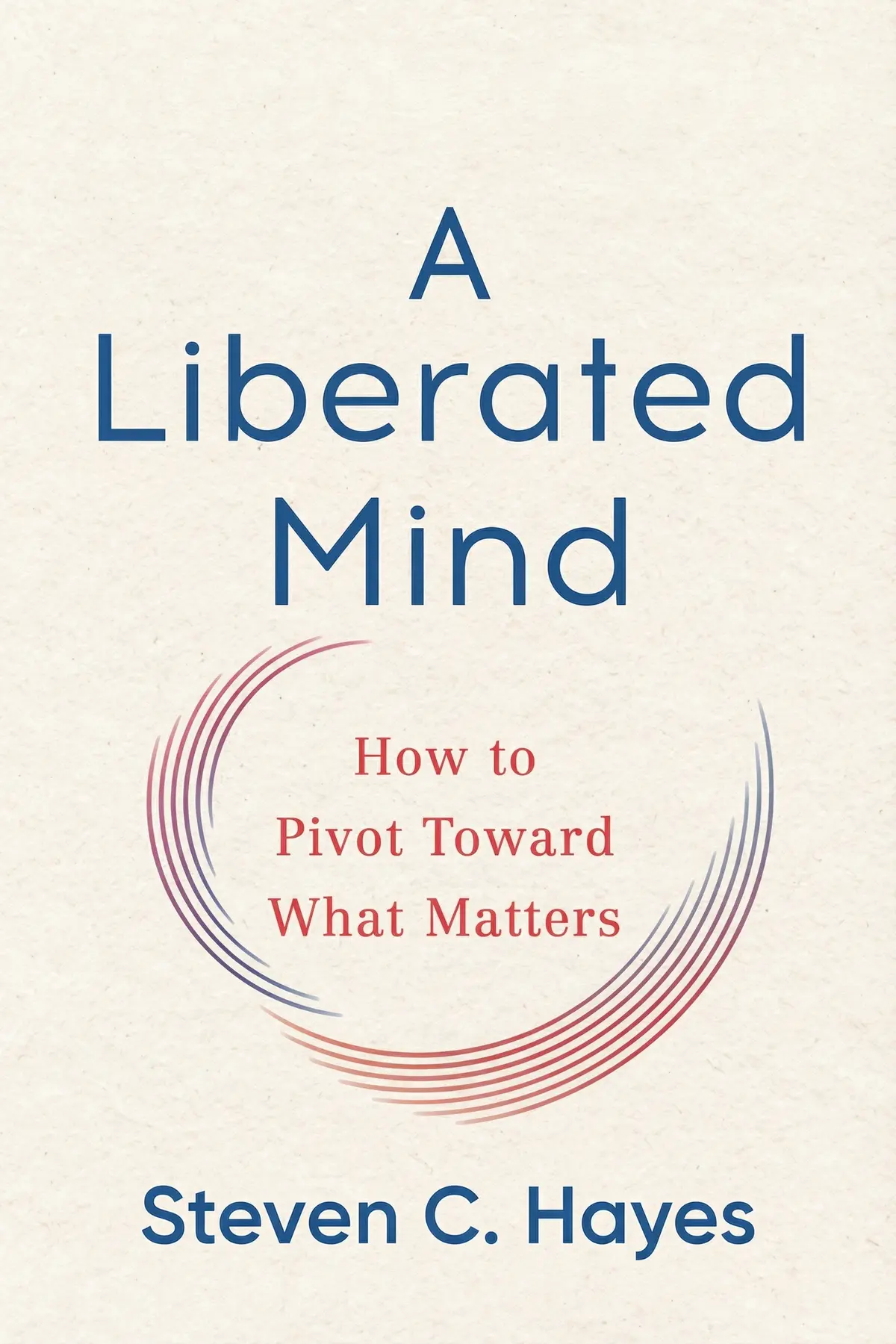
A Liberated Mind: How to Pivot Toward What Matters
Steven C. Hayes
ADHD an A-Z: Figuring It Out Step by Step
Leanne Maskell
AUDIO SUMMARY AVAILABLE
Listen to Rewire Your Anxious Brain in 15 minutes
Get the key ideas from Rewire Your Anxious Brain by Catherine M. Pittman, plus 5,000+ more titles in English and Thai.
- 5,000+ titles
- Listen as much as you want
- 7-day free trial
- Cancel anytime







