
13 min 52 sec
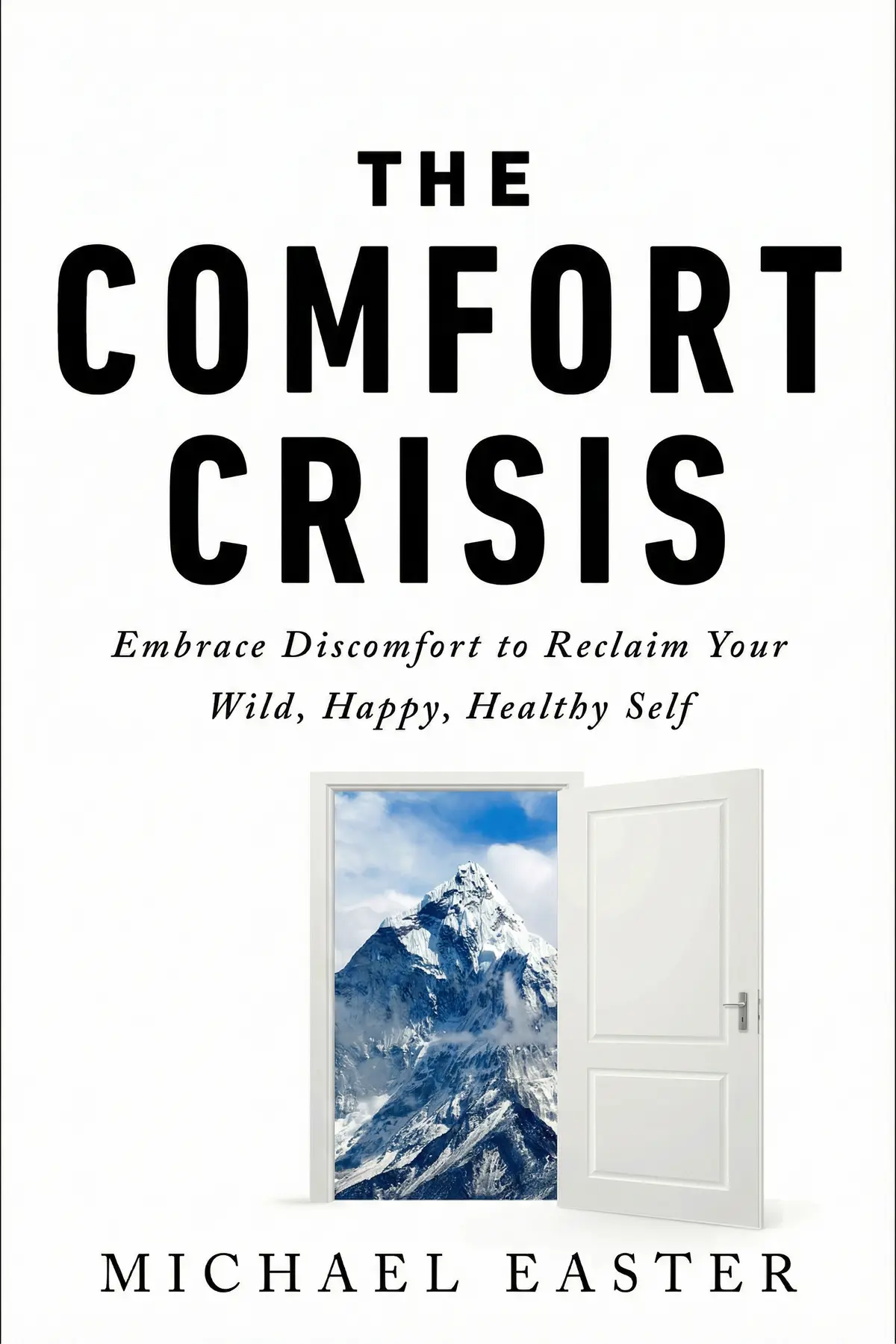
Scarcity Brain: Fix Your Craving Mindset and Rewire Your Habits to Thrive with Enough
Scarcity Brain investigates how our evolutionary drive for more has been hijacked by modern life. Learn how to recognize these loops and reclaim your focus, health, and satisfaction in an age of excess.
Table of Content
1. Introduction
1 min 42 sec
In the modern world, it often feels as though we are running on a treadmill that never stops. We are constantly searching for the next upgrade, the next notification, or the next meal, yet the satisfaction we crave seems to slip through our fingers the moment we think we’ve grasped it. If you have ever felt like your life is a series of never-ending desires, you are not alone. This sensation of constant longing isn’t just a personal failing or a lack of willpower. It is actually a deeply ingrained part of our biological hardware. For most of our history, humans lived in a world where things were genuinely scarce. Finding food, shelter, or a potential mate was a rare and difficult task. To survive, our ancestors had to be wired to seize every opportunity and always look for more.
Today, we find ourselves in a strange predicament. We have the same prehistoric brains, but we live in an environment defined by total abundance. We are surrounded by more information, more calories, and more digital stimulation than any generation before us. This creates a fundamental tension: our brains are still telling us to hunt and gather in a world where everything is just a click away. This conflict often leaves us feeling drained, unfulfilled, and trapped in cycles of habit that we can’t seem to break. By looking closely at the psychological forces that govern our choices, we can begin to see how our environment exploits our ancient instincts. We can learn to recognize the hidden loops that keep us chasing things we don’t actually need, and in doing so, we can start to build a life that prioritizes quality and presence over sheer quantity.
2. The Mechanics of the Scarcity Loop
2 min 40 sec
Discover the hidden engine behind modern addiction, from the bright lights of Vegas casinos to the endless scrolling of your favorite smartphone apps.
3. The Evolutionary Roots of Human Craving
2 min 30 sec
Explore why our brains are hardwired to value the chase more than the prize, and how our survival instincts have become modern liabilities.
4. The Hidden Power of Subtraction
2 min 30 sec
Why do we always try to fix our problems by adding more? Learn how to overcome the mental bias that leads to cluttered lives and busy schedules.
5. Eating in an Age of Artificial Abundance
2 min 48 sec
Uncover the biological reasons why we find it so hard to stop eating, and how to reset your habits to find a healthy balance.
6. Conclusion
1 min 42 sec
The journey through the scarcity brain reveals a profound truth about the human condition: we are essentially Stone Age creatures trying to navigate a space-age world. The drives that once kept us alive—the urge to seek out new opportunities, the hunger for calorie-dense food, and the instinct to always add more—are now the very things that can lead us toward burnout, obesity, and digital addiction. We are living in a world that has been engineered to exploit these ancient vulnerabilities, creating loops of behavior that keep us moving but never let us arrive.
However, understanding these patterns is the key to reclaiming our lives. When we recognize the scarcity loop in action, we gain the power to pause and choose a different path. We can start to see that the feeling of ‘not enough’ is often an illusion generated by a brain that doesn’t realize the famine is over. The way forward isn’t to fight our nature, but to consciously design our environment and our habits to reflect the reality of abundance.
By embracing the power of subtraction, we can clear the clutter from our minds and our homes. By choosing quality over quantity and depth over distraction, we can find a sense of fulfillment that the scarcity loop can never provide. The ultimate goal is to move from a mindset of constant craving to a mindset of ‘enough.’ In a world that is always telling you that you need more, deciding that you have enough is a radical and liberating act. It is the foundation of a life lived with intention, focus, and genuine satisfaction.
About this book
What is this book about?
We currently live in a world that is fundamentally mismatched with our biological history. For the vast majority of human existence, resources were difficult to find and survival was a constant struggle. This environment shaped our minds to be hyper-alert to opportunities and driven to collect as much as possible. However, in our modern era of digital distraction and material abundance, these same survival mechanisms have become liabilities. Michael Easter’s Scarcity Brain explores the concept of the scarcity loop—a psychological trap that powers everything from slot machines to social media apps. By understanding how opportunity, unpredictable rewards, and quick repeatability keep us hooked, we can begin to see the invisible forces driving our most stubborn habits. The book promises to reveal why we are biased toward adding to our lives rather than subtracting from them, and how our relationship with food is still governed by ancient famine-dodging instincts. By the end, you will have the mental tools to stop the endless chase and find a sense of true fulfillment in having enough.
Book Information
About the Author
Michael Easter
Michael Easter is a professor at the University of Nevada Las Vegas and the author of The Comfort Crisis. His work focuses on helping people live healthier and more productive lives by applying insights from modern science and human evolution.
Ratings & Reviews
Ratings at a glance
What people think
Listeners find this book an exceptional choice that delivers practical insights alongside thorough investigation. They appreciate the engaging storytelling and intellectually stimulating material, with one listener noting how it effectively disproves common misconceptions regarding happiness. The title is articulate and simple to follow, and listeners value the author’s proficiency, with one review emphasizing the depth of the research conducted.
Top reviews
Max
Michael Easter delivers a masterclass in investigative storytelling with this one. He manages to debunk so many myths about what actually makes us happy by showing how our brains are literally hardwired for a world of scarcity that no longer exists. The research is extensive, and I loved how he interviewed such a diverse range of people—from monks to gambling experts—to show how the hunt for a 'reward' dominates our lives. It’s rare to find a book that is both this well-researched and this easy to follow. I’ve already started noticing my own triggers when I’m 'hunting' for dopamine hits on my phone or at the store. This isn't just a self-help book; it’s a necessary manual for navigating the abundance of the 21st century without losing your mind.
Show moreTanyaporn
Finally got around to reading this after hearing it mentioned on several podcasts, and it lived up to the hype. The way Easter connects the dots between our hunter-gatherer ancestors and our current obsession with digital 'treasures' is brilliant. It’s one of those rare books that completely changes how you view your own daily actions. Why do I keep checking my email? Why do I buy things I don't need? The answer is the loop. The storytelling is vivid and the research feels incredibly robust, providing a clear 'why' behind our constant striving for more. It’s a thought-provoking piece of work that offers actual practical value for anyone looking to reclaim their attention and their bank account from the forces of modern marketing. Highly recommended for a fresh start.
Show moreOn
Ever wonder why we can’t stop scrolling even when we’re bored out of our minds? This book explains it perfectly. Michael Easter explores the deep-seated urge to 'grab' that kept our ancestors alive but now keeps us broke and distracted. I loved the sections on 'the hunt' and how we can redirect that energy into more productive outlets like gardening or learning new skills. The book is incredibly well-written and moves at a fast pace, making it feel more like a narrative journey than a dry psychology text. It’s helped me identify the 'unpredictable rewards' in my own life that were causing more stress than joy. Truth is, we all have a scarcity brain, and learning how to manage it is probably the most useful skill you can acquire this year.
Show morePing
Picked this up during a New Year's resolution push to curb my screen time and mindless scrolling habits. The central idea of the 'Scarcity Loop' is genuinely eye-opening, especially how the author links our ancient survival instincts to modern slot machines and social media feeds. Easter has a way of taking complex brain science and turning it into a narrative that actually keeps you turning pages. While some of the personal travelogues felt like they were padding the word count, the practical takeaways for breaking cycles of consumerism are solid. It’s a compelling look at why we always want more even when we have plenty. If you struggle with tech addiction or impulsive buying, there’s a lot of useful meat on these bones to chew on for months.
Show moreAraya
As a parent trying to raise three kids in a world designed to make them want everything, I found the evolutionary perspective here very grounding. Easter explains why we are biologically driven to overindulge, which actually helped me feel less guilty about my own struggles with 'the hunt.' I particularly liked the discussion on how unpredictable rewards keep us hooked—it explains so much about modern consumer behavior. To be fair, some of the people he interviews live lives that are totally unrelatable to a normal 9-to-5 worker, but the core message still lands. I would have appreciated more 'boots on the ground' advice for families who can't just escape to the wilderness, but I’ve already started implementing some of the scarcity loops tactics to manage my household's tech use. Definitely worth a read.
Show morePaiboon
It felt like I was diving into a long, high-quality magazine feature while reading this, which I actually quite enjoyed. The author has a background that clearly informs his 'on-the-ground' reporting style, making the science feel much more visceral. He tackles the 'why' behind our striving for more despite living in a time of unprecedented abundance. The take-aways are a bit more abstract than your typical self-help book, but that’s because the problem is deeply biological. I did find the pacing a little disjointed in the middle, and the heavy focus on his personal travels might annoy some people who just want the facts. Still, the insights into how technology hijacks our reward systems are top-tier and very eye-opening. It’s a must-read for anyone feeling burnt out by modern consumer culture.
Show moreAndrei
Look, I’m all for a well-researched book that challenges my worldview, and Easter definitely does that here. The ideas about tech use and breaking addiction are some of the best I’ve read in years. However, I’ve got to say that the way he brings in religion at the very end felt a little 'bamboozley' for a book that spent so much time on evolution and hard science. It felt a bit out of place compared to the rest of the secular tone. That being said, the core chapters on the scarcity loop and how we can escape it are gold. The book is easy to follow and filled with 'lightbulb moments' that will have you reconsidering your last ten Amazon purchases. Despite the slightly weird ending, the practical value for daily life is definitely there.
Show moreOksana
Not gonna lie, this book was a bit of a mixed bag for me. On one hand, the sections on the gamification of our everyday lives and how casinos manipulate the brain were absolutely fascinating and well-written. On the other hand, the middle of the book really started to drag, and I found myself skimming through his personal anecdotes just to get to the actual solutions. It’s interesting enough for a lazy afternoon, but it didn't feel life-changing. My biggest gripe is the lack of a proper index or footnotes; it makes it hard to verify some of the more bold claims the author makes about brain science. It’s a fun, nerdy read if you like Discovery Channel-style documentaries, but it could have used a much tighter edit to keep the momentum going.
Show moreVera
The concept of the 'Scarcity Cycle' is one of the most important topics to understand in 2024, but the presentation here felt a little uneven. I loved the early chapters that broke down the mechanics of anticipation and suspense in our brains. However, I felt like the author was a bit too selective with which 'experts' he listened to. Some voices were treated as gospel while others were dismissed without much explanation, which made me question the overall objectivity. The writing is solid and the anecdotes are colorful, but the actual 'how-to' portion is mostly buried in the epilogue. I left the book feeling like I understood the problem perfectly, but I'm still a bit fuzzy on how to fix it in my own life without moving to a farm. It’s an okay read, just not the definitive guide I was hoping for.
Show moreTaweesak
The premise had me excited, but the execution left a lot to be desired for a serious non-fiction reader. I felt like I was stuck in a repetitive loop myself, reading endlessly about the author’s 'cool' adventures rather than getting actual scientific data. It reads less like a psychology book and more like a collection of magazine features where the author is the main character. Frankly, the writing style felt a bit juvenile at times, almost like a middle schooler trying to sound profound about evolution. I was looking for a deep dive into the mind, but I got a shallow travelogue with some loosely connected hypotheses tacked on at the end. It's a shame because the 'Scarcity Brain' concept is so relevant right now, but this just didn't deliver the intellectual weight I expected.
Show moreReaders also enjoyed
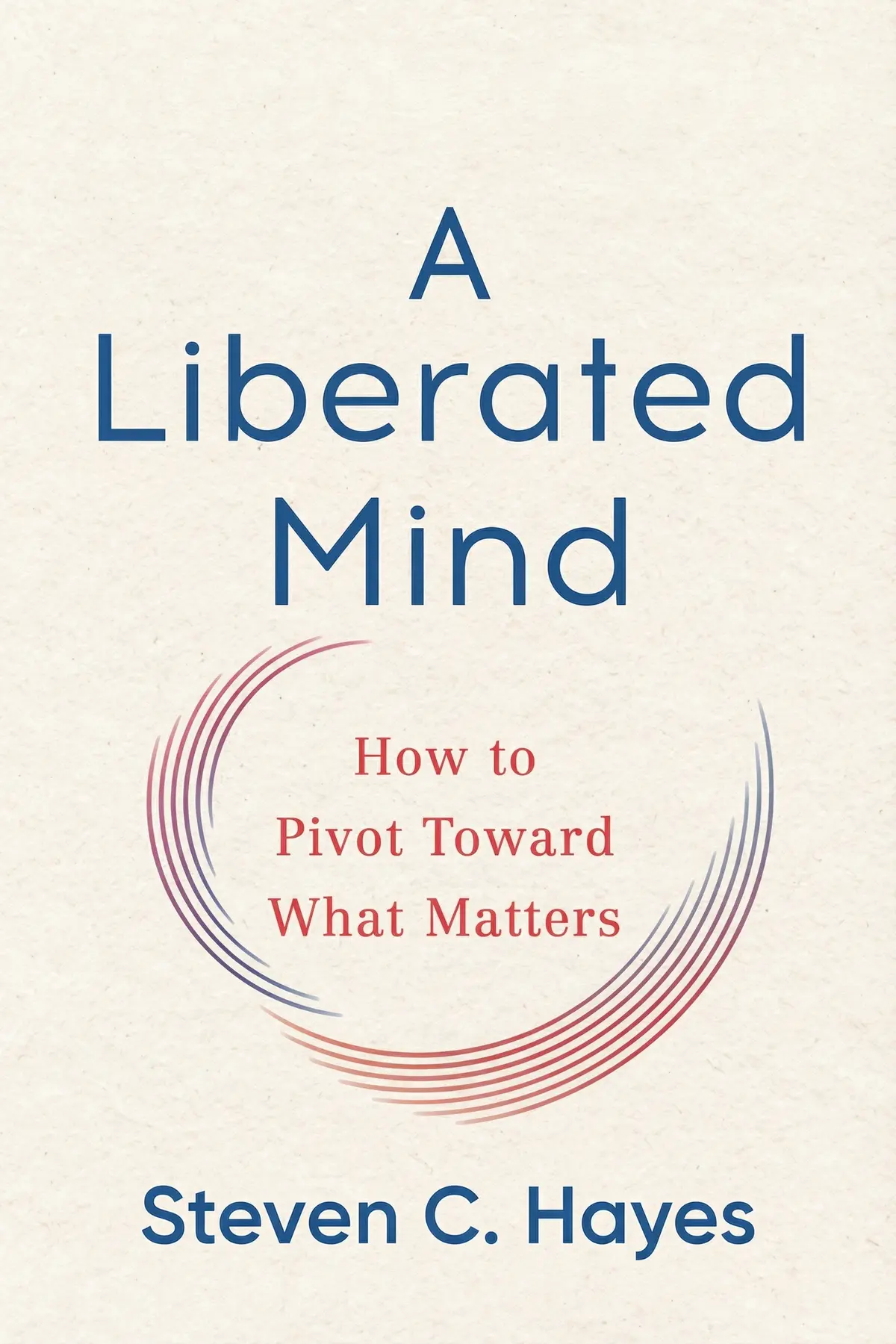
A Liberated Mind: How to Pivot Toward What Matters
Steven C. Hayes

Acting with Power: Why We Are More Powerful Than We Believe
Deborah Gruenfeld
Age of Propaganda: The Everyday Use and Abuse of Persuasion
Anthony Pratkanis
AUDIO SUMMARY AVAILABLE
Listen to Scarcity Brain in 15 minutes
Get the key ideas from Scarcity Brain by Michael Easter, plus 5,000+ more titles in English and Thai.
- 5,000+ titles
- Listen as much as you want
- 7-day free trial
- Cancel anytime







