
19 min 53 sec
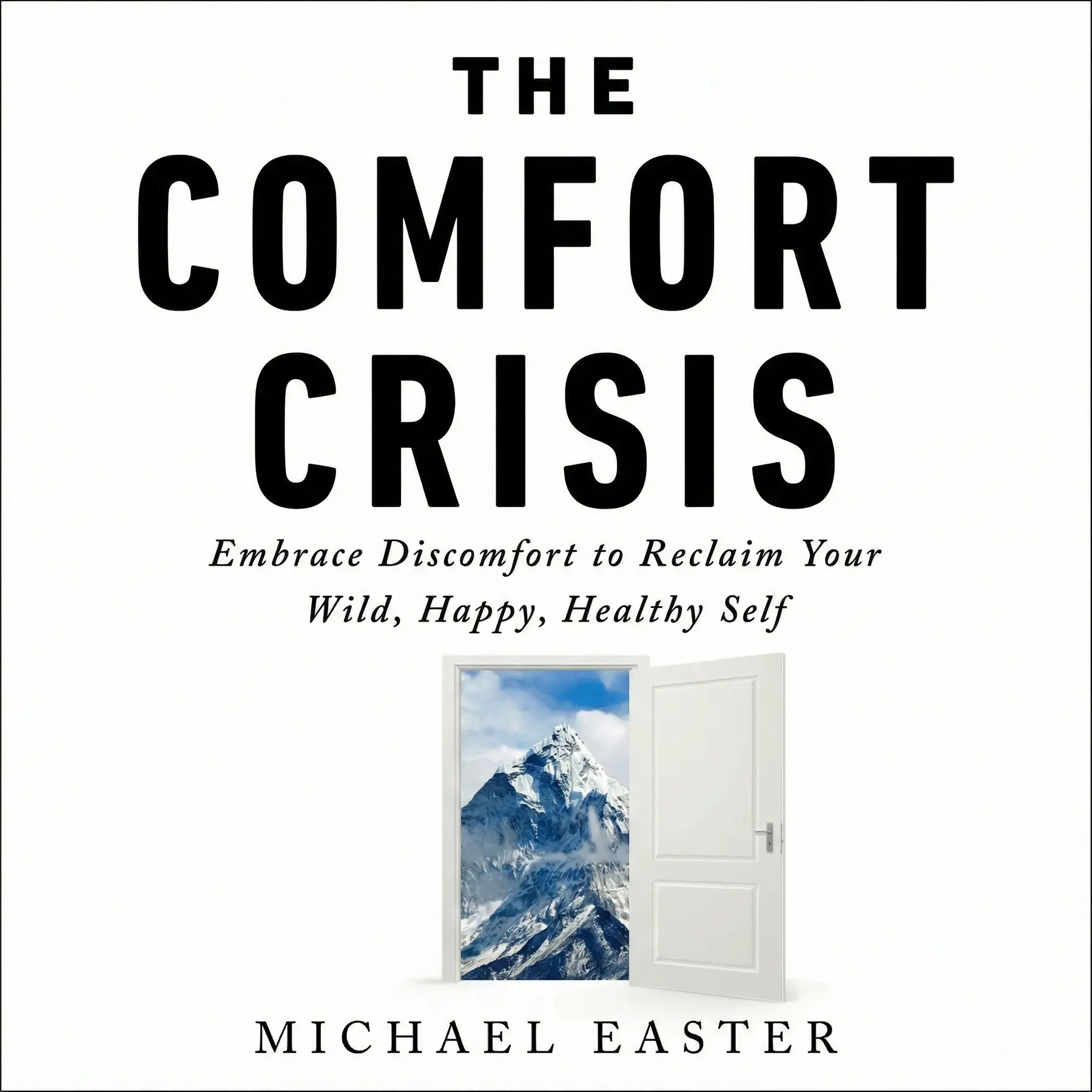
The Comfort Crisis: Embrace Discomfort to Reclaim Your Wild, Happy, Healthy Self
The Comfort Crisis explores the hidden costs of our modern, ultra-convenient lifestyles and provides a roadmap for reclaiming health and happiness by strategically reintroducing physical and mental challenges into our daily lives.
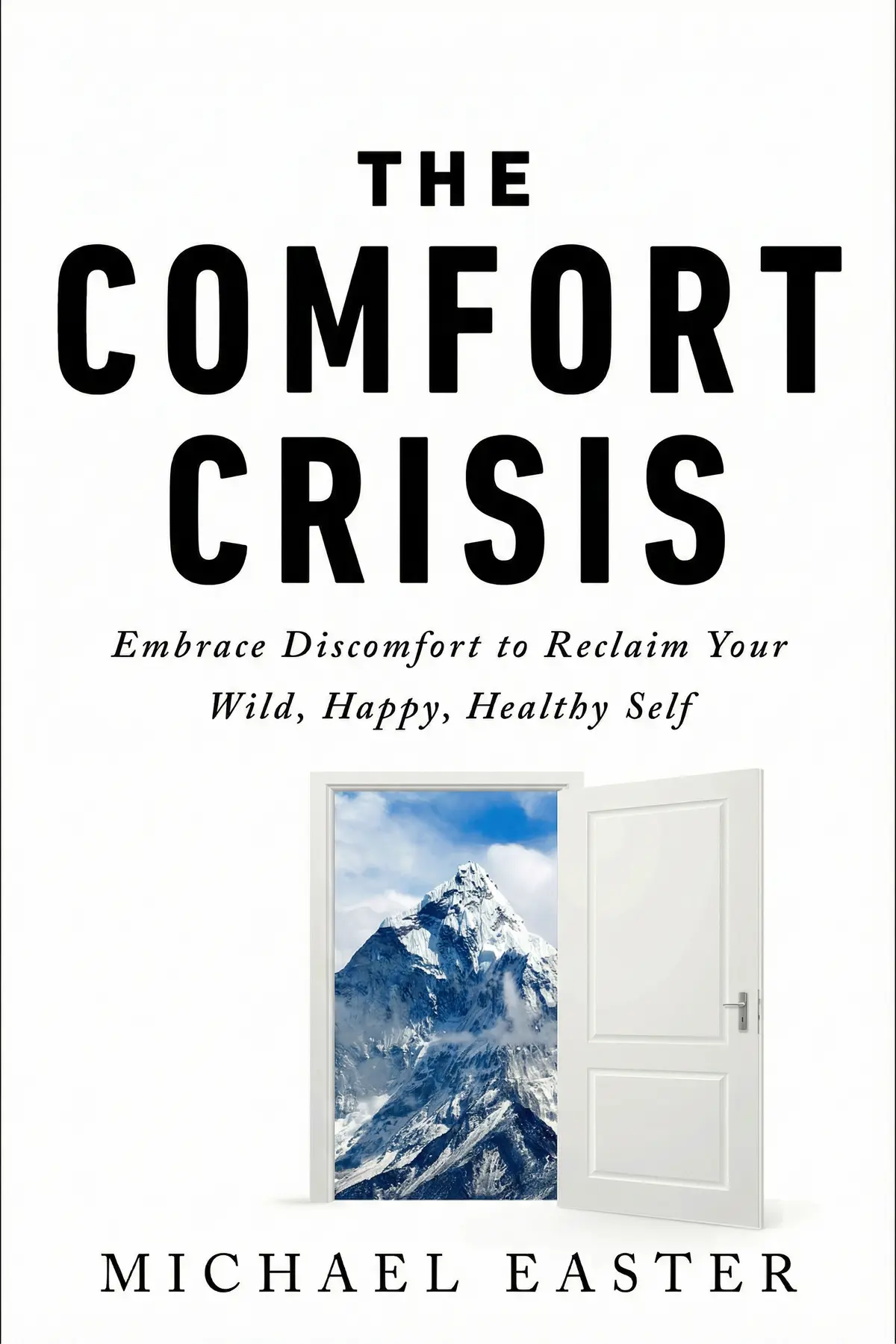
Table of Content
1. Introduction
1 min 48 sec
Imagine your typical day. You likely wake up in a room that is precisely seventy-two degrees, step onto a soft carpet, and perhaps press a button for instant coffee. From the ergonomic chair at your office to the high-definition screen that entertains you in the evening, your life is a marvel of engineering designed to eliminate friction. We have spent thousands of years trying to build a world where we don’t have to be cold, hungry, or tired. And yet, despite reaching this pinnacle of ease, something feels missing. We are often more anxious, more distracted, and physically less capable than our ancestors who lived without any of these luxuries.
This is the starting point for Michael Easter’s exploration of the modern condition. He suggests that we are living through a unique crisis—not a crisis of scarcity, but a crisis of comfort. Our biology was forged in a world of extreme challenges, where survival was a daily achievement. Today, that same biology is struggling to adapt to a world where the greatest physical threat is a sedentary lifestyle and the most common mental struggle is the constant hum of digital notifications.
In this summary, we are going to follow Easter’s journey as he leaves the comforts of modern life behind. We’ll look at his transformative month spent hunting in the vast, unforgiving wilderness of Alaska and his visits to cultures that view life and death through a very different lens. We will explore how stepping back into the wild—both literally and metaphorically—can help us reclaim a sense of wild, happy health. We’ll uncover the counterintuitive science that suggests our brains need boredom, our bodies need hunger, and our spirits need the occasional confrontation with our own mortality. By the end of this journey, you’ll see why the path to a better life isn’t found in more comfort, but in the intentional embrace of the uncomfortable.
2. The Evolutionary Mismatch of Modern Ease
2 min 09 sec
Discover how the very comforts we worked so hard to create are actually undermining our physical and mental health by clashing with our biological roots.
3. The Toughening Theory and Voluntary Hardship
2 min 11 sec
Learn why experiencing moderate levels of stress and adversity can actually make you more resilient and satisfied with your life in the long run.
4. The Restorative Power of Silence and Nature
2 min 26 sec
Explore how escaping digital noise and spending time in the true wilderness can recalibrate your brain and heal your nervous system.
5. Realigning with Biological Hunger
2 min 16 sec
Learn the difference between emotional cravings and true physical need, and discover why occasional hunger is essential for your body’s self-cleaning process.
6. The Perspective Shift of Contemplating Death
2 min 15 sec
Find out why looking directly at your own mortality, as they do in Bhutan, can lead to a more grateful and meaningful daily existence.
7. Physicality and the Art of Carrying
2 min 23 sec
Discover why the most effective exercise isn’t found in a gym, but in the ancient human practice of moving heavy objects across the landscape.
8. Questioning Modern Norms of Safety and Hygiene
2 min 31 sec
Find out how our obsession with a sterile, climate-controlled environment might be weakening our immune systems and our spirit of adventure.
9. Conclusion
1 min 54 sec
As we come to the end of this journey, it’s worth reflecting on the central irony of Michael Easter’s message: we have worked for millennia to build a world of comfort, only to find that we are most fulfilled when we step outside of it. The modern world offers us every imaginable convenience, but it cannot offer us the deep satisfaction that comes from overcoming a genuine challenge.
The ‘Comfort Crisis’ is a call to action to stop treating discomfort as an enemy to be avoided at all costs. Instead, we should see it as a vital nutrient for a healthy life. We’ve seen how moderate adversity builds a psychological armor that protects us from the stresses of daily life. We’ve explored how silence, nature, and even a little bit of hunger can reset our biological systems and bring us back to a state of balance. We’ve even looked at the ultimate discomfort—our own mortality—and found that it is the very thing that gives our lives their color and urgency.
You don’t need to move to the Alaskan wilderness to apply these lessons. You can start by simply choosing the harder path in small ways. Turn off the podcast and walk in silence. Skip the afternoon snack and let your body experience real hunger. Take your workout outside, even if the weather isn’t perfect. Carry something heavy. Most importantly, look for opportunities to break your routine and try something that makes you feel a little bit nervous.
Every time you choose a moment of intentional discomfort over the easy, comfortable alternative, you are adding a new, vibrant page to the scrapbook of your life. You are proving to yourself that you are more capable, more resilient, and more alive than a comfortable life would ever let you believe. Happiness isn’t waiting for you at the end of a life of ease; it is waiting for you in the middle of the struggle. So, go out there, get a little cold, get a little tired, and reclaim your wild, happy, healthy self.
About this book
What is this book about?
The Comfort Crisis takes readers on a journey from the climate-controlled rooms of modern society to the rugged wilderness of the Alaskan tundra and the spiritual heights of the Himalayas. Michael Easter investigates a fundamental irony of the twenty-first century: while we have more safety, food, and convenience than any generation in history, we are also experiencing record levels of chronic stress, physical illness, and mental dissatisfaction. Through a blend of investigative journalism and personal narrative, the book explores why our brains and bodies are evolutionarily mismatched for a world without struggle. It promises a path back to true resilience and vitality. By understanding the science of the toughening theory, the benefits of intentional boredom, and the biological necessity of physical labor, you will learn how to break free from the trap of comfort. The book offers a compelling argument for why seeking out the difficult, the cold, and the quiet might be the most important thing you do for your long-term well-being.
Book Information
About the Author
Michael Easter
Michael Easter is an award-winning writer and editor whose work has been featured prominently in Men’s Health magazine. Beyond his journalistic career, he serves as a faculty member at the University of Nevada, Las Vegas, where he teaches journalism. The Comfort Crisis marks his debut as an author, bringing his expertise in health and human performance to a wider audience.
Ratings & Reviews
Ratings at a glance
What people think
Listeners find this book compelling and quick-moving, highlighting the depth of its research and scientific evidence. Furthermore, they value how it prompts a reassessment of life's fundamentals and provides practical routines for personal growth. The prose is skillfully written, and listeners admire the exploration of human ease versus hardship, with one review mentioning its ability to guide readers beyond their own comfort zones.
Top reviews
Aria
If you ever feel like you're just drifting through a climate-controlled life, this book will slap you awake. Michael Easter takes us on a grueling moose hunt in the Alaskan wilderness that serves as the backbone for a much deeper discussion on human biology. Truth is, we are literally evolving to be soft, and it’s killing our mental health and physical vitality. I loved the chapters on rucking; I even went out and bought a weighted vest the day I finished reading. While some of the 'tough guy' rhetoric feels a bit heavy-handed at times, the underlying science about how our brains handle boredom and discomfort is incredibly solid. It’s a fast-paced read that makes you want to turn off the AC, go outside, and actually test your limits for once.
Show moreTakeshi
Absolutely gripping from the very first page, this is a rare non-fiction find that reads like a high-stakes adventure novel while teaching you how to fix your life. Michael Easter’s journey through the freezing Alaskan tundra provides the perfect backdrop for exploring why our modern obsession with comfort is making us miserable. I was particularly fascinated by the research on how our brains are wired to avoid effort, and how intentionally seeking discomfort can rewire that circuit. It really pushed me to rethink my daily habits, from how much I snack to how often I avoid the cold. Since finishing, I’ve started taking cold showers and walking more, and the difference in my energy levels is staggering. Truly a must-read for anyone feeling stuck.
Show moreEleanor
Ever wonder why we’re so stressed despite living in the most comfortable era of human history? This book provides a fascinating answer rooted in both evolutionary biology and modern psychology. Easter argues that we’ve lost our 'edge' because we no longer have to face physical challenges, leading to a crisis of meaning. The writing is punchy and well-crafted, managing to deliver heavy scientific data without ever feeling like a dry textbook. I particularly liked the concept of the 'Misogi,' though I’ll probably stick to a local hike rather than a 46-mile desert run. It’s a call to action to stop settling for the easiest path and to start embracing the productive struggle that makes us human. Simply brilliant.
Show moreTaw
The chapter on boredom alone is worth the price of admission for this fascinating look at modern life. In a world where we can escape any dull moment with a swipe of a screen, Easter argues we are losing our creativity and focus. He uses his own struggle with sobriety and his experience in the Arctic to show how silence and solitude are actually necessary for the brain. The science he cites regarding how our environment shapes our health is both terrifying and deeply motivating. Not gonna lie, I was skeptical about the rucking trend, but after reading the data, it makes perfect sense for human longevity. This is the kind of book that stays with you long after you put it down.
Show moreElla
Reclaiming our health by looking at our evolutionary past is the central, urgent theme of Michael Easter's latest work. He has a gift for taking complex evolutionary theories and making them feel urgent and personal to the average reader. Whether he’s discussing the history of hunger or the benefits of carrying heavy loads, the prose is always propulsive and thought-provoking. I’ve read a lot of productivity and health books, but this one feels different because it focuses on what we should add back into our lives rather than just what to remove. It’s about more than just fitness; it’s about regaining a sense of agency and toughness in a world that wants us to stay passive. Essential reading for the modern soul.
Show moreA
Picked this up after reading an article by Easter on fitness, and I wasn't disappointed by the deeper dive. Imagine if Malcolm Gladwell wrote a survival guide for modern office workers, and you'll get a sense of the style here. The way he weaves scientific research into his own narrative about the Arctic is quite seamless and kept me engaged throughout. He spends a lot of time discussing how we’ve eradicated all struggle from our lives, which has led to a strange kind of collective anxiety. I found the section on 'Misogi'—the idea of taking on a massive, singular challenge—to be particularly inspiring for my own professional goals. Some parts about the hunting trip were a little long-winded, but the takeaways are life-changing.
Show moreTim
As someone who spends way too much time in an office chair, the research here regarding 'rewilding' was incredibly eye-opening. Easter makes a compelling case that our ancestors were much hardier than we are, not just because they had to be, but because their environments demanded it. The book covers everything from nutritional density to the psychological benefits of being bored without a smartphone to distract us. I appreciated the actionable advice on rucking, which is much more accessible than the epic Arctic trek the author describes. Look, the hunting scenes might be a bit graphic for some readers, and there's definitely a 'men-doing-stuff' energy throughout the whole thing. However, the core message about building resilience is something that transcends gender and lifestyle.
Show morePor
Finally got around to reading this after seeing it everywhere on fitness blogs, and it’s a solid blend of storytelling and self-help. It’s essentially 'Born to Run' meets a survival manual, focusing on how we can reclaim our health by stepping outside our bubbles. I did notice a few factual slips, like the description of 'ancient' Aikido despite it being a 20th-century creation, but the broader points remain valid. The author’s voice is relatable, and he doesn’t pretend to be some superhuman athlete, which makes the advice feel more attainable. I've already recommended it to several friends who are looking to break out of their sedentary routines. It’s a great reminder that being a little cold or hungry occasionally isn't the end of the world.
Show moreYulia
To be fair, I appreciate the core message about resilience, but I could have done without the detailed hunting descriptions. I found the concept of 'the comfort crisis' interesting and was looking forward to a book about health and habits. Instead, a large portion of the narrative is just stories about men in the wilderness seeking out pain to feel alive. While I agree that most of us are too comfortable, I’m not sure the only solution is to hike mountains or carry heavy rocks. There were some great nuggets of information about metabolism and the history of human movement that I will definitely use. Overall, it felt a bit too focused on a specific masculine ideal for my personal taste.
Show moreEmily
The privilege dripping from these pages is frankly hard to ignore, and it often felt like a parody of modern masculinity. We have a wealthy journalist paying for a guided trip to Alaska just so he can feel 'uncomfortable' enough to write a book about it. He talks about running away from a line of men who run on booze and chaos, but his solution is to go out and kill a moose? It feels less like a health book and more like an ideology of masculinity trying to find its place in a world that doesn't need it. While there are a few interesting bits of science regarding our sedentary lifestyles, they get buried under a lot of testosterone-fueled posturing. It’s a very specific vibe that just didn't resonate with me.
Show moreReaders also enjoyed
59 Seconds: Change Your Life in Under a Minute
Richard Wiseman
A Guide to the Good Life: The Ancient Art of Stoic Joy
William B. Irvine
A High-Performing Mind: Strengthen Your Mind and Live Your Best Life
Andrew D. Thompson
AUDIO SUMMARY AVAILABLE
Listen to The Comfort Crisis in 15 minutes
Get the key ideas from The Comfort Crisis by Michael Easter, plus 5,000+ more titles in English and Thai.
- 5,000+ titles
- Listen as much as you want
- 7-day free trial
- Cancel anytime







