

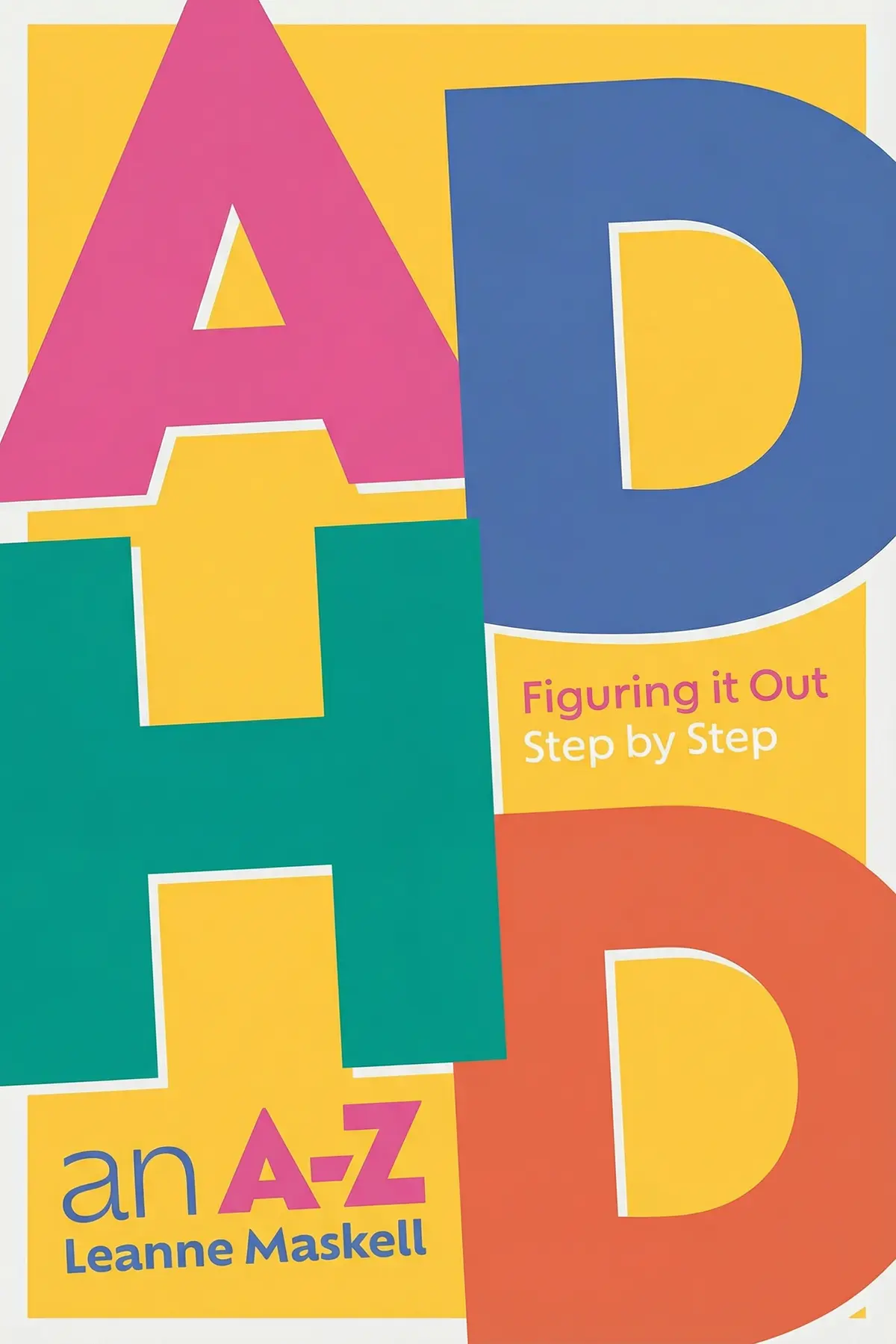
ADHD an A-Z: Figuring It Out Step by Step
Leanne Maskell
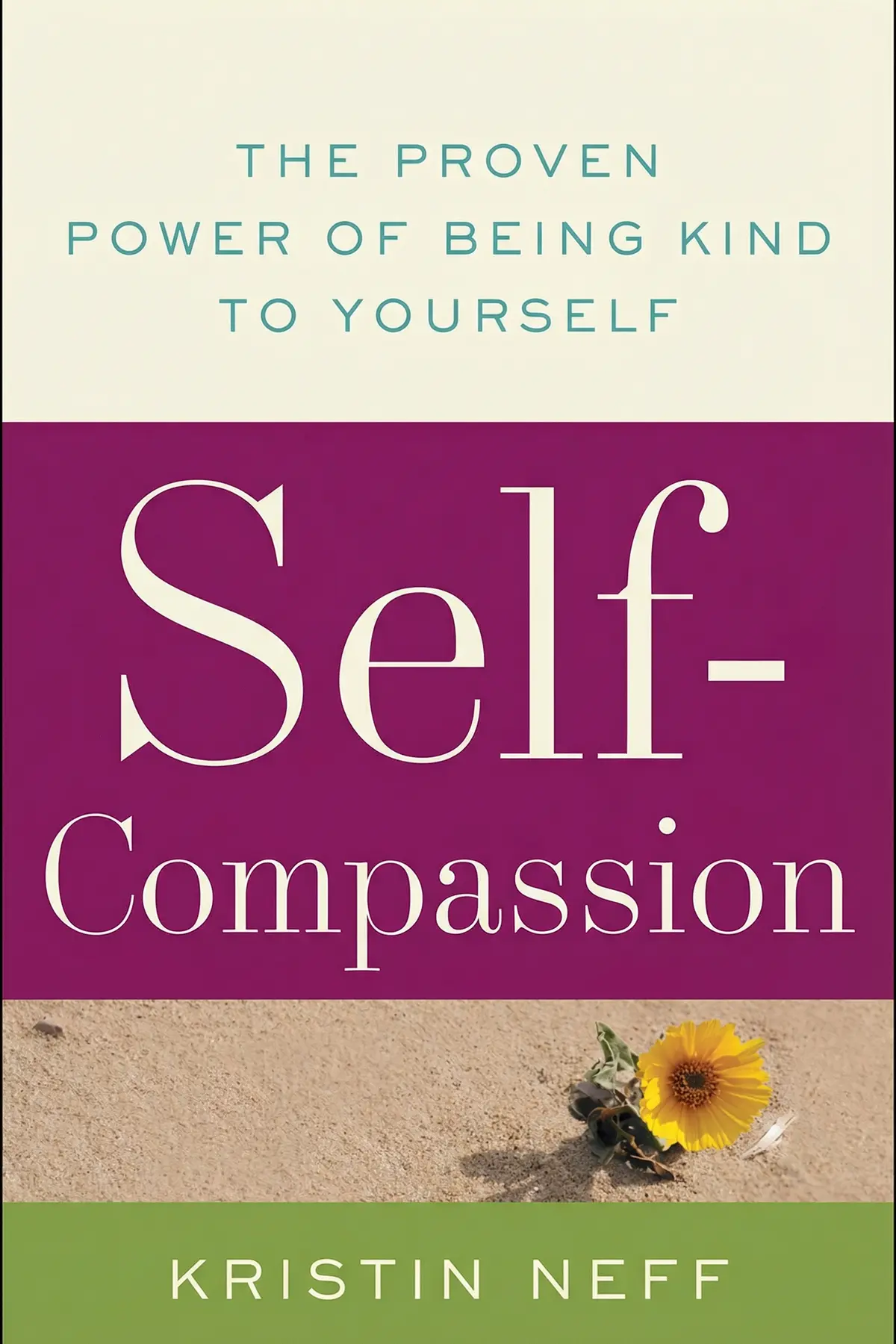
Learn to trade harsh self-judgment for a supportive inner voice. This summary explores the science of self-kindness, revealing how mindfulness and shared humanity can transform your emotional resilience and personal growth.
1 min 25 sec
We live in an era where the concept of self-care is frequently discussed, yet true internal kindness remains elusive for many. We are often told that the world is a competitive place and that to survive, we must be our own toughest taskmasters. We hold ourselves to standards that we would never dream of imposing on a friend, a colleague, or even a stranger. When we stumble, we don’t offer a hand; we offer a lecture. We tell ourselves we should have known better, worked harder, or been smarter.
This constant barrage of internal criticism creates a heavy burden. It leaves us feeling permanently inadequate, as if we are always one mistake away from being unworthy. But what if this approach is fundamentally flawed? What if the very tool we use to drive ourselves forward—our self-criticism—is actually the thing holding us back?
In the following pages, we are going to explore a different way of relating to ourselves. We will look at why we are so mean to the person in the mirror and where those voices actually come from. We’ll examine the biological and social reasons for our self-judgment and, most importantly, we will learn how to dismantle that cycle. By understanding the three pillars of self-compassion, you can begin to transform your inner dialogue from one of hostility to one of support. This isn’t about being soft or avoiding responsibility; it’s about finding a more effective, sustainable way to navigate the challenges of being human. Let’s begin by looking at the roots of our self-critical habits.
1 min 59 sec
Our internal voices aren’t born in a vacuum; they are often the reflections of how we were treated during our most formative years.
1 min 52 sec
Society pressures us to be ‘special’ to feel worthy, but this creates a competitive cycle where no one can ever truly win.
1 min 57 sec
We often use self-criticism as a whip to keep ourselves moving, but this method of motivation comes with hidden, destructive costs.
1 min 53 sec
Repeatedly attacking ourselves with harsh words isn’t just a bad habit; it’s a form of internal abuse with long-term mental health consequences.
1 min 56 sec
Transforming your relationship with yourself requires three core elements: noticing the pain, responding with kindness, and connecting with others.
2 min 05 sec
Self-kindness is not just a mental exercise; it can be expressed through physical comfort and gentle words that soothe the nervous system.
1 min 52 sec
Mindfulness allows us to step back from our emotions, ensuring that we are the observers of our pain rather than being consumed by it.
1 min 56 sec
Remembering that everyone struggles is the ultimate cure for the isolation that often accompanies failure or shame.
1 min 54 sec
Instead of fighting your critical voice, you can learn to listen to its underlying concerns and address them with a compassionate dialogue.
2 min 34 sec
As we come to the end of our journey through the landscape of self-compassion, it’s worth reflecting on the core shift we’ve discussed. For most of our lives, we’ve been told that kindness is something we owe to others, while discipline is something we owe to ourselves. We’ve been conditioned to believe that being a ‘good person’ means being selfless, often at the expense of our own emotional health. But as we’ve seen, this is a false dichotomy. You cannot truly be compassionate to others if you are a tyrant toward yourself. Your internal relationship sets the tone for everything else in your life.
The three pillars—mindfulness, common humanity, and self-kindness—provide a roadmap for a different way of living. By noticing your pain without judgment, recognizing that you are part of a larger human tapestry, and offering yourself genuine warmth, you build a foundation of resilience. This doesn’t make you weak; it makes you courageous. It takes far more strength to look at your flaws with kindness and a desire to grow than it does to simply lash out in shame.
To put these ideas into immediate practice, try a simple exercise. Take a moment to write down three lists. First, list five areas where you feel you are ‘above average.’ These could be skills, personality traits, or achievements. Second, list five areas where you feel you are ‘just average.’ Third, list five areas where you feel you are ‘below average’ or struggle. Now, look at the entire page. Notice that all of these things are true at the same time. You are a complex, multi-faceted human being who is simultaneously exceptional, ordinary, and flawed. Can you hold all of that together? Can you look at the ‘below average’ list not as a set of failures, but as the very things that make you human?
This is the heart of the practice. It’s about moving from a life of constant evaluation to a life of constant acceptance. It won’t happen overnight, and your inner critic will likely try to reclaim its territory many times. But each time you choose a kind word over a harsh one, each time you remember that you aren’t alone in your struggle, you are re-wiring your brain for a more peaceful, productive existence. Treat yourself with the same care you would give to a dear friend. You deserve it just as much as they do.
Many people believe that being their own harshest critic is the only way to achieve success and maintain discipline. However, this internal pressure often leads to burnout, anxiety, and a deep-seated sense of inadequacy. Self-Compassion challenges this paradigm by suggesting that kindness toward oneself is actually a far more powerful motivator than self-scolding. This guide breaks down the three core components of a compassionate mindset: mindfulness, common humanity, and self-kindness. It explains how our upbringing and societal standards shape our inner dialogue and offers practical strategies to shift that conversation. The promise of this work is a more resilient, balanced life where mistakes are seen as opportunities for growth rather than evidence of failure.
Kristin Neff is an Associate Professor of Educational Psychology at the University of Texas at Austin. Together with her colleague Chris Germer, she is the co-founder of the nonprofit Center for Mindful Self-Compassion, the co-developer of the Mindful Self-Compassion training program, and the co-author of The Mindful Self-Compassion Workbook.
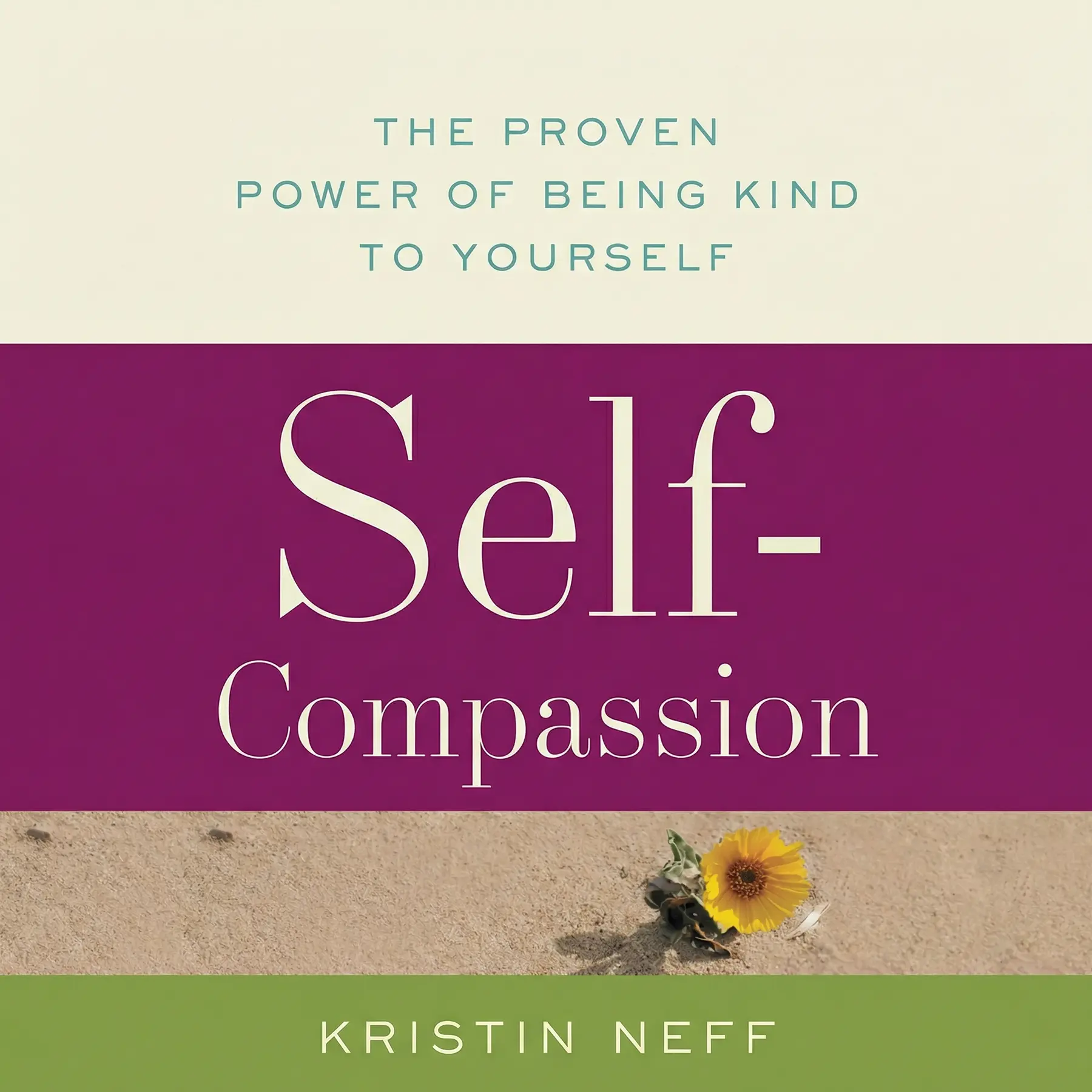
Listeners view this as an excellent resource that blends scholarly research with hands-on exercises at the conclusion of each chapter. They value the way it differentiates self-compassion from self-esteem and its ability to better one's life perspective. Listeners characterize the text as thought-provoking, with one listener highlighting its power to transform many lives, and they appreciate the author's prose, with one remarking on how it is divided into logical sections.
Wow. This book arrived exactly when my internal critic was screaming the loudest, offering a gentle but firm hand to lead me out of my own head. Kristin Neff breaks down self-compassion into three digestible core components: self-kindness, common humanity, and mindfulness, which feels much more attainable than just "loving yourself." While some might find the "poor darling" self-talk a bit much, the underlying research really solidified the concepts for me. I’ve spent years trying to boost my self-esteem, but realizing that my suffering is a shared human experience changed my entire outlook. It isn't just fluffy positive thinking; it’s a rigorous psychological shift supported by actual data. If you’ve ever felt isolated by your own failures, this book serves as a necessary reminder that you are not alone in your struggle. It’s a rare read that manages to be both intellectually stimulating and deeply, practically soothing.
Show morePicked this up on a whim after a particularly brutal week at work. I’ve always been my own worst enemy, but Neff’s "three chair" exercise helped me actually visualize the different voices in my head for the first time. The truth is, I never realized how much energy I wasted on self-criticism until I started implementing the mindfulness techniques described here. Each chapter flows into the next with a clear, research-backed logic that makes the "woo-woo" aspects of self-help feel grounded in science. I particularly valued the sections on how self-compassion affects our relationships with others, showing that being kind to ourselves isn't selfish at all. While the writing can be a bit repetitive in the middle chapters, the practical takeaways are life-changing if you actually do the work. This isn't a quick fix, but a total rewiring of how you relate to your own humanity.
Show moreFinally got around to reading this after my therapist recommended it for the third time. In my experience, most self-help books are either too clinical or too "vibe-based," but Neff strikes a perfect balance that feels both authentic and authoritative. The way she discusses her son’s autism diagnosis was particularly moving, as it highlighted the messy reality of trying to be compassionate while feeling totally overwhelmed. I loved how the book defines self-compassion as a dynamic tool for coping with pain rather than a way to avoid it entirely. The exercises aren't just "tricks"; they are foundational shifts in how you perceive your internal world. It’s one of the few books that I keep on my nightstand to revisit whenever I feel myself slipping back into old patterns of self-judgment. If you are struggling to break free from childhood conditioning or abusive pasts, this might be the most important book you read this year.
Show moreAs someone who has always equated self-criticism with motivation, this book was a total shock to my system. Not gonna lie, I used to think being hard on myself was the only way to get things done, but Neff proves that kindness is actually a much better fuel for growth. The distinction between performance goals and learning goals really stuck with me and changed how I approach my career. To be fair, some of the stories are a little dated, but the core psychological principles are timeless and incredibly well-supported by various studies. I found the logical breakdown of the chapters to be very helpful for navigating the complex emotions that come up during the exercises. This isn't just about feeling better; it’s about seeing yourself with clarity and honesty without the dark cloud of negativity. It has genuinely transformed the way I speak to myself on a daily basis.
Show moreDirect and deeply insightful, Neff has written what I consider to be the definitive guide on the subject. The three core components—self-kindness, common humanity, and mindfulness—are explained with such clarity that they immediately felt applicable to my life. I particularly appreciated the research comparing self-compassion to self-esteem, as it finally explained why my previous efforts at "confidence" felt so fragile. The writing style is respectful and easy to comprehend, even when she’s diving into complex topics like Maslow’s hierarchy or attachment theory. Not every anecdote landed for me, but the overarching message is one of profound hope and practical action. It’s a rare book that manages to be both intellectually stimulating and emotionally soothing at the exact same time. If you want to improve your outlook on life and your relationships with others, start here. It is worth every minute of your time.
Show moreAfter hearing several mentions of Neff in my meditation group, I decided to see if the hype was real. To be fair, the distinction she makes between self-esteem and self-compassion is the most valuable part of the whole text. We often chase self-esteem by trying to be better than others, whereas self-compassion allows us to be okay with being average or even failing. The book is organized into very logical sections, making it easy to digest the heavy academic studies alongside more personal stories. Look, some of the anecdotes about her travels to Mongolia felt a bit disconnected from my own reality, but the core message remains powerful. I especially appreciated the practical exercises at the end of each chapter, which turn abstract concepts into actual habits. It’s a solid resource for anyone looking to build a more resilient mindset without the typical self-help fluff.
Show moreEver wonder why you're so much nicer to your friends than you are to yourself? Neff explores this phenomenon with a mix of academic rigor and personal vulnerability that I found quite refreshing for the genre. Gotta say, the phrase "poor darling" took some getting used to, but the logic behind it—treating ourselves with the warmth we’d offer a child—is sound. The book avoids the trap of being too "waffly" by including concrete exercises that help you move beyond just reading about change. I did feel like some of the chapters on "common humanity" were a bit protracted, yet the overall impact on my mental health has been undeniably positive. It’s a thought-provoking read that challenges the societal pressure to always be "the best" at everything. Highly recommended for those who struggle with a relentless internal critic and need a permission slip to finally be human.
Show moreThis book provides a much-needed bridge between Eastern mindfulness and Western psychology. While I acknowledge the concerns regarding cultural appropriation, Neff does a great job of explaining how these ancient concepts apply to our modern, achievement-obsessed society. The section on social comparison and how we use others' flaws to boost our own ego was especially eye-opening for me. It’s a very practical guide, filled with exercises like the self-compassion journal that help integrate the lessons into real life. I did find the writing a bit repetitive towards the end, and the focus on her personal life sometimes felt a little self-indulgent. Nevertheless, the central thesis—that we need to acknowledge our shared human fragility—is a powerful antidote to the isolation of modern life. It’s a logical, well-structured read that offers more than just empty platitudes. It definitely helped me understand myself better.
Show moreThe information presented here is undeniably important, but the delivery left me feeling a bit frustrated. To be fair, Neff is a pioneer in this field, and her research on the biological benefits of self-compassion is absolutely fascinating to read. However, the book felt significantly longer than it needed to be, with several chapters repeating the same core arguments in slightly different ways. I also struggled with the tone at times, as it oscillated between dense psychological data and overly saccharine personal anecdotes. Personally, I think I would have gained just as much from a long-form article or a short video summary of her main points. If you are in a place of deep crisis, you might appreciate the hand-holding and slow pace, but for me, it was a bit of a slog. It's a good book, just one that requires a lot of patience to get through.
Show moreIs this book written for everyone, or just for people with a massive financial safety net? Frankly, I found Neff’s constant references to her extreme privilege—like taking her son to Mongolia for horse therapy—to be incredibly alienating for the average reader. Not gonna lie, the way she glosses over the cultural appropriation of Buddhist mindfulness practices felt like a massive oversight in a modern psychology text. It feels like she’s telling us to just "be kind to ourselves" while ignoring the systemic issues that cause much of our suffering. When she talks about her own affair and subsequent "self-forgiveness," it comes across more like a rejection of accountability than actual emotional growth. If you're looking for something that acknowledges the realities of poverty or systemic struggle, keep moving, because this isn't it. This is essentially a manual for the comfortable to feel even more comfortable while ignoring the world's actual pain.
Show moreLeanne Maskell

William B. Irvine
AUDIO SUMMARY AVAILABLE
Get the key ideas from Self-Compassion by Kristin Neff, plus 5,000+ more titles in English and Thai.







