
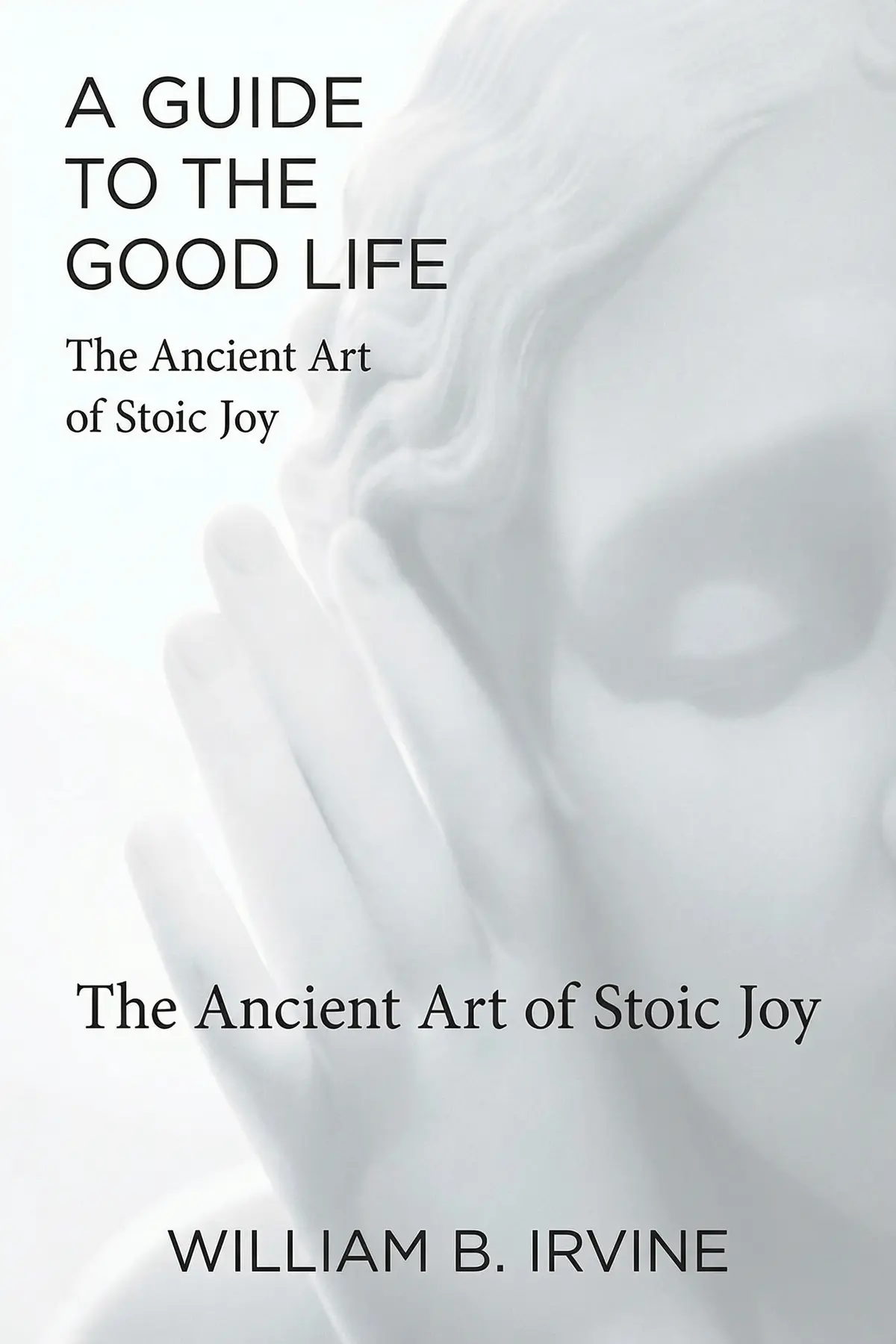
A Guide to the Good Life: The Ancient Art of Stoic Joy
William B. Irvine
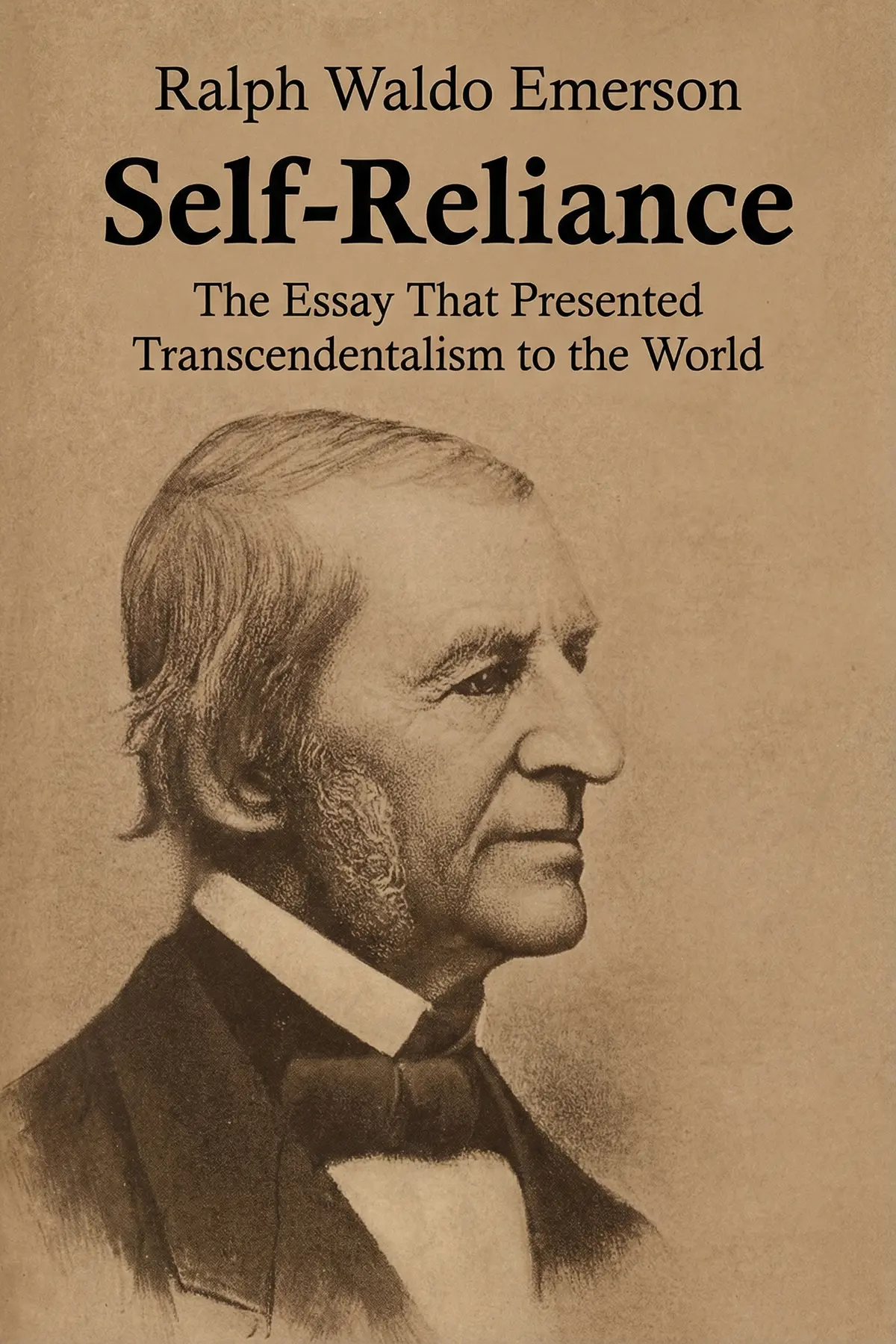
Ralph Waldo Emerson’s classic work serves as a powerful manifesto for personal independence. It explores why we must trust our own instincts, reject the pressure to conform, and find truth within ourselves.
51 sec
Imagine a world where every voice you hear is trying to tell you who to be. From the moment we wake up, we are bombarded by the expectations of our families, our workplaces, and our cultures. In the mid-19th century, Ralph Waldo Emerson looked at this same phenomenon and saw a crisis of the soul. He realized that most people were living as shadows of others, never daring to speak their own truth.
This is the starting point for his most famous work, a call to arms for the human spirit. Emerson doesn’t just suggest we be a bit more independent; he argues that our very survival as authentic beings depends on a radical reliance on ourselves. Through this summary, we will explore the throughline of Emerson’s thought: the idea that the greatest authority in your life is not found in a book, a church, or a government, but in your own heart. Let’s dive into how we can break the chains of conformity and finally trust the genius that lives within.
1 min 24 sec
Discover why your own internal flashes of insight are often more valuable than the most respected external wisdom.
1 min 21 sec
Explore the ongoing tension between the individual and a society that demands compliance at the cost of your liberty.
1 min 19 sec
Learn why social friction and the judgment of others can actually be signs that you are on the right path.
1 min 06 sec
Understand the heavy personal cost of imitation and why trying to be someone else is a form of self-destruction.
39 sec
Emerson’s message is a timeless reminder that the most important journey we will ever take is the one that leads us back to ourselves. By choosing individuality over the comfort of the crowd, we reclaim our intellectual and spiritual freedom. It isn’t an easy path—it requires us to face the disapproval of others and the uncertainty of our own growth.
But the reward is a life that is truly our own. As you move forward, try to listen a little more closely to that inner voice. Trust your own judgment, embrace your contradictions, and remember that you have everything you need to navigate the world already within you. The throughline of self-reliance is simple: look within, stand firm, and dare to be yourself.
This summary explores the foundational text of American Transcendentalism, focusing on the radical idea that the individual is the ultimate authority. Emerson argues that society is constantly working to dim our inner light, pushing us toward a bland uniformity that kills creativity and spirit. By examining the lives of great thinkers and the mechanics of social pressure, the essay provides a roadmap for living authentically. It promises a shift in perspective: from looking outward for validation to looking inward for direction. Listeners will learn why being misunderstood is often a sign of progress and how to reclaim their unique genius in a world that prefers echoes over original voices. By the end of this exploration, the concepts of self-trust and non-conformity will be framed not just as philosophical ideals, but as practical necessities for a fulfilling life.
Ralph Waldo Emerson was a leading 19th-century American philosopher, poet, and lecturer. Widely recognized as the foundational figure of the Transcendentalist movement, his work centered on the power of the individual and the importance of free thought. His intellectual legacy continues to shape modern concepts of individualism.
Listeners find these essays deeply stimulating, with one listener highlighting how the content encourages life reflection, and they value the traditional prose and informative quality. Regarded as a famous masterpiece, listeners believe it is well worth the price. However, perspectives on readability are divided; while some find the experience delightful, others describe it as a painful slow read. Furthermore, the small font size is a common point of criticism.
Wow. Emerson’s prose hits like a lightning bolt to the soul even two centuries later. I found myself highlighting nearly every other sentence because his words carry such an intense, jazzy tempo. This isn't just a dry historical text; it's a vibrant manifesto for anyone tired of the suffocating pressure to conform. He encourages us to trust that inner intuition rather than looking toward weary traditions or the hollow opinions of the masses. While his stream-of-consciousness style can be a bit disorganized, that raw energy is exactly what makes it feel so authentic. It forces you to stop and reflect on your own life choices instead of just passively consuming information. You don't read Emerson to agree with him on every point of theology or logic. You read him to wake up. It is a dense, beautiful, and absolutely essential piece of American thinking that I plan to revisit whenever I feel lost in the noise.
Show morePicked this up during a period of professional transition and found it incredibly life-affirming. There is something deeply romantic and esoteric about the way Emerson describes our connection to the universe. He doesn't bother with boring, theoretical arguments; instead, he just riffs on the glory of the individual spirit. Not gonna lie, some of the passages on 'non-conformity' felt like they were written specifically for my current situation. The book challenges you to abandon the safety of the herd and stand on your own two feet, which is terrifying but necessary. Even the parts that seemed a bit rambling or disorganized eventually contributed to this overwhelming sense of intellectual freedom. It's a classic for a reason, and the educational value alone makes it worth the price of admission. If you feel like society is trying to mold you into a dull copy of everyone else, read this immediately. It is a fiery, mystical call to action.
Show moreAs someone who has always felt a bit like an outsider, Emerson’s 'Self-Reliance' felt like a warm embrace from a kindred spirit. He captures that independent American soul perfectly, urging us to find the glimmers of genius within our own minds. I love that he doesn't try to make everything make perfect communicative sense; instead, he pushes the reader to derive their own meanings. The way he describes our connection to nature and the 'unseen' reality beneath the mundane is just breathtakingly beautiful. His vocabulary is even more extensive than Shakespeare’s, yet he uses it to create a jazzy, energetic tempo that never feels stuffy. Frankly, I think everyone should read this at least once, preferably when they are young and still deciding who they want to be. It’s a manifesto for the soul that celebrates the courage it takes to be truly yourself in a world of copies. I will definitely keep this on my shelf forever.
Show moreEver wonder why every American literature course eventually leads back to this specific essay? After finally finishing it, I understand the hype, though it wasn't exactly an easy beach read. Emerson’s vocabulary is staggering, and his sentences often feel like they are barely on speaking terms with one another. To be fair, the readability is a bit of a mixed bag because his thoughts jump from nature to the 'Oversoul' without much warning. It’s a slow, deliberate experience that demands your full attention, or you’ll find yourself lost in his mystical rhetoric. The edition I purchased was a great price, but the print size was frustratingly small, which made the dense paragraphs even harder to navigate. Still, the core message about self-reliance and the 'hobgoblin of small minds' is incredibly empowering. It is a thought-provoking classic that provides a necessary bridge between Eastern philosophy and Western individualism.
Show moreFinally got around to reading this classic, and while the wisdom is undeniable, the physical copy I bought had microscopic print that made my eyes ache. Aside from the publishing quality, the content itself is a fascinating glimpse into the mind of a true Transcendentalist. Emerson writes with a rhythmic, almost trancelike flow that reminds me of Nietzsche or Spinoza at times. He has this way of giving names to unnamable qualities of life, making the mundane feel sacred and the complex feel simple. Look, I didn't agree with his dismissive take on science and empiricism, but I loved his celebration of mental fortitude. His critique of how society 'improves' only to make the individual weaker is particularly astute in our modern digital age. It’s a painful slow read in some sections, but the moments of clarity are absolutely dazzling. Every page offers a new insight that makes you question why we value consistency over growth.
Show moreAfter hearing so much about Transcendentalism, I expected a dry academic lecture, but instead found a mystical stream of consciousness that was surprisingly engaging. Emerson has a very specific, hardy way of writing that feels like he’s shouting wisdom at you from across a canyon. While I found his rejection of prayer and traditional scripture to be a bit extreme, his observations on human nature are quite profound. The truth is, his style is all about the gut and the heart, rarely pausing for anything as cold as a logical proof. This can make the essay feel a bit disorganized, but it also makes it feel more alive and human. The book is a great value and a classic piece of literature that really makes you reflect on your relationship with society. Just be prepared for some dense language and a few sections that seem to ramble on without a clear destination. It’s a journey worth taking for the intellectual stimulation alone.
Show moreThe essence of Emerson is found in his refusal to be consistent or logical in the way we expect from modern thinkers. He famously calls a foolish consistency the 'hobgoblin of small minds,' and he certainly lives by that rule in these pages. I appreciated his celebration of solitude and his embrace of a connection to history that doesn't rely on blind imitation. At times, the writing feels like he’s just carried away by his own momentum, which makes for a delightful and energetic reading experience. However, I can see why some people find it a painful slow read because he never quite gets to a straightforward point. He expects you to work for the meaning, which is a refreshing change from most self-help books today. The print size in my edition was small, but the substance of the essays was more than enough to keep me interested. It’s a classic that manages to be both frustrating and deeply rewarding at the same time.
Show moreFrankly, this is the kind of book you have to read slowly with a highlighter in hand to truly appreciate the depth. Emerson’s 'Self-Reliance' is a powerful reminder that our own intuition is often more reliable than the consensus of the crowd. I loved his lyrical might and the way he describes the 'Oversoul' as a unifying force, even if the concept is a bit nebulous. Some of the language is definitely dated, and his aversion to facts and science can be a bit off-putting to a modern reader. Still, the educational value is high, and it provides a great foundation for understanding the American spirit of individualism. It’s a thought-provoking collection that challenges you to be an active participant in the world rather than a passive observer. While it isn't always a compelling page-turner, the nuggets of sage wisdom are worth the effort. It is a solid 4-star classic that everyone should have in their library for moments of reflection.
Show moreTo be fair, I appreciate the historical weight of this text, but the sheer arrogance of Emerson’s philosophy is often hard to swallow. He speaks with such total confidence about subjective experiences that it almost feels like he's trying to replace traditional religion with his own ego. The truth is, his dismissive attitude toward history and established values seems to overlook the basic flaws in human nature. He claims that listening to one's gut is the path to divinity, but that feels like a recipe for total chaos and selfishness. I struggled with the way he treats logic as if it’s a burden rather than a tool for clarity. While the writing is undeniably poetic and contains some beautiful gems about solitude, the underlying message feels a bit too much like a convenient excuse for self-importance. It is worth reading for the perspective, but I would suggest approaching these claims with a heavy dose of skepticism.
Show moreLook, I wanted to love this because the quotes about non-conformity are so iconic, but the delivery left me feeling more confused than inspired. Emerson’s writing style is a chaotic stream of consciousness that often lacks any discernible organization or logical structure. He seems to value intuition over reason to such an extent that the essay becomes a series of high-energy rants rather than a cohesive argument. Personally, I found his constant borrowing from Eastern religions while simultaneously attacking traditional values to be a bit contradictory. The book is definitely thought-provoking, and I can see why it’s considered an American classic, but it felt like a chore to finish. It’s essentially a very long lecture on why you should only listen to yourself, which sounds great until you realize he’s also a bit of a hypocrite. If you enjoy mystical, flowery language, you might love this, but if you prefer clear and grounded philosophy, you'll probably be frustrated.
Show moreWilliam B. Irvine
Andrew D. Thompson

Deepak Chopra
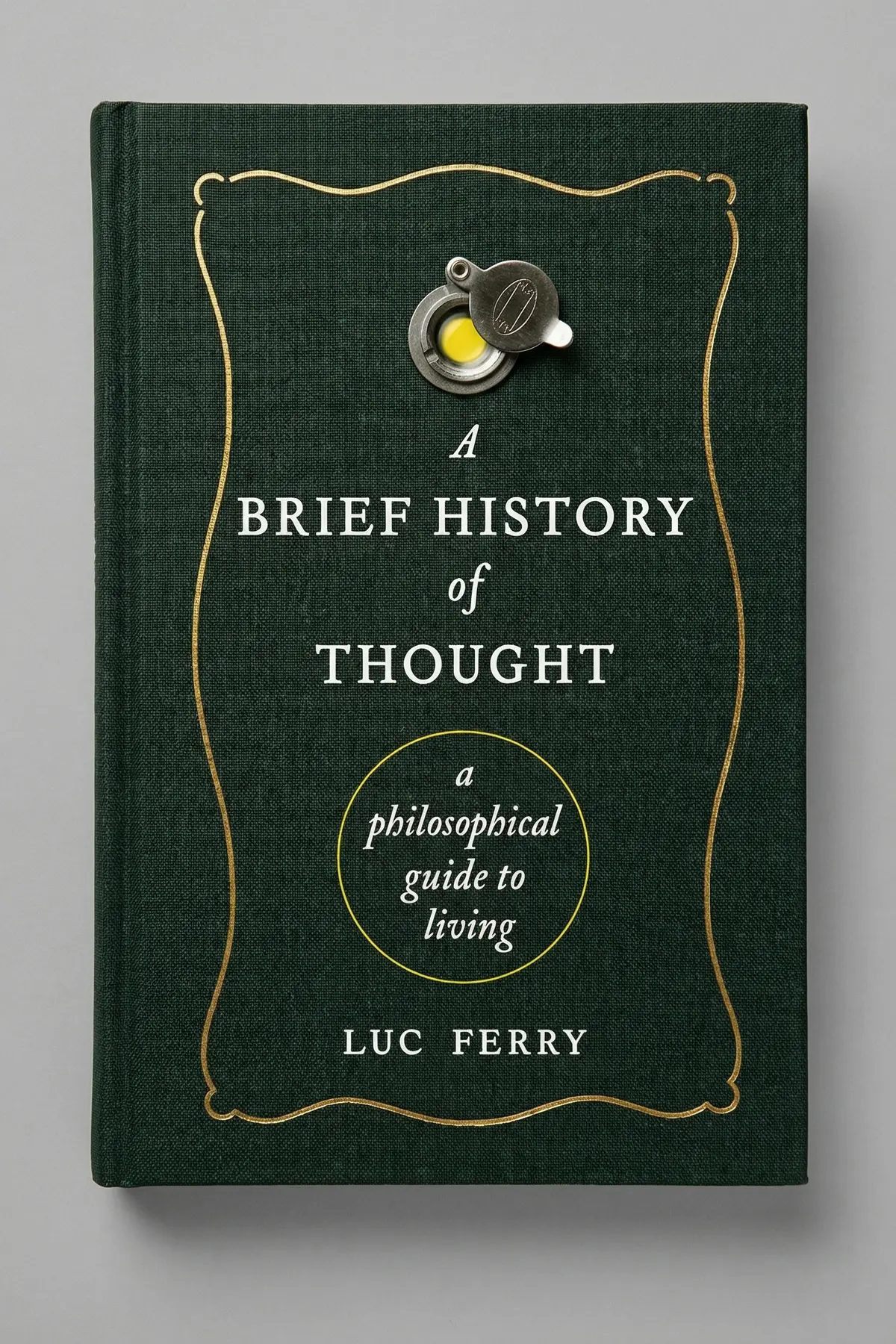
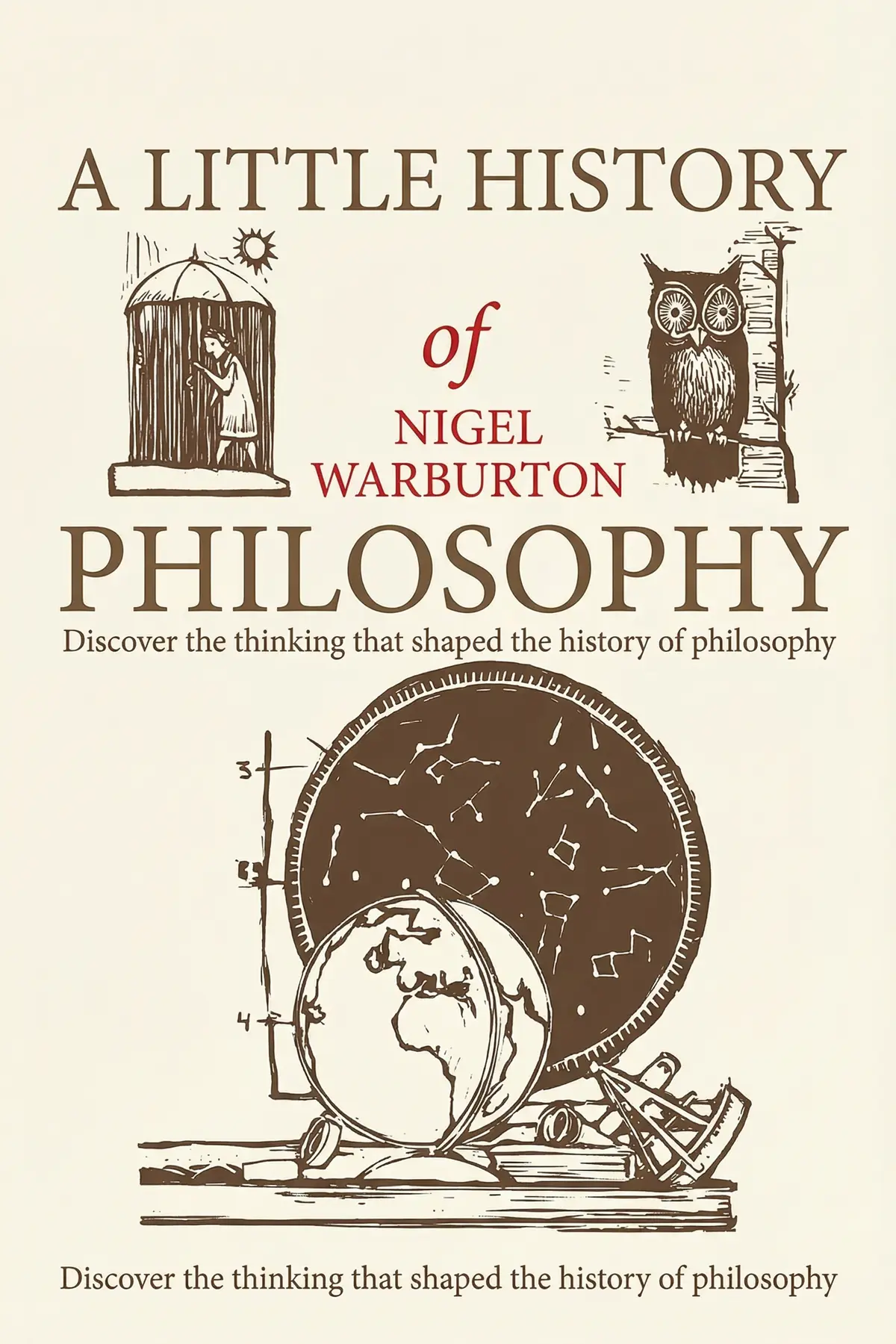
Nigel Warburton
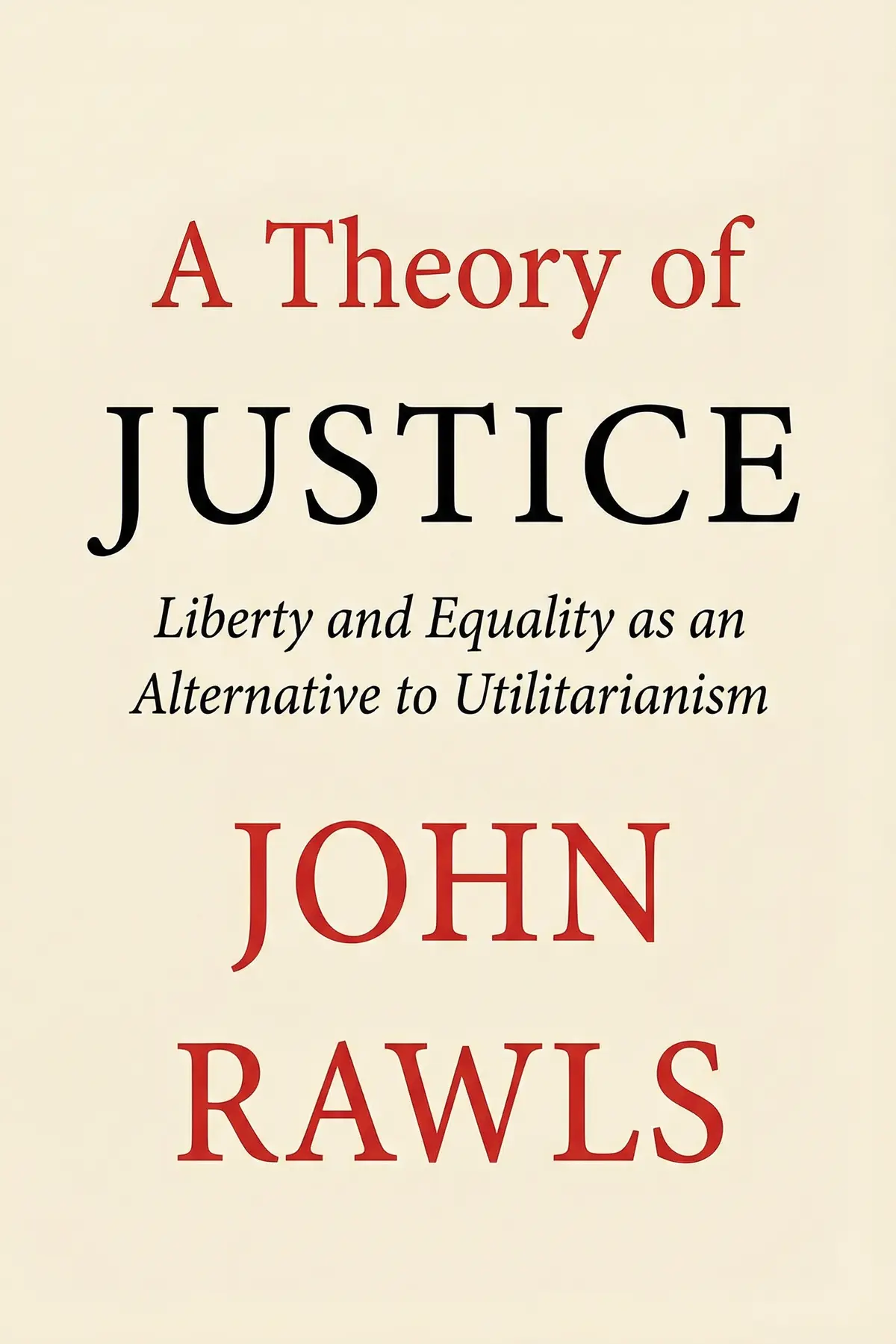
John Rawls
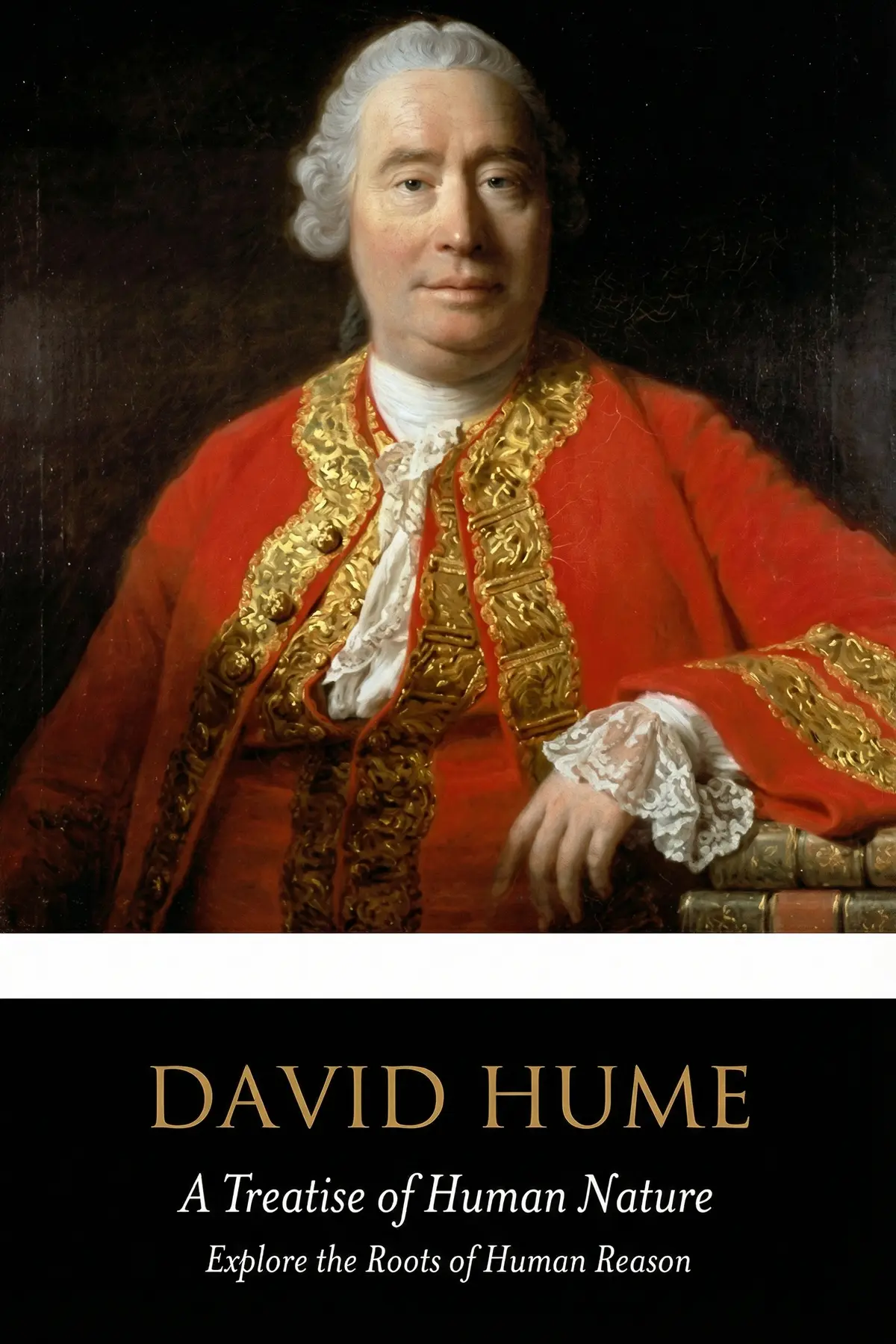
AUDIO SUMMARY AVAILABLE
Get the key ideas from Self-Reliance by Ralph Waldo Emerson, plus 5,000+ more titles in English and Thai.







