
24 min 04 sec
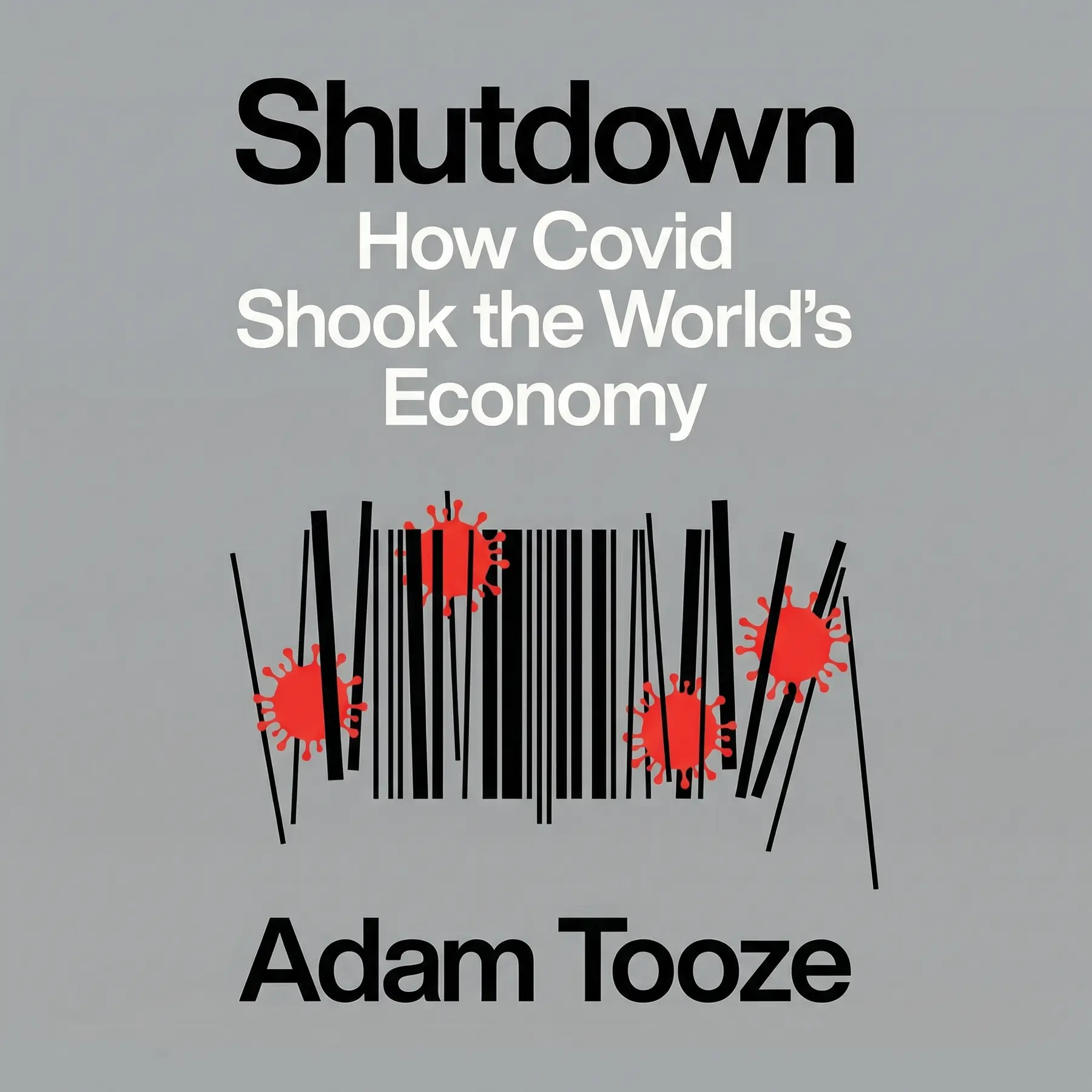
Shutdown: How Covid Shook the World's Economy
By Adam Tooze
Shutdown explores the unprecedented global economic collapse of 2020. It analyzes how political failures and financial interventions reshaped the world during the COVID-19 pandemic and the lasting lessons for future global crises.
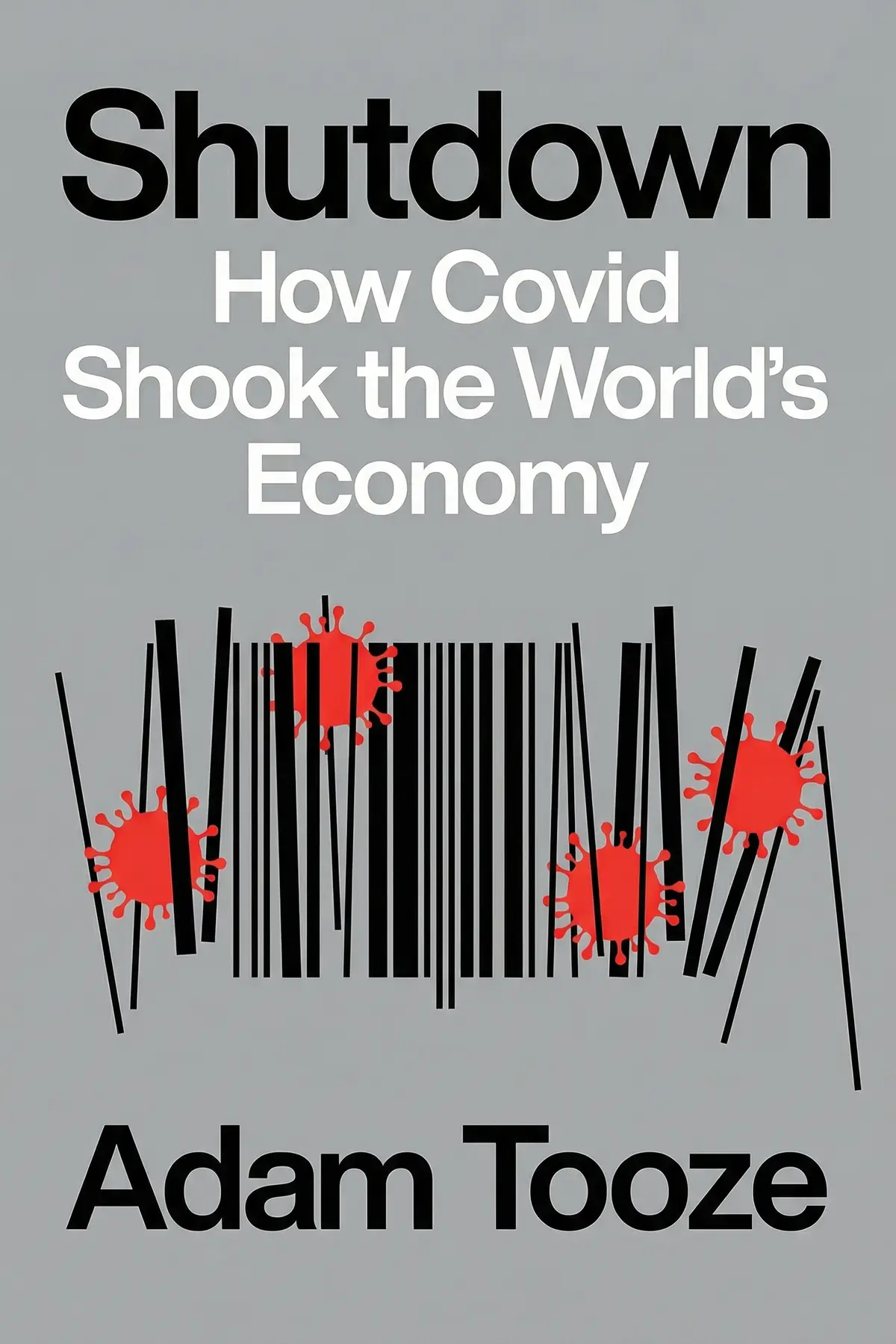
Table of Content
1. Introduction
2 min 16 sec
Imagine looking at a chart of global economic data and seeing a vertical drop so steep it looks like the result of an extraterrestrial impact. In early 2020, that is exactly what happened to the human world. When the COVID-19 pandemic began its silent march across borders, it didn’t just cause a health crisis; it triggered the most comprehensive and intense economic contraction in recorded history. This wasn’t a localized recession or a regional downturn. It was a simultaneous fracturing of ninety-five percent of the world’s economies.
Behind the dry statistics were billions of human stories. Ten million people fell ill in the early waves, and millions died. Three billion people—nearly half the global population—found themselves suddenly out of work or furloughed. Schools went silent as one point six billion children were sent home. For the first time in modern history, the public life of the entire planet ground to a halt. This was the ‘shutdown,’ a moment where the gears of global capitalism were intentionally and unintentionally jammed.
Yet, as shocking as this moment felt, there is a deeper, more unsettling truth at the heart of this story: it was predictable. Public health experts and economic historians had been sounding the alarm for years. The pandemic was what experts call a ‘gray rhino’—not a surprise ‘black swan’ event that no one could have seen coming, but a massive, obvious, and charging threat that we simply chose to ignore until it was on top of us.
In this summary, we are going to walk through the wreckage and the recovery of that extraordinary year. We will explore how the world’s governments, often acting with a mix of brilliance and incompetence, tried to hold the global system together. We’ll look at why the rules of economics changed overnight, why some nations emerged stronger while others fractured, and what these lessons mean for the next time a gray rhino starts charging in our direction. Through this lens, we can begin to see 2020 not just as a year of tragedy, but as a pivotal turning point in the way humanity manages its most existential risks.
2. The Warning We Ignored
2 min 42 sec
Modern society wasn’t caught off guard by a surprise; it was hit by a predictable disaster we refused to fund. Discover why the pandemic was less like a bolt of lightning and more like a charging rhino.
3. The Chinese Model of Containment
2 min 34 sec
When the virus emerged in Wuhan, the Chinese government launched a massive ‘People’s War’ to contain it. See how their aggressive, top-down strategy redefined the regime’s power and set the stage for a rapid recovery.
4. The Fragmentation of the West
2 min 41 sec
While the East locked down, the West hesitated, distracted by political drama and internal divisions. Explore how uncoordinated responses and a sudden collapse in oil prices sent the world’s wealthiest nations into a tailspin.
5. The Day the Financial Bedrock Shook
2 min 28 sec
In March 2020, even the safest financial assets on Earth began to fail, threatening a global collapse. Learn how the US Federal Reserve broke every traditional rule to save the economy.
6. A Tale of Two Recoveries
2 min 17 sec
As the crisis deepened, Europe and China took vastly different paths toward recovery. Examine how the EU abandoned old austerity rules while China capitalized on its industrial dominance to emerge stronger than ever.
7. Resilience in the Global South
2 min 27 sec
Poor and middle-income nations faced a dual threat to their health and their bank accounts. Discover the surprising financial strategies that allowed emerging markets to survive the shock even when international aid fell short.
8. The Intersection of Pandemic and Protest
2 min 14 sec
In the middle of a health crisis, the United States was rocked by a massive movement for racial justice. See how the pandemic amplified existing social fractures and turned health into a political battlefield.
9. A New Economic Consensus
2 min 23 sec
The speed of vaccine development was a scientific miracle, but it arrived in a world forever changed. Explore how the 2020 crisis birthed a new era of massive government intervention.
10. Conclusion
2 min 02 sec
The events of 2020 were a stress test for every pillar of modern society, from the biology of our bodies to the digital ledgers of global finance. What we learned from the shutdown is that our world is both incredibly fragile and surprisingly adaptable. We saw that in the absence of strong, coordinated leadership, the sheer momentum of human institutions—from local school boards to the governors of the Federal Reserve—can still pull the world back from the brink.
The central throughline of this period is the death of the old economic order. The ‘neoliberal’ era, defined by a belief that markets should be left alone and governments should stay small, effectively ended when the first lockdowns began. In its place, we have entered an era of massive state intervention, where trillions of dollars are deployed to buffer against catastrophe. We have seen that the government can, when pushed, act as the ultimate insurer for the entire global system.
However, the lessons of 2020 also come with a warning. The pandemic was a ‘gray rhino’—a foreseeable threat that we met with uncoordinated responses and systemic inequality. While the balance sheets of wealthy nations recovered, the human toll was concentrated among the poor and marginalized, both within nations and across the Global South. The next gray rhino, whether it be climate change or another pathogen, is already on its way.
The actionable takeaway from this history is that preparedness cannot be a secondary concern. We must fund our global health agencies with the same seriousness that we fund our militaries. We must build economic systems that are resilient not just at the top, but for the billions of people who live at the margins. 2020 was a wake-up call; the shutdown showed us what happens when we ignore the rhino. The future depends on our ability to keep our eyes on the horizon and act before the next collision occurs.
About this book
What is this book about?
Shutdown provides a detailed historical and economic account of the year the world stood still. It tracks the movement of the SARS-CoV2 virus from its origins in Wuhan to its status as a global catalyst for the most intense economic contraction in history. The book examines the divergent strategies of global powers, contrasting China’s centralized mobilization with the uncoordinated and often chaotic responses of Western nations like the United States and the United Kingdom. Beyond just a health crisis, the narrative explores the high-stakes world of international finance, describing how the pandemic nearly destroyed the market for US Treasuries and forced the Federal Reserve to engage in radical interventions that shattered decades of economic orthodoxy. It also delves into the social and political upheavals of 2020, including the racial justice movements in the US and the shifting power dynamics between the East and West. The promise of this summary is to help you understand the mechanics of the 2020 shutdown and how it fundamentally altered the relationship between governments, citizens, and the global economy, preparing us for the next 'gray rhino' threat.
Book Information
About the Author
Adam Tooze
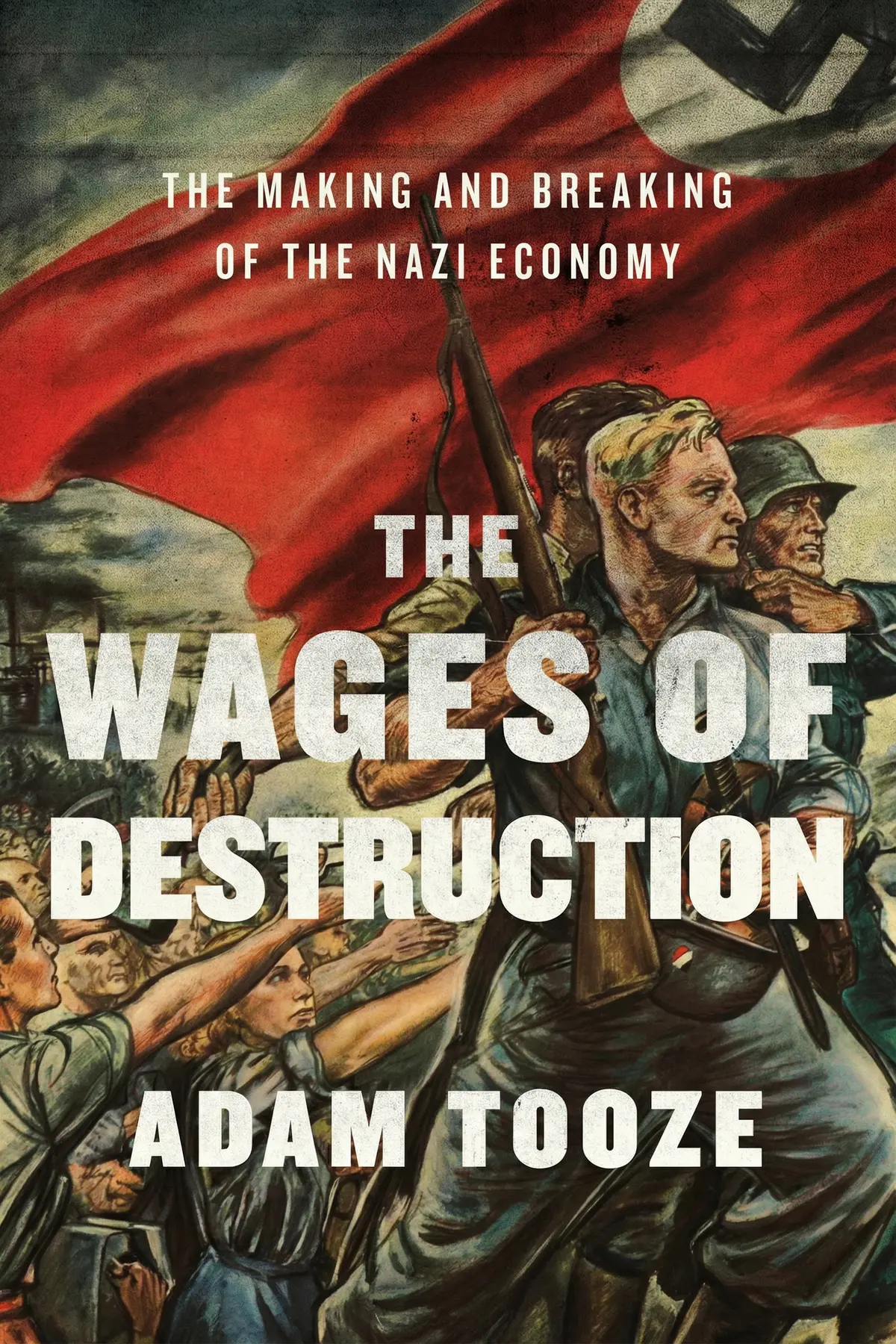
Adam Tooze is a professor of economic history at Columbia University and the author of numerous award-winning books, including The Wages of Destruction, a history of the Nazi economy, Deluge, which traces the fallout of the First World War, and Crashed, an autopsy of the Great Recession.
Ratings & Reviews
Ratings at a glance
What people think
Listeners view this work as a beneficial and enlightening guide to the international economic "polycrisis" sparked by the pandemic. Its vast scope earns praise, especially regarding the meticulous breakdown of government stimulus efforts and central bank measures across multiple countries. Additionally, listeners laud the author's extensive research and sharp narrative style, with one listener noting that the account provides a "compelling and stressful reminder" of 2020. While viewpoints are split on whether it functions as immediate journalism rather than a permanent history, many agree it is a vital resource for making sense of contemporary global instability.
Top reviews
Audrey
Adam Tooze has a remarkable gift for synthesizing the sheer chaos of global finance into something legible. This book is a masterclass in explaining the 'polycrisis' that defined 2020, moving seamlessly from the initial outbreak in Wuhan to the frantic rooms of the world’s central banks. I was particularly struck by how he frames the fiscal response as a revolutionary but strange creature—a mix of radical spending and desperate conservatism. His analysis of bond-buying as the 'functional twin' of fiscal policy clarifies why the markets didn't just implode instantly. Frankly, it is the most comprehensive account we have of how the world stayed afloat. While the pace is breathless, the depth of research into various national stimuli programs is staggering. It’s an essential, though often stressful, roadmap for understanding the fragile status quo we currently inhabit.
Show moreAkosua
I've been following Tooze since 'Crashed,' and this feels like the essential sequel we needed for the COVID era. The way he identifies the 'polycrisis'—the intersection of public health, climate change, and financial instability—is brilliant. He doesn't just offer a laundry list of utopian solutions; instead, he narrates the crisis and identifies the actual social forces at play. Truth is, most of us were too busy surviving 2020 to notice the radical shifts happening in central banking. Tooze explains how we've moved into a world where 'anything we can actually do we can afford,' yet we still fail to address basic inequalities. The epilogue has been hitting my previously-held beliefs and breaking them ever since I finished it. It’s a pleasure to read a writer who is this creative and detailed. Highly recommended for anyone trying to wrap their head around modernity.
Show moreHannah
Is it too early to call this a history book? Tooze himself admits that writing this during the lockdown was a way to cope, and that immediacy shines through every page. It reads more like high-level reportage than a definitive historical text, but that’s exactly what makes it so gripping. He captures the 'organized irresponsibility' of international institutions like the WHO, which were simply unequipped for a crisis of this magnitude. I found the sections on the CARES Act and the sudden pivot to universal payments fascinating. It’s a sobering reminder of how 'too big to fail' has become our only governing logic. My only gripe is that it can feel a bit improvisational at times, especially toward the end. Still, if you want to understand the machinery behind the 2020 shutdown, this is where you start.
Show moreEye
Reading this was a visceral, often stressful reminder of just how fragile our global systems really are. I usually avoid books written in the heat of a crisis, but Tooze manages to provide an insightful narrative that doesn't just feel like a news recap. He highlights the tragic irony that in 2020, while the poor died in thousands, the richest actually saw their wealth explode. The book brilliantly exposes how 'everything must change so that everything remains the same,' a Bismarkian strategy used by central bankers to preserve a dangerous status quo. It’s an enraging but necessary read. I appreciated the broad scope, looking at nations outside of the US and Europe. The writing style is punchy and keeps you moving through some fairly dense economic theory. Definitely worth the time if you can handle the 2020 flashbacks.
Show moreTuck
Finally got around to finishing this massive deep dive into how COVID broke the world economy. I gotta say, the global scope is what really sets this apart. Tooze doesn't just stick to the Federal Reserve; he looks at the IMF and governments across the globe. It's an insightful look at how 2020 could have marked the end of neoliberalism, but instead ended up being a scramble to preserve the old guard. The scale of the interventions was like war finance, yet it didn't lead to any transformative change. Personally, I found the blow-by-blow account of the pandemic's progress a bit overwhelming at times, but it serves as a valuable resource. He captures that weird paradox where technocratic governance is both all-powerful and totally hollowing out. Not a perfect book, but definitely a necessary one for our current moment.
Show moreNarong
The sheer scale of the government interventions described here is enough to make your head spin. Tooze provides a compelling narrative of the 2020 financial response, specifically how central bank bond buying became the twin of fiscal policy. It’s a deeply researched book that manages to make sense of the 'polycrisis' without oversimplifying the moving parts. Look, it’s not always an easy read—the sentence structures can be dense and the subject matter is grim. However, the insights into the Bismarkian nature of modern banking are worth the effort. My only real criticism is that it occasionally feels like a collection of essays rather than a unified book. He admits it was a coping mechanism for the lockdown, and that energy is evident. Still, it’s the most valuable resource out there for understanding the economic fallout of the pandemic.
Show moreNuk
As someone who felt completely lost during the news cycles of 2020, this book acted as a necessary map. It’s a history in 'media res,' written while the events were still unfolding, which gives it a unique, high-stakes tone. Tooze touches on everything from the Green New Deal to the Anthropocene crisis, arguing that we’ve been riding our luck for a century. The analysis of how the party-state in China acted in contrast to pluralistic democracies was particularly sharp, even if I didn't agree with every conclusion. Not gonna lie, some of the economic jargon went over my head, but the general narrative of 'organized irresponsibility' was clear as day. It’s a sobering look at how the rich got richer while the systems we rely on barely held together. Definitely a solid four-star effort from the most brilliant econ observer working today.
Show morePot
While I admire the ambition of this work, there are some glaring omissions that stopped me from giving it a higher score. For a book that purports to explain how the world economy shook, the lack of focus on the shipping industry is baffling. Tooze spends very little time on the actual logistics of trade, the logjams at ports, or the soaring costs of container availability which drove so much inflation. Furthermore, his definition of 'neoliberalism' feels way too plasticine; he stretches the term to fit almost any government action, which weakens his overall theoretical framework. The statistics and charts are definitely helpful for tracking the virus’s spread and the subsequent economic shocks. However, I felt his treatment of China’s early data was a bit too accepting. It’s a decent 3-star read for the data alone, but it lacks the rigor of his previous books.
Show moreTun
To be fair, Tooze writes with an urgency that perfectly captures the frantic energy of 2020. The book functions well as a compendium of anecdotes and numbers, helping to track the vaccine funding models and the various national furlough programs. But there are gaps. I was disappointed by the minimal exploration of China's conduct at ground-zero in late 2019. This absence makes the economic analysis feel incomplete. Also, the chapter attempting to answer his left-wing critics, particularly Perry Anderson, felt slapped on and hurried. It didn't have the same intellectual energy as the rest of the book. It’s a useful resource if you need statistics on the 2020 stimuli, but it doesn't quite reach the heights of a definitive history. A solid middle-of-the-road effort that perhaps came out a year too soon.
Show moreWacharapol
This book feels like it was written by a technocratic neoliberal celebrating the very systems that failed us in the first place. I speak from several degrees to Tooze's left, and I found his take on the Green New Deal particularly troubling. He describes the Dems' version as pristine, ignoring how it was essentially a watered-down ripoff of the original Green Party proposal. Why ignore that context? Probably because it would spoil his narrative. He also seems to accept China’s COVID statistics at face value, which is frankly laughable given the restrictions on information leaving the country. The whole project feels rushed, like he prioritized being a commentator for the New York Times over being a serious historian. It lacks the breadth and second-order coherence of 'Crashed.' This is a defeat of Tooze the theorist at the hands of Tooze the pundit.
Show moreReaders also enjoyed
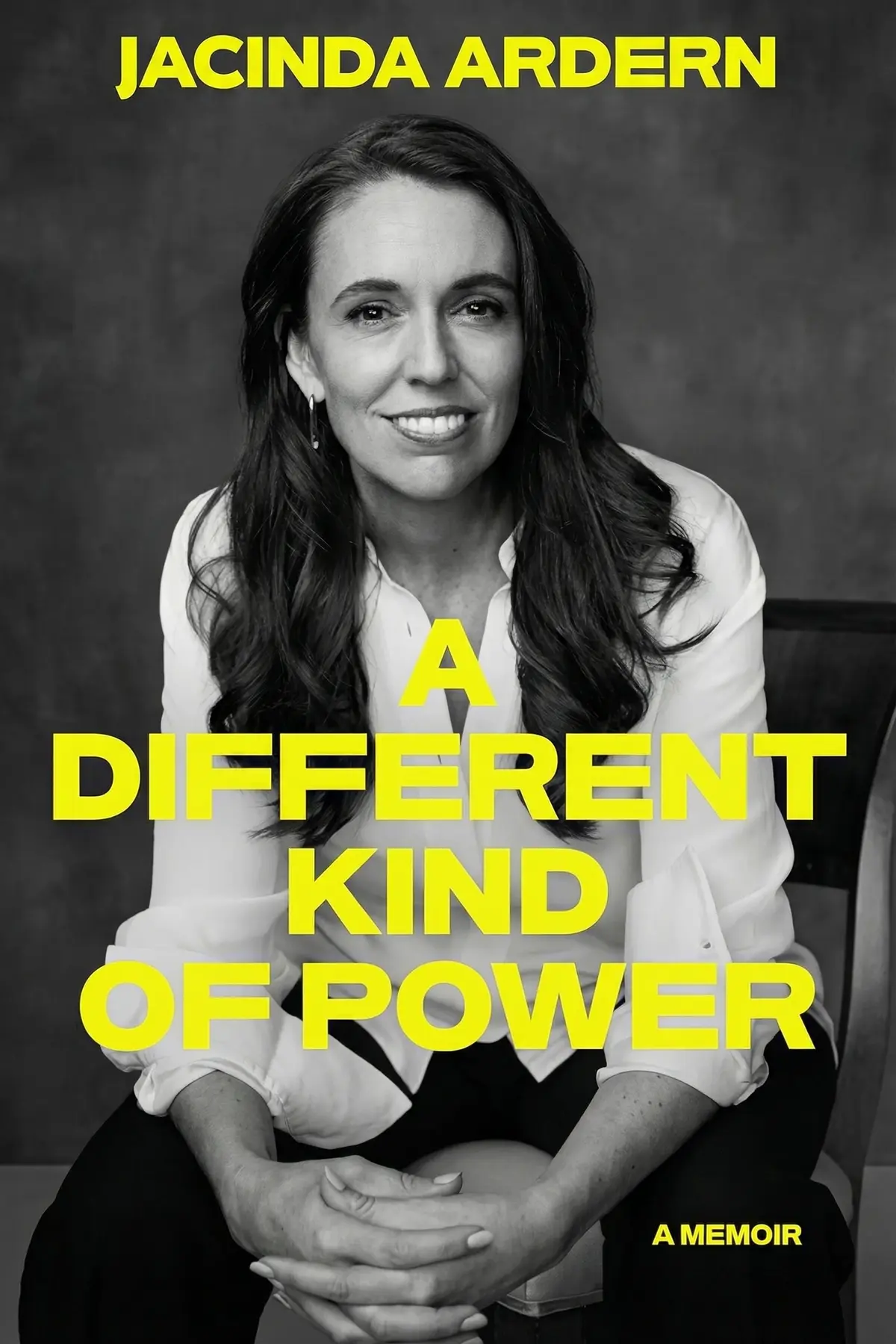
A Different Kind of Power: A Memoir
Jacinda Ardern
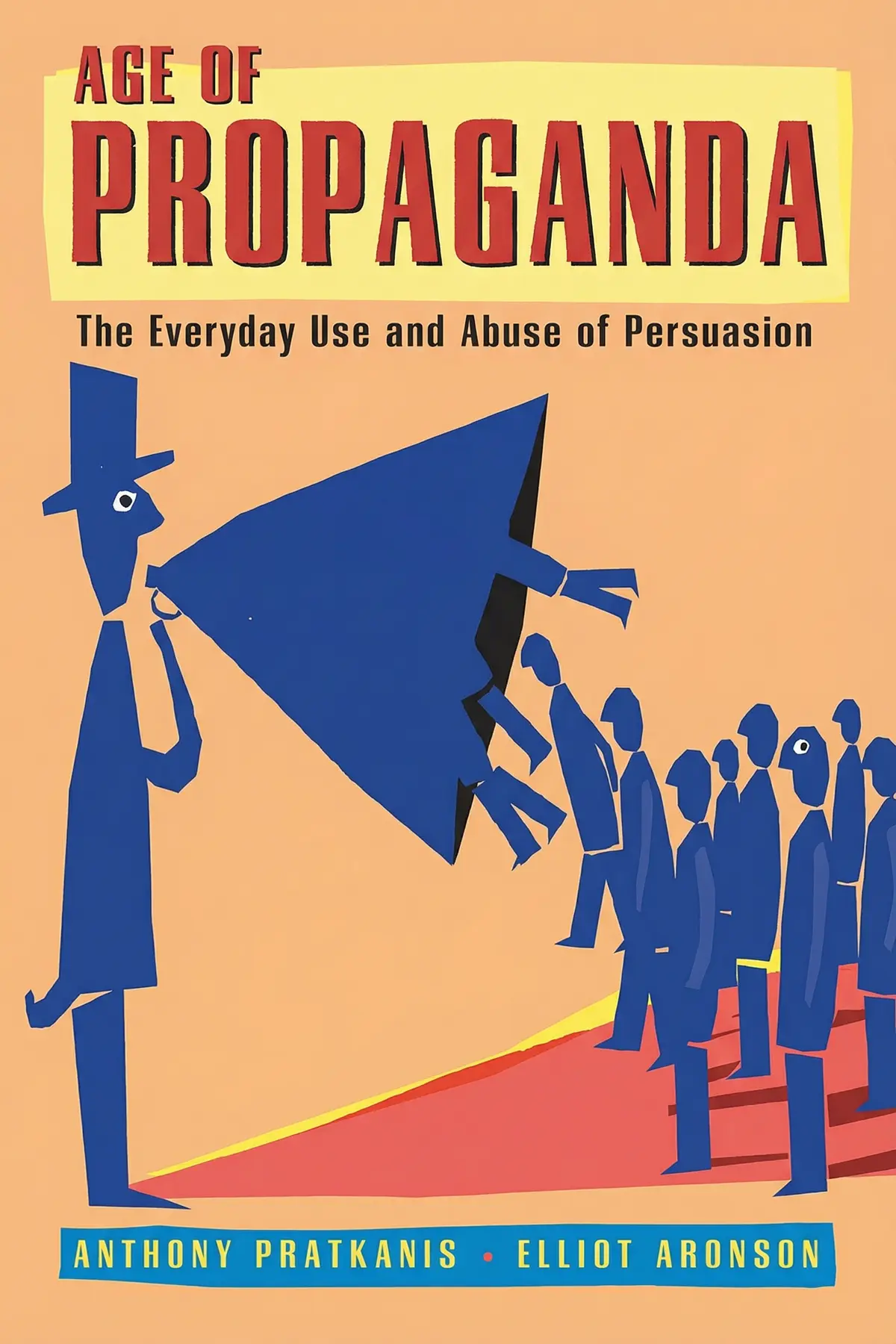
Age of Propaganda: The Everyday Use and Abuse of Persuasion
Anthony Pratkanis
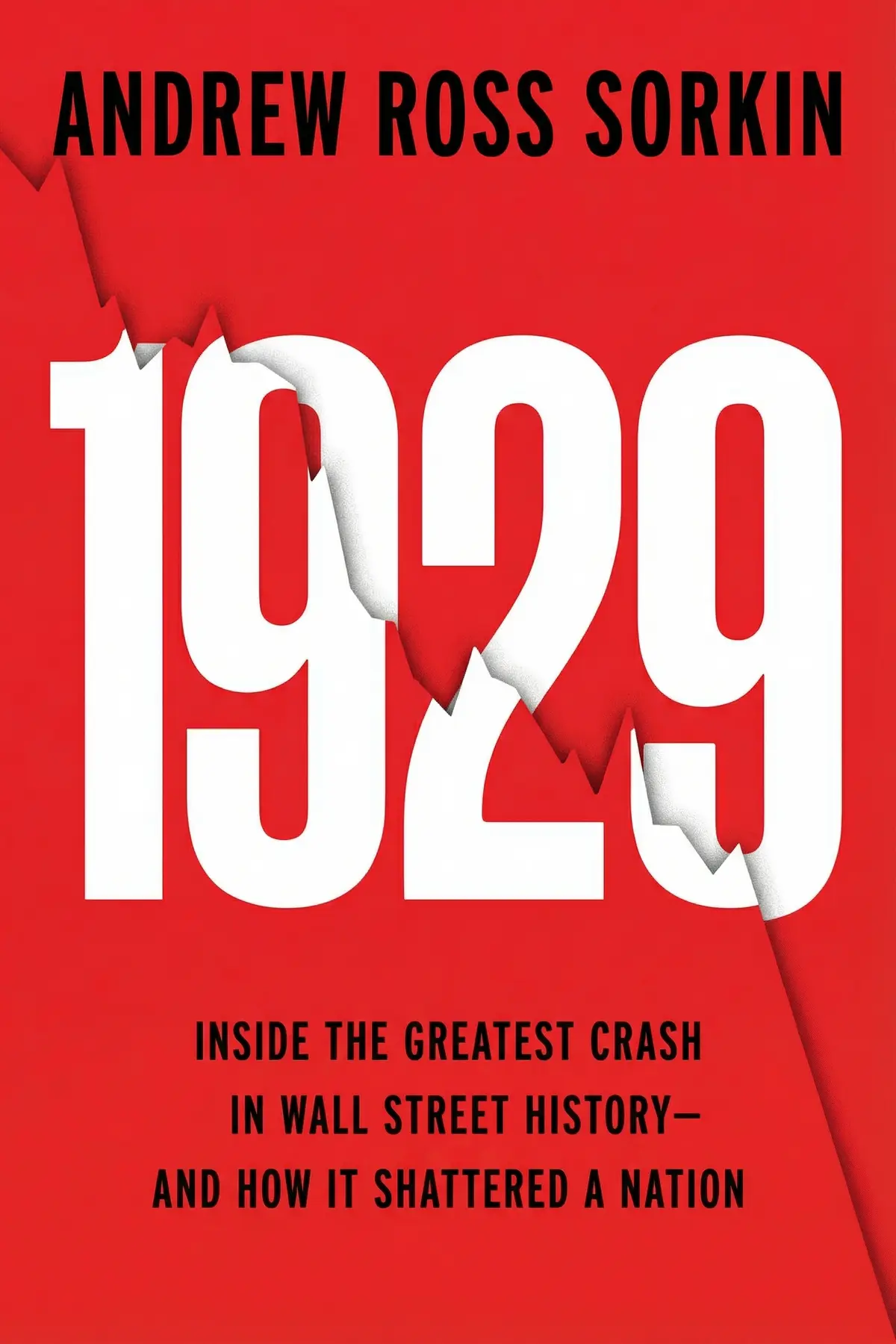
1929: Inside the Greatest Crash in Wall Street History--and How It
Andrew Ross Sorkin
A Higher Loyalty: Truth, Lies and Leadership
James Comey
23 Things They Don’t Tell You About Capitalism
Ha-Joon Chang
A Little History of Economics
Niall Kishtainy
A Promised Land
Barack Obama
AUDIO SUMMARY AVAILABLE
Listen to Shutdown in 15 minutes
Get the key ideas from Shutdown by Adam Tooze, plus 5,000+ more titles in English and Thai.
- 5,000+ titles
- Listen as much as you want
- 7-day free trial
- Cancel anytime







