
15 min 24 sec
The Wages of Destruction: The Making and Breaking of the Nazi Economy
By Adam Tooze
The Wages of Destruction offers a radical re-examination of the Third Reich, arguing that economic desperation and industrial limitations, rather than just ideology, drove Hitler’s aggressive expansion and eventual downfall.
Table of Content
1. Introduction
1 min 45 sec
When we look back at the middle of the twentieth century, the images that dominate our minds are often those of soldiers, tanks, and sweeping ideological rallies. We see the Third Reich as a monolithic force of will, driven by a singular, albeit horrific, vision. But there is another way to view this history—not through the lens of speeches and symbols, but through the cold, hard reality of economics. This is the perspective offered in our look at The Wages of Destruction. Here, historian Adam Tooze invites us to look past the propaganda and into the account books of the Nazi regime.
What we find is a story of a nation that was constantly running out of time, money, and materials. Far from being an unstoppable juggernaut, the German war machine was a high-stakes gamble built on a foundation of economic instability. The central throughline of this summary is that the aggressive expansion of the 1930s and 40s was not just an ideological choice; it was a desperate economic necessity. Hitler’s regime was trapped in a cycle where it had to conquer new territories just to keep its own economy from collapsing under the weight of its military spending.
By examining the economic factors that drove the regime, we gain a much deeper understanding of why certain military decisions were made and why the war took the shape it did. We will see how the lack of raw materials, the struggle for food self-sufficiency, and the overwhelming industrial might of the global powers outside of Germany created a box that the regime could never truly escape. This is a story of how the material world—the world of steel, coal, wheat, and currency—eventually crushed the ideological ambitions of a dictatorship. As we move through these ideas, notice how the financial pressure was often the invisible hand steering the course of history.
2. The Economic Paranoia of a Global Have-Not
1 min 59 sec
Explore how Germany’s perceived weakness in the face of established global industrial powers drove a desperate and aggressive economic policy long before the first shots were fired.
3. The Fragile Foundation of Military Rearmament
1 min 49 sec
Understand the hidden financial risks and unsustainable debt that fueled the rapid build-up of the German military during the 1930s.
4. Expansion as an Economic Escape Valve
2 min 01 sec
See how the invasion of neighboring territories was a calculated, albeit desperate, attempt to solve systemic resource shortages and financial deficits.
5. The Strategic Failure of the Hunger Plan
1 min 58 sec
Discover how the regime’s attempt to achieve food self-sufficiency led to some of its most brutal policies and ultimate strategic miscalculations.
6. The Illusion of Total War and Forced Labor
2 min 05 sec
Learn why the supposed ‘miracle’ of German industrial production late in the war was actually a desperate shift toward exploitation and slave labor.
7. The Inevitable Arithmetic of Allied Dominance
2 min 03 sec
Analyze the sheer industrial disparity between Germany and the Allied powers that made a German victory economically impossible in the long run.
8. Conclusion
1 min 44 sec
As we conclude our look at The Wages of Destruction, the picture that emerges is one of a regime that was as much a victim of its own economic choices as it was of its military defeats. Adam Tooze’s analysis forces us to move away from the idea of the Nazi economy as a well-oiled machine and instead see it as a series of desperate responses to self-inflicted crises. From the very beginning, the drive for rearmament and self-sufficiency created a financial and logistical trap that could only be escaped through further aggression. This cycle of expansion was not a sign of strength, but a symptom of a systemic instability that made a long-term peaceful existence impossible for the Third Reich.
The ultimate takeaway is a sobering reminder of how material constraints shape history. Ideology can drive a nation to war, but the economy determines how that war is fought and how it ends. The regime’s attempt to ignore the global economic order and create a self-contained empire through force was a catastrophic failure that resulted in unimaginable human suffering. The ‘wages’ of this destruction were paid by the millions who died in the conflict and by the complete collapse of the German state itself.
In our modern world, these lessons remain relevant. They remind us that economic isolation and the pursuit of autarky often lead to increased tension and conflict, rather than security. They also show us that no amount of military power can compensate for a fundamentally broken economic foundation. As you reflect on this throughline, consider how the hidden flows of capital and resources today might be shaping the geopolitical landscape of the future. The story of the Third Reich is a tragic example of what happens when a nation’s leaders try to outrun the laws of economics with the machinery of war.
About this book
What is this book about?
This exploration of Nazi Germany shifts the focus from the battlefield to the ledger. It investigates the underlying economic factors that powered the regime's rise and ultimately dictated its failure. By looking at the Third Reich through the lens of resource scarcity, international finance, and industrial capacity, the narrative reveals a war machine that was far more fragile and desperate than traditional histories suggest. The book promises to deconstruct the myth of the German economic miracle. It demonstrates how Hitler’s aggressive territorial expansion was not just a pursuit of power, but a reactive attempt to solve systemic economic crises. For anyone interested in the intersection of economics and history, it provides a sobering look at how the material realities of production and supply lines can determine the fate of nations and the course of global conflict.
Book Information
About the Author
Adam Tooze
Adam Tooze is a highly respected historian known for his deep dives into economic history. He has authored several critically acclaimed works, including Crashed and The Deluge. His scholarship has been recognized with prestigious honors such as the Wolfson Prize for History, the Longman-History Today Book of the Year Prize, and the Lionel Gelber Prize. Tooze has a distinguished academic background, having taught at both Cambridge and Yale. He currently holds the position of the Kathryn and Shelby Cullom Davis Professor of History at Columbia University.
Ratings & Reviews
Ratings at a glance
What people think
Listeners find the work masterfully analyzed and deeply researched, providing a remarkably thorough examination of the economic systems of the Nazi regime. Furthermore, the content is presented in an approachable style, and listeners view it as a must-read for any World War II buff. The book also receives praise for its historical precision, with one listener highlighting how it offers a unique viewpoint on this period. Although listeners find the material highly fascinating, some find the experience a bit tedious.
Top reviews
Ava
Professional historians often say that amateurs talk about strategy while professionals study logistics. Adam Tooze takes this to the next level by focusing on the cold, hard currency and raw materials that fueled the Third Reich. This book is a total demolition job on the 'economic miracle' supposedly orchestrated by Albert Speer. Tooze shows that the production spikes were mostly statistical manipulation or the result of long-term investments rather than technocratic genius. It is refreshing to see that narrative finally buried under a mountain of primary source evidence. While the text is incredibly dense, the way he links racial ideology to the desperate need for calories in the East is chilling. He makes a compelling case that the Holocaust was inextricably linked to the economic reality of food shortages. If you want to understand how the Nazi regime actually functioned on a material level, this is the definitive account. It proves the war was decided in factories and wheat fields long before Berlin fell.
Show moreCholada
Ever wonder why Hitler was so obsessed with the American Midwest? Tooze explains Lebensraum not just as a product of racism, but as a desperate attempt to create a self-sufficient continental economy that could rival the United States. To be fair, the book is quite a beast to get through, but the writing remains surprisingly accessible for such a technical subject. I was particularly fascinated by the discussion of Hitler’s unpublished ‘Second Book’ and his envy of the American standard of living. The realization that the Nazis were running what amounted to a military Ponzi scheme—conquering new lands just to pay for previous debts—is brilliant. It reframes the entire conflict from a clash of ideologies to a doomed struggle against global economic reality. You won't find better research on how resource scarcity dictated the timing of every major invasion. The sheer historical accuracy displayed here is masterful and sets a new bar for the field.
Show moreAkosua
Not what I expected from a book on economic history, which usually sounds like a great way to cure insomnia. Tooze manages to make the numbers feel like high-stakes drama, showing how every tank produced was a choice between food or fuel. The most harrowing sections aren't about the front lines, but the cold, calculated logic of the strategic use of famine. Seeing how food shortages led directly to the acceleration of the Holocaust was eye-opening and deeply depressing. Frankly, it completely changed how I view the 'efficiency' of the German war machine. They weren't geniuses; they were desperate planners lurching from one resource crisis to the next. The book is long, yes, but every chapter feels necessary to understand the scale of the Nazi failure. It’s a masterful analysis that makes the eventual Allied victory seem like an economic inevitability. If you consider yourself a WWII enthusiast, you simply cannot skip this one.
Show moreTak
Wow. This is probably the most important book on Nazi Germany I have ever read. Tooze takes the focus off the charismatic leaders and puts it on the material constraints that actually dictated their choices. The chapter on the invasion of the Soviet Union is particularly revelatory, framing it as a desperate search for oil and grain rather than just a racial crusade. It makes you realize that the German military 'successes' were actually quite fragile and unsustainable. The writing is sharp, and despite the academic nature of the work, it avoids being overly jargon-heavy. I found his dismantling of the Albert Speer legend to be the highlight of the entire book. It shows how the regime was basically cannibalizing its own future to keep the front lines moving for a few more months. This is revisionist history of the highest caliber, backed by an impressive array of statistical data. A must-read for anyone who wants the full picture.
Show moreDavid
Finally got around to reading this beast, and the sheer amount of myth-busting is incredible. Adam Tooze provides an incredibly detailed insight into how the Nazi state slowly took over every facet of the economy, from wage setting to profit caps. It’s fascinating to see how closely their interventionist policies mirrored those of their ideological foes in the Soviet Union. The book proves that the 'Blitzkrieg' was born more from economic necessity than a new military doctrine. They simply couldn't afford a long war, so they had to win quickly or not at all. Got to say, the data on aircraft production vs. tank production was a real eye-opener for me. It really brings home the fact that they were being outproduced 4:1 by the end. The book is masterful in its analysis and manages to be both an academic monograph and a compelling narrative. It’s definitely not a light read, but it’s one that will stay with you.
Show morePop
After hearing so much about this in history circles, I finally dove in and it absolutely lived up to the hype. Tooze is masterful at showing how Nazi ideology and economic reality were two sides of the same coin. The way he describes the expansion into the East as a quest for 'living space' to match America's resources is a brilliant synthesis. It’s a long read, but it is packed with revelatory details about everything from the Volkswagen to the V2 rocket program. He makes a convincing case that many of Hitler's 'eccentric' decisions actually made perfect sense given the limited resources available to him. The book is essential for anyone who wants to move beyond the surface-level tropes of WWII history. Frankly, it’s a solid work of scholarship that will likely remain the standard on this subject for decades. It demands a lot from the reader, but the depth of understanding it provides is unparalleled.
Show moreHassan
Picked this up after seeing it recommended on several wargaming forums, and man, it is a heavy lift. There is a lot of talk about foreign exchange reserves, steel quotas, and currency revaluation that can get a bit dry if you aren't into macroeconomics. However, the insight that Hitler went to war in 1939 because he was actually losing the arms race is a total game-changer. I always thought he was just gambling, but Tooze argues he was cornered by a closing window of parity with the West. Truth is, Germany was a middle-weight power trying to punch like a continental giant, and the math just never added up. Some sections regarding the Weimar era felt a bit tedious, but the payoff comes when he analyzes the sheer impossibility of Operation Barbarossa. It provides a distinct perspective that moves past the usual focus on 'cool' tanks and planes. Definitely essential reading for any serious history buff, even if you have to skim the charts.
Show moreKai
As someone who has spent years reading about the Third Reich, I was stunned by how much I still didn't understand about their internal mechanics. Tooze does an incredible job chronicling the German economy from the early Weimar days through the final collapse. He effectively busts the myth that the Nazis were ever truly ready for a long war of attrition. To put it bluntly, they were outmatched by the British Empire and the US from the very beginning. The book is well-researched, though it requires a patient reader to navigate the more technical macroeconomic concepts. I particularly liked the sections debunking the idea that German women didn't participate in the labor force for ideological reasons. It turns out they were more involved than their counterparts in other nations. My only gripe is that the pacing can be uneven during the middle sections on industrial planning. Still, it offers a fresh take on a well-worn subject that is worth the effort.
Show moreHiroshi
This book provides a distinct perspective on the period that is often missing from more traditional military histories. Instead of focusing on generals, Tooze looks at the ministers and planners who had to figure out how to pay for the ammunition. The truth is, the Nazi economy was a mess of competing interests and chronic shortages from day one. I was particularly struck by the discussion of the 'make work' programs and how they were always geared toward eventual warfare. While some parts were a bit too focused on the nitty-gritty of foreign exchange for my taste, the overall argument is impossible to ignore. It really challenges the idea that Germany ever had a real chance to win a global conflict against the Allied juggernaut. It’s a dense book, but the historical accuracy is top-notch and provides a much-needed reality check. Just be prepared to spend a lot of time looking at graphs and tables.
Show moreScarlett
Look, I appreciate the massive amount of research that went into this, but it often felt like reading a spreadsheet for 800 pages. I wanted more about the actual war and less about the nuances of current account deficits in 1934. Personally, I found the chapters on agricultural statistics to be a real slog that killed the narrative momentum. It is certainly a thorough and important work for scholars, but it might be a bit much for the casual reader looking for a traditional history. While Tooze is clearly a master of his craft, the density of the economic analysis makes it hard to stay engaged for long stretches. I did find the parts about slave labor and the 'Hunger Plan' to be moving and deeply informative. However, be prepared for a very dry experience if you aren't already familiar with basic economic theory. It's a solid reference book, just not a page-turner by any means.
Show moreReaders also enjoyed
A Year in the Life of William Shakespeare: 1599
James Shapiro
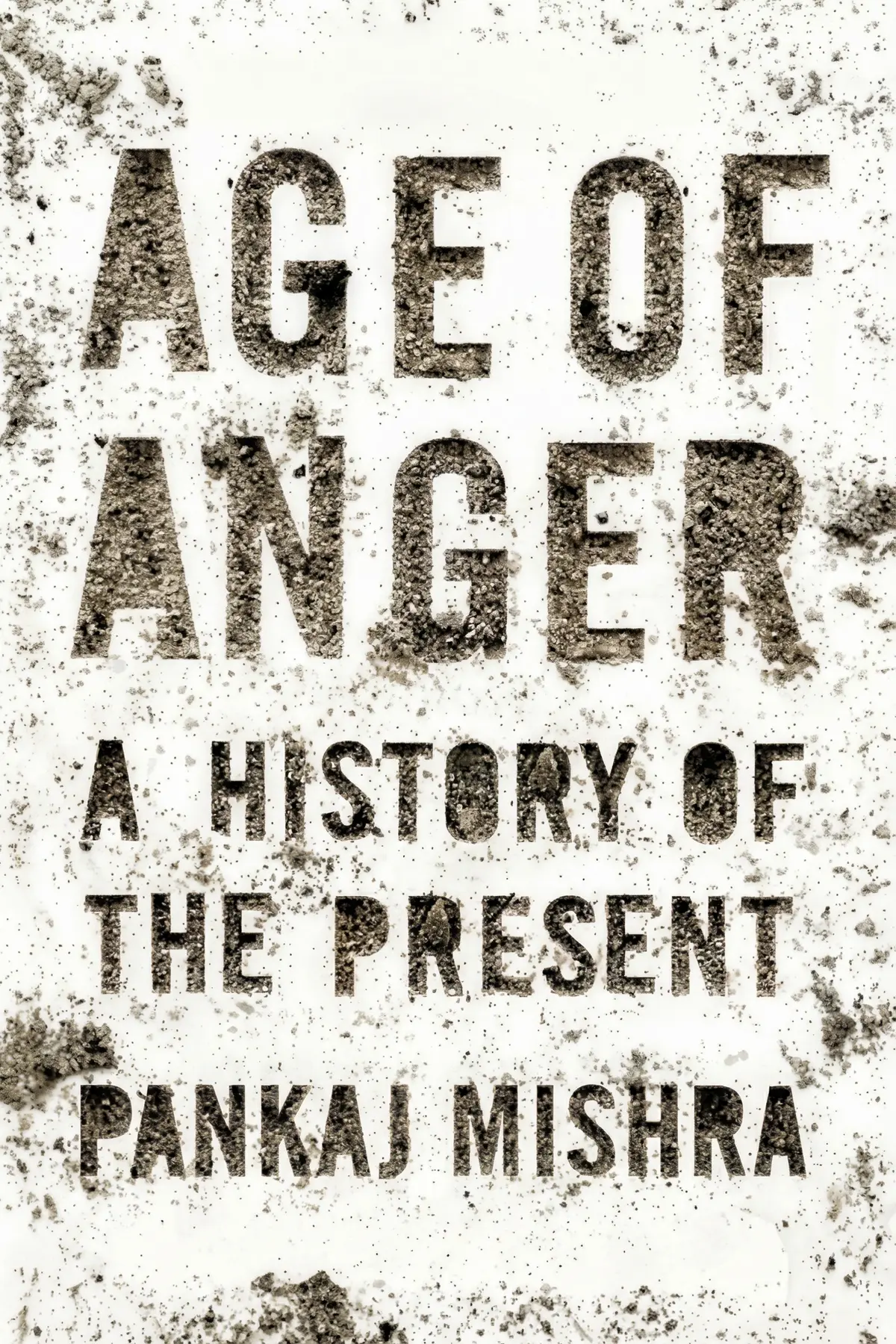
Age of Anger: A History of the Present
Pankaj Mishra
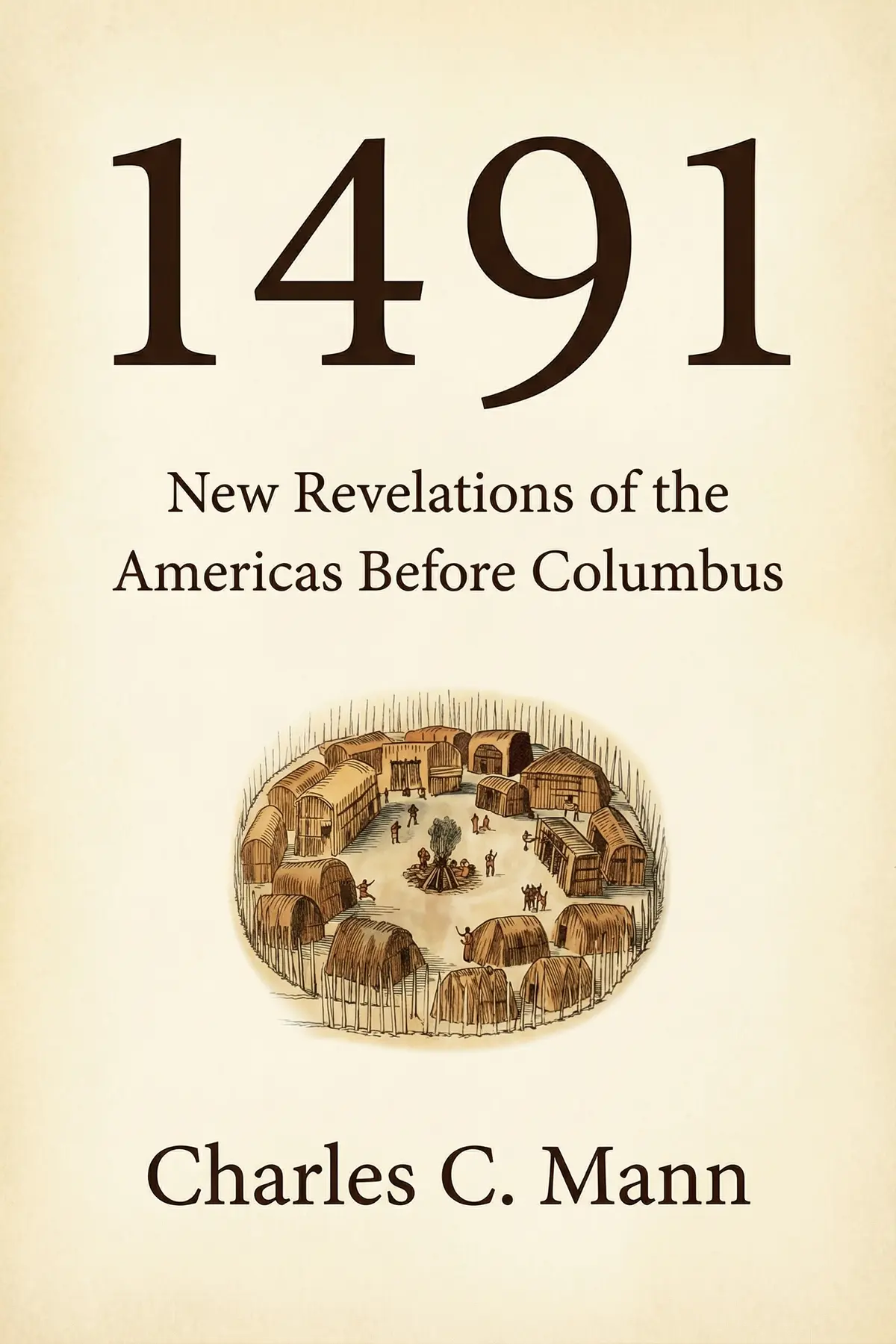
1491: New Revelations of the Americas Before Columbus
Charles C. Mann

Agent Sonya: The Spy Next Door
Ben Macintyre

A Biography of Loneliness: The History of an Emotion
Fay Bound Alberti
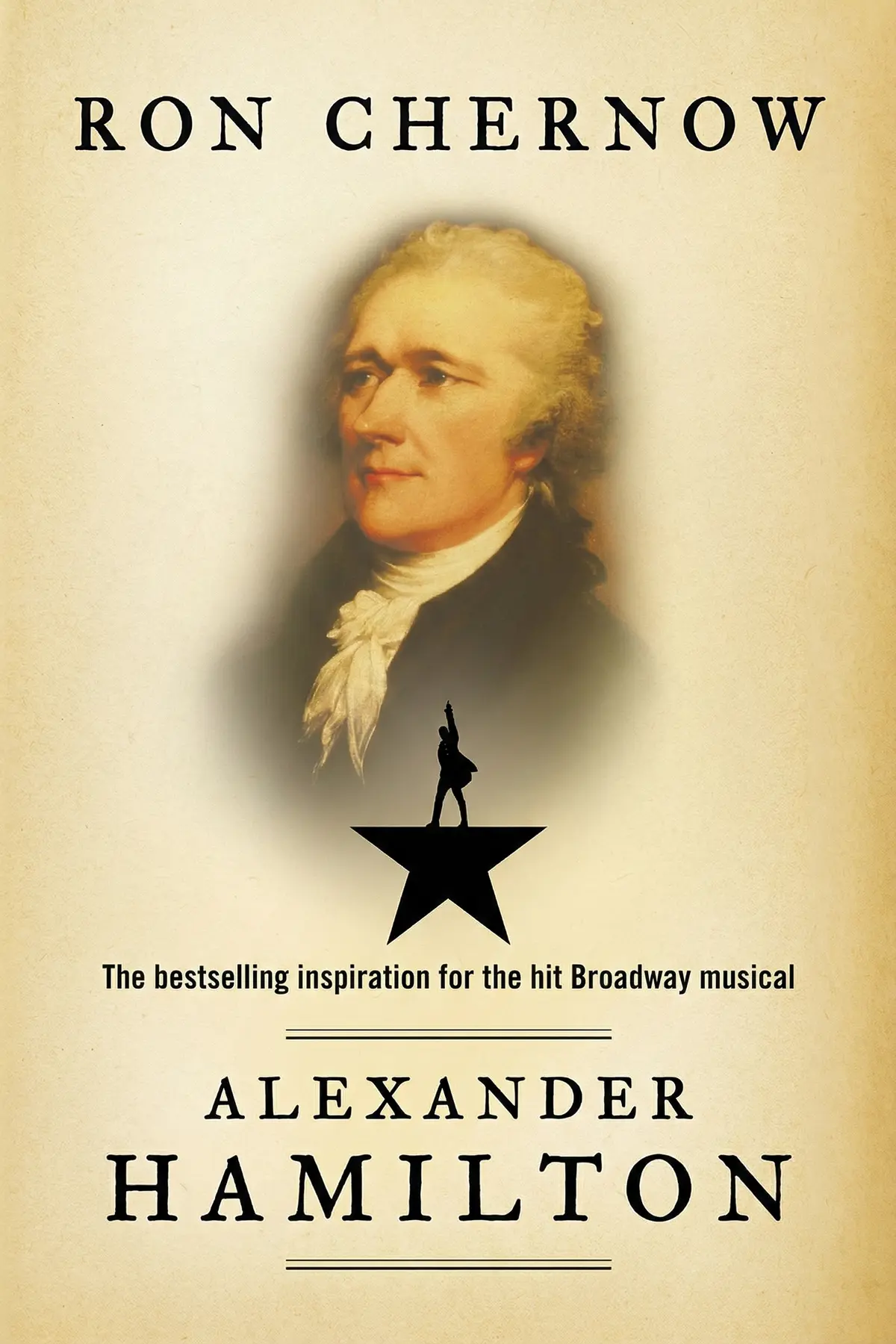
Alexander Hamilton
Ron Chernow
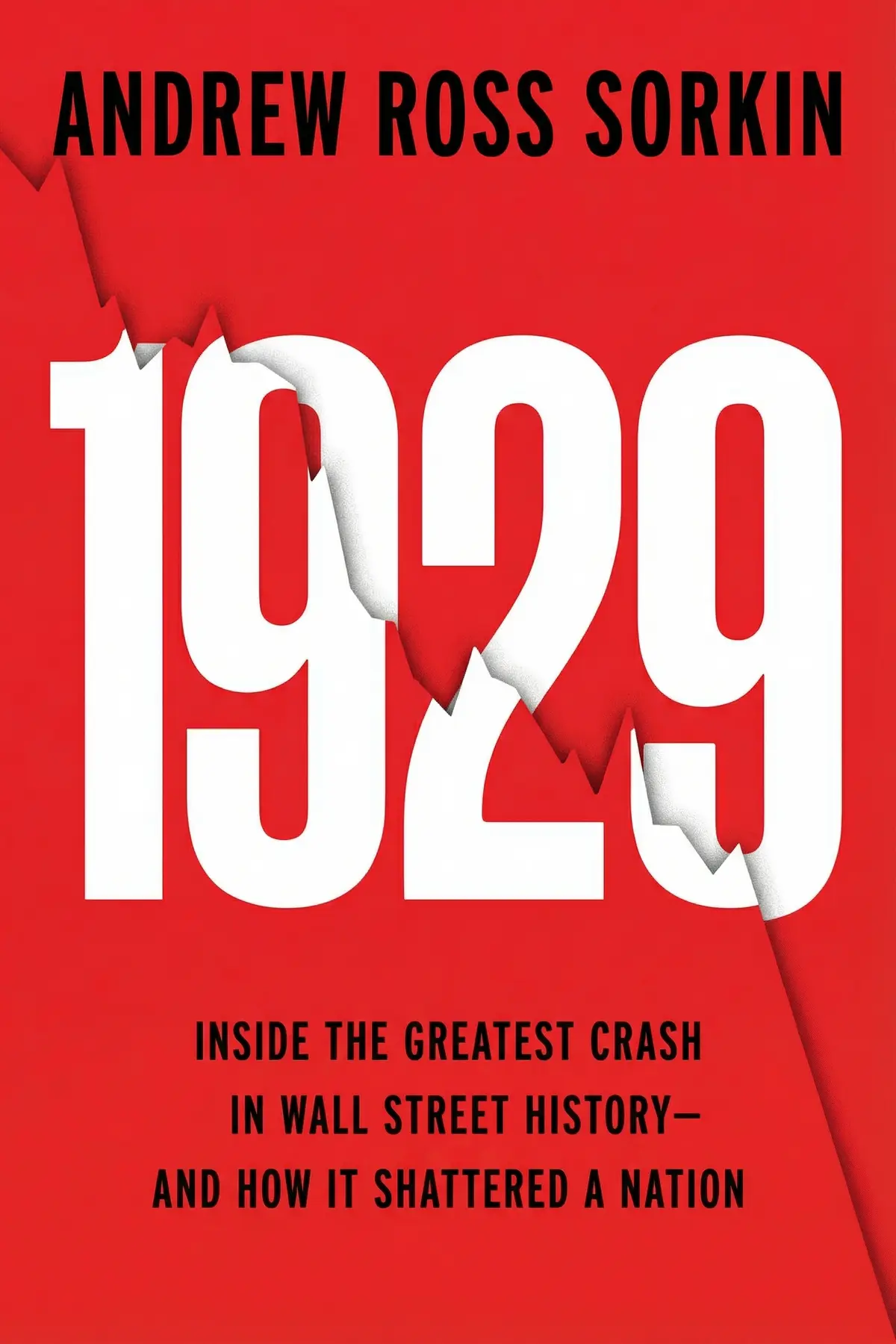
1929: Inside the Greatest Crash in Wall Street History--and How It
Andrew Ross Sorkin
AUDIO SUMMARY AVAILABLE
Listen to The Wages of Destruction in 15 minutes
Get the key ideas from The Wages of Destruction by Adam Tooze, plus 5,000+ more titles in English and Thai.
- 5,000+ titles
- Listen as much as you want
- 7-day free trial
- Cancel anytime







