
24 min 56 sec
Crashed: How a Decade of Financial Crises Changed the World
By Adam Tooze
Crashed provides a sweeping historical analysis of the 2008 financial crisis, tracing its roots from American housing markets to its explosive role in reshaping global politics, European stability, and modern populist movements.
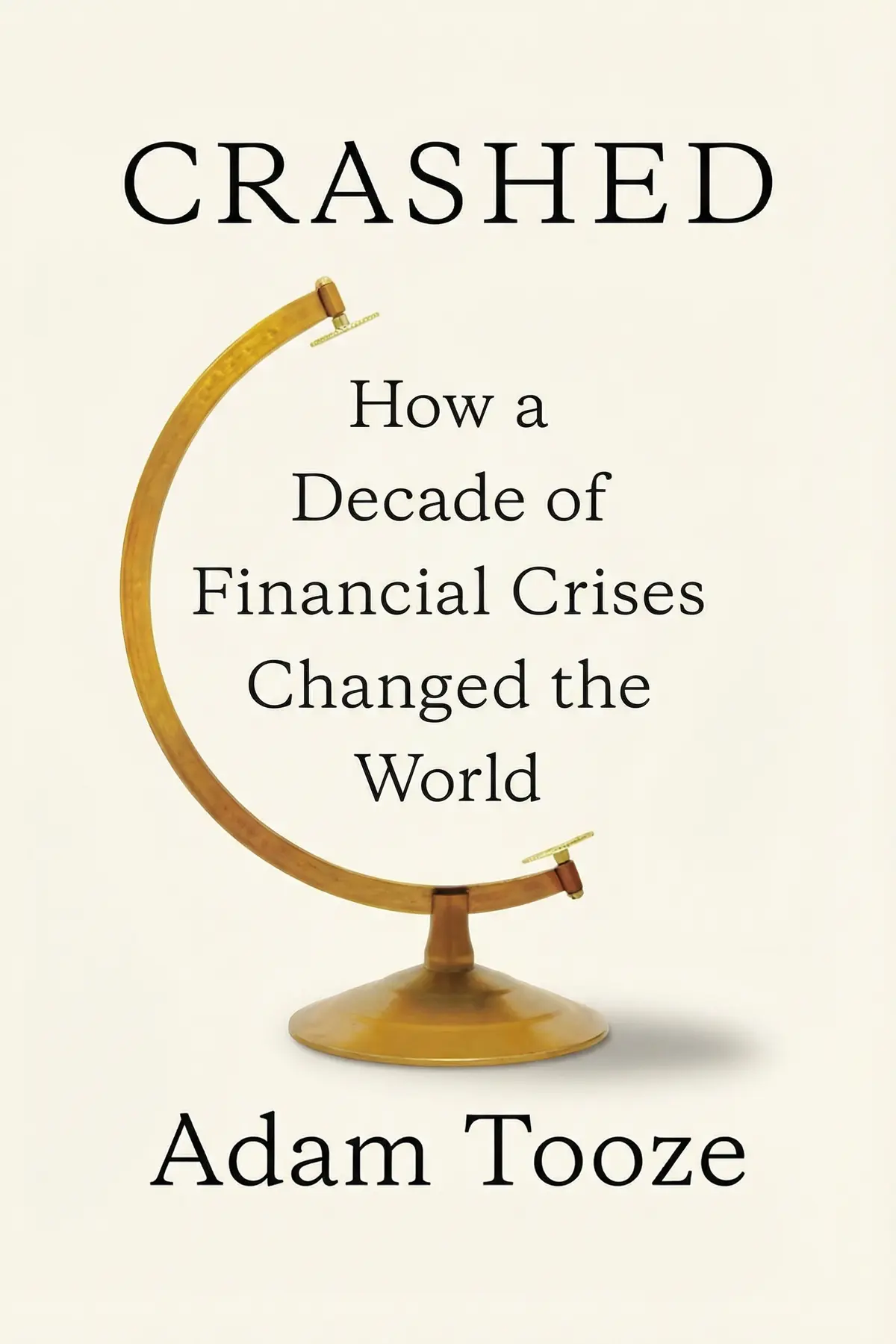
Table of Content
1. Introduction
1 min 51 sec
For a long time, the world seemed to follow a predictable script. After the Cold War ended, a new era of consensus took hold across the West. The old, fierce battles between the radical left and the hard right seemed to fade into the background, replaced by a shared belief that global markets should be allowed to run themselves with minimal interference. This was the age of the technocrat, where economic stability was seen as a given and the role of government was largely to stay out of the way. But in 2008, that script was torn up.
What started as a tremor in the American housing market quickly escalated into a global earthquake that threatened to bring down the entire international financial architecture. In this summary, we are diving deep into Adam Tooze’s masterful analysis of this era. This isn’t just a story about numbers on a balance sheet; it’s a story about how the financial world’s collapse reinvented our political reality. We’ll look at how the crisis moved across oceans, how it mutated from a banking problem into a political one, and how it eventually led to the breakdown of the established order in the United States and Europe.
As we walk through these events, you’ll see the throughline that connects the reckless lending of the early 2000s to the rise of populist movements and the fracturing of international alliances. We are going to explore why the remedies chosen by world leaders saved the banks but arguably broke the social contract. By the end of this journey, you will have a much clearer picture of why our current world looks the way it does. The 2008 crisis wasn’t a temporary dip; it was a fundamental rupture. To understand where we are going, we have to understand exactly how the world crashed a decade ago, and why we are still living in the wreckage.
2. The Roots of the Rupture
1 min 54 sec
Discover how the deregulation of the 1970s set a slow-burning fuse that would eventually detonate the global housing market decades later.
3. The Illusion of Safety through Securitization
2 min 00 sec
Explore the complex financial engineering that promised to eliminate risk but instead spread a local contagion to every corner of the globe.
4. Europe's Secret Addiction to Wall Street
1 min 43 sec
Uncover how European banks were deeply entangled in American risk, leaving them even more exposed than their U.S. counterparts.
5. A Continent Divided
1 min 40 sec
See how the lack of a unified European response allowed a banking crisis to transform into a fundamental threat to the Eurozone.
6. The Collapse of the Smallest States
1 min 57 sec
Learn how smaller nations like Ireland and Greece were crushed by debts that were hundreds of times larger than their entire economies.
7. The Bitter Pill of Austerity
1 min 30 sec
Examine the social and political cost of the bailout deals that saved the Euro but devastated the citizens of Southern Europe.
8. Geopolitics on the Edge
1 min 49 sec
See how the financial crisis moved beyond the banks to ignite a deadly conflict in Ukraine between Russia and the West.
9. The Dethroning of the City of London
1 min 49 sec
Follow the rise and fall of London as the world’s premier financial hub and understand how the crash reshaped global trade routes.
10. The Road to the Brexit Referendum
1 min 37 sec
Discover how the combined pressure of austerity and financial anxiety pushed the UK toward its historic decision to leave the EU.
11. The Great American Disillusionment
1 min 40 sec
Analyze the growing fury of American voters who watched as the perpetrators of the crash were rewarded while the victims were left behind.
12. The Election of 2016 and the Populist Surge
1 min 44 sec
Trace the direct line from the financial meltdown to the rise of Bernie Sanders and the eventual victory of Donald Trump.
13. A World Permanently Transformed
1 min 43 sec
Consider the long-term legacy of the crash and why the global order may never return to its pre-2008 state.
14. Conclusion
1 min 59 sec
The financial crisis of 2008 was more than just a momentary lapse in the global economy; it was a watershed moment that permanently altered the trajectory of modern history. As we’ve seen throughout Adam Tooze’s analysis, the roots of this disaster stretched back decades, but the fallout will likely be felt for decades more. What began as a collapse in the American housing market acted as a catalyst that exposed the deep-seated fragility of our global institutions.
We’ve traced the path from the complex financial engineering of securitization to the near-collapse of the Eurozone. We’ve seen how the failure of world leaders to coordinate their responses led to the humiliation of smaller nations and fueled the fires of geopolitics in Eastern Europe. Most importantly, we’ve explored how the decision to save the financial system without addressing the underlying social inequality created a reservoir of rage that eventually overflowed into the populist movements of Brexit and the 2016 U.S. election.
The central lesson of this decade of crisis is that politics and economics are inseparable. When the financial world fails, it isn’t just numbers that suffer; it’s the very fabric of society. The ‘rigged system’ narrative wasn’t just a campaign slogan; it was a reflection of a real and growing divide between those who benefited from the global order and those who were left to pay for its failures.
As we move forward, the challenge is clear. We cannot simply try to manage the next crisis using the same old scripts. The old consensus is gone, and a new one has yet to take its place. To find stability, we must address the fundamental issues of inequality and accountability that the 2008 crash brought to light. If we don’t, we will continue to live in the shadow of that collapse, waiting for the next tremor to bring the whole house of cards down again. The story of the crash isn’t over—it’s the story of our time.
About this book
What is this book about?
Crashed offers an expansive look at the 2008 global financial meltdown and the tumultuous decade that followed. Moving beyond a simple story of bad bank loans, the book examines how the crisis acted as a catalyst for a worldwide transformation. It connects the dots between the subprime mortgage collapse in the United States and the subsequent sovereign debt crises that nearly tore the Eurozone apart. The book promises to explain how economic mismanagement directly fueled the rise of political upheavals, including the conflict in Ukraine, the Brexit referendum, and the election of Donald Trump. It reveals the fragility of the post-Cold War world order and illustrates how the decisions made by policymakers in Washington, Berlin, and London during the heat of the moment continue to ripple through our lives today. By the end, listeners will understand the crisis not just as a historical event, but as the defining moment that shattered the global political center and ushered in a new era of uncertainty.
Book Information
About the Author
Adam Tooze
British historian Adam Tooze is a professor and the director of the European Institute at Columbia University, New York. His previous books include the Wolfson History Prize-winning The Wages of Destruction (2006), a study of Nazi Germany’s economic policies, and The Great Deluge (2014), an analysis of the Great War and the creation of a new international order.
Ratings & Reviews
Ratings at a glance
What people think
Listeners find the work offers a deep analysis that is easy to follow, with one listener noting it functions as an encyclopedic foundation for economic activity. Furthermore, the writing quality is well-regarded, and listeners value the narrative approach, with one calling it the best story of the financial crash. The book also earns praise for its financial insights, as one listener points out its crucial role in averting a global financial meltdown. Conversely, the political themes and authorial perspectives draw varied responses; while some listeners commend the author’s proficiency, others voice concerns regarding the political environment and a liberal bias.
Top reviews
Sureerat
This book is an absolute unit of historical analysis. Adam Tooze manages to weave together the disparate threads of the 2008 Lehman collapse, the subsequent Eurozone nightmare, and the rise of contemporary populism into one coherent, albeit terrifying, tapestry. It is staggering. In my experience, most authors either get lost in the weeds of technical finance or hover too high in the clouds of abstract political theory, but Tooze occupies the perfect middle ground. He demystifies the granular mechanics of dollar swap lines and bank balance sheets while never losing sight of the human cost. The way he frames the crisis as a political choice rather than a mere market failure is essential. It completely shifted my perspective on why the recovery felt so lopsided. Personally, I think this should be mandatory reading for anyone trying to understand why the world feels so broken today. It’s dense, yes, but the prose has a literary punch that keeps you moving through the data.
Show morePloy
As someone who lived through the 2008 crisis while working in the financial sector, I found Tooze’s account to be startlingly accurate and deeply uncomfortable. He hits the nail on the head regarding the sheer fragility of the system. The book serves as a crucial narrative of how central banks basically became the world's firefighters without a clear map of the building. I was captivated by his description of the 'G2 world' and the surprising solidification of the US dollar despite the chaos originating in New York. The writing quality is top-tier; it doesn't feel like a dry textbook at all. Instead, it’s a sprawling story about the people—Geithner, Merkel, Bernanke—and the impossible choices they faced. He doesn't just explain the 'what' but explores the 'why' of the political fallout that followed. It’s the best story of the financial crash currently available on the market. Truly a masterpiece of contemporary history.
Show moreFinn
Wow, I finally understand why the Eurozone crisis was such a protracted disaster compared to the US recovery. Tooze explains the 'troika' and the sadistic austerity forced on Greece with such clarity that it makes your blood boil. The truth is, most books on this topic are either too partisan or too technical, but this one finds the sweet spot. He shows how the lack of a unified political institution in Europe turned a banking problem into a total social collapse. I loved the way he tracked the flow of dollars across the Atlantic. It made me realize how interconnected we really are. The narrative is fast-paced despite the length. It’s easily the most comprehensive look at the GFC available. If you want to understand the mechanics of how the global elite averted—and sometimes invited—disaster, buy this book. It is a demanding but very worthwhile read that I will likely revisit.
Show moreDream
Picked this up after hearing the author on a podcast and it lived up to the hype. This is a first-rate history of how the 2008 financial crisis reverberated across the entire globe. Tooze is particularly strong in unpicking the role of historical contingency—how specific actions by a handful of people changed everything. It’s a globetrotting journey from the subprime mess in Detroit to the streets of Athens and the halls of the Kremlin. I found the analysis of the Fed’s currency swap lines to be the most enlightening part of the whole book. It’s a demanding read, but the prose is so engaging that the pages fly by. He avoids the standard macroeconomic traps and focuses on the actual flow of money. Truly, it’s a holistic view that combines geopolitics and corporate trends into a wider, necessary narrative. This is essential reading for understanding the modern world.
Show moreAnawin
After hearing so much about 'neoliberalism' and 'globalism,' it was refreshing to see someone actually map out the mechanics of how that world almost died. Tooze is that rare author who knows a lot about a lot. This book is so comprehensive and so insightful that it feels like the definitive word on the decade. He understands nuanced political thought in every country he covers, from the US to South Korea. I know the most about the aftermath of the 2008 crisis in America, and his description is exactly on point. It’s politics, stupid. Not just the economy. He shows how political choices shaped the recovery and created the inequality that led to our current turmoil. The way he ties the Ukraine crisis into the financial narrative was a stroke of genius. It’s a massive achievement in historical writing. Highly recommended for anyone who wants to see the forest and the trees.
Show moreMaja
Ever wonder how we actually got from the 2008 mortgage meltdown to the current era of Brexit and Trump? Tooze provides the most exhaustive reference point I’ve ever encountered on the subject. To be fair, it is a demanding read that requires your full attention for several hundred pages. I particularly appreciated the focus on how European banks were essentially just an extension of Wall Street’s greed, something often overlooked in US-centric accounts. My only real gripe is that the section on the 2015 Chinese market slump felt a bit rushed compared to the painstaking detail given to the Fed’s early interventions. Still, the author’s competence is undeniable. He takes a globally integrated financial system facing total collapse and makes the rescue efforts feel like a high-stakes thriller. It’s an insightful look at the 'extend and pretend' policies that defined a decade of misery for the Eurozone’s periphery. Worth the effort if you have the stamina.
Show morePrim
Tooze is a master of the 'big picture' narrative, and this book proves he knows a lot about a lot. Look, I didn't know much about the nuances of the Ukraine crisis or the specific mechanics of the ECB’s failures before picking this up. Now, I feel significantly more informed. The thesis is clear: economics is never just about numbers; it’s about power and political will. Not gonna lie, some of the chapters on Eastern Europe were a bit of a slog, but they are necessary to understand the full global scope. The author’s ability to jump from the Fed's balance sheet to Putin’s geopolitical maneuvering is impressive. I noticed some people complain about a liberal bias, and while he certainly has a point of view, his data is rock solid. It’s an encyclopedic background for anyone who wants to understand the shifting economic policies of the last ten years. A solid four stars.
Show moreNaomi
The truth is, most economics books are dry as dust, but this reads like a high-stakes political drama. Tooze handles the narrative of the 2008 crash with such skill that you almost forget you’re reading a 700-page tome on macro-financial statistics. It’s brilliant. He perfectly captures the tension between the need for fast decision-making in a crisis and the slow, grinding wheels of democracy. I did find his occasional personal opinions on certain political figures to be a bit distracting at times, but it didn't ruin the experience. To be fair, the book is at its strongest when it focuses on the Fed’s role as the global lender of last resort. The connections he draws between the financial meltdown and the rise of nationalist movements are fascinating, even if some of the links feel a bit speculative. Overall, it’s a great place to start for anyone interested in the intersection of finance and power.
Show moreMan
Gotta say, the sheer scope of this research is intimidating but rewarding. Adam Tooze provides an encyclopedic background for the economic actions that defined my adult life. He doesn't just stop at the US borders; he goes deep into the dynamics of the PIIGS and the massive Chinese stimulus package. In my experience, very few writers can synthesize this much information without becoming incoherent. My only minor criticism is that the writing style can be a bit 'at the moment' journalistic, which sometimes sacrifices depth for speed. Also, the author’s perspective does lean toward a specific brand of transatlantic liberalism that might grate on some readers. However, his competence in explaining the 'dollar-denominated debt' problem is world-class. If you've never read anything else on the 2010 Eurocrisis, this is the book to get. It’s thorough, insightful, and surprisingly easy to follow given the complexity of the subject matter.
Show moreMalee
Frankly, I found the second half of this book to be a massive disappointment. While the first few chapters provide a decent retelling of the 2008 crisis, the later sections read like a collection of run-of-the-mill journalism articles you’d find in a weekend magazine. The author spends way too much time on 'he said, she said' accounts of meetings between Merkel and Sarkozy without providing enough historical distance or actual analysis. Where is the clarity that ten years of hindsight should provide? Instead of a strong thesis, we get a smattering of quasi-related events like Trump’s election and Brexit that aren't tied together with much rigor. It felt like Tooze was rushing to meet a deadline rather than writing a definitive history. For a book that claims to show how a decade of crises changed the world, it fails to advance a truly original argument. It’s too long and lacks the deep insight I expected.
Show moreReaders also enjoyed
Abortion: Our Bodies, Their Lies, and the Truths We Use to
Jessica Valenti
21 Lessons for the 21st Century
Yuval Noah Harari
Age of Anger: A History of the Present
Pankaj Mishra
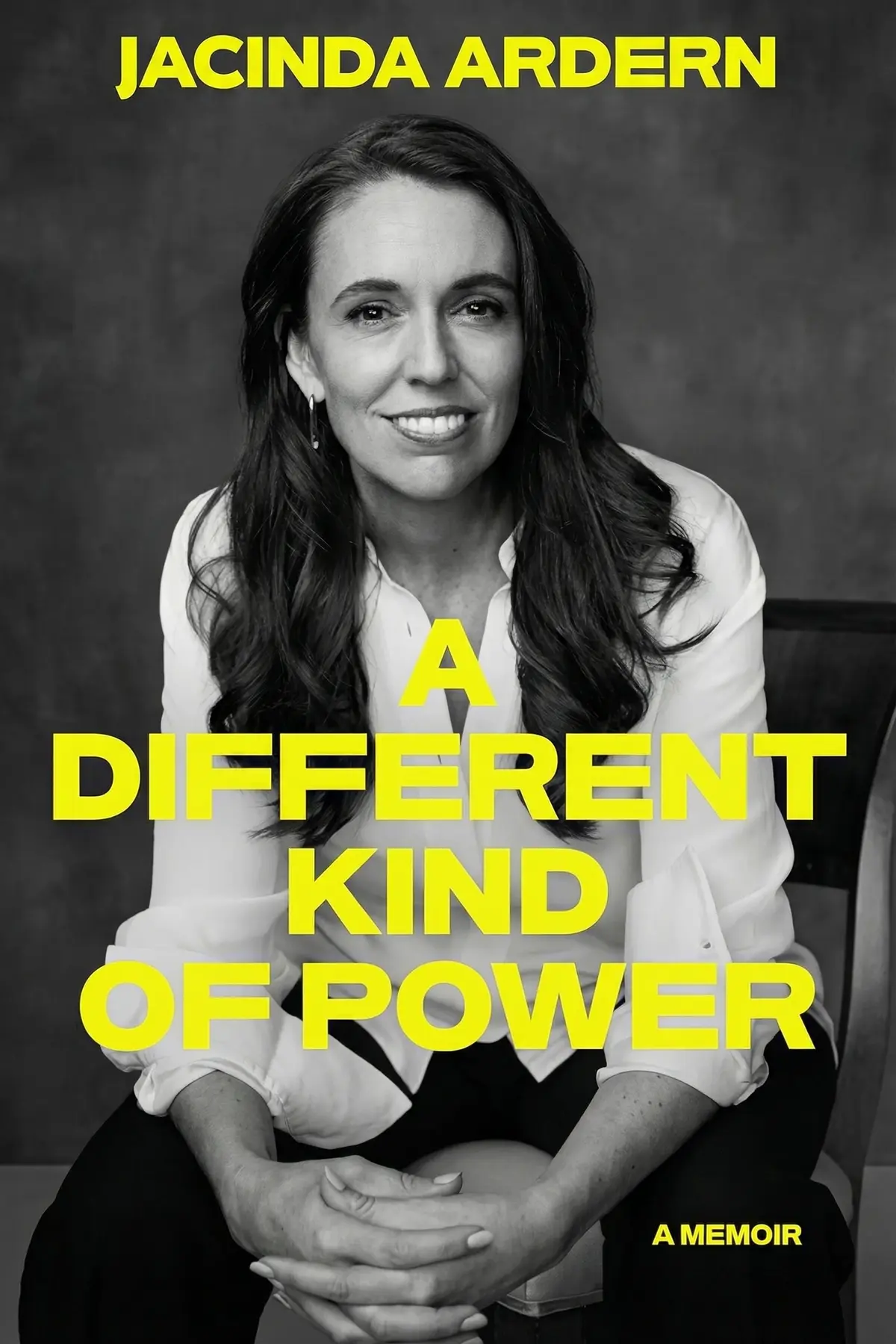
A Different Kind of Power: A Memoir
Jacinda Ardern
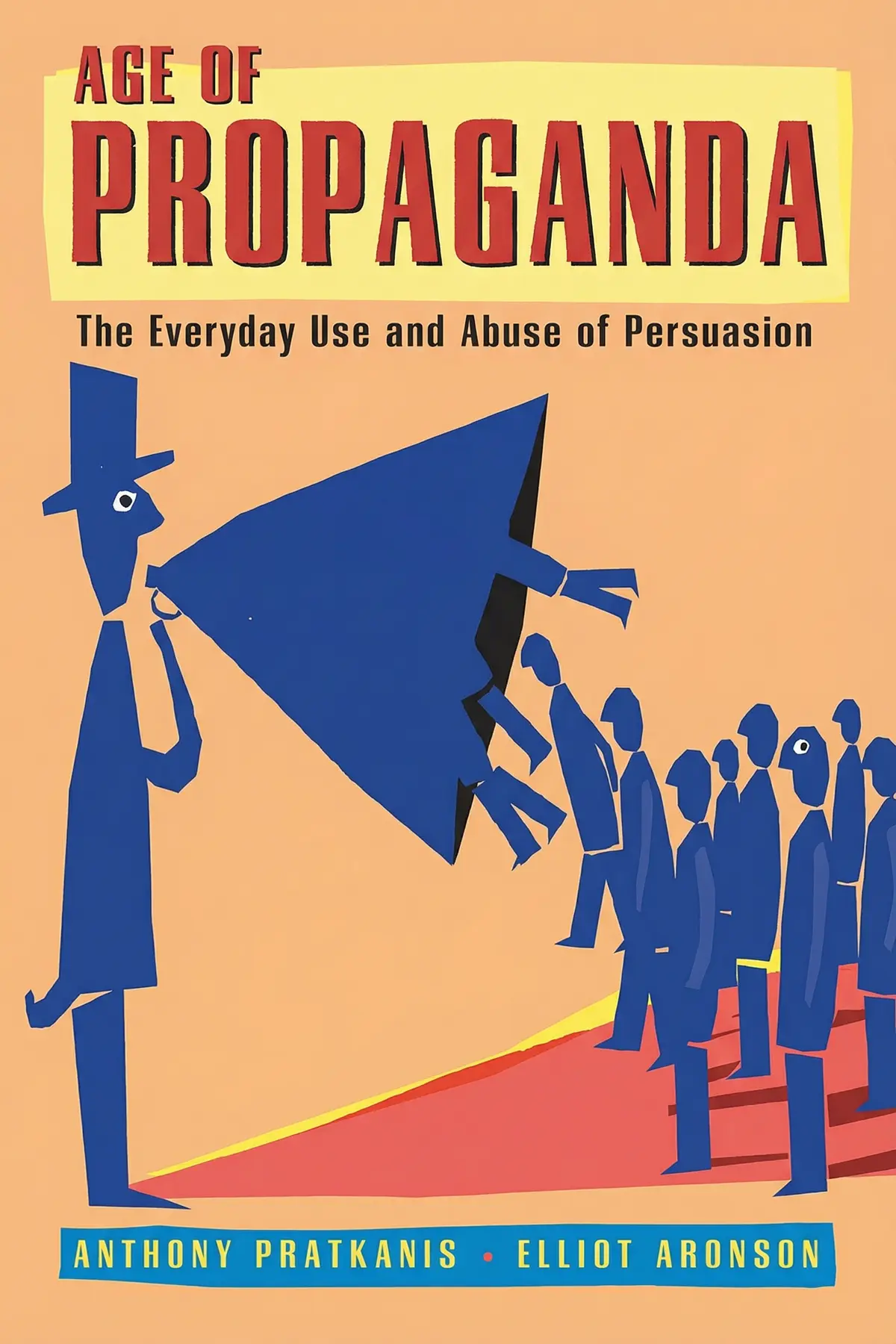
Age of Propaganda: The Everyday Use and Abuse of Persuasion
Anthony Pratkanis
A Higher Loyalty: Truth, Lies and Leadership
James Comey
1929: Inside the Greatest Crash in Wall Street History--and How It
Andrew Ross Sorkin
AUDIO SUMMARY AVAILABLE
Listen to Crashed in 15 minutes
Get the key ideas from Crashed by Adam Tooze, plus 5,000+ more titles in English and Thai.
- 5,000+ titles
- Listen as much as you want
- 7-day free trial
- Cancel anytime







