
Economic Facts and Fallacies
Thomas Sowell
Social Justice Fallacies explores how well-intentioned social policies often ignore economic realities and localized knowledge, leading to unintended negative consequences for the very communities they aim to support and uplift.
1 min 27 sec
When we hear the phrase “social justice,” most of us think of a noble quest to make the world a fairer, more equitable place. It is a vision rooted in the desire to correct historical wrongs and ensure that everyone has a seat at the table of prosperity. However, what if the very strategies we use to achieve this vision are built on a shaky foundation of logic? What if the narratives that dominate our news feeds and political speeches are missing crucial pieces of the puzzle?
In this exploration of Social Justice Fallacies, we are going to look at the world through a different lens. We will investigate the idea that many popular social policies are driven by fallacies—misconceptions that overlook how human beings actually behave and how knowledge is truly distributed throughout society. We aren’t just looking at abstract theories; we are looking at the tangible, real-world results of these ideas as they have been applied over the last century.
Our journey will take us from the halls of academia to the busy stalls of a marketplace, and from the statistics of university admissions to the economic consequences of price controls. We will see how well-meaning intentions can sometimes lead to disastrous outcomes and why a one-size-fits-all approach to complex human problems rarely works. By the end, you’ll have a clearer understanding of the throughline that connects these diverse topics: the necessity of grounding our pursuit of justice in empirical reality rather than ideological blueprints. Let’s begin by reconsidering what we think we know about knowledge itself.
2 min 13 sec
What if the most important information for running a society isn’t found in a textbook but in the everyday choices of millions of ordinary people?
2 min 12 sec
Good intentions don’t guarantee good outcomes. Discover why centralized planners—from Soviet officials to modern urban developers—consistently fail when they ignore the knowledge only local communities possess.
2 min 10 sec
Could policies designed to increase minority representation actually be standing in the way of student success? Look at the surprising data from California.
2 min 13 sec
Policy shifts meant to help actually disrupted progress already underway. Discover how 1960s welfare and criminal justice reforms created unintended consequences that reshaped communities for decades.
2 min 06 sec
Price controls might seem like a shortcut to affordability, but the hidden costs can be devastating for the very people they are meant to help.
2 min 23 sec
Disparities between groups rarely stem from a single cause. Explore how geography, family structure, and education—not genetics or bias alone—shape economic outcomes across all communities.
1 min 28 sec
As we wrap up our look at Social Justice Fallacies, the main takeaway is a call for intellectual humility. We have seen that the world is incredibly complex, and the information needed to make it better is not held by a single group of experts, but is scattered among all of us. When we try to impose grand, top-down visions without respecting this distributed knowledge, we risk doing more harm than good.
We have explored how policies with the best intentions—like affirmative action, rent control, and certain welfare reforms—can lead to outcomes that actually hurt the people they were meant to protect. We’ve also seen that the disparities we see in our society are often caused by a tangled web of geography, family life, and education, rather than just the simple narratives we see on the news.
So, what is the path forward? It starts with a commitment to evidence over ideology. It means being willing to look at the data, even when it challenges our preconceived notions. It means recognizing that true progress usually happens from the bottom up, through the small, everyday decisions of individuals and communities who know their own lives better than any central planner ever could. By moving away from fallacies and toward a grounded understanding of reality, we can work toward a society that is not only more just but also more prosperous and free for everyone. The pursuit of justice is a marathon, not a sprint, and it requires us to keep our eyes wide open to the truth of the world as it is, not just as we wish it to be.
Social Justice Fallacies examines the underlying logic behind popular modern social movements and identifies what the author considers to be fundamental misconceptions. The book challenges the idea that intellectual elites possess the necessary knowledge to restructure society from the top down. Instead, it argues that true progress requires an appreciation for distributed knowledge—the small, practical insights held by millions of individuals navigating their own lives. Through a critical look at history, economics, and sociology, the text promises to reveal how policies like rent control, minimum wage, and affirmative action can backfire. It provides a data-driven perspective on why disparities in income and achievement are often rooted in factors like geography, family structure, and education rather than just systemic discrimination or genetics. This summary offers a roadmap for understanding the complex forces that shape our world and encourages a move toward evidence-based solutions that respect individual agency and community history.
Thomas Sowell is an influential conservative economist and social theorist. He’s well-known for best-selling titles such as Basic Economics and The Vision of the Anointed. Sowell's contributions were recognized when he received the National Humanities Medal from President George W. Bush.
Thomas Sowell
Listeners consider this work to be exceptionally educational and deeply investigated, with the author translating sophisticated theories into terms that are easy for non-experts to follow. The stimulating nature of the content is frequently praised, as one listener observes how it compels the audience to engage in critical thought, aided by a brief and lucid style that clarifies complex principles. This title is further commended for its scholarly perspective on social justice; one listener draws attention to the use of scientific methods in evaluating social policy, while another remarks on how it systematically refutes popular myths regarding race.
Sowell has a way of taking complex economic theories and boiling them down into something the average person can actually use to understand the world. I found the section on “knowledge fallacies” particularly enlightening because it challenges the idea that a small group of elites can effectively plan for millions of unique individuals. It’s a slim volume, barely 130 pages of text, but every page is packed with data that refutes the usual talking points we hear on the news. Even if you don't agree with every libertarian-leaning conclusion, you have to respect how he applies a rigorous scientific method to social policies. It’s refreshing to see someone demand evidence rather than just relying on good intentions. My only gripe is that it feels a bit short, and I wanted more depth on certain historical examples. Still, it’s an essential read for anyone who wants to think critically about race and economics.
Show moreWow. This book is a punch to the gut for anyone who relies on mainstream slogans to form their worldview. Sowell systematically dismantles the “facts” we are fed about systemic inequality by using actual historical data and longitudinal studies. I loved how he explained that outcome disparities don't always mean someone was cheated; sometimes, it’s just the result of different starting points or cultural factors that have nothing to do with modern discrimination. It's written in a very accessible way, so you don't need a PhD in economics to follow the logic. In my experience, his books require a lot of pausing to think about how much of our education is based on these fallacies. It’s a short read, but the density of the ideas is incredible. Every high school senior should probably read this before heading off to college.
Show moreEver wonder why certain social policies seem to make things worse instead of better? Sowell tackles this head-on by looking at the unintended consequences of things like the minimum wage and rent control. He writes with a clarity that is rare among academics, breaking down “social justice” into terms that are actually testable against reality. The truth is, many of the policies meant to help the poor often end up hurting them the most, and Sowell isn't afraid to use the numbers to prove it. I was particularly struck by his breakdown of how “experts” often ignore the lived experience of the people they claim to be helping. It’s an intelligent, well-researched book that avoids the usual partisan yelling. It’s not just an “opinion” book; it’s an exercise in logic and historical analysis that feels more relevant than ever.
Show moreThe chapter on “racial fallacies” is worth the price of the book alone. Sowell destroys commonly accepted myths about race by showing how different groups have performed across different continents and eras. He applies the scientific method to social policies in a way that is both cold and refreshing. By stripping away the emotional rhetoric, he reveals the structural flaws in how we talk about poverty and success. It’s incredibly informative, though I can see why people who are deeply invested in the “systemic” narrative would find it frustrating. He doesn't give you a “plan” to fix society, but he does give you the tools to stop believing lies. Truth is, the tone is quite academic and dry in parts, but the insights are revolutionary for anyone who hasn't encountered his perspective before.
Show moreFinally got around to reading this and it’s a total game-changer. Sowell isn’t interested in being “nice” or “virtue signaling”; he’s interested in what actually works. The book is a concise masterclass in how to analyze data without letting your emotions get in the way. I especially liked the section on how politicians use clever wordplay to hide the fact that their policies are failing the very people they claim to support. It’s not just a book about race or economics; it’s a book about the arrogance of thinking we can “fix” society from the top down. Personally, I found it incredibly empowering because it moves the focus back to what individuals and cultures can achieve when they aren't being treated as statistics. It’s well-researched, brilliantly written, and absolutely necessary for anyone who wants to understand the modern world.
Show morePicked this up on a whim after seeing a clip of Sowell online, and I’m glad I did. The book is incredibly concise, which I appreciated given how dense some economic texts can be. He really goes after the idea that “equal opportunity” should result in “equal outcomes,” showing how factors like median age and geographic location play a massive role in wealth gaps. Look, I don’t think he solves every problem he presents, and he doesn't offer much in the way of “alternative” policies, but that's not really the point of the book. His goal is to show where the current logic fails. I found his discussion on the history of various ethnic groups especially fascinating. Some of the charts are a bit dry, and I wish he’d addressed inheritance more directly, but the overall argument is hard to ignore.
Show moreAs a longtime follower of Sowell’s work, I have to admit that this feels a bit like a “best-of” compilation. Most of the arguments about the 1950s vs. today and the impact of the welfare state have been covered in his previous forty-plus books. However, seeing them organized specifically under the lens of “social justice fallacies” makes the logic hit differently. He is a master at pointing out when “correlation is not causation,” even if his critics claim he does the same thing. I appreciated the brevity of the text; it’s a quick read but requires your full attention. Personally, I would have liked to see him engage more with current philosophical arguments for equity, but his focus remains strictly on the empirical. It’s a great entry point for someone new to his thinking.
Show moreAfter hearing so much about Thomas Sowell, I finally dived into his work with this release. It’s a thought-provoking look at how we define “fairness” and why our definitions often lead to disastrous results. He has a gift for making complex ideas accessible, and I found myself highlighting passages on almost every page. The way he challenges readers to think critically about “disparities” vs. “discrimination” is something that is sorely lacking in our current political climate. My only complaint is that the book is so short it feels like a summary of a much larger, more complex argument. I would have loved more depth on the “knowledge fallacies” section. Still, it’s a powerful antidote to the glib assumptions we see on social media every day. It definitely makes you a better-informed voter.
Show moreWhile the historical data Sowell provides is undeniably interesting, I found this book a bit one-sided. He’s great at tearing down elite visions, but he often ignores the very real social structures that limit people's choices. Look, he’s an economist, so he’s looking at the numbers, but numbers don't always tell the whole story of human struggle. I was hoping for a more nuanced discussion of wealth inheritance and how historical starting points affect current outcomes, but those topics were largely skipped. It felt a bit like he was yelling at a strawman of a social justice warrior rather than engaging with the best arguments from the other side. It’s okay as a contrarian piece, but it lacks the balance I look for in a truly persuasive book. It’s a quick read, at least, and his writing style is clear and punchy.
Show moreFrankly, this felt like a collection of Sowell’s greatest hits rather than a fresh contribution to the discourse. If you’ve already read Basic Economics or Discrimination and Disparities, you’ve basically seen these exact arguments about minimum wage and disparate impact. My biggest issue is that he often conflates correlation with causation without showing the actual work required to prove his point. He dismisses social structures almost entirely, focusing instead on cultural geography and individual choices as the only valid metrics for success. It’s frustrating because he ignores the philosophical foundations of what social justice advocates are actually trying to achieve. While the statistics are impressive at first glance, he doesn’t really engage with good-faith critics who would point out the flaws in his data selection. It’s less of an intellectual challenge and more of an echo chamber for people who already agree with him.
Show more

Virginia Woolf
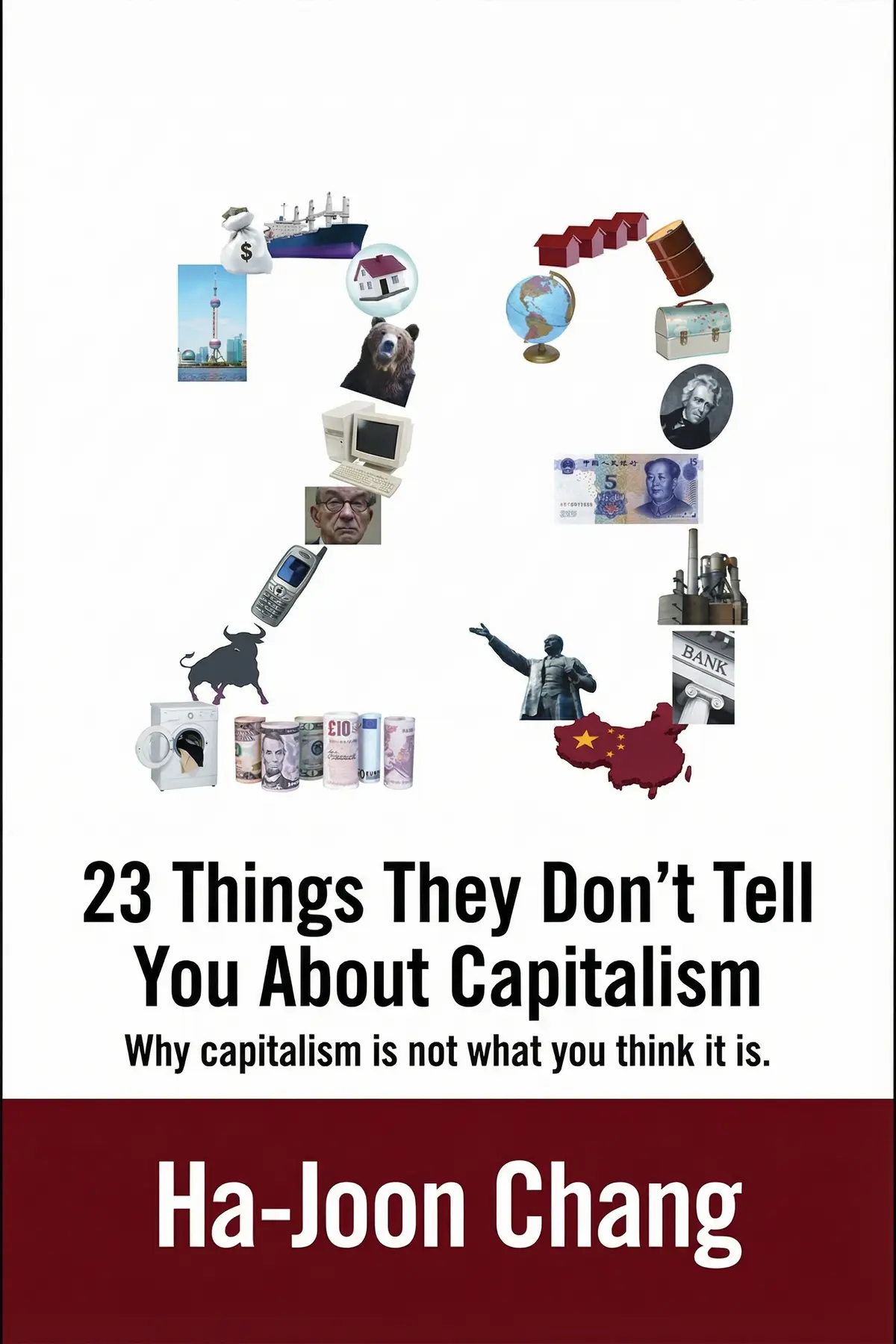
Ha-Joon Chang
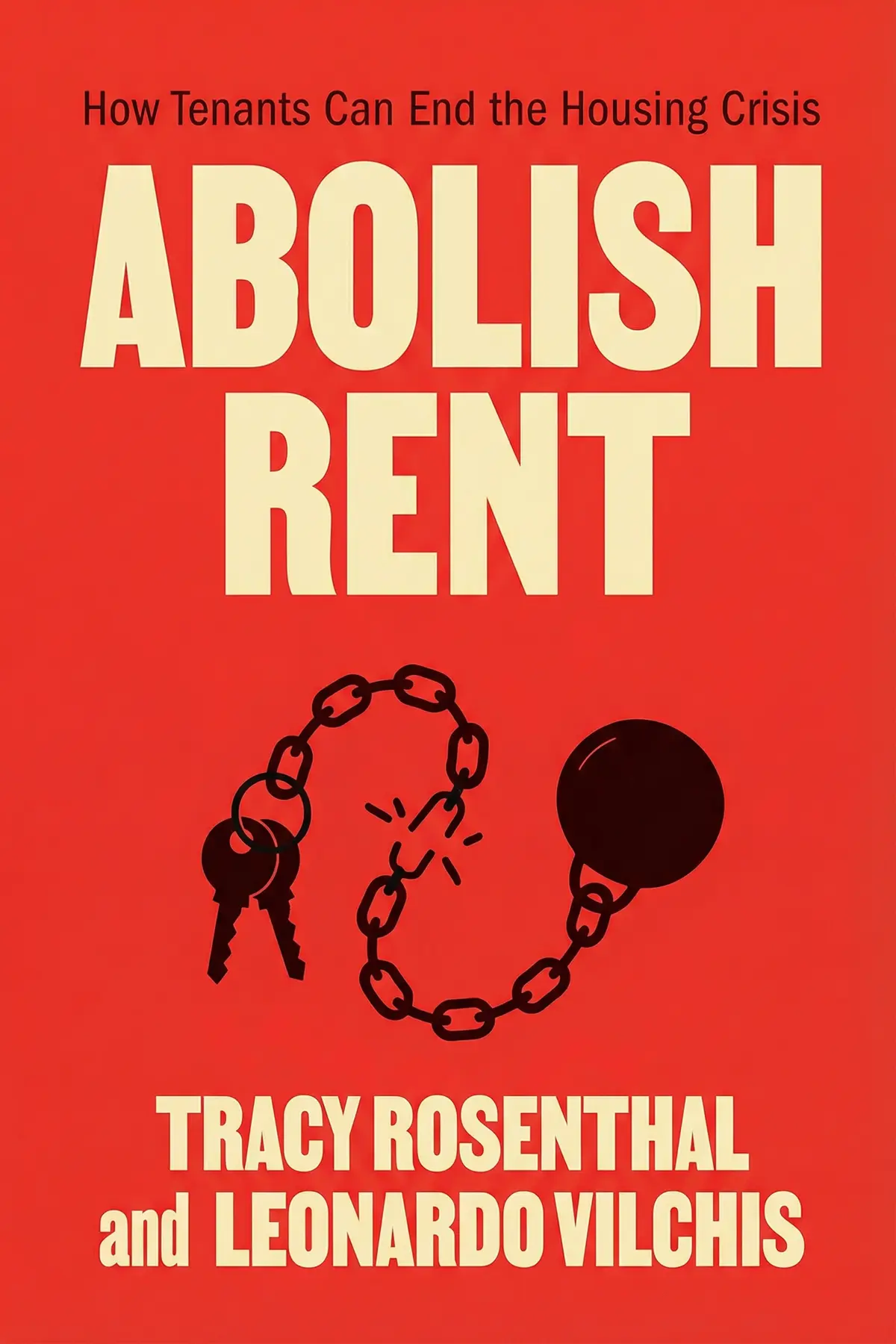
Tracy Rosenthal
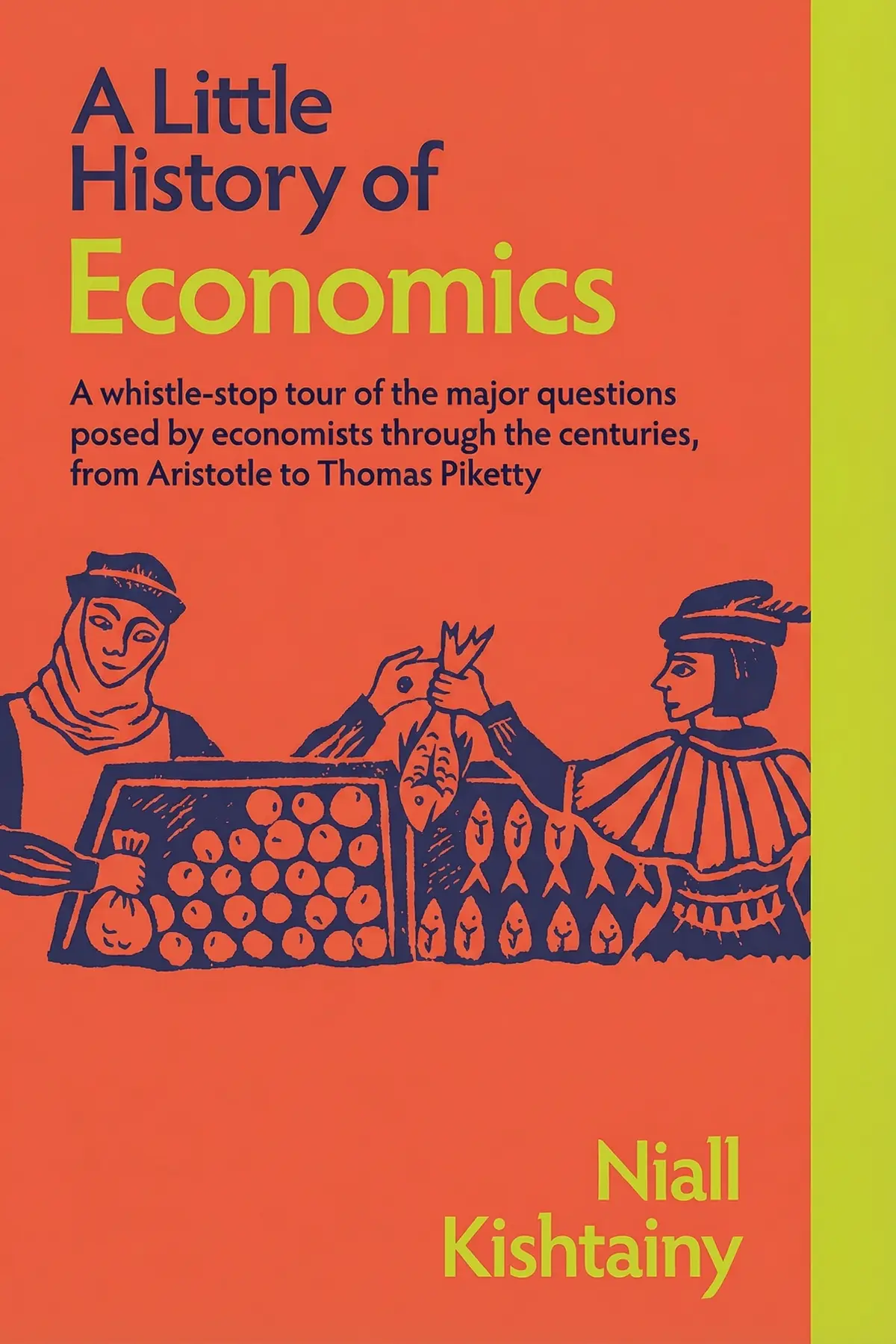
Niall Kishtainy
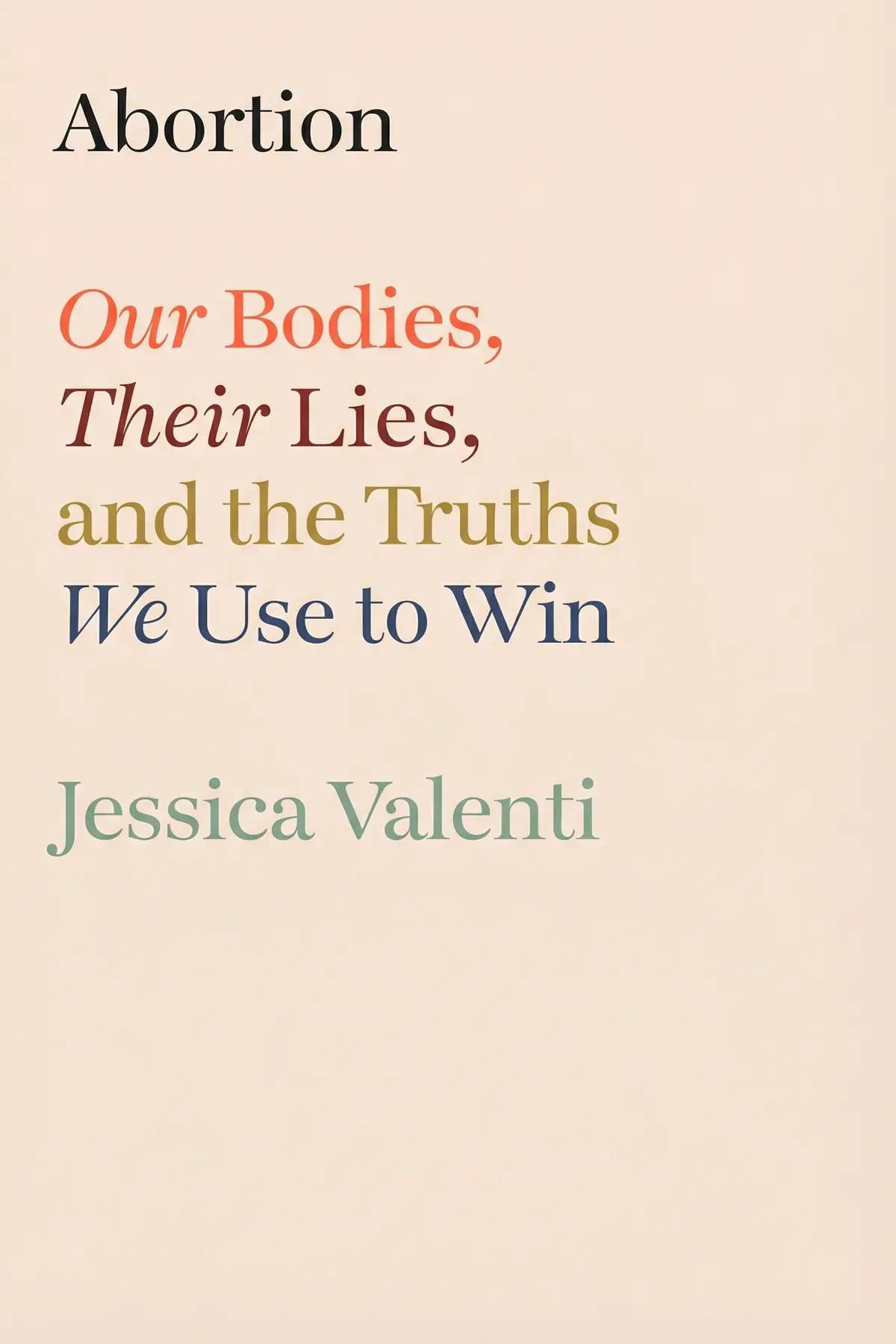
Jessica Valenti
William J. Bernstein
Johny Pitts
AUDIO SUMMARY AVAILABLE
Get the key ideas from Social Justice Fallacies by Thomas Sowell, plus 5,000+ more titles in English and Thai.







