
Abolish Rent: How Tenants Can End the Housing Crisis
Tracy Rosenthal
Explore how nations exert global influence through attraction rather than force. This analysis reveals why cultural appeal, political values, and ethical foreign policies are the keys to modern geopolitical success.
1 min 30 sec
In the traditional theater of world politics, power has long been measured by the size of an army or the strength of a nation’s economy. We often think of global influence in terms of who has the biggest guns or the most leverage to impose sanctions. But what if the most enduring form of power isn’t found in a weapon, but in an idea? What if the ability to persuade and attract is actually more effective than the ability to coerce?
This is the central question explored in Joseph S. Nye Jr.’s landmark work. He argues that we are living in an era where hard power—the use of military and economic might—is no longer sufficient on its own. Instead, the most successful nations are those that can master soft power. This is the art of getting others to want what you want, not because they are forced to, but because they find your values, your culture, and your policies inherently attractive.
As we walk through these ideas, we will look at how the global landscape has shifted from the rigid structures of the Cold War to the chaotic, information-saturated world of today. We will see why legitimacy is the most valuable currency in modern politics and how a nation can lose its influence through arrogance or reclaim it through cooperation. This is a journey through the history of diplomacy, the impact of pop culture, and the future of what it means to lead on the world stage. By the end, you’ll understand why the most powerful tool in a leader’s arsenal might just be their nation’s ability to inspire others.
2 min 03 sec
Discover the fundamental differences between coercion and attraction, and why the old ‘carrot and stick’ approach is becoming increasingly obsolete in a connected world.
2 min 14 sec
Unpack the specific sources that give a nation its magnetic pull, from the stories it tells the world to the values it upholds at home.
2 min 09 sec
See how the most significant victories of the twentieth century were won not through bullets, but through economic cooperation and the quiet spread of cultural ideals.
1 min 55 sec
Explore why having more information doesn’t necessarily mean having more influence, and why credibility has become the most valuable resource in the digital world.
2 min 06 sec
Look beyond the United States to see how Europe, Asia, and even small nations like Norway are carving out their own unique brands of soft power.
1 min 48 sec
Understand the three levels of engagement that governments use to build lasting bridges with foreign populations and why long-term relationships matter most.
1 min 48 sec
Learn why the future of leadership lies in the strategic balance of hard and soft power, and how nations can recover their lost influence.
1 min 19 sec
In conclusion, the message is clear: the era of relying solely on military might to achieve global dominance is over. Soft power—the ability to attract and persuade—is an essential component of modern statecraft. Throughout this summary, we have seen how culture, values, and foreign policy form the bedrock of a nation’s influence. We’ve looked at the successes of the past and the challenges of the digital age, where credibility is more important than ever.
The throughline of this work is the transition toward smart power. It’s a call for leaders to move beyond the simplistic ‘carrot and stick’ mentality and embrace the ‘hearts and minds’ of the global community. By fostering long-term relationships and maintaining a reputation for legitimacy, a country can ensure that its influence remains strong even when the geopolitical tides turn.
As you think about the role of your own country in the world, or even your own leadership style in your community or organization, remember that the most lasting changes are rarely forced. They are the result of building a vision that others genuinely want to be a part of. When you lead with attraction and integrity, you don’t just win for today; you build a legacy of cooperation that can weather any storm. That is the true success of soft power.
Soft Power examines the shifting landscape of international relations, moving away from a world defined solely by military dominance and economic coercion. Joseph S. Nye Jr. introduces the concept of soft power—the ability to get others to want the outcomes you want through the power of attraction. The book argues that in an increasingly interconnected and digital world, a nation’s credibility and cultural appeal are just as vital as its military hardware. By analyzing historical successes like the Marshall Plan and the end of the Cold War, and contrasting them with more recent struggles in the Middle East, this summary provides a blueprint for how countries can build legitimacy. It offers a deep dive into the three pillars of soft power—culture, values, and foreign policy—and explains how the most effective leaders combine these with traditional strength to create what Nye calls smart power.
Joseph S. Nye, Jr. is a highly esteemed American political scientist and former government official. He is most famous for originating the term soft power, a concept that has revolutionized foreign policy thinking. Nye has enjoyed a prestigious academic career at Harvard University, where he held the position of Dean of the Kennedy School of Government. His experience in the public sector is equally notable, having served as the Assistant Secretary of Defense for International Security Affairs and as the Chair of the National Intelligence Council. Through his influential books and articles, Nye continues to be a leading voice in global political discourse.
Listeners find the writing engaging and very accessible. They value its impact on political circles, with one listener highlighting it as a vital instrument in geopolitics. The book is praised for its steady tempo; specifically, one review notes its favorable stance on democracy, while another listener appreciates its more composed outlook on Bush2-era foreign policy.
After hearing Stephen Schwarzman mention this years ago, I finally dove in. Nye’s thesis on attracting others through culture and political ideals rather than just coercion is brilliant. It offers a much-needed calm perspective on international relations that moved past the aggressive stances of the early 2000s. While some say it’s too Jeffersonian or idealistic, the book argues convincingly that 'smart power' is the only sustainable way forward. It’s a masterclass in why a country’s image matters as much as its military. I particularly enjoyed the anecdotes about cultural diplomacy and how cutting those budgets can actually undermine long-term security. Even if you aren't a policy wonk at the Rand Corporation, there is a lot to learn here about persuasion. It really changed how I view global influence and the way we interact with other nations.
Show moreAs someone who is currently prepping for the Foreign Service, this was mandatory reading. Joseph Nye basically coined the term 'Soft Power,' and seeing the original context is eye-opening. The way he blends contemporary events with brief history lessons makes the theory come alive. It’s not just about being 'nice'; it is about the strategic merging of hard and soft influences to create a coalition of nations. I was particularly struck by the mention of the U.N. and the lack of domestic solidarity during the Iraq conflict. Nye doesn't pull his punches when criticizing the lack of a unifying consensus during those years. This book is a masterpiece for anyone trying to understand the intricacies of international relations and how we project our political ideals. Absolutely essential for my career path and graduate studies.
Show moreWow, the implications of favorability data go way beyond just statecraft. Even though Nye is writing about geo-politics, you can see how these principles apply to leadership and personal relationships. It’s about being attractive enough that people want what you want. The book is incredibly fascinating and easy to digest, which I didn’t expect from an academic. It highlights how cutting budgets for cultural exchanges was a critical mistake for the U.S., weakening our ability to communicate relevant themes to the world. For anyone interested in diplomacy or just understanding the world today, this is a must-read. It is a masterpiece that helps us recognize the real purpose behind international interactions. I cannot agree more with the central theme of using 'smart power' to bridge divides between different cultures and political systems.
Show morePicked this up to get a clearer picture of the Bush-era foreign policy shift. Nye explains the difference between hard and soft power with surgical precision, showing how we often mistake military might for the only kind of influence. The book is an excellent, comprehensive review of why our success in the 'war on terror' depended on more than just tanks. I liked the historical context he provided, especially the bits about the Clinton administration's cuts to cultural diplomacy and exchange programs. The pace is steady, and the arguments are well-structured, though I do think the concept is a bit narrow in scope. Other countries use these tools to promote themselves, and it is high time we recognize that 'moving power' is just as vital as threat power. Definitely a solid addition to any IR library.
Show moreEver wonder why 'in your face' diplomacy feels like a relic of the past? Nye’s work suggests that we are entering an era where respect and attraction are the primary currencies. I found his discussion on China particularly relevant today, even though the book was written years ago. It supports my thesis that we are more alike than different and that a little mutual respect goes a long way. The text is accessible, which is a relief because these academic books can sometimes be a slog. He moves through the themes of broadcast capabilities and the internet with a foresight that is impressive. While I think he overestimates the reach of democratic sentiment occasionally, his core message about the 'pull' of a culture is undeniable. Good for those interested in the future of the new diplomacy.
Show moreFinally got around to reading Nye's original text after seeing the term used in every news cycle. It is much more nuanced than the talking heads make it out to be. Nye argues that you can't just kill enemies; you have to gather allies, which is a lesson many leaders still haven't learned. The book is an important tool for understanding why certain cultural programs, like sending doctors or teachers abroad, are actually strategic assets for democracy. My only gripe is that it focuses so much on the US. I would have loved to see more historical anecdotes from beyond the 20th century to prove the concept's universality. Still, the lesson that favorability data matters for stable decision-making is something that every leader should take to heart. It is a quick, insightful read for the politically curious.
Show moreThe chapter on the definitions of power was helpful, but the book stayed too abstract for my taste. Frankly, I was looking for something more like a Robert Greene book with concrete examples of individuals or corporations using these principles. Nye focuses almost exclusively on the state level, which makes sense given his background, but it leaves the average reader wanting more personal application. To be fair, his analysis of the Bush Jr. era is illuminating and provides a solid framework for understanding why certain interventions failed. However, the writing can be quite dry and repetitive at times. It’s an informative read for students of geopolitics, but if you want practical life hacks for power dynamics, this isn't it. It feels very much like a product of its specific political era, focusing heavily on the status quo of the time.
Show moreNot what I expected given the hype, though Nye is clearly a titan in the field of IR. The core concept of soft power is revolutionary, but the book spends a lot of time rehashing the same few points. Look, I appreciate the calm perspective on the 2000s, but it feels like it’s written for a very specific crowd in D.C. or at a think tank. It’s useful for evaluating how 'pulling' someone along works, but I wanted more on non-state actors and their role in the modern world. The pacing is okay, but it gets bogged down in policy analysis that doesn't always feel relevant to the current day. It’s an interesting publication, just not something I’d call a page-turner. I would recommend it to students, but maybe just skim the middle chapters to get the gist.
Show moreSoft Power is a concept everyone throws around, but few actually read the source material. I’m glad I did, but I’m not sure I’d read it again. It is a great contribution to the field, but it is definitely stuck in the Bush-era headspace. The comparison to Steven Brams’ Theory of Moves in other reviews makes sense—it’s all about the game of influence and how to modify goals to maintain stable relations. I appreciated the sections on how the internet and broadcasting enhance communication strategies, even if those parts feel a little dated now. It’s a solid 3-star read: informative, slightly abstract, and very focused on American political interests. If you want to know where the term came from, this is the place, but don't expect it to change your life unless you’re a diplomat.
Show moreTruth is, I found this to be a bit of a status-quo-preservation manual. While Nye’s definitions are helpful for a college course, the whole thing has a decidedly globalist slant that ignores the downsides of Western cultural hegemony. It feels a bit like a PR manual for the American empire, trying to find a gentler way to exert dominance. I was hoping for a more critical look at how soft power can be used for manipulation rather than just 'attraction.' The writing is fine—easy to read and well-organized—but the perspective is very narrow. It rejects the idea that hard power is the only way, which is good, but then it just replaces it with a different kind of control that feels equally problematic. Not for me, personally. It felt like a long-winded defense of the State Department's budget.
Show moreTracy Rosenthal
Jessica Valenti
Yanis Varoufakis
Yuval Noah Harari
Jacinda Ardern
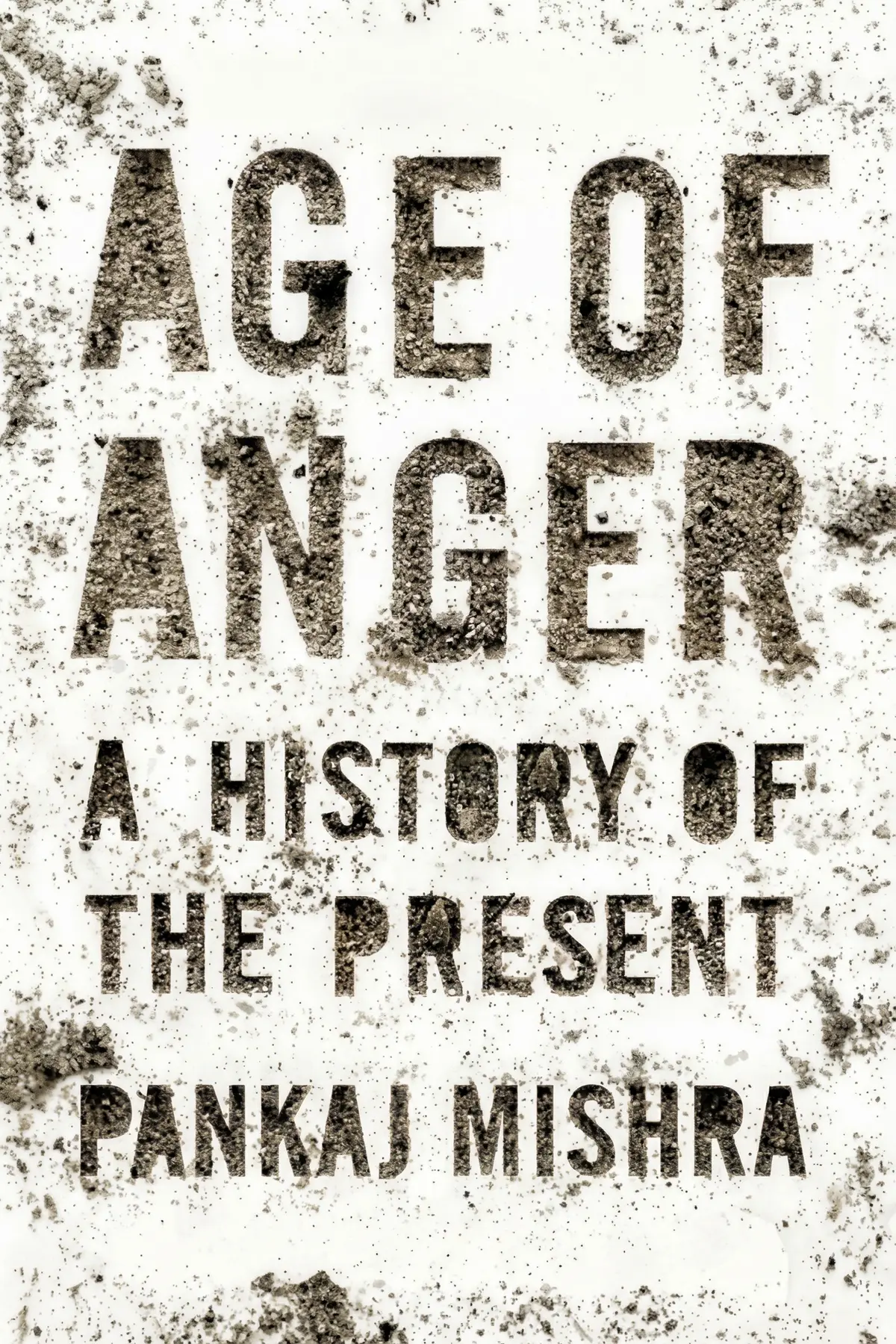
Pankaj Mishra
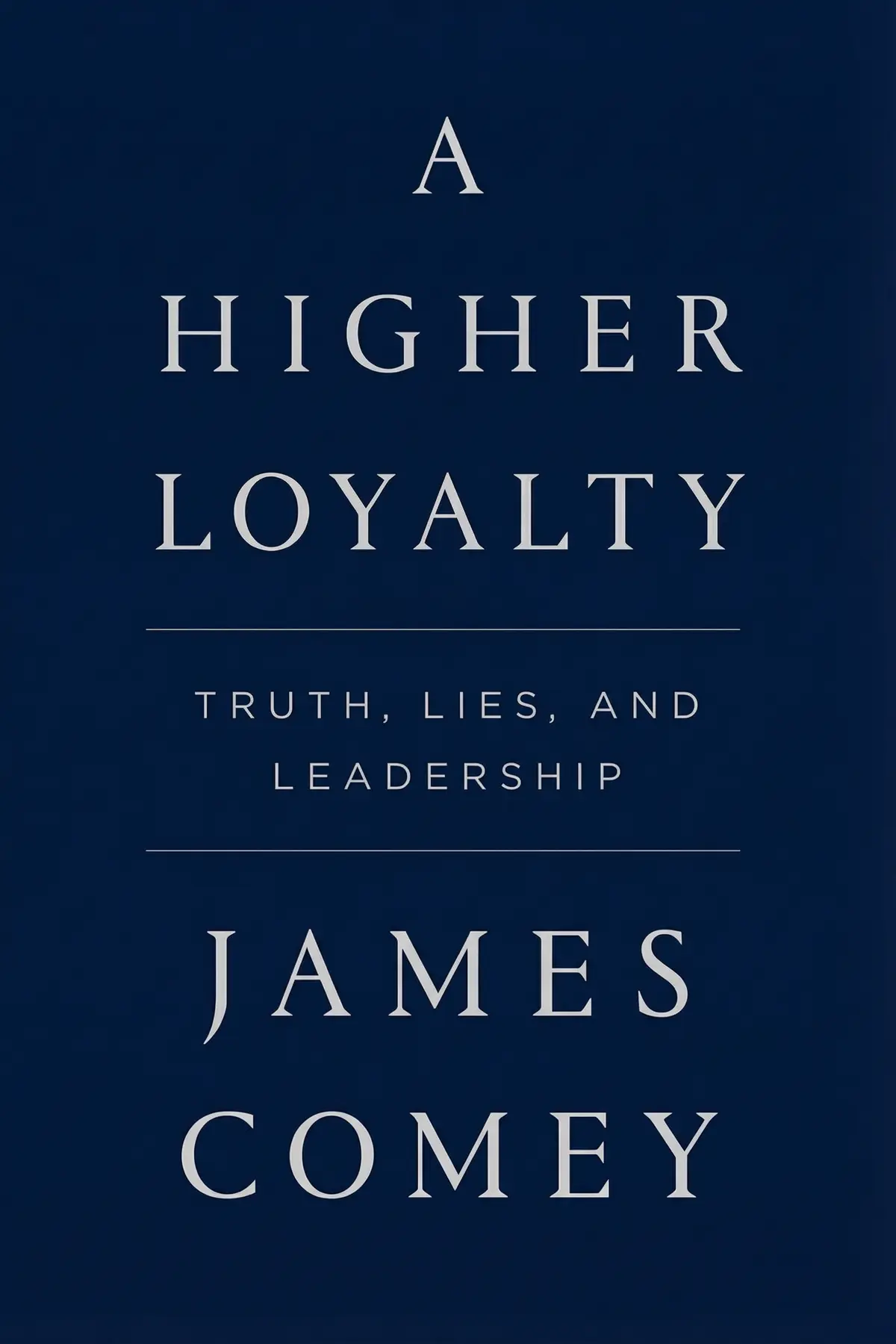
James Comey
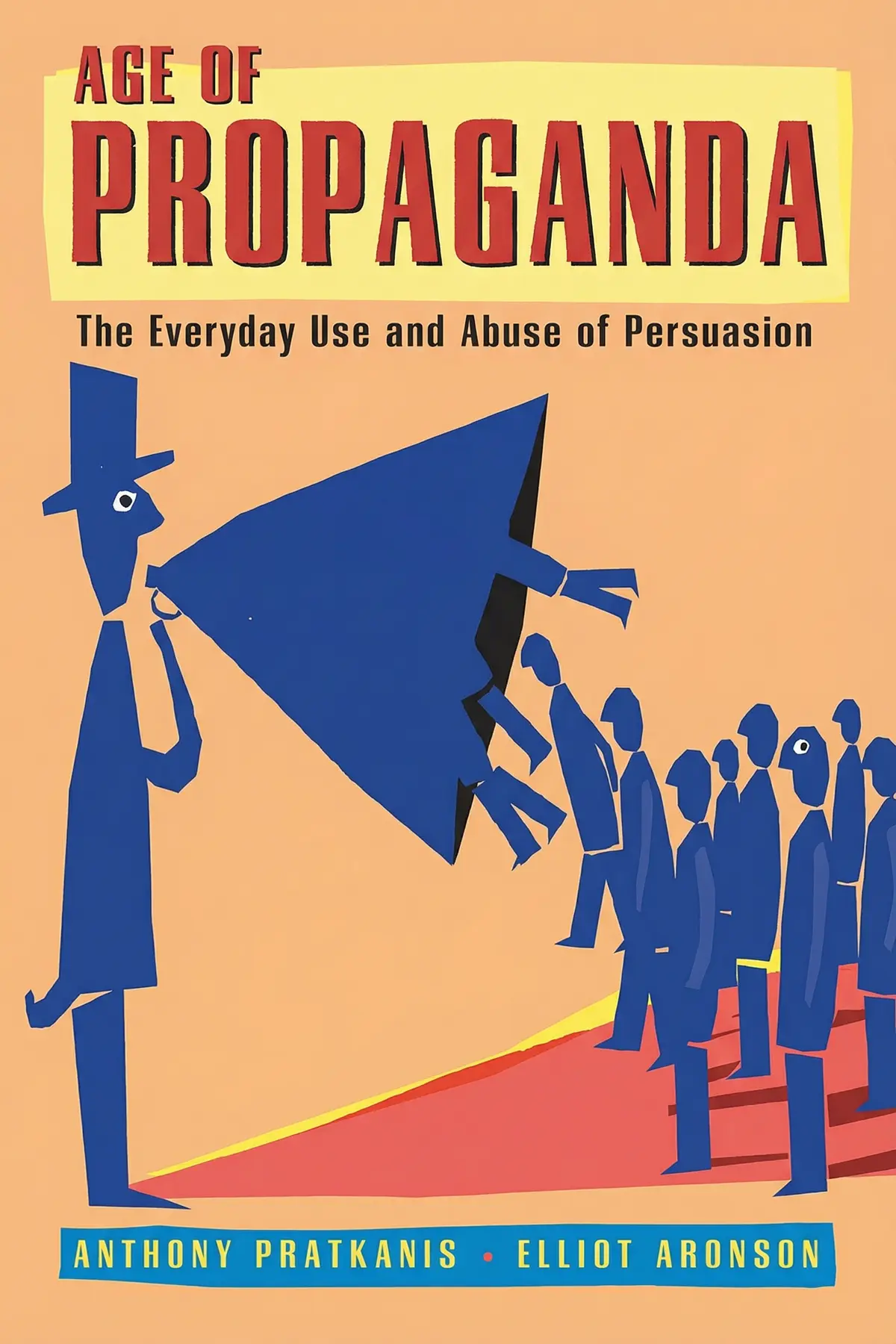
Anthony Pratkanis

AUDIO SUMMARY AVAILABLE
Get the key ideas from Soft Power by Joseph S. Nye Jr., plus 5,000+ more titles in English and Thai.







