
17 min 22 sec
Some Assembly Required: Decoding Four Billion Years of Life, from Ancient Fossils to DNA
By Neil Shubin
Some Assembly Required explores the surprising genetic and fossil history of life, revealing how evolution repurposes existing traits and uses a shared molecular toolkit to build everything from fish to humans.
Table of Content
1. Introduction
1 min 47 sec
When we look at the history of life on Earth, it is very tempting to see it as a clean, orderly progression—a majestic ladder rising from simple microbes to the complex majesty of the human being. We imagine fish deciding to walk, then reptiles deciding to fly, and eventually, primates deciding to build civilizations. It feels like a logical sequence of inventions, where each new feature was created precisely when it was needed. But as we dive into the actual evidence hidden within our rocks and our very cells, a much more chaotic and fascinating reality emerges.
In this exploration of Some Assembly Required, we are going to pull back the curtain on the messy, improvisational nature of evolution. The truth is that nature rarely ‘invents’ anything from scratch. Instead, it is the ultimate recycler. Most of the biological marvels we see today—the wings of a bird, the lungs we use to breathe, or the limbs we use to walk—actually started as something else entirely. They were ‘assembled’ from pre-existing parts that were lying around in the genetic basement of our ancestors.
By combining the physical evidence of the fossil record with the invisible blueprints of the genome, we can trace a line from the lowliest sea creatures to the most complex mammals. We will see that the story of life is not a straight path, but a winding road filled with strange diversions, internal conflicts, and remarkable coincidences. Through this lens, we’ll discover that we aren’t just the product of survival of the fittest; we are the result of four billion years of biological tinkering. This journey will change the way you look at your own body, revealing it not as a finished masterpiece, but as a living record of every twist and turn in the history of the world.
2. The Art of Biological Repurposing
2 min 28 sec
Discover why the most complex innovations in nature aren’t new inventions at all, but clever re-uses of ancient equipment that served entirely different purposes.
3. The Hidden Power of Embryonic Development
2 min 28 sec
Explore how the timing of growth in the womb can fundamentally reshape a species, turning an ancient creature into something entirely new.
4. Molecular Switches and the Genetic Recipe
2 min 13 sec
Learn how the complexity of life is managed not by the number of genes we have, but by the ‘switches’ that turn them on and off.
5. The Universal Blueprint of Life
2 min 05 sec
Understand the shocking discovery that the same master genes control the body plans of nearly every animal on Earth, from flies to humans.
6. The Chaotic Battle Within the Genome
2 min 16 sec
Go inside the human genome to see why it isn’t a perfect machine, but a crowded and competitive landscape filled with ‘jumping genes’.
7. The Predictable Path of Evolutionary Innovation
2 min 11 sec
Find out why evolution often hits on the same brilliant solutions over and over again, suggesting that life’s history is not a total accident.
8. Conclusion
1 min 54 sec
The story of how we were ‘assembled’ is far more intricate and surprising than any simple ‘march of progress’ could ever convey. From the air-breathing fish in ancient rivers to the jumping genes battling within our own cells, every part of our existence is a legacy of the past. We have learned that evolution is not a process of inventing new things out of thin air, but a masterclass in repurposing what is already there. We have seen how the timing of our development can turn a sea-squirt-like ancestor into a vertebrate, and how a shared genetic toolkit connects us to every other animal on the planet.
Ultimately, the lesson of Some Assembly Required is one of profound connection. We are not isolated peaks of biological perfection; we are part of a continuous, four-billion-year-old conversation. Our bodies are mosaics of ancient history, filled with parts that were originally meant for swimming, crawling, or even just surviving as a single cell. This doesn’t make us less special; it makes our existence even more miraculous. It shows that life is incredibly resilient, finding ways to turn accidents into advantages and glitches into breakthroughs.
As you move forward, take a moment to consider the deep history written in your own anatomy. The way you breathe, the way you move, and the way you grow are all products of this grand, ongoing assembly. The next time you see a fish, a bird, or even a simple fly, remember that you are looking at a distant cousin who is working with the same set of biological instructions. Understanding this throughline doesn’t just explain our past; it gives us a sense of wonder for the future of life on Earth. We are all works in progress, forever being reassembled by the forces of nature.
About this book
What is this book about?
Have you ever wondered how complex life truly began, or how a fish could possibly transition into a land-walking creature? In Some Assembly Required, paleontologist Neil Shubin takes us on a journey through four billion years of biological history. He challenges the traditional, linear view of evolution, showing instead that the story of life is one of radical repurposing, genetic accidents, and surprising shortcuts. By blending the study of ancient fossils with the cutting-edge world of DNA sequencing, the book reveals the 'inner toolkit' that all living things share. You will discover how the same genes that build a fruit fly also build a human, how our ancestors' genomes were shaped by internal battles, and why some evolutionary outcomes are almost inevitable given the laws of physics. It is a profound look at the assembly instructions of life itself, promising a new perspective on how we became who we are today.
Book Information
About the Author
Neil Shubin
Neil Shubin is a renowned paleontologist who received his academic training at prestigious institutions including Columbia, Harvard, and the University of California, Berkeley. He currently serves as a distinguished professor at the University of Chicago. Shubin is also the author of the critically acclaimed books Your Inner Fish and The Universe Within.
Ratings & Reviews
Ratings at a glance
What people think
Listeners find the writing exceptionally clear and well-crafted, praising the way it weaves evolutionary insights into a compelling narrative of scientific exploration. The material is generally seen as absorbing and educational, with one listener highlighting its suitability for helping non-specialists grasp the machinery of evolution. Nevertheless, the book's rhythm draws varied feedback, including one listener who felt the structure seemed disjointed.
Top reviews
Iff
Neil Shubin has a rare gift for making the complex gears of evolutionary biology feel like a page-turning detective story. While many science books get bogged down in dense nomenclature, this one stays remarkably accessible for the average person interested in how we actually came to be. I was particularly gripped by the sections explaining how "biological innovations" like lungs or feathers didn't just appear out of thin air for their current uses. Instead, Shubin illustrates how nature is the ultimate recycler, turning old parts into brand new tools over millions of years. It’s a beautifully written narrative that bridges the gap between ancient fossils and modern genomic research without losing the reader in the process. Frankly, it’s one of the best primers on the "machinery" of life I have encountered in years.
Show moreVipawan
Picked this up on a whim and was absolutely floored by how much "junk" DNA actually defines our existence as humans. Shubin explains that our genome isn't just a blueprint, but a chaotic graveyard of ancient viral infections and "jumping genes" that have been co-opted for our survival. The fact that a protein vital for the human placenta originally came from a virus is the kind of scientific trivia that changes your entire worldview. Not gonna lie, I had to reread a few passages to fully grasp the genetic "switches" he describes, but the effort was well worth the reward. This book moves quickly, shedding light on the weird, recursive nature of life in a way that feels both humble and profound. It is a masterpiece of scientific storytelling for anyone curious about the messy reality of our origins.
Show moreChiw
Wow, I didn't expect a book about DNA and fossils to be such an emotional journey through the history of human curiosity. Shubin shines a much-needed spotlight on scientists like Lynn Margulis, whose revolutionary ideas about mitochondria were ignored for decades before becoming standard knowledge. It’s a fantastic reminder that scientific progress is often just as messy and "assembled" as the organisms it seeks to study. The prose is vibrant and succinct, avoiding the dry lingo that usually makes these topics feel like a chore to read. I loved the idea that we are essentially carrying around billions of years of history inside every single one of our cells. It’s the kind of book that makes you look at a wildflower or a chicken and see the entire universe reflected back.
Show moreWoramet
"Nothing begins when you think it did," and that simple quote perfectly captures the essence of this incredible exploration of life's transitions. Shubin masterfully deconstructs the myth that complex organs appeared suddenly, showing instead how nature repurposes existing structures for entirely new functions. The breakdown of how salamanders can switch their developmental tracks based on their environment was a particularly illuminating example of genetic flexibility. In my experience, it’s rare to find a scientist who can write with this level of simplicity without "dumbing down" the actual science. The book is short, but every page is packed with insights that challenge how we think about our connection to the rest of the animal kingdom. It is a vital read for anyone who wants to understand the inner workings of the natural world.
Show moreLincoln
Personally, I found the scale of the DNA facts in this book to be absolutely mind-boggling—thinking about six trillion cells of DNA reaching to Pluto is wild! Shubin manages to make the microscopic world of "jumping genes" and protein sequences feel as grand and epic as any fossil discovery in the desert. The way he explains that we are essentially 10% virus by weight of our genome is the kind of stuff that stays with you long after you close the cover. This isn't just a book about evolution; it’s a book about the incredible, accidental genius of life itself. The writing is elegant and the illustrations are helpful, making the complex concepts of embryology accessible to anyone. It’s a 10-star book in a 5-star world, and I’ll be buying copies for all my curious friends.
Show moreWissanu
Ever wonder how a fish starts breathing air or how a dinosaur begins to fly? Shubin answers these questions by leaning into Darwin’s idea of "change of function," showing that evolution rarely invents anything from scratch. To be fair, if you’ve spent a lot of time reading Dawkins or Gould, some of the historical anecdotes might feel like a repeat of familiar territory. However, the way he weaves in the more recent genetic discoveries—like jumping genes and the role of ancient viruses in our own DNA—adds a fresh layer of depth. The writing is clear and engaging, though the pacing feels a little uneven in the middle chapters where the focus shifts toward molecular biology. It’s a solid, thought-provoking read that manages to make billions of years of history feel intimate.
Show moreArjun
As someone who adored Your Inner Fish, I had high expectations for Shubin’s latest deep dive into the fossil record and the genome. While it doesn't quite hit the same heights of discovery as his earlier work, it remains a very credible and informative look at biological organization. The truth is, the way he connects the dots between a fish’s swim bladder and the human lung is nothing short of brilliant. He spends a significant amount of time profiling the "savants" of science, which gives the book a human touch that many technical texts lack. Some might find the jumping between paleontology and molecular biology a bit disjointed at times. Still, the core message—that evolution is a process of assembly rather than creation—is delivered with such clarity that it’s hard not to recommend.
Show moreWan
After hearing Shubin speak on a podcast, I decided to give this a try, and it’s a remarkably readable account of how we are "built." He ventures into the realm of molecular biology with the same enthusiasm he has for digging up Tiktaalik, though the results are occasionally a bit uneven. The strength of the book lies in its ability to show how genes are essentially switches that can be flipped to create massive anatomical changes. I did feel that the ending was a little abrupt, and I would have loved more detail on the future of genetic editing. To be fair, though, for a book under 300 pages, it covers an immense amount of ground without ever feeling overwhelming. It’s a great choice for a flight or a weekend read if you want to feel a little smarter.
Show moreIngrid
The chapter on how viruses essentially "gifted" us the ability to form memories was easily the highlight of an otherwise slightly repetitive book. Shubin is an excellent communicator, but I couldn't help feeling like much of this was a polished retread of his previous work, Your Inner Fish. It’s a bit of a succinct primer that occasionally feels padded with stories of unsung scientists that, while interesting, distract from the core scientific argument. If this is your first foray into evolutionary biology, you will likely find it mind-blowing and revolutionary. For those who are already well-versed in the field, it feels more like a drowsy, yet pleasant, stroll through a familiar museum. I enjoyed the bits about corn and salamanders, but I wanted more of that "new" science and less of the historical recap.
Show moreSamart
Not what I expected after hearing all the hype surrounding Shubin's work in the field of paleontology. While the basic premise is fascinating, the execution felt largely disjointed and lacked the "verve" needed to keep me engaged through the more technical sections. Look, I understand that evolution is a slow process, but did the book have to feel quite so slow as well? It felt like a collection of interesting essays that were stretched out to fit a full-length book format, resulting in a lot of unnecessary padding. The transitions between discussing ancient fossils and modern CRISPR technology were jarring rather than seamless. If you are looking for a quick, punchy overview, this might work, but I found the presentation a bit too drowsy for such an exciting subject.
Show moreReaders also enjoyed

Alien Earths: The New Science of Planet Hunting in the Cosmos
Lisa Kaltenegger
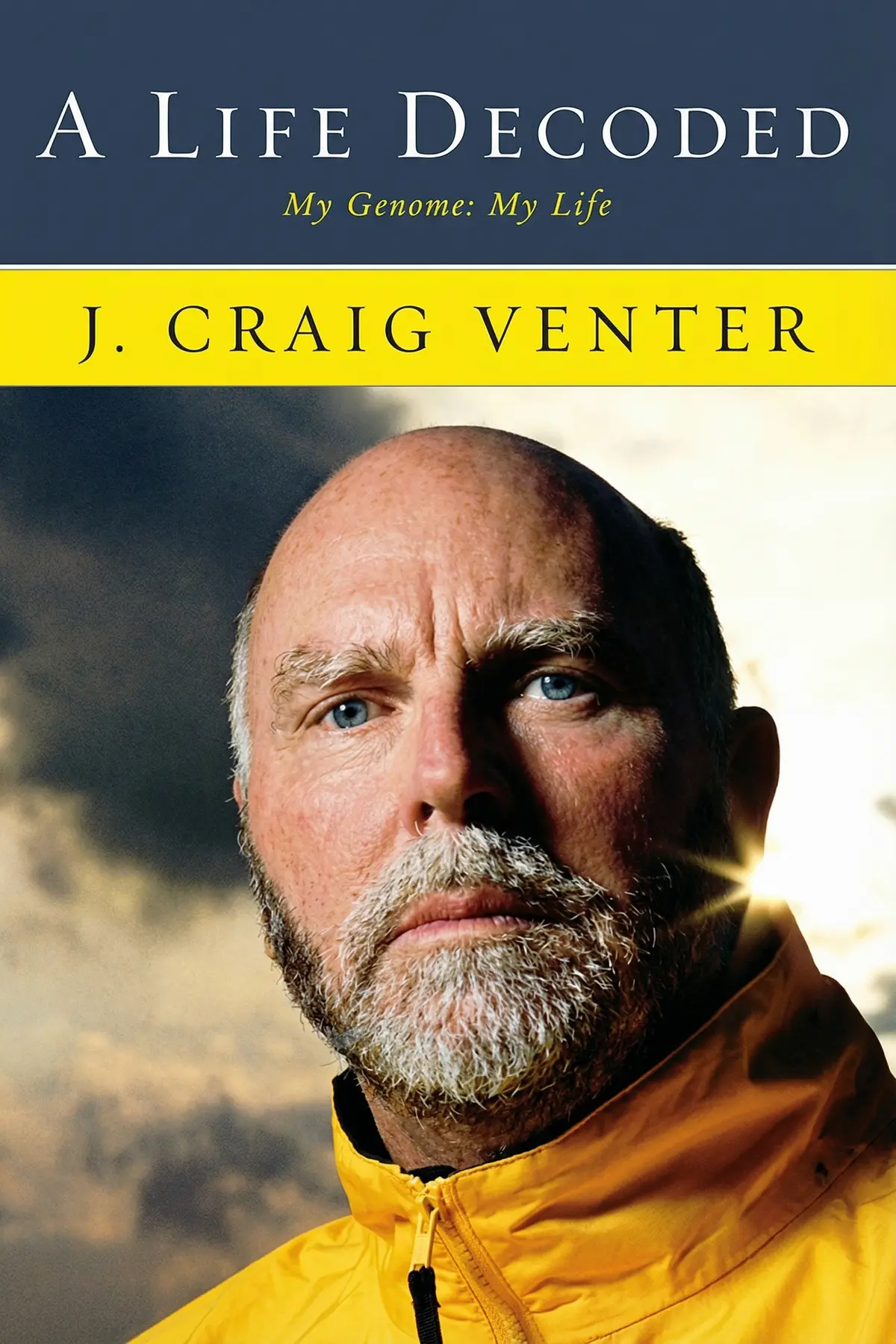
A Life Decoded: My Genome: My Life
J. Craig Venter
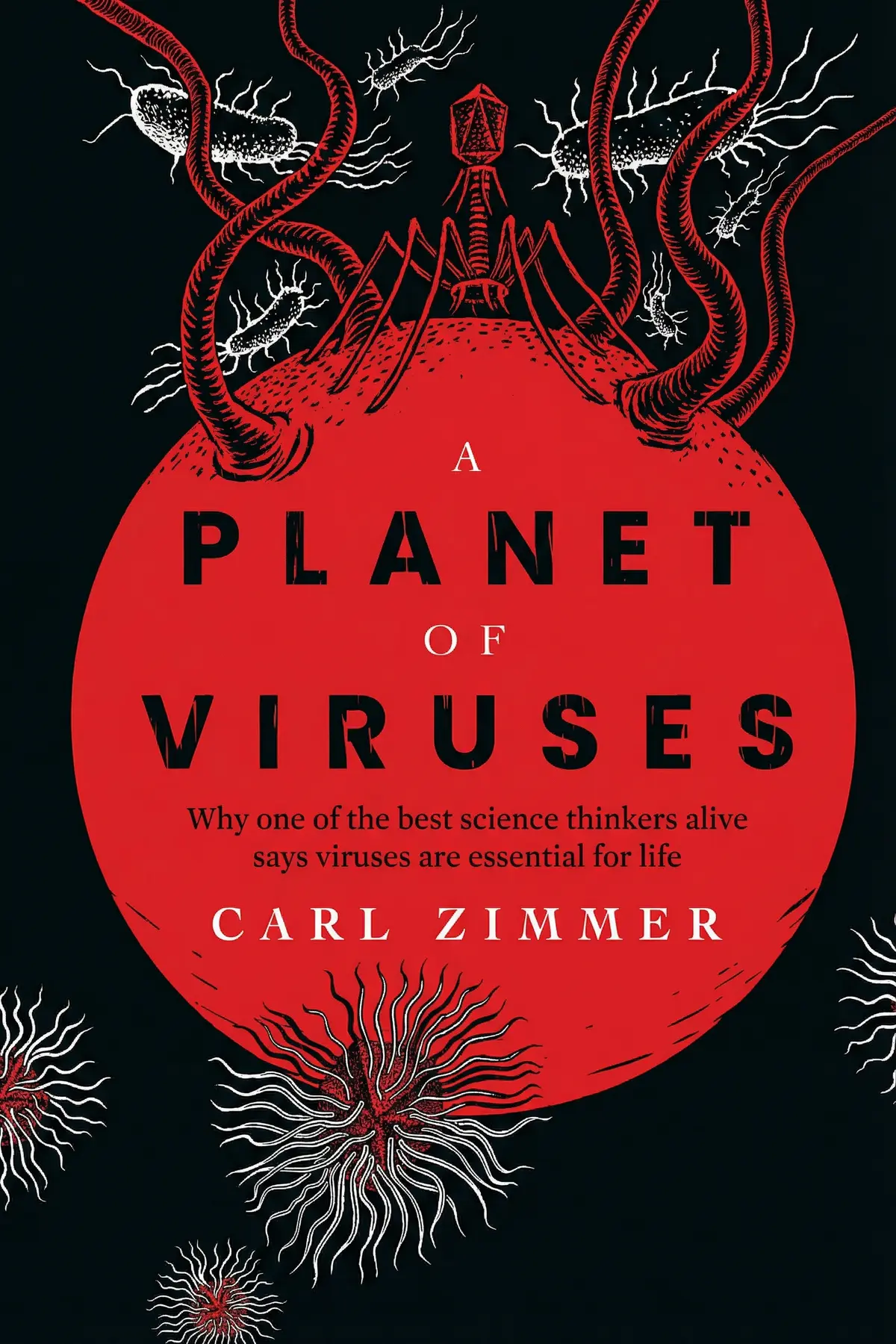
A Planet of Viruses
Carl Zimmer
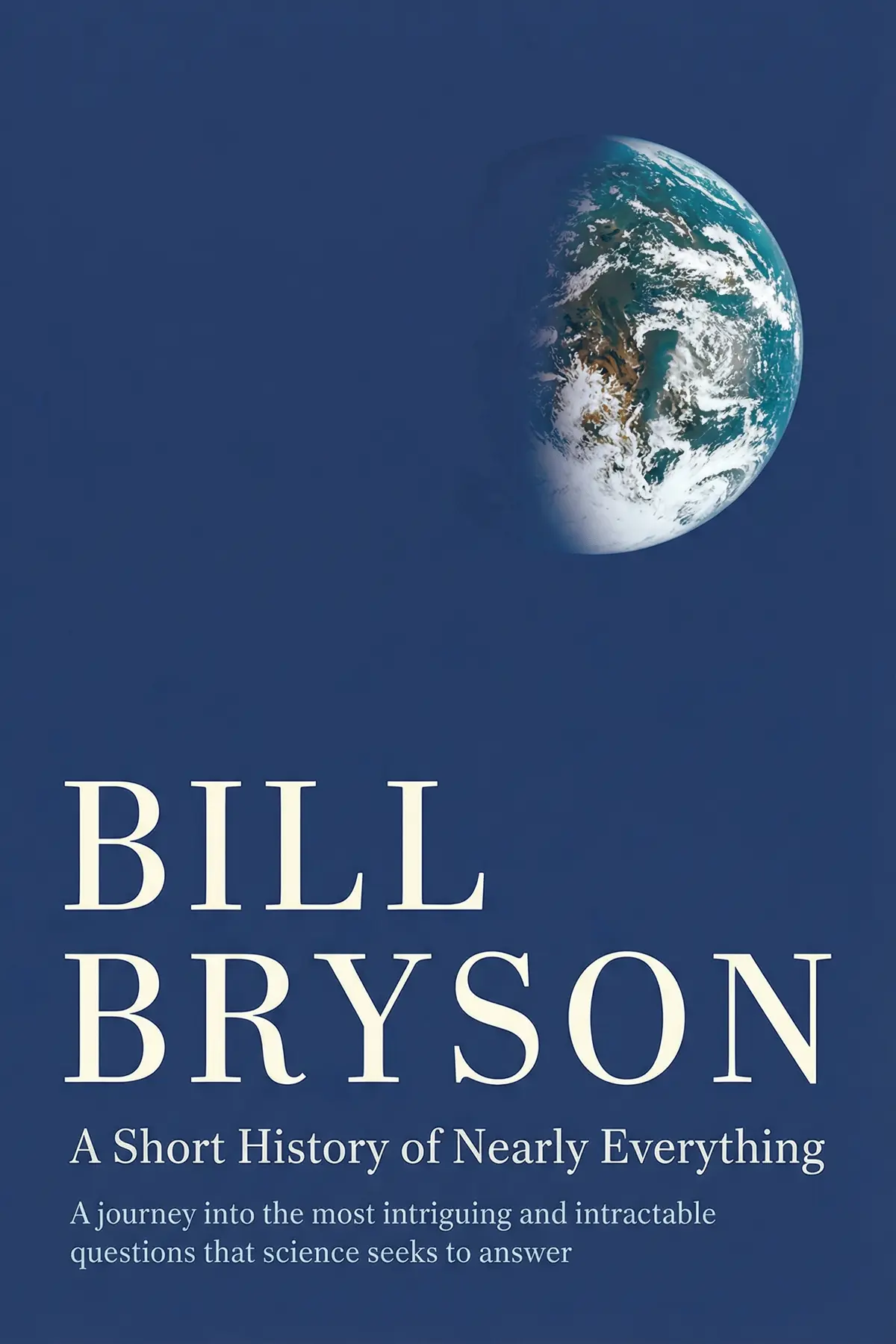
A Short History of Nearly Everything
Bill Bryson
AUDIO SUMMARY AVAILABLE
Listen to Some Assembly Required in 15 minutes
Get the key ideas from Some Assembly Required by Neil Shubin, plus 5,000+ more titles in English and Thai.
- 5,000+ titles
- Listen as much as you want
- 7-day free trial
- Cancel anytime







