
30 min 59 sec
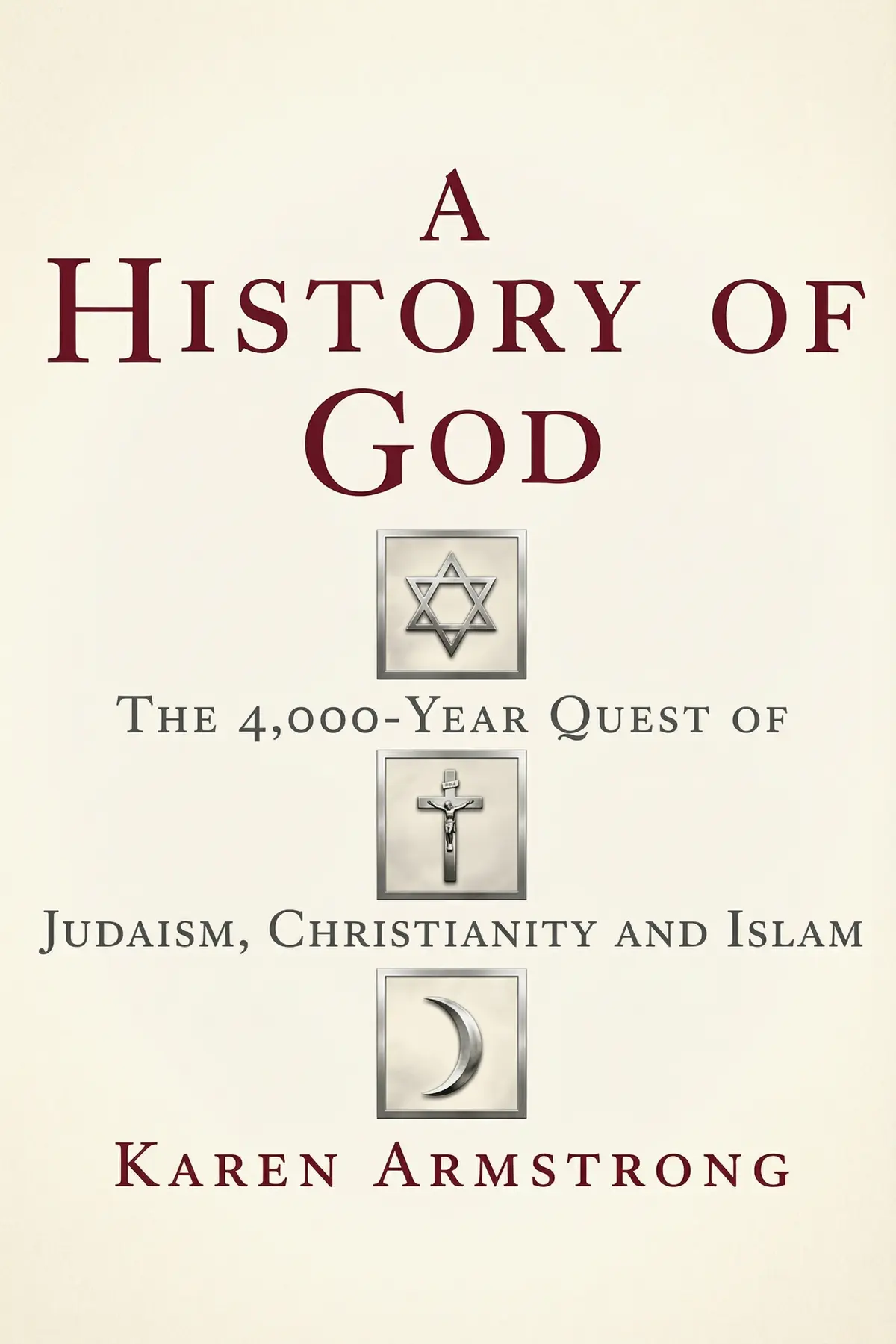
Stonewall: The Definitive Story of the LGBTQ Rights Uprising that Changed America
Explore the transformative history of the 1969 Stonewall uprising. This narrative follows six distinct individuals whose lives converged to ignite the modern movement for LGBTQ+ equality and systemic social change.
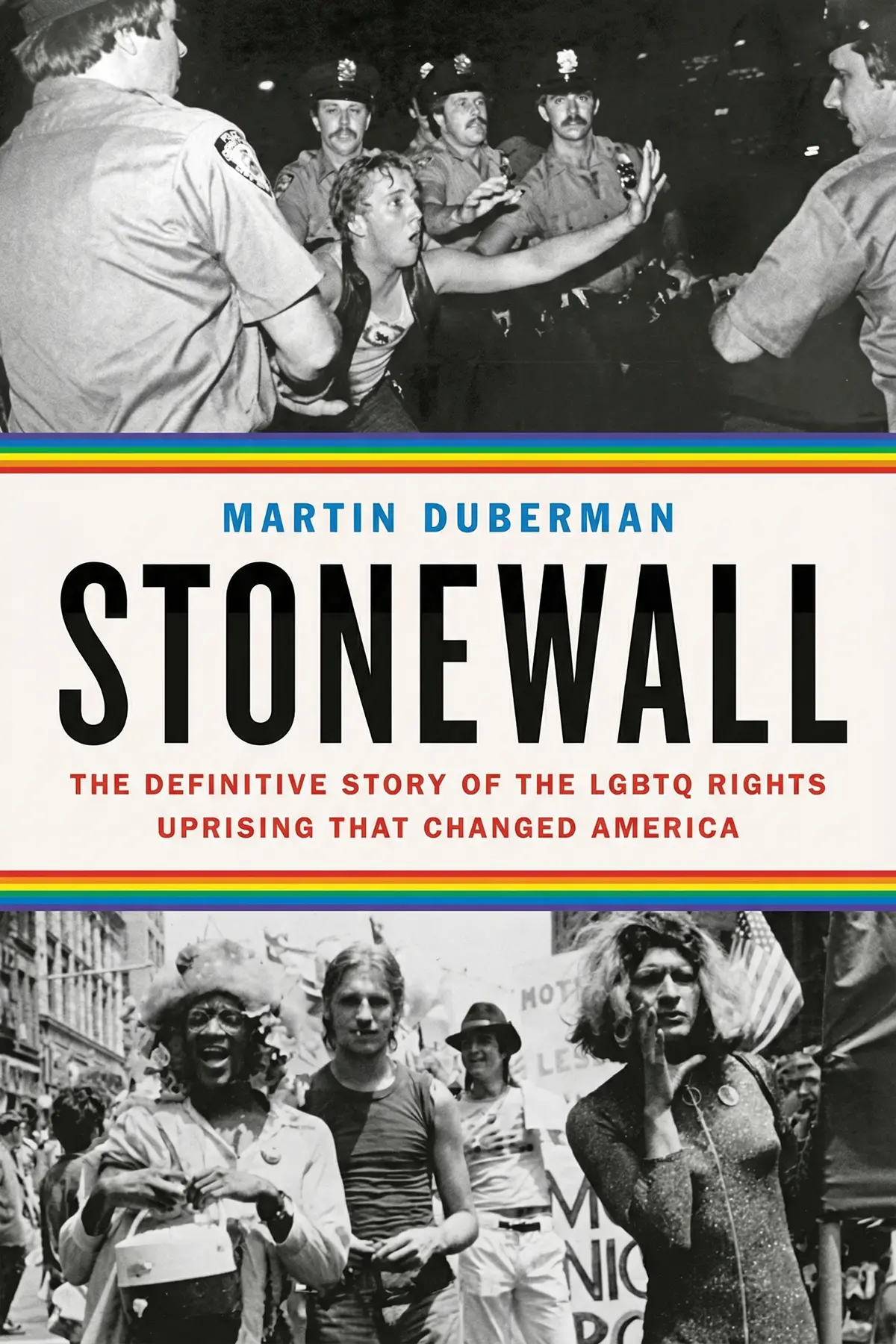
Table of Content
1. Introduction
1 min 49 sec
The journey of the American gay rights movement is one of the most remarkable stories of social transformation in modern history. To understand where we are today, we must look back at a time when the legal and social landscape was almost unrecognizable. In the mid-twentieth century, the state exercised profound control over the private lives of its citizens. Across fifteen states, homosexuality was categorized under ‘sexual psychopath’ laws, granting police the terrifying authority to indefinitely confine individuals based on their own subjective judgment. In all fifty states, same-sex acts were considered criminal. This was a world of forced silence, systemic violence, and state-sanctioned discrimination.
But history is rarely a straight line of progress. It is forged by individuals who, pushed to their limits, decide that they can no longer live in the shadows. The Stonewall uprising of 1969 stands as the definitive turning point in this struggle. It was not just a riot; it was an explosion of pent-up demand for dignity. It signaled a shift from asking for permission to exist to demanding the right to lead. This movement didn’t just target specific laws; it challenged the very core of gender norms, racial inequality, and the status quo of American society.
In this exploration, we will follow the lives of six people who represent the diverse threads of this movement. Their paths from varied childhoods to the heart of New York City activism provide a vivid tapestry of the queer experience. We will see how their individual journeys—marked by both trauma and resilience—coalesced into a force that would eventually birth the Gay Liberation Front and the very first Pride marches. By looking through their eyes, we gain a deeper understanding of why the Stonewall Inn, despite its flaws, became a sanctuary, and how a single weekend of resistance changed the course of history forever.
2. The Early Imprint of Identity
2 min 01 sec
Individual identity is often shaped in the crucible of childhood, where early experiences of connection and isolation set the stage for later activism.
3. The Complexity of Early Socialization
2 min 03 sec
Navigating a world that offers no roadmap for your existence requires a unique blend of intuition and survival skills.
4. Finding Sanctuary in Subcultures
2 min 00 sec
As young people gained independence, they sought out communities that allowed them to express their true selves, even in the shadows.
5. The Evolution of Organized Resistance
1 min 57 sec
Early political organizations provided a framework for the movement, even as they struggled with internal debates over strategy and respectability.
6. The Silence Begins to Break
2 min 06 sec
In the mid-1960s, public discourse began to acknowledge the existence of the gay community, though often through a lens of judgment.
7. The Radicalization of a Generation
2 min 00 sec
The broader social unrest of the late 1960s provided the catalyst for a more militant approach to gay rights.
8. The Precarious Role of the Gay Bar
2 min 00 sec
Gay bars in the 1960s were essential community hubs, but they were also sites of exploitation and constant threat.
9. The Night the Pattern Was Broken
1 min 59 sec
On a hot June night in 1969, a routine police raid met with an unexpected and history-altering resistance.
10. The Chorus Line of Defiance
1 min 50 sec
The use of ‘camp’ and humor became a tactical weapon against the paramilitary force sent to quell the uprising.
11. A Weekend of Transformation
2 min 04 sec
The unrest did not end on the first night; it evolved into a multi-day event that redefined the community’s relationship with the city.
12. The Birth of the Gay Liberation Front
1 min 49 sec
In the vacuum left by the riots, a new, more radical political organization emerged to harness the energy of the uprising.
13. Organizing for a New Future
2 min 03 sec
Despite ideological differences, activists worked together to create lasting institutions and a sense of permanent community.
14. The First Pride and the Power of Visibility
1 min 47 sec
The first anniversary of the Stonewall uprising saw a historic march that solidified the concept of ‘Pride’ as a political and personal necessity.
15. A Legacy of Courage and Change
1 min 54 sec
The story of Stonewall is a reminder that social progress is driven by the bravery of those who refuse to accept a diminished life.
16. Conclusion
1 min 37 sec
The history of Stonewall is much more than a three-day riot; it is the story of a fundamental transformation in the American soul. We have seen how the legal and social oppression of the mid-twentieth century attempted to erase an entire community, and how that community refused to disappear. From the early, quiet resistance of the Mattachine Society to the explosive defiance on Christopher Street, the movement for LGBTQ+ rights has always been about the courage to live authentically.
The individuals we followed—Craig, Yvonne, Karla, Jim, Sylvia, and Foster—remind us that every major social shift starts with individual acts of bravery. Whether it was the intellectual rigor of a bookstore owner or the raw survival instincts of a street queen, every person played a role in building the foundation of modern pride. They showed us that visibility is a form of power and that collective action can topple even the most rigid institutions.
As we look at the progress made since 1969, it is important to remember that the work of liberation is never truly finished. The spirit of Stonewall—uncompromising, unapologetic, and intersectional—remains as relevant today as it was then. It calls on us to continue challenging injustice wherever we find it and to honor the pioneers who paved the way. By understanding our history, we gain the tools to build a future where everyone can live with the dignity and respect they deserve. Let the lessons of these pioneers inspire you to find your own voice and to stand firm in your own truth, knowing that even the smallest act of resistance can spark a revolution.
About this book
What is this book about?
Stonewall offers a deep dive into the lives of six pioneers—Craig, Yvonne, Karla, Jim, Sylvia, and Foster—whose personal struggles and triumphs mirror the broader fight for queer liberation in America. The book moves beyond the specific nights of the 1969 riots to provide a comprehensive look at the legal, social, and psychological landscape of the mid-twentieth century, a time when homosexuality was often criminalized and pathologized. Through these intersecting biographies, the narrative explores the evolution of activism from the cautious, assimilationist tactics of the early homophile movement to the radical, unapologetic militancy that emerged in the riots' aftermath. It highlights the role of New York City’s bar culture, the influence of the anti-war and civil rights movements, and the specific events at the Stonewall Inn that sparked a global revolution. This account is a testament to the power of collective action and the enduring quest for human dignity and legal equality.
Book Information
About the Author
Martin Duberman
Martin Duberman is a distinguished historian, a lifelong resident of New York City, and a dedicated gay rights activist. In 1973, he shared his personal journey in a landmark essay for the New York Times, coming out as a gay man. Since then, he has established himself as a prolific author, writing extensively on civil rights and a diverse range of historical and social topics.
Ratings & Reviews
Ratings at a glance
What people think
Listeners find the work both readable and informative, specifically noting its usefulness for reference. Moreover, the historical accuracy is praised, with one listener describing it as a striking depiction of a turning point in history. The narrative style is also valued, as one review points out its personal approach to recounting the era.
Top reviews
Maja
Wow. This book completely changed how I look at queer history. Duberman doesn’t just give you dry facts about a riot; he paints a living, breathing portrait of 1960s New York through the eyes of people like Sylvia Rivera and Craig Rodwell. I felt like I was right there in the streets of Greenwich Village, feeling the tension build up against the police harassment and the constant threat of arrest for just existing. It’s incredibly vivid and deeply moving to see how these six individuals, each with their own baggage and flaws, converged on that one night. Frankly, it’s the most personal history I’ve ever read. Even though the jumping between perspectives gets a bit dizzying at times, the emotional payoff is massive. These aren't just names in a textbook anymore—they are heroes who fought the mafia and the cops so we could have a future. Every LGBTQ+ person should have a copy of this on their shelf.
Show moreHana
Picking this up was the best decision I made this month for my personal education. It reads less like a dry history book and more like a series of interconnected biographies that perfectly capture the grit of old NYC. I especially appreciated how Duberman highlighted the friction between different factions, like the 'respectable' activists in suits versus the street queens who actually stood their ground. The historical accuracy feels incredibly sharp, yet the prose remains vivid and engaging throughout. Not gonna lie, I got a bit emotional reading about Sylvia Rivera’s early life on the streets. It’s a powerful reminder that Stonewall wasn’t just a single night of rebellion, but a culmination of years of systemic abuse and grassroots organizing. This is essential reading for anyone who wants to understand the roots of Pride. It’s a brilliant, informative, and deeply humanizing account of a pivotal moment in American history.
Show morePrinya
Stonewall is an absolute masterpiece of historical non-fiction that feels more relevant today than ever. Duberman provides a vivid telling of the 1969 riots, but more importantly, he documents the lives of those who paved the way. The detail is staggering. From the specific New York laws used to harass trans people to the logistics of running an underground gay bar, the historical accuracy is top-notch. I love that he included figures like Karla Jay and Yvonne Flowers to show that the movement wasn't just a monolith of white men. The prose is sophisticated yet readable, making it a perfect gift for anyone interested in civil rights history. It serves as both a moving personal narrative and a vital piece of reference material. Look, if you want to know the truth about how we got here, you need to read this book. It’s a definitive account that honors the complexity of the struggle.
Show morePrasarn
After hearing so much about the riots, I expected a blow-by-blow of the actual night at the bar, but this book offers something much more valuable: context. Duberman focuses heavily on the years leading up to 1969, which helps you understand why the explosion happened when it did. The inclusion of figures like Yvonne Flowers and Foster Gunnison provides a diverse range of perspectives on the internal politics of the movement, though sometimes the shifts between their narratives feel a bit jarring. To be fair, some sections on the specific bureaucratic infighting of early gay organizations drag on a little longer than necessary. However, as a piece of reference material for the era, it is second to none. The writing is scholarly yet accessible enough for a casual reader looking to brush up on their history. It’s a solid, informative read that manages to humanize a legendary event without stripping away its complexity.
Show moreAnawin
Ever wonder what the gay rights movement looked like before it became a 'movement'? This book dives deep into the pre-Stonewall atmosphere, exploring the intersection of the Civil Rights era, feminism, and the anti-war protests. Duberman is a master at weaving these individual lives into a larger tapestry of social upheaval. I was particularly fascinated by the details regarding the mafia's control over gay bars and the ridiculous 'three-article' clothing laws that led to so many arrests. The truth is, the actual riots only take up a small portion of the text, which might disappoint some people looking for an action-packed recount. But if you want to understand the cultural seismic shift of the late sixties, this is the book to pick up. The pacing is a bit uneven—the ending feels slightly rushed compared to the painstaking detail of the early sections—but the overall narrative quality is excellent.
Show moreNan
As someone who only knew the 'Disney version' of Stonewall, this was a massive eye-opener. I had no idea about the level of police brutality or the fact that most of the activists were involved in so many other radical movements at the time. The book does a great job of showing how the riots weren't an isolated incident but part of a global wave of unrest. Personally, I found the story of Jim Fouratt and the radical left to be the most compelling. The author’s passion for the subject matter is obvious, and he doesn’t shy away from the 'unpretty' parts of the history, including the racism and sexism within early gay organizations. My only real gripe is that the narrative structure can be confusing during the first hundred pages. Once you get the hang of the six different lives, it flows much better. It’s a rewarding read if you’re willing to put in the effort.
Show moreRafael
Finally got around to reading this classic, and I'm glad I did despite the occasional struggle with the pacing. Duberman’s approach of following six specific individuals makes the history feel much more intimate than a standard textbook. You really get a sense of the diverse backgrounds—from wealthy conservatives to street-hardened queens—that made up the community back then. The book is incredibly informative regarding the political landscape of the 60s, particularly the tension between wanting to look 'respectable' and wanting to burn the whole system down. While some parts definitely drag, especially the deep dives into organizational meetings, the overall impact is powerful. The writing is generally solid, though it can get a bit academic at times. It’s a vivid, necessary look at our past that doesn’t sugarcoat the internal conflicts of the early movement. Definitely a must-read for the historical context alone.
Show moreSakura
The chapter on the actual riot was the highlight, but getting there felt like a bit of a slog. Martin Duberman clearly knows his stuff, and the level of research here is impressive, but the academic tone occasionally clashes with the personal stories he’s trying to tell. To be fair, I learned a lot about the Oscar Wilde Memorial Bookstore and the internal debates over whether to align with the Black Panthers. But the constant perspective switching made it hard to stay invested in any one person’s journey for long. Sometimes it felt like I was reading six different mini-biographies that happened to collide at a bar. It’s a decent piece of reference material, but I wouldn't call it a page-turner. If you’re looking for a quick, exciting read about the riots, this might not be it. If you want a dense, informative look at 1960s activism, it’s worth a look, even if the prose is a bit dry.
Show moreTaw
Not what I expected, but still worth reading for the sheer amount of information provided. I went in looking for a detailed account of the three days of rioting, but instead, I got a long-winded history of 1960s gay activism. The truth is, the 'characters' Duberman chose are interesting, but only a couple of them were even at the Stonewall Inn when everything went down. This makes the title feel a bit misleading. The prose is often clunky and the switching of perspectives left me feeling disconnected from the emotional core of the story. To be fair, the research is exhaustive, and I learned a lot about the cultural atmosphere of the time. It just feels more like a collection of essays than a cohesive narrative. It's an okay book, but it requires a lot of patience to get through the slower chapters.
Show moreSaranya
I really wanted to love this given how important the subject matter is, but I struggled to get through the clunky prose. The organization of the six different narratives felt messy and incoherent to me, making it a real chore to keep track of who was who during the early chapters. One moment we’re with Sylvia in the streets, and the next we’re deep in the weeds of Christian Science residential schools or academic theory. I found the syntax to be unnecessarily dense, requiring constant rereads just to follow a simple chronological sequence. While the historical accuracy is clearly there, the storytelling itself felt dog-tired and lacked the spark such a revolutionary moment deserves. It’s an okay resource if you need names and dates, but the reading experience was frankly exhausting. I respect the research, but the execution just didn't work for me at all.
Show moreReaders also enjoyed
A History of Iran: Empire of the Mind
Michael Axworthy
Afropean: Notes From Black Europe
Johny Pitts
A History of the World in 6 Glasses
Tom Standage
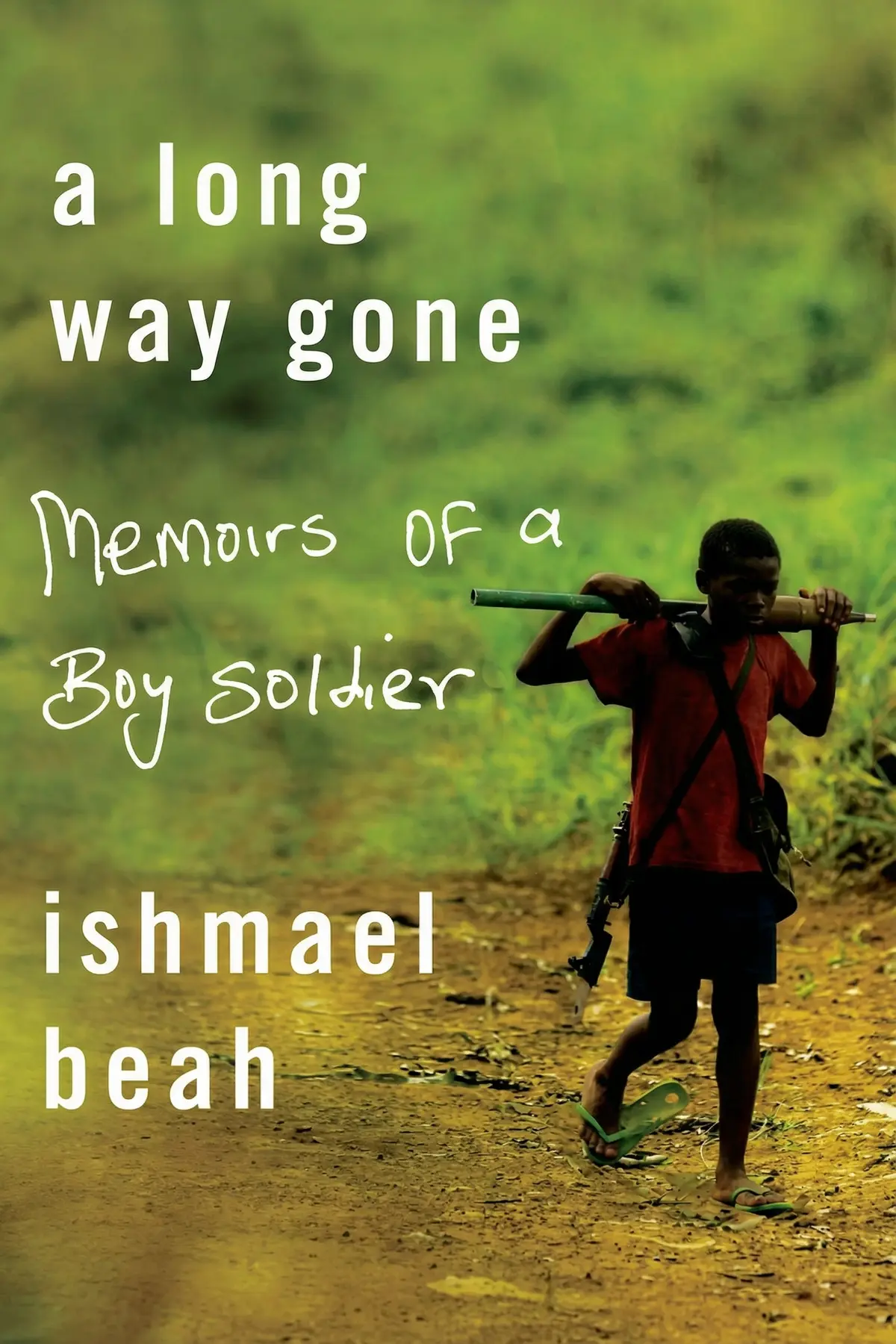
A Long Way Gone: Memoirs of a Boy Soldier
Ishmael Beah
All About Love: New Visions
bell hooks
AUDIO SUMMARY AVAILABLE
Listen to Stonewall in 15 minutes
Get the key ideas from Stonewall by Martin Duberman, plus 5,000+ more titles in English and Thai.
- 5,000+ titles
- Listen as much as you want
- 7-day free trial
- Cancel anytime







