
17 min 36 sec
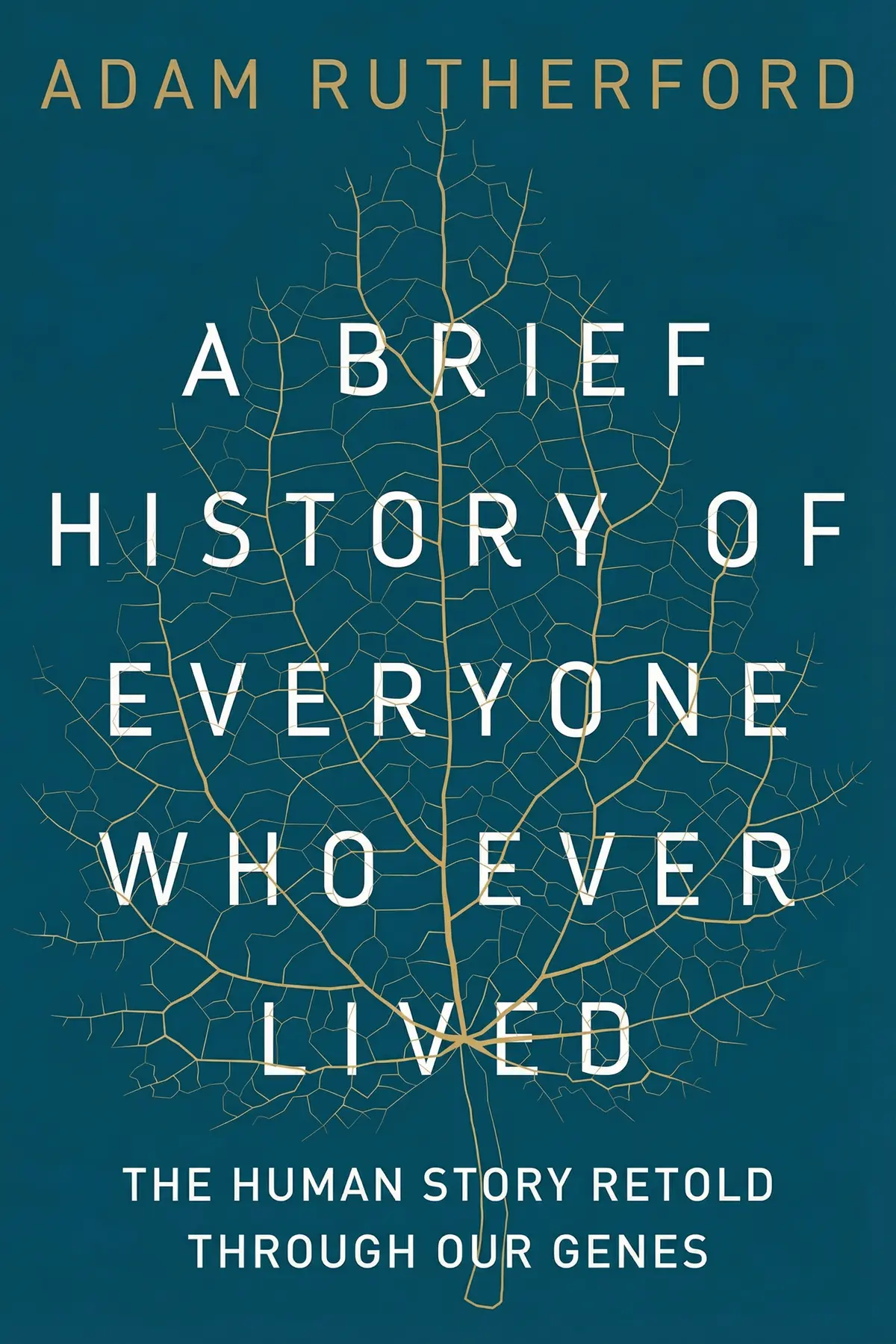
Survival of the Prettiest: The Science of Beauty
By Nancy Etcoff
Survival of the Prettiest explores the evolutionary roots of beauty, arguing that our aesthetic preferences are not mere social constructs but biological adaptations shaped by thousands of years of human survival.
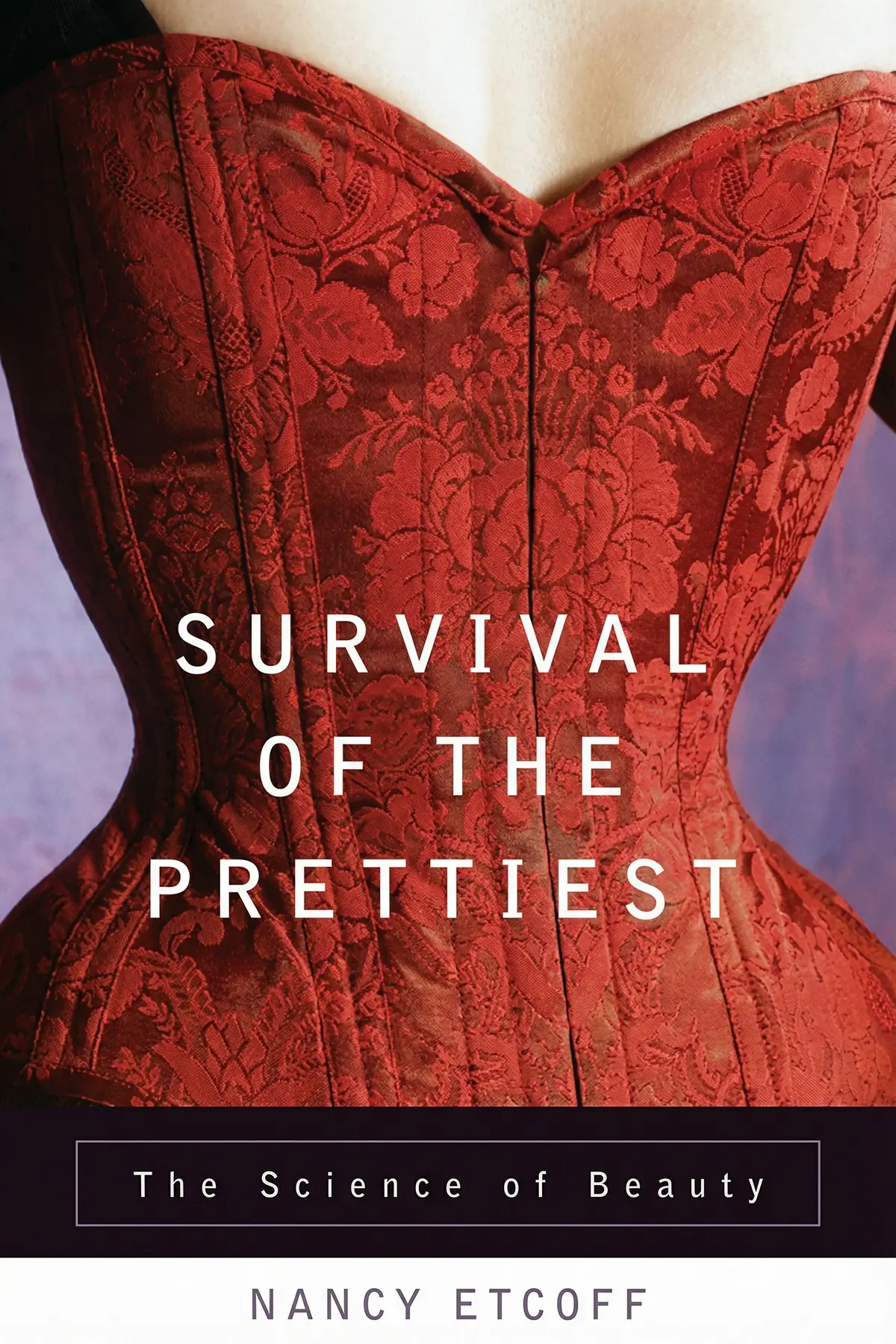
Table of Content
1. Introduction
1 min 51 sec
Imagine one of the most powerful and admired women in American history, Eleanor Roosevelt. Despite her monumental achievements and the respect she commanded on the world stage, she once admitted to a deep-seated regret: she wished she had been prettier. It is a heart-wrenching admission that speaks to a universal truth about the human experience. No matter how much we achieve or how much we evolve as a society, we are relentlessly preoccupied with physical beauty.
But why? Is this obsession just a byproduct of modern advertising and the fashion industry? Is it something we can simply choose to ignore? The answer, as it turns out, is far more complex than a simple social critique. We have a profound, biological drive to identify and desire beauty. It is baked into our DNA. Even though we live in an age of heightened awareness regarding our biases, these primal instincts continue to steer our lives from the moment we are born.
This summary will take you on a journey through the evolution of attraction. We will look at how even tiny infants—who haven’t yet seen a single billboard or magazine cover—show a clear preference for what adults consider attractive faces. We’ll explore why certain traits, like a specific waist-to-hip ratio or a symmetrical face, trigger an involuntary response in our brains. Through the lens of Nancy Etcoff’s research, we will discover that beauty is not a myth designed to oppress us, but a survival mechanism that has helped the human race navigate the challenges of reproduction and protection for millennia. By the time we’re finished, you’ll see that beauty isn’t just skin deep—it’s deep in our history.
2. The Academic Neglect of Beauty
2 min 34 sec
For decades, science avoided the topic of beauty due to past failures and a belief that our minds were blank slates shaped only by culture.
3. The Instinctive Nature of Aesthetic Recognition
2 min 12 sec
Babies as young as three months old can identify beauty, proving that our aesthetic compass is set long before we are influenced by society.
4. Beauty as an Evolutionary Life Raft
2 min 34 sec
From the protective features of infants to the elaborate displays of animals, beauty serves as a crucial tool for survival and reproduction.
5. The Biological Blueprint of Attraction
2 min 18 sec
Universal preferences for symmetry and specific physical proportions act as indicators of health and fertility across human history.
6. The Social Power and Bias of the Beautiful
2 min 13 sec
The ‘halo effect’ ensures that beautiful people receive preferential treatment in everything from criminal justice to daily social interactions.
7. The Intersection of Biology and Culture
2 min 13 sec
True understanding of beauty requires acknowledging both our primal instincts and the cultural power structures that manipulate them.
8. Conclusion
1 min 41 sec
As we wrap up our exploration of Survival of the Prettiest, it’s clear that beauty is far more than a superficial concern or a modern obsession. It is a fundamental thread woven into the very fabric of our biology. From the survival of infants to the selection of healthy mates, our aesthetic preferences have served as a guiding light for our species for over ten thousand years. We have seen that we are born with a compass for beauty, and that this compass points toward symmetry, health, and vitality.
However, we’ve also seen the double-edged nature of this instinct. While it brings us joy and helps us appreciate the world, it also creates deep-seated biases that can lead to unfair treatment and social inequality. The key takeaway here isn’t to fight against our nature, but to understand it. When we acknowledge that our reactions to beauty are often involuntary and biological, we can start to deconstruct the ways society uses those reactions to maintain power or sell products.
To live in a more equitable world, we don’t need to stop finding things beautiful. Instead, we need to balance our primal instincts with our modern values. By recognizing the ‘halo effect’ and the cultural hierarchies that shape our magazines and media, we can strive to look past the surface. True wisdom lies in the ability to appreciate the beauty that surrounds us while ensuring that everyone—regardless of their waist-to-hip ratio or facial symmetry—is treated with the dignity and respect they deserve. Beauty may be a mechanism for survival, but empathy and awareness are the mechanisms for a better society.
About this book
What is this book about?
Have you ever wondered why certain faces stop us in our tracks, or why we find a baby’s chubby cheeks so irresistible? Survival of the Prettiest takes a deep dive into the science of attraction, moving beyond the idea that beauty is just a superficial social pressure. It examines how our brains are hardwired to recognize and reward specific physical traits that signal health, fertility, and genetic strength. From the way infants react to attractive faces to the biological reasons behind fashion trends like corsets, this book promises to peel back the layers of our aesthetic biases. It bridges the gap between evolutionary psychology and modern culture, revealing that beauty is a fundamental human drive. By the end, you’ll understand that while the media may influence our tastes, the foundation of what we find beautiful is a legacy of our ancestors’ quest to survive and thrive.
Book Information
About the Author
Nancy Etcoff
Nancy Etcoff is a faculty member at Harvard Medical School. She has a Master of Education degree from Harvard, a PhD in psychology from Boston University and has studied the brain and cognitive sciences at Massachusetts Institute of Technology.
Ratings & Reviews
Ratings at a glance
What people think
Listeners find the work captivating and thoroughly documented, highlighting intriguing research regarding physical attractiveness. The prose earns high marks for its quality, and listeners value the practical insights, including one who noted that it improved their tips as a cocktail waitress. Furthermore, the narrative includes an eccentric wit, with one chapter regarding primate genitalia being especially hilarious. On the other hand, the tempo gets varied reactions, as several listeners feel the material becomes redundant.
Top reviews
Lucas
Ever wonder why certain faces just seem to click? Etcoff’s deep dive into the evolutionary roots of attraction is both enlightening and, occasionally, a bit unnerving. I was especially gripped by the section explaining how symmetry and skin health aren't just cultural preferences but biological signals for fitness. Some of the findings are hard to swallow if you prefer the 'beauty is in the eye of the beholder' mantra, but the data is hard to ignore. I actually started noticing the subtle social cues she describes in my daily life. It’s a well-researched piece that manages to stay engaging throughout, even when the subject matter gets a bit clinical. Plus, the humor sprinkled in—especially regarding our primate cousins—kept things from feeling too much like a dry textbook.
Show moreTum
As someone working in the service industry, I found the insights here surprisingly practical. I actually tried some of the subtle grooming tips mentioned in the book and noticed an immediate uptick in my tips! It’s wild to think that things as simple as hair-flipping or specific posture can trigger such predictable biological responses in others. The book is engaging and avoids being overly academic, making the complex evolutionary theories accessible to anyone. I particularly liked the discussion on how 'beautiful' babies receive more attention, which is heartbreaking but explains a lot about human nature. It’s a powerful reminder that we are still very much driven by our animal instincts. If you want to understand the hidden social currency of looks, this is the definitive guide.
Show moreBee
Wow, I didn't expect a science-heavy book to be this readable. Nancy Etcoff has a real knack for taking complex evolutionary biology and making it feel like a conversation at a dinner party. The sections on how we perceive health through skin tone and hair luster were especially enlightening. I also loved the primate humor—it added a much-needed levity to some of the more serious discussions about social inequality and the 'beauty tax.' While the book doesn't offer many solutions to the shallow nature of humanity, it provides a clear-eyed look at the problem. I came away with a much better understanding of why we are so obsessed with aesthetics. It’s a well-written, thoroughly researched, and ultimately very helpful look at the human condition.
Show moreAnchalee
After hearing so much about the 'biological clock' of beauty, I finally dove into Etcoff’s work. The way she breaks down why we respond to baby-like features—big eyes, large foreheads—is absolutely fascinating and explains so much about character design in media. I appreciated how she distinguished between the fleeting nature of fashion and the enduring biological standards of beauty. However, I did notice a bit of a slant toward Western features, which made me question the 'universality' she claims for some of these traits. Gotta say, the writing is sharp and the research feels solid, even if some of the evolutionary explanations feel a bit like justifications for modern biases. It’s a thought-provoking look at the human animal that will definitely change how you view a crowded room.
Show morePairot
The chapter on primate genitalia was unexpectedly hilarious and caught me off guard! It’s rare to find a science-based book that doesn't take itself too seriously while still delivering heavy-hitting facts. Etcoff’s exploration of sexual selection is brilliant, showing how we aren't that different from peacocks or bighorn sheep. I found the data on how attractive people navigate the world easier to be eye-opening, if a bit unfair. The book is incredibly well-researched, though it does get a little bogged down in the middle with similar-sounding studies. Despite that, the prose is lively enough to keep you turning the pages. It’s a quirky, insightful, and often funny look at the lengths we go to for the sake of 'priming and prepping' ourselves for the mating game.
Show moreCharles
Picked this up on a whim and was surprised by how much it challenged my assumptions about modern beauty standards. Etcoff argues that our obsession with grooming isn't just vanity but a deep-seated evolutionary drive. The truth is, we like to think we're above our biology, but this book proves otherwise. I was particularly struck by the section on how symmetry affects mate choice, even during ovulation. It’s a bit of a cynical perspective, but the author backs it up with so many studies that it’s hard to argue with her logic. My only gripe is that it can feel a little repetitive toward the end, as if she’s trying to prove the same point multiple times. Still, it’s a compelling read for anyone interested in why we find certain things 'pretty.'
Show moreVimolwan
Frankly, this was a bit of a downer for me. While the author presents a mountain of evidence suggesting that our standards for beauty are hardwired, the implications feel incredibly bleak. It’s hard to stay upbeat when you’re being told that peak desirability basically ends before you've even hit your thirties. I found the sections on the 'waist-to-hip ratio' interesting from a scientific perspective, but it quickly became repetitive. Every chapter seemed to hammer home the same point: we are biological machines programmed to seek out youth and fertility. Truth is, I wanted more discussion on how we can rise above these base instincts rather than just a list of ways we're shallow. It’s informative, but definitely not a feel-good read for a rainy afternoon.
Show moreScarlett
While the scholarship is clearly there, the pacing left much to be desired. I was fascinated by the initial arguments regarding symmetry and how it signals a strong immune system. But after the third or fourth chapter covering similar ground, I found my attention drifting. Personally, I would have liked to see more exploration of how different cultures interpret these 'universal' traits, as it felt a bit Eurocentric at times. The author mentions Polynesians preferring different nose shapes, which was a great detail, but those moments were few and far between. It’s a solid 3-star read for me because the information is valuable, but the delivery is just too repetitive to be truly gripping. It’s a great reference book, but maybe not something you read cover-to-cover in one sitting.
Show moreMattanee
Look, the central premise that biology dictates our desires is fascinating, but I struggled with the narrow focus. The author seems convinced that every single thing we do—from wearing makeup to flipping our hair—is a calculated move to attract a mate. What about just wanting to feel confident or expressive? It feels like she ignores the sociological side of things in favor of a purely Darwinian outlook. In my experience, beauty is far more complex than just a set of proportions. To be fair, the writing style is quite good and there are some truly interesting nuggets of information. But the book's insistence that our 'prime' ends in our thirties is just depressing and, frankly, highly subjective. It’s a decent read, but take it with a grain of salt.
Show morePakinee
This book is essentially a manual on why you might feel inadequate. I picked this up hoping for an objective study, but I walked away feeling like I’d been bullied by a collection of statistics. Etcoff insists that beauty peaks at sixteen and it’s all downhill from there, which is a pretty devastating pill to swallow. It feels almost abusive to read about all the ways aging makes a person 'evolutionary baggage.' Not gonna lie, I had to put it down several times just to breathe. While the science might be accurate, the tone is incredibly cold and lacks any sociological nuance. If you aren't feeling 100% confident in your appearance, stay far away from this one, or you’ll end up staring in the mirror looking for flaws you didn't know you had.
Show moreReaders also enjoyed

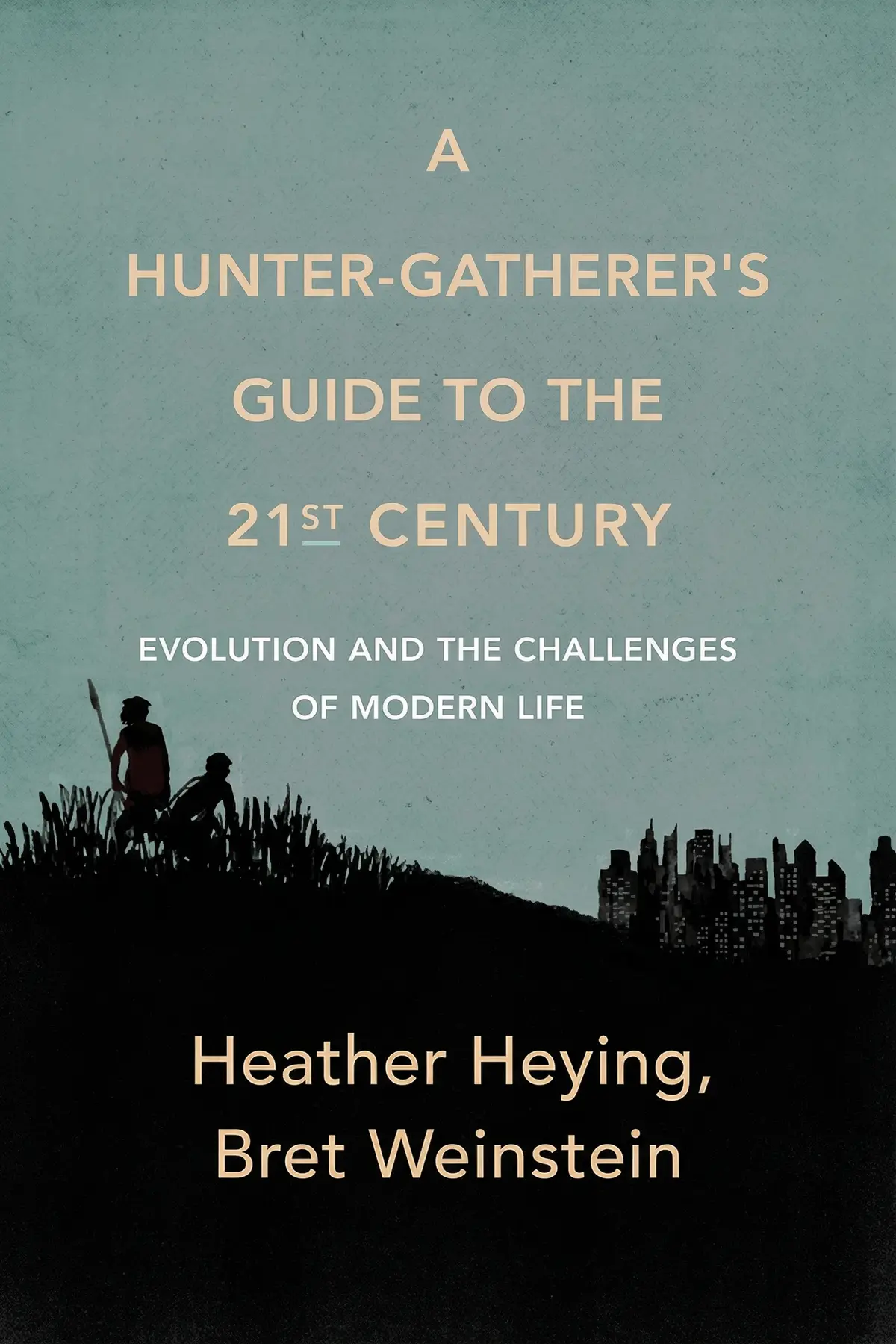
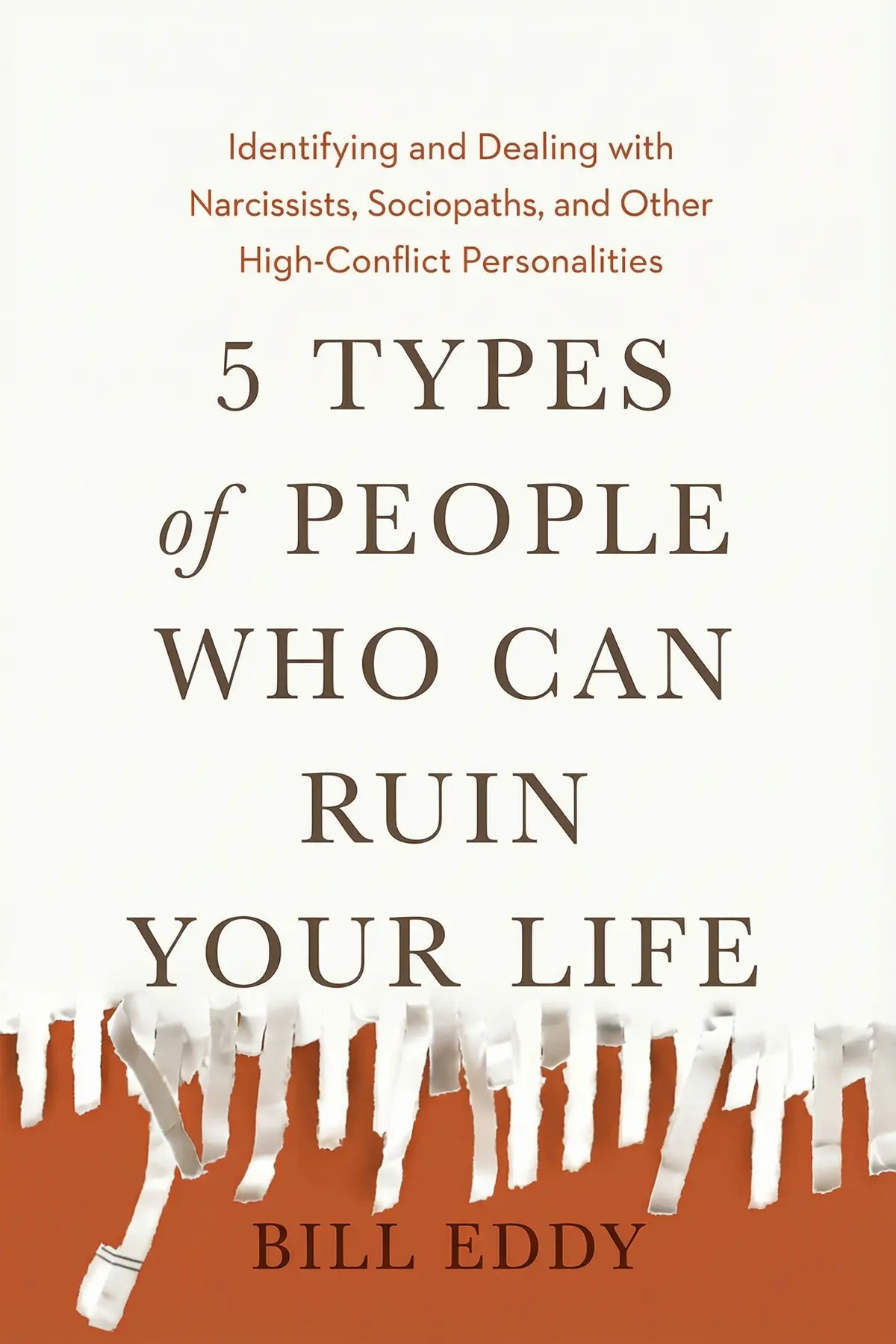
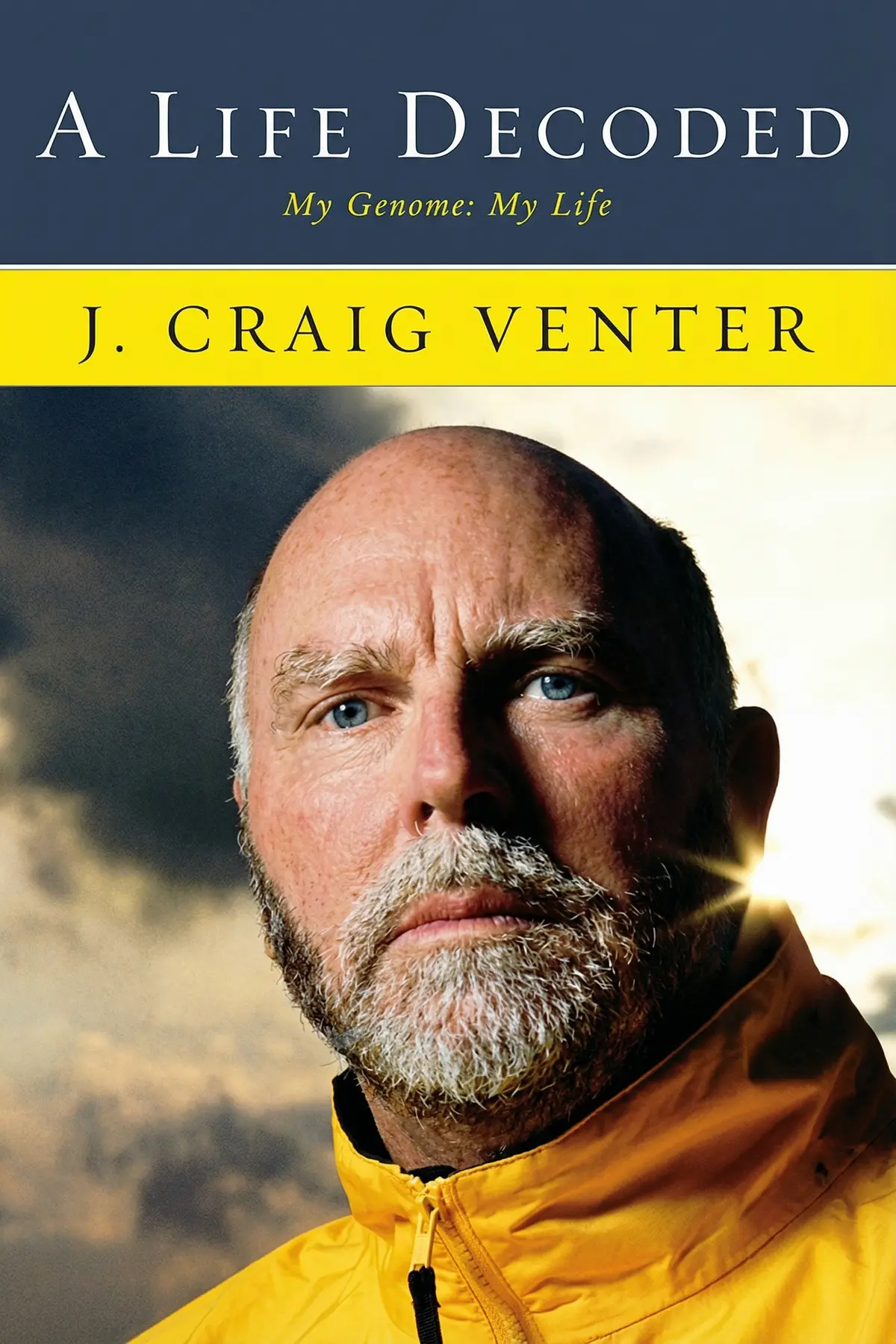
A Life Decoded: My Genome: My Life
J. Craig Venter
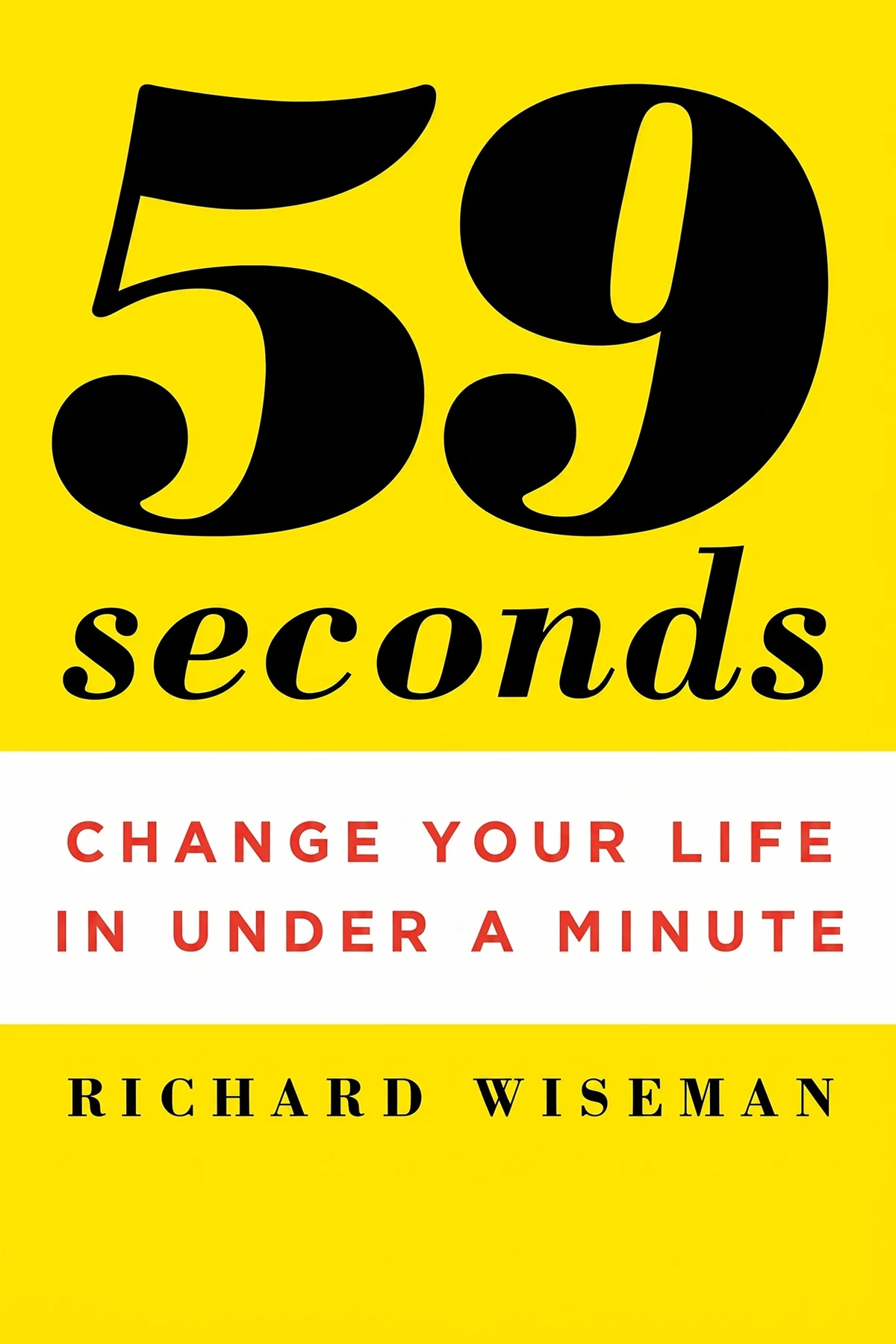
59 Seconds: Change Your Life in Under a Minute
Richard Wiseman
A Planet of Viruses
Carl Zimmer
A Short History of Nearly Everything
Bill Bryson
AUDIO SUMMARY AVAILABLE
Listen to Survival of the Prettiest in 15 minutes
Get the key ideas from Survival of the Prettiest by Nancy Etcoff, plus 5,000+ more titles in English and Thai.
- 5,000+ titles
- Listen as much as you want
- 7-day free trial
- Cancel anytime







