
15 min 21 sec
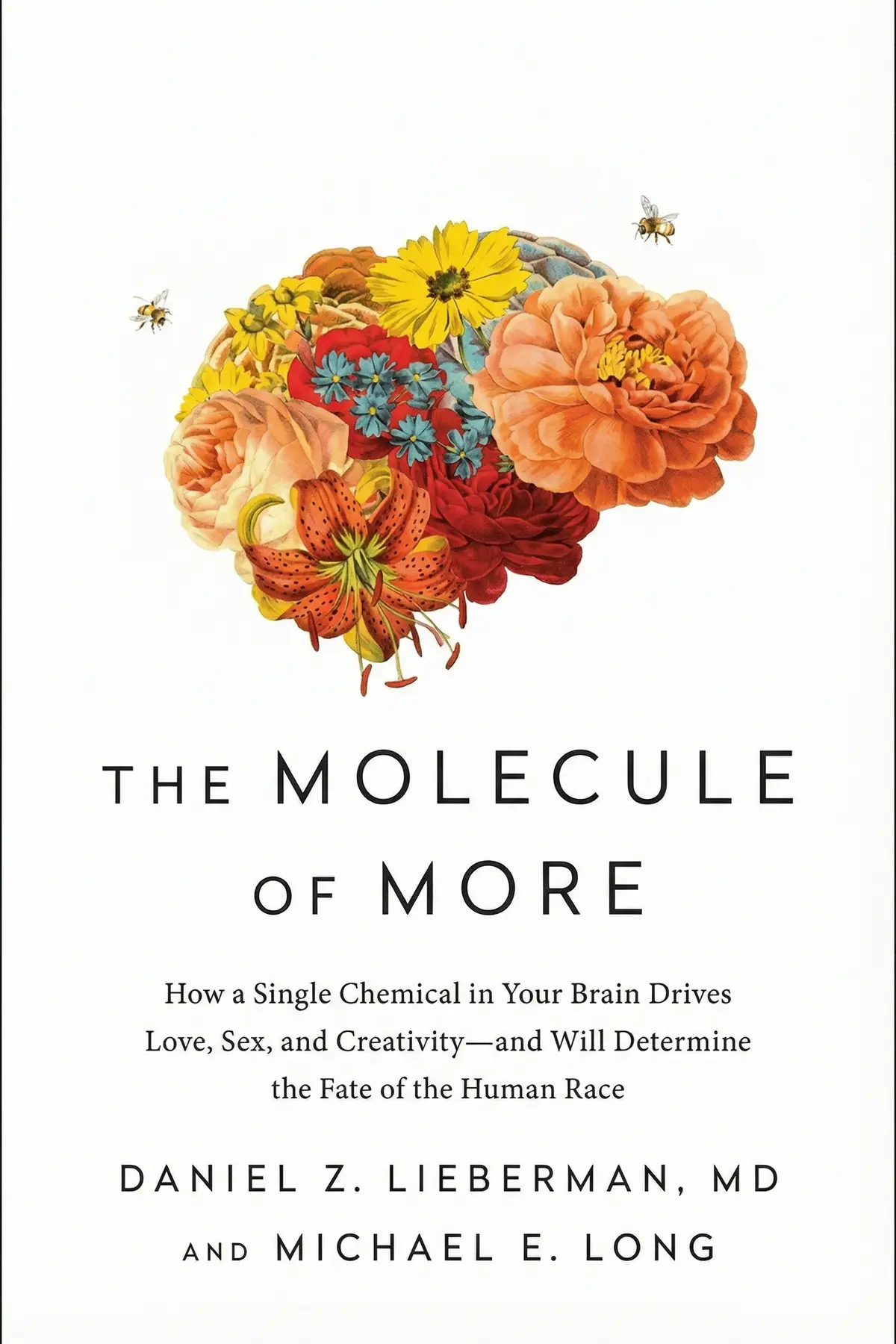
Taming the Molecule of More: A Step-by-Step Guide to Make Dopamine Work for You
Learn to master your internal drive by understanding how dopamine influences motivation. This guide offers practical strategies to reset your brain’s chemistry, avoid modern digital traps, and find lasting fulfillment beyond fleeting pleasures.
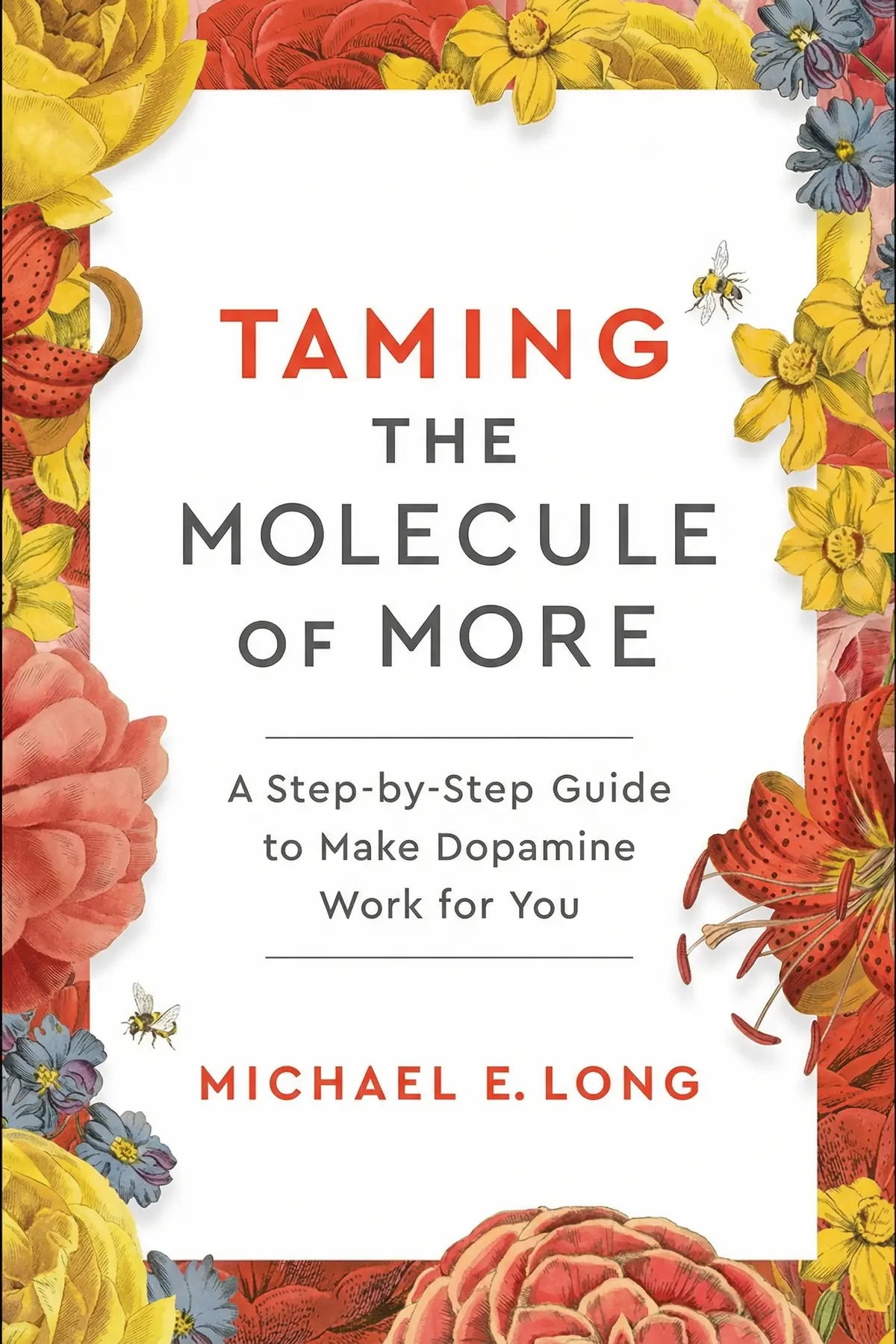
Table of Content
1. Introduction
1 min 41 sec
Imagine that familiar, restless itch. It’s the feeling that strikes just as you’ve finished a major project, or the moment after you’ve finally bought that item you’ve been eyeing for months. Instead of basking in the glow of completion, your mind is already darting toward the next horizon, asking, “What’s next?” This perpetual state of striving isn’t a character flaw or a lack of gratitude; it is the direct result of a powerful biological engine designed to keep us moving. At the heart of this drive is a single, influential chemical messenger in your brain that functions as the primary architect of anticipation and possibility.
This throughline of human behavior—the constant tension between our desire for what we don’t yet have and our ability to enjoy what we do—forms the core of our exploration. We are looking at a system that was once essential for our ancestors’ survival, pushing them to explore new territories and seek out scarce resources. However, in our modern world of abundance and hyper-stimulation, this system can often become misaligned with our actual well-being.
In the following sections, we will break down the mechanics of this internal motivator. You will learn how to distinguish between the excitement of the chase and the quiet joy of the present moment. We will explore practical ways to recalibrate your brain’s sensitivity to rewards, especially when faced with the addictive loops of modern technology. Ultimately, the goal is to provide you with a blueprint for taming this internal force, allowing you to harness its incredible energy for meaningful growth rather than being driven by every passing whim or notification. Let’s begin by looking at the fundamental dilemma of this ‘molecule of more.’
2. The Evolutionary Gap Between Wanting and Having
2 min 28 sec
Explore the biological divide between the thrill of the chase and the reality of possession, and why our brains are wired to prioritize the future.
3. Recalibrating Your Internal Reward System
2 min 23 sec
Discover how modern overstimulation dulls our ability to feel satisfaction and learn the mechanics of resetting your brain’s sensitivity to simple pleasures.
4. The Chemistry of Attraction and Long-Term Attachment
2 min 20 sec
Learn why the initial spark of romance naturally fades and how to use neurochemistry to build a lasting, fulfilling partnership.
5. Identifying and Escaping Engineered Digital Traps
2 min 25 sec
Examine how modern technology is designed to exploit our biological pursuit of novelty and how to reclaim your time and focus.
6. Channelling Drive Toward Purpose and Meaning
2 min 16 sec
Go beyond simple management of your brain’s chemistry to find true fulfillment by aligning your natural ambition with your core values.
7. Conclusion
1 min 48 sec
As we wrap up our journey through the landscape of human motivation, the central message is clear: your brain’s primary chemical motivator is an incredible tool, but it makes for a poor master. We have seen how its focus on the future and its hunger for novelty helped our ancestors survive a harsh world, but we have also seen how those same traits can leave us feeling scattered, dissatisfied, and vulnerable to the engineered temptations of the digital age. The key to a balanced life isn’t to suppress your ambition or your desire for discovery, but to understand the biological ‘rules of the road’ that govern them.
By learning to distinguish between the ‘wanting’ of anticipation and the ‘having’ of the present moment, you gain the power to choose your path. You’ve seen how to recalibrate your internal reward system through revitalization, how to protect your relationships from the natural fade of novelty, and how to build friction against the traps of technology. These aren’t just abstract theories; they are practical steps toward reclaiming your agency.
Ultimately, taming this ‘molecule of more’ allows you to stop running on a treadmill of endless consumption and start climbing a mountain of genuine purpose. When you align your natural drive for progress with your most deeply held values, you move from a state of constant seeking to a state of meaningful striving. You can enjoy the journey as much as the destination, finding fulfillment not just in what you achieve, but in who you become along the way. Take these insights into your daily life, start small with your recalibrations, and watch as your restlessness transforms into a powerful, focused energy for building a life that truly satisfies.
About this book
What is this book about?
Have you ever wondered why the excitement of a new purchase or a fresh relationship seems to evaporate so quickly? This exploration of human motivation dives into the neurochemical roots of our restless desire for more. It reveals that the driving force behind our ambition and curiosity is a specific chemical messenger that prioritizes the future over the present. While this internal engine has helped our species survive and innovate, in the modern world of endless notifications and instant gratification, it can easily lead to burnout and chronic dissatisfaction. This guide promises to show you how to take the wheel of your own biological machinery. By understanding the distinction between the chemistry of 'wanting' and the chemistry of 'having,' you can learn to recalibrate your sensitivity to rewards. You will discover how to identify the engineered traps of social media and consumer culture, and more importantly, how to channel your natural drive toward goals that offer genuine meaning rather than just a temporary high. It is a roadmap for anyone looking to transition from a life of constant seeking to a life of conscious satisfaction and balanced achievement.
Book Information
About the Author
Michael E. Long
Michael E. Long is a versatile American author known for his ability to translate complex concepts into engaging narratives. He is the coauthor of the acclaimed best-seller The Molecule of More, which has achieved international success and widespread translation. Beyond his work in popular science and psychology, his bibliography includes titles such as A Bushel of Beans and A Peck of Tomatoes. Long’s diverse professional background spans playwriting, screenwriting, and crafting speeches for high-level political figures and corporate leaders. He currently shares his expertise in communication by teaching writing at Georgetown University.
Ratings & Reviews
Ratings at a glance
What people think
Listeners find the work both educational and entertaining, with one review highlighting its captivating mix of scientific transparency. Additionally, the book offers a functional method for grasping how dopamine influences human drive, with one listener characterizing the work as a tour de force of psychology.
Top reviews
Som
This book is a tour de force of psychology that manages to be both informative and genuinely fun to read. Michael Long has achieved a rare level of scientific clarity here, explaining how our internal chemistry drives our constant hunger for 'more' without ever getting bogged down in overly dense jargon. I found the sections on the psychology of human motivation particularly enlightening because they provided a framework for why I often feel restless even after achieving a major goal. It’s rare to find a book that balances high-level neurochemistry with such practical, approachable insights. If you’ve ever felt like you’re just a passenger to your own impulses, this provides the map you need to start driving again. It’s easily one of the most engaging non-fiction titles I’ve picked up this year, and I've already recommended it to several colleagues who struggle with burnout.
Show moreMeen
Wow, what a deep dive into the human engine of 'more' and how it fundamentally drives every choice we make. This book feels like a manual for the modern human brain, which was never evolved to handle the 24/7 pings and likes of the smartphone era. Long presents a compelling blend of neuroscience and life advice that actually feels actionable rather than just theoretical. I especially loved the concept of 'introducing friction' to break bad habits—making it harder to access the things that hijack our attention. The writing is sharp and the author's passion for the subject really shines through in every chapter. It’s informative, scientifically sound, and provides a much-needed path toward a more balanced and satisfying life. I’ve read a lot about psychology, but this specific focus on the 'molecule of more' provided the missing piece of the puzzle for my own self-improvement journey.
Show moreSirichai
Ever wonder why the things we want most lose their luster the second we actually get them? That is the central question Long tackles, and he does so with a wonderful blend of philosophy and hard science. I was especially struck by the references to Viktor Frankl and Aristotle, which helped elevate the book from a simple biology text to a deeper exploration of how we find meaning in a world designed to keep us craving. The truth is, dopamine is a blind engine that doesn’t care about our long-term happiness, only the next hit. By understanding this, I’ve started to look at my own 'dopamine traps' with a lot more skepticism. The writing style is punchy and direct, though a few chapters on the biological blood-brain barrier felt slightly disconnected from the more emotional, philosophical beats of the later chapters. Overall, it's a very solid guide for anyone feeling the weight of modern-day overstimulation.
Show moreJin
The chapter on relationships was a total eye-opener for me regarding the transition from dopamine-heavy sparks to oxytocin-based connection. Long explains beautifully why that initial 'whirlwind' phase of romance eventually cools, and why so many of us mistake that natural chemical shift for a lack of love. It’s not that the relationship is failing; it’s just that the brain has moved from the 'molecule of more' to the molecules of here and now. I found this perspective incredibly reassuring for my own long-term partnership. The book offers a grounded look at how we can consciously reintroduce novelty to keep things fresh while still valuing the stability of a known partner. While some of the sections on addiction felt a bit repetitive if you’ve read similar books, the specific focus on love and long-term bonding made the entire read worthwhile for me. It's a practical guide to balancing desire with devotion.
Show moreKavya
After hearing about dopamine fasting all over social media, it was refreshing to read a grounded, scientific perspective on what it actually entails. Michael Long doesn’t suggest anything extreme, but rather a 'dopamine revitalization' that involves pulling back from artificial triggers like constant scrolling and energy drinks. I started implementing his suggestion of a 'digital sabbath' and, honestly, the results were almost immediate. My brain initially resisted the lack of stimulation, but after a few days, I started to appreciate simple pleasures like reading a physical book again. The book is very holistic, even touching on the influence of the microbiome and how different medications interact with our reward systems. It’s a bit of a dense read at times, and the sentence structure can get a little academic, but the clarity of the core message remains intact. This is a must-read for anyone feeling chronically overwhelmed by the digital age.
Show moreChamp
Picked this up because I’ve been feeling trapped on the productivity treadmill and needed a way to understand my own brain’s constant restlessness. The author does a fantastic job of explaining that dopamine isn't the 'enemy,' but rather a blind tool that needs to be steered with intention. I found the sections on aligning your pursuits with your core values to be the most transformative part of the book. It’s not just about cutting out bad habits; it’s about replacing them with activities that offer genuine, intrinsic satisfaction. Personally, the discussion on how society functions as a giant dopamine trap was a bit chilling but very necessary. The advice to pursue hobbies that take effort—like cooking or hiking—resonated deeply with me. It’s a solid 4-star read that offers a path out of the numbed experience of modern life and toward something much more meaningful.
Show moreFinn
Frankly, I didn't think a book about neurochemistry would be this accessible, but Long has a way of distilling complex topics into actionable life changes. The book is incredibly grounded, moving from the microscopic level of neurons to the macroscopic level of how we build our entire societies. I was particularly interested in the minor twists regarding multi-tasking and how it actually degrades our ability to feel satisfied with our work. The holistic approach—spanning from research to therapy to lifestyle changes—makes this feel like a complete package for anyone looking to recalibrate their life. My only real gripe is that some of the analogies felt a little stretched, and a few of the 'dopamine trap' examples were a bit dated. Nevertheless, the core message about taming our drive for more in order to experience 'enough' is a vital one for our current cultural moment.
Show moreThanakorn
Not what I expected given how much I loved the previous collaboration with Lieberman, though it still holds some value for newcomers to the topic. I received an ARC from NetGalley and found the first half quite strong, particularly the breakdown of how dopamine governs our anticipation of rewards rather than the reward itself. However, I struggled with some of the author’s broader philosophical claims. For instance, the assertion that 'happy people don't improve their worlds' felt like a bit of a stretch and lacked the rigorous evidence found in other sections. It’s a bit of a mixed bag; the science of neurochemistry is top-notch, but the lifestyle advice sometimes feels like a rehash of common sense. I did appreciate the discussion on 'dopamine fasting,' as it cleared up many of the misconceptions floating around social media. It’s a useful read if you’re on the 'dopamine treadmill,' but don’t expect a total reinvention of the genre.
Show moreManika
While I enjoyed the first book immensely, I found this follow-up to be a bit of a mixed bag when it came to providing new information. There is definitely some 'regurgitation' of the core concepts from the original Lieberman collaboration, which is fine for new readers but felt a bit redundant for me. That said, the new research studies on dopamine and social behavior were quite intriguing and kept me engaged through the first two-thirds of the book. The ending, however, slows down significantly as it pivots into very standard self-help territory. I didn't find the tips for curbing addictive behavior to be particularly revolutionary, though they are certainly practical for someone who hasn't encountered them before. It’s a well-written, professional book that serves as a good logical complement to the first, but it doesn't quite reach the same heights of 'aha!' moments for returning readers.
Show moreLayla
To be fair, some of the practical advice in the latter half felt incredibly derivative and frankly a bit too basic for my tastes. While the initial chapters diving into research studies on dopamine and behavior were fascinating, the book eventually drags into 'dry' territory that felt like a chore to finish. I was hoping for cutting-edge techniques, but instead, I got suggestions like finding an accountability buddy or freezing your credit card in a block of ice—tips I’ve seen in romantic comedies and basic self-help blogs for decades. Look, the science is solid, but the application side of the book lacks the novelty that the subject matter deserves. If you are already well-read in the productivity or habit-formation space, you might find yourself skimming large portions of this. It’s a decent primer for someone totally new to the concept of dopamine, but it didn't offer the breakthrough I was anticipating.
Show moreReaders also enjoyed

59 Seconds: Change Your Life in Under a Minute
Richard Wiseman
A Liberated Mind: How to Pivot Toward What Matters
Steven C. Hayes
Acting with Power: Why We Are More Powerful Than We Believe
Deborah Gruenfeld
AUDIO SUMMARY AVAILABLE
Listen to Taming the Molecule of More in 15 minutes
Get the key ideas from Taming the Molecule of More by Michael E. Long, plus 5,000+ more titles in English and Thai.
- 5,000+ titles
- Listen as much as you want
- 7-day free trial
- Cancel anytime







