Exercised: Why Something We Never Evolved to Do Is Healthy and
Daniel Lieberman
A fascinating exploration of dopamine, the brain chemical that drives human desire, creativity, and progress, explaining how our constant pursuit of more influences everything from romance and addiction to political leanings and global migration.
2 min 07 sec
Why is it that the things we want most desperately often lose their luster the moment we finally acquire them? Think about the last time you obsessed over a new gadget, a promotion, or even a first date. The anticipation was electric, a buzzing energy that kept you awake at night. But once the phone was in your pocket, the title was on your door, or the relationship became routine, that initial fire began to dim. This isn’t just a quirk of human nature; it is the direct result of a specific chemical process in your brain.
In this exploration of The Molecule of More, we are looking at dopamine. While often labeled as the ‘pleasure molecule,’ that title is actually quite misleading. As we will discover, dopamine has very little to do with the pleasure of having. Instead, it is the molecule of anticipation, of possibility, and of ‘more.’ It is the chemical that tells us that the future can be better than the present, provided we go out and grab what we don’t yet possess.
This summary will take you on a journey through the neurological pathways that define our lives. We’ll look at how this one chemical, produced by a tiny fraction of your brain cells, serves as the engine for human civilization—driving our ancestors across oceans and our modern scientists toward the stars. We will also examine the darker side of this drive: how it fuels the fires of addiction, causes the slow death of passionate romance, and creates a restless dissatisfaction that can make true happiness feel like a moving target.
By understanding the tension between the dopamine system and what the authors call the ‘Here and Now’ chemicals, you’ll gain a new perspective on your own behavior. You’ll see why you make the choices you do, why your political views might be hardwired into your chemistry, and how you can find a sense of peace in a world that is constantly screaming for your attention. This is the story of the chemical that makes us human, for better and for worse. Let’s dive into the fascinating world of the molecule that never says ‘enough.’
2 min 14 sec
Your brain perceives the world through two distinct lenses based on physical distance, a divide that dictates whether you are driven by desire or grounded in reality.
2 min 16 sec
Dopamine isn’t triggered by rewards themselves, but by the gap between what we expect and the wonderful surprises we actually receive.
2 min 24 sec
The shift from the fiery passion of a new romance to the steady warmth of a long-term partnership is driven by a profound change in brain chemistry.
2 min 22 sec
The brain uses entirely different circuits for wanting and liking, a distinction that explains why we often crave things that don’t actually make us happy.
2 min 12 sec
Dopamine doesn’t just drive our wild desires; it also powers the cold, calculating logic of our long-term plans.
2 min 22 sec
The same chemical process that allows an artist to see a hidden pattern in a sunset can, when taken to the extreme, cause a person to see conspiracies in the shadows.
2 min 20 sec
Your political identity may be less about your upbringing and more about which neurochemical system—dopamine or H&N—is dominant in your brain.
2 min 11 sec
A specific genetic variation related to dopamine may explain why certain populations have been historically more likely to migrate across the globe and build new civilizations.
2 min 21 sec
True fulfillment is not found in the constant pursuit of more, but in the intentional effort to balance our future-oriented drive with present-moment appreciation.
1 min 55 sec
The Molecule of More has shown us that our brains are divided by a fundamental chemical border. On one side stands dopamine, the tireless architect of ‘what if,’ driving our ambitions, our inventions, and our cravings. On the other side are the Here and Now chemicals—serotonin, oxytocin, and others—that allow us to experience the world as it is and find satisfaction in our relationships and our surroundings.
We’ve seen how this divide explains the arc of a romantic relationship, the trap of addiction, and the very roots of our political disagreements. We’ve discovered that we are the heirs to a genetic legacy of restlessness, a drive that has allowed humanity to dominate the planet but often leaves us feeling empty once our goals are achieved. The throughline of this journey is that while dopamine is essential for our survival and our progress, it is not a direct path to happiness.
To live a fulfilled life, you must become a conscious manager of your own neurochemistry. This doesn’t mean suppressing your dopamine; we need its spark to dream and to build. But it does mean recognizing when the ‘molecule of more’ is taking too much control. It means intentionally stepping off the treadmill of anticipation to savor the sensory richness of the present moment.
As you move forward, try to pay attention to those moments when you are looking past the present in search of a future reward. When you find yourself obsessing over a ‘more,’ take a breath and intentionally engage your H&N system. Look at the person across from you, feel the texture of the work in your hands, or simply notice the light in the room. By balancing the drive for the future with the peace of the present, you can turn your life from a frantic chase into a meaningful journey. You have the power to decide when ‘enough’ is actually enough.
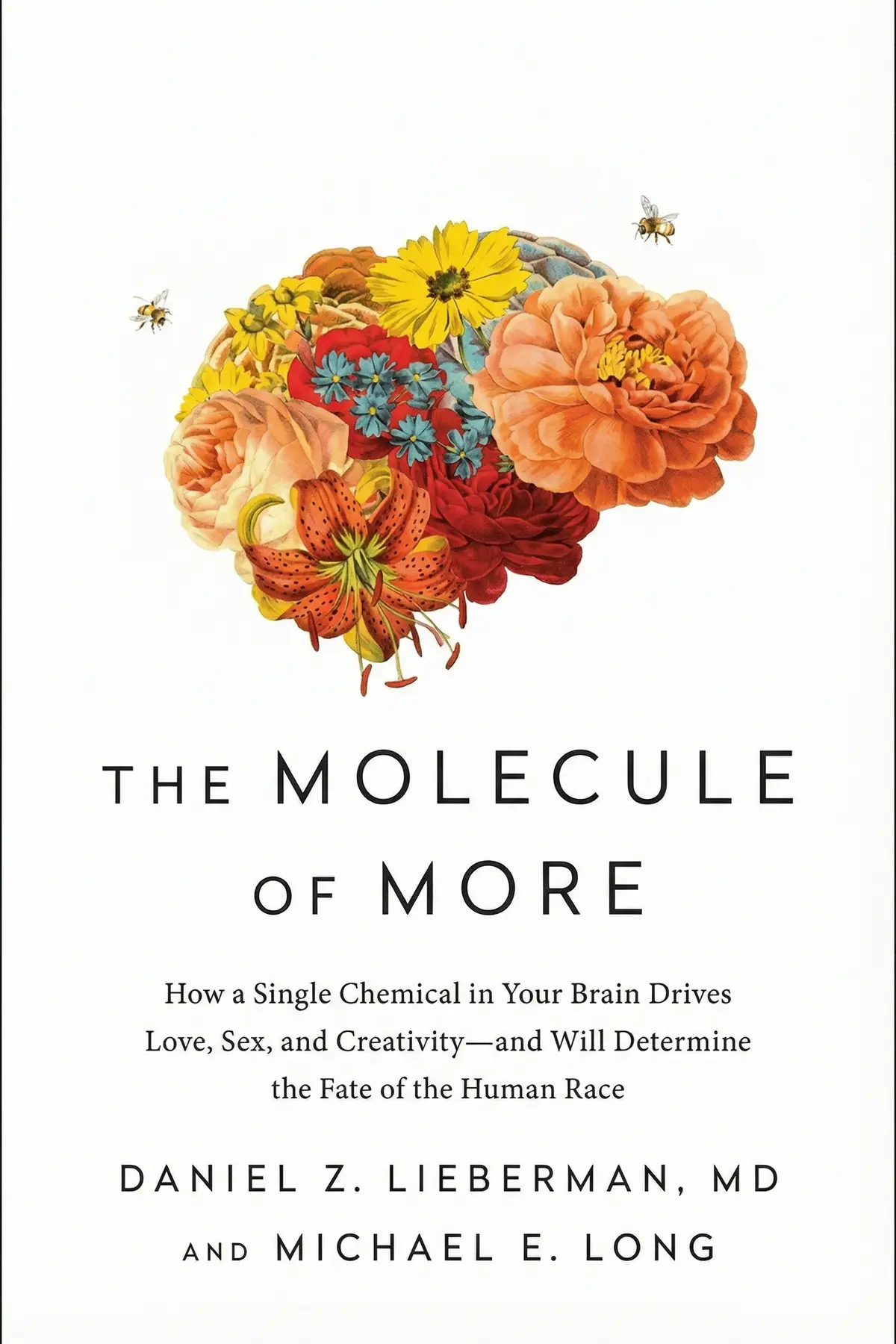
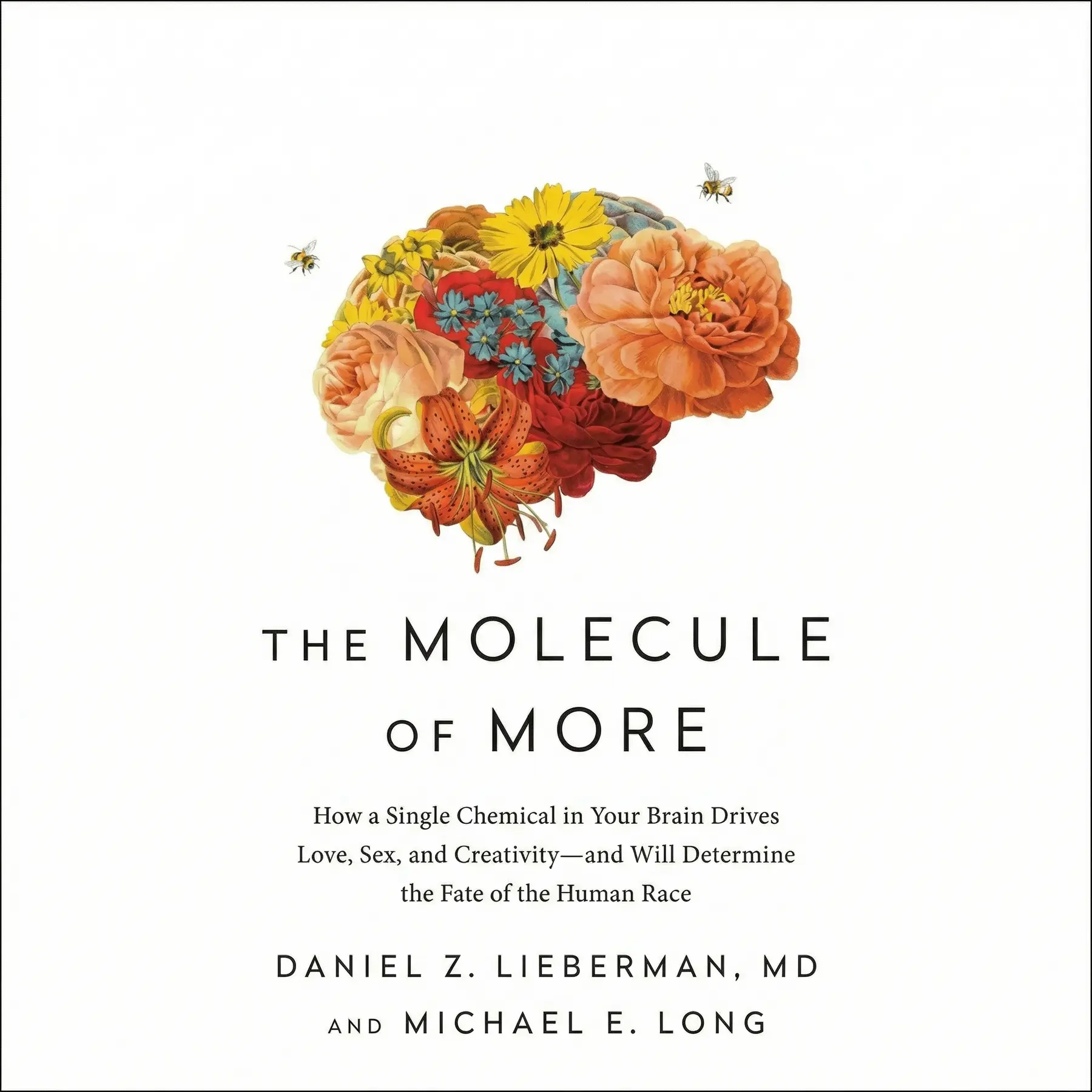
The Molecule of More explores the profound impact of a single chemical on the human experience. While many people mistake dopamine for a simple pleasure chemical, this book reveals that its true purpose is to drive us toward what we don’t yet have. It is the fuel for our ambition, our cravings, and our most innovative ideas. By dividing the brain’s functions into the future-oriented dopamine system and the present-oriented Here and Now (H&N) system, the authors provide a framework for understanding why we fall out of love, why we struggle with addiction, and why some people are naturally more adventurous than others. Readers will learn how dopamine influences complex human behaviors, including political ideologies and the creative spark. The book promises to provide a deeper understanding of the biological forces that govern our choices, offering a path toward a more balanced and fulfilling life. By learning to harmonize our drive for 'more' with the ability to appreciate the 'now,' we can navigate the challenges of the modern world more effectively.
Daniel Z. Lieberman is a professor in the Department of Psychiatry and Behavioral Sciences at George Washington University. He has published over 50 scientific reports on behavioral science. Michael E. Long is an award-winning author, speechwriter, screenwriter, and playwright. He holds a bachelor’s degree in physics and mathematics.
Listeners find the work thoroughly documented and accessible, offering intriguing perspectives on the mechanics of the human brain. Furthermore, the prose is captivating, as one listener points out that it crafts a mesmerizing story. They also value the way the text clarifies dopamine's influence on actions and how it can boost personal well-being. The title is praised for being clear and applicable, with one listener characterizing it as a reference book for life.
This book reads more like a fast-paced thriller than a neuroscience textbook, which is a testament to the co-author's background in storytelling. I was hooked from the first chapter because the narrative explains our deepest cravings through the lens of a single chemical. While some might argue it leans too heavily into the 'pop science' category, the way it connects dopamine to our constant need for 'more' is absolutely eye-opening. It provides a roadmap for understanding why we are never satisfied with the present moment. Personally, I found the breakdown of 'Here and Now' molecules versus the futuristic pull of dopamine to be a life-changing framework. If you want a reference book for life that explains your own self-sabotaging habits, this is it. It’s rare to find such a well-researched piece that remains so accessible to the average reader.
Show morePicked this up after a friend mentioned the section on dating, and I wasn't disappointed by the explanation of why the 'spark' fades after eighteen months. The book weaves a spellbinding narrative that turns cold biological facts into relatable human experiences we've all felt. Understanding the transition from dopaminergic passion to the H&N stability of oxytocin changed how I view my own relationships. Truth is, we are often just passengers in a vehicle driven by chemicals we don't even understand. This guide helps you grab the steering wheel by providing clarity on your own impulsive behaviors. I’ve started recommending it to everyone I know who struggles with the 'chase' versus the 'catch.' It’s an essential read for anyone looking to find a bit more harmony in their daily life.
Show moreFinally got around to reading this, and I can say it has become a reference book for my life moving forward. The way Lieberman and Long explain the distinction between wanting and liking is a fundamental shift in perspective. It’s amazing how a single molecule can explain such a wide range of behaviors, from falling in love to the way we shop online. The narrative is so engaging that I finished it in just two sittings, which rarely happens with non-fiction. Not gonna lie, I was surprised by how much I enjoyed the sections on political ideology and social structures. It’s a masterclass in science writing that makes complex topics feel intuitive and urgent. This is exactly the kind of book that helps you understand the 'why' behind your most confusing impulses.
Show moreWow. I never realized how much of my daily struggle with satisfaction was actually just a chemical battle happening inside my skull. This book is expertly crafted to help you see the world through a completely different lens. It’s not just about science; it’s about the nature of human suffering and our universal inability to be content. The authors explain that we are literally wired for 'more,' which makes the pursuit of happiness such a tricky endeavor. While it lacks a bit of the technical precision some experts might want, the emotional resonance of the writing is powerful. I felt like I was finally getting answers to questions I didn't even know how to ask. It’s a spellbinding look at the engine of human progress and the cost it extracts from our well-being.
Show moreEver wonder why your political leanings seem so deeply baked into your personality? Lieberman explores the fascinating link between neurotransmitters and whether we lean liberal or conservative, which was easily the most provocative section for me. To be fair, the book does oversimplify complex brain structures to keep the prose moving, but the core message remains powerful. It successfully demystifies why some people are driven by progress and others by stability. I did feel the chapter on Isaac Newton was a bit of a stretch, as it ignored some historical nuances like his mercury exposure. Nevertheless, the insights into how dopamine influences our long-term happiness are invaluable. It’s a compelling look at the invisible forces driving our society toward constant consumption and innovation.
Show moreAfter hearing so much buzz about dopamine lately, I wanted a source that was well-researched but not incredibly dense. This book strikes a great balance, offering a clear-eyed look at how the 'molecule of more' fuels everything from drug addiction to corporate greed. The authors do a fantastic job of explaining why the brain's reward system is actually designed to keep us unsatisfied. I would have liked more practical advice on how to balance these chemicals, as the ending felt a little light on 'how-to' steps. Still, the clarity I gained regarding my own compulsive consumption habits was worth the price of admission. It’s an engaging, enlightening journey through the evolutionary quirks that make us human. Some of the stories felt a bit sensationalized, but they helped the technical points stick in my memory.
Show moreThe chapter on mental models and the connection between creativity and psychosis was probably the highlight of the entire experience. It’s fascinating to see how the same chemical that drives a genius to innovate can also lead someone into the depths of mania. In my experience, the book succeeds most when it discusses the evolutionary necessity of these traits. While the writing style is very much 'pop science,' the insights into the mechanisms of desire are still profound. I did feel that the 'H&N' molecules were treated as a bit of an afterthought compared to the star of the show. A more balanced look at serotonin and endorphins would have made for a more complete picture. Regardless, it’s an incredibly readable book that will change how you perceive your own cravings.
Show moreAs someone who struggles with focus and motivation, learning about the dopamine circuit was a revelation. The authors use effective functional metaphors to explain why we’re always chasing the next big thing instead of enjoying what’s in front of us. To be fair, some sections feel a bit repetitive, and the Hollywood influence on the prose is very obvious. However, the core message about finding balance between dopamine and our 'here and now' molecules is essential for modern happiness. It’s a well-researched guide that doesn't require a science degree to appreciate. I appreciated the stories about historical figures, even if they were a bit simplified for the sake of the plot. Definitely a solid four-star read for anyone interested in the biological roots of human behavior.
Show moreLook, I appreciate the attempt to make neuroscience accessible, but this felt a bit like a Hollywood screenwriter took a red pen to a PhD thesis. The information is definitely interesting, yet it often borders on being too 'dumbed down' for anyone with a basic science background. I was hoping for more rigorous data and fewer sweeping generalizations about human nature and creativity. The concept of 'Here and Now' molecules is a helpful metaphor, but the authors use it as a catch-all for every emotion that isn't dopamine-driven. Frankly, the repetition of certain themes became a bit tedious by the halfway mark. It’s a decent entry point into the subject, but don't expect the depth of a more academic text. It’s essentially 'Thinking Fast and Slow' but with a much louder, more commercial personality.
Show moreNot what I expected from a book co-authored by a psychiatrist, as it felt more like a collection of anecdotes than a serious scientific inquiry. The authors seem determined to shoehorn every single human behavior into the 'dopamine vs. everything else' binary. This oversimplification leads to some really questionable conclusions, especially when they start theorizing about the future of the human race. I found the chapter on Newton particularly egregious because it ignored obvious environmental factors to fit a specific narrative about brilliance. For a book about the brain, there is a shocking lack of actual neuroanatomy or discussion of other vital neurotransmitters. If you want a fun, light read, this might work, but it’s definitely not a credible resource for deep learning. It felt like the neuroscience equivalent of a tabloid magazine.
Show more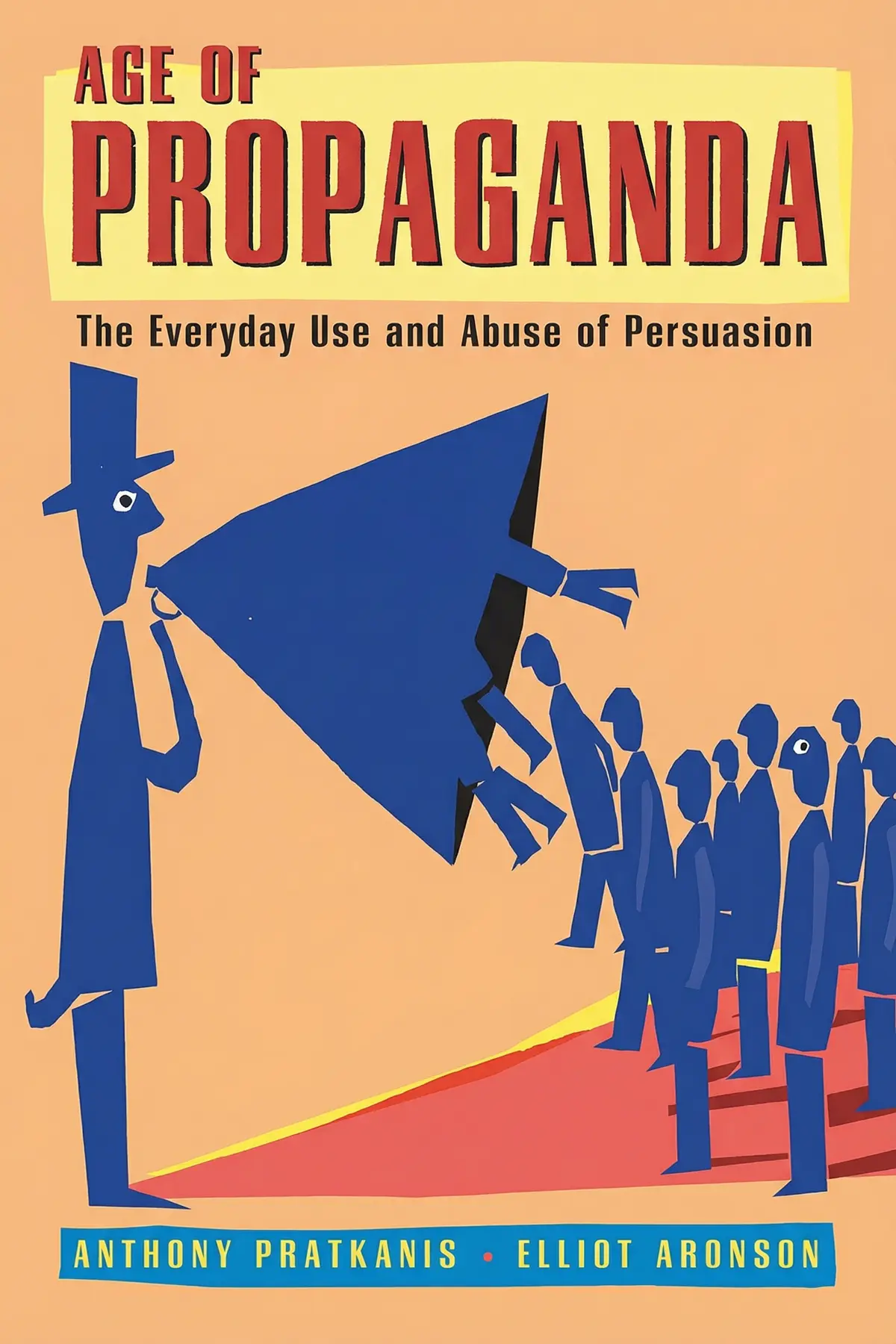
Anthony Pratkanis

Lisa Kaltenegger



Richard Wiseman
AUDIO SUMMARY AVAILABLE
Get the key ideas from The Molecule of More by Daniel Lieberman, plus 5,000+ more titles in English and Thai.